Places With Unusual Natural Phenomena
Nature doesn’t always follow the rules people expect. Sometimes it creates scenes that look impossible or downright strange.
These spots around the world prove that reality can be stranger than fiction. Let’s explore some of the most bizarre and mind-bending natural wonders the planet has to offer.
The eternal flame at Chestnut Ridge Park
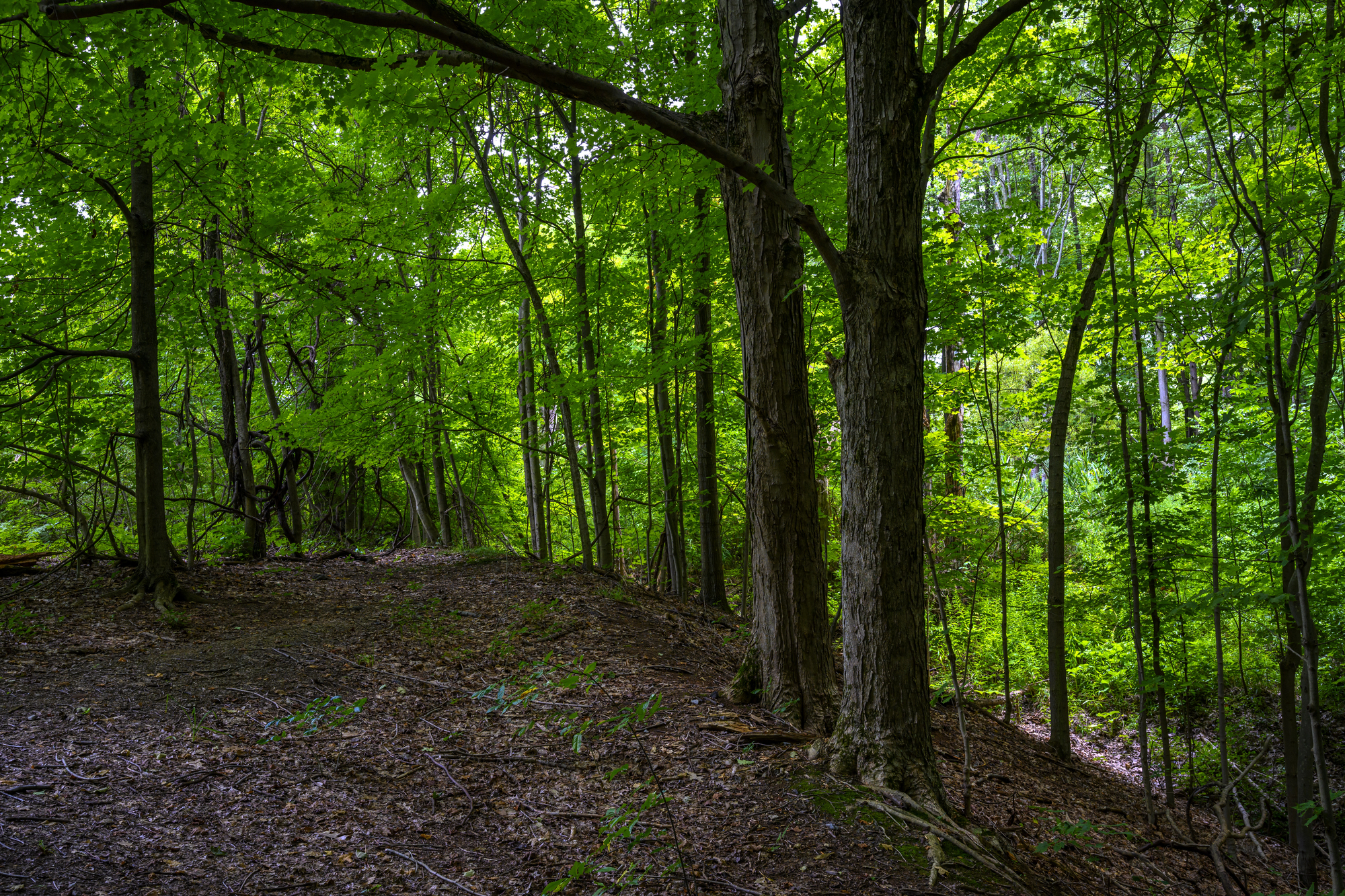
A small waterfall in western New York hides something that defies logic. Behind the cascading water, a flame burns year-round without any obvious fuel source.
Natural gas seeps through cracks in the ancient shale rock, and someone lit it decades ago. The flame occasionally goes out when the water flow increases, but visitors usually relight it.
Scientists find this spot particularly unusual because the rock formation shouldn’t be producing gas at such low temperatures.
Sailing stones of Death Valley
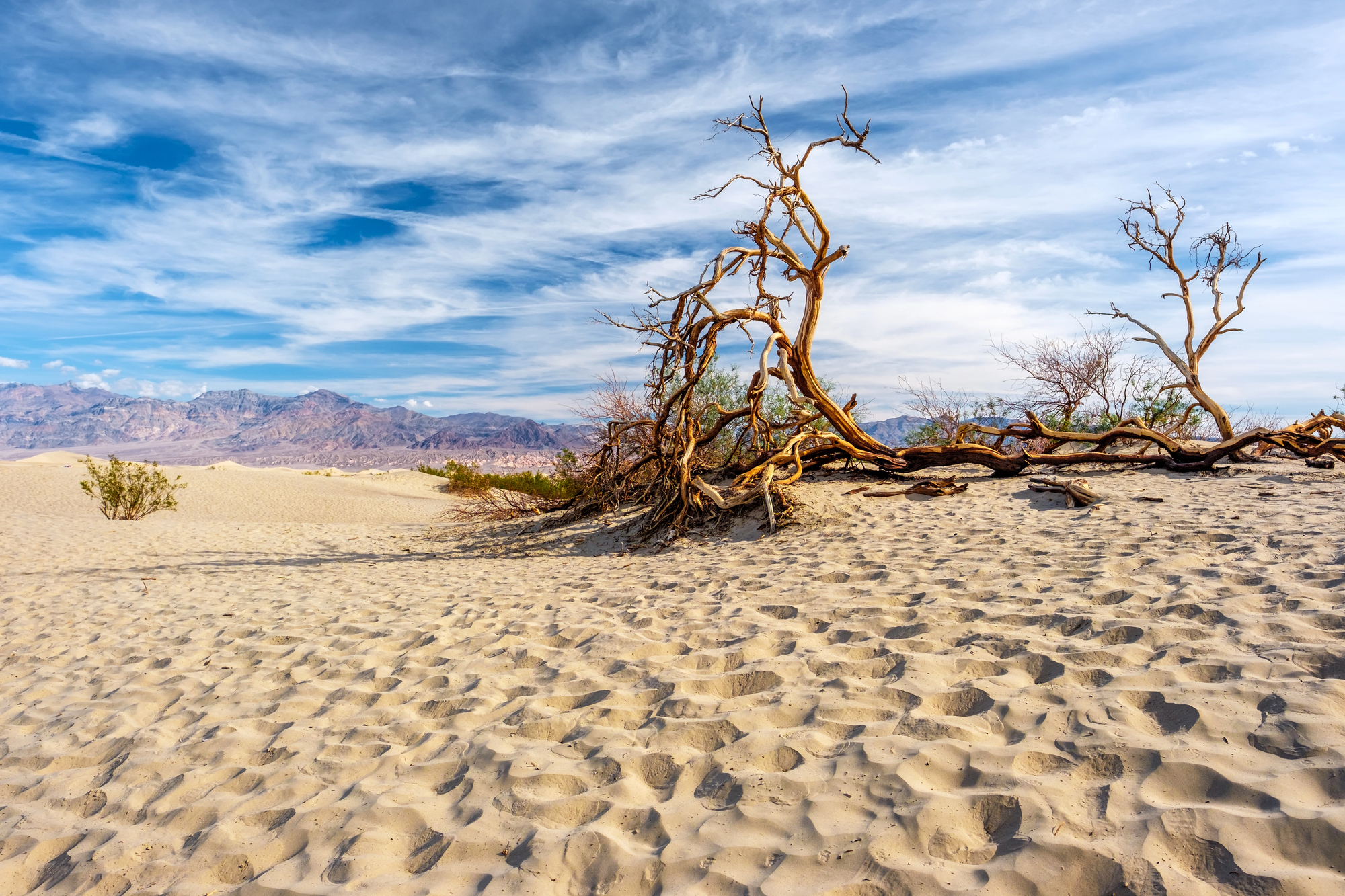
Rocks weighing hundreds of pounds slide across the desert floor at Racetrack Playa, leaving long trails behind them. Nobody witnessed these stones moving until 2014, when researchers finally caught them in action.
During winter, thin ice sheets form on the playa after rain, and light winds push the ice, which drags the rocks along with it. The trails can stretch for hundreds of feet, creating patterns that look like someone deliberately arranged them.
Some tracks run straight while others curve or zigzag across the cracked mud.
Blood Falls in Antarctica
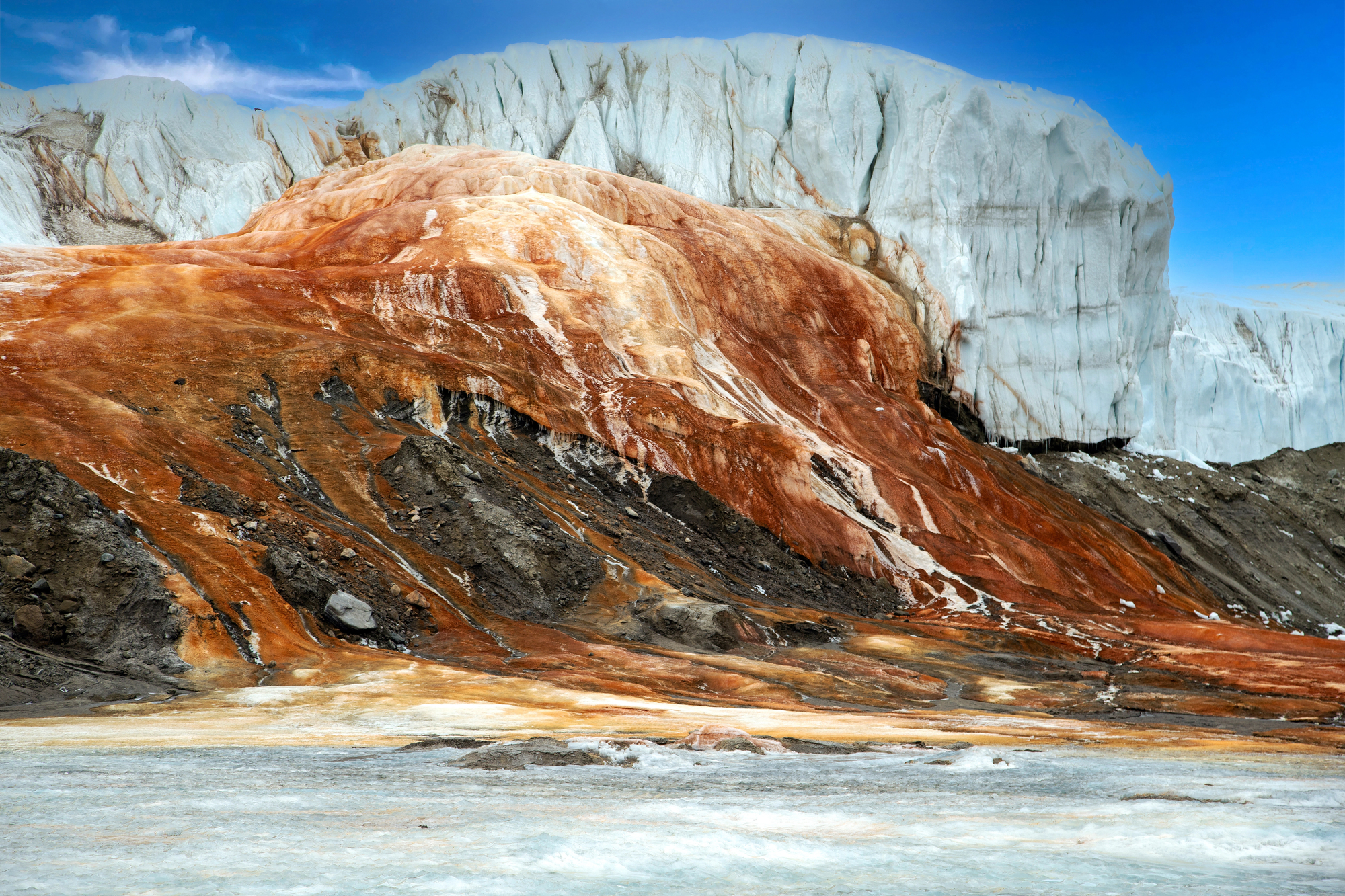
A red waterfall pours out of Taylor Glacier, staining the white ice with what looks like fresh blood. The color comes from iron-rich saltwater that’s been trapped under the glacier for millions of years.
When this ancient brine reaches the surface and hits oxygen, the iron rusts instantly, creating the dramatic crimson color. The water is three times saltier than the ocean and contains no oxygen, yet microbes have learned to survive in this extreme environment.
Scientists study this spot because it might show how life could exist on frozen planets.
Bioluminescent shores of Vaadhoo Island
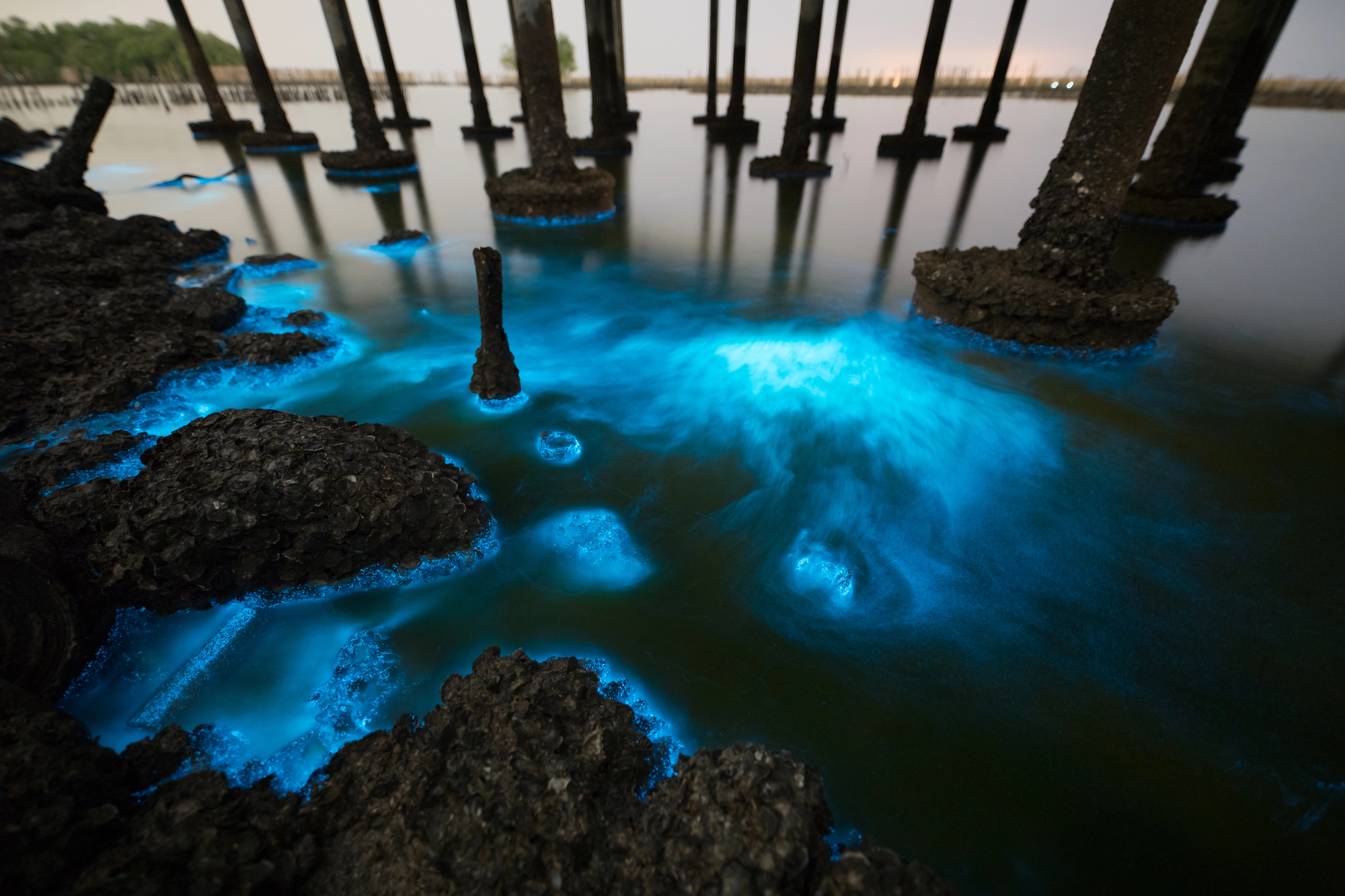
The beaches of this Maldivian island glow bright blue at night, as if someone spilled paint in the water. Tiny organisms called phytoplankton create this effect through a chemical reaction in their bodies.
When waves disturb these creatures, they light up as a defense mechanism, turning the surf into a sparkling blue wonderland. Footsteps in the wet sand also trigger the glow, letting people leave glowing footprints along the beach.
The phenomenon appears most strongly during red tide events when the plankton population explodes.
Lake Hillier’s pink water
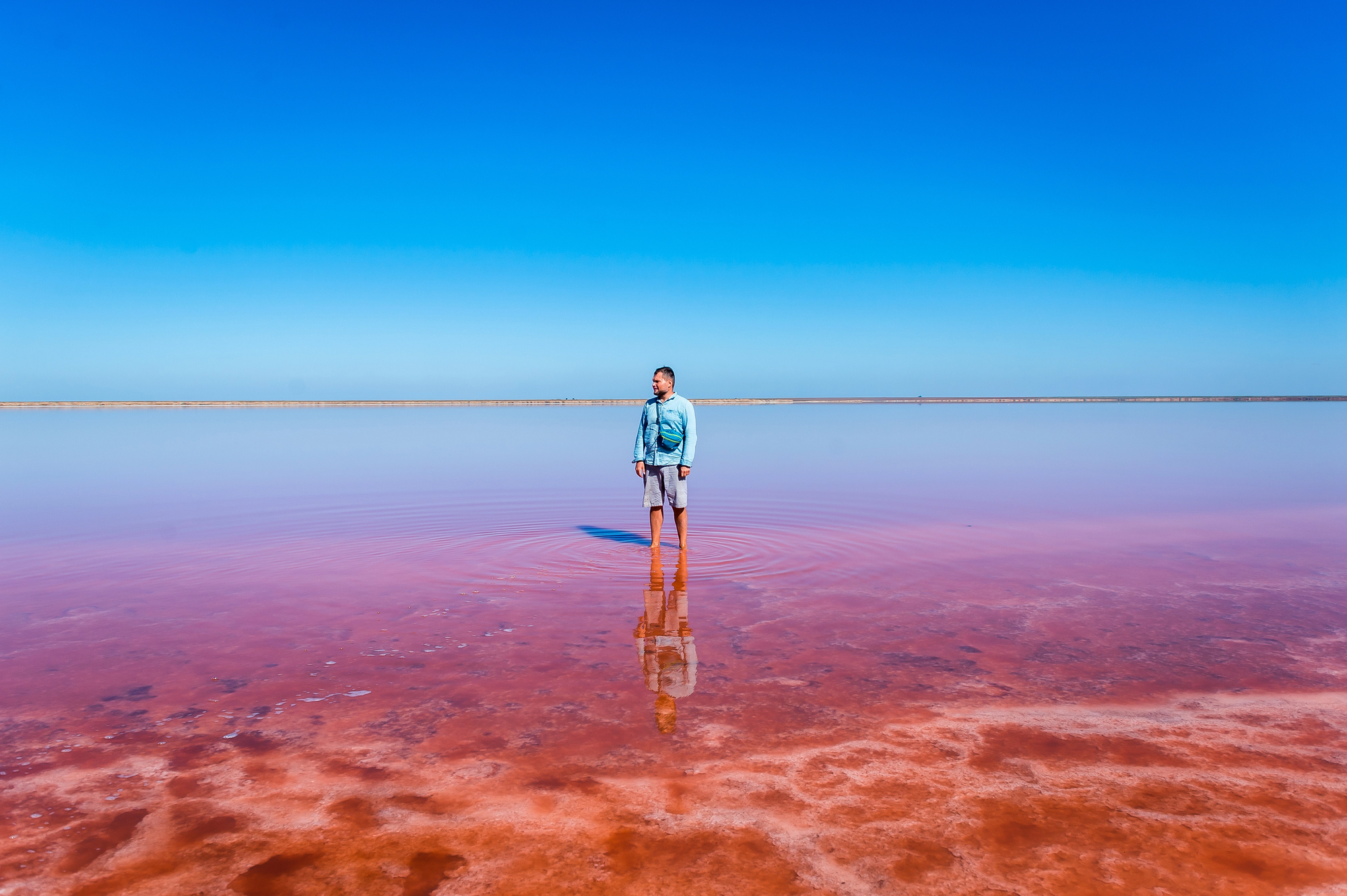
This Australian lake maintains a bright bubblegum pink color throughout the year, even when people remove the water and put it in a container. Scientists still debate the exact cause, but they suspect a combination of algae, bacteria, and salt-loving microbes creates the color.
The lake sits on Middle Island, surrounded by dense forest and the deep blue Southern Ocean, making the color contrast even more striking. Unlike other pink lakes that change with seasons or salt levels, Hillier stays pink no matter what.
The Eye of the Sahara
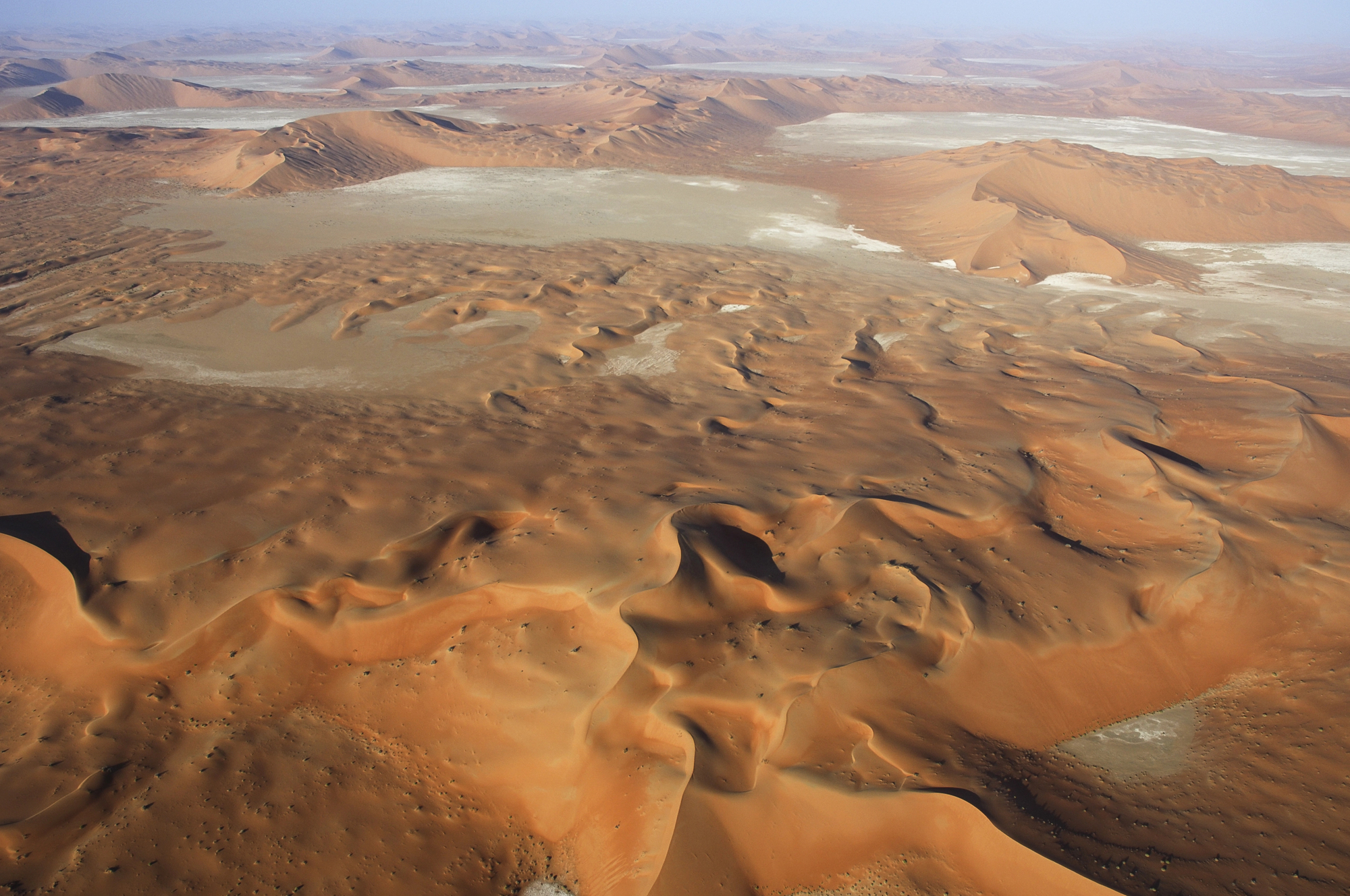
A massive circular formation in Mauritania spans about 30 miles across and looks like a giant bullseye from space. Geologists initially thought a meteor created this structure, but they now believe erosion exposed different layers of rock that formed a dome.
The rings represent different types of rock that erode at different rates, creating the circular pattern. Astronauts use this landmark for navigation because it’s one of the most recognizable features on Earth from orbit.
Local people call it the Richat Structure, and it sits in one of the most remote parts of the desert.
Salar de Uyuni’s mirror effect
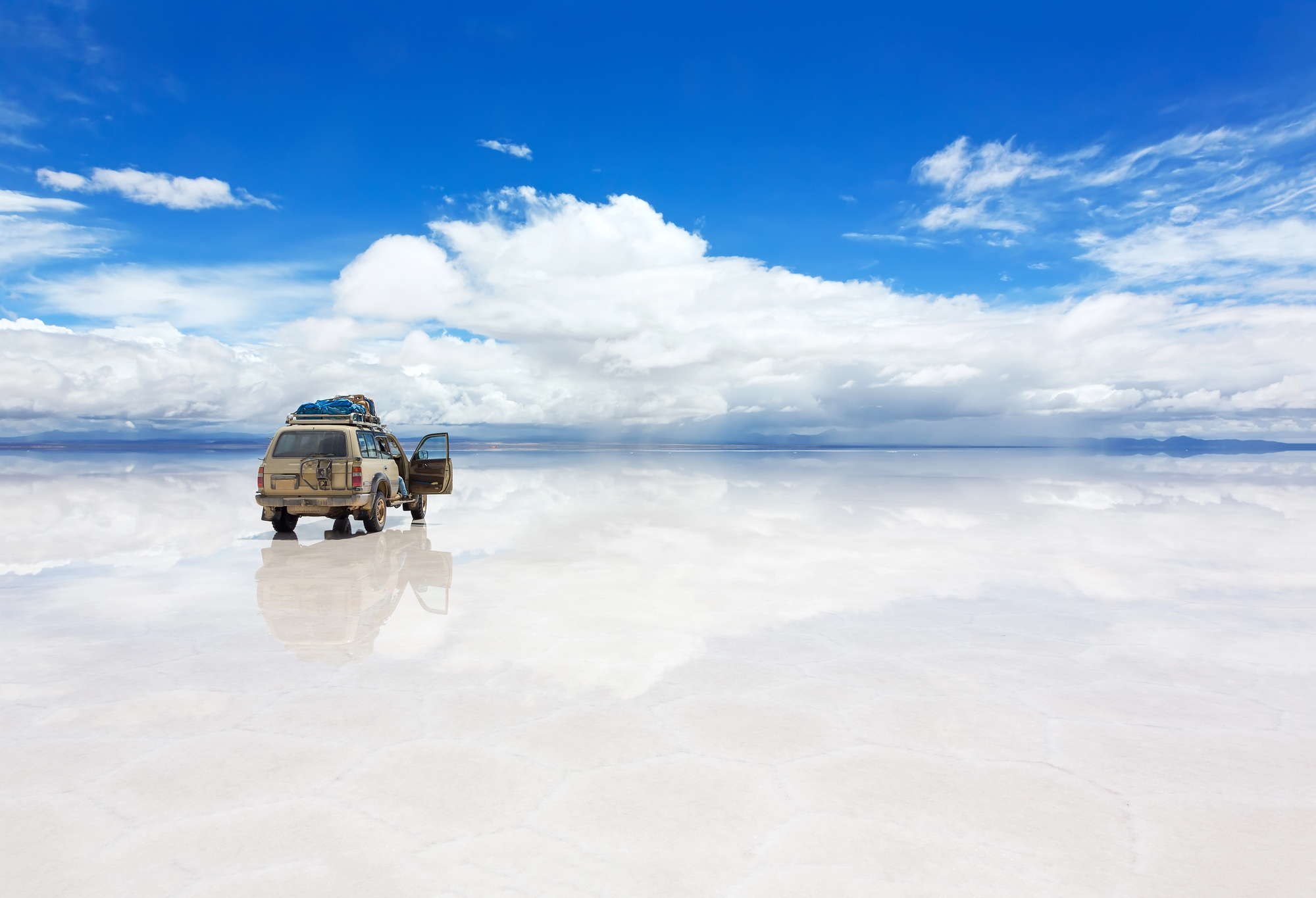
Bolivia’s salt flats transform into the world’s largest mirror during the rainy season. A thin layer of water covers the 4,000 square miles of white salt, creating perfect reflections of the sky.
People standing on the flats appear to walk through clouds, and the horizon line completely disappears. The flats contain about 10 billion tons of salt, and locals harvest it in small amounts.
During the dry season, the salt forms patterns that look like giant honeycombs stretching to the horizon.
Moeraki Boulders in New Zealand
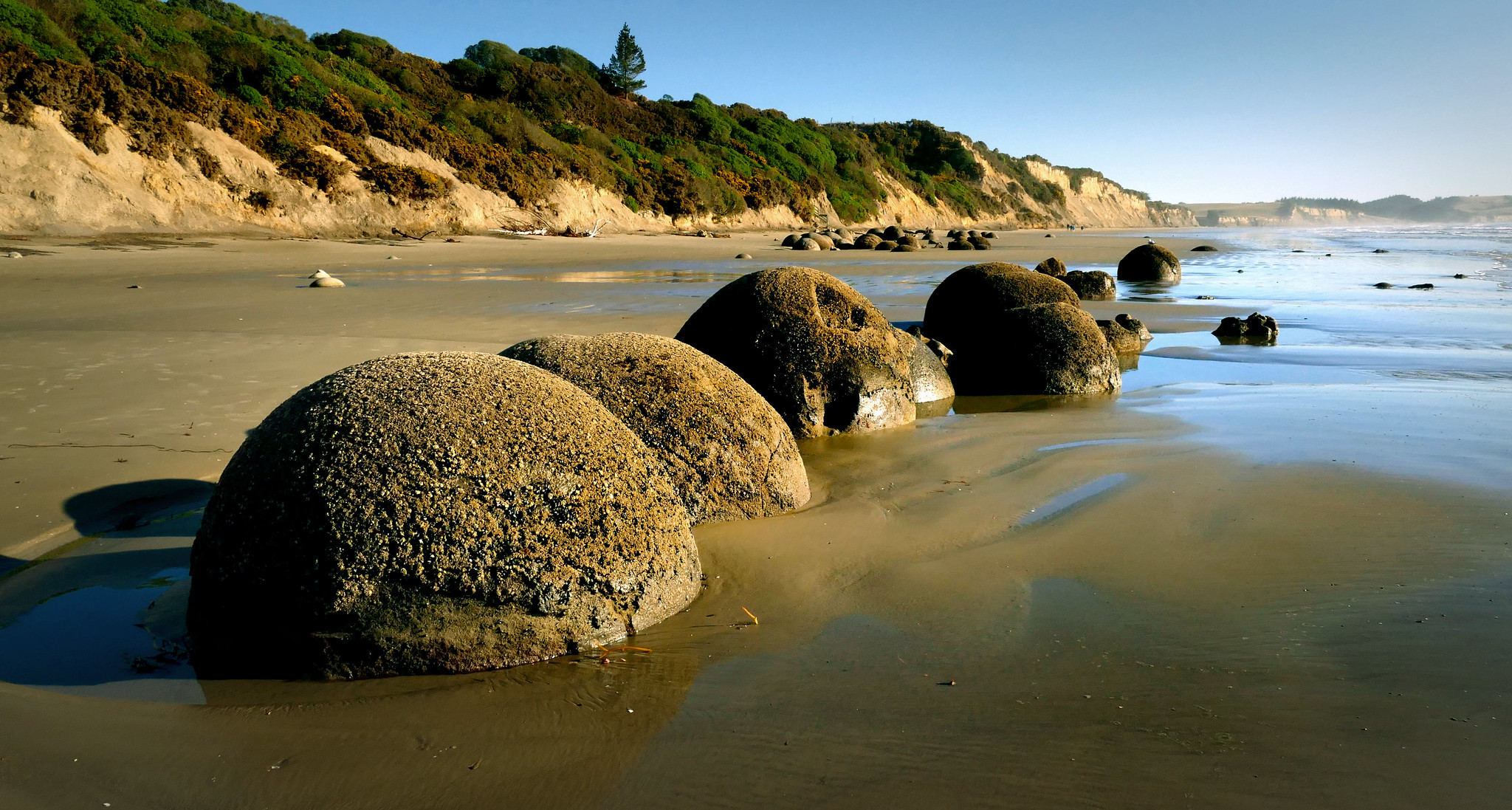
Perfectly round stones the size of cars sit scattered along a beach on the South Island. These boulders formed on the ancient sea floor over millions of years as minerals crystallized around a core.
Erosion from the cliff behind the beach releases them onto the sand, where waves wear away the softer material around them. Some have cracked open, revealing hollow centers or crystal formations inside.
Maori legend says these are remains of food baskets from a wrecked canoe, washed ashore hundreds of years ago.
Catatumbo lightning storms
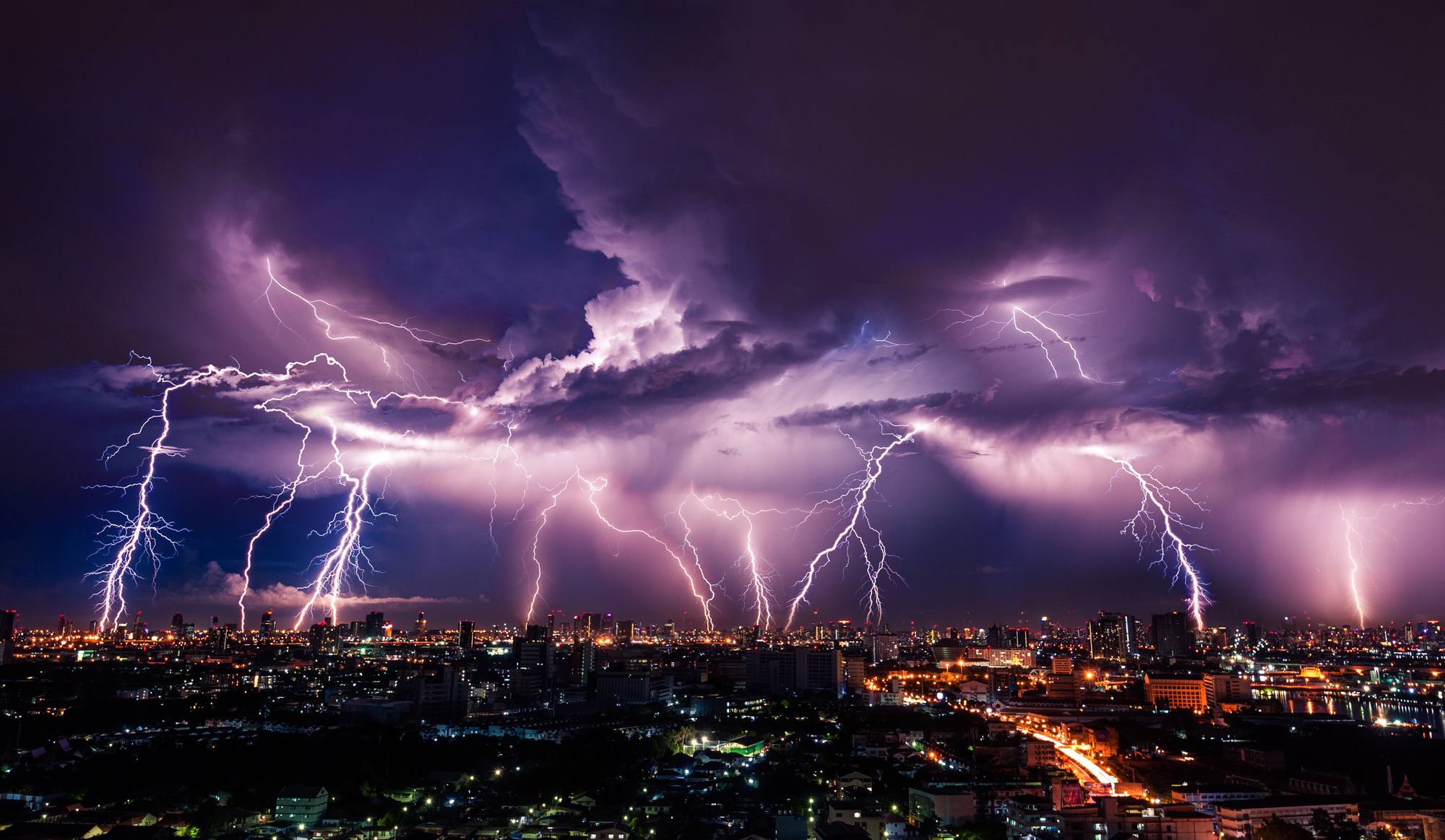
One spot in Venezuela experiences lightning nearly every night without producing any thunder people can hear from a distance. Where the Catatumbo River meets Lake Maracaibo, storms generate up to 280 lightning strikes per hour.
The lightning appears silently on the horizon in spectacular displays that last for hours. Methane from swamps and unique wind patterns in the area create perfect conditions for these storms.
Locals once used the lightning as a navigation beacon, and it’s visible from over 250 miles away.
The Door to Hell in Turkmenistan
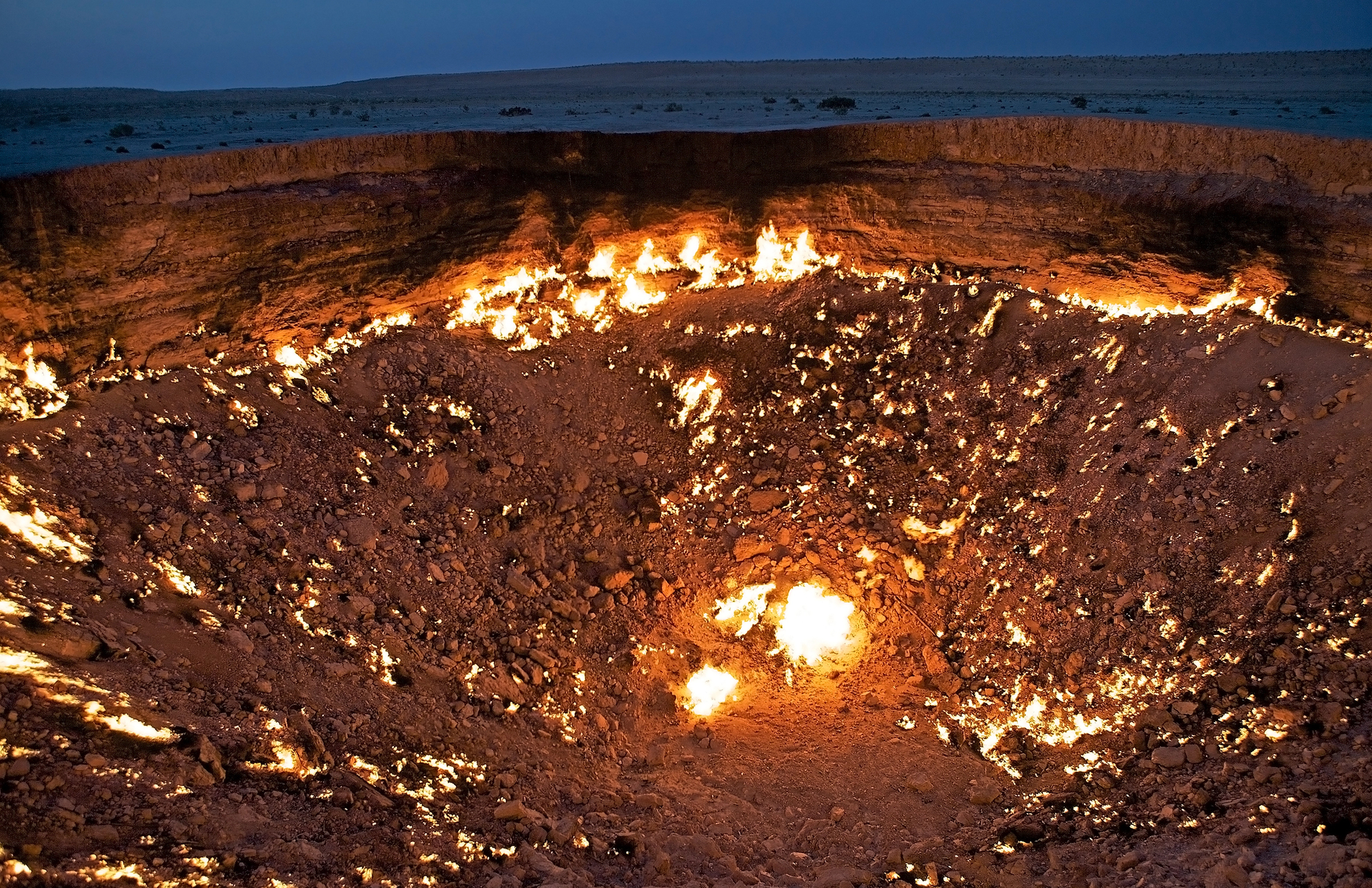
A burning crater in the Karakum Desert has been on fire since 1971 when Soviet geologists accidentally created it. They were drilling for natural gas when the ground collapsed, creating a pit about 230 feet wide.
Worried about poisonous gas release, they decided to burn it off, expecting it to stop in a few weeks. The crater still burns today, fed by the massive natural gas reserves beneath it.
Local people call it the Gates of Hell, and the orange glow can be seen for miles across the empty desert.
Spotted Lake’s polka dots
During summer, this lake in British Columbia transforms into a field of colorful circles as water evaporates. The spots contain concentrated minerals including calcium, sodium sulfates, and magnesium sulfate.
Each pool has a different mineral concentration, creating yellow, green, and blue circles separated by white mineral deposits. Indigenous people consider this lake sacred and have used its minerals for medicine for centuries.
Walking between the spots reveals that each pool has a different temperature and chemical makeup.
Morning Glory clouds in Australia
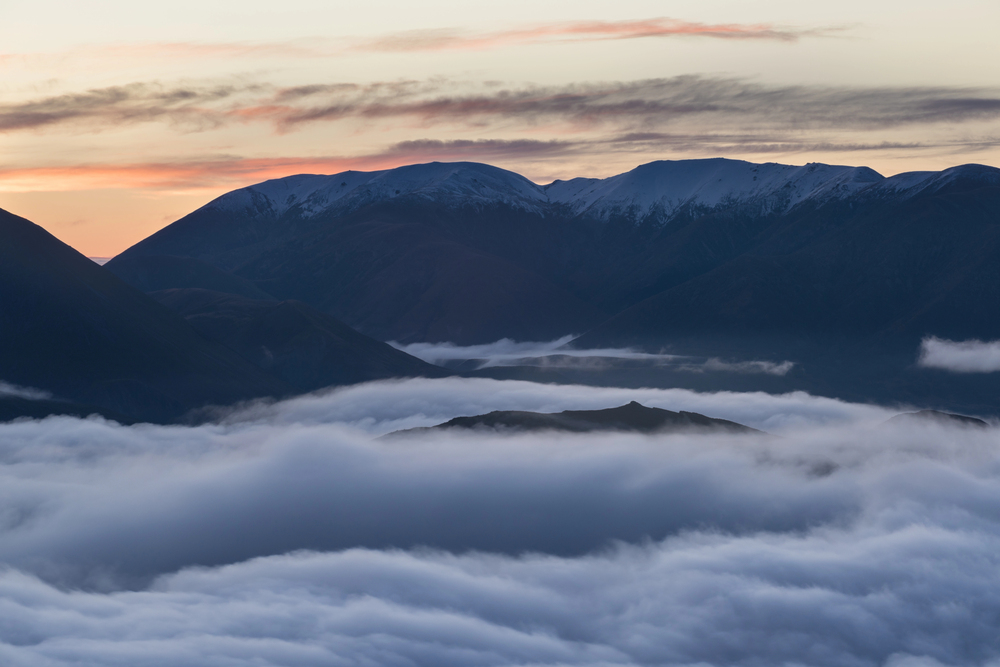
Long, tubular clouds roll across the sky over northern Australia like massive waves frozen in midair. These rare formations can stretch for 600 miles and travel at speeds up to 35 miles per hour.
They appear most frequently in September and October when precise weather conditions align. Glider pilots travel from around the world to ride these clouds, which can lift aircraft thousands of feet.
The clouds form when sea breezes from both sides of the Cape York Peninsula collide, creating a rolling wave pattern in the atmosphere.
Giant’s Causeway basalt columns
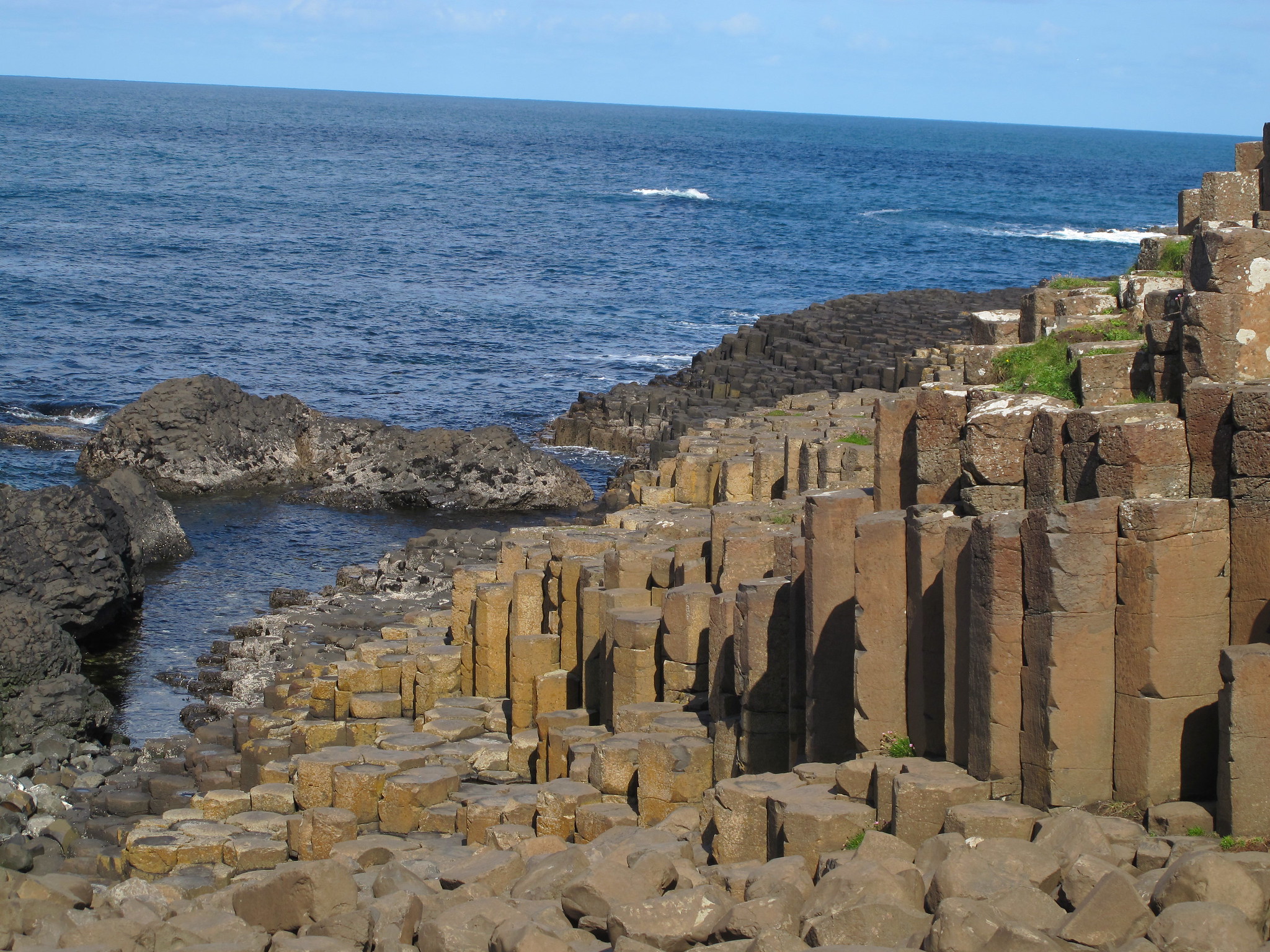
About 40,000 interlocking stone pillars create a natural pavement along the coast of Northern Ireland. When ancient lava flows cooled rapidly, the rock contracted and cracked into these mostly hexagonal shapes.
The columns fit together so perfectly that legend says a giant built this causeway to walk to Scotland. Some columns stand over 40 feet tall, while others form stepping stones into the sea.
Similar formations exist on the Scottish coast, feeding the old stories about giants crossing between the islands.
Waitomo Glowworm Caves
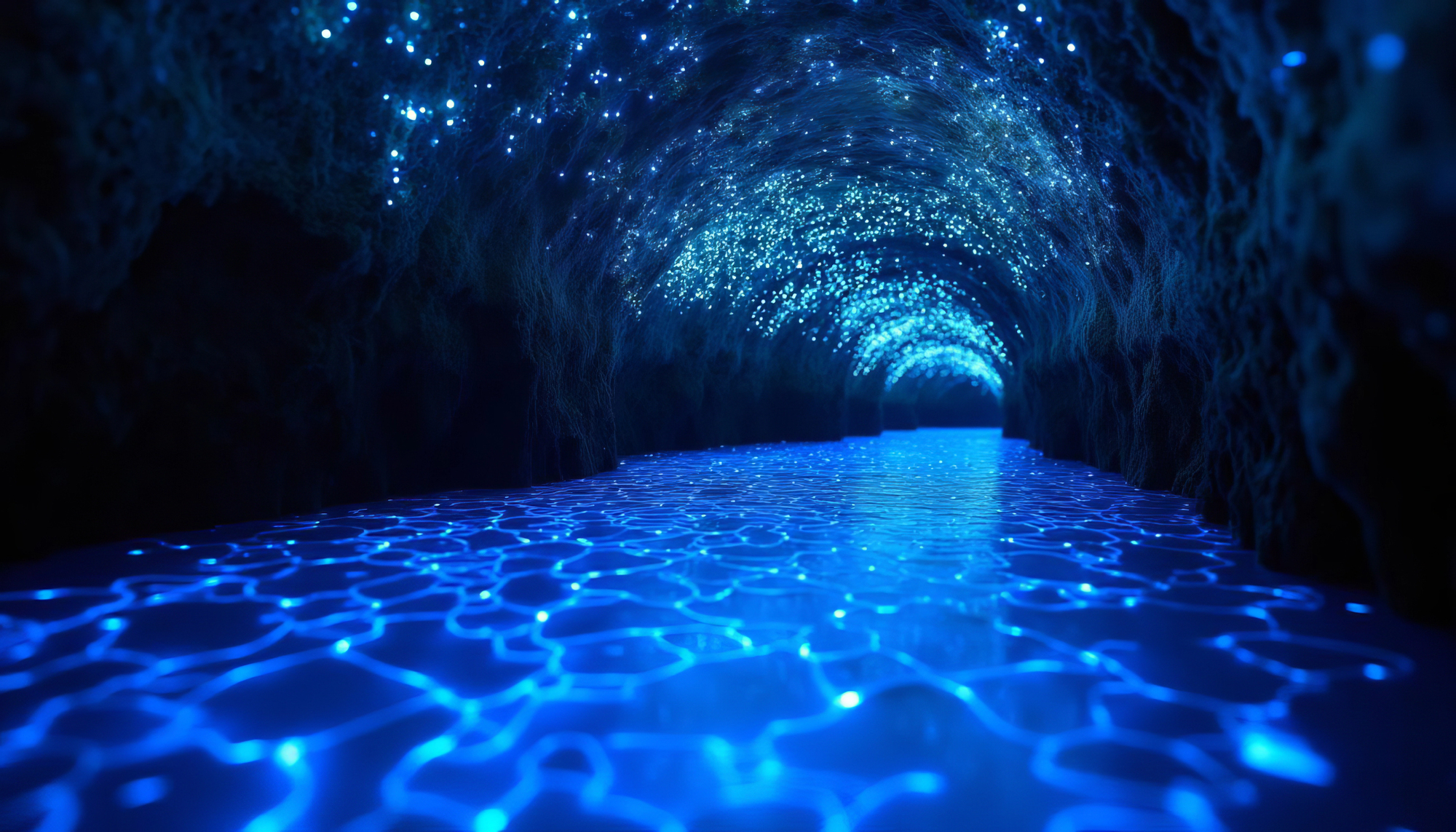
Thousands of tiny lights cover the ceiling of these New Zealand caves, looking exactly like a starry night sky underground. The lights come from glowworms that hang sticky threads to catch insects attracted to their glow.
These creatures aren’t actually worms but the larvae of a fungus gnat found only in New Zealand. Boat tours through the caves require complete silence because noise makes the glowworms dim their lights.
The reflection of the lights in the underground river doubles the effect, creating a magical environment.
The Richat Structure’s expanding rings
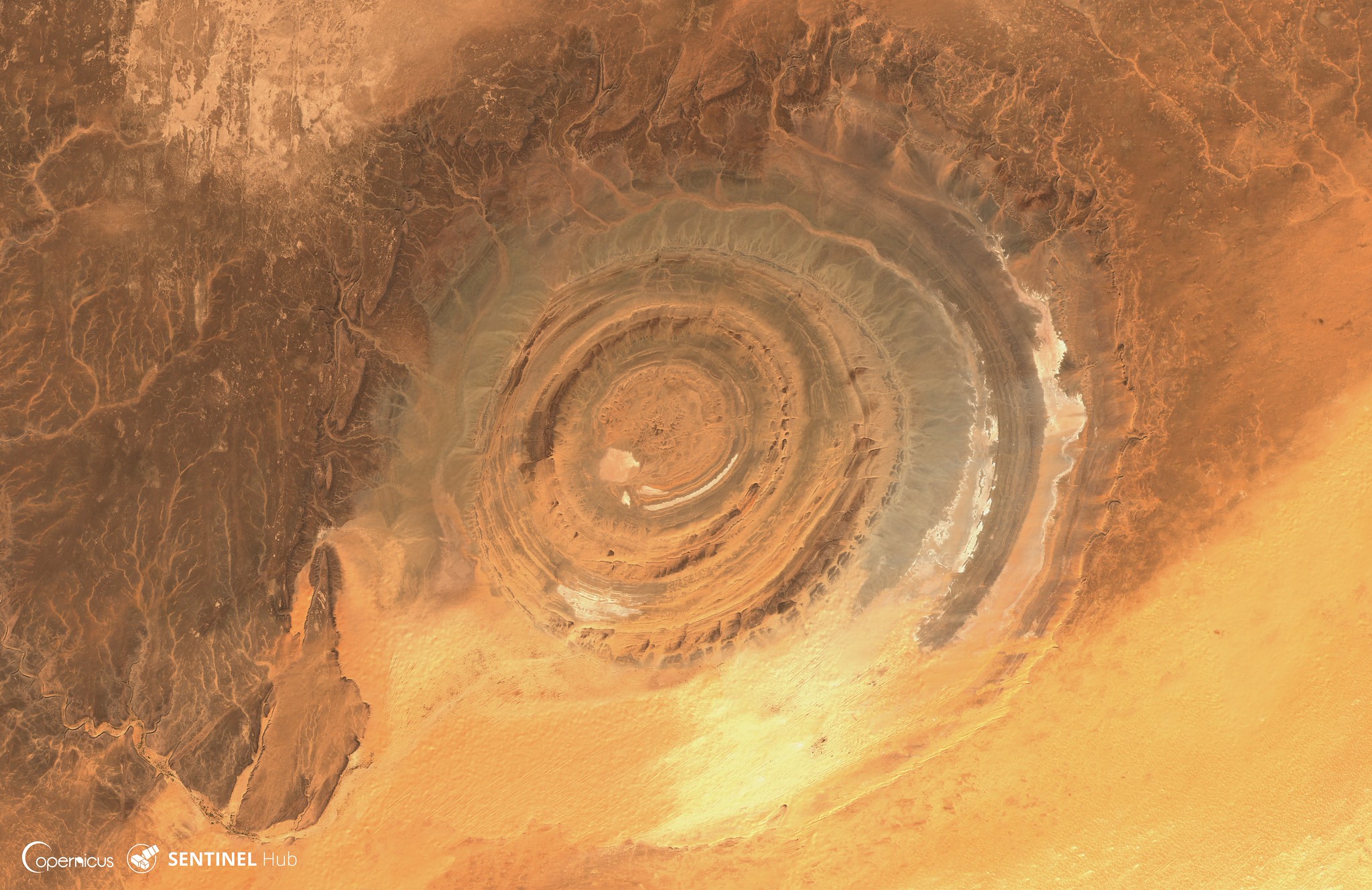
This circular feature in the Sahara Desert looks like something dropped from space created it. The formation measures roughly 30 miles across with concentric rings of different colored rock.
Geologists now understand it formed when a dome of molten rock pushed up but never broke through the surface. As millions of years passed, erosion wore away the softer rocks faster, leaving the harder layers as raised rings.
The structure provides a rare glimpse at rock layers that would normally require drilling to access.
Fairy circles of Namibia
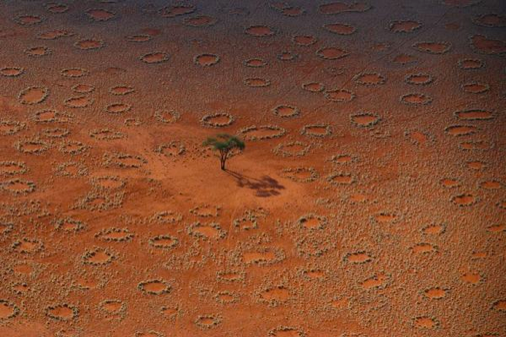
Perfect circles of bare sand appear in grasslands, creating patterns that look deliberately designed. These rings can last for decades, maintaining their shape while grass grows around them.
Scientists debated for years whether termites or plants created these formations. Recent research suggests both play a role in different regions, with termites clearing areas in some spots while grass competing for scarce water creates circles in others.
The circles appear in a narrow band across Namibia and stretch into Angola.
Movile Cave’s isolated ecosystem
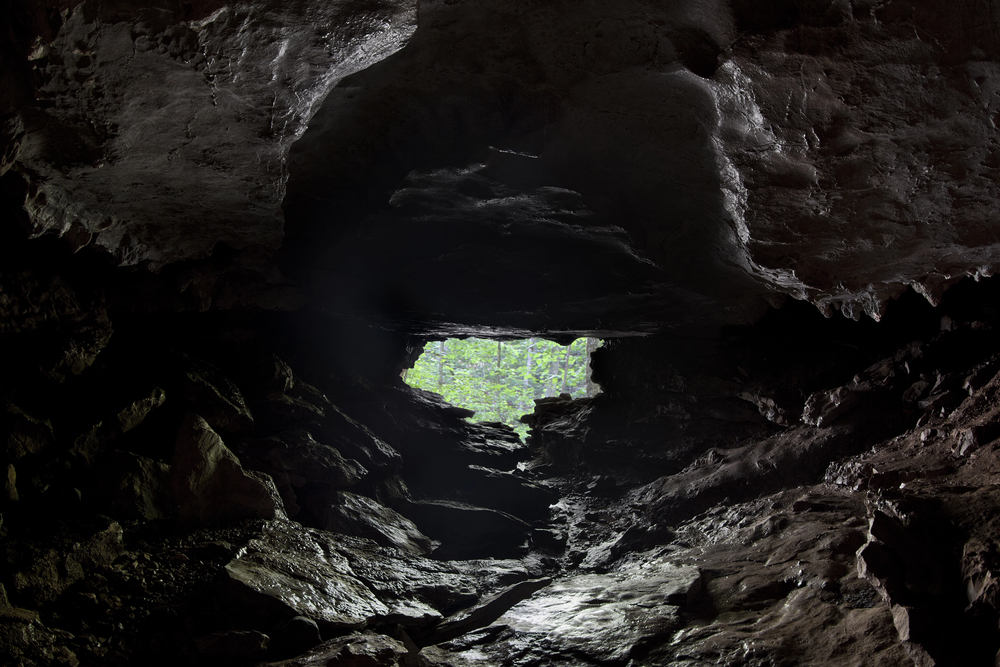
A cave in Romania stayed shut for over five million years – then construction crews stumbled on it back in ’86. Inside, the atmosphere’s low on oxygen but packed with carbon dioxide and toxic hydrogen sulfide, deadly for nearly every animal.
Yet forty-eight unique species thrive there anyway, surviving in pitch blackness by eating microbes that run on sulfur, not light. Creatures like blind spiders and underground water scorpions? They’re totally one-of-a-kind, found only in this spot.
Researchers keep coming back to see what secrets these oddballs hold about alien life hiding in harsh spots across space.
Lake Natron’s deadly beauty
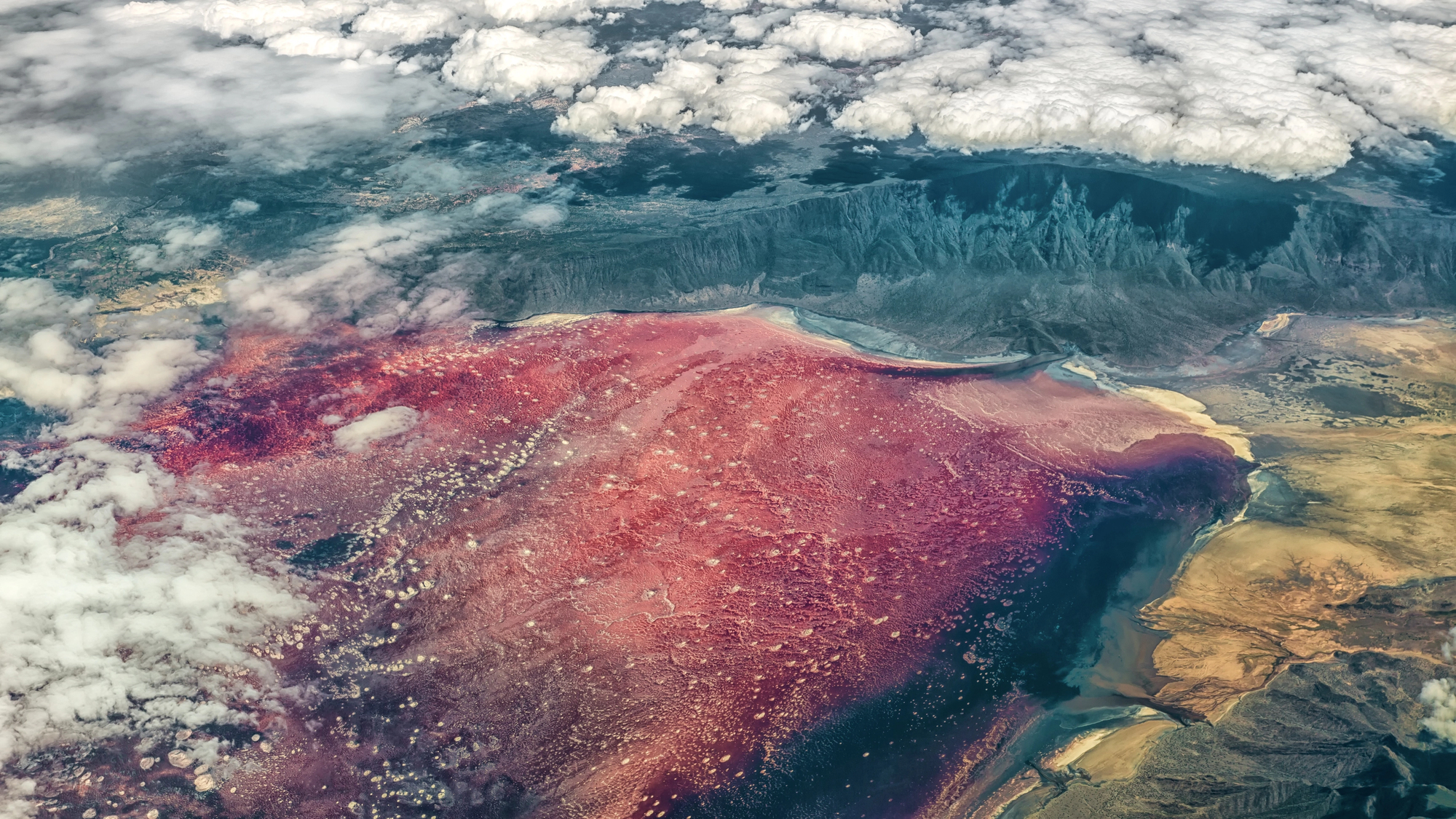
This Tanzanian lake has bright red water along with pale salt edges, giving it an alien look. Its waters are extremely alkaline – sometimes hitting pH 10.5, close to how sharp ammonia feels.
Creatures dying in or around the site harden quickly, locked into strange shapes thanks to the loaded minerals. Yet flamingos do well here even though it’s rough, munching on algae that stains the surface crimson.
Water temps may climb up to 120°F, turning this spot into one of Earth’s wildest habitats where critters still survive.
Here’s where curiosity mixes with discovery
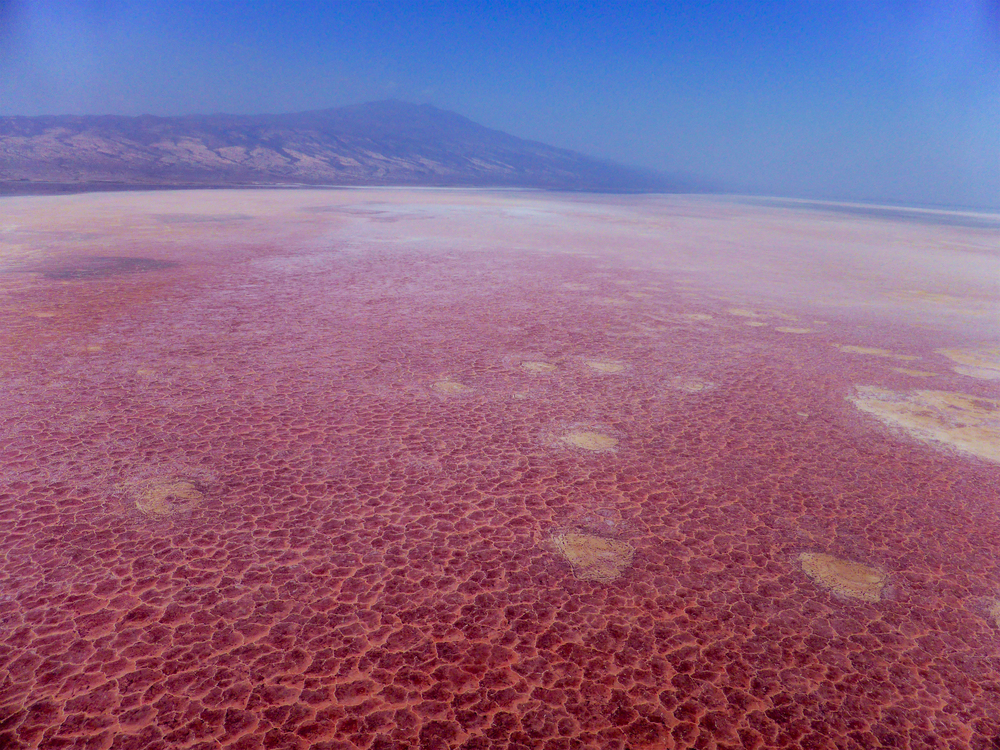
Some spots show us Earth’s got secrets left – even now, when we’ve mapped everything from space. Though each one works by normal rules of science, they look like something out of a dream.
Kids in labs use fancy tools nowadays, finding stuff older folks overlooked back then. Weird parts of the world keep showing us how nature really ticks – way better than any class ever did.
What we find next could crack old riddles or expose brand-new quirks sitting right under our noses.
More from Go2Tutors!

- The Romanov Crown Jewels and Their Tragic Fate
- 13 Historical Mysteries That Science Still Can’t Solve
- Famous Hoaxes That Fooled the World for Years
- 15 Child Stars with Tragic Adult Lives
- 16 Famous Jewelry Pieces in History
Like Go2Tutors’s content? Follow us on MSN.