Ancient Architectural Feats That Puzzle Experts
Walking through the ruins of ancient civilizations, you can’t help but wonder how people without modern machinery built structures that still leave engineers scratching their heads today. These monuments weren’t just impressive for their time—many involve construction techniques that remain unexplained even with our current technology.
The massive stones, precise alignments, and sophisticated engineering seem almost impossible given the tools available thousands of years ago. Here is a list of ancient architectural feats that continue to puzzle experts around the world.
Göbekli Tepe
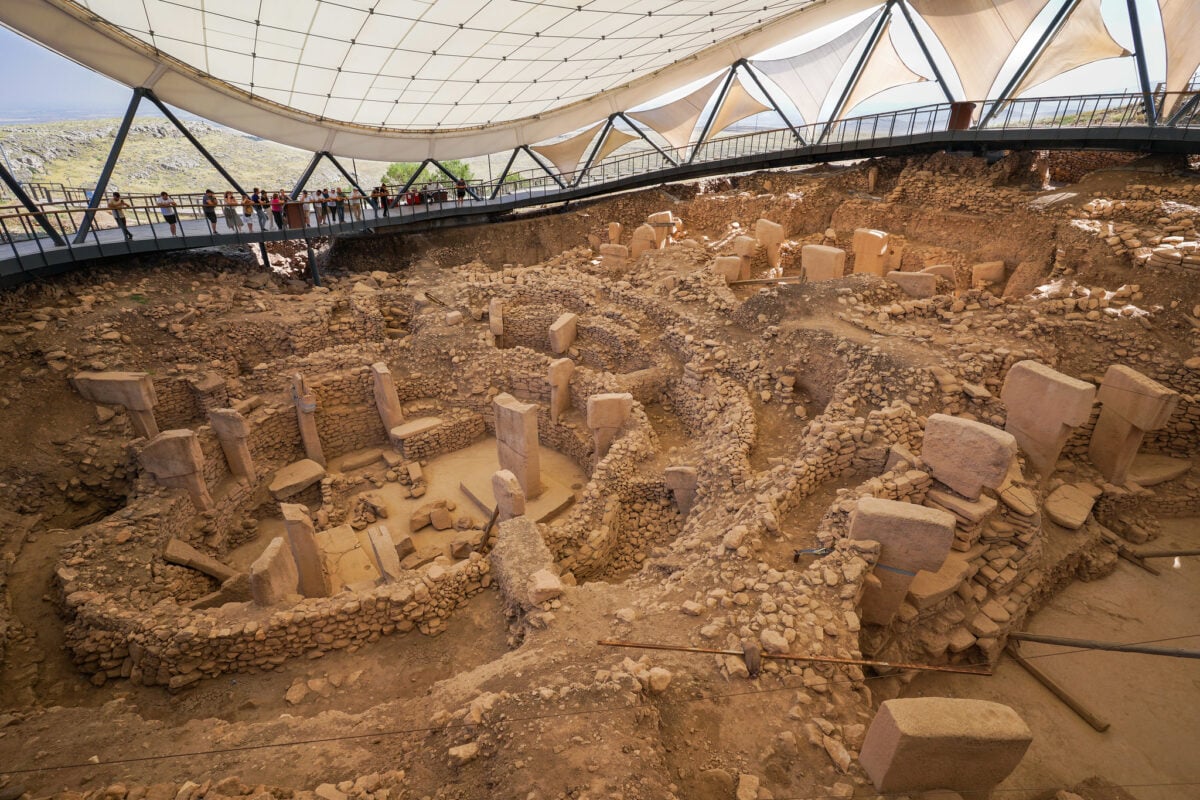
This Turkish site completely rewrote what we thought we knew about human civilization. Built around 12,000 years ago, Göbekli Tepe features massive stone pillars carved with intricate animal designs, some weighing up to 20 tons.
What makes this truly baffling is that it was constructed by hunter-gatherers who supposedly hadn’t developed agriculture yet, much less the organizational skills to coordinate hundreds of workers. The site predates pottery, writing, and even permanent settlements, yet shows evidence of sophisticated astronomical alignments that shouldn’t have been possible with their level of knowledge.
Great Pyramid of Giza

Even after thousands of years of study, the Great Pyramid remains one of archaeology’s biggest head-scratchers. Constructed around 2560 BCE, this monument aligns with true north with an accuracy of only 0.15 degrees—a precision that would challenge even modern surveyors.
The pyramid contains roughly 2.3 million limestone blocks, each weighing between 2.5 and 80 tons, fitted together with gaps so tiny that you can’t slide a credit card between them. Recent discoveries of ramps and pulley systems have offered some explanations, but many experts still debate exactly how ancient Egyptians achieved such mathematical and engineering perfection without modern instruments.
Stonehenge
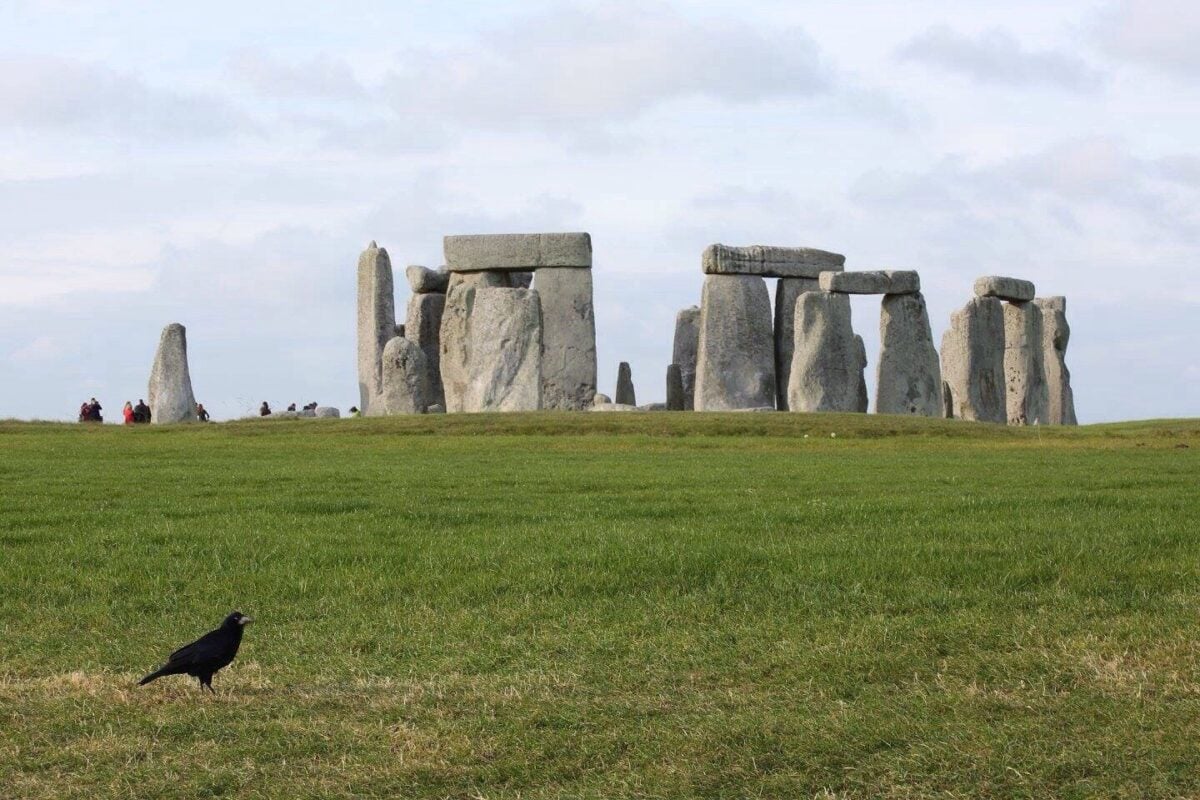
This prehistoric monument in southern England has mystified visitors for centuries. The massive sarsen stones, some weighing up to 25 tons, were transported from quarries about 20 miles away, while the smaller bluestones came from Wales—nearly 180 miles distant.
What’s particularly puzzling is the recent discovery that Stonehenge was designed with specific acoustic properties that created unusual sound effects during ceremonies. Researchers can’t fully explain how ancient builders engineered these acoustic features without modern sound technology, or why they went to such extraordinary lengths to source materials from so far away.
Sacsayhuamán
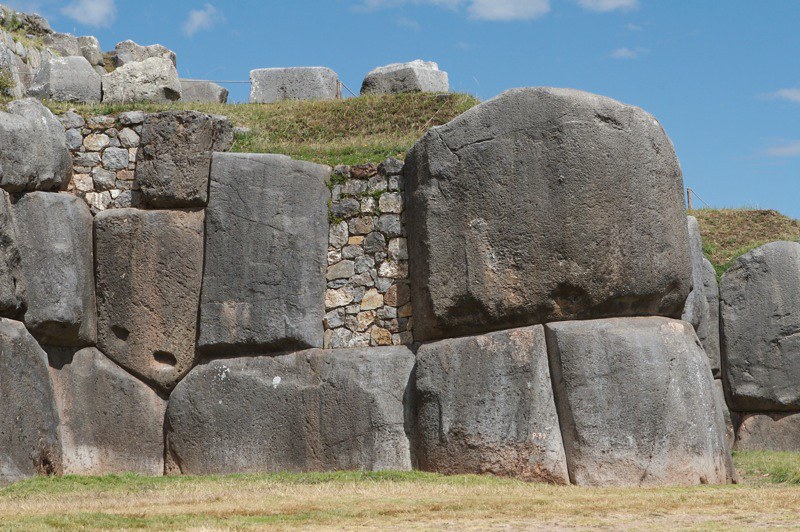
Perched above Cusco, Peru, this fortress showcases stonework that modern engineers struggle to replicate. The walls feature massive blocks weighing up to 200 tons, cut and fitted with such precision that a blade of grass can’t slip between them.
What’s especially mystifying is that each stone has multiple angles—some with twelve precisely cut sides—yet they interlock perfectly with their neighbors. The Incas accomplished this without iron tools, wheels, or draft animals, and the earthquake-resistant design has kept these walls standing for over 500 years through countless tremors.
Puma Punku
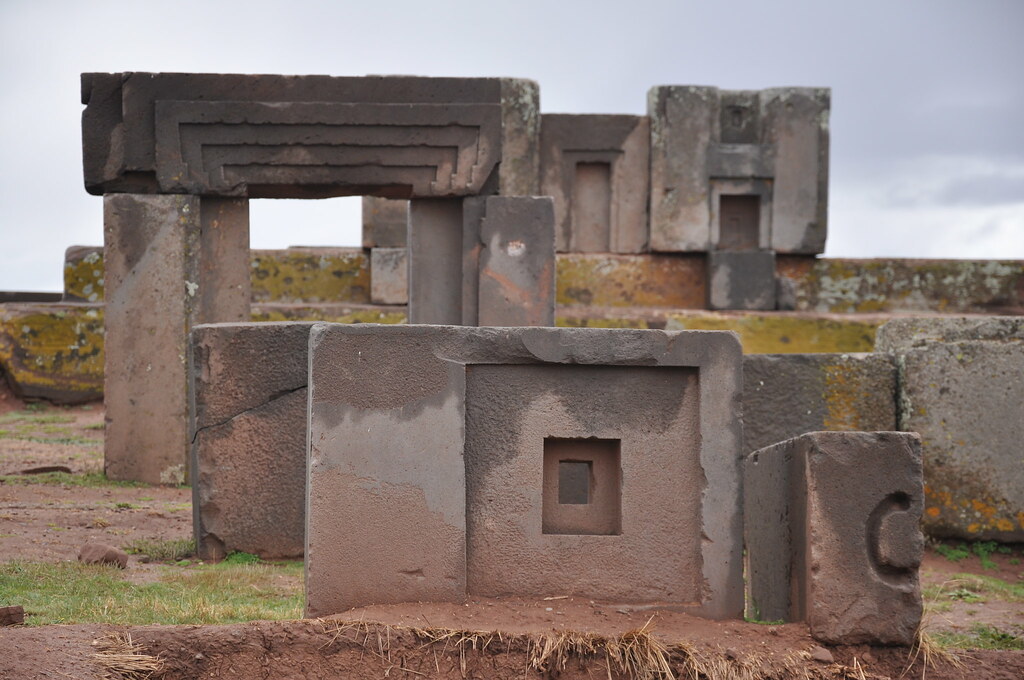
Located in Bolivia, Puma Punku features some of the most precisely cut stones in the ancient world. The blocks are so perfectly shaped and aligned that they look like they came from a modern machine shop rather than being carved 1,500 years ago.
The precision of the cuts and the interlocking design allow the stones to fit together without any mortar, holding firm through centuries of earthquakes. Some of the stones show drill pits and cutting marks that seem to require tools far more advanced than anything the Tiwanaku people are known to have possessed.
Baalbek
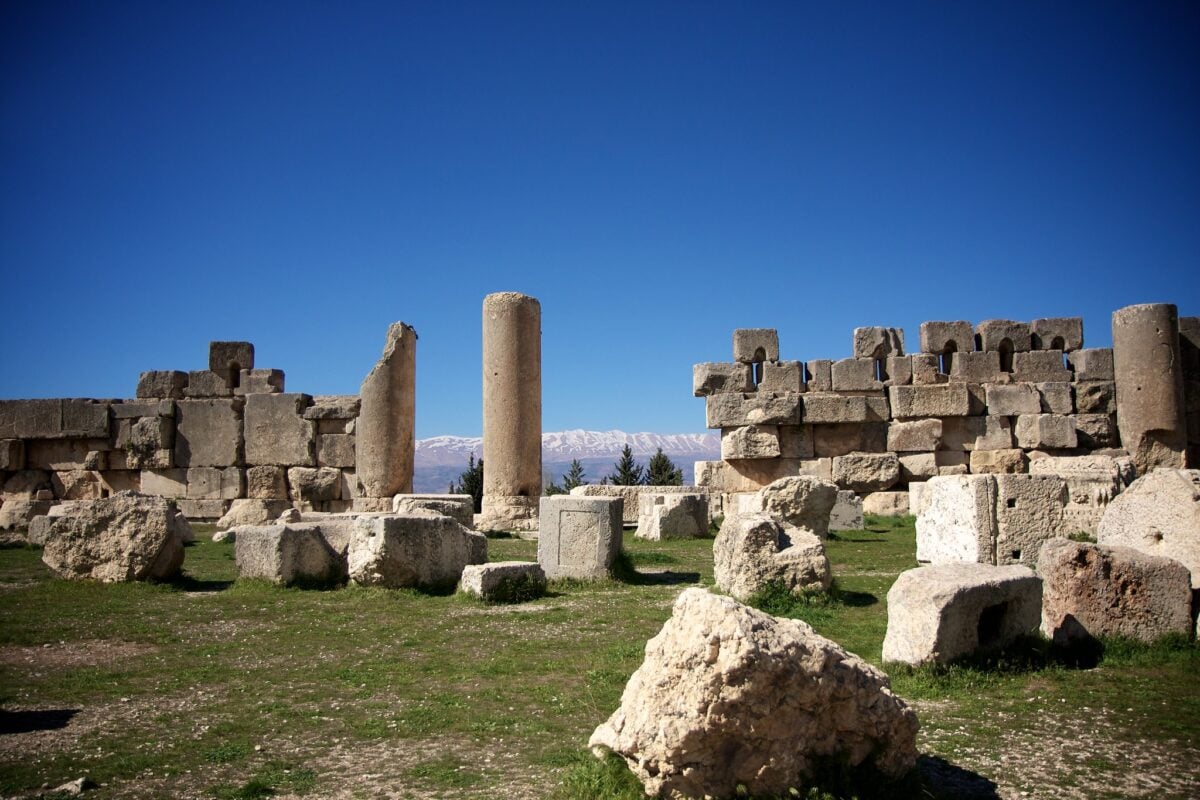
This Lebanese site contains the largest hewn stones ever used in construction—three megalithic blocks weighing over 800 tons each. Called the Trilithon, these stones form part of a platform that predates the Roman additions built on top of it.
Nobody can explain how ancient builders moved these colossal blocks into position, especially since even today’s largest cranes would struggle with such weight. The quarry where the stones originated sits about a mile away and slightly uphill, making the transportation feat even more inexplicable.
Teotihuacan
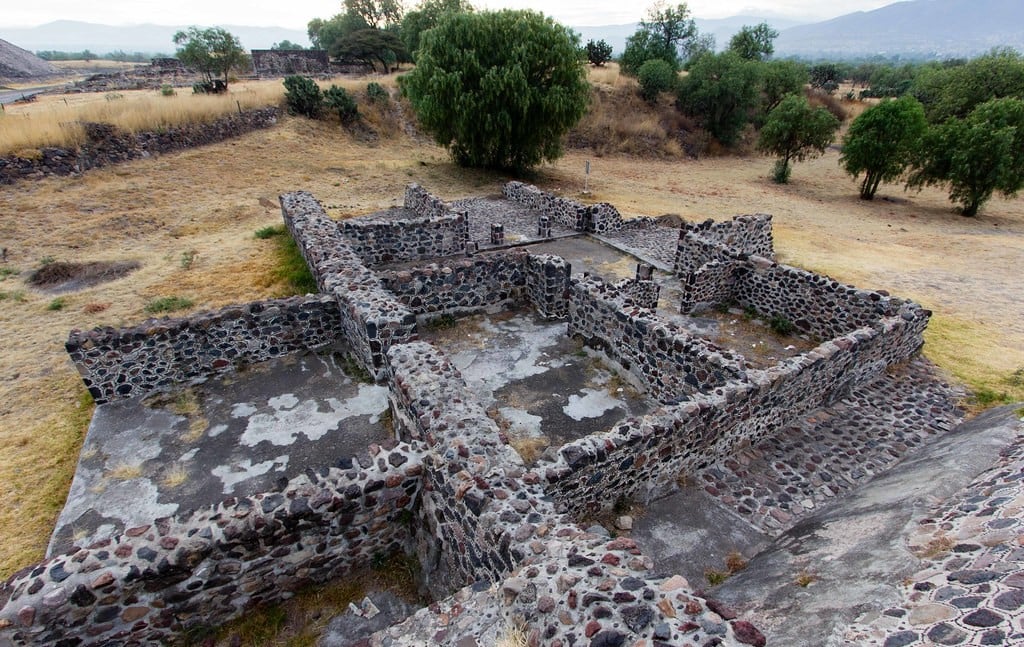
The ancient Mexican city of Teotihuacan housed over 100,000 people at its peak, yet nobody knows who built it. The Pyramid of the Sun, one of the largest in the Western Hemisphere, was completed around 200 CE using approximately one million cubic yards of material.
What puzzles archaeologists most is the complete absence of any evidence indicating who ruled this massive city—no royal tombs, no palaces, no monuments to individual leaders. Recent discoveries of elaborate tunnel systems beneath the pyramids suggest some kind of ceremonial or possibly practical function, but their exact purpose remains hotly debated.
Machu Picchu

This mountaintop citadel in Peru demonstrates engineering that still baffles modern experts. About 60 percent of the construction at Machu Picchu was underground, consisting of deep foundations and sophisticated drainage systems to handle the region’s heavy rainfall.
The Incas carved the site from a notch between two peaks at over 7,900 feet elevation without wheels, iron tools, or pack animals. The stones were cut so precisely that they ‘dance’ during earthquakes—bouncing and settling back into place rather than collapsing—a seismic engineering feat that modern builders still study.
Derinkuyu
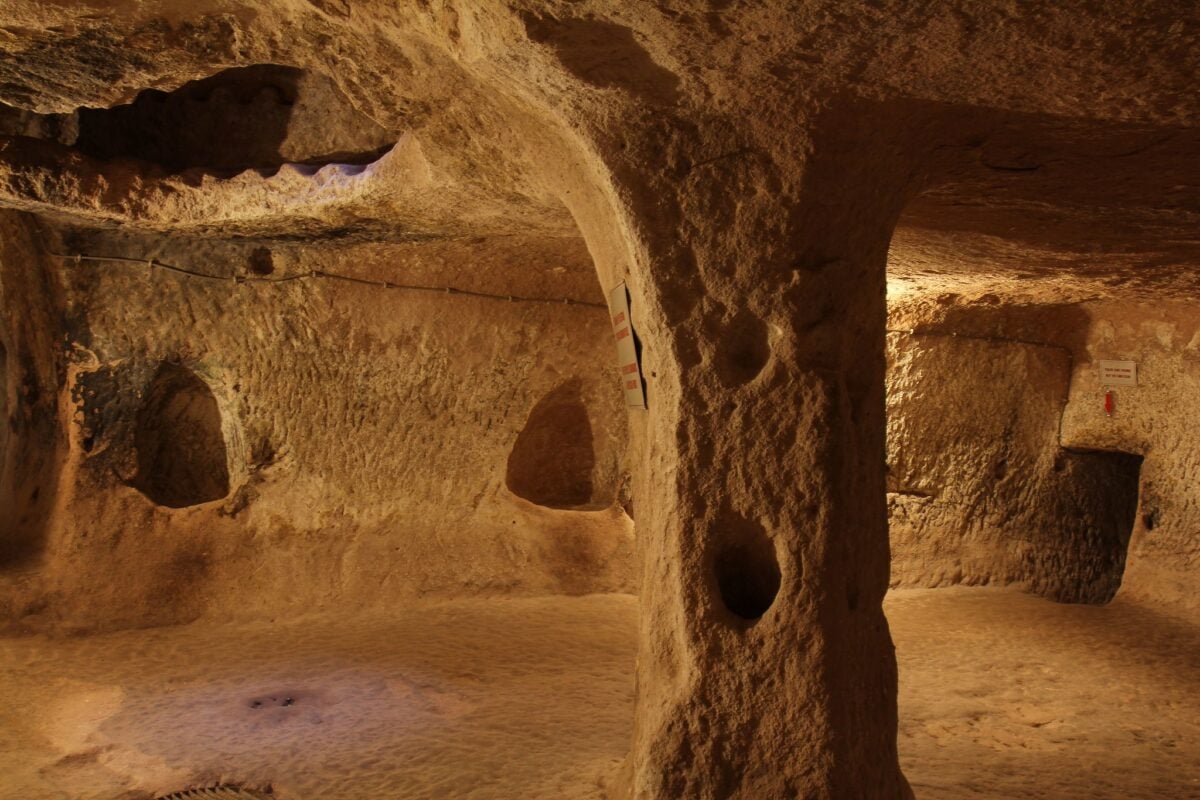
Beneath Turkey’s Cappadocia region lies an underground city that descends eight levels into the earth, large enough to shelter 20,000 people. This subterranean complex features ventilation shafts that still function today, water wells, storage rooms, and massive rolling stone doors that could seal sections from the inside.
While typically attributed to the Phrygians, experts can’t explain how ancient people carved such a vast network of chambers through solid rock without advanced excavation tools or how they removed the enormous amount of debris that would have resulted from such extensive tunneling.
Mohenjo-Daro
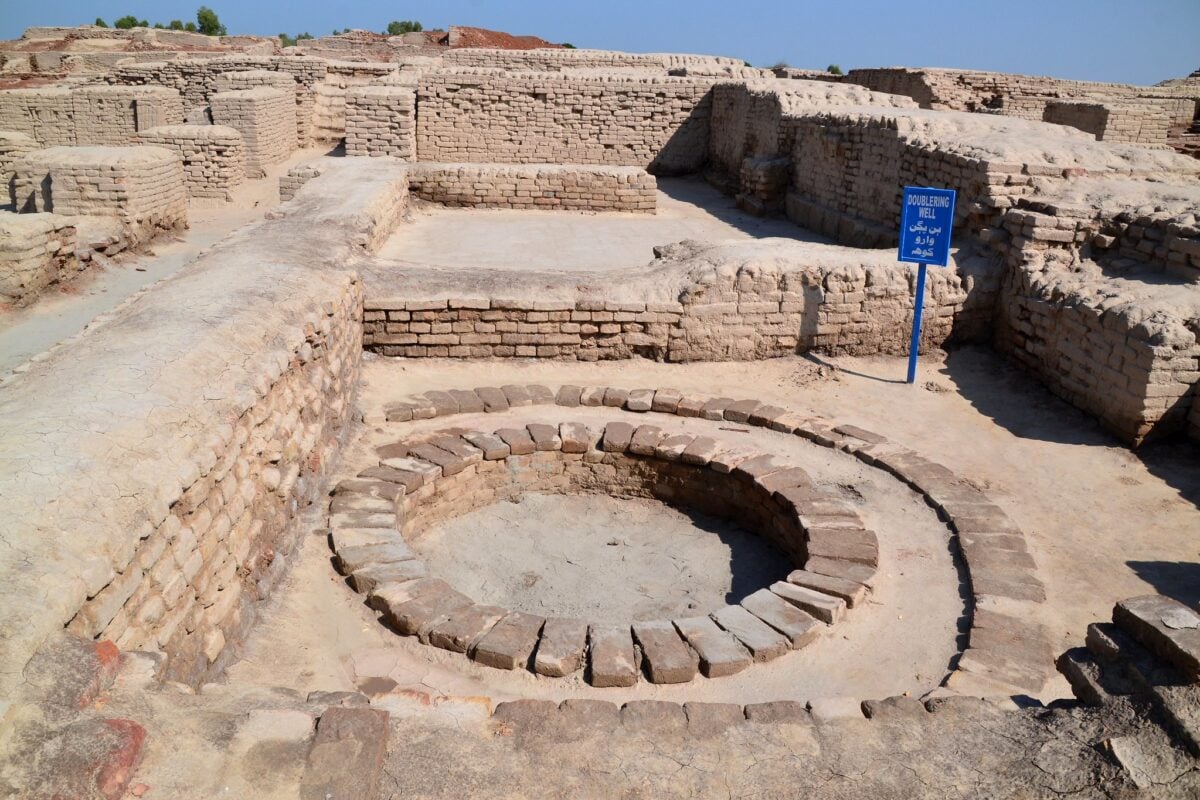
This 4,500-year-old city in Pakistan showcases urban planning that wouldn’t be seen again for thousands of years. Built around 2500 BCE, it features a sophisticated grid layout with multi-story homes, covered drainage systems, and public baths.
What makes it particularly mysterious is the complete absence of palaces, temples, or royal tombs—unlike every other major civilization of that era. The city’s script remains undeciphered despite decades of study, leaving researchers unable to understand who these people were or why their advanced civilization suddenly disappeared.
Kailasa Temple
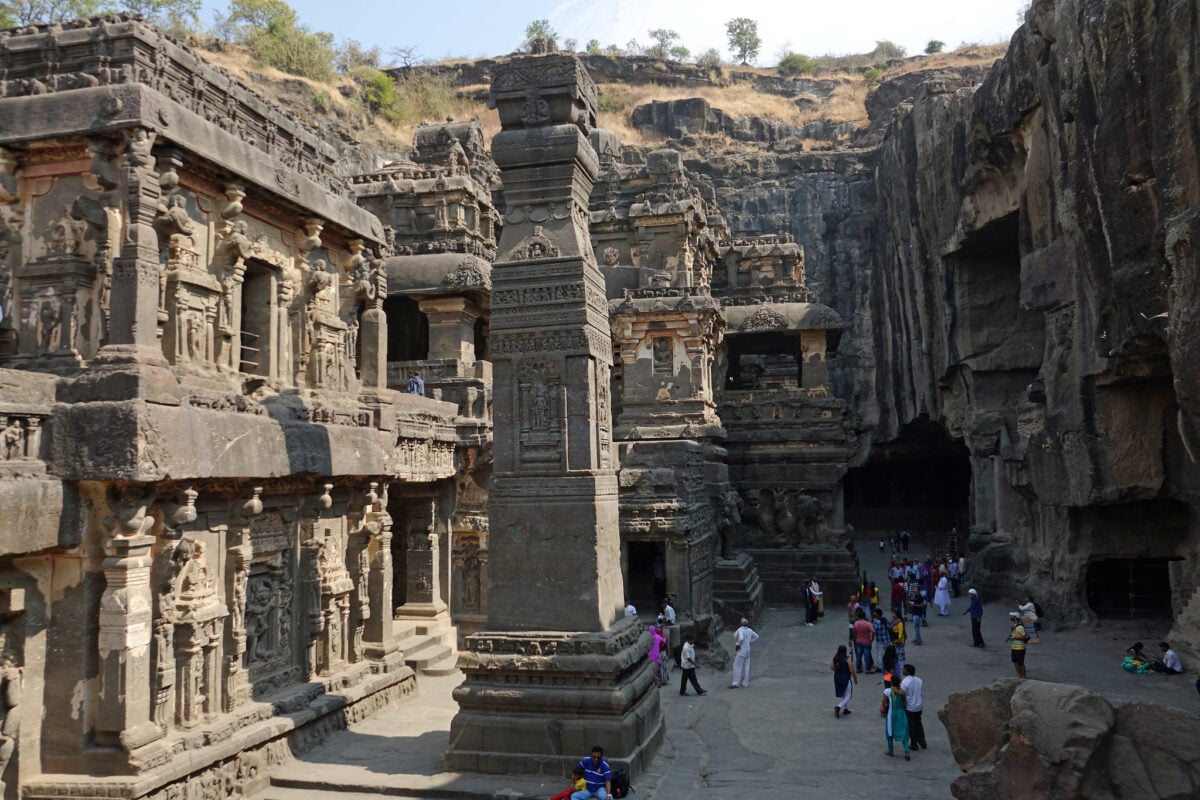
Carved entirely from a single rock face in India, this eighth-century temple required the removal of over 200,000 tons of stone. What makes this especially mind-boggling is that workers carved from the top down, meaning they had no room for error—one mistake and the entire structure would be ruined.
The temple features incredibly detailed sculptures, massive pillars, and perfect symmetry despite being excavated from solid basalt. Modern architects struggle to understand how ancient craftsmen planned such a complex three-dimensional structure without computer modeling or detailed blueprints.
Nan Madol
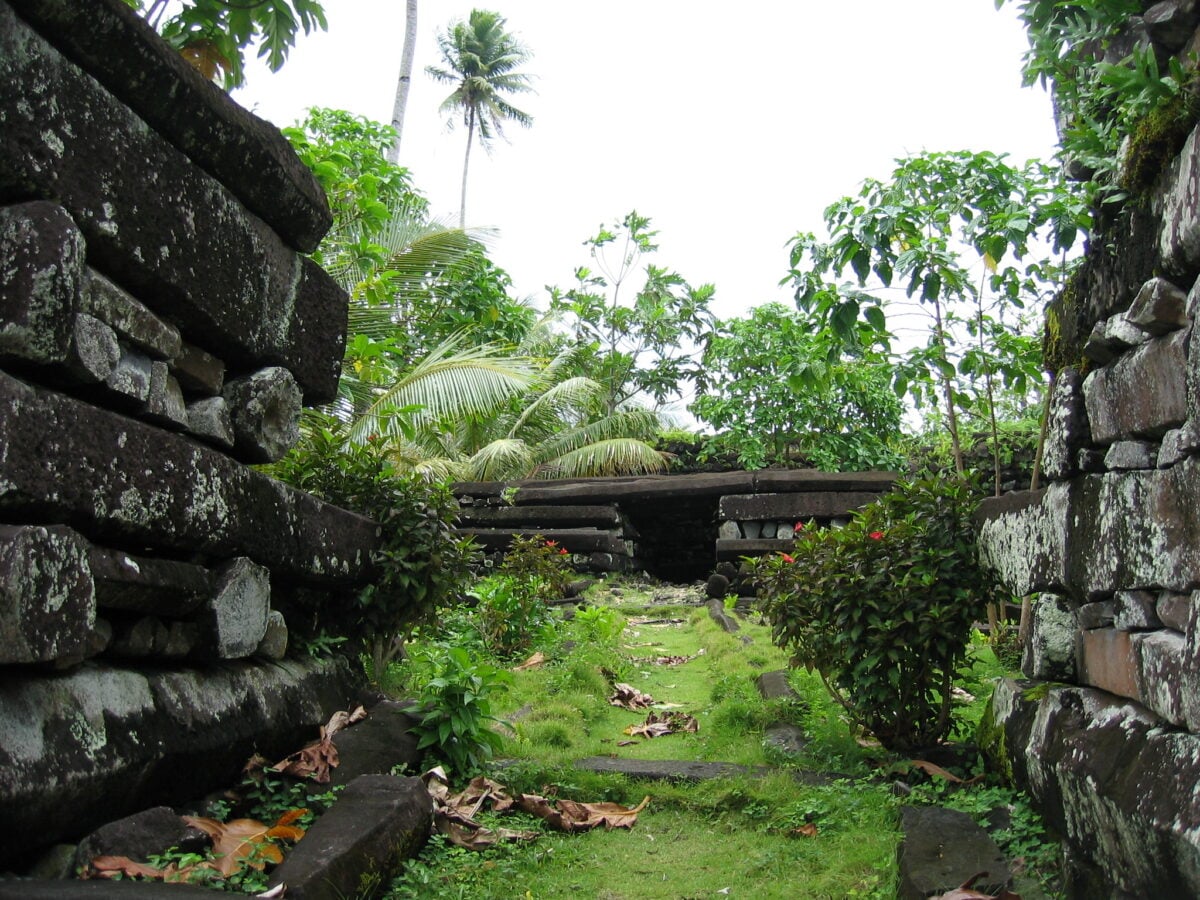
This Pacific island city consists of nearly 100 artificial islets built on a coral reef using massive basalt columns. Located off the coast of Micronesia, the site was constructed between 1200 and 1500 CE, but nobody can explain how builders transported these multi-ton stones across water without metal tools or large vessels.
Local oral traditions speak of the stones flying into place through magic, which obviously doesn’t help with scientific explanations. The precision of the construction and the sheer logistical challenge of building on a reef make Nan Madol one of the Pacific’s greatest archaeological puzzles.
Angkor Wat

Cambodia’s massive temple complex covers over 400 acres and was constructed in just a few decades during the 12th century. The builders moved an estimated 5 to 10 million sandstone blocks, some weighing up to 3,300 pounds, from quarries about 35 miles away using a sophisticated network of canals.
What continues to puzzle researchers is how the Khmer engineers achieved the complex astronomical alignments embedded in the temple’s design, which correspond precisely with the movements of the sun, moon, and stars. The mathematical and architectural knowledge required suggests understanding far beyond what was previously attributed to medieval Southeast Asian civilizations.
Newgrange
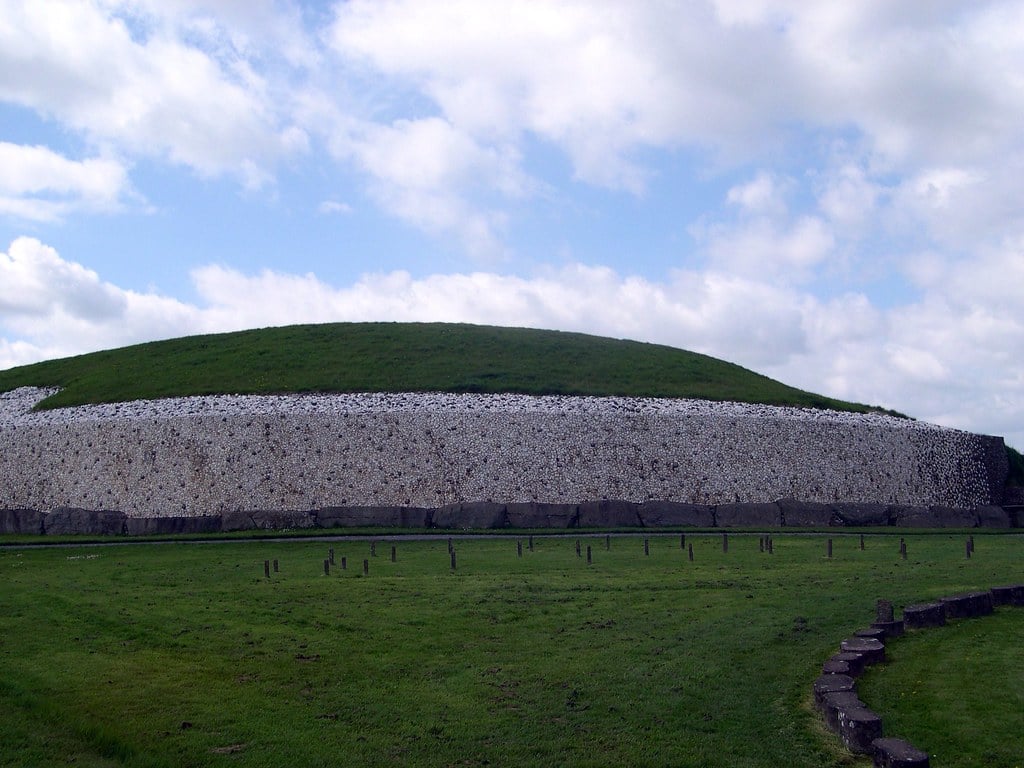
Ireland’s answer to the pyramids was built over 5,000 years ago—predating both Stonehenge and the Egyptian pyramids. This massive tomb is aligned so precisely with the winter solstice that sunlight penetrates through a special opening and illuminates the inner chamber for exactly 17 minutes each year.
The passage tomb consists of massive stones transported from miles away and features intricate spiral carvings whose meanings remain unknown. What baffles experts is how Neolithic people, working with stone tools and without written language, calculated and executed such perfect astronomical alignment.
Great Zimbabwe
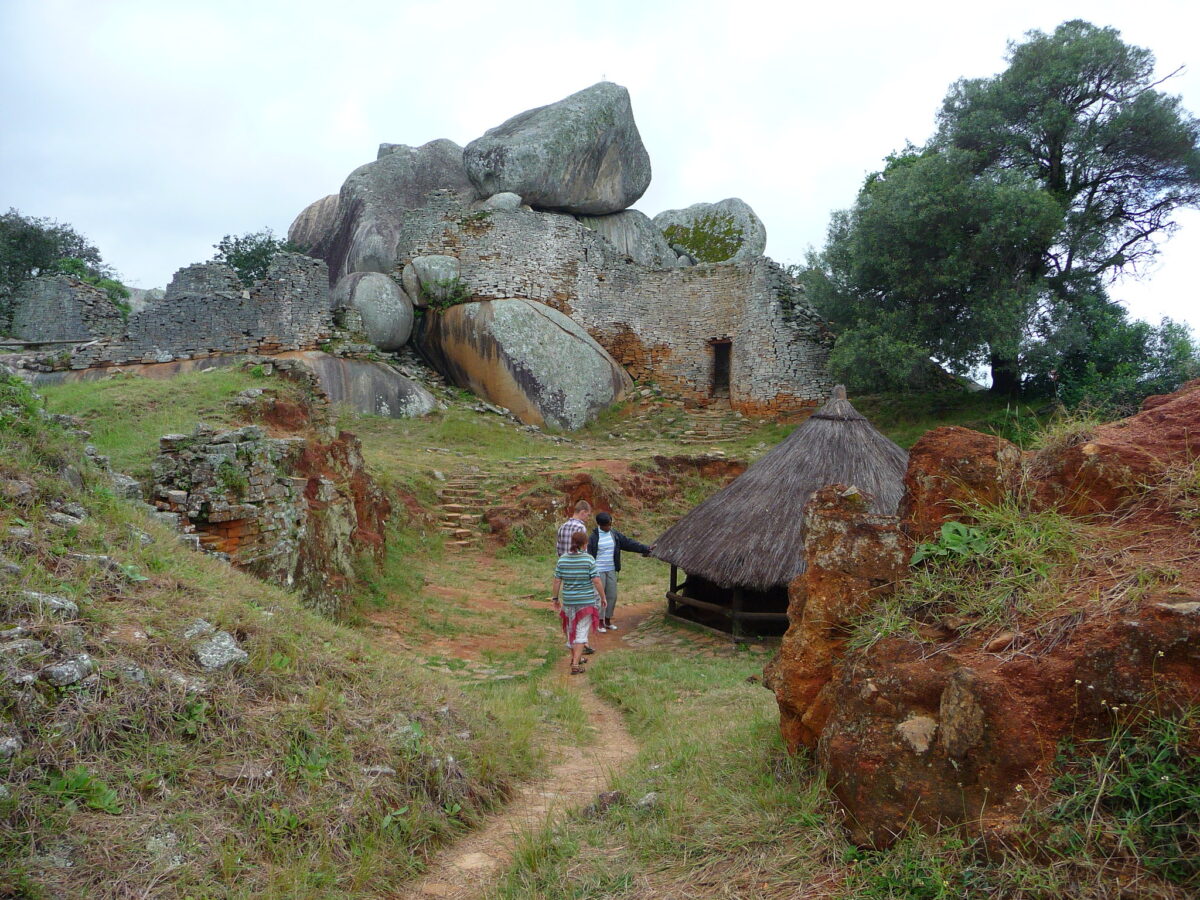
This African city features massive stone walls built without mortar, with granite blocks fitted so precisely that a knife blade can’t slip between them. Constructed between the 11th and 15th centuries, the complex includes a 36-foot-high wall made from over one million blocks.
Despite extensive research, archaeologists can’t fully explain how builders achieved such precision or transported the stones without wheels or metal tools. The sophisticated construction techniques and urban planning revealed at Great Zimbabwe challenged racist colonial assumptions about African civilizations and continue to reveal new surprises about pre-colonial African engineering.
Petra
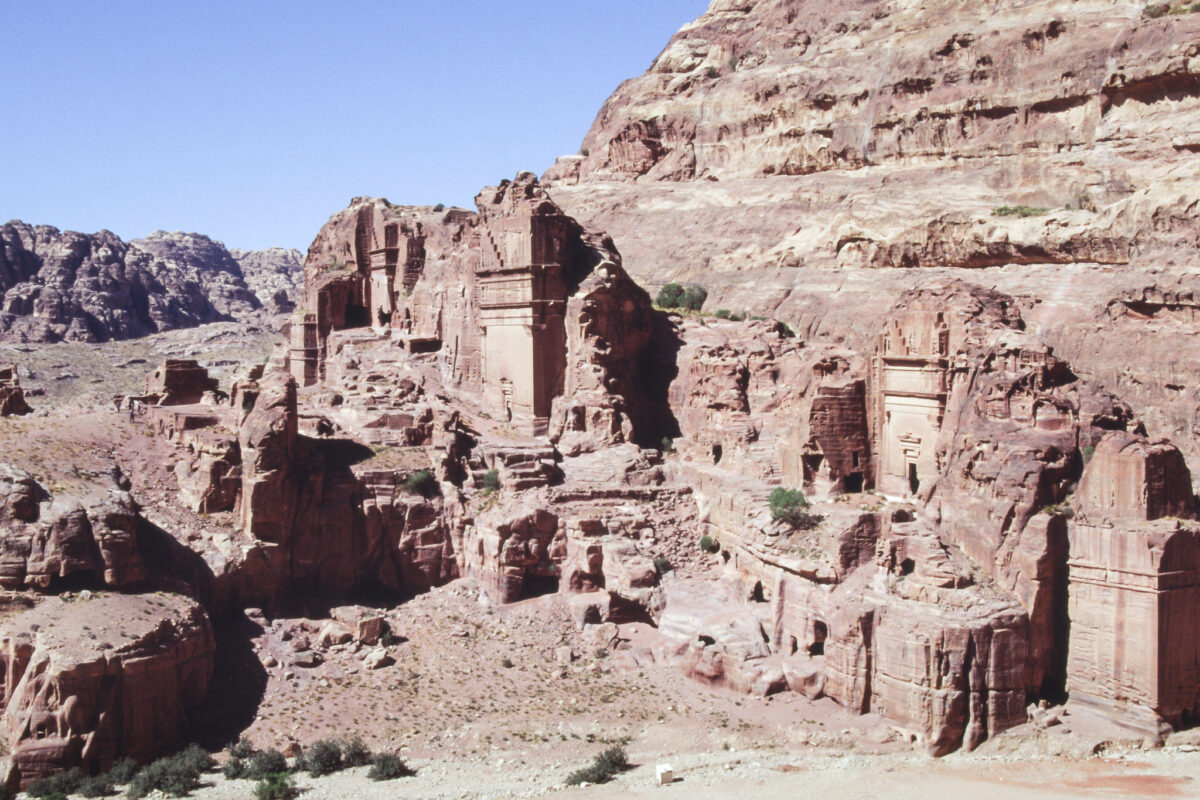
Jordan’s famous rock-cut city features elaborate facades carved directly into cliff faces, with the Treasury being the most iconic. What puzzles researchers is how ancient builders achieved such intricate detail and perfect proportions while working on vertical surfaces hundreds of feet high.
There’s no evidence of scaffolding marks or any indication of how workers accessed the higher portions of these structures. The hydraulic engineering throughout the city is equally impressive, with sophisticated water management systems that collected and distributed water through desert terrain in ways that modern engineers still study.
Florence Cathedral Dome
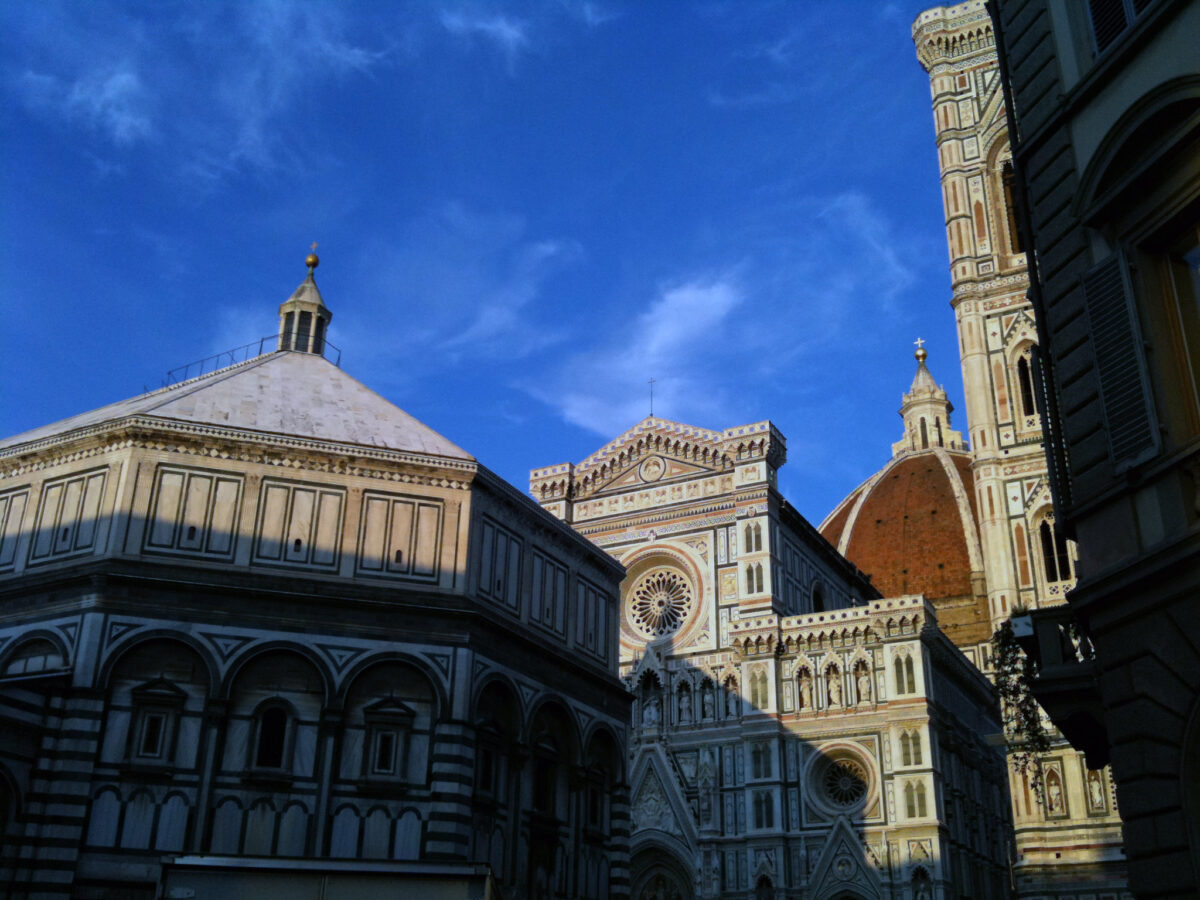
While not as ancient as other entries, Brunelleschi’s 15th-century dome remains an architectural enigma. Built without flying buttresses or traditional wooden scaffolding, this massive structure features an innovative double-shell design with precise herringbone brickwork.
For centuries, architects couldn’t figure out how Brunelleschi achieved this feat, and even today there’s debate about his exact methods. Recent research suggests a complex system of chains, hooks, and ropes allowed the construction, but the dome’s creation represented such a leap in engineering knowledge that it essentially launched the Renaissance and influenced architecture for generations.
Ancient ingenuity lives on
These remarkable structures remind us that our ancestors weren’t primitive cave dwellers stumbling through history—they were sophisticated engineers and architects who solved complex problems with ingenious solutions we’re still trying to understand. Modern technology keeps revealing new details about how these monuments were built, yet each discovery seems to raise even more questions.
The precision, planning, and sheer determination required to create these architectural wonders speak to a level of knowledge and capability that challenges many assumptions about ancient civilizations. Whether through lost techniques, forgotten mathematics, or simply extraordinary human cooperation and ingenuity, these ancient builders left us monuments that continue to inspire wonder and respect thousands of years later.
More from Go2Tutors!

- 16 Historical Figures Who Were Nothing Like You Think
- 12 Things Sold in the 80s That Are Now Illegal
- 15 VHS Tapes That Could Be Worth Thousands
- 17 Historical “What Ifs” That Would Have Changed Everything
- 18 TV Shows That Vanished Without a Finale
Like Go2Tutors’s content? Follow us on MSN.



