TV Shows That Predicted Future Technology
Television has always been a window into our wildest dreams and strangest fears. But some shows didn’t just entertain us; they actually showed us gadgets and ideas that seemed impossible at the time, only to become real years later.
Let’s take a look at the TV series that got it right long before the rest of us caught up.
Star Trek
Gene Roddenberry’s space adventure gave us communicators that flip open, and decades later, Motorola designed flip phones that looked almost identical. The crew also used tablet-like devices called PADDs to read reports and access information, which sounds a lot like an iPad.
Even the ship’s computer responded to voice commands, something we now do every day with Siri and Alexa. The show aired in the 1960s, but it was thinking about technology that wouldn’t exist for another 30 or 40 years.
The Jetsons
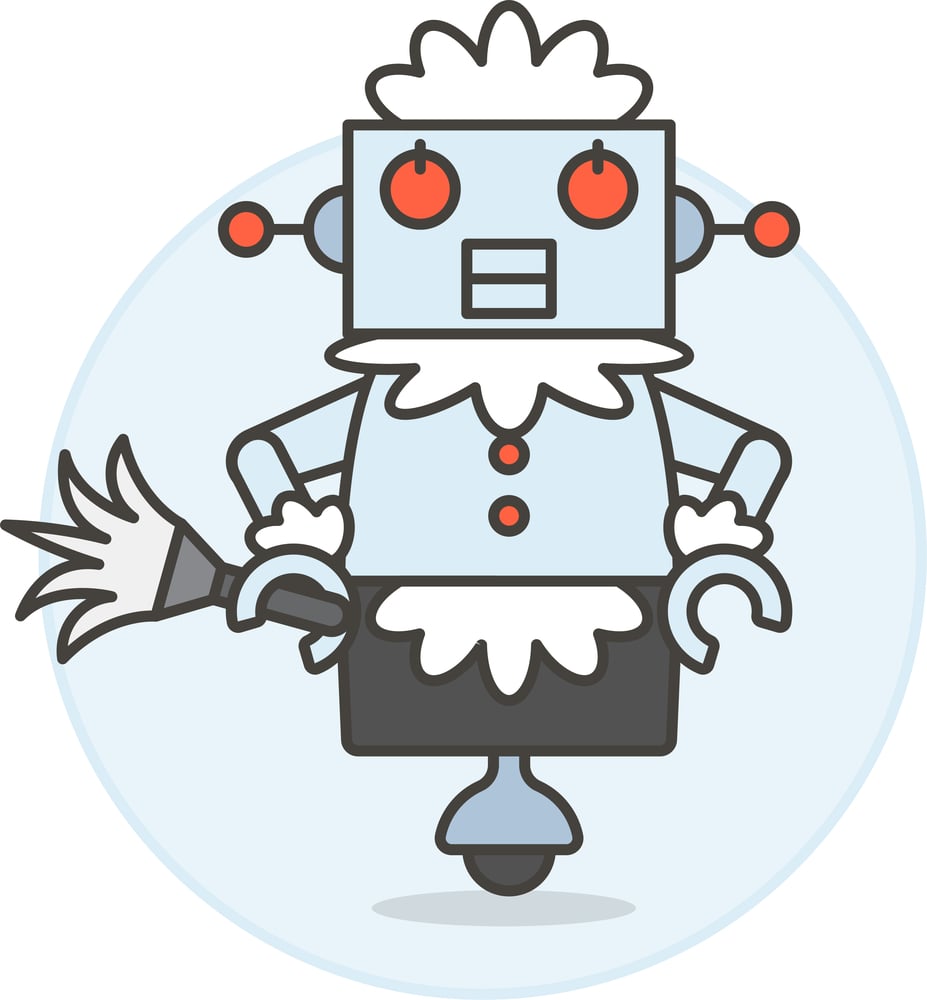
This cartoon family lived in a future filled with video calls, robot vacuum cleaners, and flat-screen TVs mounted on walls. George Jetson talked to his boss through a screen on his watch, which is basically what smartwatches do now.
Rosie the Robot kept the house clean, and while we don’t have full humanoid helpers yet, Roombas do the job pretty well. The show made the future look fun and convenient, and a lot of what they imagined has come true.
Knight Rider
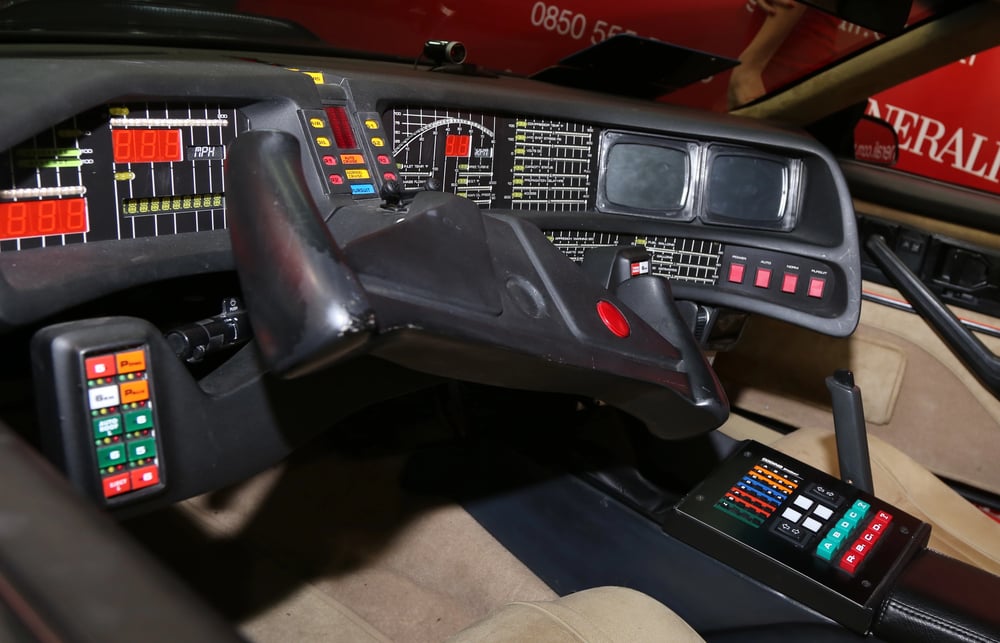
KITT was more than just a cool car with a red light on the front. This talking vehicle had GPS navigation, self-driving capabilities, and could analyze situations faster than any human.
David Hasselhoff’s character relied on KITT to get him out of trouble, and the car could even communicate with other machines. Today, Tesla and other companies are working on self-driving cars that use artificial intelligence in similar ways.
The Simpsons
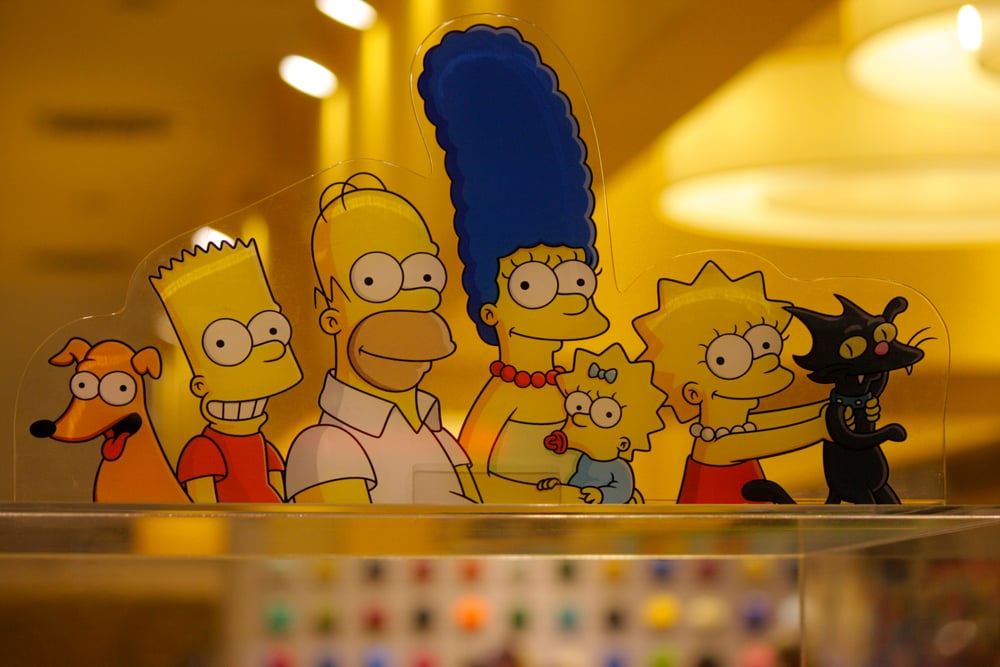
Springfield’s favorite family has predicted so many things that it’s almost spooky. In one episode from 1994, Lisa uses a device that looks exactly like a modern smartwatch to make a call.
Another episode showed video calling before Skype or FaceTime existed. The show even featured autocorrect fails and touchscreen voting machines that switch your vote, both of which became real problems.
Back to the Future: The Animated Series
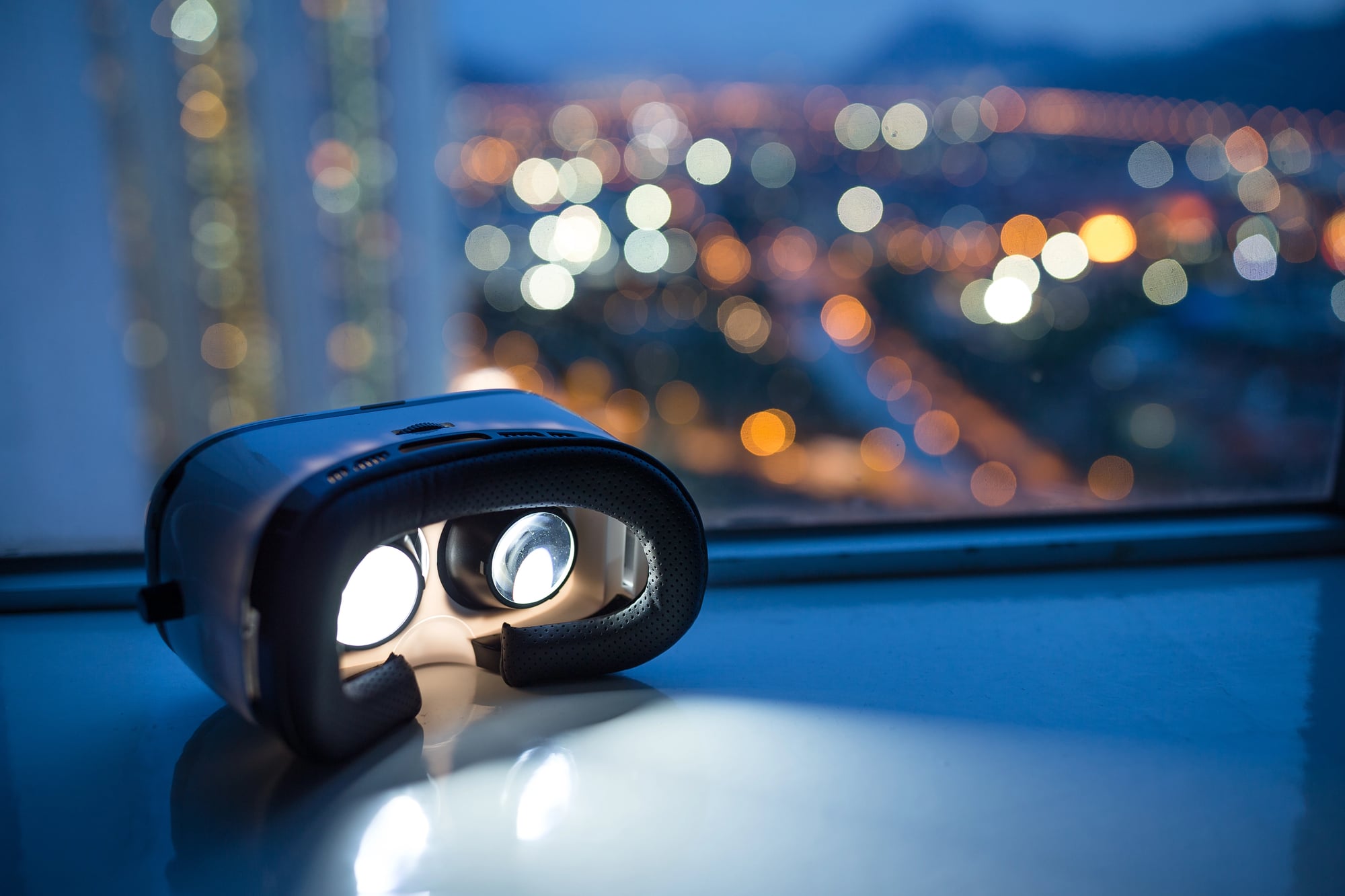
The cartoon spinoff of the movies showed Doc Brown and Marty using video glasses to watch TV and get information. These glasses looked a lot like early versions of Google Glass or VR headsets.
The show also featured hoverboards, which we don’t have yet in the way they imagined, but companies like Lexus have made working prototypes. The series took the movie’s futuristic ideas and pushed them even further, exploring technology that was pure fantasy in the early 1990s.
Doctor Who

The Doctor’s sonic screwdriver can unlock doors, scan for information, and fix almost anything electronic. Real scientists have actually created sonic screwdrivers that use sound waves to move small objects and perform medical procedures.
The TARDIS phone booth also predicted how we’d want our technology to be smaller on the outside but incredibly powerful on the inside. British engineers have even worked on cloaking devices inspired by the show’s perception filters, trying to bend light around objects to make them invisible.
Inspector Gadget
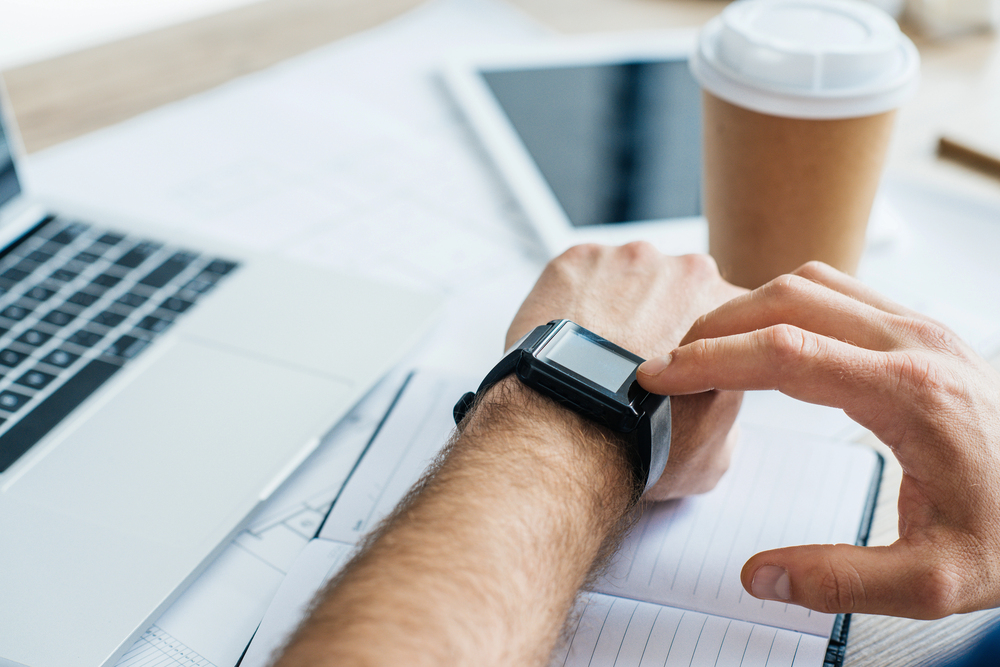
This bumbling detective had a phone built into his hand, extendable arms, and gadgets hidden all over his body. While we haven’t surgically implanted phones into our hands yet, wearable technology has become huge.
Smartwatches, fitness trackers, and even smart rings let us carry technology on our bodies all the time. The show’s idea of having everything you need attached to you isn’t that far from where we’re headed with wearable tech.
Max Headroom
This cyberpunk show featured a world dominated by television networks that controlled everything through screens. People in the show were constantly bombarded with ads and information, which sounds a lot like our current relationship with smartphones and social media.
The series also showed computer-generated personalities that could interact with humans, similar to virtual influencers and AI chatbots we see today. Max Headroom himself was a digital character, predicting the rise of CGI and virtual personalities decades before they became common.
Babylon 5
Commander Sinclair and his crew used handheld devices called ‘links’ to communicate instantly with anyone on the station. These devices were basically early versions of smartphones, letting people make calls, send messages, and access data.
The show also featured holographic displays and artificial intelligence that helped run the space station. NASA and other space agencies have looked at Babylon 5’s technology when designing real spacecraft communication systems.
Minority Report
The TV adaptation of the movie showed people using gesture controls to manipulate screens and access information with just their hands. Microsoft’s Kinect, the Leap Motion controller, and even iPhone gestures took inspiration from this kind of interface.
The show also featured personalized advertising that recognized individuals and targeted them with specific messages, which is exactly what online advertising does now. Law enforcement in the show used predictive algorithms, similar to the controversial predictive policing software some cities have tried.
Black Mirror
Charlie Brooker’s show doesn’t just predict technology; it warns us about where it might go wrong. Episodes have featured social media rating systems, memory implants, and AI consciousness.
China actually implemented a social credit system that resembles the one in the episode ‘Nosedive.’ The show’s exploration of digital afterlife services and AI companions has inspired real companies to work on preserving personalities through machine learning.
Futurama
Matt Groening’s other animated series gave us eyePhone, a device that installs directly onto your eye. While we haven’t gone that far yet, contact lenses with built-in displays are in development.
The show also featured self-harm booths, which is on the banned list, so let’s focus on their package delivery tubes instead. Companies like Amazon have experimented with drone delivery and pneumatic tube systems for urban areas.
Westworld
The original 1973 movie and the recent HBO series explored theme parks filled with realistic robots that guests couldn’t tell apart from humans. Boston Dynamics and other robotics companies are creating machines that move and respond in increasingly lifelike ways.
The show’s exploration of artificial intelligence becoming self-aware raises questions that real AI researchers are now grappling with. Westworld’s tablets and voice-controlled systems were futuristic in the 1970s but are standard technology now.
Person of Interest
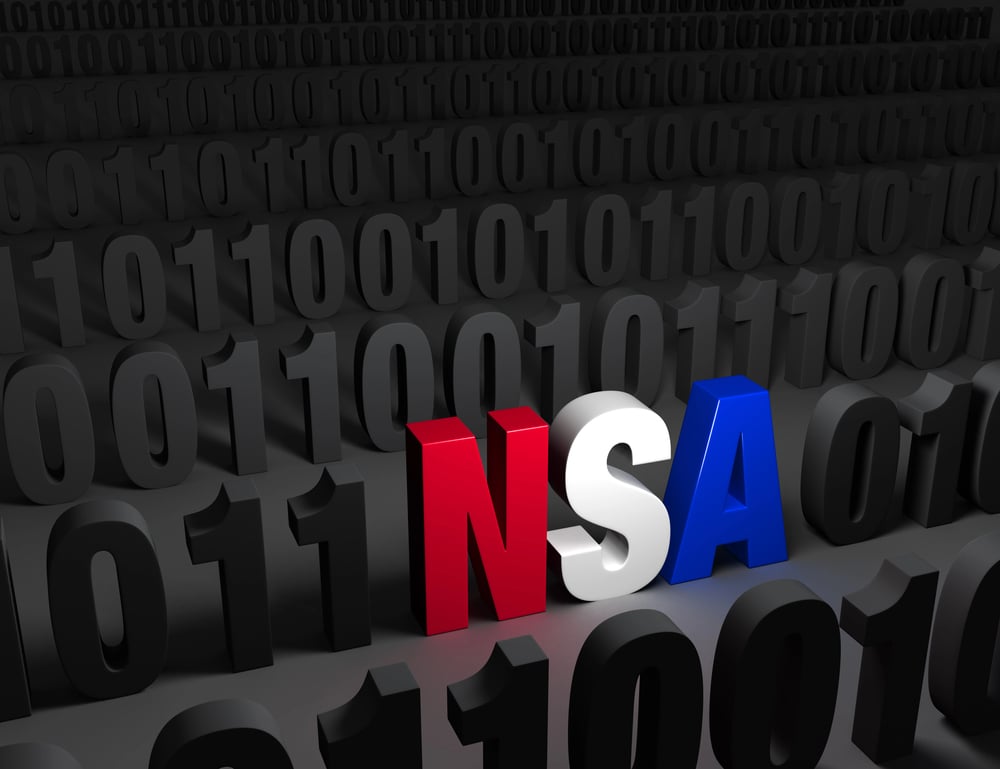
This show centered on a machine that could predict crimes before they happened by analyzing surveillance footage and data. Facial recognition software and predictive analytics are now used by law enforcement agencies around the world.
The show’s exploration of mass surveillance and data collection predicted the revelations about NSA programs and the ways tech companies track our every move. The machine in the show was essentially a very advanced AI, and we’re moving closer to that kind of technology every year.
Battlestar Galactica
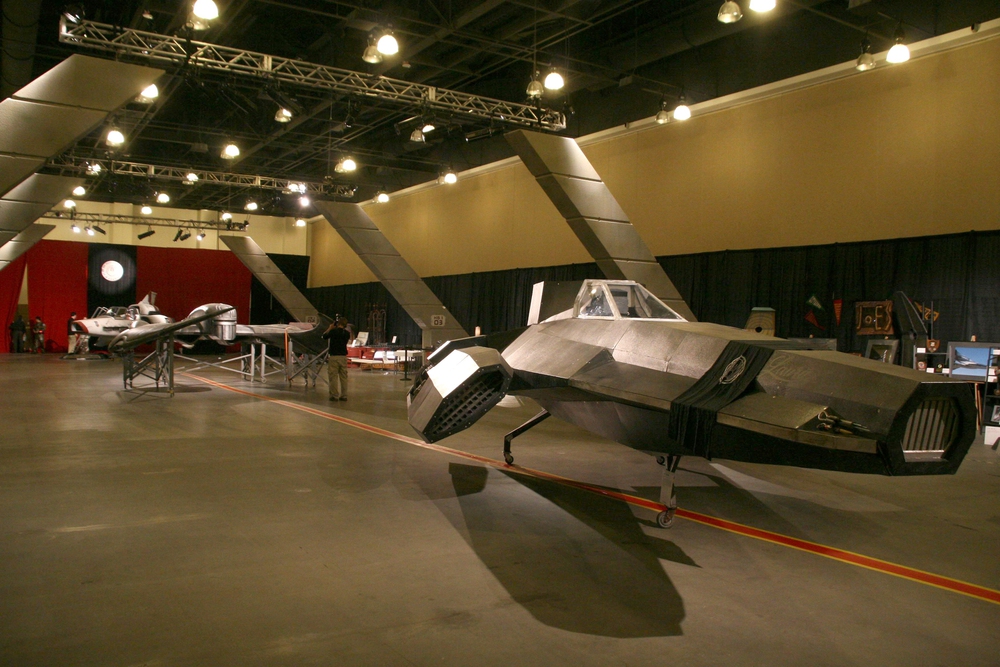
The reboot introduced computers linked together – easy targets for hackers – so the fleet switched to outdated gear that didn’t connect, just to stay safe. That mirrors today’s worries around online threats and smart devices we can’t fully trust.
Drones doing combat tasks showed up back then, long before they became standard tools in real-world armies. Machines pretending to be people slipped into daily life unnoticed, sparking debates on who – or what – we should trust, a topic way bigger now than it seemed at the time.
Eureka
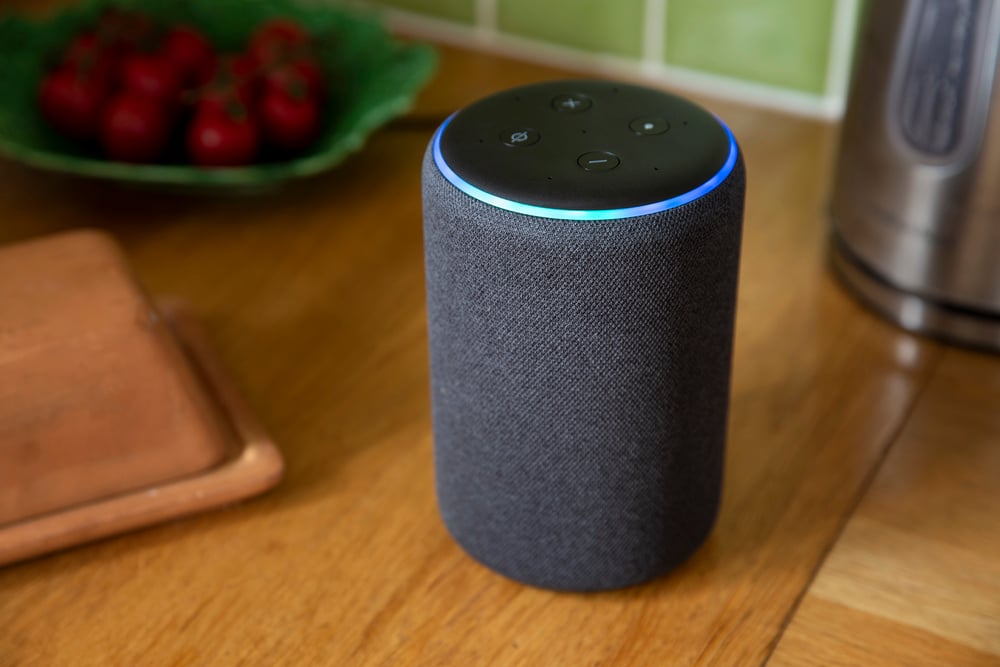
This oddball series set in a brainy town showed homes that ran on their own – handling climate, locks, alarms, you name it. Today’s tools like Google Home or Alexa do similar tricks using just your voice.
It tossed in driverless vehicles, gadgets printing objects layer by layer, even digital overlays on the real world. Though Eureka used those ideas for laughs, plenty turned into actual tech after the credits rolled.
The X-Files
Mulder plus Scully dug into secret plots along with weird events, yet the series low-key foreshadowed things like face-time chats, high-tech spying tools, or DNA tweaking. Stories touched on robot minds or digital worlds way before those topics blew up online.
Its shaky take on state tracking habits and cameras in every corner ended up feeling spot-on. Back then, Carter’s hit TV run pushed folks to doubt power figures or gadgets – back when both felt safer than now.
Seinfeld
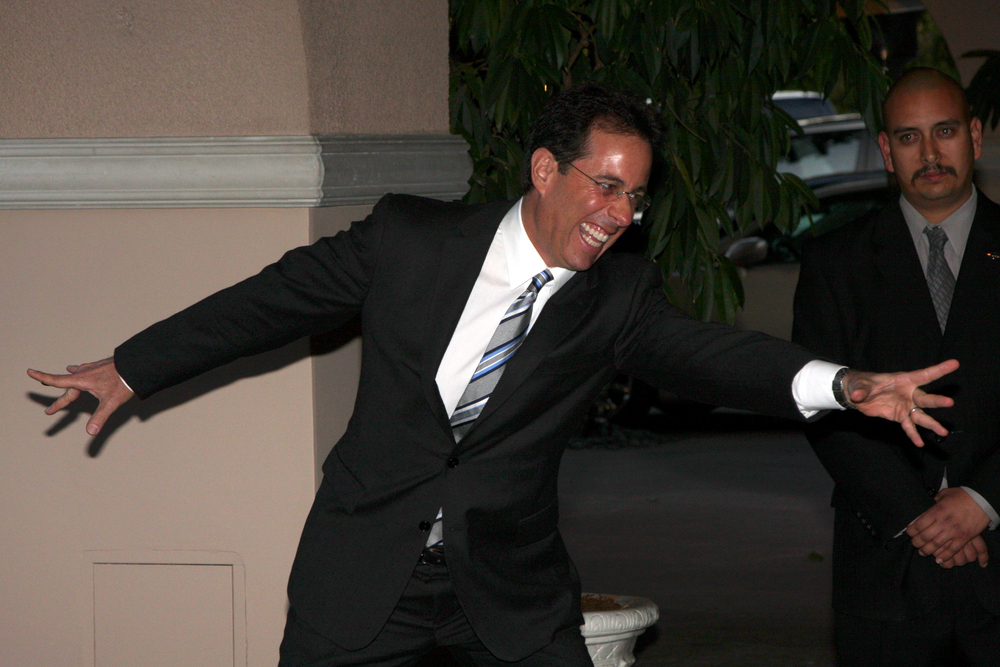
This sitcom about everyday stuff somehow guessed a few things. Seinfeld owned a computer hooked up to the web at home – back when that wasn’t common yet in the ’90s.
People on screen carried around clunky cellphones, struggling with voicemail confusion or getting cut off during calls. In one scene, someone actually earned cash returning bottles from different states – an odd job idea way before platforms like Uber existed.
Where We Are Now

These shows weren’t only about fun once the meal ended or during weekend cartoons. Instead, they sparked ideas inside future tinkerers, builders, and go-getters raised on screen tales.
Certain gadgets came to life when someone recalled a fictional device and asked, ‘What’s stopping us from making this real?’ Scriptwriters and dream teams pictured tomorrow in ways that shaped today’s reality.
As time goes by, what was fantasy slowly becomes actual stuff – and these series show how dreams usually lead the way.
More from Go2Tutors!

- The Romanov Crown Jewels and Their Tragic Fate
- 13 Historical Mysteries That Science Still Can’t Solve
- Famous Hoaxes That Fooled the World for Years
- 15 Child Stars with Tragic Adult Lives
- 16 Famous Jewelry Pieces in History
Like Go2Tutors’s content? Follow us on MSN.