Mind-bending Facts About the Deep Sea Ecosystem
Less than 0.001 percent of the deep seafloor has been visually observed, despite the ocean covering more than 70% of the planet’s surface. Most of that mystery lives in the deep sea—the vast, dark realm that begins around 650 feet below the surface and descends to depths exceeding 36,000 feet.
The rules change down there. Light completely vanishes, pressure becomes unbearable, and life changes in ways that seem straight out of science fiction.
The animals that live here appear foreign because they are, in many respects. Their existence challenges our understanding of biology because they have evolved in isolation and under extremely harsh conditions.
There is more to the deep sea than just emptiness and darkness. Life abounds there, along with odd ecosystems and phenomena that alter textbooks. Here’s a closer look at some of this hidden world’s most astounding facts.
The Pressure Could Crush a Car

At sea level, atmospheric pressure is about 14.7 pounds per square inch. For every 33 feet you descend into the ocean, the pressure increases by another 14.7 pounds per square inch.
By the time you reach the deepest parts of the ocean—places like the Mariana Trench, which plunges nearly seven miles down—the pressure approaches 16,000 pounds per square inch. That’s more than 1,000 times the pressure at the surface.
A human body would be crushed instantly. Even a car would crumple like a tin can.
Yet creatures live there. Deep sea organisms have evolved bodies with no air pockets, which means there’s nothing to compress.
Their cells are filled with water, and their tissues are reinforced with proteins and molecules that maintain structure under immense pressure. Some fish have gelatinous bodies that can withstand the weight of the ocean pressing down on them.
Others have specialized enzymes that function normally in conditions that would denature proteins in surface-dwelling animals. It’s a masterclass in biological engineering.
Most of It Is Pitch Black

Sunlight penetrates seawater, but meaningful light drops off rapidly. By around 650 feet, light becomes extremely dim, and by the time you reach depths beyond 3,300 feet, you’re in the aphotic zone—a realm of near-complete darkness.
The deep sea exists in perpetual night, and has for millions of years. Without light, photosynthesis is impossible, which means the entire ecosystem operates on a different energy source.
Instead of plants forming the base of the food chain, the deep sea relies on marine snow—a constant rain of organic debris from the surface, including dead plankton, feces, and decaying matter. This rain of nutrients is slow and sparse, which means food is scarce.
Deep sea creatures have adapted to survive on very little. Some species can go months without eating.
Others have evolved massive mouths and expandable stomachs so they can consume prey larger than themselves when the opportunity arises. The anglerfish, for example, has a stomach that can stretch to accommodate meals twice its own size.
In an environment where the next meal might not come for weeks, efficiency is everything.
Bioluminescence Is the Language
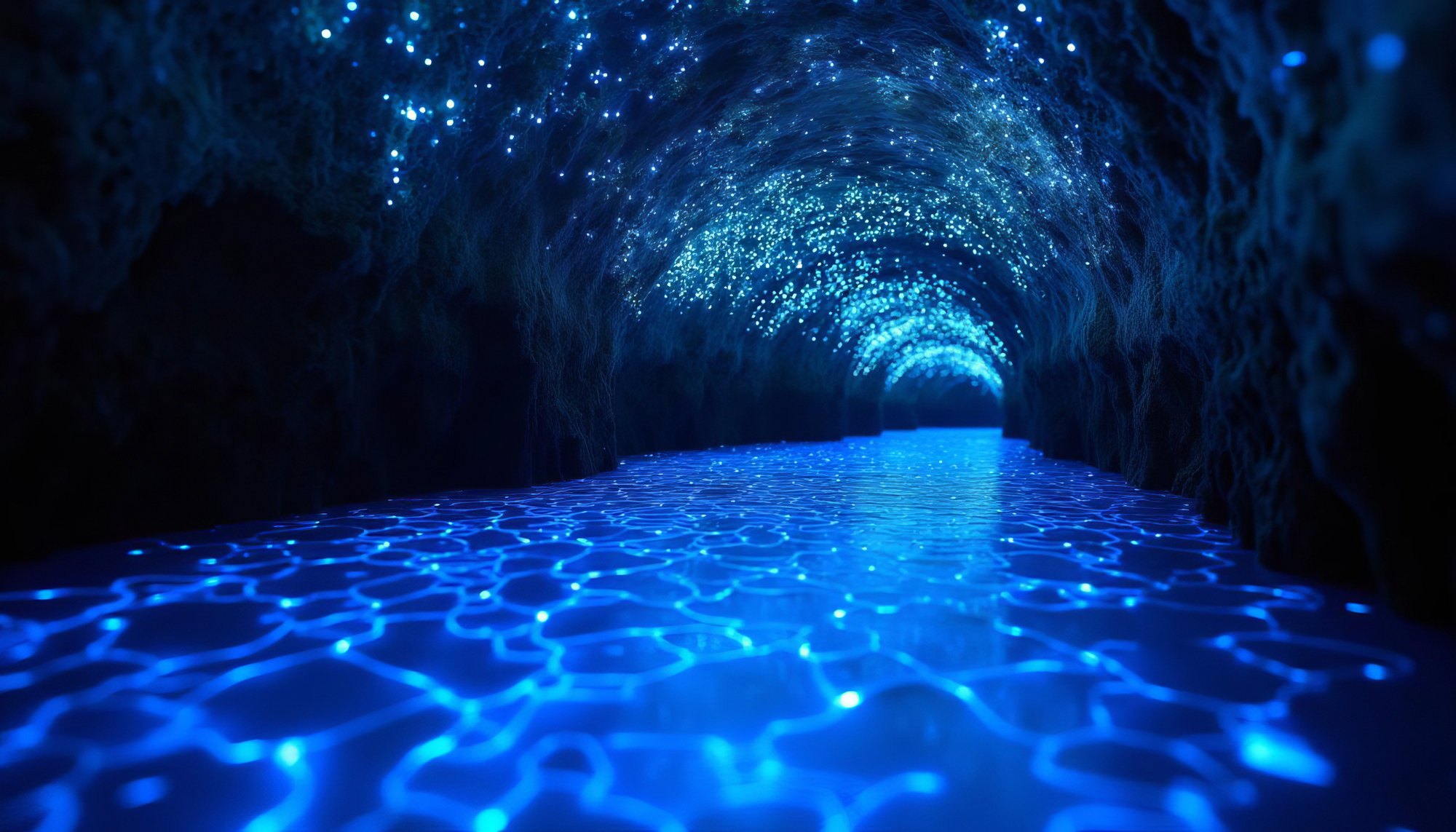
In a world without sunlight, many deep sea creatures make their own light. Around 80 percent of animals in the water column between roughly 650 and 3,300 feet are bioluminescent, producing light through chemical reactions in their bodies.
They use it for hunting, communication, camouflage, and mating. Some fish have light-producing organs called photophores scattered across their bodies, creating patterns that help them identify members of their own species.
Others use bioluminescence as a lure, like the anglerfish, which dangles a glowing appendage in front of its mouth to attract prey. Bioluminescence also serves as a defense mechanism.
When threatened, some squid and shrimp release glowing clouds into the water, confusing predators and allowing them to escape. Others use a technique called counterillumination, where they produce light on their undersides to match the faint glow from above, erasing their silhouettes and making them nearly invisible to predators looking up from below.
It’s a form of active camouflage that rivals anything engineered by humans.
Hydrothermal Vents Host Entire Ecosystems
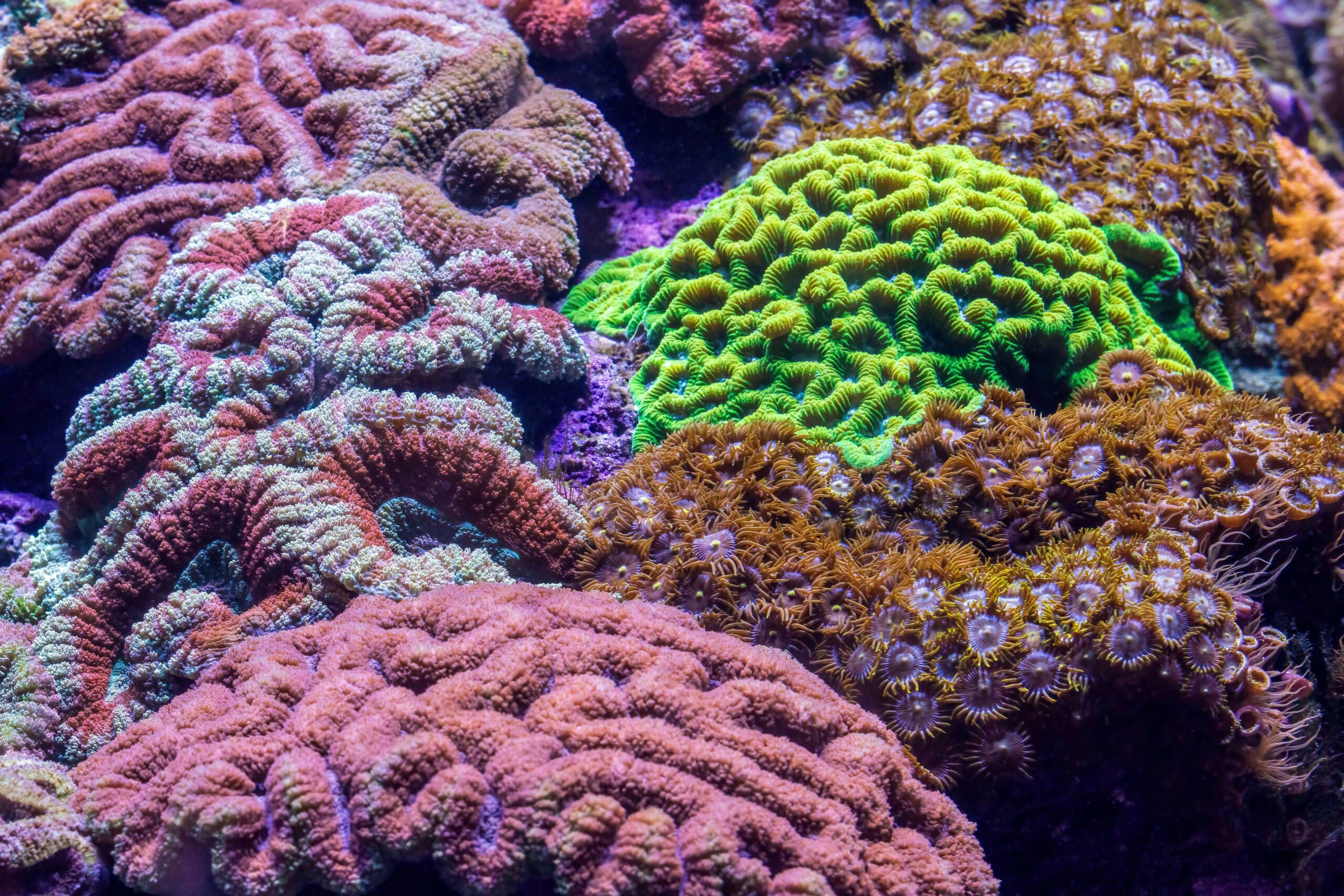
In 1977, scientists exploring the deep sea near the Galápagos Islands discovered something that shouldn’t have been possible. At depths where life was thought to be minimal, they found thriving ecosystems clustered around hydrothermal vents—cracks in the ocean floor where superheated water, rich in minerals, spews out at temperatures exceeding 700 degrees Fahrenheit.
The water is toxic, filled with hydrogen sulfide and heavy metals, yet life flourishes there. The key is chemosynthesis.
Bacteria living around the vents convert the chemicals in the vent water into energy, forming the base of a food chain that doesn’t rely on sunlight. Giant tube worms, some reaching lengths of eight feet, anchor themselves near the vents and absorb the bacteria through specialized organs.
Blind shrimp, pale crabs, and strange fish gather in dense populations around these oases. These ecosystems are isolated from the rest of the ocean, evolving independently and producing species found nowhere else on Earth.
Some scientists believe similar ecosystems could exist on other planets or moons with subsurface oceans, like Europa or Enceladus.
Deep Sea Gigantism Is Real
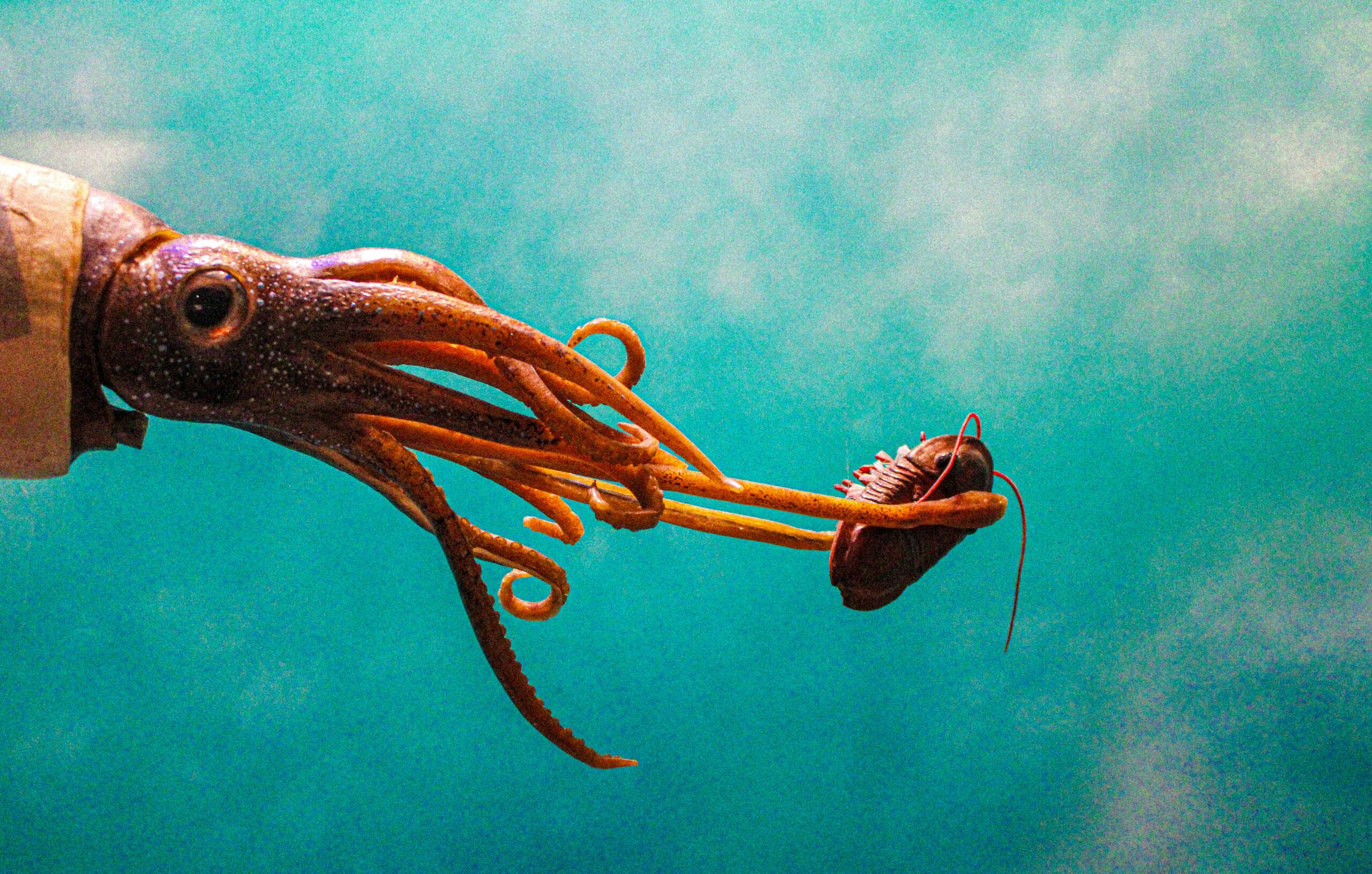
Many deep sea creatures grow to sizes that would be absurd in shallower waters. Giant squid can reach lengths up to 43 feet when including their tentacles, though verified measurements remain subject to scientific debate.
Japanese spider crabs have leg spans up to 12 feet. Isopods, which are related to pill bugs, can grow as large as a football.
This phenomenon, known as deep sea gigantism, isn’t fully understood, and the mechanisms behind it remain largely hypothetical. Several factors likely contribute.
Cold water slows metabolism, which can extend lifespans and allow for longer growth periods. Scarce food might favor larger bodies that can store more energy and go longer between meals.
The lack of predators in some deep sea environments might also reduce the evolutionary pressure to stay small and agile. Even so, gigantism comes with trade-offs.
Larger bodies require more energy to maintain, and in an environment where food is scarce, that’s a risky strategy. Many deep sea giants move slowly and have low metabolic rates, conserving energy wherever possible.
They’re built for endurance, not speed. It’s a different approach to survival, one that works precisely because the deep sea is so unlike anywhere else on the planet.
Some Polar Fish Have Antifreeze in Their Blood
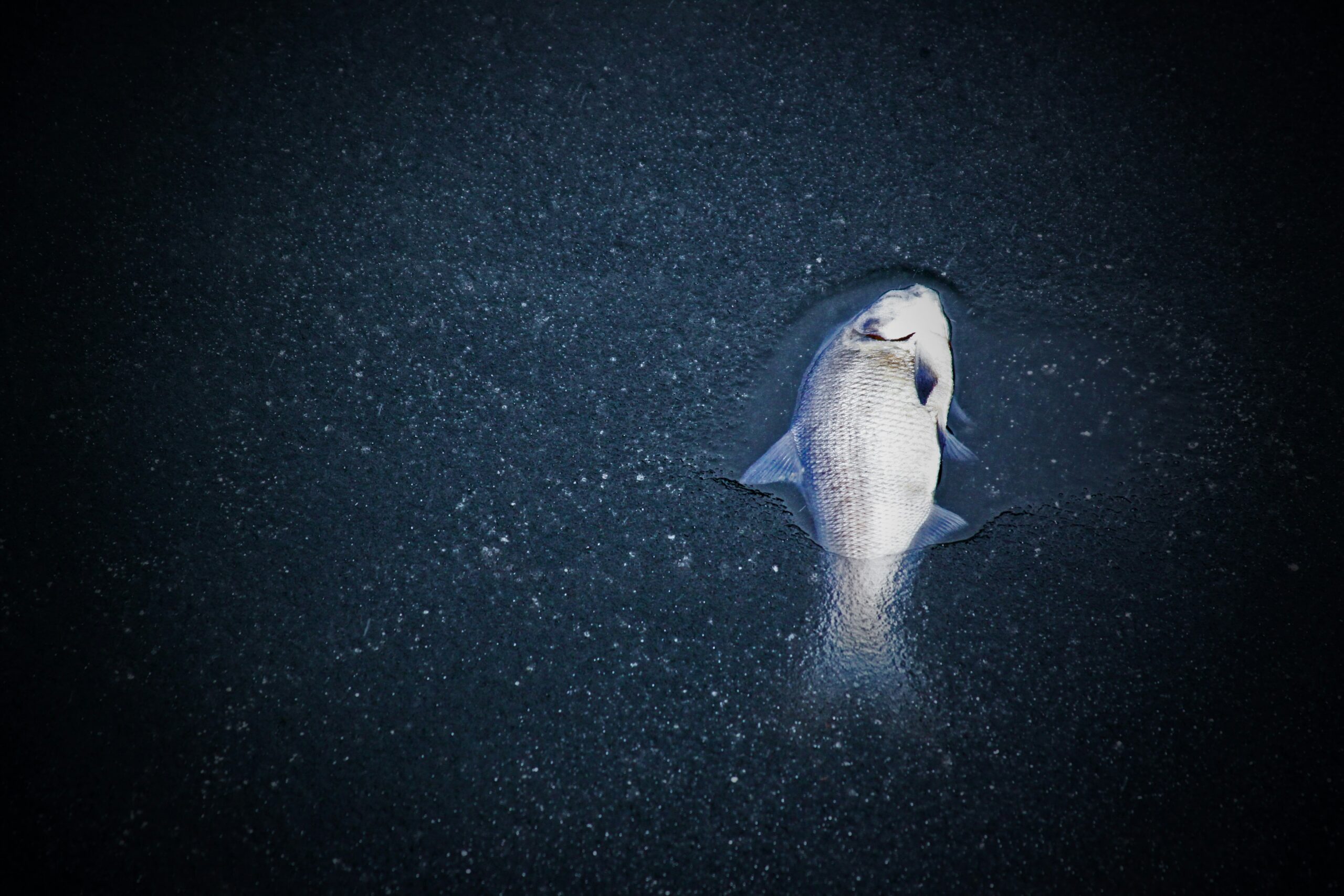
In polar regions, where ocean water temperatures can drop below the freezing point of normal bodily fluids, fish would freeze solid if not for a remarkable adaptation: antifreeze proteins. These molecules bind to ice crystals as they form, preventing them from growing large enough to damage cells.
It’s a biochemical trick that allows fish to remain active in water cold enough to kill most other organisms. While this adaptation is found primarily in polar environments rather than the deep sea broadly, it demonstrates the extraordinary solutions life develops under extreme conditions.
Antifreeze proteins have evolved independently in several fish species, which means natural selection stumbled upon the same solution multiple times. The proteins are so effective that scientists are studying them for potential applications in medicine, agriculture, and food preservation.
It’s another example of the deep sea producing innovations that could have implications far beyond the ocean.
The Vampire Squid Isn’t What You Think
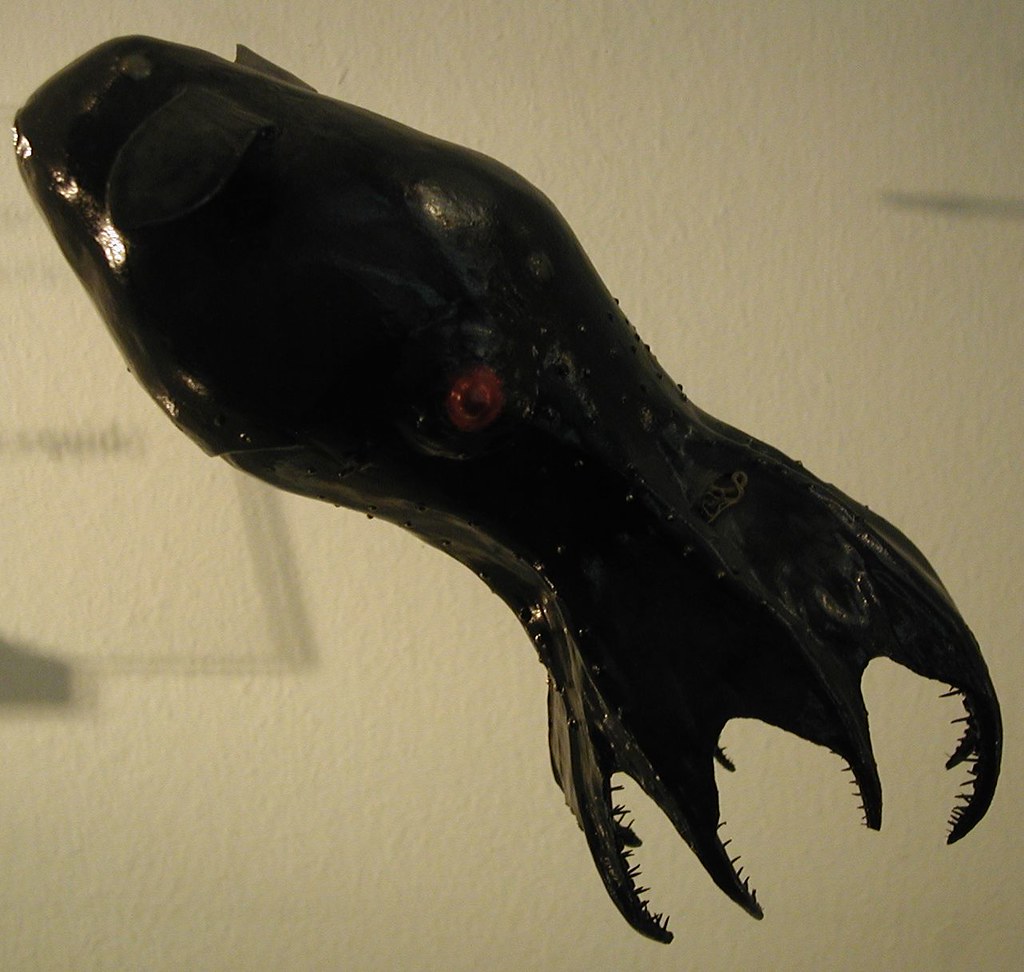
Despite its name and appearance—dark red skin, blue eyes, and webbed arms lined with spines—the vampire squid isn’t a predator. It’s a scavenger.
Instead of hunting live prey, it feeds on marine snow, using long filaments to collect bits of organic matter drifting through the water. Once it gathers enough, it pulls the filaments back and scrapes the food into its mouth.
It’s an energy-efficient strategy in an environment where active hunting would burn more calories than it provides. The vampire squid also has the lowest metabolic rate of any cephalopod, allowing it to survive in oxygen minimum zones—areas of the ocean where dissolved oxygen levels are so low that most animals can’t breathe.
Its body is adapted to extract oxygen from water with extraordinary efficiency, and it can slow its metabolism even further when conditions get truly dire. It’s a creature built for endurance, not aggression, despite its menacing appearance.
We’ve Barely Scratched the Surface
Despite decades of exploration, much of the ocean remains unknown. About 26 percent of the seafloor has been mapped with high-resolution sonar as of 2024, and scientists have visually observed or sampled far less.
The deep sea remains one of the least understood environments on Earth. New species are discovered regularly, and every expedition reveals something unexpected.
In 2023, researchers recorded a bony fish living at a depth of 8,336 meters—more than 27,000 feet—breaking the previous record for the deepest fish ever documented. That same year, scientists exploring seamounts off the coast of Chile discovered more than 100 new species in a single expedition.
The deep sea is also revealing insights into climate, geology, and even the origins of life. Sediment cores from the ocean floor contain records of Earth’s climate history stretching back millions of years.
Hydrothermal vents offer clues about how life might have begun, and how it might exist elsewhere in the universe. The deep sea isn’t just a curiosity—it’s a laboratory for understanding fundamental questions about biology, chemistry, and planetary science.
What Lies Beneath
The deep sea is not a secluded, unimportant region of the earth. The ocean, which makes up about 71% of the planet’s surface, is the largest habitat on Earth.
It is essential for maintaining marine life throughout the water column, controlling the climate, and storing carbon. The ecosystems they create are more intricate and interconnected than anyone could have predicted just a few decades ago, and the creatures that inhabit them have evolved solutions to issues we’re only now starting to comprehend.
Every new finding down there serves as a reminder of how little we know and how much more needs to be discovered. We are only beginning to read the story that the deep sea is still writing.
Life is not hampered by the pressure, the cold, or the darkness. These are circumstances that life has mastered in ways that still surprise us.
And there are animals and ecosystems there that we haven’t even imagined yet, somewhere in that huge, dark space.
More from Go2Tutors!

- The Romanov Crown Jewels and Their Tragic Fate
- 17 Halloween Costumes Once Considered Taboo
- Famous Hoaxes That Fooled the World for Years
- 15 Child Stars with Tragic Adult Lives
- 16 Famous Jewelry Pieces in History
Like Go2Tutors’s content? Follow us on MSN.



