Strange Uses People Have for Herbs
Most folks see herbs as stuff for meals or a cup of tea. Yet, people figured out ways past the stove.
A few of those old tricks sound odd now; some show how creative humans got when stuck with local greenery. Survival sometimes mixed healing, superstition, and sheer hope into one messy pile.
Basil for scorpion breeding
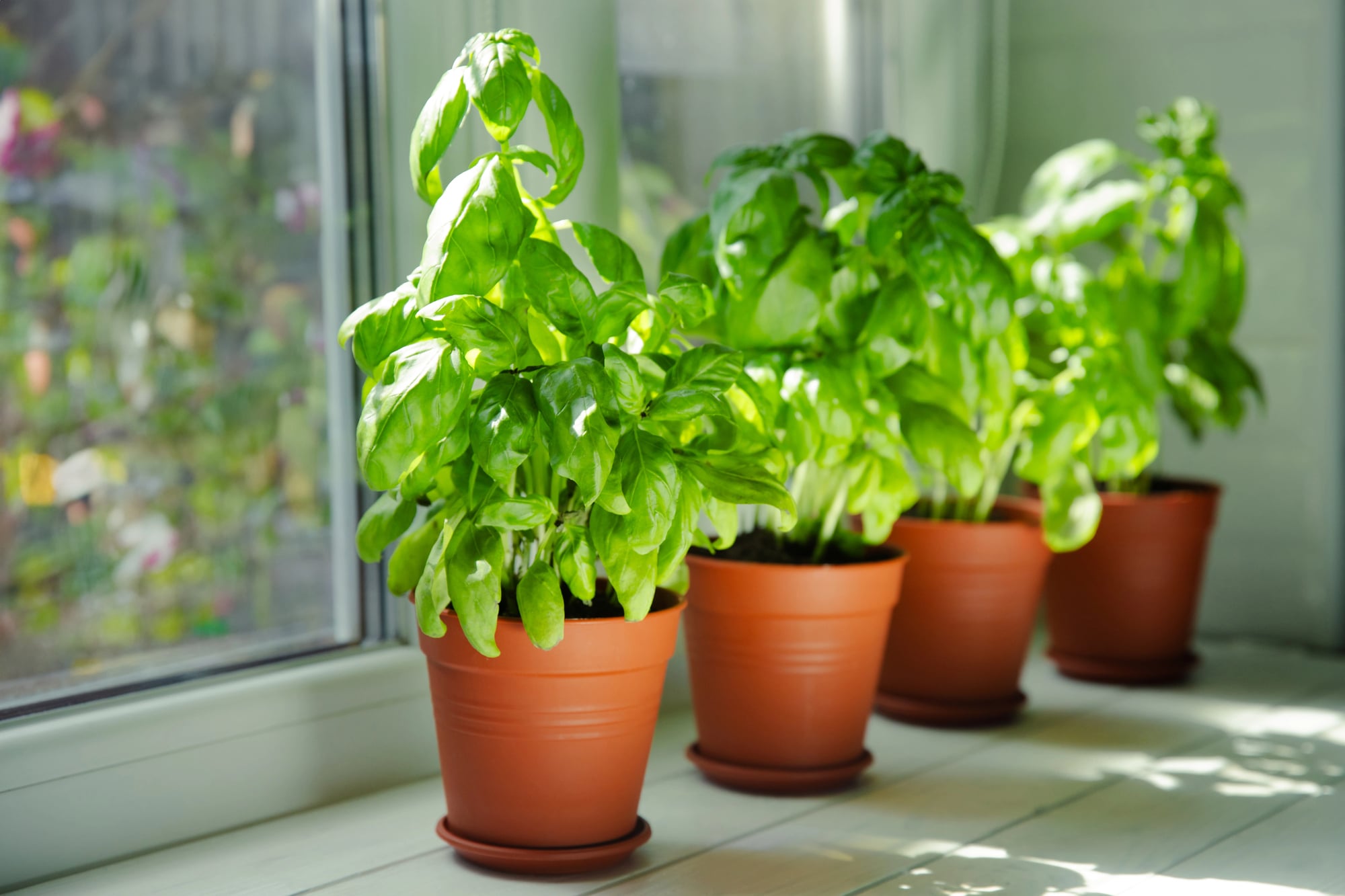
People in the 17th century believed that crushing basil between two stones would spontaneously generate scorpions. The Flemish physician Jan Baptist van Helmont even wrote a recipe: carve an indentation in a brick, fill it with crushed basil, cover it with another brick, and expose them to sunlight.
Within days, he claimed, the basil would transform into actual scorpions. This wasn’t just folklore—serious scholars believed in spontaneous generation.
Some physicians also warned that smelling too much basil could cause scorpions to breed in the brain.
Parsley to induce abortions
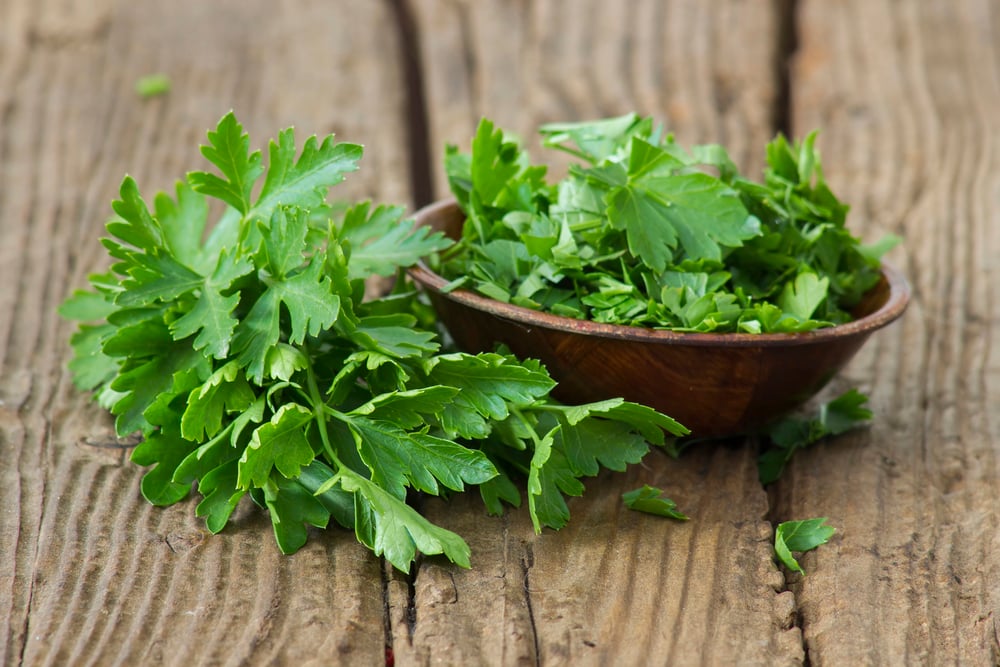
Throughout history, parsley has been used as an abortifacient. Women consumed large amounts of parsley tea or inserted parsley stems to terminate pregnancies.
The herb contains compounds that can stimulate uterine contractions, though the dosage required is dangerous and often ineffective. This practice persisted into the 20th century in communities without access to medical care.
The risks were substantial—liver damage, kidney failure, and severe complications occurred frequently.
Rosemary in coffins
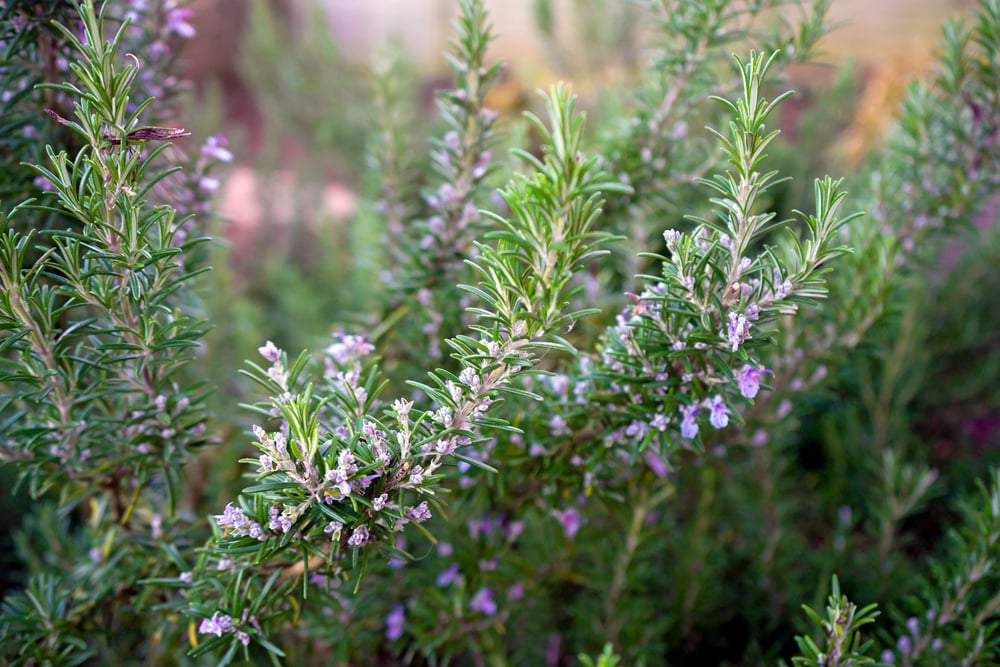
People have placed sprigs of rosemary in coffins and thrown them into graves during funerals for centuries. The practice dates back to Roman times and continued through the Victorian era.
The herb symbolized remembrance, but it also served a practical purpose. Rosemary’s strong scent masked the smell of decomposition during wakes that lasted several days.
Mourners carried rosemary bouquets and wore it pinned to their clothing. In some regions, rosemary was woven into funeral wreaths that were burned after the burial to ward off the spirits of the dead.
Mint to prevent pregnancy
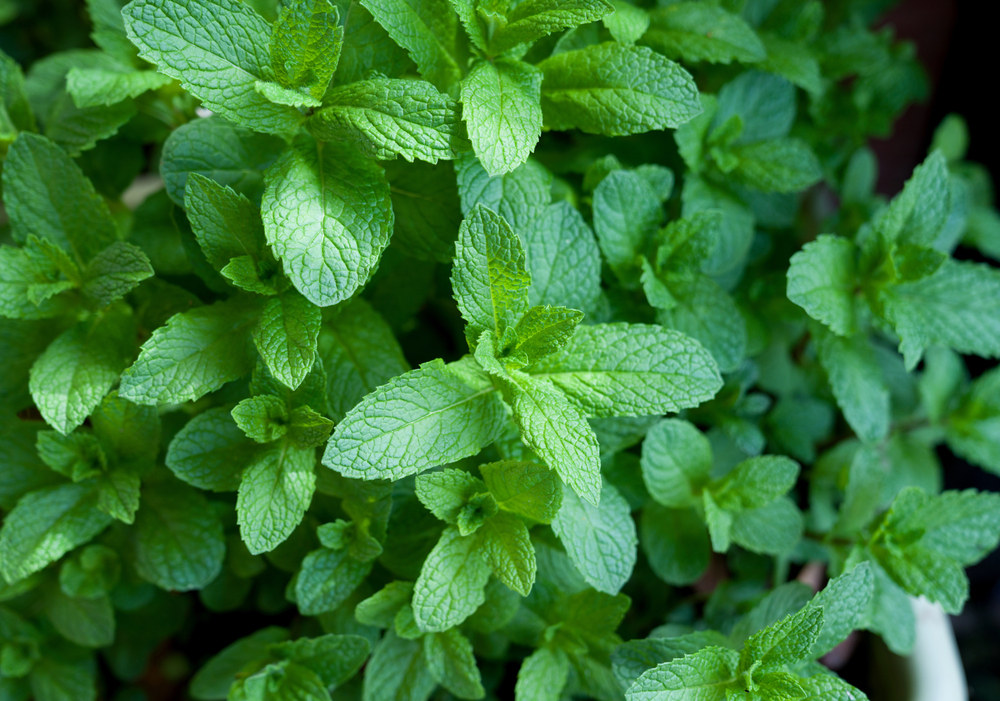
Ancient Greeks and Romans used pennyroyal mint as a contraceptive. Women drank pennyroyal tea regularly, believing it prevented conception.
The herb does contain compounds that affect reproductive hormones, but the amounts needed to have any effect are toxic. Many women died from liver failure after consuming pennyroyal oil.
Despite the dangers, this practice continued well into the 1900s, particularly in rural areas where other birth control methods weren’t available.
Dill against witches
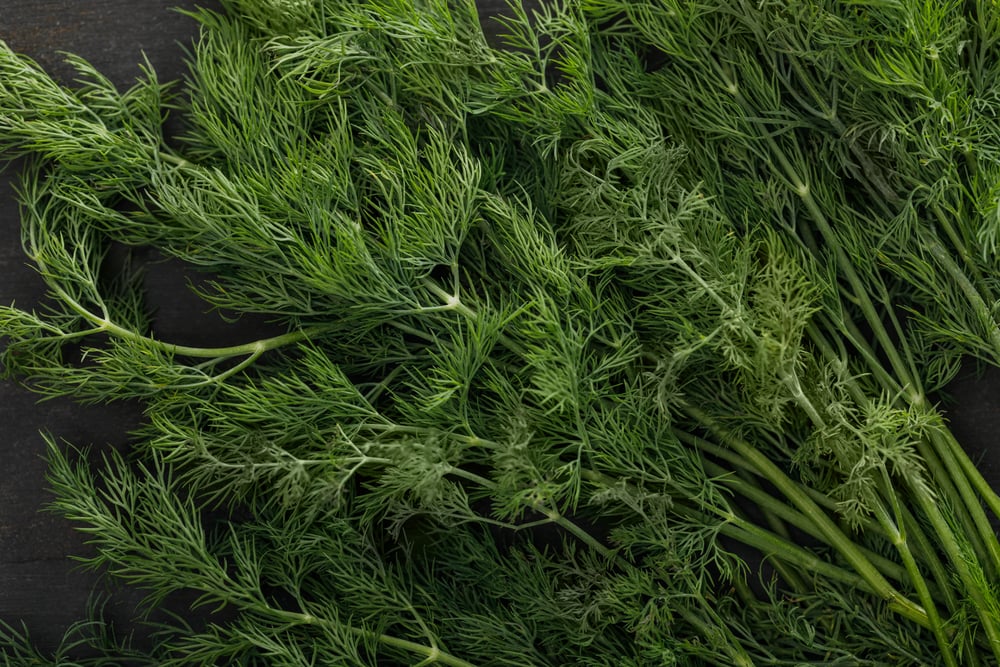
Europeans hung dill over doorways to protect against witchcraft. They believed witches couldn’t enter a home if dill was present.
Brides carried dill in their shoes during weddings to ensure the marriage would be free from curses. Parents put dill in children’s cradles to prevent evil spirits from stealing the baby.
The herb was also sewn into clothing and scattered around property boundaries. Some communities required every household to grow dill as a collective defense against supernatural threats.
Sage for immortality
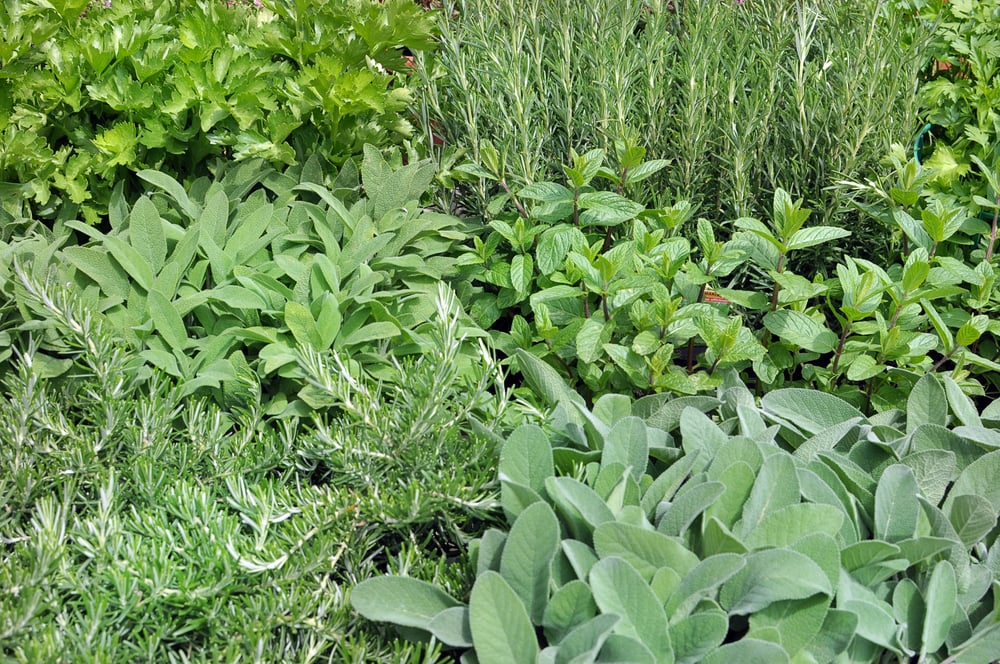
Chinese emperors sent expeditions to find sage plants, convinced the herb could grant eternal life. They consumed sage tea daily and bathed in sage-infused water.
Some rulers forced their subjects to cultivate vast sage gardens. The obsession stemmed from sage’s ability to preserve food—if it could keep meat from rotting, surely it could keep humans from aging.
This belief persisted for centuries despite the obvious evidence that it didn’t work.
Thyme for courage
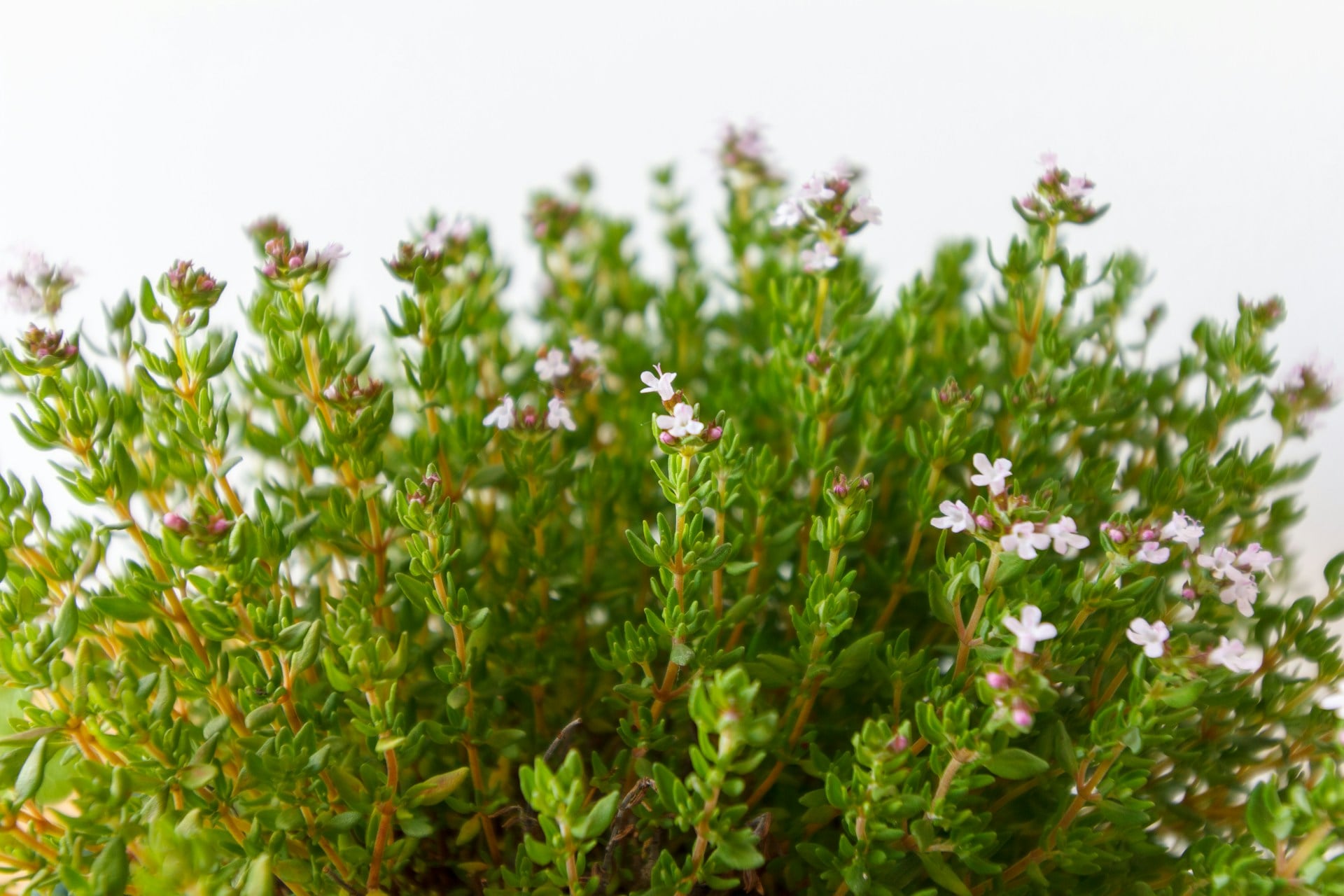
Greek soldiers bathed in thyme-infused water before battle. They rubbed thyme oil on their chests and temples, believing it would make them braver.
Roman legions adopted this practice and spread it across Europe. Medieval knights continued the tradition, taking thyme baths the night before tournaments.
Women gave thyme sprigs to soldiers as gifts, embroidered thyme onto scarves, and tucked it into armor. The herb supposedly transferred its strength directly into the warrior.
Fennel to improve eyesight
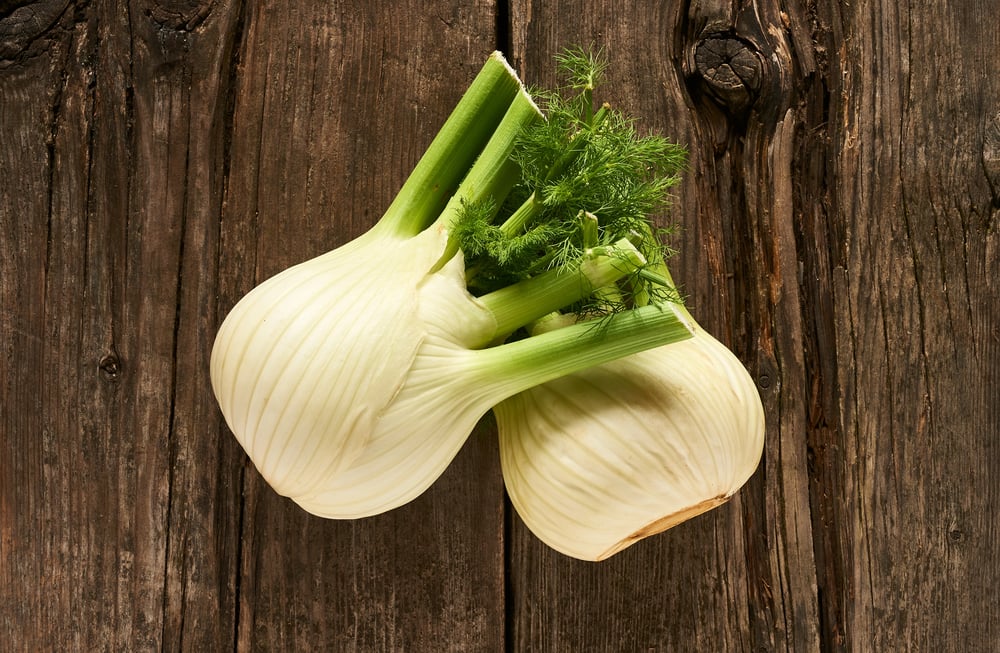
Romans crushed fennel seeds and applied the paste directly to their eyes. They were convinced it could cure blindness and improve vision.
People also ate large quantities of fennel, drank fennel tea, and even sniffed powdered fennel seeds. The practice was so common that fennel became expensive.
Pliny the Elder wrote that snakes ate fennel after shedding their skin to sharpen their vision, which he offered as proof of the herb’s effectiveness. The logic was that if it worked for snakes, it must work for humans.
Lavender for insanity
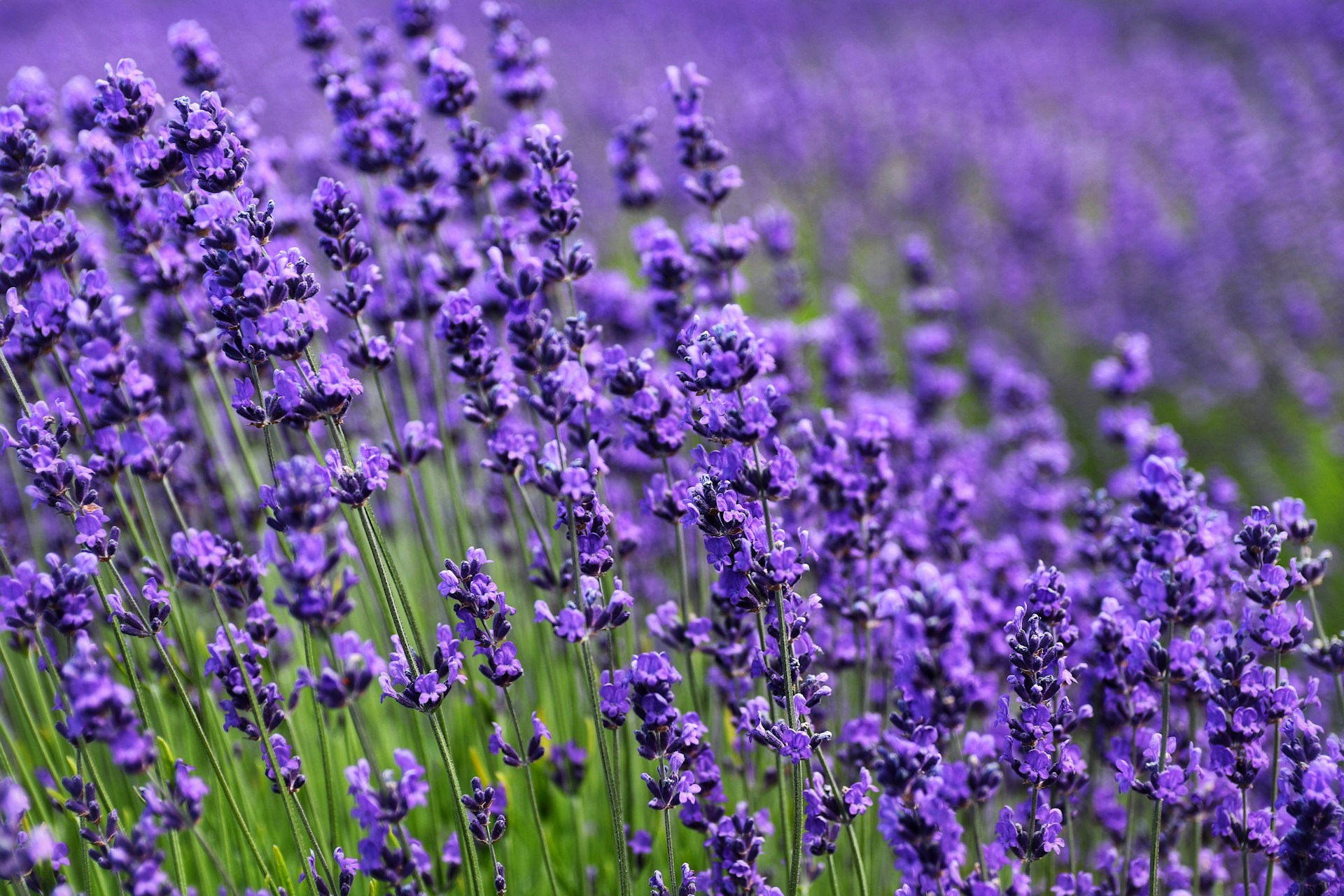
Medieval doctors prescribed lavender to treat madness. Patients were forced to smell lavender constantly, bathe in lavender water, and sleep on lavender-filled mattresses.
Some asylums grew extensive lavender gardens and made patients work in them as part of treatment. The theory held that lavender’s calming scent would somehow reorganize a disordered mind.
When this failed to cure serious mental illness, doctors increased the dosage, leading to cases of lavender poisoning.
Oregano for morphine withdrawal
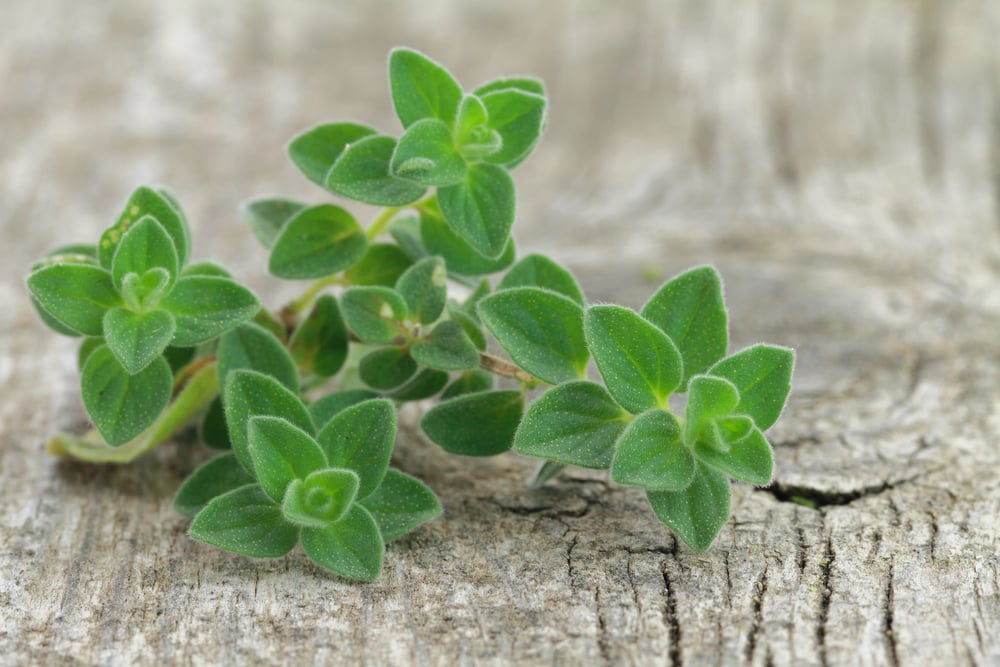
During the American Civil War, field medics used oregano tea to help soldiers withdraw from morphine addiction. The Union Army distributed oregano to hospitals across the country.
Doctors believed oregano could ease the pain and tremors of withdrawal. It didn’t work, but the practice continued because the alternative was watching soldiers suffer with no intervention at all.
Some physicians claimed success rates as high as 30 percent, though these numbers were never verified.
Chamomile for blond hair
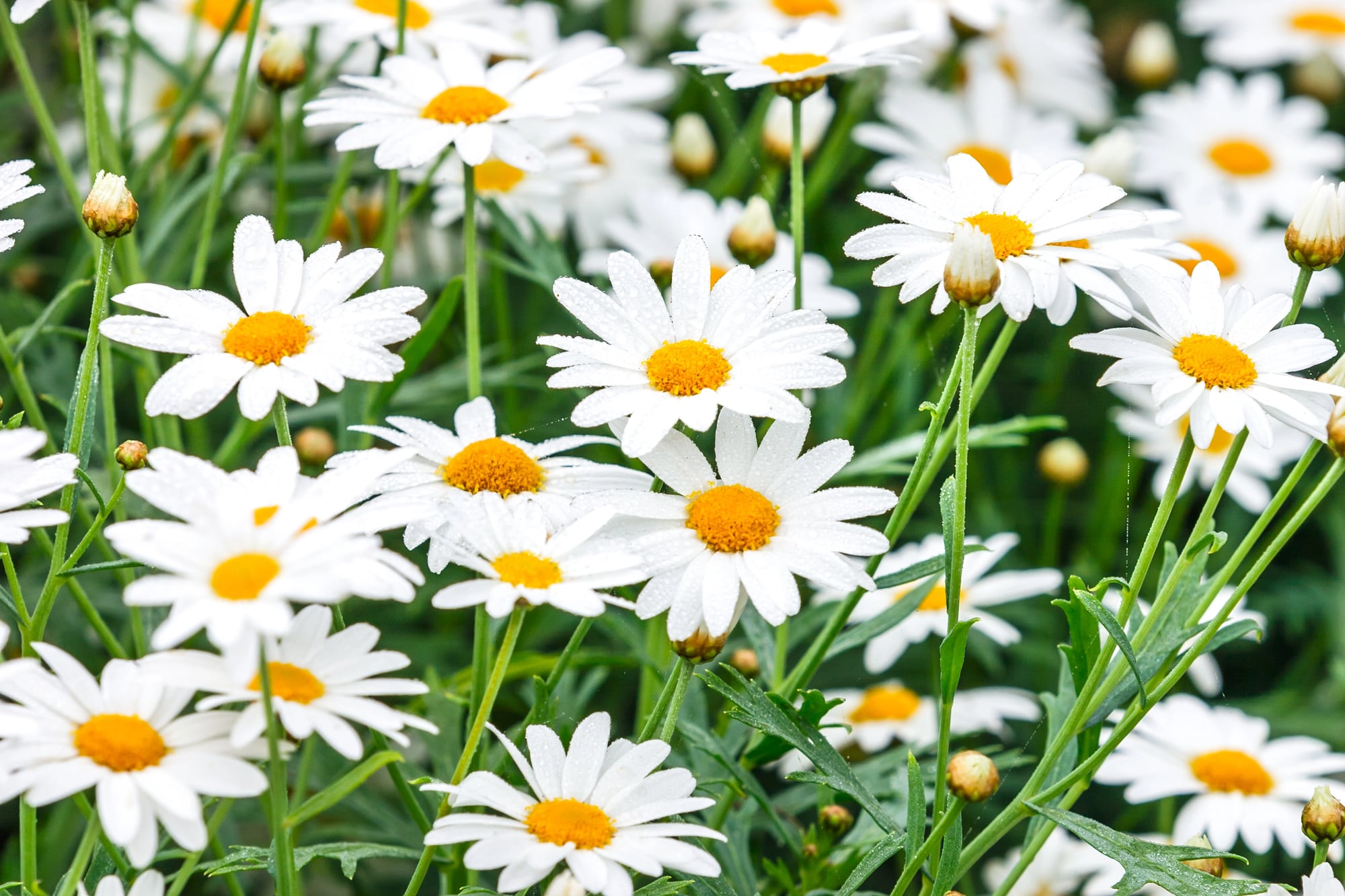
Roman women soaked their hair in strong chamomile tea to lighten its color. They sat in the sun for hours while the chamomile dried, repeating the process daily for weeks.
This did produce a slight lightening effect, but it also damaged hair severely. The obsession with blond hair was so intense that women paid fortunes for chamomile imports from Egypt, where the flowers grew larger and supposedly more potent.
Some women developed scalp infections from the repeated treatments.
Bay leaves for prophecy
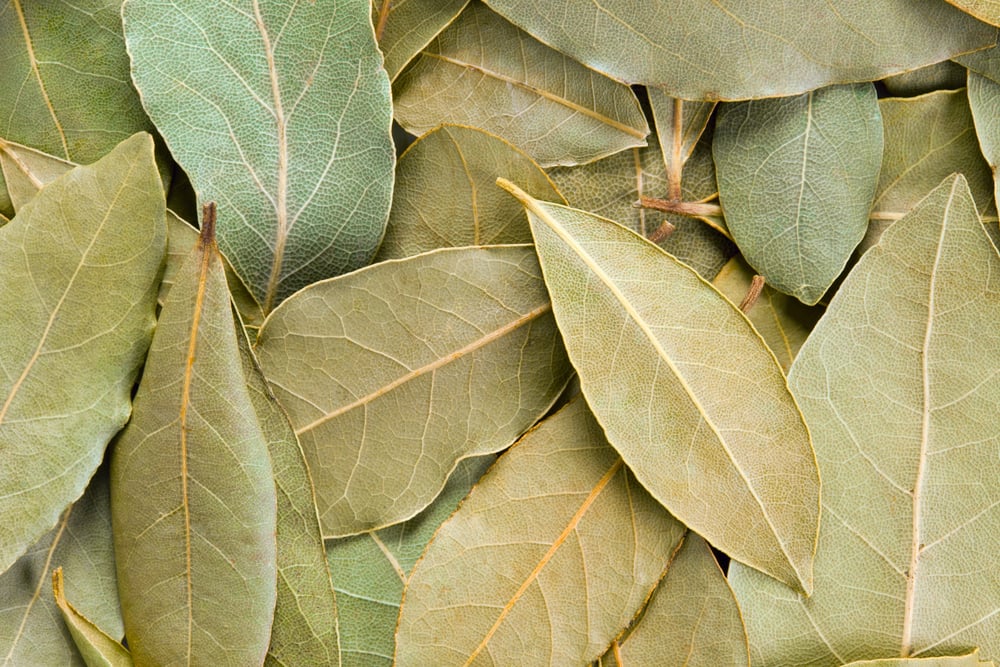
Ancient Greeks chewed bay leaves before delivering prophecies. The Oracle at Delphi burned bay leaves and inhaled the smoke before going into trances.
People believed the herb opened a channel to the gods. Priests who wanted to receive visions fasted for days while consuming nothing but bay leaf tea.
The practice spread throughout the Mediterranean, with fortune tellers and mystics adopting bay leaves as essential tools. Modern analysis suggests the smoke may have produced mild hallucinations.
Cilantro against the plague
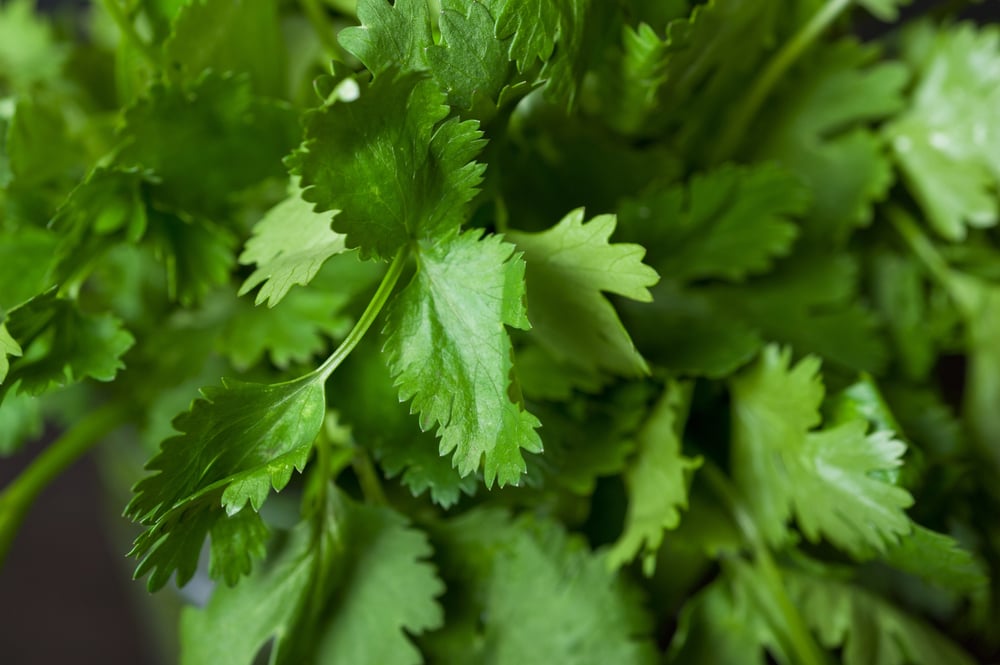
During the Black Death, Europeans carried bunches of cilantro everywhere. They stuffed it in their pockets, hung it from their necks, and scattered it on floors.
Doctors prescribed cilantro paste applied directly to plague sores. Some cities required citizens to carry cilantro or face fines.
The herb did nothing to prevent or cure the plague, but its strong smell masked the stench of death that permeated plague-stricken areas. Markets sold cilantro at inflated prices, and theft of cilantro plants became common.
Chives for wounds
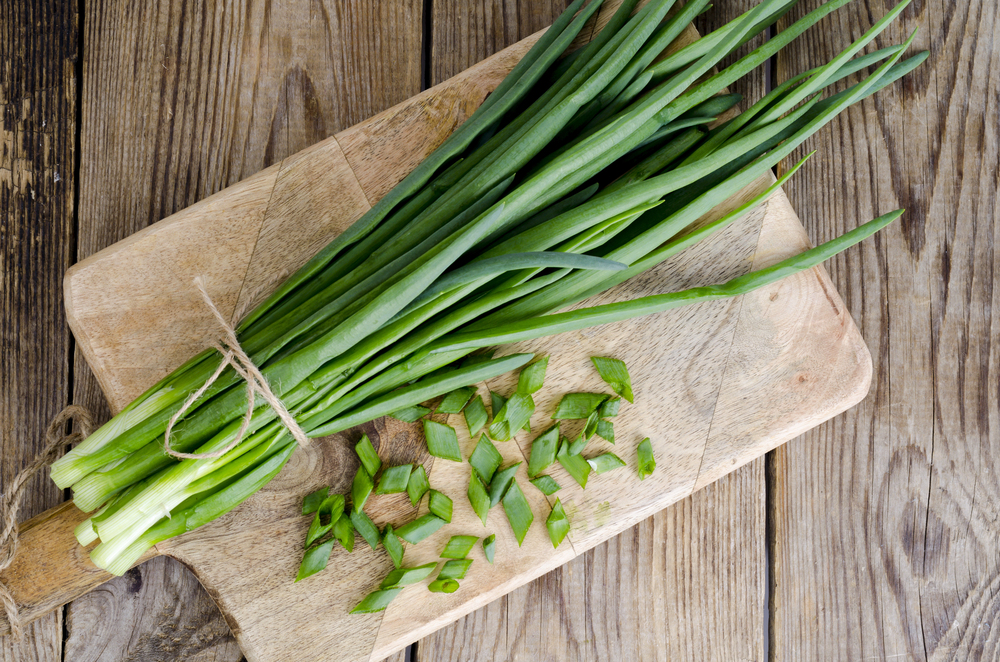
Battlefield surgeons in ancient China packed wounds with crushed chives. They believed chives could stop blood loss instantly.
Soldiers carried dried chives in their packs specifically for this purpose. The practice was so widespread that armies planted chive fields near military camps.
While chives do have some mild antimicrobial properties, they were completely ineffective at controlling severe hemorrhaging. Many soldiers died from blood loss while medics frantically applied more chives.
Marjoram for preserving corpses
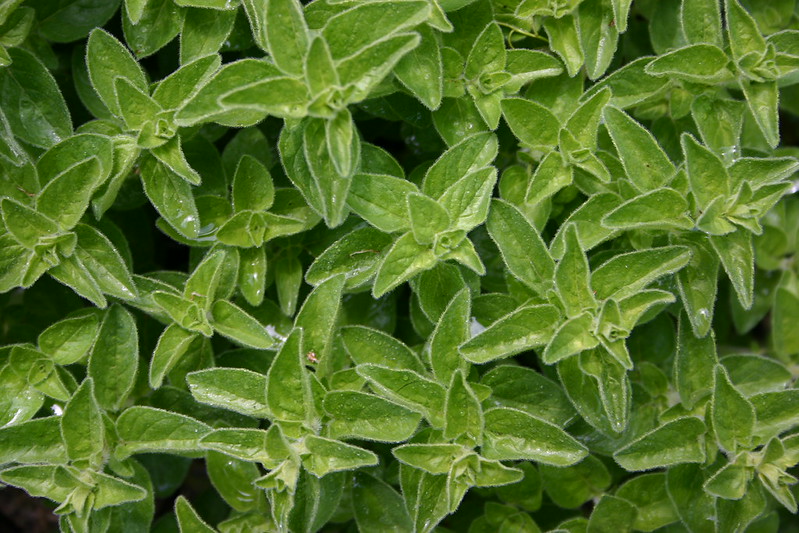
Egyptians used marjoram as part of the mummification process. They packed body cavities with marjoram mixed with other herbs and salts.
The herb was also burned during embalming ceremonies. Priests believed marjoram helped the deceased transition to the afterlife.
This practice required enormous quantities of marjoram, which Egypt had to import at great expense. The herb trade with Greece and Asia Minor was partly driven by Egyptian demand for mummification materials.
The desperate search for solutions

These strange uses reveal something important about human nature. When faced with problems like disease, death, infertility, or fear, people grabbed whatever was available and hoped it would help.
Herbs were accessible, relatively safe compared to other options, and culturally endorsed. The fact that they rarely worked as intended didn’t stop the practices from spreading and persisting for generations.
The gap between what people believed herbs could do and what they actually did was vast. But that gap was filled with hope, tradition, and the comfort of taking action rather than accepting powerlessness.
We might look back and see foolishness, but these practices made sense within their context. They were attempts to exert control over an unpredictable world using the tools at hand.
Today we have scientific methods to test whether something actually works. We know that rubbing thyme on your chest won’t make you brave and that parsley can’t safely end a pregnancy.
But the impulse behind these uses—the desire to solve problems with natural remedies—hasn’t disappeared. It’s just taken different forms, with people turning to herbs for wellness, detoxification, and healing in ways that sometimes have as little evidence as claiming basil breeds scorpions.
What remains in the garden

Stroll past a patch of herbs today, yet you’re stepping into old dreams of mastering life’s twists. Each green holds tales – some about healing, others tied to meals, a few made up from scratch.
The plants stay the same, although how we see them shifts. Figuring out their real powers took ages, plus left behind scars.
The odd practices have nearly vanished, swapped out for proper treatments and genuine fixes. Yet the greenery sticks around, sprouting in backyards and untamed spots, holding onto old stories without a sound.
They’re only flora, acting like all flora does. Any wonder we saw in them was really ours – born from want, dread, or dreams.
That basil didn’t birth scorpions. The old healer didn’t hand out eternal life.
Instead, those herbs stayed just as they’d been – green things with strong scents and odd chemicals, useful once in a while but often no help whatsoever.
Still, we went on putting them in the ground, discovering fresh ways to use them, holding onto faith. Could be that tells you more about people than it does about plants.
More from Go2Tutors!

- The Romanov Crown Jewels and Their Tragic Fate
- 13 Historical Mysteries That Science Still Can’t Solve
- Famous Hoaxes That Fooled the World for Years
- 15 Child Stars with Tragic Adult Lives
- 16 Famous Jewelry Pieces in History
Like Go2Tutors’s content? Follow us on MSN.