Biggest Lottery Jackpots Won
Numbers stack up behind the scenes, shaped by odds piling one on another. Week after week they grow without notice until something shifts.
Suddenly those figures burst into view, flashing across phones and morning news. A quiet game becomes loud, impossible to ignore.
People start checking pockets, thinking what if – just once – the draw aligns. Reality bends slightly when millions imagine the same unlikely moment.
Money isn’t the only thing that shifted when massive jackpot winners emerged. What changed next often surprised everyone involved – new ways games ran, fresh waves of interest from players, even shifts in what seemed possible.
Timing played a role every single time: rules had just evolved, economies were shifting, crowds leaned in. Moments like these didn’t just happen – they grew from circumstances nobody could ignore.
A fresh peek at history’s biggest lottery wins shows just how wildly fortune can swing. Each prize pushed what people thought possible when chance took center stage.
The $2.04 Billion Powerball Jackpot
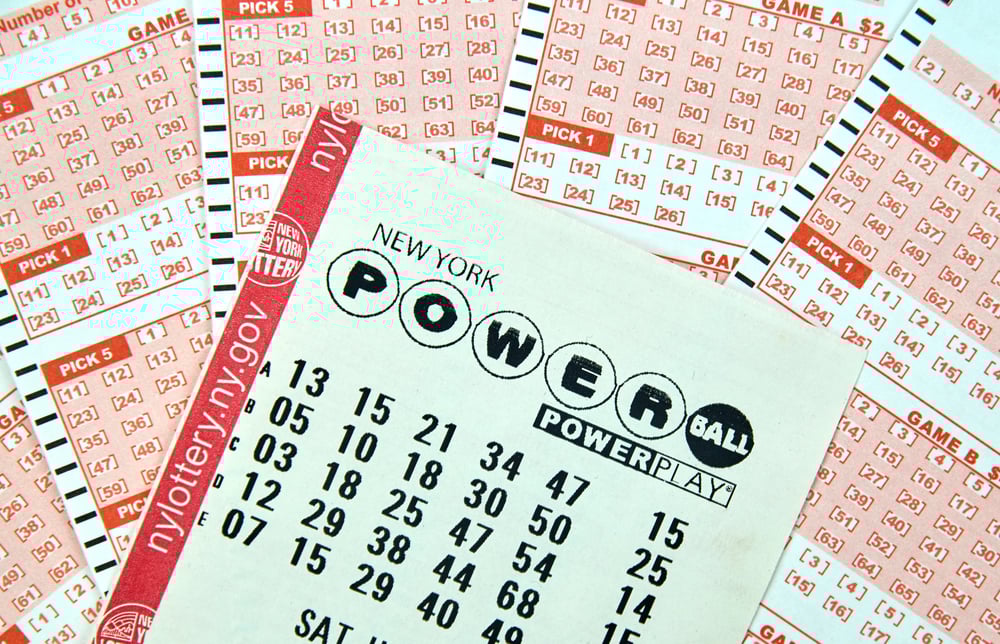
The largest lottery jackpot in history was won in November 2022, when a single ticket sold in California matched all the numbers in Powerball. The final prize reached an unprecedented $2.04 billion, a figure that seemed almost abstract when it first appeared on screens and billboards.
This jackpot grew over several months, rolling over again and again as no winning ticket emerged. Each missed draw pushed the prize higher and intensified public interest.
Ticket sales surged nationwide, feeding the cycle that allowed the jackpot to climb beyond anything previously recorded. By the time it was finally won, the event felt less like a drawing and more like a cultural milestone.
The winner chose the cash option, receiving just under $1 billion before taxes. Even after that reduction, the payout set records and firmly established a new ceiling for lottery prizes in the modern era.
The $1.586 Billion Powerball Jackpot
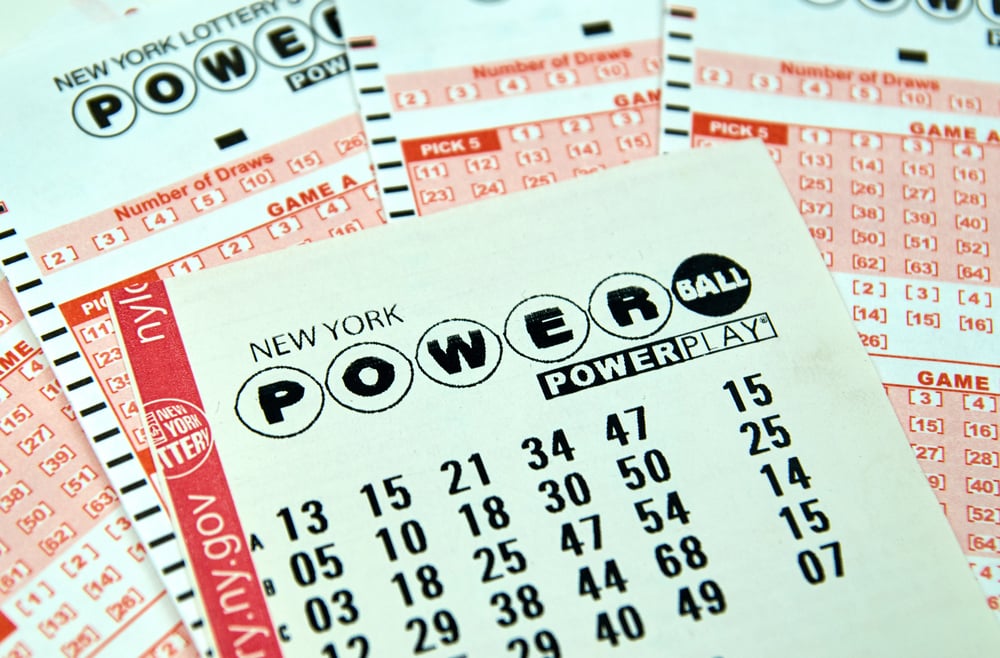
Before the 2022 record, the benchmark for lottery excess was set in January 2016. That drawing produced a $1.586 billion Powerball jackpot, split among three winning tickets sold in California, Florida, and Tennessee.
At the time, it was the largest jackpot ever awarded and the first to cross the $1.5 billion threshold. The buildup to this draw was intense and highly visible.
Media outlets tracked the jackpot daily, while ticket sales reached levels that strained retail systems in some areas. The prize did not feel theoretical. It felt imminent, and that anticipation drew in players who had never purchased a ticket before.
Although the jackpot was divided, its impact was singular. It reset expectations and proved that billion-dollar lottery prizes were not a one-time anomaly, but a feature of the new lottery landscape.
The $1.537 Billion Mega Millions Jackpot
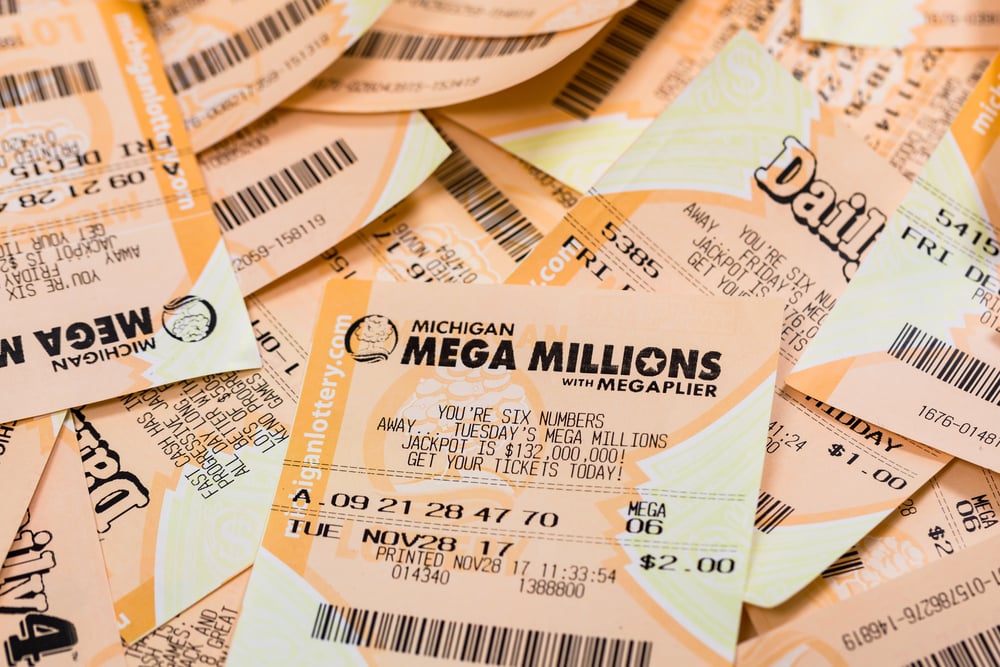
In October 2018, Mega Millions delivered its own record-breaking moment with a $1.537 billion jackpot won by a single ticket in South Carolina. This win stood out not only for its size, but for what followed.
South Carolina law allows lottery winners to remain anonymous, which meant the public never learned who claimed the prize. That anonymity fueled speculation and added an unusual sense of mystery to an already massive event.
The jackpot itself grew rapidly after rule changes made winning less likely but allowed rollovers to stretch longer. The winner selected the cash payout, taking home just over $877 million before taxes.
At the time, it was one of the largest lump-sum payments ever awarded to a single individual, reinforcing how dramatically lottery prizes had expanded.
The $1.348 Billion Mega Millions Jackpot
January 2023 brought another Mega Millions milestone, this time with a $1.348 billion jackpot won by a ticket sold in Maine. While slightly smaller than earlier records, the win underscored how often billion-dollar jackpots were now appearing.
This prize followed months of rollovers and benefited from strong ticket sales during the holiday season. The buildup felt steadier than explosive, creating sustained attention rather than a brief surge.
When the numbers were finally drawn, the win placed Maine, a relatively small state, at the center of national focus. The cash option came in at roughly $724 million before taxes.
The win demonstrated how geography no longer limits lottery notoriety, as any participating state can suddenly host a historic moment.
The $1.337 Billion Mega Millions Jackpot
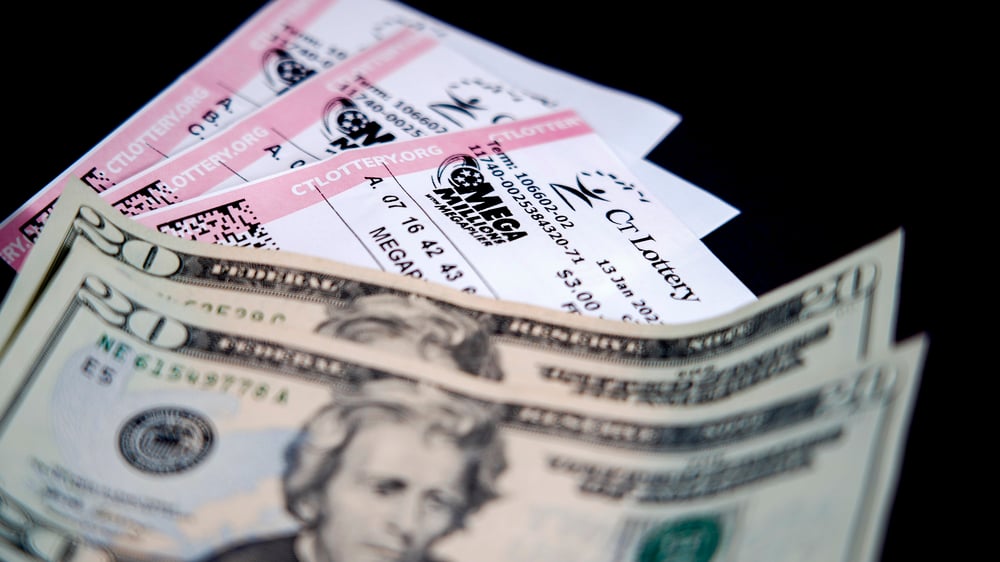
Just months earlier, in July 2022, Illinois produced a winning ticket for a $1.337 billion Mega Millions jackpot. This prize emerged during a year already marked by unusually large lottery payouts, contributing to a sense that records were falling faster than ever.
The jackpot grew through repeated rollovers, with anticipation building gradually rather than spiking overnight. By the time it was won, public attention was firmly fixed on the draw.
The winner chose the cash option, receiving approximately $780 million before taxes. This win, paired closely with the later Powerball record, made 2022 a defining year in lottery history, one that shifted public perception of what counts as extraordinary.
The $1.08 Billion Powerball Jackpot
In July 2023, Powerball crossed the billion-dollar mark again with a $1.08 billion jackpot won in California. Unlike some earlier records, this prize grew at a measured pace, creating steady engagement rather than headline frenzy.
The win reinforced a new normal. Billion-dollar jackpots no longer felt shocking. They felt plausible.
The winner opted for the cash payout, receiving about $558 million before taxes, a figure that would have been unimaginable just a decade earlier. This jackpot highlighted how scale has changed.
What once defined the upper limit had become a recurring milestone.
The $768.4 Million Powerball Jackpot
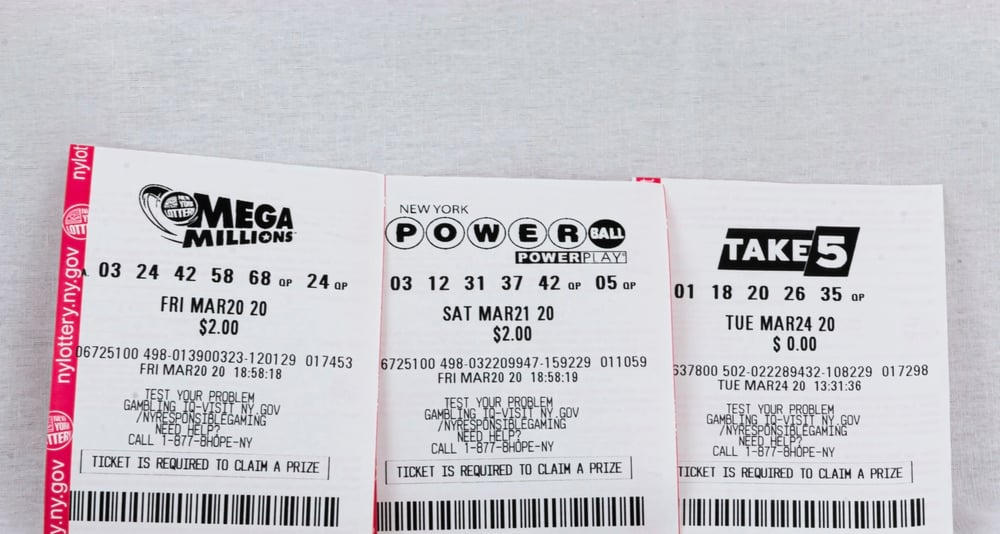
Before billion-dollar prizes became regular events, the $768.4 million Powerball jackpot won in March 2019 stood as a major landmark. A single ticket sold in Wisconsin claimed the prize after a long stretch without a winner.
At the time, it ranked among the largest jackpots ever recorded and drew intense public interest. The winner chose the cash option, receiving just under $478 million before taxes.
In hindsight, the prize feels like a transitional moment, bridging the gap between earlier records and the massive jackpots that followed. It marked the point where lottery prizes began accelerating toward entirely new territory.
The $758.7 Million Powerball Jackpot
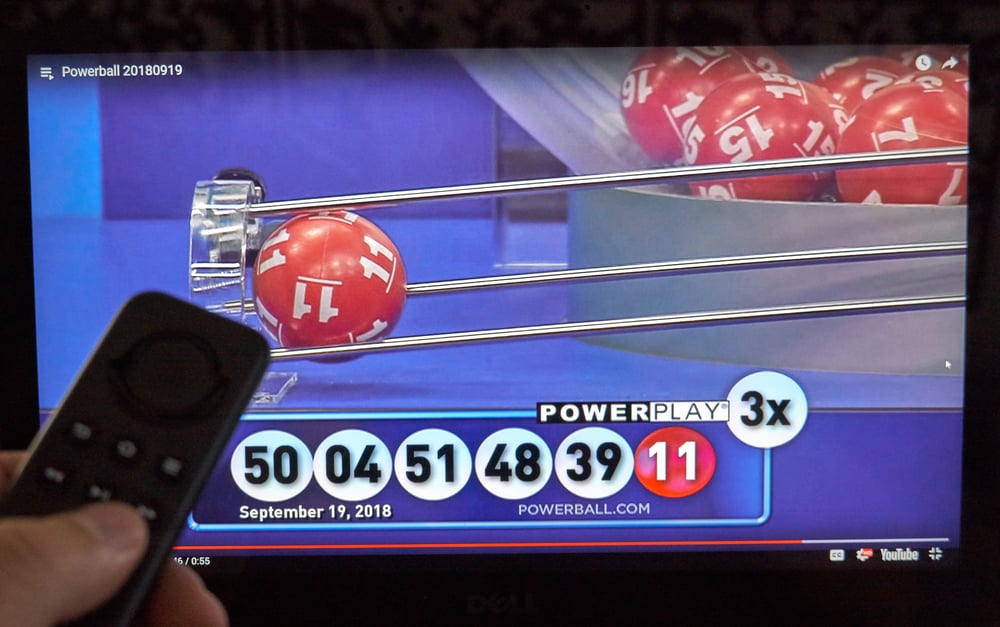
Another important milestone arrived in August 2017, when a $758.7 million Powerball jackpot was won by a single ticket in Massachusetts. This win was notable for its clarity and lack of controversy.
There was no split prize and no prolonged mystery. The winner selected the cash option, taking home roughly $480 million before taxes.
At the time, it ranked among the largest individual lottery wins ever awarded. This jackpot helped normalize the idea that half-billion-dollar payouts were no longer exceptional outliers, but part of a growing pattern.
Why Lottery Jackpots Keep Breaking Records
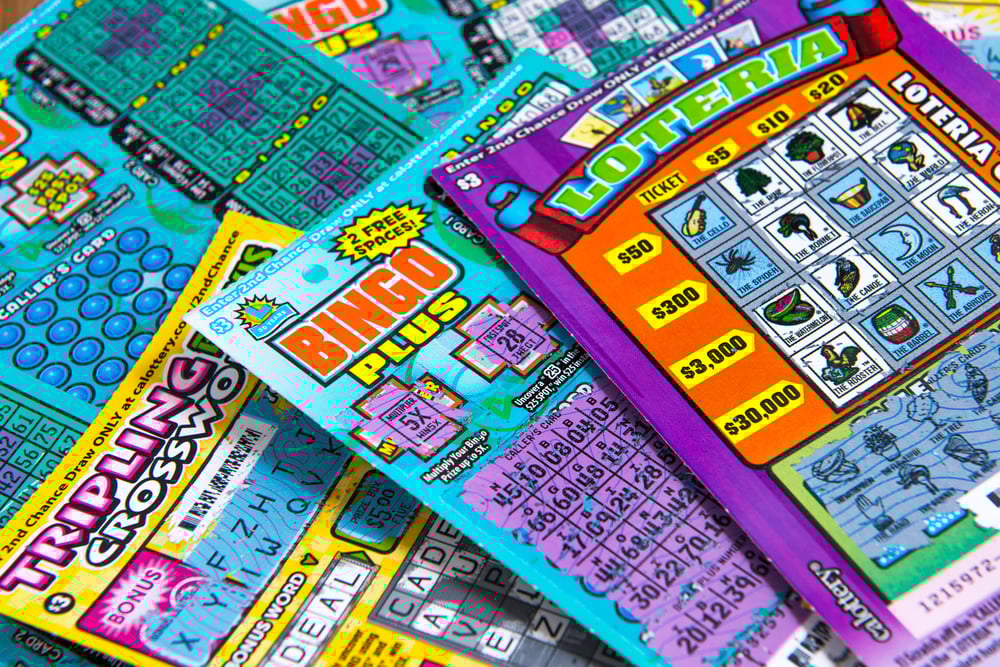
The steady growth of lottery jackpots is driven by structural changes rather than coincidence. Rule adjustments that increase the range of numbers make winning less frequent, allowing jackpots to roll over longer.
Multi-state participation dramatically expands the player base, accelerating prize growth with each draw. Still, math alone does not explain the phenomenon.
Media coverage, digital ticket tracking, and social sharing amplify awareness, turning large jackpots into national events. Each new record recalibrates expectations, making the next milestone feel achievable rather than absurd.
The result is a cycle where scale feeds attention, and attention feeds scale.
When Enormous Prizes Become Shared Experiences
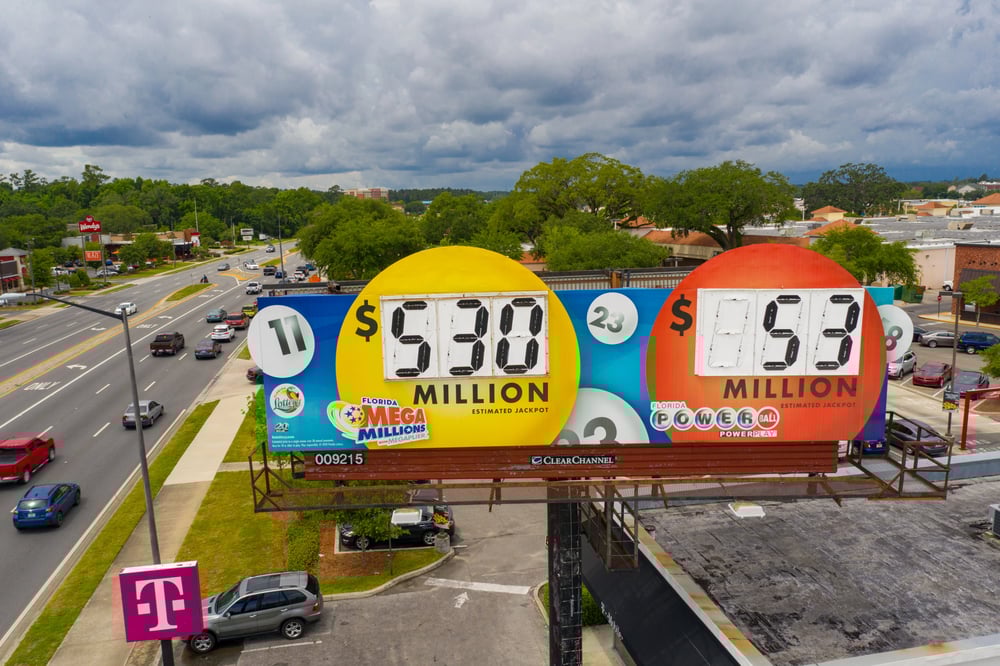
Most huge lottery wins fade not because of the money but what came with them. People talk more when numbers climb, desks grow noisy, daily habits slow down.
Suddenly, luck seems close, something shared. That short stretch changes how time moves.
Still, the totals fade – yet the rhythm holds. Every big win ties to its era, pulled along by when it happened, who played, what people felt.
Lotteries shift, sure, yet those peak payouts keep showing up where chance, size, and dreaming pile into one spot, over time, in ways that stick.
More from Go2Tutors!

- The Romanov Crown Jewels and Their Tragic Fate
- 13 Historical Mysteries That Science Still Can’t Solve
- Famous Hoaxes That Fooled the World for Years
- 15 Child Stars with Tragic Adult Lives
- 16 Famous Jewelry Pieces in History
Like Go2Tutors’s content? Follow us on MSN.