Worst Movies Winning Awards
Awards ceremonies love to celebrate the best of cinema. But sometimes the voters get it spectacularly wrong.
These films took home prestigious trophies despite leaving audiences confused, critics angry, or both. Some aged poorly. Others felt like mistakes from day one.
Crash (2005) – Best Picture Oscar
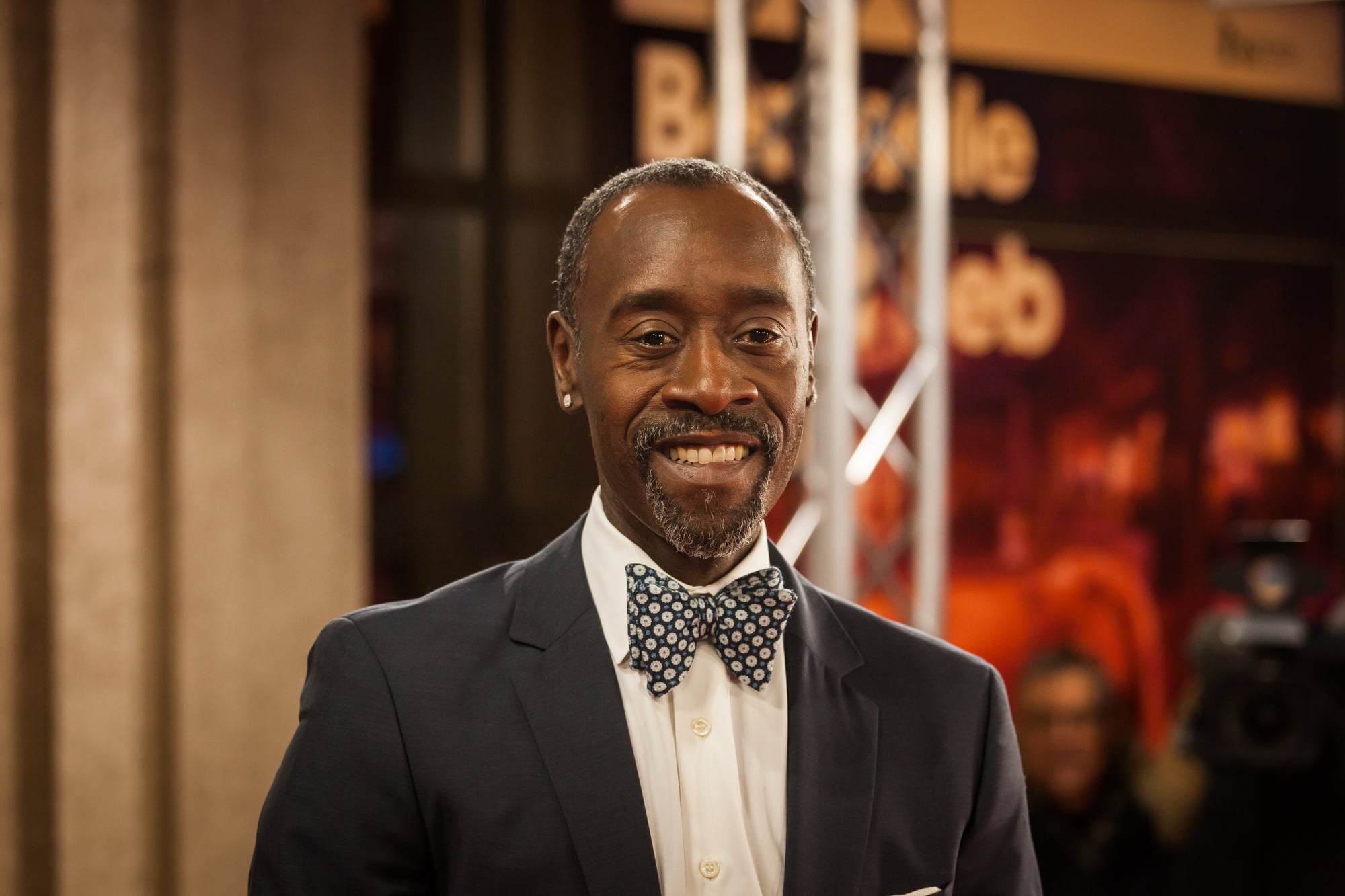
This ensemble drama about race relations in Los Angeles beat Brokeback Mountain for Best Picture, and people still talk about it as one of the Academy’s biggest fumbles. The movie hits you over the head with its message about prejudice. Every character exists to make a point rather than feel like an actual person.
The dialogue spells everything out. Characters announce their feelings and motivations instead of showing them through actions.
Roger Ebert loved it, but most critics saw through the heavy-handed approach. Time hasn’t been kind to this one. Modern audiences find it preachy and simplistic.
Green Book (2018) – Best Picture Oscar
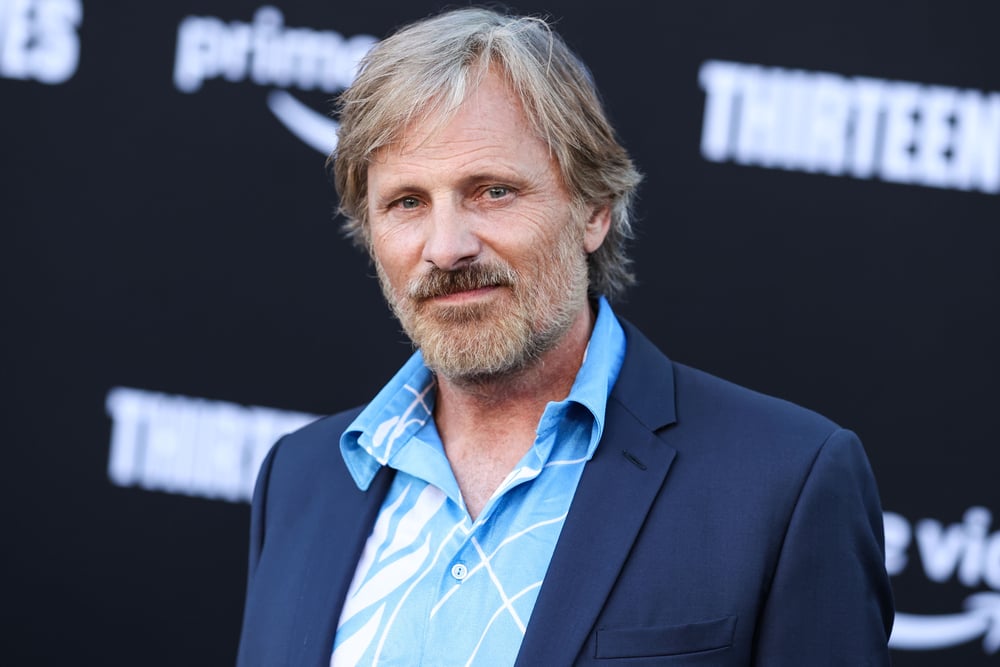
Another controversial Best Picture winner that focused on race. This one tells the story of a white driver and a Black pianist traveling through the segregated South.
The problem? It’s told entirely from the white character’s perspective, turning a serious historical period into a feel-good story about a racist learning to be less racist.
Critics called it a white savior narrative. The family of the real-life pianist, Don Shirley, said the film misrepresented him and his relationship with the driver.
Despite winning the top prize, Green Book faced immediate backlash that only grew louder after the ceremony.
Shakespeare in Love (1998) – Best Picture Oscar

This romantic comedy beat Saving Private Ryan. That fact alone makes film fans wince.
The movie itself isn’t terrible, but it’s lightweight compared to what it defeated. Harvey Weinstein’s aggressive campaign for the film worked, but it left a sour taste.
The story imagines a young Shakespeare falling for a woman who inspires Romeo and Juliet. It’s charming enough. But Best Picture? Over a groundbreaking war film?
The win represents everything wrong with Oscar campaigning and politics overshadowing artistic merit.
The English Patient (1996) – Best Picture Oscar

This three-hour epic about a burned man recounting a wartime romance won nine Oscars. Many viewers found it boring.
The pacing drags. The flashback structure confuses more than it illuminates. Characters make baffling decisions that serve the plot but not logic.
Seinfeld made fun of it in an episode where Elaine hates the movie while everyone else loves it. That joke resonated because plenty of people shared her frustration. The film demands patience that not everyone wants to give.
Dances with Wolves (1990) – Best Picture Oscar

Kevin Costner’s directorial debut beat Goodfellas and Martin Scorsese. The three-hour Western tells a white savior story where a Union soldier joins a Native American tribe and becomes their hero.
Sound familiar? It follows the same template that would irritate audiences in later films. The movie looks beautiful. Costner clearly cared about the project.
But beautiful cinematography can’t fix a story that treats indigenous people as props for white redemption. Critics who initially praised it have since reconsidered.
Around the World in 80 Days (1956) – Best Picture Oscar

This bloated spectacle runs nearly three hours and feels twice as long. The Jules Verne adaptation stuffed itself with celebrity cameos and exotic locations but forgot to include a compelling story or interesting characters.
David Niven plays Phileas Fogg with all the excitement of someone reading a grocery list.
The film won five Oscars including Best Picture, beating out The Ten Commandments and Giant. Producer Mike Todd spent a fortune on the production, and the Academy rewarded the spectacle. Audiences today find it nearly unwatchable.
The Greatest Show on Earth (1952) – Best Picture Oscar
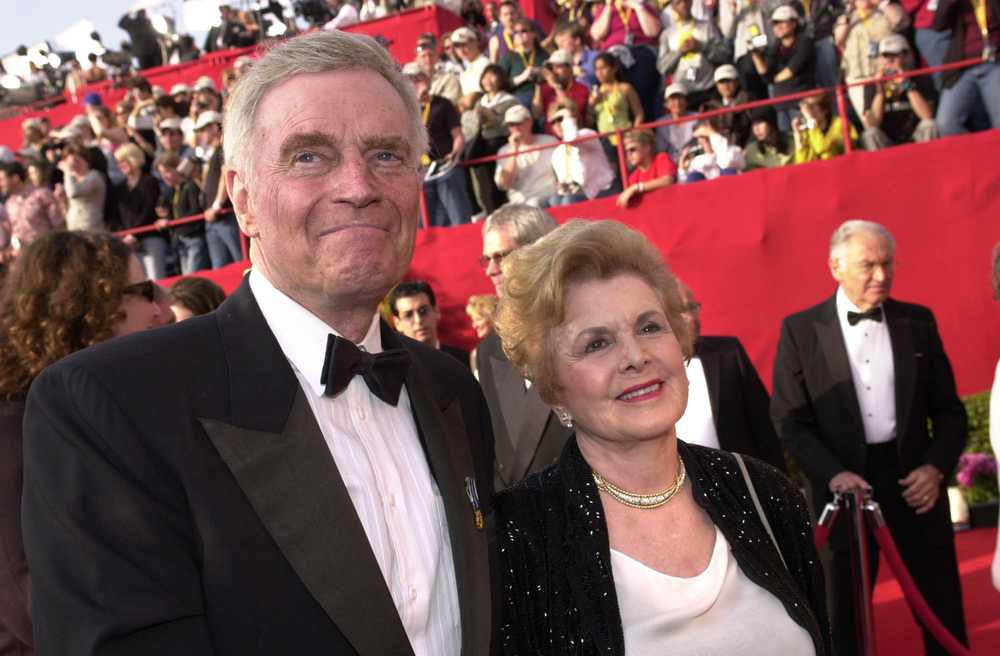
Cecil B. DeMille’s circus drama won Best Picture over High Noon and The Quiet Man. Critics at the time called it overblown and melodramatic.
They were right. The movie throws everything at the screen—romance, train crashes, murder, trapeze accidents—without developing any of it properly.
Charlton Heston and James Stewart lead a cast that seems unsure what kind of movie they’re making. Is it a documentary about circus life?
A romance? A crime thriller?
It tries to be all three and fails at each. Even DeMille fans consider it his weakest Oscar winner.
Ordinary People (1980) – Best Picture Oscar
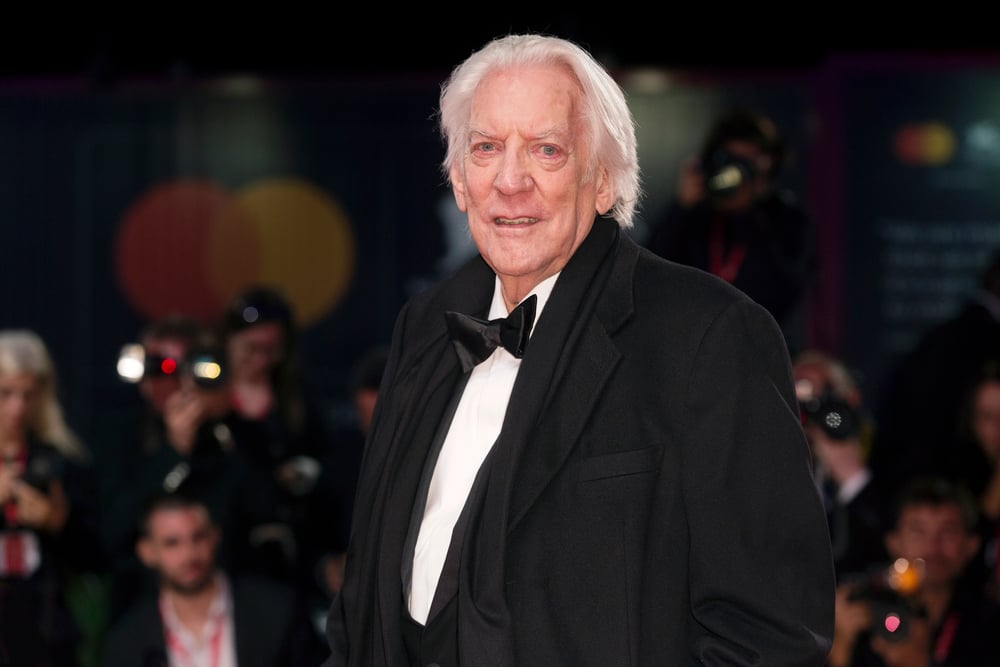
Robert Redford’s directorial debut beat Raging Bull. That sentence says everything.
The movie tackles family trauma and grief after the death of a son, but it feels like a TV movie of the week. Performances stay muted. The pacing drags. Important emotional moments get underplayed.
Critics praised it for subtlety. But subtlety becomes dull when nothing much happens for two hours. Compare it to the raw power of Scorsese’s boxing drama, and the Academy’s choice looks even worse.
A Beautiful Mind (2001) – Best Picture Oscar

Ron Howard’s biography of mathematician John Nash won four Oscars despite taking massive liberties with the truth. The film sanitizes Nash’s life, removing uncomfortable facts about his character and relationships.
It turns a complex, flawed person into a Hollywood hero.
The scenes depicting schizophrenia rely on cheap thriller tricks rather than accurate portrayal. Mental health advocates criticized the misrepresentation.
The movie works as a feel-good story but fails as a biography. That tension between fact and fiction undermines the entire project.
The King’s Speech (2010) – Best Picture Oscar

This inoffensive drama about King George VI overcoming a stutter beat The Social Network. The story inspires.
The performances work. But it’s safe, predictable, and utterly conventional. You know exactly where it’s going from the first scene.
The Academy loves this kind of prestige picture—period setting, British royalty, disability overcome through determination. It hits every Oscar bait note.
Meanwhile, David Fincher’s film about Facebook captured something vital about modern communication. But the voters chose comfort over challenge.
Terms of Endearment (1983) – Best Picture Oscar
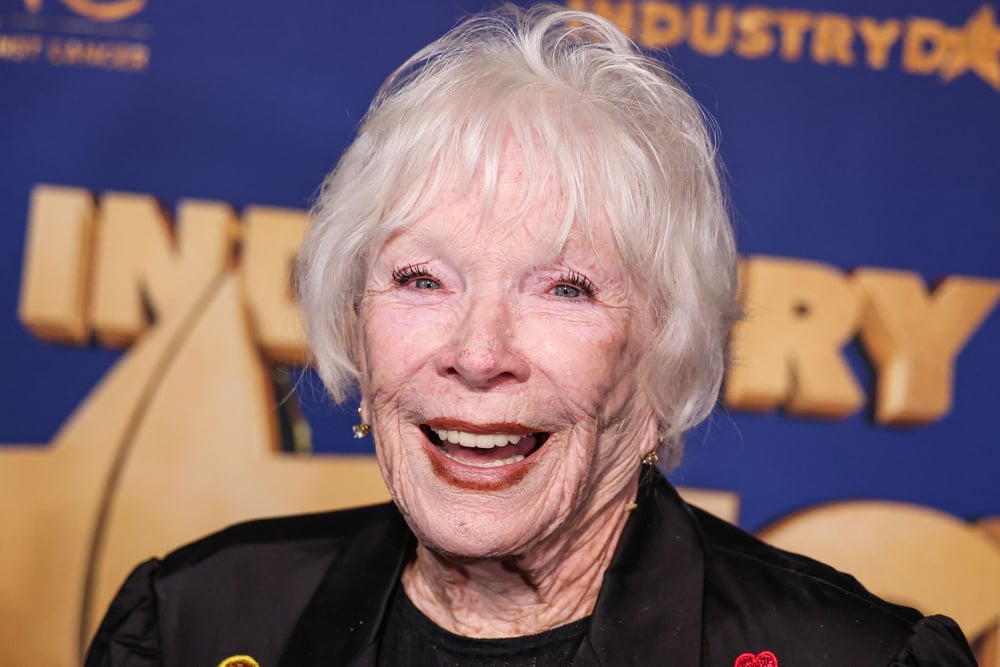
This tearjerker about a mother and daughter won five Oscars. It manipulates emotions without earning them.
The characters argue, reconcile, and face tragedy in ways that feel calculated to make audiences cry. Some viewers respond to that manipulation. Others see right through it.
Shirley MacLaine and Jack Nicholson give solid performances. But the screenplay forces them through melodramatic paces that strain credibility.
The film aims for profound statements about love and loss but lands on greeting card sentiment.
Chicago (2002) – Best Picture Oscar
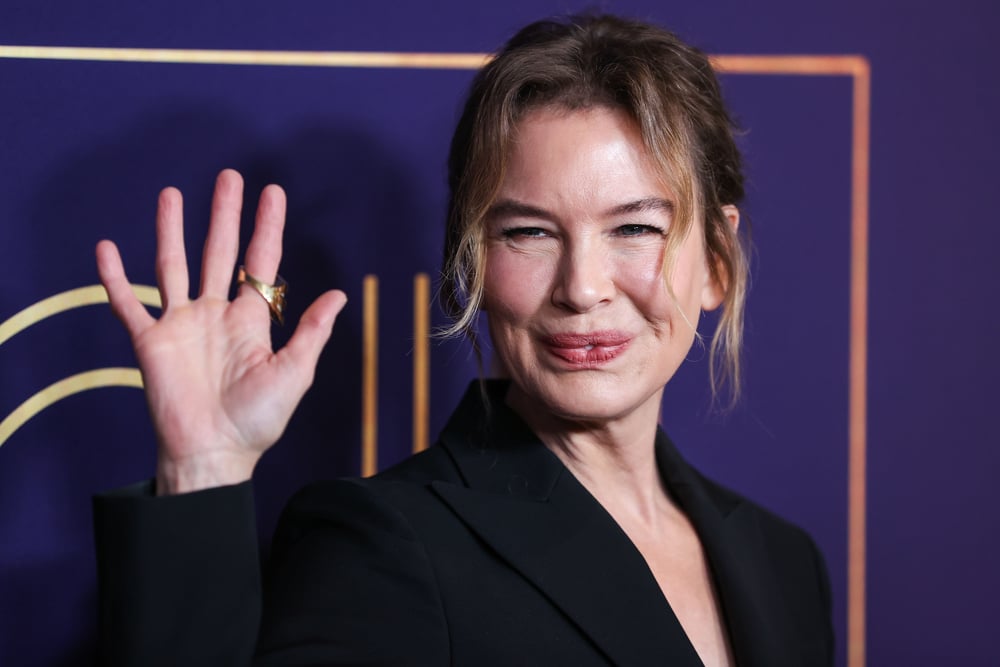
The Bob Fosse-inspired musical beat Gangs of New York, The Pianist, and The Lord of the Rings: The Two Towers. The movie looks slick.
The production numbers dazzle. But director Rob Marshall uses quick cuts to hide the fact that many cast members can’t really dance. The technique feels desperate.
The story satirizes celebrity and the media’s obsession with crime, but the satire lacks bite. Everything feels too polished, too safe.
A movie about murder and corruption should have more edge. Instead, it’s all gloss and no substance.
How the Past Shapes the Present
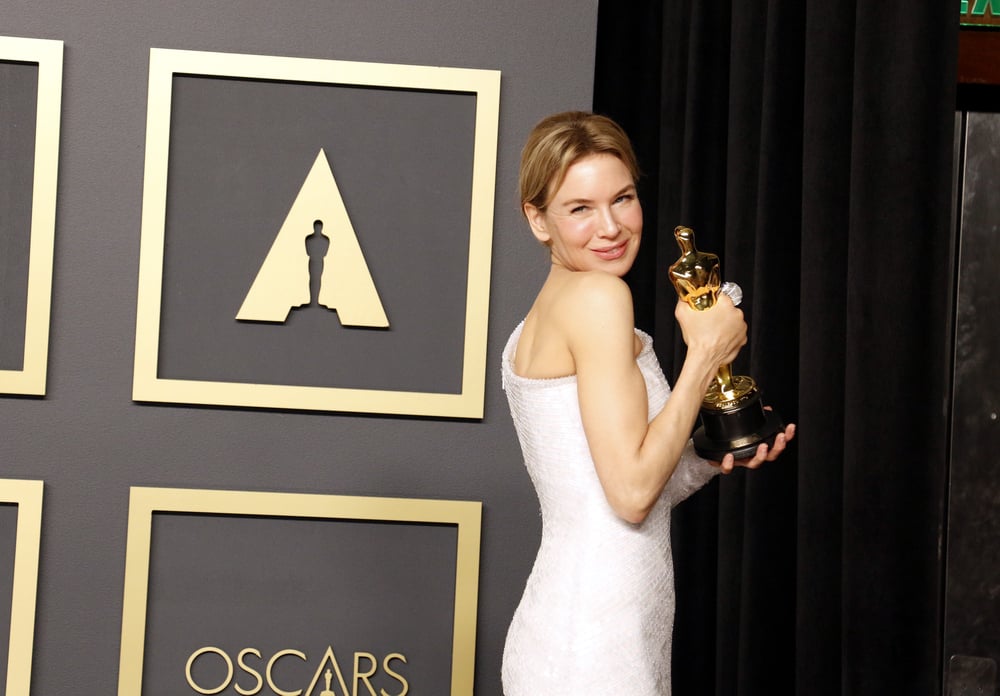
Stories like these warn us – prizes do not always follow merit. Winning sometimes came down to relentless promotion.
In certain years, rivals just weren’t strong enough. Politics shaped votes behind closed doors. Timing mattered more than talent on a given night.
Winning feels big when it happens. It lifts up names, fills theaters, and also pushes people higher in their field.
Yet years go by, things shift. A lot of those praised titles fade fast – while the ones left behind grow stronger.
This shows clearly: crowd love does not mean lasting value. People who vote want things to go right. Their aim is truly to choose wisely.
Yet being people, they face familiar pulls and blind spots like everybody does. Certain films rise not by merit but by striking a chord when it counts. Afterward life continues, while odd picks stay etched in history showing trophies often miss the point.
More from Go2Tutors!

- The Romanov Crown Jewels and Their Tragic Fate
- 13 Historical Mysteries That Science Still Can’t Solve
- Famous Hoaxes That Fooled the World for Years
- 15 Child Stars with Tragic Adult Lives
- 16 Famous Jewelry Pieces in History
Like Go2Tutors’s content? Follow us on MSN.


