Cartoon Episodes That Sparked Controversy
Cartoon episodes are usually light-hearted fun meant to entertain viewers of all ages. But sometimes, what seems innocent on paper can create heated debates, angry parents, and network executives scrambling to pull shows from the air.
These controversial moments reveal just how thin the line can be between creative expression and public outrage. Let’s dive into some of the most talked-about cartoon episodes that got people fired up.
These stories show how animation can sometimes push boundaries a little too far.
Electric Soldier Porygon from Pokemon

When flashing red and blue lights caused nearly 700 Japanese children to experience seizures, headaches, and dizziness, this Pokemon episode gained international fame for all the wrong reasons. During a battle sequence in the episode, viewers with photosensitive epilepsy experienced rapid strobe effects.
The episode was immediately banned in Japan, and the entire Pokemon series was put on hold for four months. The event, which came to be known as “Pokemon Shock,” permanently altered how anime deals with flashing lights.
Rude Removal from Dexter’s Laboratory
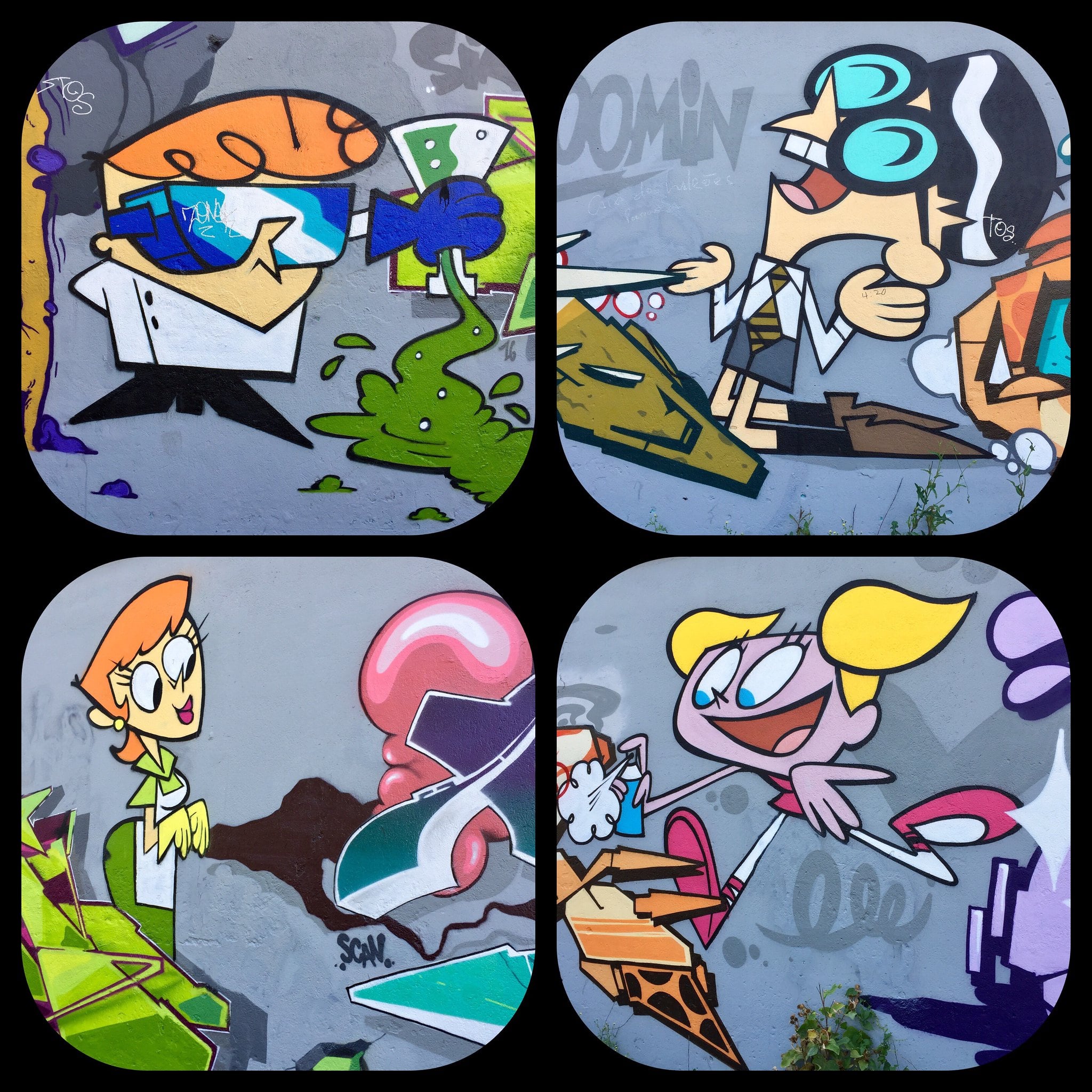
This episode never actually aired on TV and was only viewable online over a decade after its production via Adult Swim’s YouTube channel. The story showed Dexter accidentally creating evil versions of himself and Dee Dee who cursed constantly throughout the episode.
Cartoon Network deemed the language too strong for their target audience. Years later, fans finally got to see what all the fuss was about when it appeared online with censored beeps replacing the strong language.
Like Go2Tutors’s content? Follow us on MSN.
One Beer from Tiny Toon Adventures
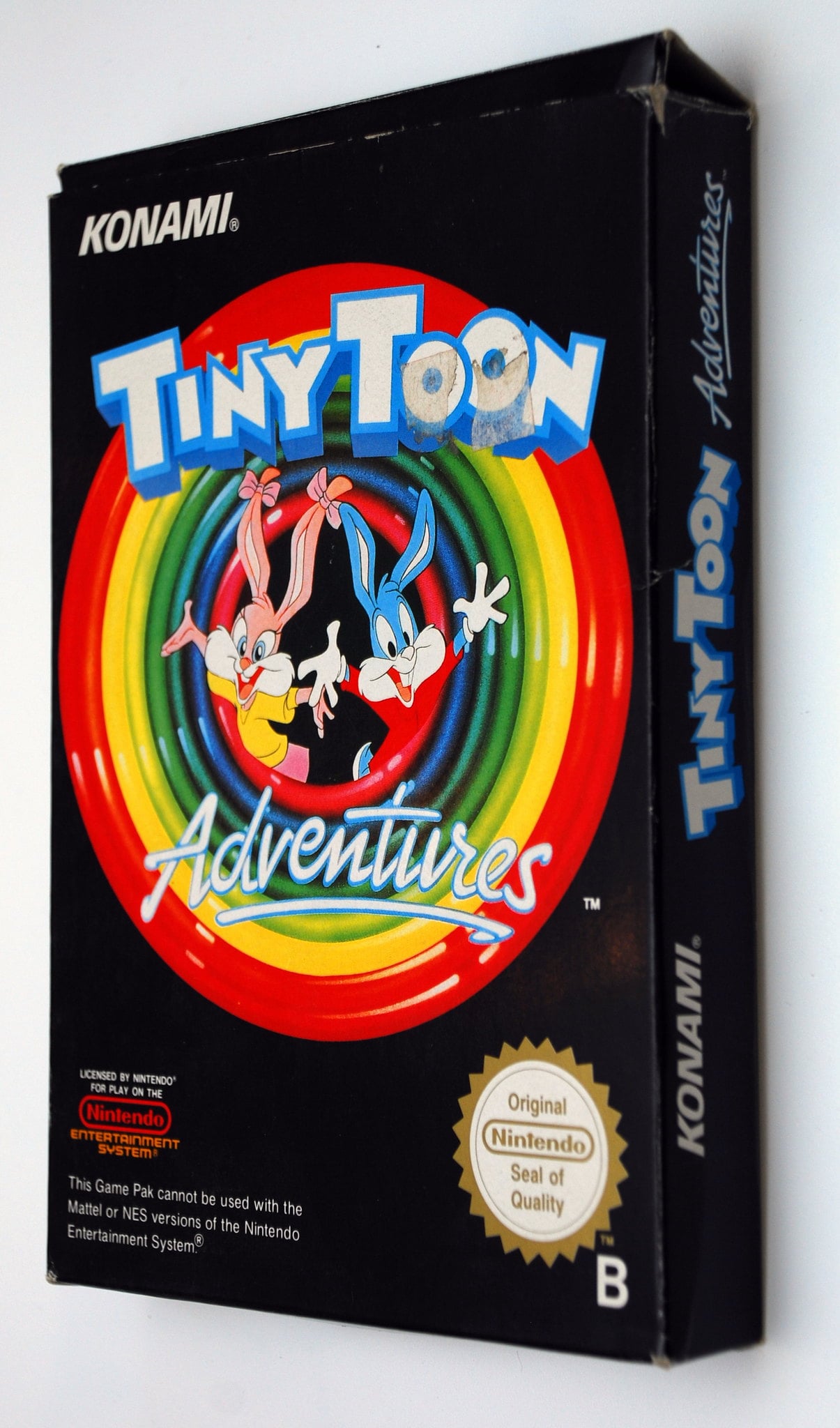
The episode shows Plucky, Hampton, and Buster drinking alcohol and going on drunken adventures before driving off a cliff and ascending to toon heaven. Parents and advocacy groups were outraged that a children’s show would depict underage drinking, even with the characters dying at the end.
The episode was meant to show the dangers of alcohol but critics felt it glorified drinking instead. Networks pulled it from rotation and it rarely airs today.
Tentacool and Tentacruel from Pokemon
This Pokemon episode featured the giant Tentacruel destroying several buildings, which caused the episode to be removed from airing after the September 11 attacks happened in the United States. The scenes of a large creature attacking and destroying city buildings felt too similar to the tragic events.
American networks pulled it from rotation out of sensitivity to viewers. The episode eventually returned to air with edited scenes that removed some of the building destruction.
Holiday Hi-Jynx from Pokemon

This episode is still banned even after the Japanese re-airing where Jynx was recolored to match what she currently looks like in the Pokemon games. The controversy centered around Jynx’s original design, which many felt resembled harmful racial stereotypes.
Critics pointed to the character’s dark skin and exaggerated features as problematic. Pokemon eventually changed Jynx’s design from black to purple, but this early episode remains banned in many countries.
Like Go2Tutors’s content? Follow us on MSN.
The Censored Eleven from Looney Tunes

The Censored Eleven is a group of Looney Tunes and Merrie Melodies cartoons originally produced between 1931 and 1944 that have been withheld from syndication in the United States since 1968. These cartoons contained racist stereotypes and imagery that became unacceptable as society evolved.
Warner Brothers decided these eleven cartoons were too offensive to ever air again. They remain locked away in the studio vaults, representing a shameful period in animation history.
Barbequor from The Powerpuff Girls

The Powerpuff Girls fought a demon-like villain in this episode that featured religious imagery and references that made network executives nervous. Parents complained about the dark themes and scary monster design that seemed too intense for young viewers.
The religious undertones in the villain’s appearance and dialogue sparked debates about appropriate content. Cartoon Network pulled the episode and it rarely appears in reruns today.
Man’s Best Friend from The Ren and Stimpy Show
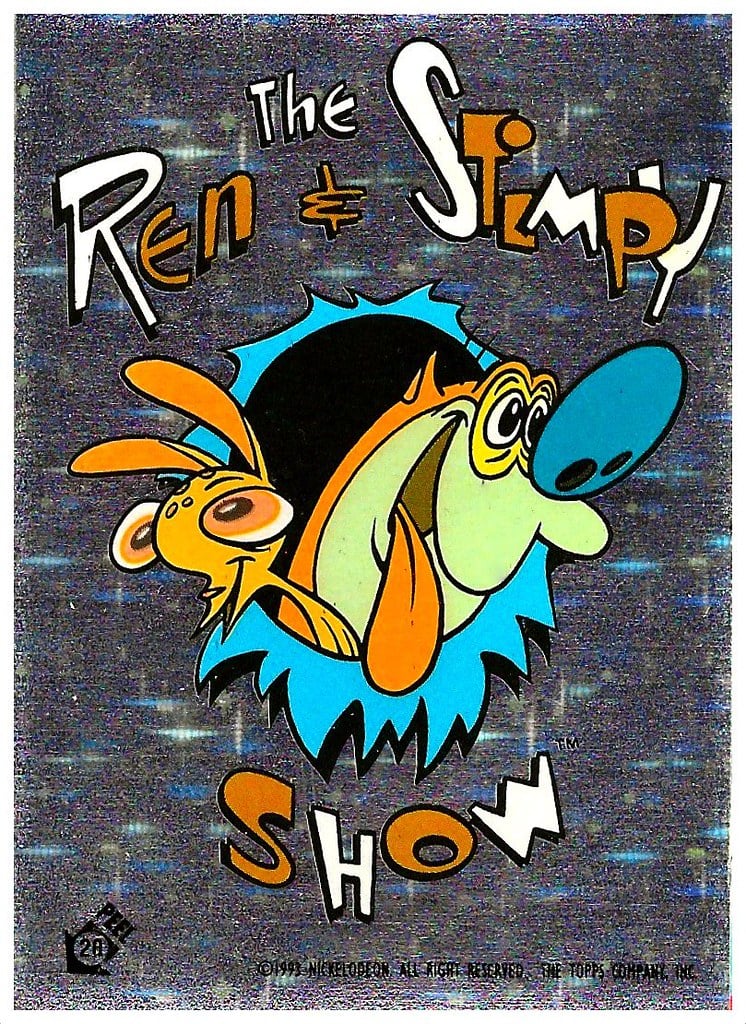
This episode pushed the boundaries of what Nickelodeon would allow with extreme violence and disturbing imagery. The story showed Ren brutally attacking his owner with an oar in scenes that were shockingly graphic for a children’s network.
Creator John Kricfalusi refused to tone down the content, leading to his firing from the show. The episode became a symbol of creative differences between artists and network censors.
Like Go2Tutors’s content? Follow us on MSN.
Kwarantined Krab from SpongeBob SquarePants
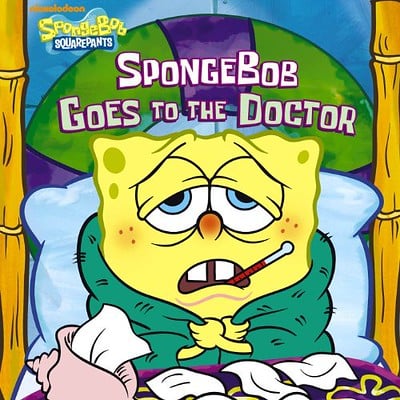
This episode dealt with a virus outbreak at the Krusty Krab restaurant, which felt uncomfortably similar to real-world health concerns. The story showed characters being quarantined and panicking about contamination.
Nickelodeon decided the timing was too sensitive and pulled it from their schedule. The episode highlighted how current events can suddenly make cartoon content feel inappropriate.
A Pal for Gary from SpongeBob SquarePants
This controversial episode showed SpongeBob being unusually cruel and neglectful toward his pet Gary while favoring a new pet. Fans were outraged by SpongeBob’s out-of-character behavior and the disturbing treatment of Gary.
The episode depicted emotional abuse that many felt was too dark for the normally cheerful show. Critics called it one of the worst episodes in the series history.
Beauty and the Beach from Pokemon

In some areas, the beach scenes and swimsuits worn by the characters in this episode were too graphic for young viewers. The episode was altered or outlawed in several nations due to cultural differences regarding proper attire.
The controversy brought to light the wide range of standards that audiences around the world may hold. While some iterations of the episode included digital clothing, others eliminated entire scenes.
Like Go2Tutors’s content? Follow us on MSN.
From past troubles to present caution
These controversial episodes remind us that cartoons don’t exist in a bubble separate from society’s concerns and values. What seemed acceptable to creators and networks at the time often clashed with audience expectations and cultural sensitivities.
The debates these episodes sparked led to stricter content guidelines and more careful review processes. Today’s animators work under much tighter oversight, knowing that any misstep could become tomorrow’s banned episode.
These controversial moments shaped how we think about children’s entertainment and the responsibility that comes with reaching young audiences.
More from Go2Tutors!

- 16 Historical Figures Who Were Nothing Like You Think
- 12 Things Sold in the 80s That Are Now Illegal
- 15 VHS Tapes That Could Be Worth Thousands
- 17 Historical “What Ifs” That Would Have Changed Everything
- 18 TV Shows That Vanished Without a Finale
Like Go2Tutors’s content? Follow us on MSN.