Foods Named After Real People
Most people don’t think twice about the names of their favorite foods. They order a Caesar salad or grab some graham crackers without wondering where those names came from.
But behind many popular dishes and snacks are real people who either invented them, inspired them, or just happened to be in the right place at the right time. Some of these folks were chefs, others were just regular people who ended up with their names on menus forever.
Here’s a look at some foods that carry the names of actual human beings.
Caesar salad
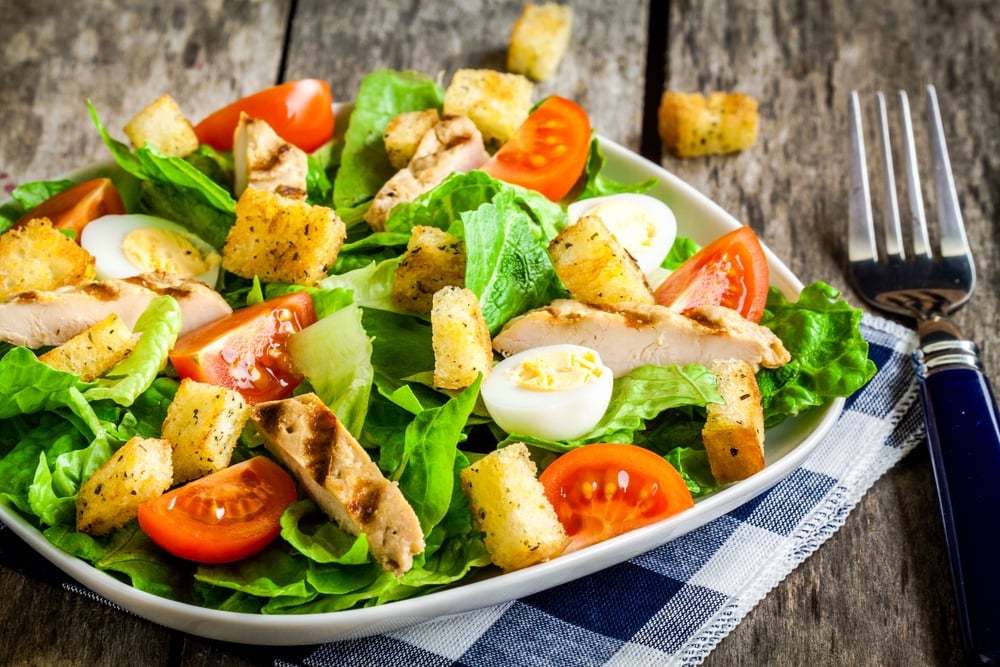
Caesar Cardini created this salad in 1924 at his restaurant in Tijuana, Mexico, not in ancient Rome like the name might suggest. The Italian immigrant threw together whatever he had in the kitchen when supplies ran low during a busy Fourth of July weekend.
He tossed romaine lettuce with parmesan cheese, croutons, eggs, olive oil, and Worcestershire sauce right at the table in front of customers. The dramatic presentation made it feel special, and people loved it so much that the salad became famous across the border in California.
Caesar’s daughter Rosa later confirmed the story and said her father would be amazed that his improvised dish became a worldwide staple.
Graham crackers
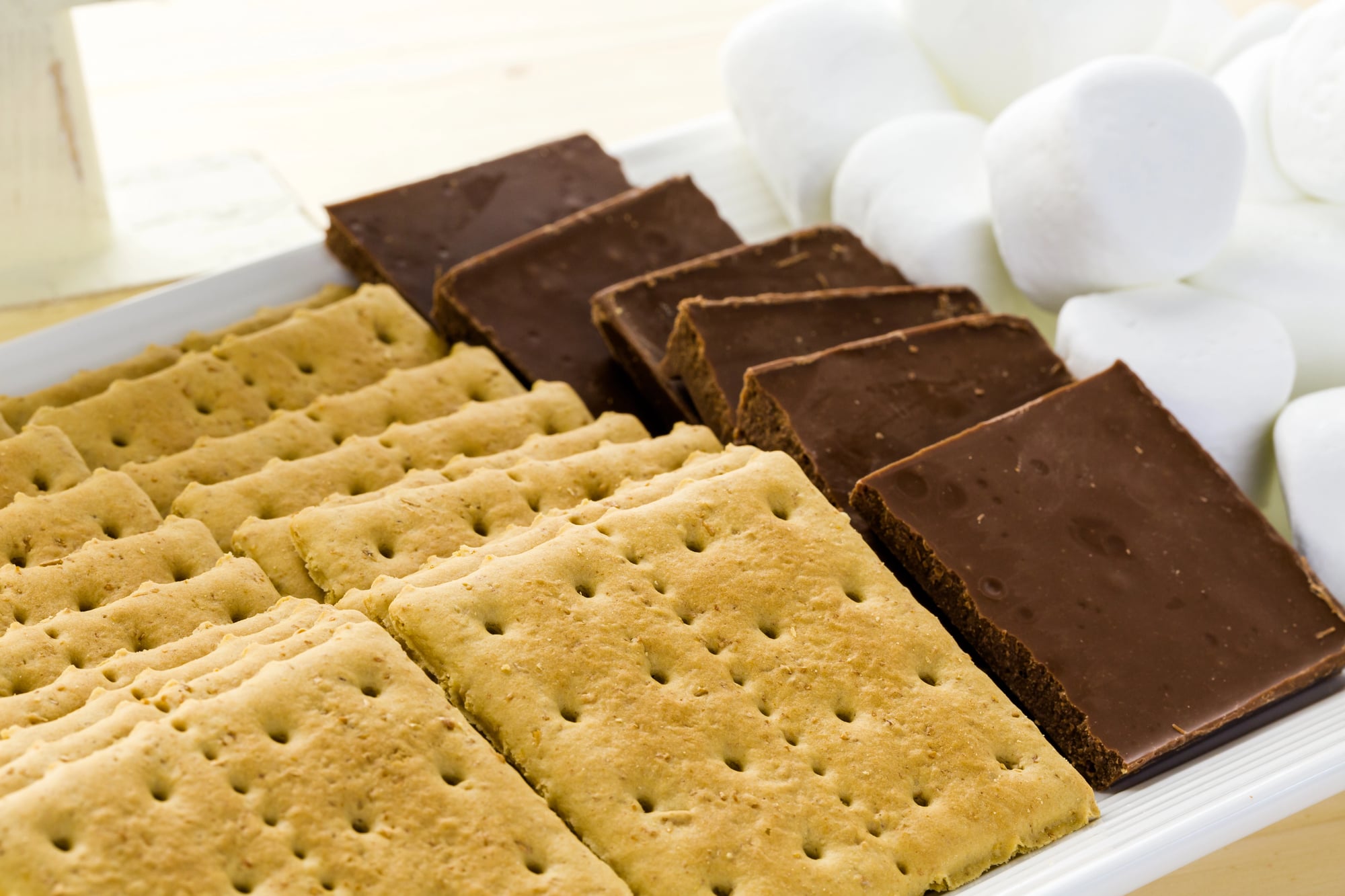
Sylvester Graham was a Presbyterian minister in the 1800s who believed that bland food would keep people from having sinful thoughts. He developed a whole wheat flour and promoted a diet based on simple, unseasoned foods as part of his moral crusade.
The crackers made from his special flour were intentionally boring because he thought exciting flavors led to excitement in other areas of life. Graham died in 1851, long before his crackers became the sweet treat used in s’mores and pie crusts.
The modern version would probably horrify him since it contains sugar and actually tastes good.
Nachos
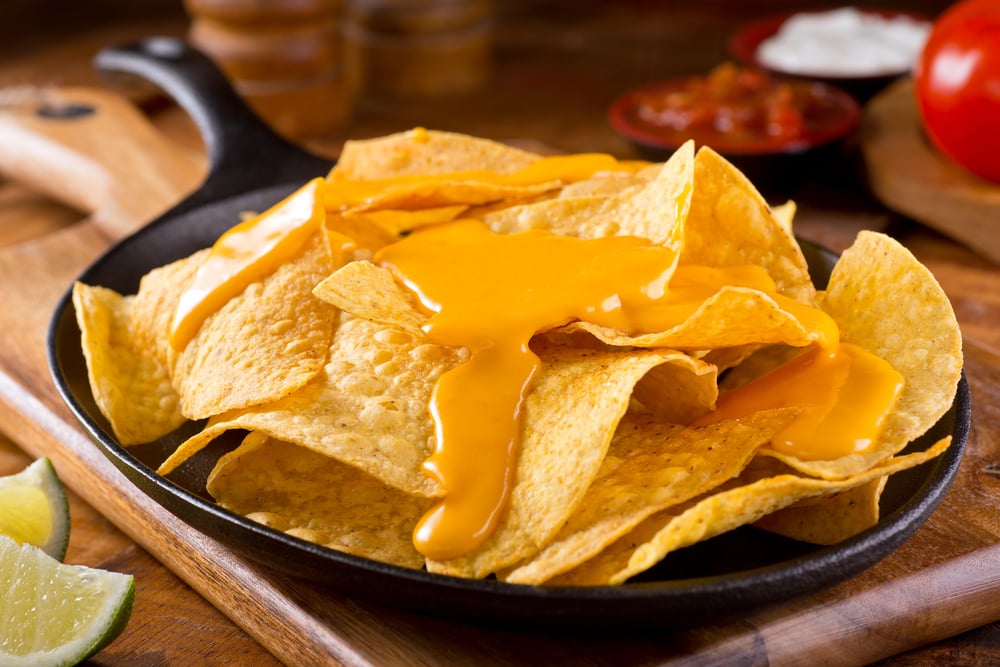
Ignacio ‘Nacho’ Anaya worked at a restaurant in Piedras Negras, Mexico, in 1943 when a group of U.S. military wives showed up after closing time. The chef had already left, so Nacho improvised with what he could find in the kitchen.
He cut tortillas into triangles, fried them, added cheese, and topped everything with jalapeño peppers. Women loved the snack and asked what it was called, so he named it after himself.
Nachos spread across Texas and eventually became a staple at sports stadiums and movie theaters everywhere.
Beef Wellington
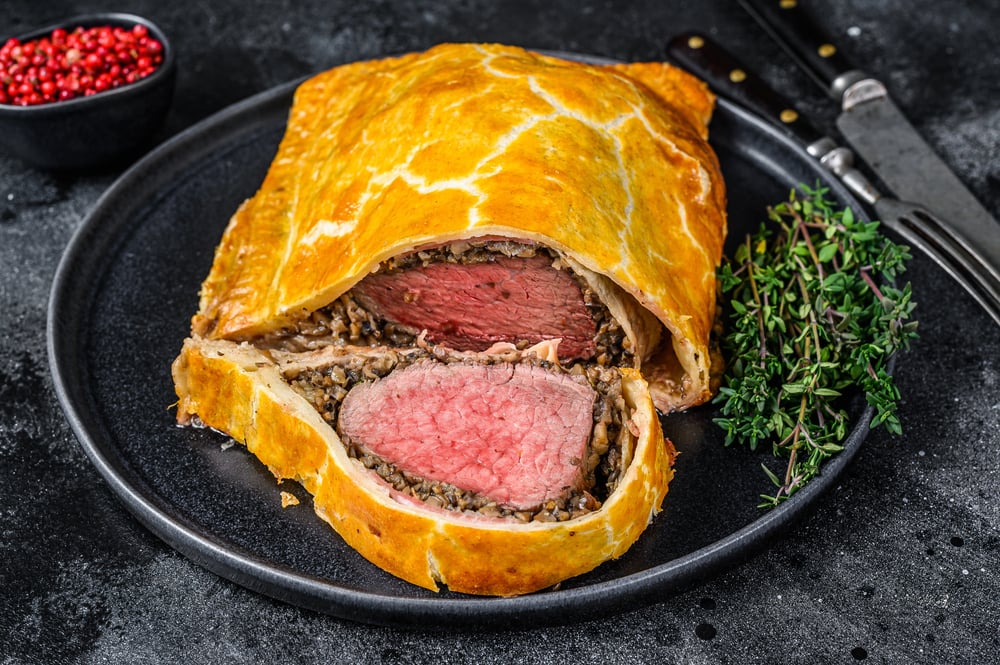
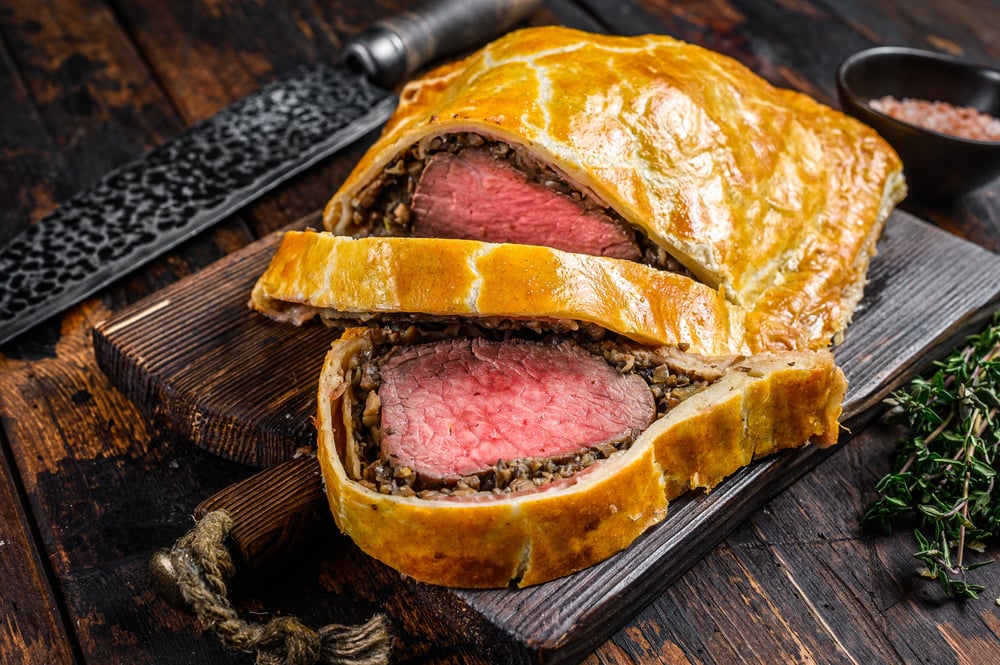
This fancy dish of beef wrapped in pastry probably got its name from Arthur Wellesley, the first Duke of Wellington, who defeated Napoleon at Waterloo. Nobody knows exactly how the dish became associated with him, but some food historians think it might have been created to celebrate his military victories.
Another theory suggests the dish resembles the shiny leather boots Wellington made popular. Either way, the Duke likely ate plenty of elaborate meals during his lifetime, and this one stuck with his name.
The dish remains a centerpiece at fancy dinners and holiday feasts.
Peach Melba
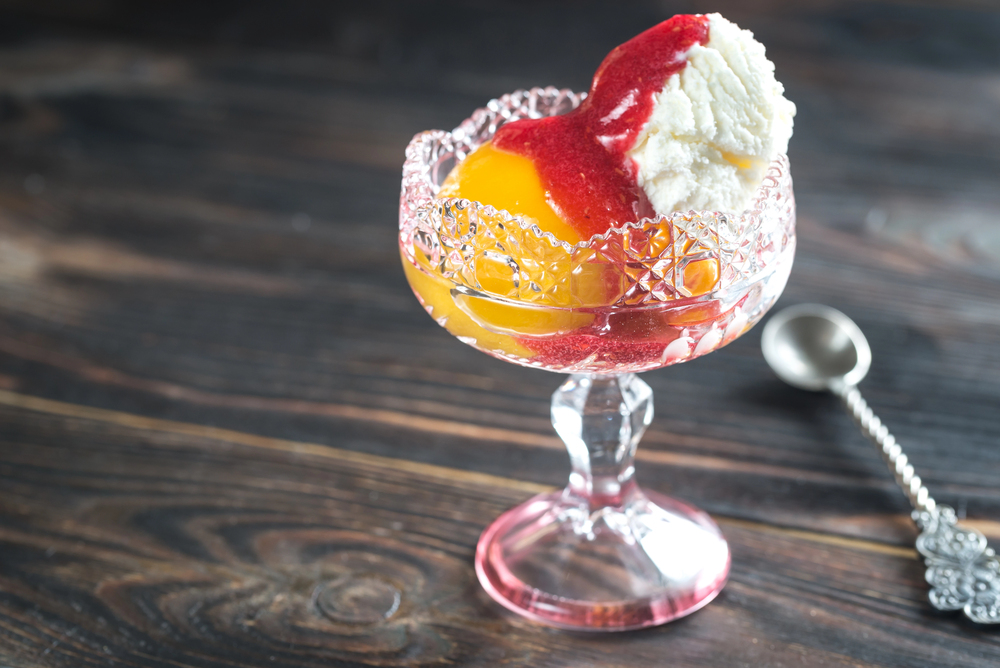
Australian opera singer Dame Nellie Melba inspired French chef Auguste Escoffier to create this dessert in 1892. Escoffier served peaches with vanilla ice cream and raspberry sauce at the Savoy Hotel in London after watching Melba perform in the opera Lohengrin.
He originally presented it in a swan ice sculpture as a tribute to the opera’s storyline. The dessert became so popular that it outlived both the chef and the singer.
Melba also inspired Melba toast, which Escoffier created when she was sick and needed something light to eat.
Fettuccine Alfredo
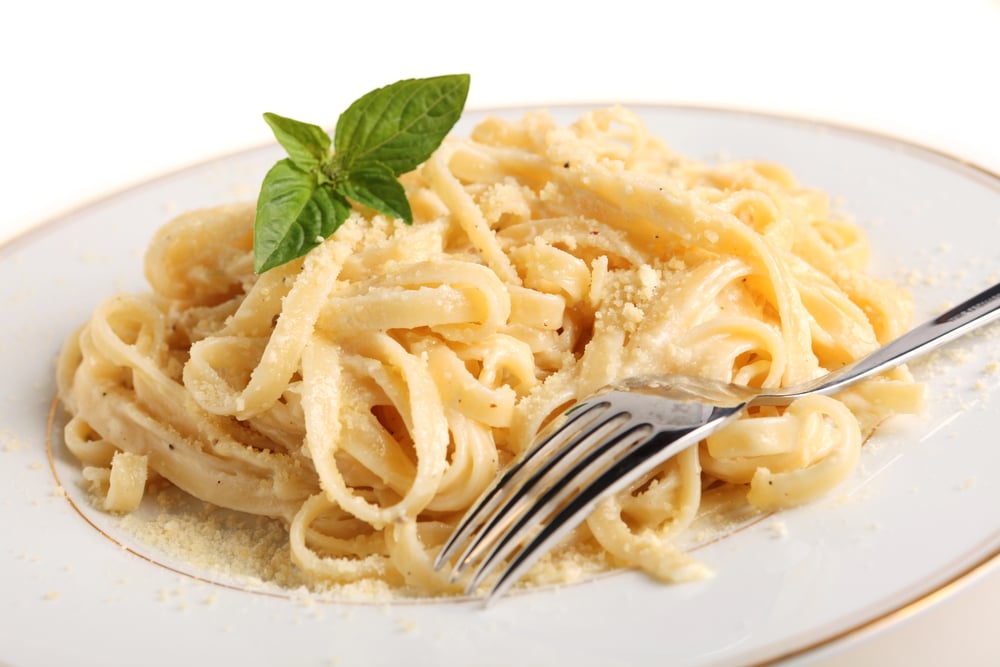
Alfredo di Lelio invented this creamy pasta dish in Rome in 1908 to help his pregnant wife regain her appetite. He tossed fresh fettuccine with butter and Parmesan cheese tableside until it created a smooth, rich sauce.
Hollywood stars Mary Pickford and Douglas Fairbanks ate at his restaurant during their honeymoon in 1927 and brought the recipe back to America. The dish became wildly popular in the United States, though Italians still consider it more of an American creation.
The original recipe used only butter and cheese, while American versions often add heavy cream.
Eggs Benedict
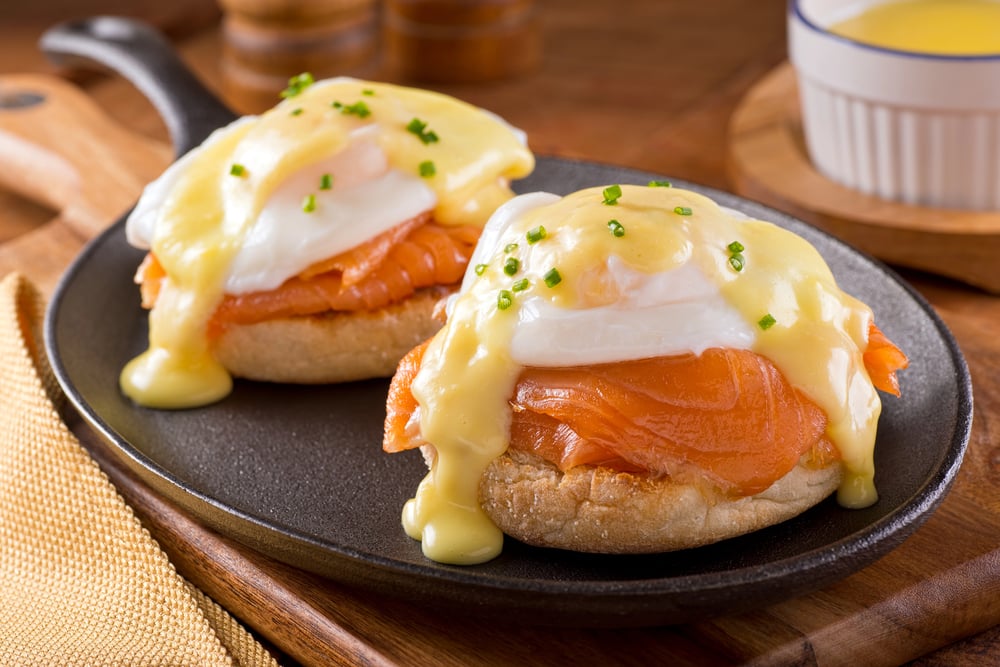
The origin story of Eggs Benedict has a few competing claims, but the most popular version involves a Wall Street broker named Lemuel Benedict. He walked into the Waldorf Hotel in New York in 1894 with a hangover and ordered toast, bacon, poached eggs, and hollandaise sauce.
The maitre d’ was so impressed that he put a refined version on the menu using English muffins and Canadian bacon instead. Another story credits a Mrs. LeGrand Benedict who supposedly gave the recipe to Delmonico’s restaurant.
Either way, someone named Benedict definitely inspired this brunch favorite.
Salisbury steak
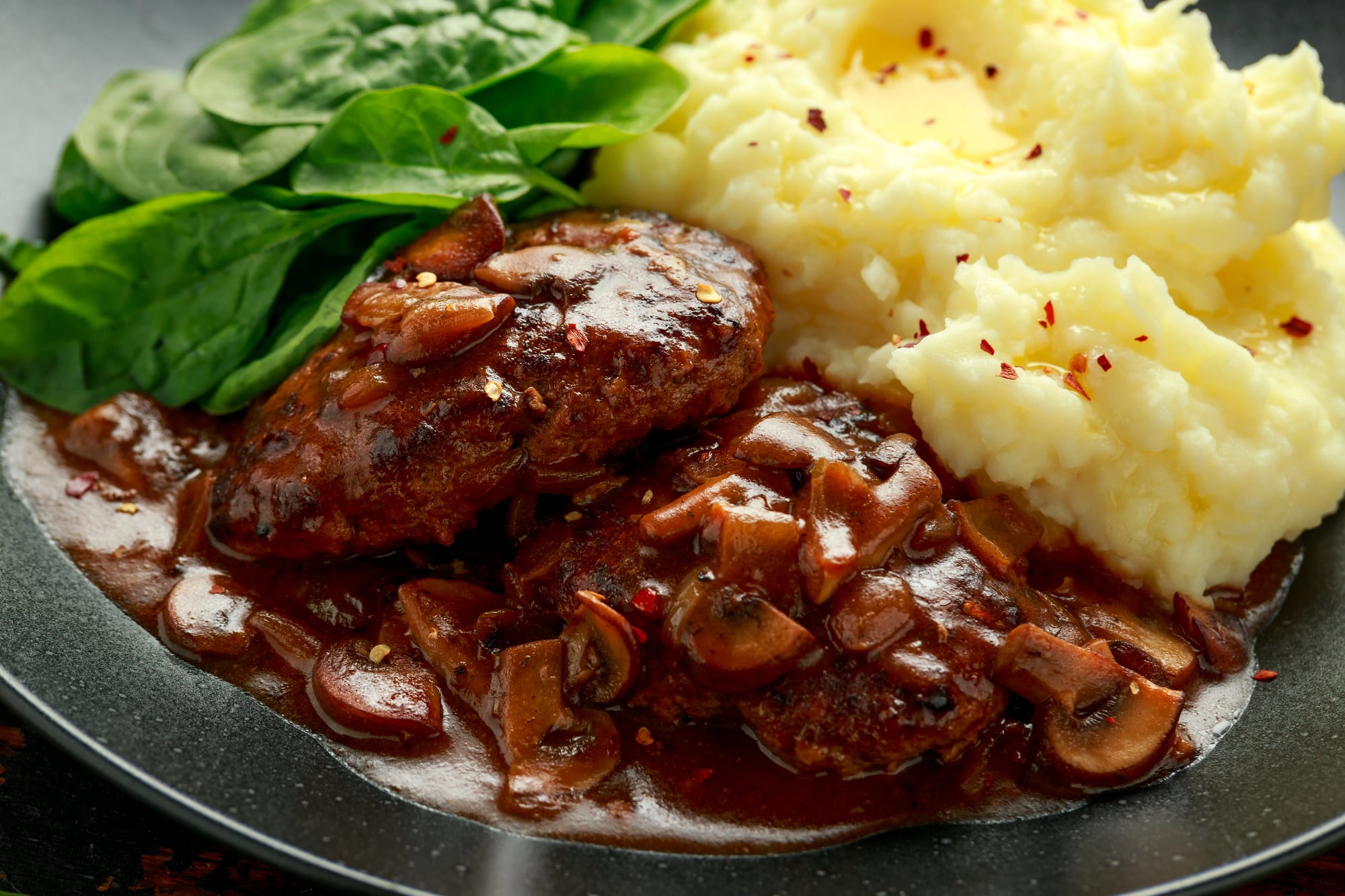
Dr. James Salisbury promoted this ground beef patty in the 1860s as part of his health diet during the Civil War. He believed Americans ate too many vegetables and starches, so he recommended eating minced beef three times a day.
The doctor claimed his beef diet could cure everything from asthma to gout. His ideas about nutrition were mostly wrong, but the dish stuck around.
Schools and diners still serve Salisbury steak with gravy, though nobody follows his extreme beef-only eating plan anymore.
Margherita pizza
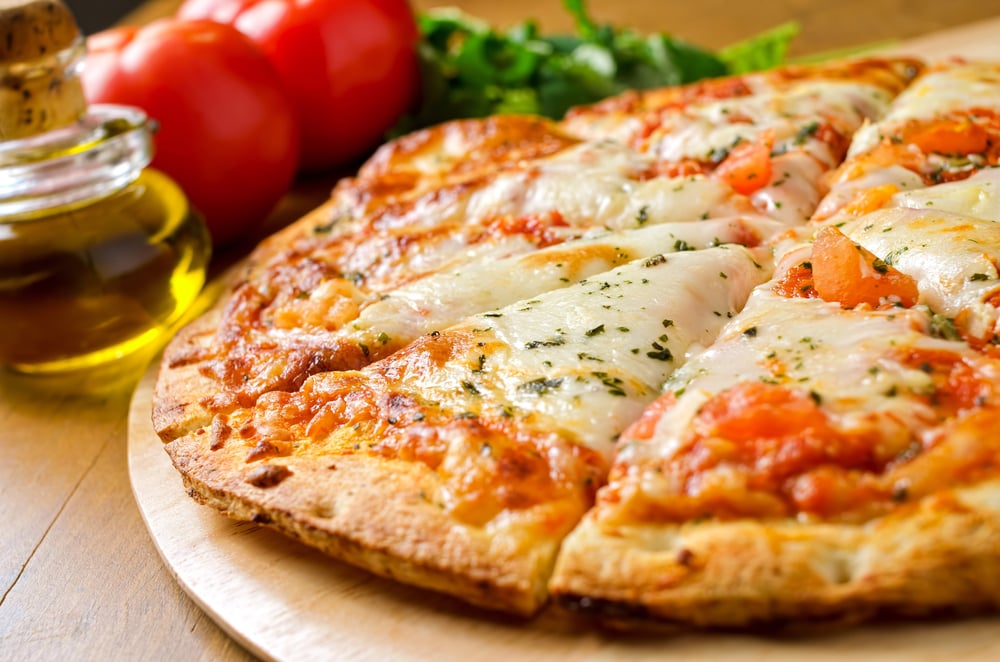
Queen Margherita of Savoy visited Naples in 1889 and wanted to try the local pizza that common people loved. Chef Raffaele Esposito made three different pizzas for her, and she preferred the one with tomatoes, mozzarella, and basil.
Those toppings matched the colors of the Italian flag, which made the choice even more patriotic. Esposito named the pizza after the queen to honor her visit.
The Margherita remains the most classic and popular pizza style in Italy and around the world.
Cobb salad
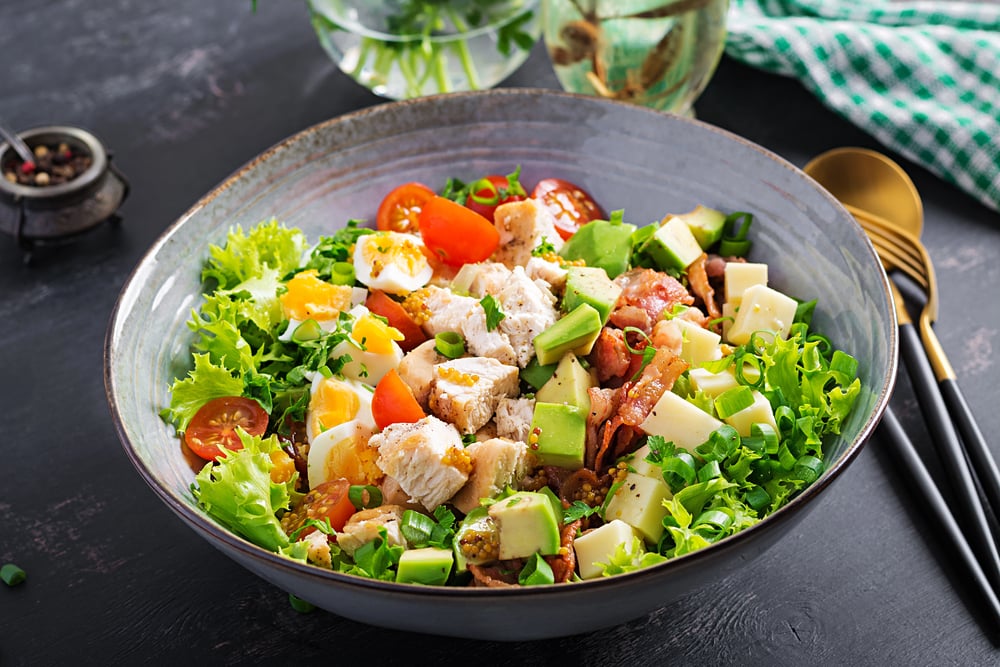
Bob Cobb owned the Brown Derby restaurant in Hollywood and created this salad in 1937 by raiding his kitchen for a late-night snack. He chopped up leftover chicken, bacon, avocado, eggs, tomatoes, and lettuce, then added blue cheese and his special French dressing.
Sid Grauman, owner of Grauman’s Chinese Theatre, was with him and loved the combination so much he came back the next day asking for ‘that Cobb salad.’ The dish became a favorite among Hollywood celebrities who frequented the restaurant.
It’s still considered one of the most satisfying main-course salads ever invented.
Earl Grey tea
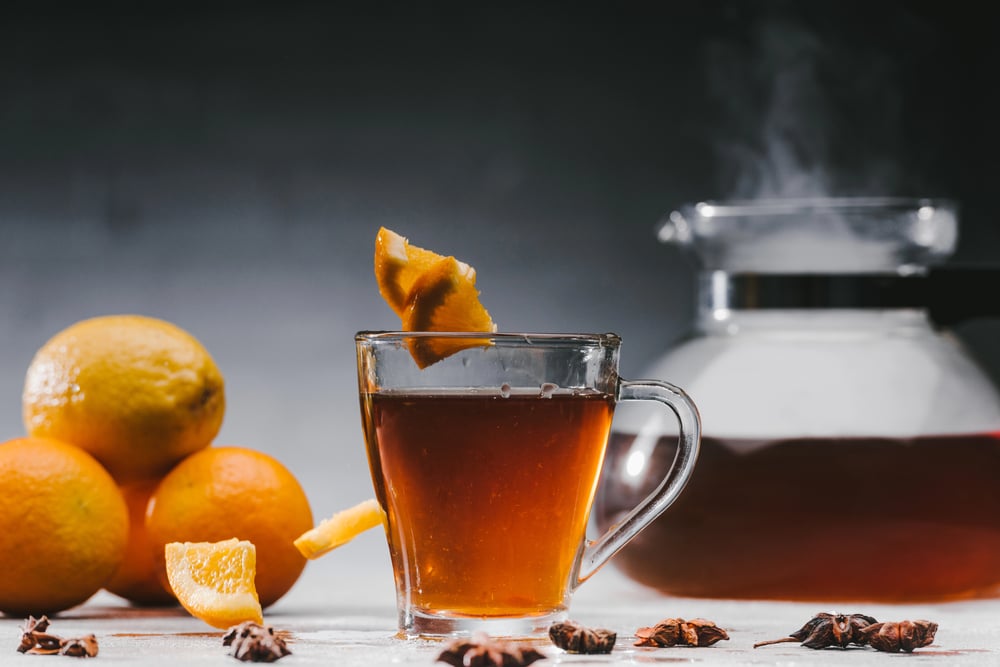
Charles Grey, the second Earl Grey, served as British Prime Minister in the 1830s when this tea blend supposedly came into existence. Legend says a Chinese diplomat gave him the recipe as a diplomatic gift, though this story has some doubt around it.
The tea combines black tea with bergamot oil, creating a distinctive citrus flavor. Whether or not the Earl actually received it as a gift, the Grey family allowed a tea company to use his name on the blend.
Earl Grey tea became one of the most recognizable tea varieties worldwide.
Baby Ruth candy bar
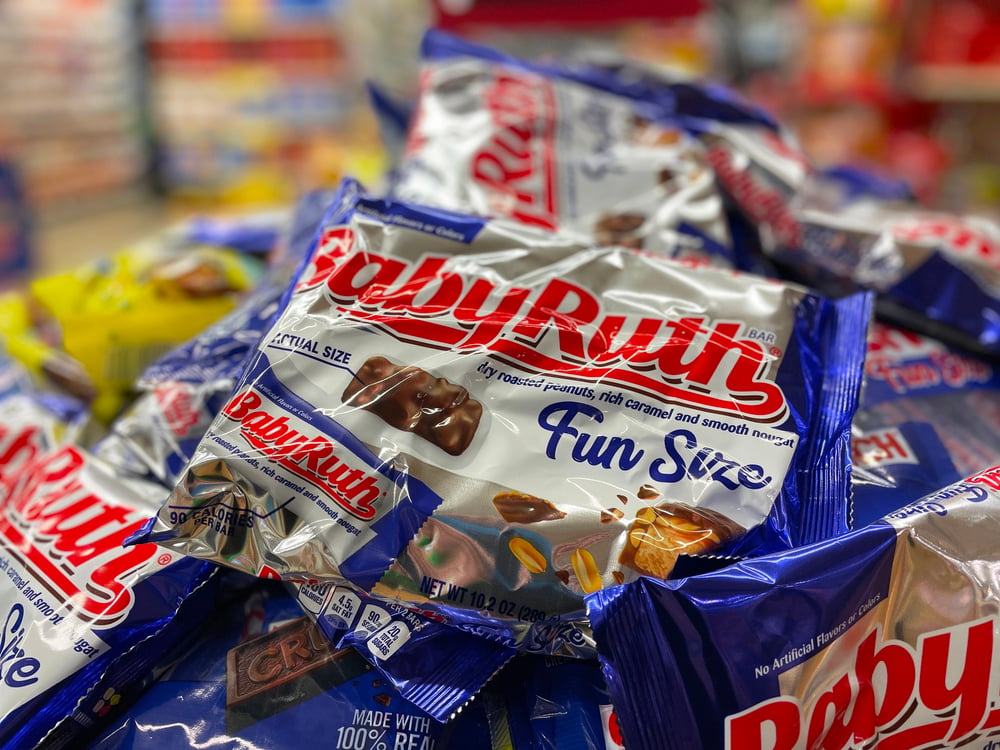
The Curtiss Candy Company claimed they named this bar after President Grover Cleveland’s daughter Ruth in 1921. This seemed suspicious since Ruth Cleveland had died 17 years earlier and nobody had talked about her in decades.
Most people believe the company actually wanted to capitalize on baseball star Babe Ruth’s fame without paying him licensing fees. The company stuck to their story to avoid legal issues.
Regardless of the true origin, the candy bar became a huge success and remains popular today.
Reuben sandwich
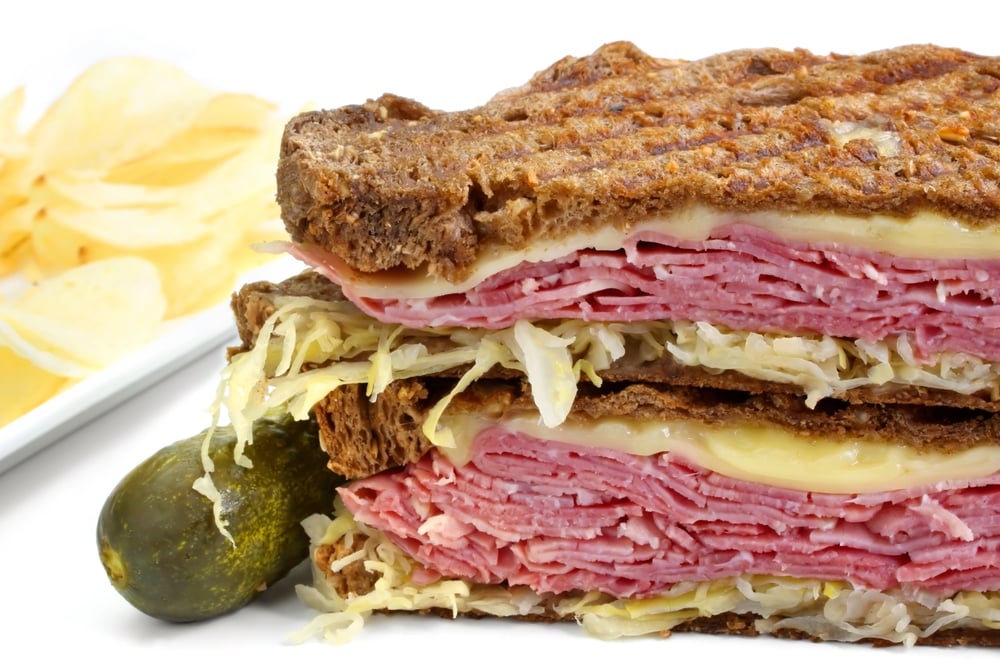
This sandwich has two possible origin stories, both involving men named Reuben. One version credits Reuben Kulakofsky, a grocer in Omaha who supposedly created it for his weekly poker game in the 1920s.
The other story points to Arnold Reuben, who owned a famous New York deli and claimed he invented it in 1914. Both men put corned beef, Swiss cheese, sauerkraut, and Russian dressing on rye bread.
The Omaha story has more documentation, but the New York claim refuses to die. Either way, someone named Reuben deserves credit for this deli classic.
Garibaldi biscuit
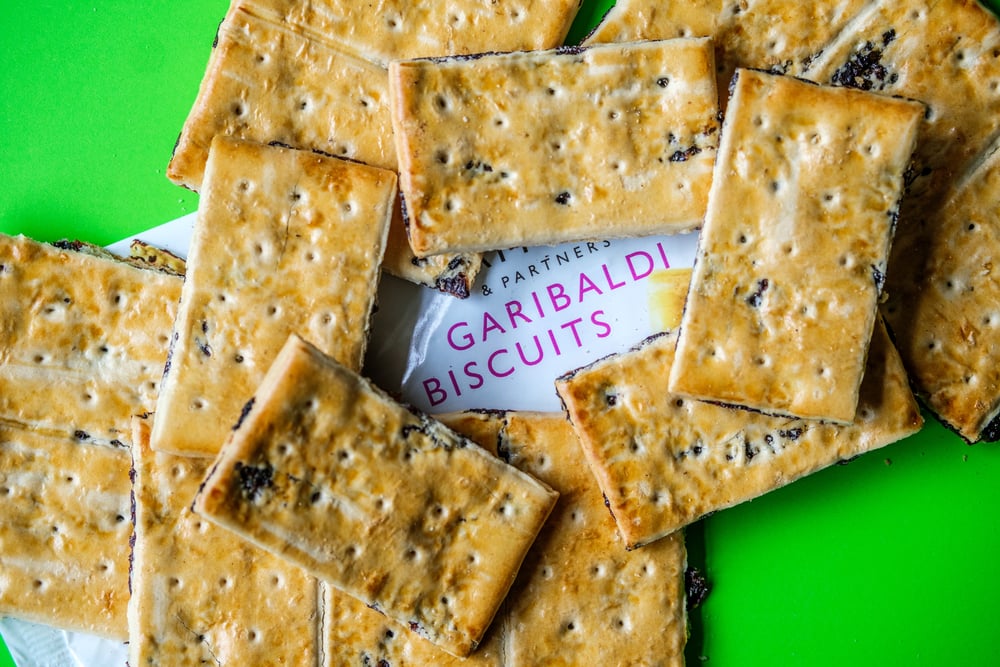
Giuseppe Garibaldi was an Italian general who helped unify Italy in the 1800s, and British bakers created a fruit biscuit in his honor. The cookies have currants squashed between two layers of biscuit dough, and British people sometimes call them ‘squashed fly biscuits’ because of how the fruit looks.
Garibaldi visited England in 1864 and received a hero’s welcome, which inspired the Peek Freans bakery to name their new product after him. The general probably never tasted the biscuits, but they’ve been a teatime staple in Britain for over 150 years.
It’s a sweet tribute to a military hero.
Pavlova
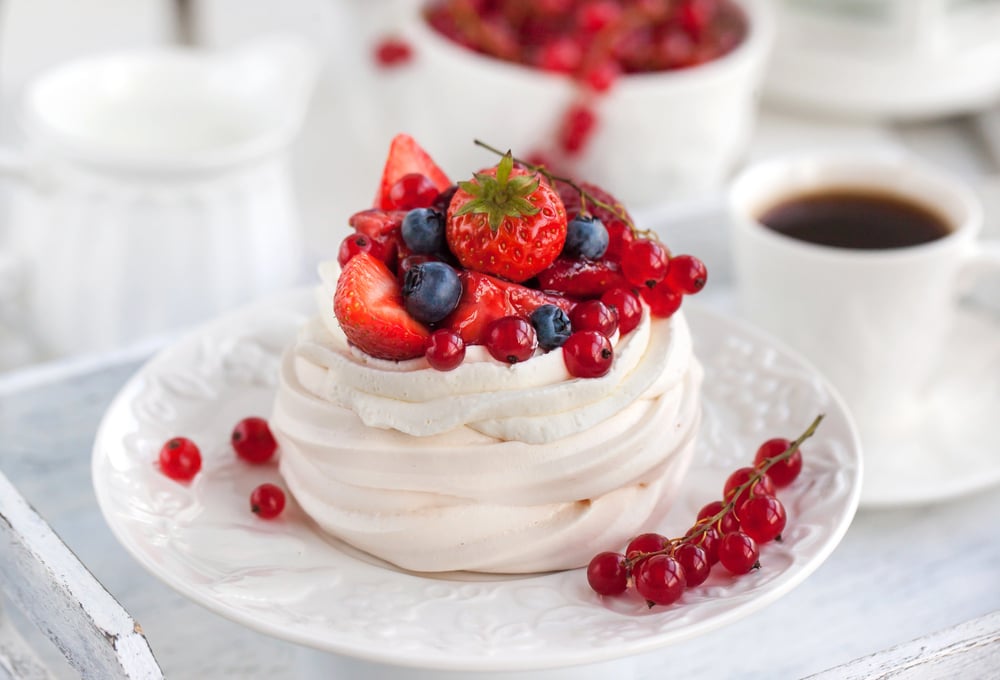
A fight flared up across borders when this sweet treat appeared, claimed by both Australia and New Zealand. One made it, then the other did too – each saying theirs came first, back in the 1920s.
They were trying to pay tribute to Anna Pavlova, a dancer from Russia touring nearby at the time. Outside it crunches lightly; inside, it melts like soft clouds.
Whipped topping spreads over the top, finished off with slices of fresh fruit. Her elegant movements moved cooks deeply – one bite meant to echo that delicate stage presence.
Some studies point to New Zealand having a better case, yet folks down under keep debating. Most likely, the dancer didn’t even find out there was a sweet treat named after her.
Dobos torte
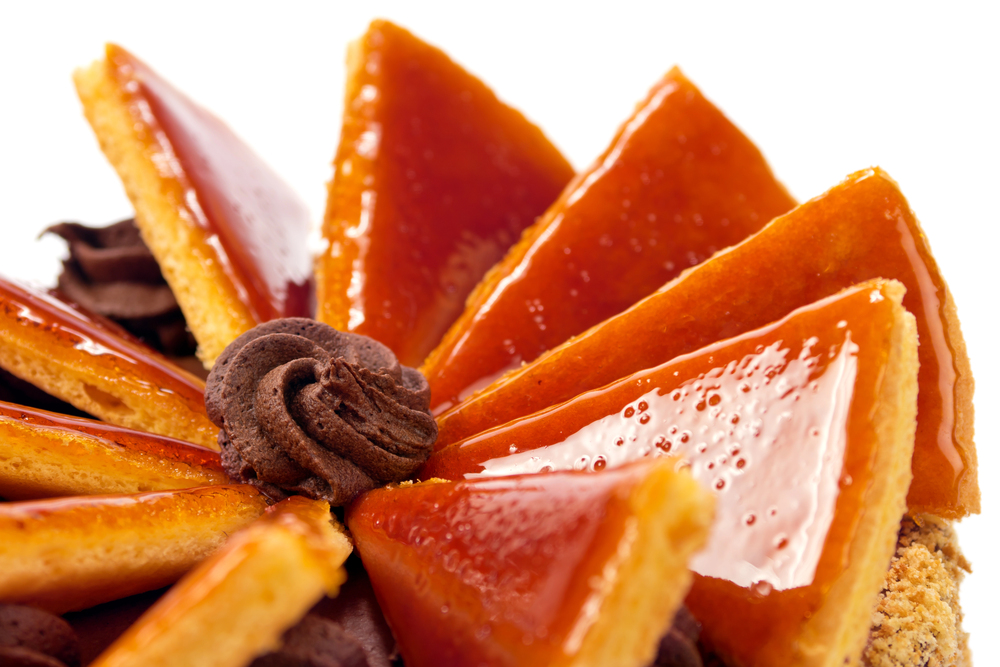
Back in 1885, at a big fair in Budapest, a Hungarian baker named József Dobos showed off a new kind of layered sponge cake. Instead of just stacking cakes plain, he used chocolate buttercream between each sheet, finishing the top with shiny caramel.
Because it held up well without spoiling fast, people saw it as something different – almost ahead of its time. For many years, he refused to share how he made it; only later did he release the full recipe so others could bake their own.
Over time, this rich dessert came to stand for skill and pride in Hungary’s baking tradition. Even now, across parts of Central Europe, it appears when celebrations call for something truly traditional.
Legacy begins when a name is remembered
It sticks around long after folks are gone – food named for them. Names like that pop up where you least expect, tucked between ketchup bottles and napkin dispensers.
A few actually tried making something new; others simply stood too close when hunger struck. One century fades into another yet the dish stays put, plate after plate.
Who could guess being remembered means showing up beside mashed potatoes?
More from Go2Tutors!

- The Romanov Crown Jewels and Their Tragic Fate
- 13 Historical Mysteries That Science Still Can’t Solve
- Famous Hoaxes That Fooled the World for Years
- 15 Child Stars with Tragic Adult Lives
- 16 Famous Jewelry Pieces in History
Like Go2Tutors’s content? Follow us on MSN.