Ancient Egyptian Habits That Seem Modern Now
Strip away the pyramids and the gods with animal heads, and the people of the Nile valley look oddly familiar. They lined their eyes before leaving the house, fussed over their hair, named their pets, played board games after dinner and sometimes missed work for reasons their foremen recorded.
Much of this survives because Egypt is dry and because its people wrote everything down. Tomb paintings, workmen’s notes scratched on limestone chips and a handful of well-preserved burials show a daily routine that offers some surprisingly familiar parallels with modern life.
Kohl Eyeliner Applied Every Morning
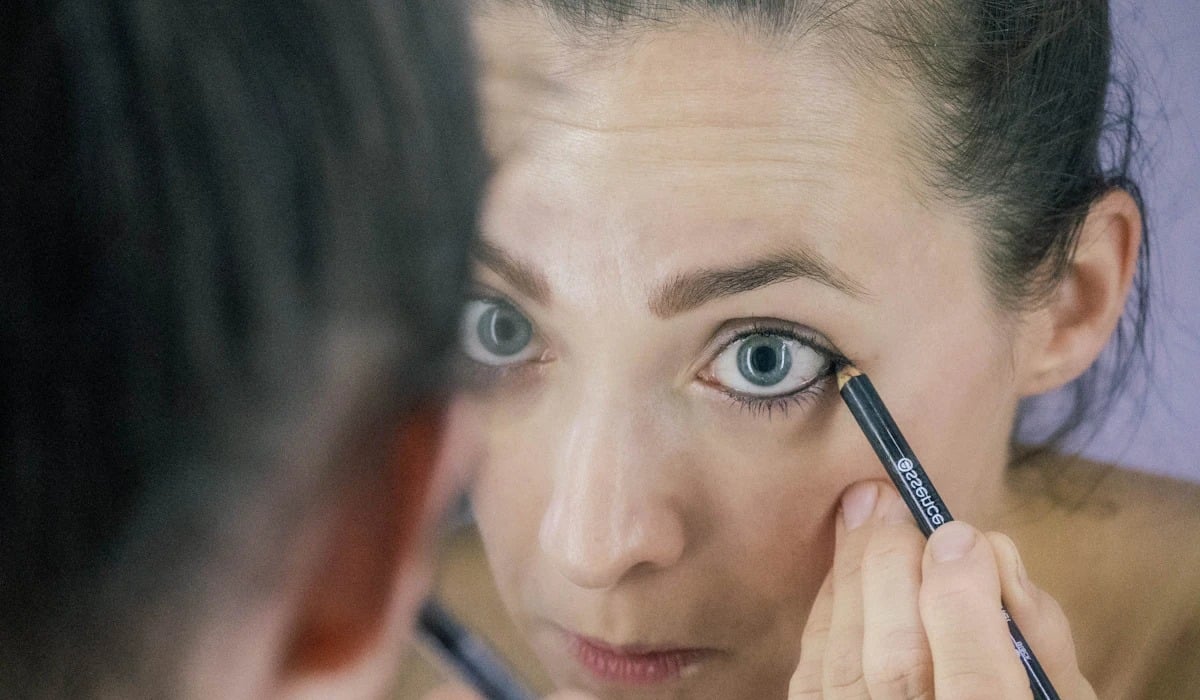
Both men and women lined their eyes with kohl, a dark paste ground from galena or green malachite and mixed with fat or water. The pigment was prepared on small stone palettes, some of them shaped like fish or birds, and applied with a slim rod from a small cosmetic container.
The heavy outline may have helped reduce glare, although its practical effects are difficult to establish. Chemists who have analyzed surviving kohl samples found lead compounds, and some researchers have proposed that certain ingredients may have affected the skin’s immune response.
That does not mean lead-based cosmetics were safe or reliably prevented eye infections. Cosmetic kits turn up in graves from the earliest periods right through the Roman era.
Hair Extensions Woven Into Braids
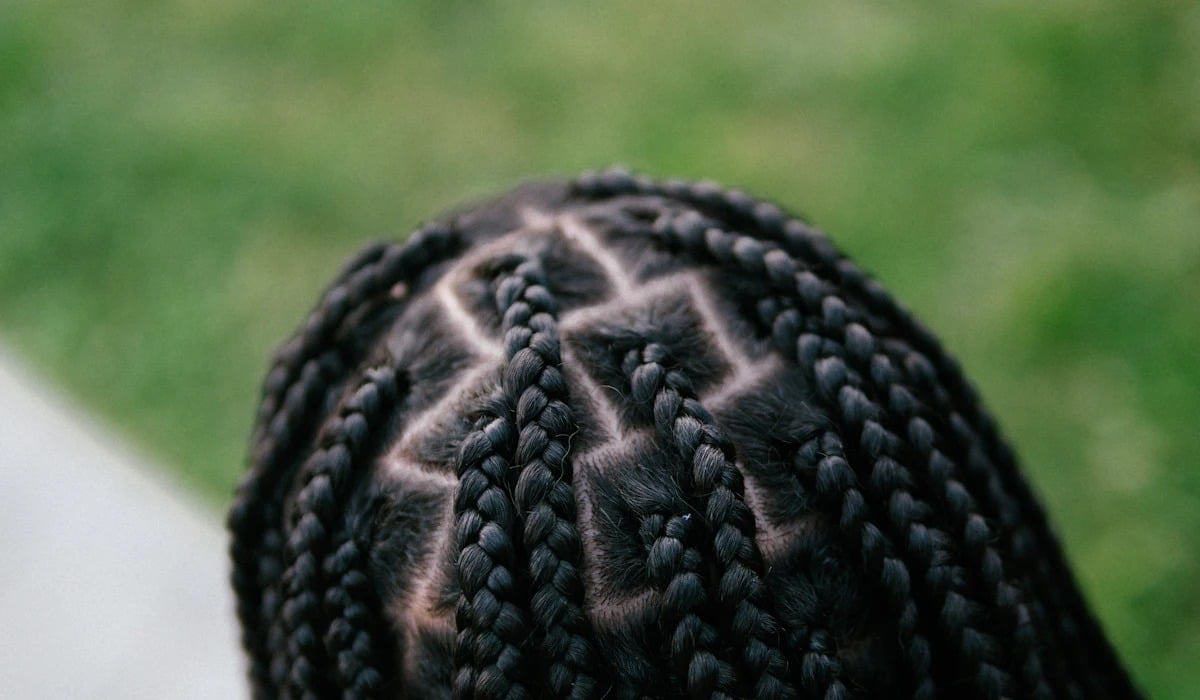
Excavators at Amarna, the short-lived capital built by Akhenaten, uncovered the remains of a woman whose hair had been arranged with around 70 extensions. Jolanda Bos, the archaeologist who studied the cemetery, noted that the extensions had been attached with care and that the style was probably set for burial rather than daily wear.
Other skulls at the same site showed hair coated with fat to hold a style in place, which served a purpose similar to modern styling products. Nothing about the salon chair is new except the chair.
Wigs Worn Over a Full Head of Hair
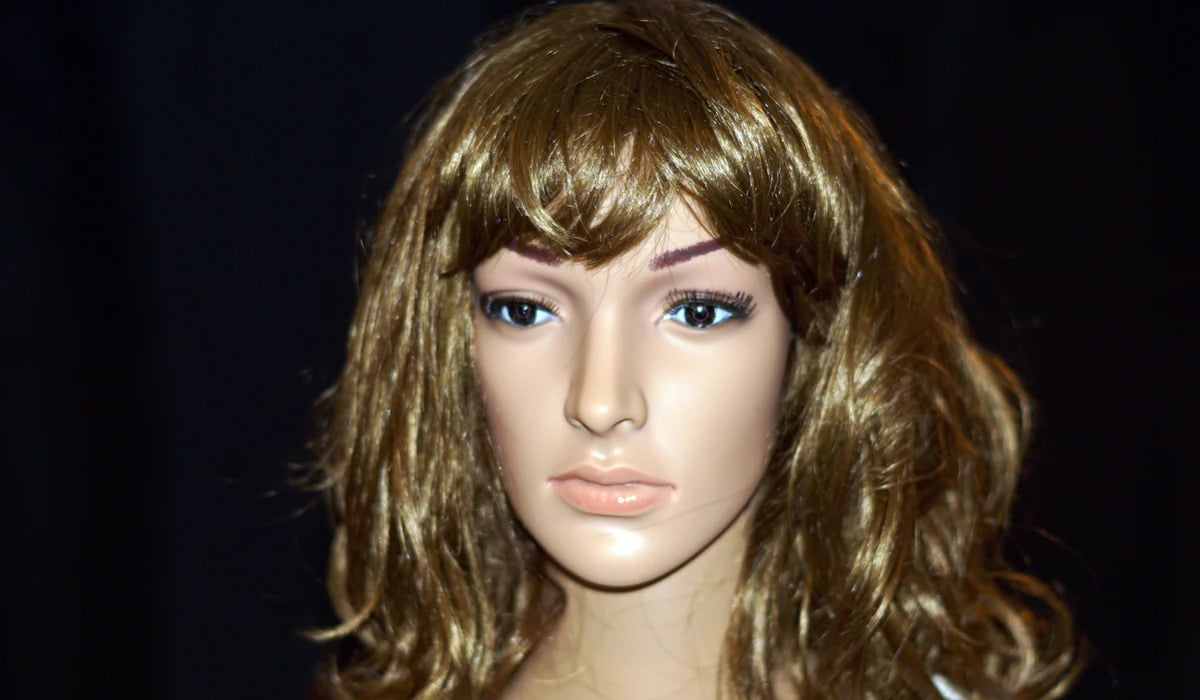
Wealthy Egyptians owned wigs of human hair, sometimes mixed with plant fiber, set in elaborate curls and plaits and stored in their own boxes. The wig belonging to Merit, wife of the architect Kha, survived in her tomb at Deir el-Medina and now sits in the Museo Egizio in Turin, still holding its shape after more than three thousand years.
Wigs were not necessarily a cover for baldness. Many wearers had plenty of hair underneath and simply preferred the look, much as people today choose different hairstyles or hairpieces.
Wigs could also make elaborate grooming easier, although claims that they were routinely used to keep lice off the scalp should be treated cautiously.
Full Body Shaving With Bronze Razors
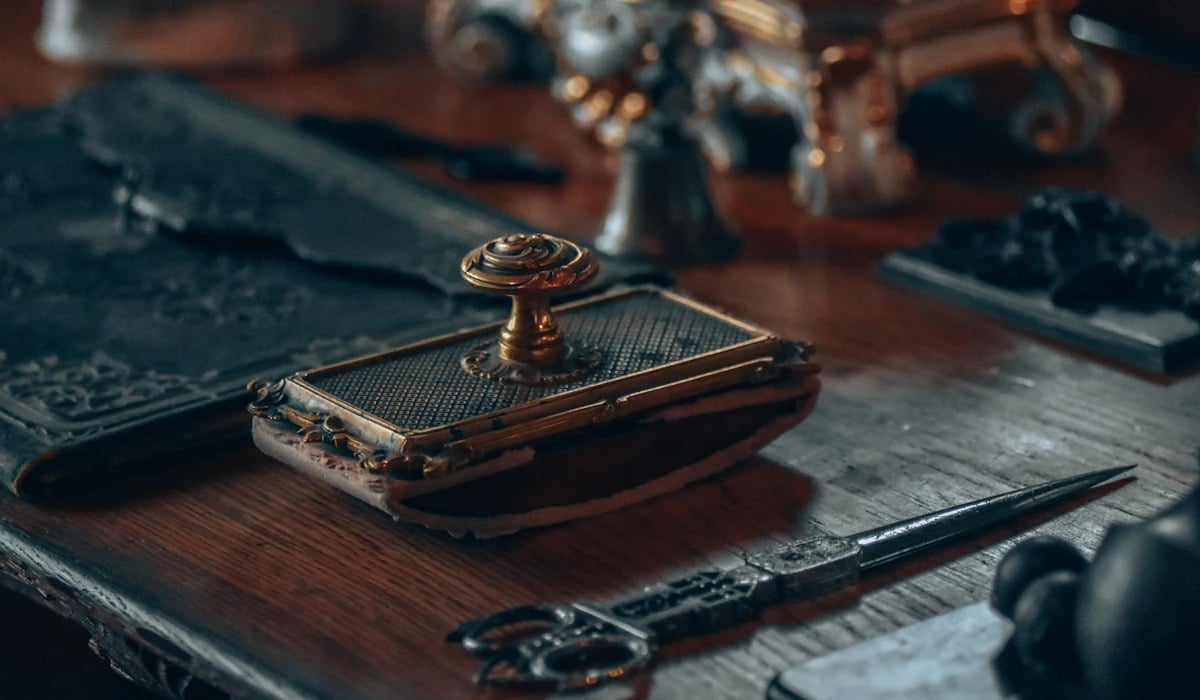
Hair removal was part of Egyptian grooming, although practices varied by period, occupation and social status. Priests went further and shaved their entire bodies every few days to stay ritually pure, a habit Herodotus reported to his Greek readers.
Toilet kits containing razors with curved blades, whetstones and small tweezers were buried with their owners, and the blades were resharpened rather than thrown away. Sugaring, the method of pulling hair with a sticky paste of sugar and lemon still used in salons across the Middle East, is sometimes associated with ancient Middle Eastern beauty practices, but its precise origins are difficult to establish.
Scented Wax Cones on the Head
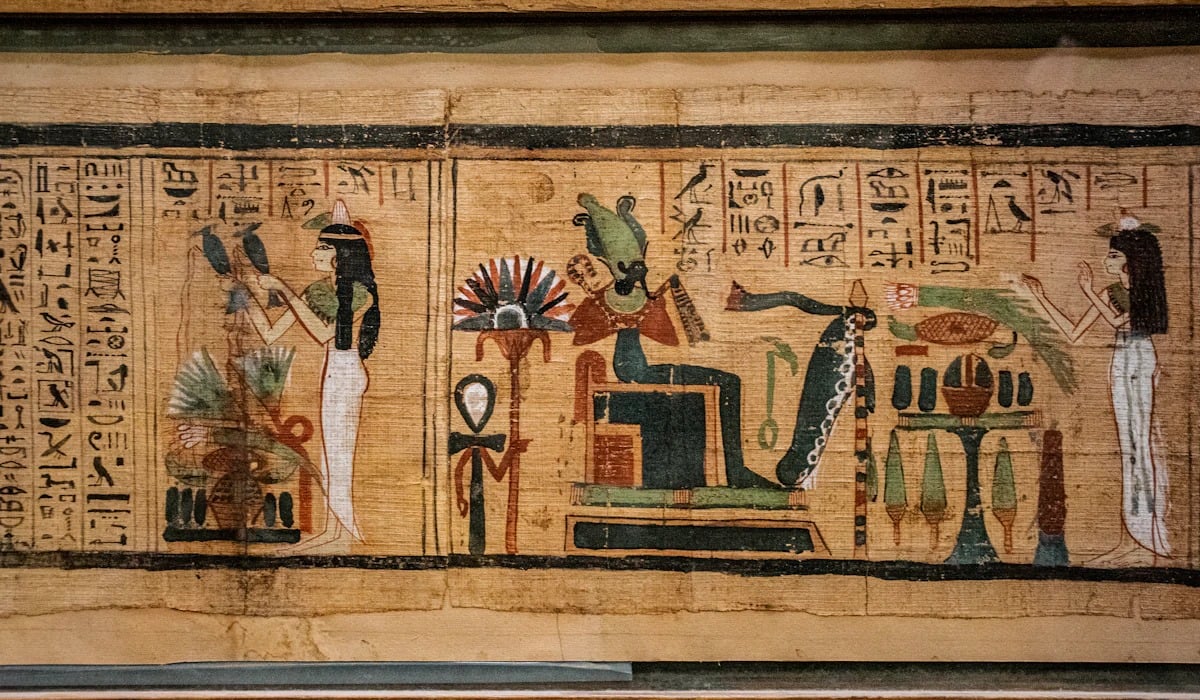
Banquet scenes from the New Kingdom show guests wearing small cones on top of their wigs, and for a long time scholars debated whether the cones were real objects or an artistic shorthand for being perfumed. In 2019, researchers published evidence of two actual head cones found in burials at Amarna.
Analysis showed that they were made primarily of biological wax. The cones’ precise function remains uncertain.
They may have had a symbolic or ritual role connected with rebirth, fertility or the desire to look one’s best in the afterlife; the evidence does not establish that they were worn by the living to release perfume throughout a banquet. Both burials came from a cemetery of ordinary people rather than courtiers, showing that such objects were not necessarily restricted to the elite.
Hand Mirrors of Polished Bronze
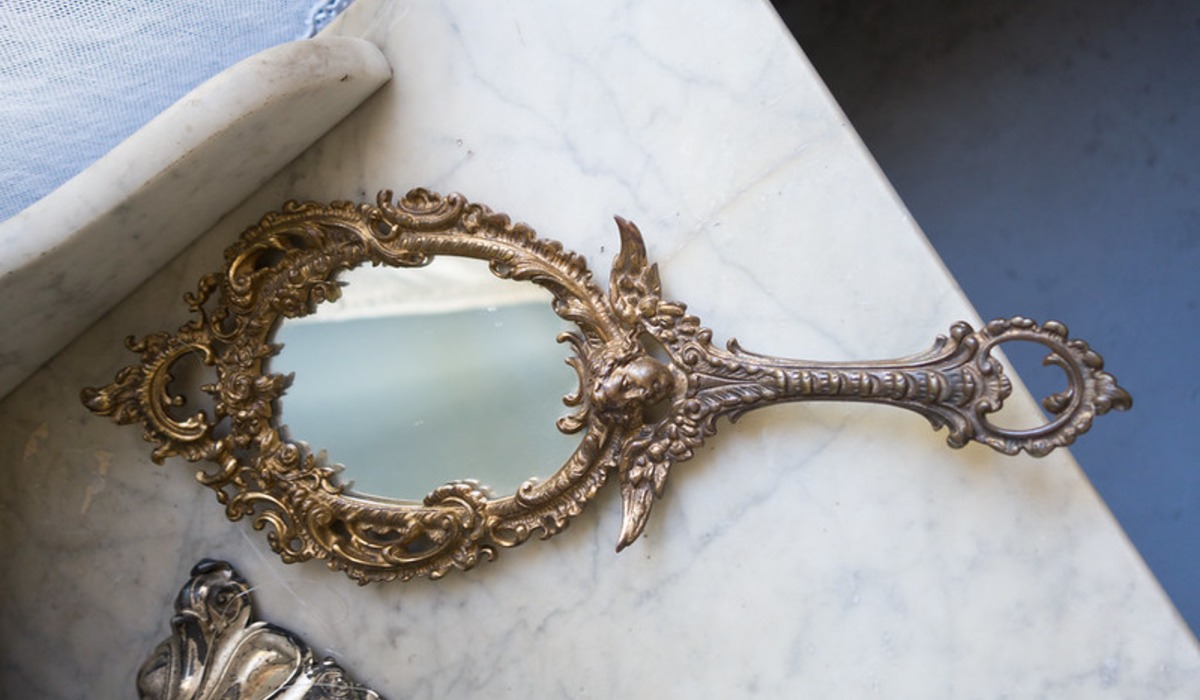
Egyptians checked their makeup in hand mirrors of polished copper or bronze, round discs that caught the light like a small sun. The handles were often carved as a papyrus stalk, a slender girl or the head of the goddess Hathor, who looked after beauty and pleasure.
Mirrors appear in tomb paintings held up by servants while a woman has her hair done, a scene that reads like any modern salon chair. A cosmetic box from the Middle Kingdom might hold a mirror, kohl tubes, a comb and an applicator together, much like a travel makeup bag.
Polished metal needed constant buffing to stay reflective, so the mirror came with its own maintenance routine.
Pierced Ears on Men and Women
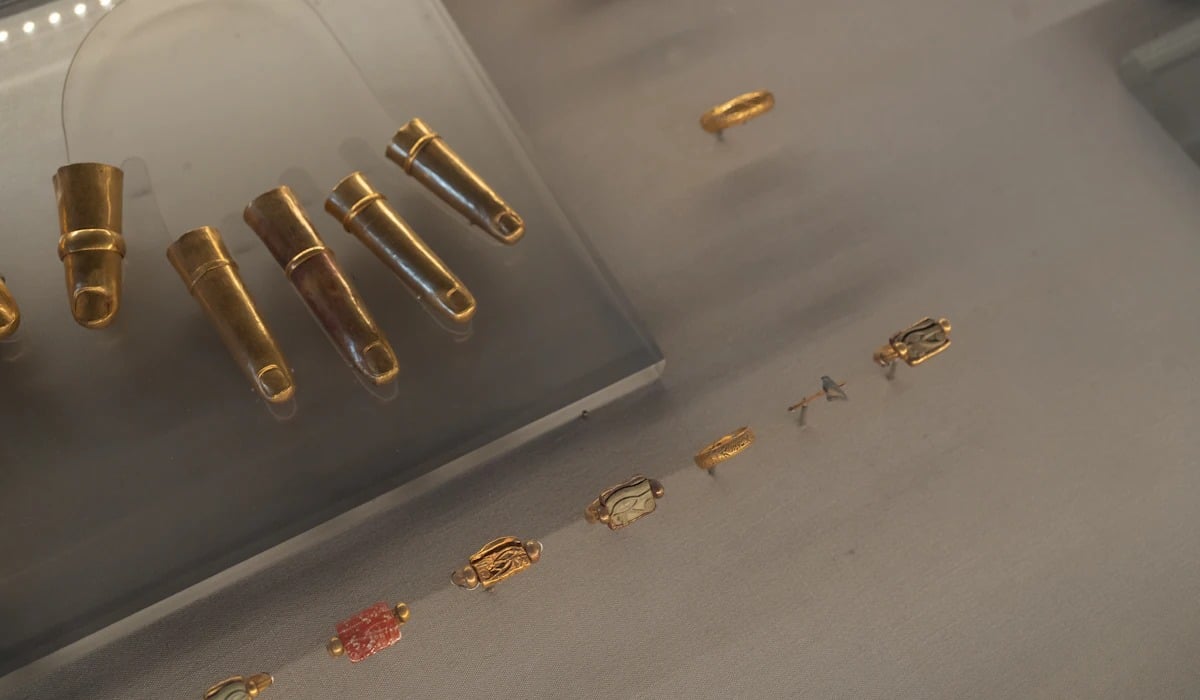
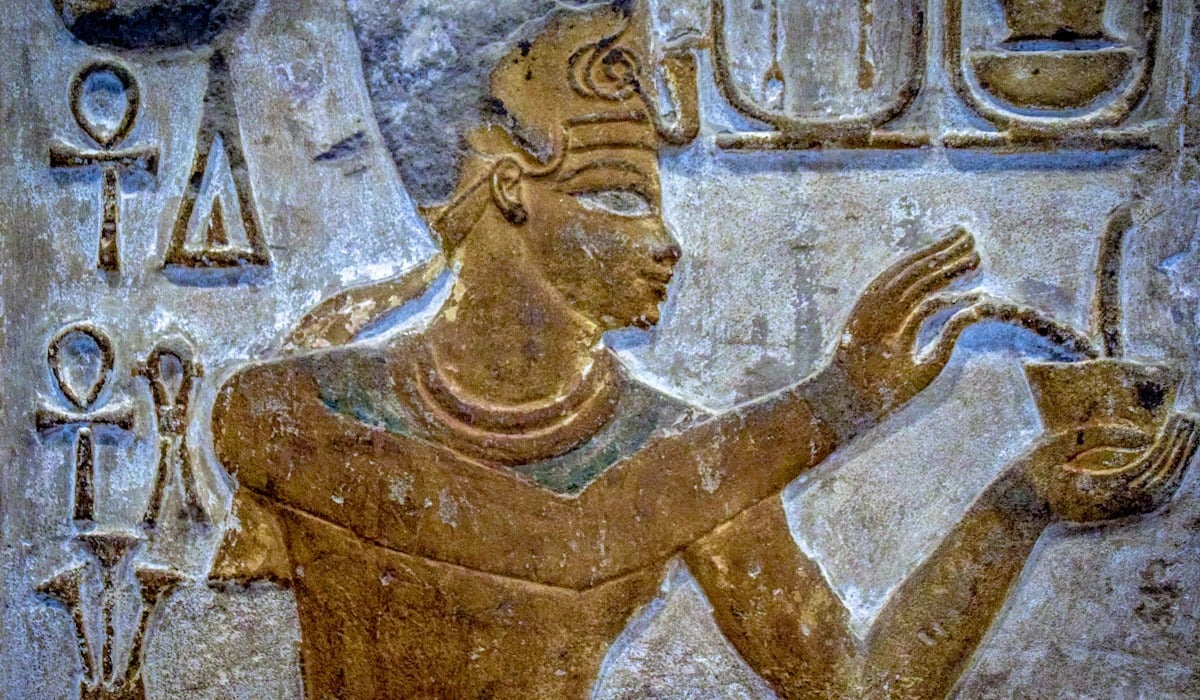
Earrings came into fashion in Egypt early in the New Kingdom, and they were not limited to women. Tutankhamun’s mummy has pierced earlobes, and earrings were found among the objects in his tomb.
The openings in his lobes were wide enough to take thick posts, although the details of his piercing history are difficult to reconstruct. Adult men in paintings from the same period are shown with hoops and discs in their ears, and later rulers were depicted with pierced lobes even when they wore no jewelry.
Piercing practices varied, and the surviving evidence does not establish a universal age at which boys received piercings or whether men routinely stopped wearing earrings as adults.
Tattoos on the Gebelein Mummies
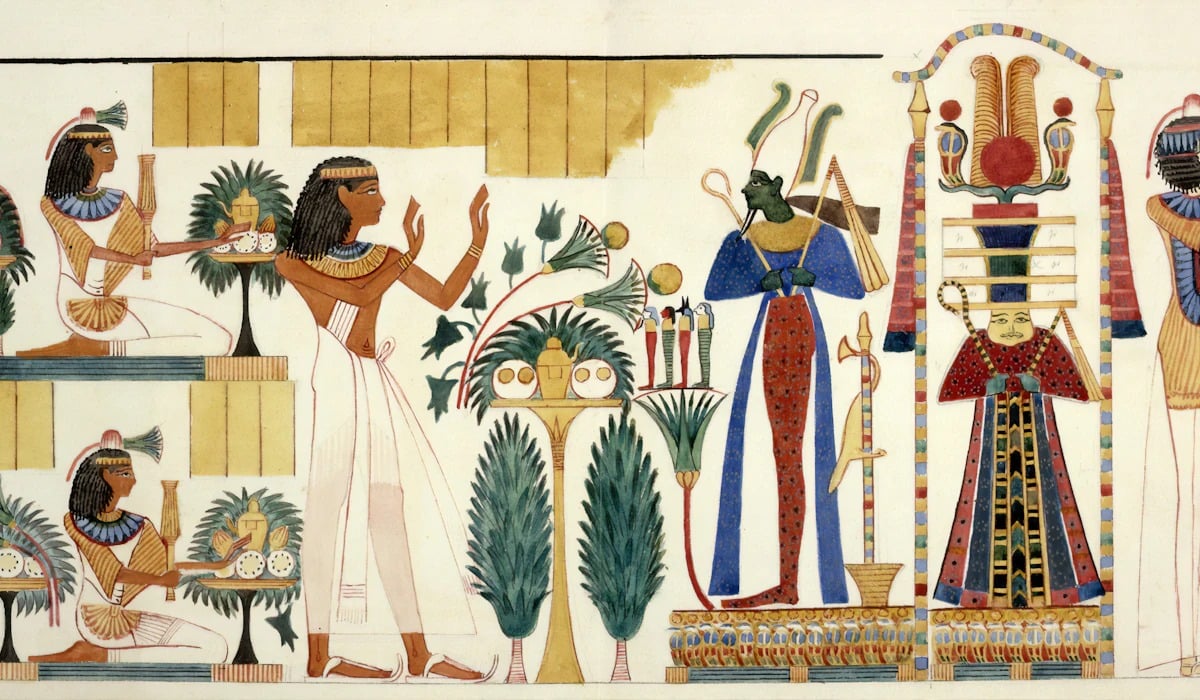
Two naturally preserved bodies from Gebelein in southern Egypt, held by the British Museum since the early twentieth century, were re-examined with infrared imaging in 2018. Dark smudges on the man’s upper arm turned out to be a wild bull and a Barbary sheep, and the woman carries a row of S-shaped marks across her shoulder along with a line on her arm.
Radiocarbon dating places both between roughly 3350 and 3000 BCE, making them the earliest known examples of figurative tattoos from the Nile Valley. The man’s animals are the sort of motifs found on pottery of the period, suggesting a connection between tattoo designs and the visual culture of prehistoric Egypt.
Tattooed Women of Deir el-Medina

Anne Austin, an archaeologist working at the workmen’s village of Deir el-Medina, identified in 2016 the mummified torso of a woman carrying about 30 tattoos. The designs include cows for the goddess Hathor across her arms, protective wadjet eyes on her neck and shoulders, and lotus blossoms on her hips.
Several would have been visible when she moved or raised her arms, so this was body art meant to be seen. Researchers have suggested that some of the imagery may have had religious or protective significance, rather than serving as decoration alone.
The needles and pigment have not survived, but the placement shows that the artist understood how skin stretches.
Fashion Sandals With Decorated Soles
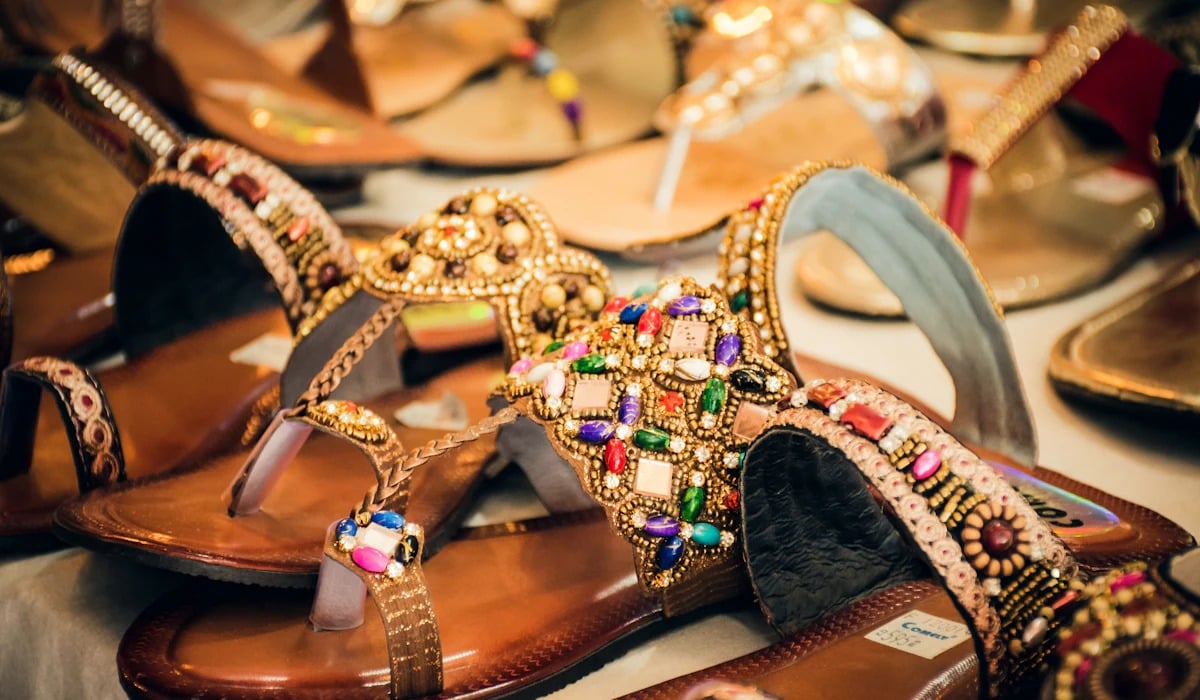
Egyptians went barefoot much of the time, but sandals of woven palm, papyrus and leather were worn for travel, for religious occasions and for show. Tutankhamun’s tomb held dozens of pairs, from plain reed slip-ons to elaborate examples finished in gold.
One pair has bound Asiatic and Nubian captives painted on the insoles, so the king walked on his enemies every time he put them on. André Veldmeijer, who cataloged the royal footwear, found that some sandals were strapped in ways that seem designed for a specific foot.
Status footwear chosen for the message it sent is hardly a modern invention.
Pleated Linen Pressed Into Shape
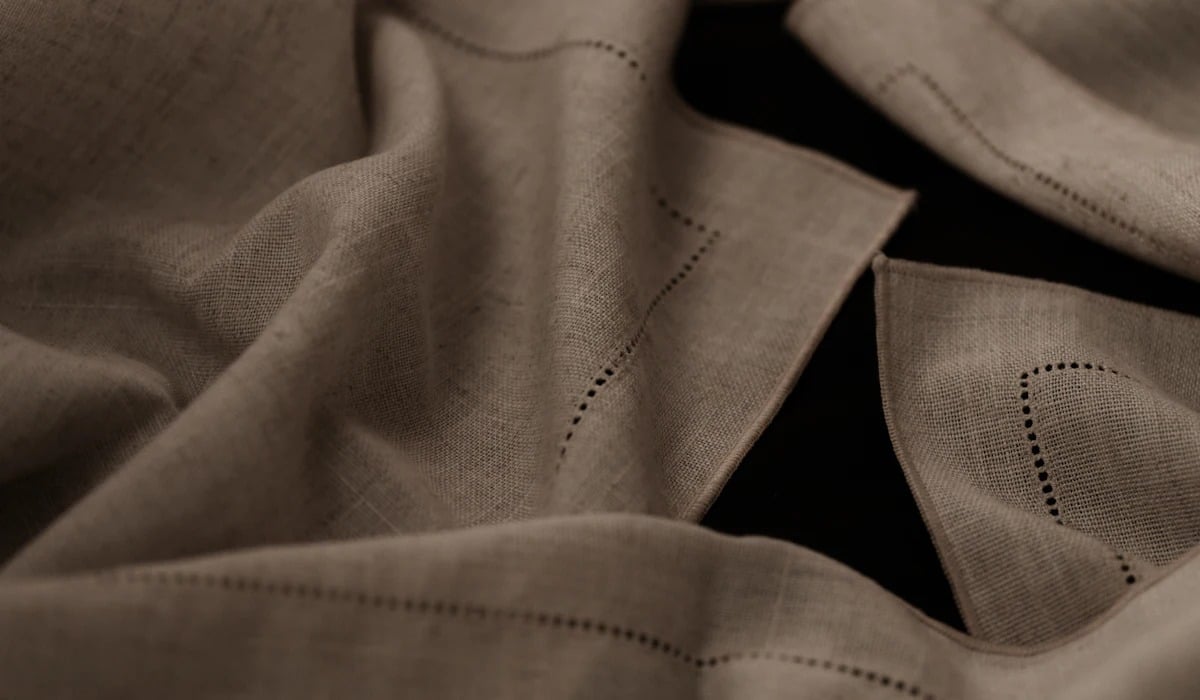
The Tarkhan Dress, a linen garment with a V neckline, tailored sleeves and narrow pleats, was found by Flinders Petrie in a cemetery south of Cairo and now belongs to the Petrie Museum at University College London. Radiocarbon dating published in 2016 placed it between roughly 3482 and 3102 BCE, making it the oldest known woven garment of its kind.
The pleats were carefully formed, and the sleeves were cut and sewn, showing that the garment involved skilled textile work. New Kingdom fashion took pleating much further, with full gowns of fine linen gathered into fans of tiny folds.
Cleaning and re-pleating such a dress was skilled work.
A Dog Named Abuwtiyuw Buried With Honors

A limestone slab found at Giza in 1935 by the American excavator George Reisner records the burial of a dog called Abuwtiyuw, apparently a royal guard dog from the Old Kingdom. The inscription says the king ordered the dog buried with a coffin, fine linen and incense, indicating that the animal received special treatment in death.
Other dogs in Egypt bore names that translate as Brave One, Reliable and even Useless, written on their collars and on tomb walls. Dogs appear on leashes in hunting scenes and lying under their owners’ chairs, exactly where modern dogs sit during dinner.
A Cat Named Ta-Miu With Her Own Coffin
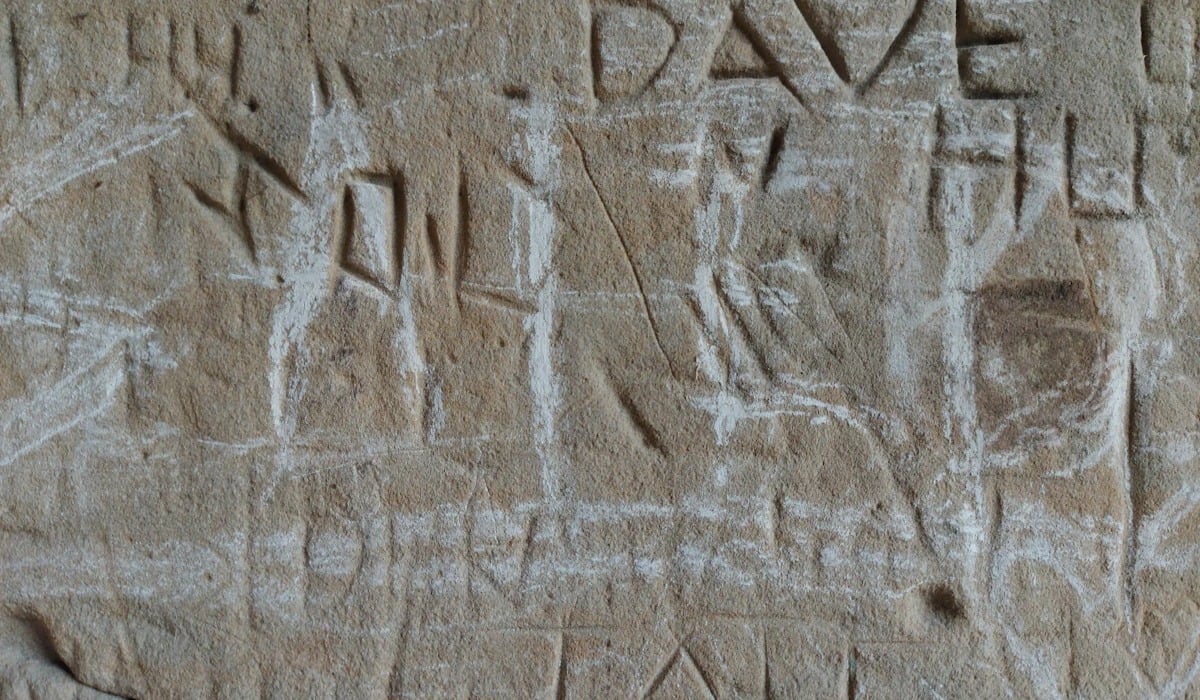
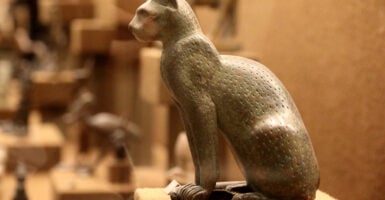
Prince Thutmose, the eldest son of Amenhotep III, commissioned a limestone sarcophagus for his cat Ta-Miu, whose name simply means “the female cat.” The coffin, now in the Egyptian Museum in Cairo, is carved with the same funerary formulas a human would receive, and the cat is shown seated before an offering table piled with food.
Cats first appear as household animals in Egyptian art during the Middle Kingdom, usually sitting under a woman’s chair or eating fish from a bowl. By the New Kingdom, they were sometimes shown wearing collars and jewelry.
Treating a pet as a member of the family with rights to a proper send-off has a long pedigree.
Senet Played at the Kitchen Table
Senet, a race game on a board of 30 squares, was played in Egypt for more than two thousand years by everyone from laborers to queens. Boards were carved into stone benches, painted on pottery and built as fine wooden boxes with drawers for the pieces.
Players moved according to throws of casting sticks or knucklebones, and a painting in the tomb of Queen Nefertari shows her seated at a board, playing alone against an unseen opponent. By the New Kingdom, the game had picked up religious meaning as a passage through the underworld, but earlier scenes show it as plain entertainment.
The rules are lost, and modern reconstructions remain educated guesses.
Beer and Bread as Daily Staples

Bread and beer were the basic ration of many workers, and wages were paid in grain that households turned into both. Beer was thick, nutritious and often unlike the clear, carbonated drinks familiar today; some varieties were closer to a liquid porridge than to a modern lager.
Beer was part of the diet, but its strength varied, and the evidence does not support a blanket claim that children routinely drank it in the same way as adults. The workmen building royal tombs at Deir el-Medina received grain allotments measured in sacks, and a note from the village lists absences because a man was busy brewing.
Bakeries at Giza turned out loaves in heavy ceramic molds to feed pyramid crews. A daily routine built around carbohydrates and a fermented drink is not far from a sandwich and a beer after work.
Sitting on Chairs at Tables
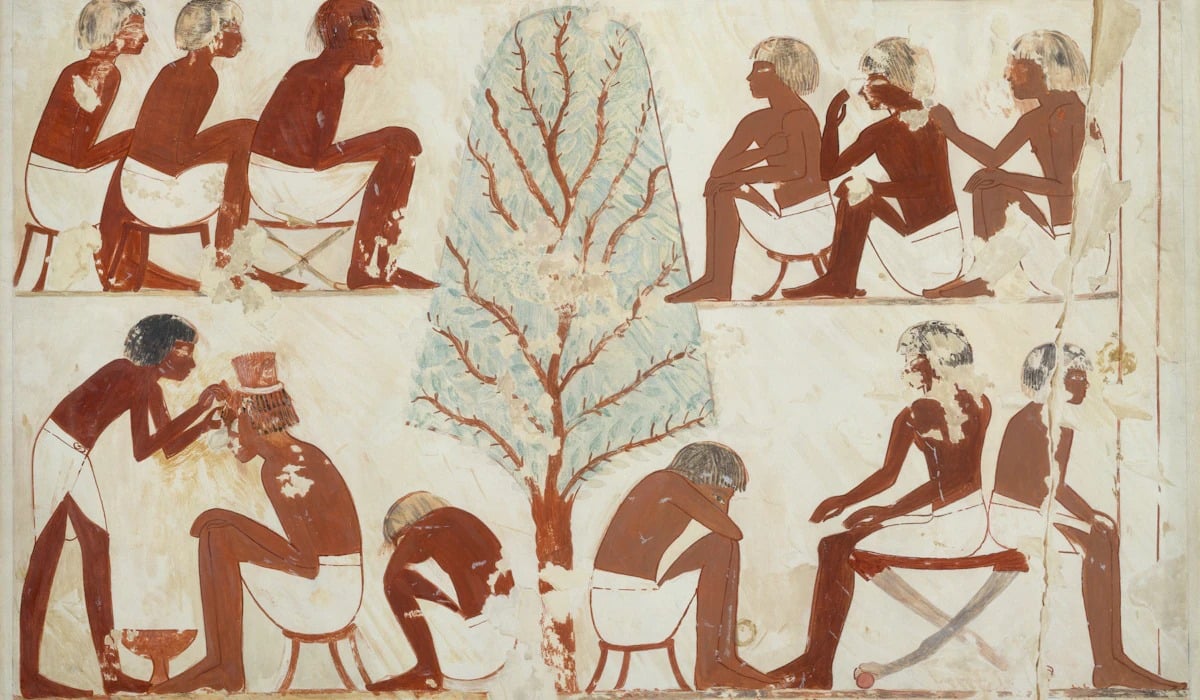
Most ancient peoples ate on the floor or reclined on couches, but Egyptians of means sat upright on chairs with woven rush seats and ate from small individual tables. Chairs with low backs, animal-shaped legs and cushions appear in tomb paintings from the Old Kingdom onward, and folding stools with leather seats were carried to the fields and to festivals.
Banquet scenes show guests on chairs with a servant pouring drinks and dishes set out on stands beside them. Poorer households used mats and three-legged stools.
The arrangement of a seated diner at a table with a plate in front of him is one of the clearest visual links between Egyptian and modern daily life.
Mosquito Nets on the Riverbank
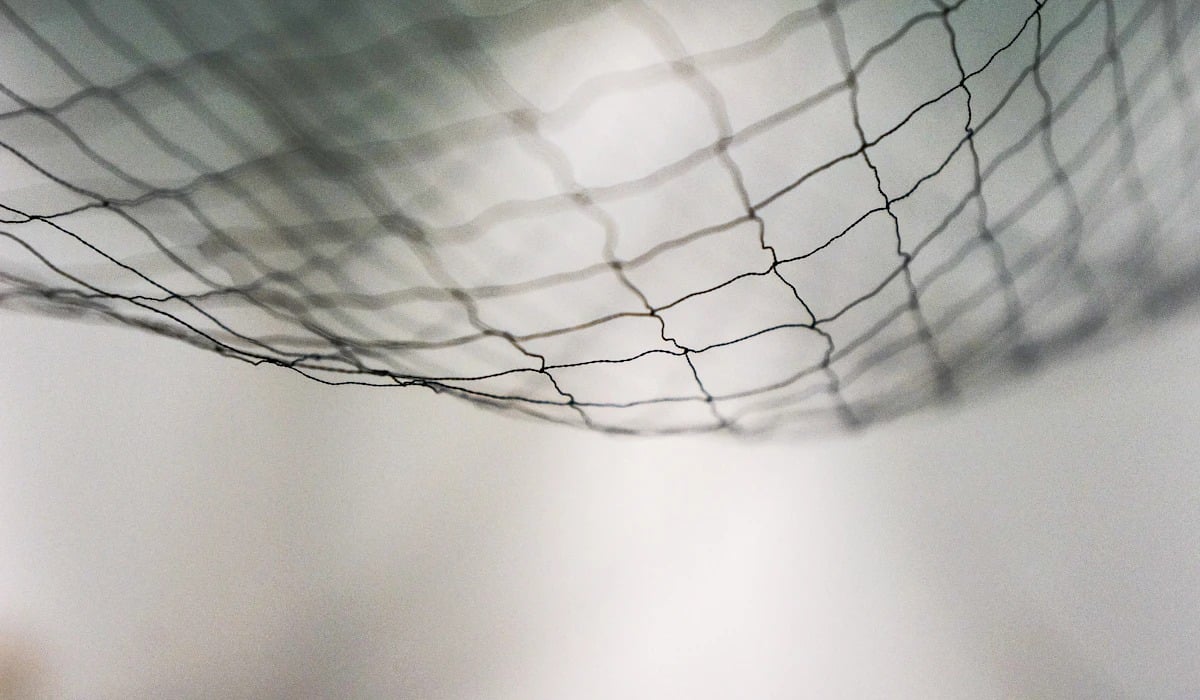
Herodotus, writing in the fifth century BCE, described how Egyptians living in the marshy north dealt with the clouds of mosquitoes that rose from the Nile every evening. People in the towers slept high up where the wind kept the insects away, while fishermen draped their casting nets over their beds and slept beneath them, since a mosquito would not bite through the mesh.
The Greek historian found this remarkable enough to record in detail, and modern readers will recognize the bed net immediately. His account offers an ancient description of a practical way to avoid insects, though it should be read as an observation by a Greek visitor rather than as proof that all marsh dwellers used the same method.
Attendance Records With Sick Days
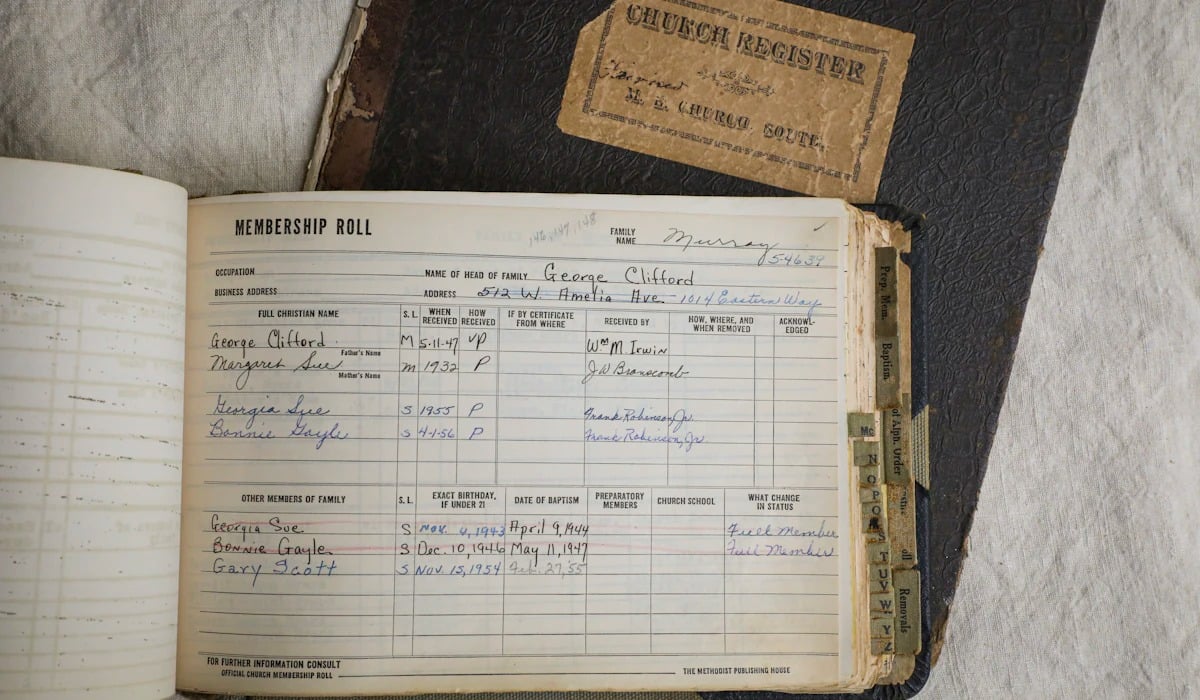
A limestone chip in the British Museum, written in year 40 of Ramesses II around 1250 BCE, lists the workmen of Deir el-Medina by name and records the days each one missed from building the royal tomb. The reasons are written beside the dates and include a scorpion sting, eye trouble, brewing beer, a wife’s menstruation, embalming a relative and simply being ill.
One man was off to build his own house. The register was kept by a scribe and checked by the foremen, so it worked as a timesheet and an administrative record of workers’ absences.
The entries show that illness, family responsibilities, religious observances and personal tasks could all be recorded as reasons for missing work.
Weekends and Festival Days

The workmen at Deir el-Medina followed a schedule that commonly involved eight working days followed by two days off. Religious festivals and other occasions could bring additional absences.
Work journals show the crew also staying home for personal celebrations and family reasons, as well as on days when individual workers were unable to report. The surviving records reveal a structured work routine with regular rest days, though it was not the same as a modern weekend or a system of paid leave in the contemporary sense.
Marriage Agreements and Divorce Terms
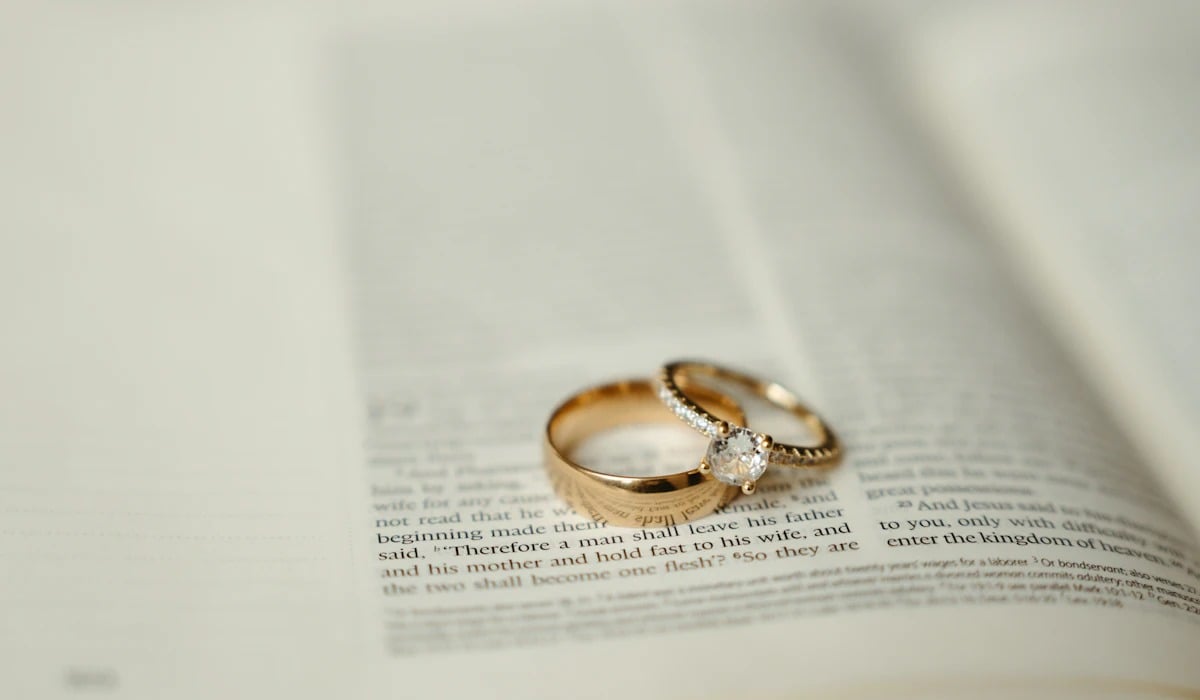
Egyptian marriage did not necessarily require a formal religious ceremony, and surviving documents show that couples sometimes used written agreements to set out financial arrangements. Documents from the Late Period and Ptolemaic era record property and support obligations, including provisions for food, clothing or payments if a marriage ended.
Women could own property in their own right, although the terms of marriage and divorce varied with period and circumstance. The paperwork can look a good deal like a modern prenuptial agreement, but the legal systems and social expectations were different.
A Woman’s Will That Cut Out Her Children

Naunakhte, a woman of Deir el-Medina, appeared before the village court in year 3 of Ramesses V, around 1145 BCE, to declare how her property would be divided after her death. She had eight children, and she stated that several of them had failed to look after her in old age, so they would receive nothing from her own estate, though they would still inherit from their father.
The court recorded the declaration on papyrus and witnessed it formally. The document shows a woman owning property in her own right, making decisions about her estate and using the legal process to favor the children who had cared for her.
Love Poems About the Girl Next Door
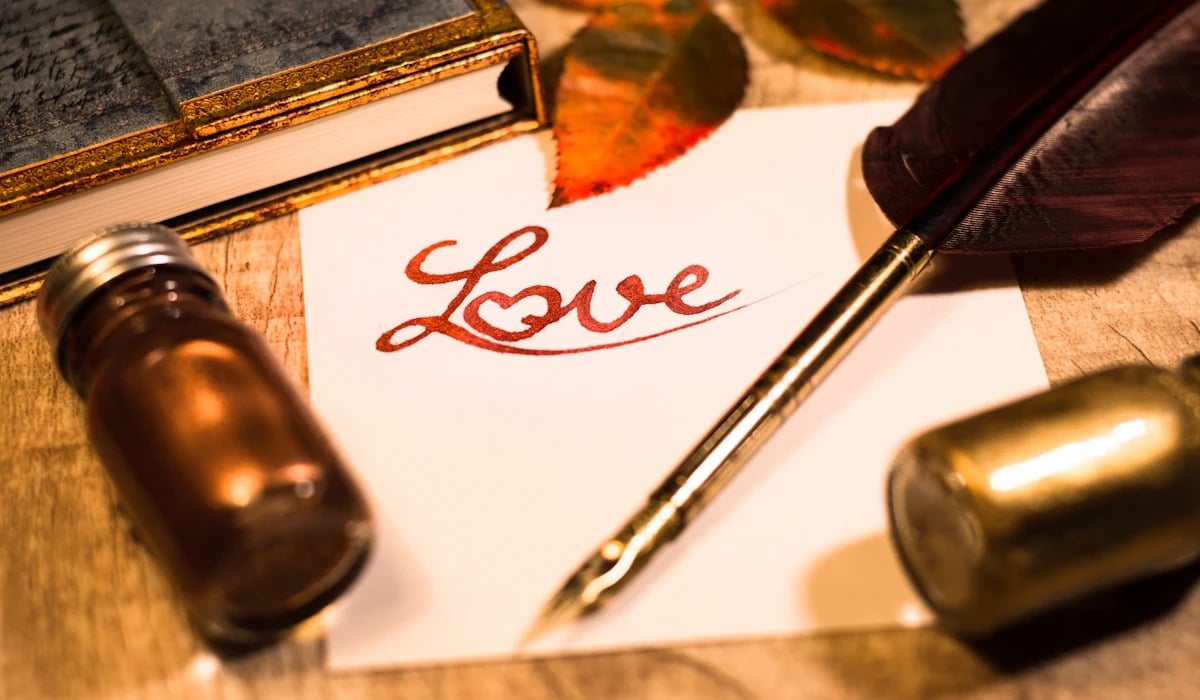
New Kingdom papyri preserve collections of love songs in which the speakers call each other “brother” and “sister,” terms of affection rather than kinship. The Chester Beatty love songs and Papyrus Harris 500, both now in London, contain poems in which lovers describe longing, attraction and the discomfort of being apart.
Some poems portray lovesick speakers who struggle to eat, sleep or carry out ordinary tasks because of their feelings. The settings are gardens, river crossings and the doorway of a house.
These were probably performed or recited, though the exact contexts of their use are not always certain. Lovesick teenagers writing verse about longing and awkwardness are, it turns out, a very old phenomenon.
Letters Written to Dead Relatives

Egyptians who felt wronged, haunted or simply lonely wrote letters to deceased family members and left them at the tomb, often inked on a pottery bowl that could hold an offering of food. A small number of these letters survive, running from the Old Kingdom through the New Kingdom, and they ask the dead to intervene in disputes over inheritance, to stop tormenting the living or to speak up in the court of the afterlife.
One widower complains that his dead wife is causing him misfortune even though he treated her well in life. The impulse to keep talking to someone after they are gone, and to put it in writing, is deeply human.
Dream Dictionaries Kept at Home
Papyrus Chester Beatty III, found at Deir el-Medina and now in the British Museum, is a dream book written in the reign of Ramesses II and later owned by the scribe Qenherkhepshef. It lists more than a hundred dreams in columns, each marked good or bad, with a short interpretation.
The interpretations range from predictions of good fortune to warnings of misfortune. The book belonged to a private library that also held poems and medical texts, and it passed down through the family for generations.
Readers today thumbing through a dream dictionary are repeating a habit at least 3,200 years old.
Wrestling Matches Painted at Beni Hasan
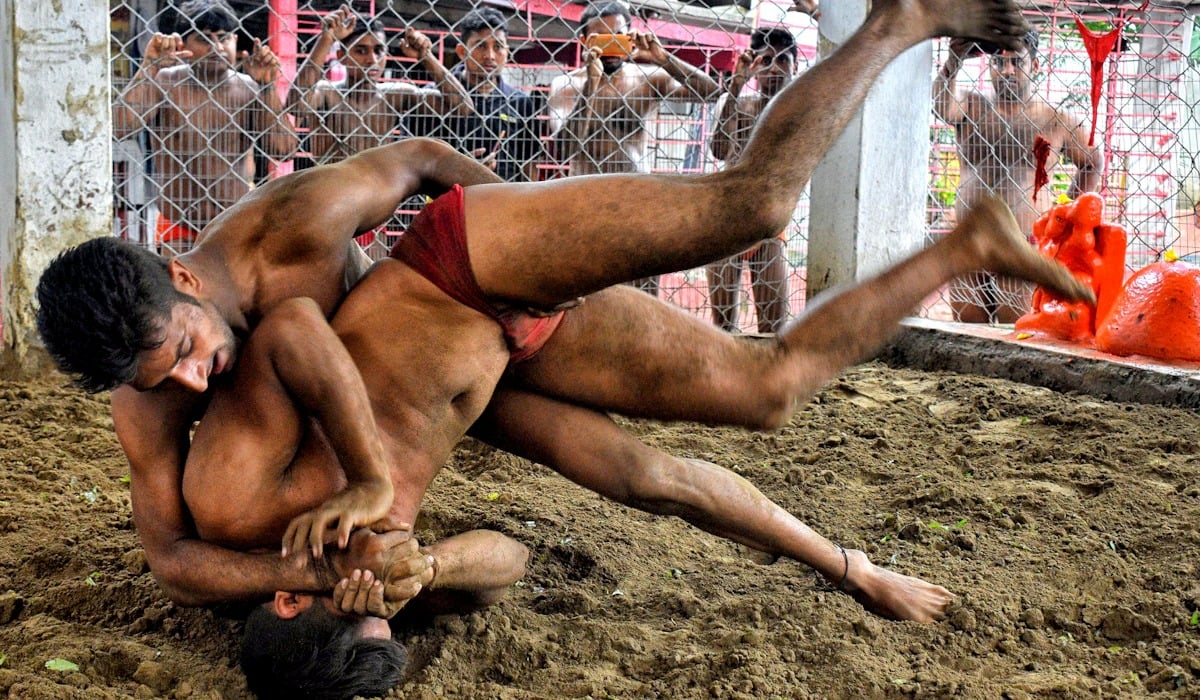
The rock-cut tombs at Beni Hasan in Middle Egypt, dug for provincial governors around 2000 BCE, carry walls covered with wrestlers. The tomb of Baqet III alone shows numerous pairs of men locked in holds, painted in contrasting skin tones so the viewer can follow each move from grip to throw.
The sequence reads like a modern coaching manual or a flip book of a match. Other walls at the site show stick fighting, acrobatics, weightlifting with sandbags and games played with hoops and knucklebones.
Organized sport with recognizable techniques was clearly part of life, and the artists expected viewers to know the moves.
Hunting in the Marshes for Fun
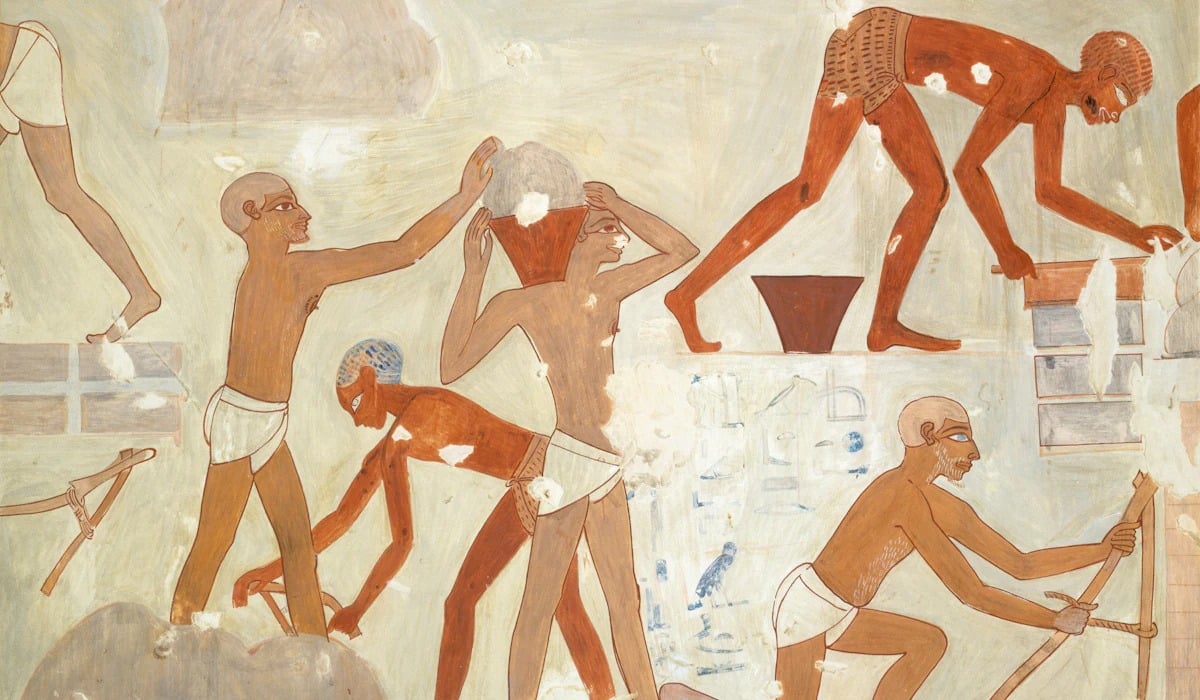
Nebamun, an official who died around 1350 BCE, had his tomb chapel at Thebes painted with a scene of himself standing in a papyrus skiff, throwing stick raised, surrounded by birds, fish and a family cat that has joined the hunt. The painting, now in the British Museum, shows his wife in a fine pleated dress and his daughter crouched between his legs, placing the family within a carefully composed scene of leisure and prosperity.
Although the image is not a straightforward record of an ordinary outing, it reflects the importance of hunting and marshland activities in elite Egyptian imagery. Similar scenes appear in many tombs of the period, where fishing with a spear and fowling with a throwing stick stand in for leisure and good living.
Mirrors Held Up to the Present
Every habit on this list turns up in a burial or a painting because someone thought it worth preserving, and the choices tell their own story. People wanted to be remembered with their makeup on, their hair done, their pets beside them and their games within reach.
The grand monuments were built for kings, but the small objects were kept for everyone.
Modern life likes to think of itself as a break with the past, and in technology that is largely true. In the matter of vanity, comfort, affection and time off, the people of the Nile valley had already developed customs that can feel surprisingly familiar today.
The distance between a kohl tube and a mascara wand is about three thousand years and almost nothing else.
More from Go2Tutors!

- The Romanov Crown Jewels and Their Tragic Fate
- 13 Historical Mysteries That Science Still Can’t Solve
- Famous Hoaxes That Fooled the World for Years
- 15 Child Stars with Tragic Adult Lives
- 16 Famous Jewelry Pieces in History
Like Go2Tutors’s content? Follow us on MSN.