Best Countries to Store Your Wealth
Money has always needed a safe place to live. Whether someone runs a business, works overseas, or simply wants to protect what they’ve earned, finding the right country to store wealth matters more than ever.
Different nations offer different advantages, from strong banking systems to favorable tax laws, and picking the right one can make a real difference in how much wealth stays protected over time. Let’s walk through some of the top places people turn to when they want their money in good hands.
Switzerland

Switzerland didn’t become famous for banking by accident. The country built its reputation over centuries by keeping client information private and maintaining one of the most stable economies in the world.
Swiss banks offer multiple currency accounts, which means wealth doesn’t have to sit in just one type of money. The Swiss franc itself has stayed strong through wars, recessions, and all kinds of global chaos.
Banking regulations there are strict, which actually works in favor of account holders since it means fewer chances of fraud or collapse.
Singapore
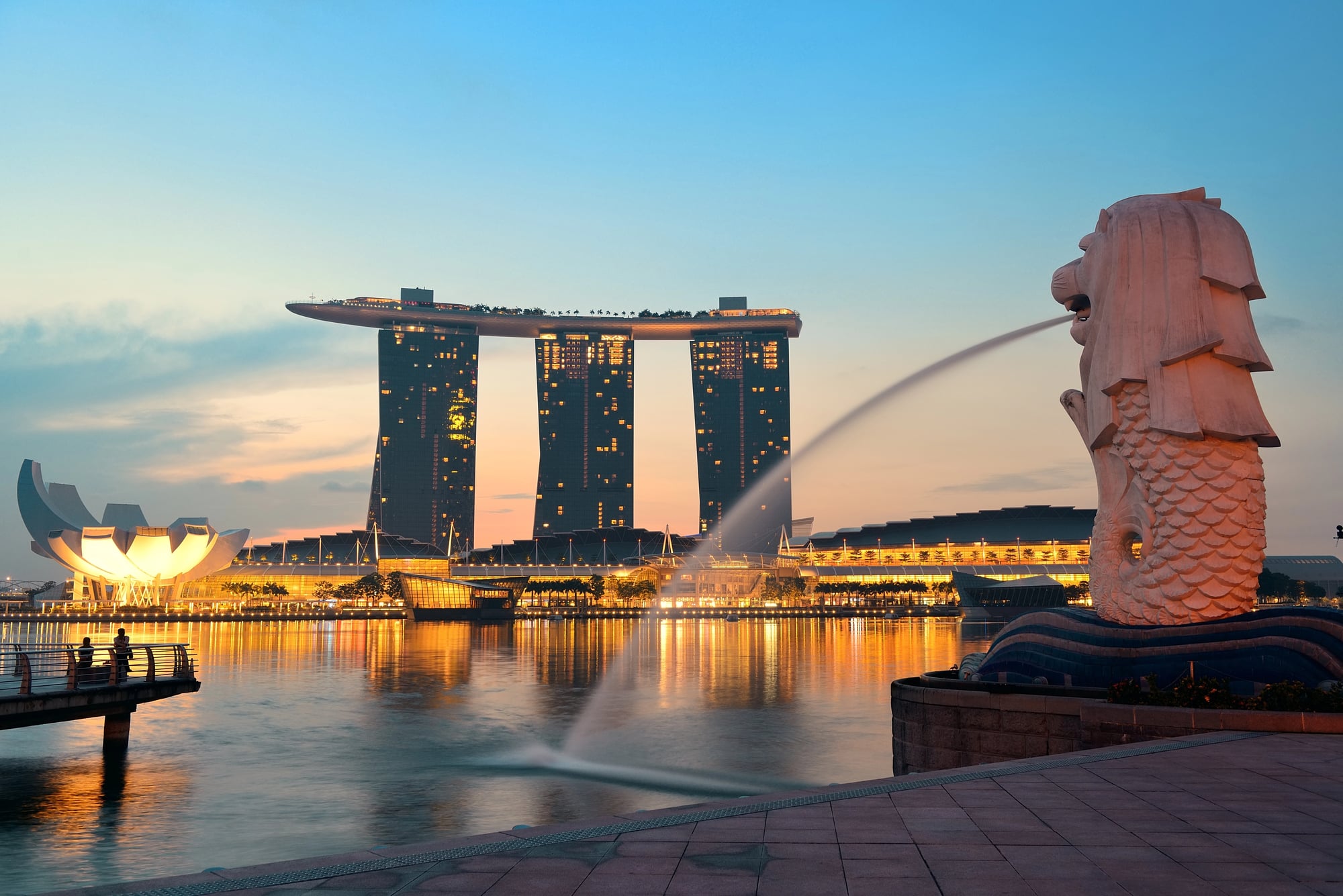
Singapore transformed from a small port city into a global financial powerhouse in just a few decades. The government keeps corruption extremely low, and the legal system protects property rights with serious commitment.
Banks in Singapore use cutting-edge technology for security, and the country’s location makes it a perfect bridge between Eastern and Western markets. Tax rates on certain types of income remain quite reasonable, and the political climate stays remarkably stable year after year.
English is widely spoken, which makes banking easier for people from many countries.
United Arab Emirates
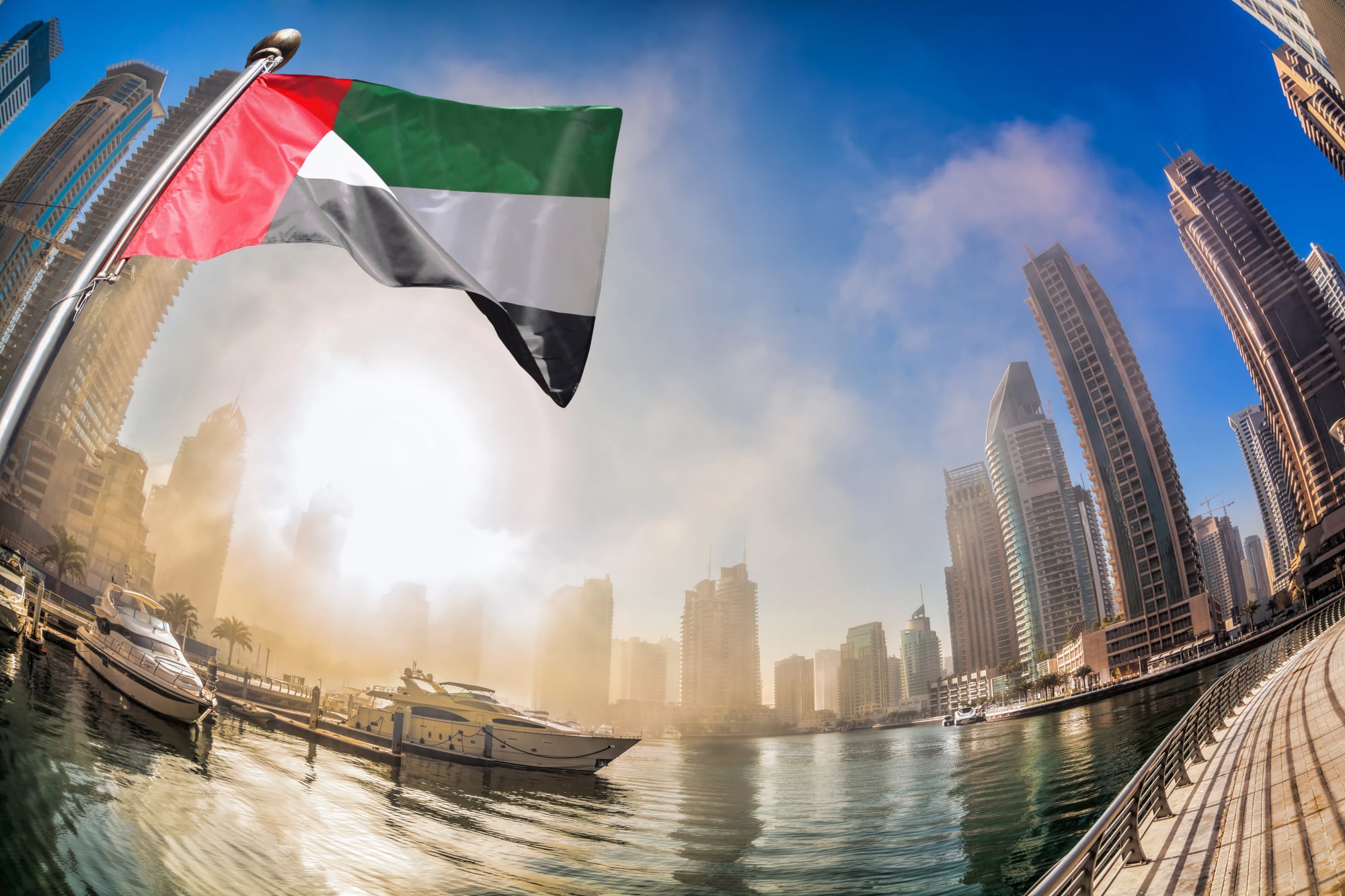
Dubai and Abu Dhabi have become magnets for international wealth over the past twenty years. The UAE offers zero personal income tax, which immediately catches attention.
Banks there cater specifically to high-net-worth individuals with services that go beyond basic accounts. The government has poured massive resources into making the financial sector modern and secure.
Real estate in the UAE also provides another option for storing wealth, with property laws that allow foreigners to own assets in designated areas. Political stability in the region, particularly in the UAE itself, gives people confidence about the long term.
Luxembourg
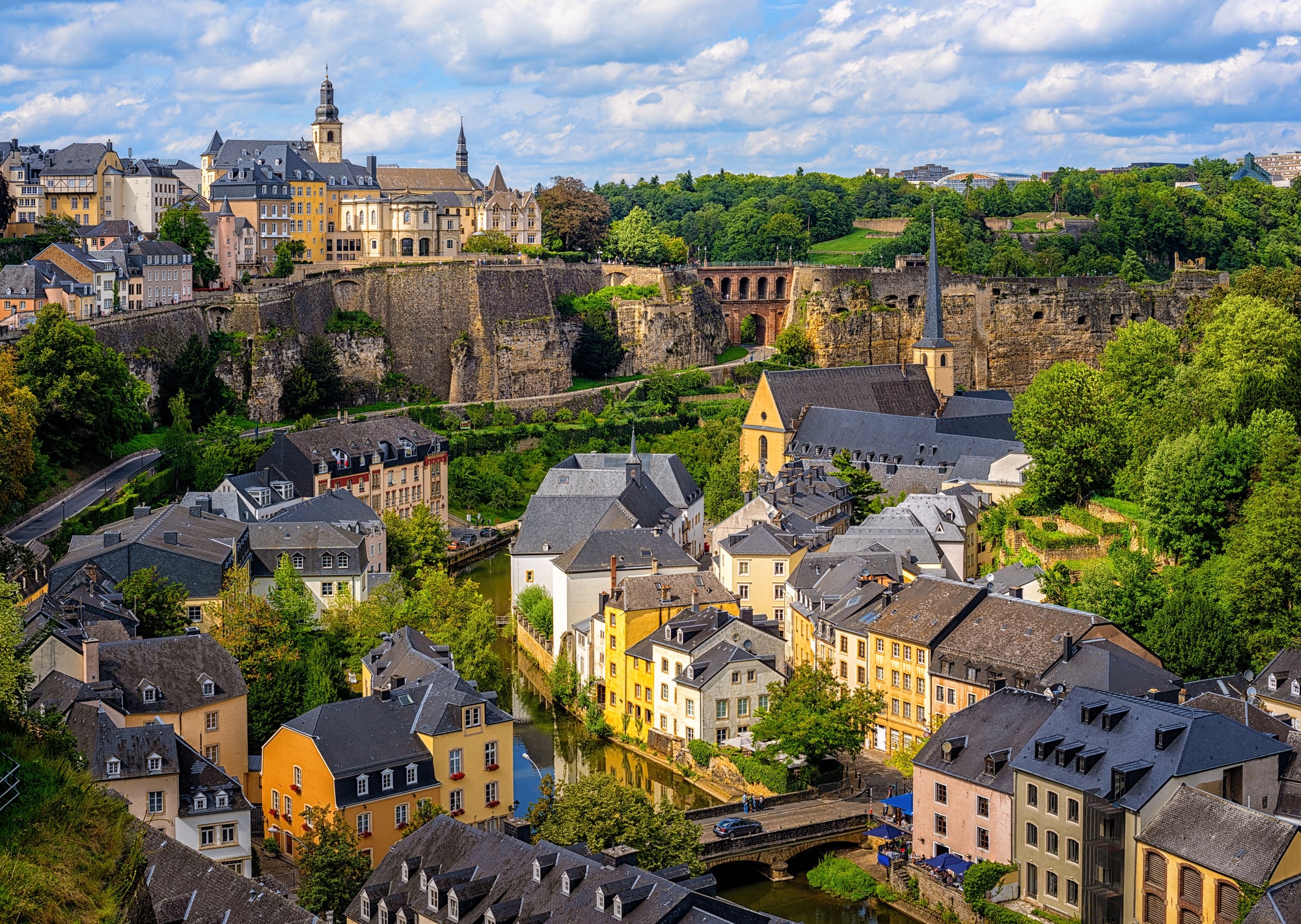
This tiny European nation punches way above its weight in banking. Luxembourg has created laws specifically designed to attract international wealth while staying fully compliant with European Union regulations.
The country hosts hundreds of investment funds and private banks that specialize in managing assets for people from all over the world. Privacy protections are strong, though not as extreme as they once were due to international pressure for transparency.
The economy remains diverse and healthy, not dependent on just one industry. Luxembourg’s location in the heart of Europe makes accessing other markets straightforward.
Cayman Islands
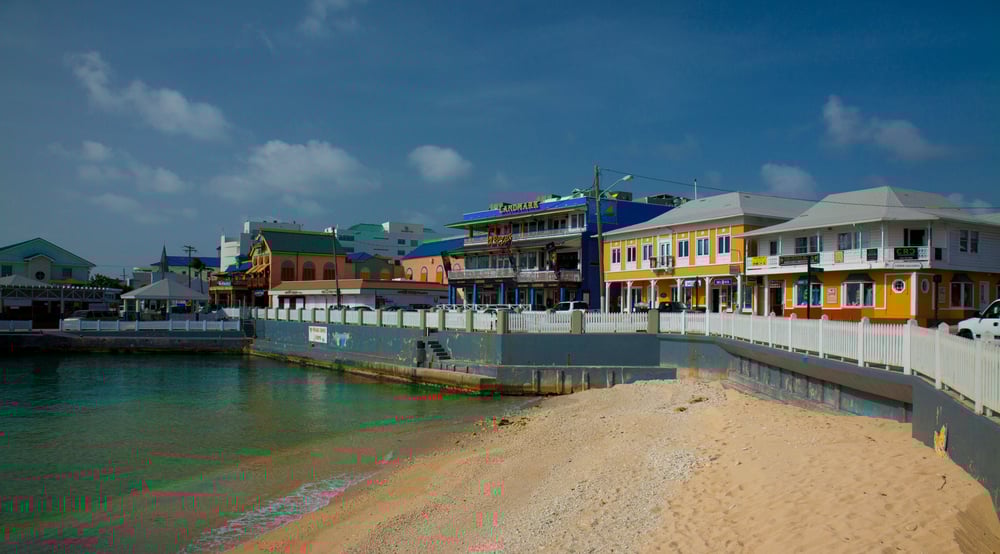
The Caymans have built an entire economy around financial services. No direct taxation on income, capital gains, or inheritance makes the islands incredibly attractive for wealth storage.
The legal system follows British common law, which many international investors understand and trust. Hundreds of banks and thousands of investment funds operate from these islands.
The government maintains strict regulations to prevent money laundering while still offering privacy for legitimate wealth. Hurricane risks do exist, but banks there have robust disaster recovery systems that keep accounts safe even during major storms.
Monaco
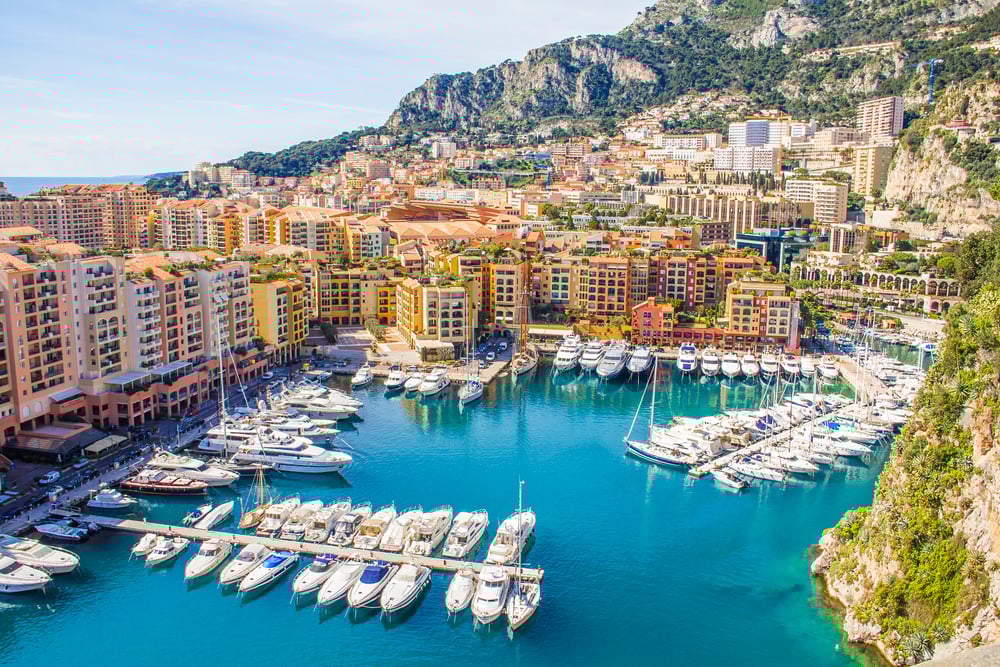
Living in Monaco might sound like something only billionaires do, but the principality welcomes anyone with substantial assets. The country charges zero income tax for residents, though real estate costs stay sky high.
Monaco’s banking sector focuses on private wealth management with personalized service. The French connection provides additional stability since France essentially guarantees Monaco’s security.
Crime rates sit remarkably low, and the government works hard to maintain the country’s reputation as a safe haven. The Mediterranean lifestyle doesn’t hurt either, though that’s more of a bonus than a financial benefit.
New Zealand

New Zealand might seem like an unusual choice, but wealthy individuals have been looking at it more seriously in recent years. The country sits far from most global conflicts and has a stable democracy with clear property rights.
Banking regulations follow international standards, and the legal system operates transparently. New Zealand also offers residency programs for investors who bring substantial capital into the country.
The economy stays diversified across agriculture, technology, and services. Natural disasters like earthquakes do happen, but building codes are strict and insurance markets function well.
Germany

Germany’s economy is the largest in Europe and has weathered multiple crises while maintaining strength. German banks are known for being conservative and well-capitalized, which means less risk of sudden failures.
The country follows EU banking regulations, which provide solid consumer protections. Interest rates might not be exciting, but stability often matters more than returns when protecting wealth.
Germany’s manufacturing base and export strength give the economy a solid foundation. The culture values saving and careful financial planning, which influences how banks operate.
Norway
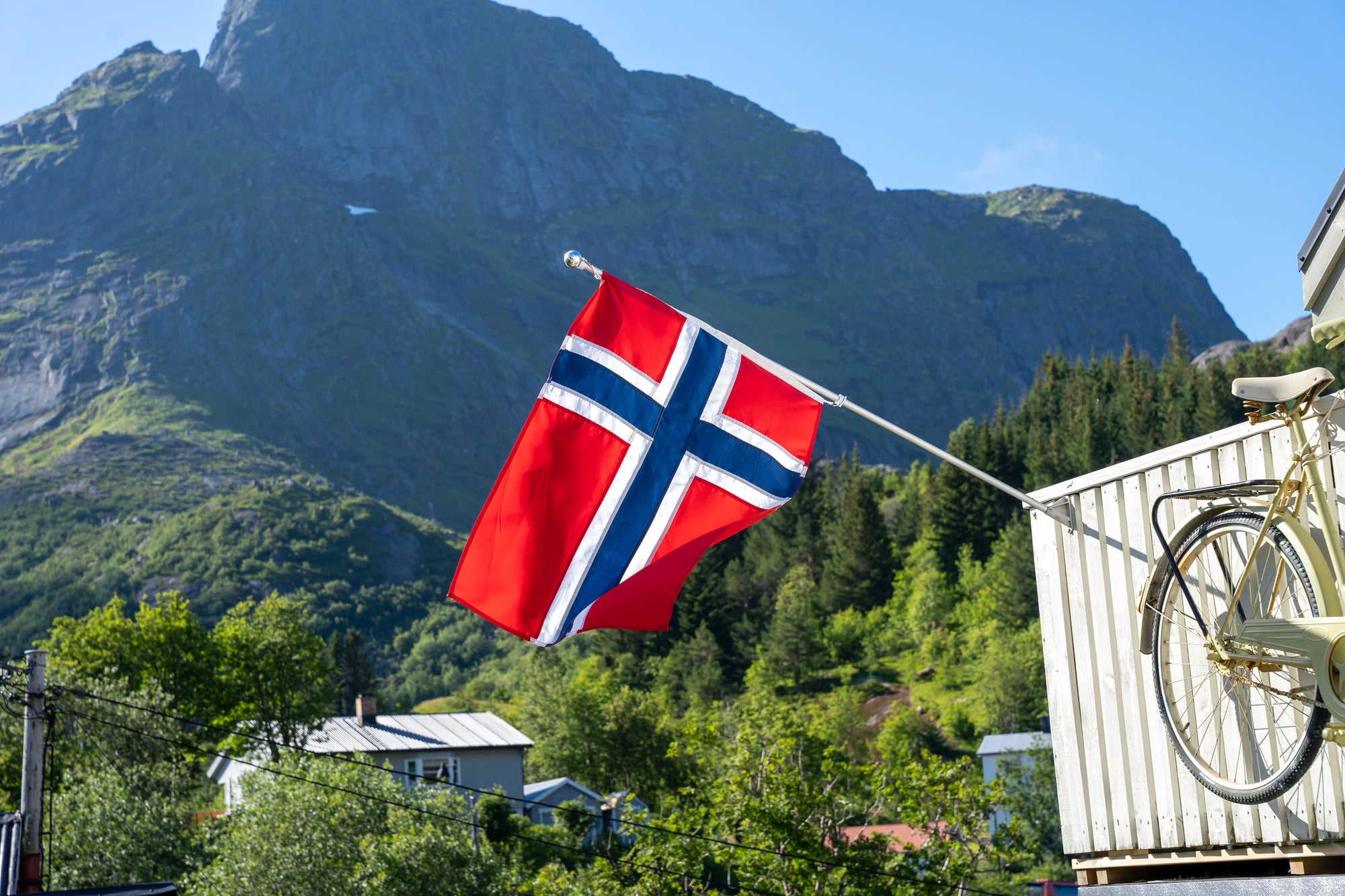
Norway manages its oil wealth through one of the largest sovereign wealth funds on the planet. The country’s banking system reflects the same careful management approach.
Corruption barely exists, and government institutions function with remarkable transparency. Norwegian banks offer strong digital security and modern services.
The currency stays relatively stable, backed by enormous natural resource reserves. Tax rates are high, which discourages many from becoming residents, but non-resident accounts still benefit from the country’s financial stability.
The government pension fund’s success shows Norway knows how to protect and grow money over decades.
Ireland
Ireland transformed itself from an agricultural economy into a tech and financial hub. Major international corporations base their European operations there, which brings money and stability.
Irish banks rebuilt themselves after the 2008 crisis and now operate under strict EU oversight. The English-speaking environment makes banking accessible for many nationalities.
Tax structures have made Ireland controversial in some circles, but those same structures attract billions in legitimate business activity. The country’s EU membership provides access to the broader European market while maintaining some independence in financial policy.
Hong Kong

Hong Kong operates under its own legal and financial system despite being part of China. The city has served as Asia’s premier financial center for generations.
Banks there offer accounts in multiple currencies with relatively low fees. Property rights remain protected under the ‘one country, two systems’ framework, though recent political changes have made some people nervous.
The Hong Kong dollar pegs to the US dollar, providing currency stability. Time zone placement makes Hong Kong perfect for doing business with both Asian and Western markets.
The financial services industry is massive, sophisticated, and deeply experienced.
Canada
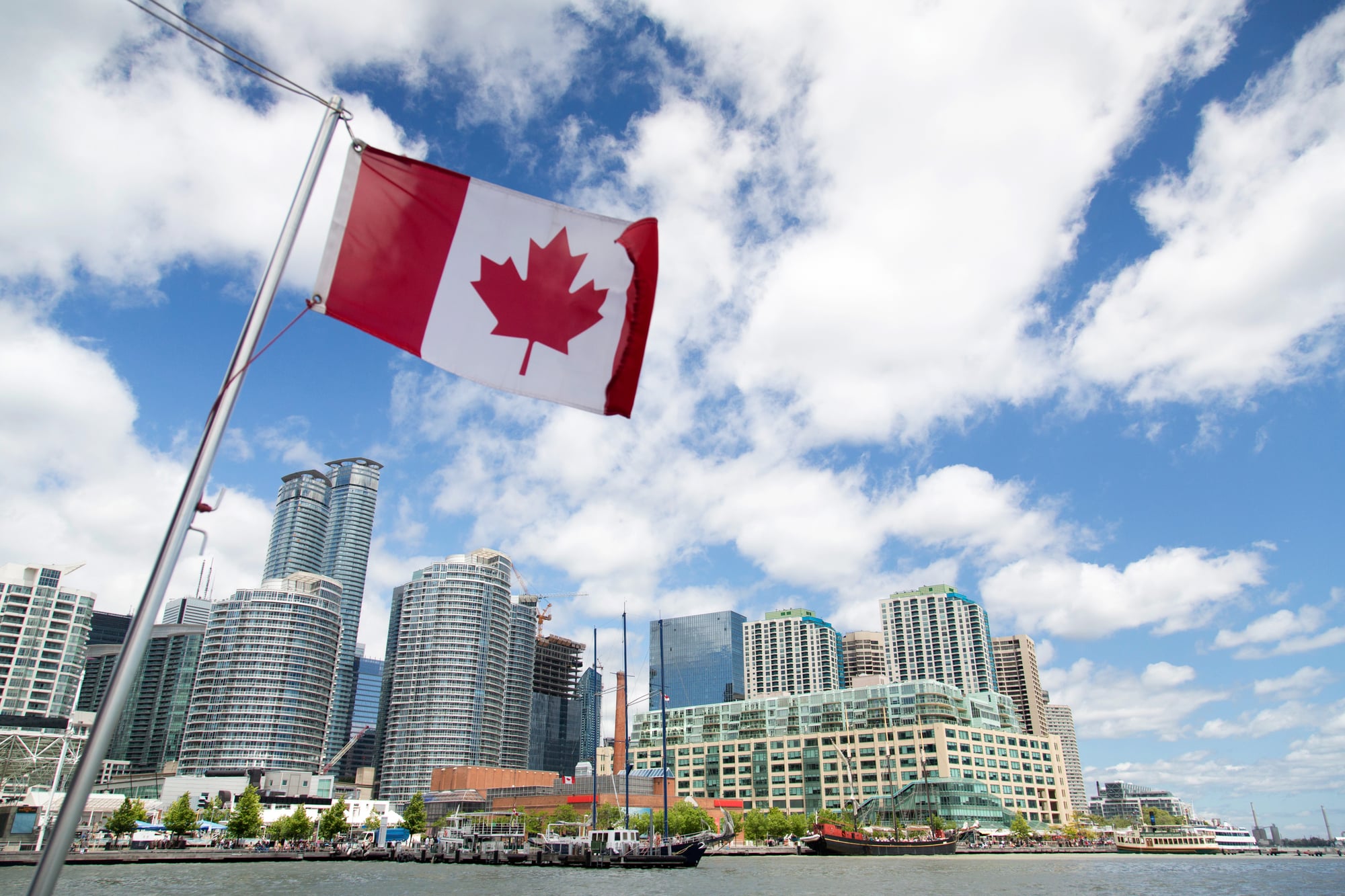
Canada’s banking system survived the 2008 financial crisis better than almost any other developed nation. The country’s banks are heavily regulated and consistently rank among the safest in the world.
Property rights are clear and courts enforce contracts reliably. Canada welcomes immigrants and offers various residency paths for people bringing in investment capital.
The economy depends heavily on natural resources but has diversified into services and technology. Proximity to the United States provides trade advantages while maintaining political independence.
Winter weather might be harsh, but bank accounts don’t care about snow.
Austria
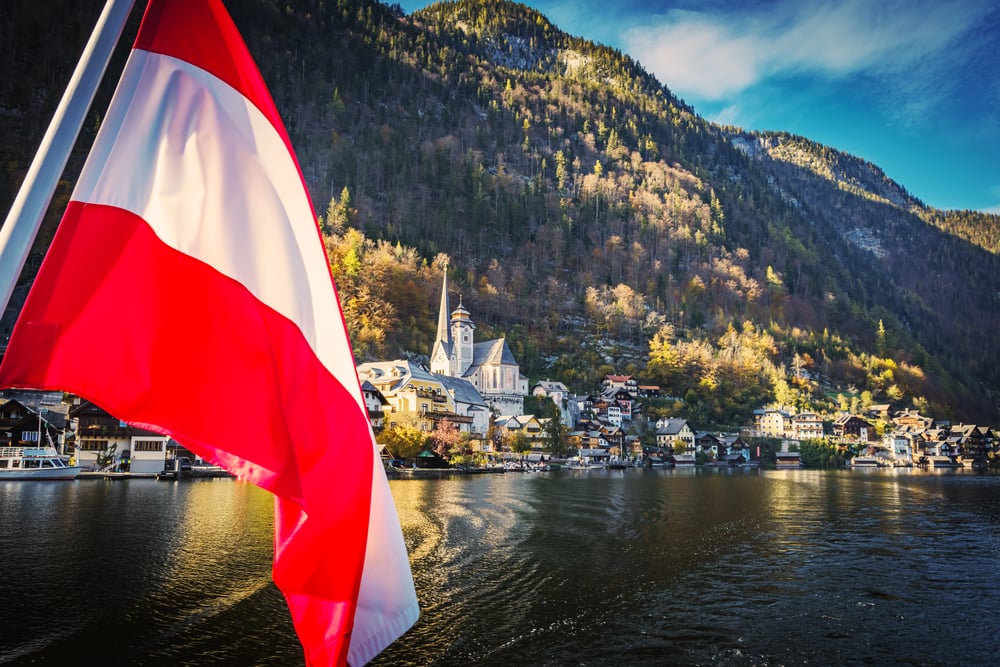
Austria maintains a quieter profile than Switzerland but offers many similar advantages. The country’s banking sector specializes in private wealth management with discretion.
Austrian banks can hold accounts in multiple currencies and precious metals. The legal system protects privacy while complying with EU transparency requirements.
Vienna sits at the crossroads of Eastern and Western Europe, making it a strategic location. Real estate in Austria has shown steady appreciation over decades.
The culture values stability and careful financial management, which influences how institutions operate.
Netherlands
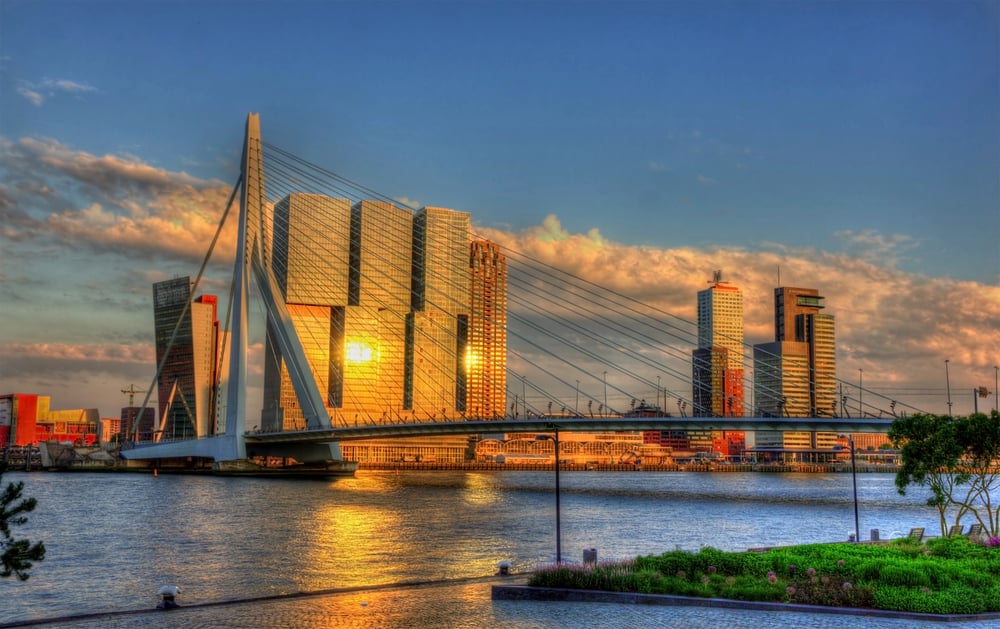
Amsterdam has been a center of international finance since the 1600s. That experience shows in how Dutch banks operate today.
The country has strong rule of law and property protections. Dutch banks embrace technology and offer sophisticated online services.
The Netherlands sits at the heart of European trade networks with world-class infrastructure. Tax treaties with dozens of countries make the Netherlands attractive for holding companies and investment structures.
The banking sector survived multiple crises and remains well-capitalized. English proficiency among bankers makes communication easy for international clients.
Malta
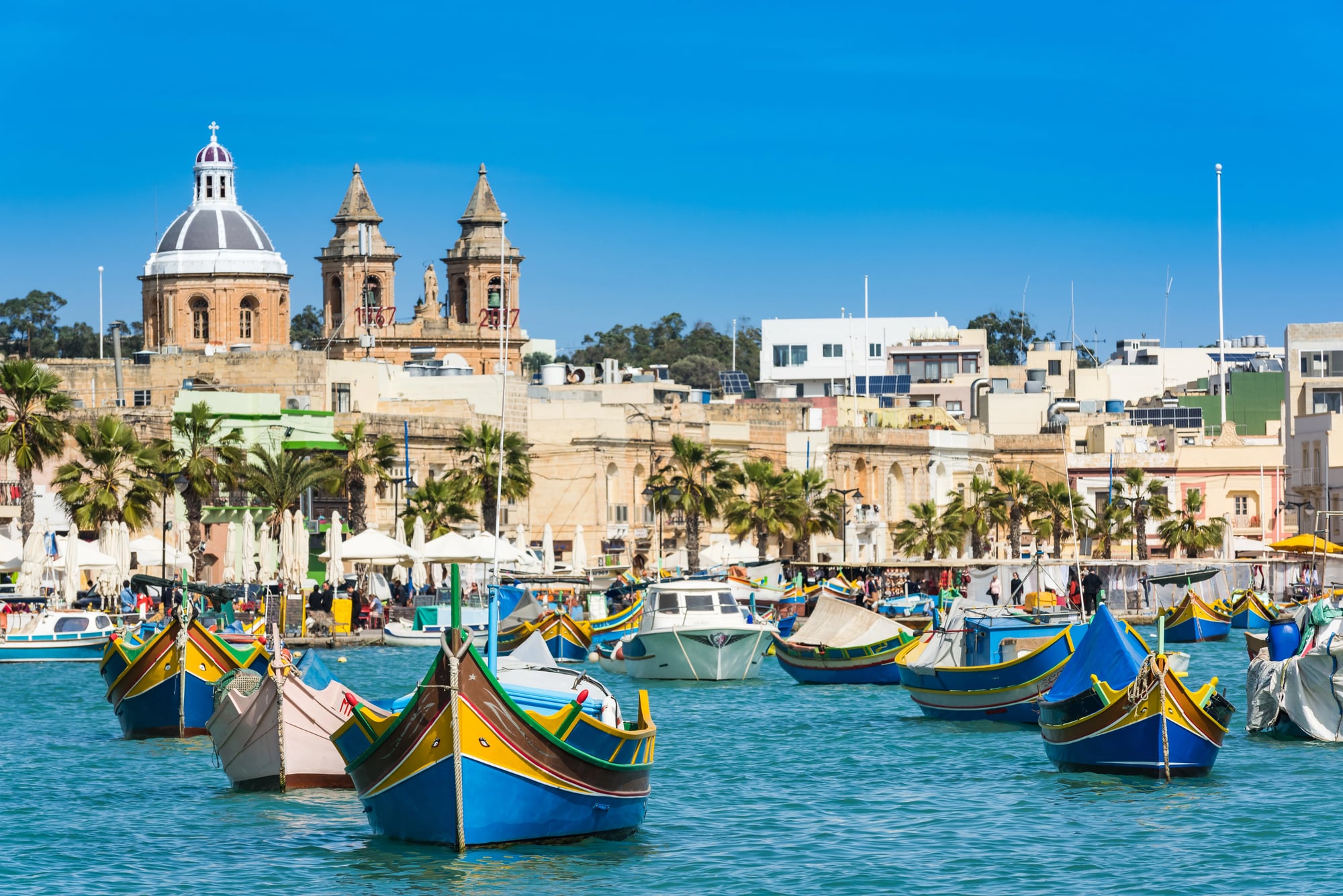
Malta joined the EU in 2004 and has since built a reputation as a financial services center. The island nation offers various residency and citizenship programs for investors.
Maltese banks operate under EU regulations while maintaining competitive services. The English-speaking environment and British legal heritage make the country accessible.
Malta’s location in the Mediterranean provides a bridge between Europe and Africa. Tax incentives attract substantial foreign investment, though international pressure has led to some reforms.
The banking sector focuses on private clients and remains relatively small but well-managed.
Denmark

Denmark consistently ranks as one of the least corrupt countries on Earth. That trustworthiness extends to the banking sector.
Danish banks are conservative and well-regulated with strong capital reserves. The country’s economy remains diverse and innovative, particularly in green energy and pharmaceuticals.
Property rights are clear and courts function efficiently. Denmark stays outside the eurozone, maintaining its own currency, which provides some independence in monetary policy.
The welfare state means high taxes for residents, but non-resident accounts still benefit from the country’s stability. Digital banking services in Denmark are among the most advanced anywhere.
Chile
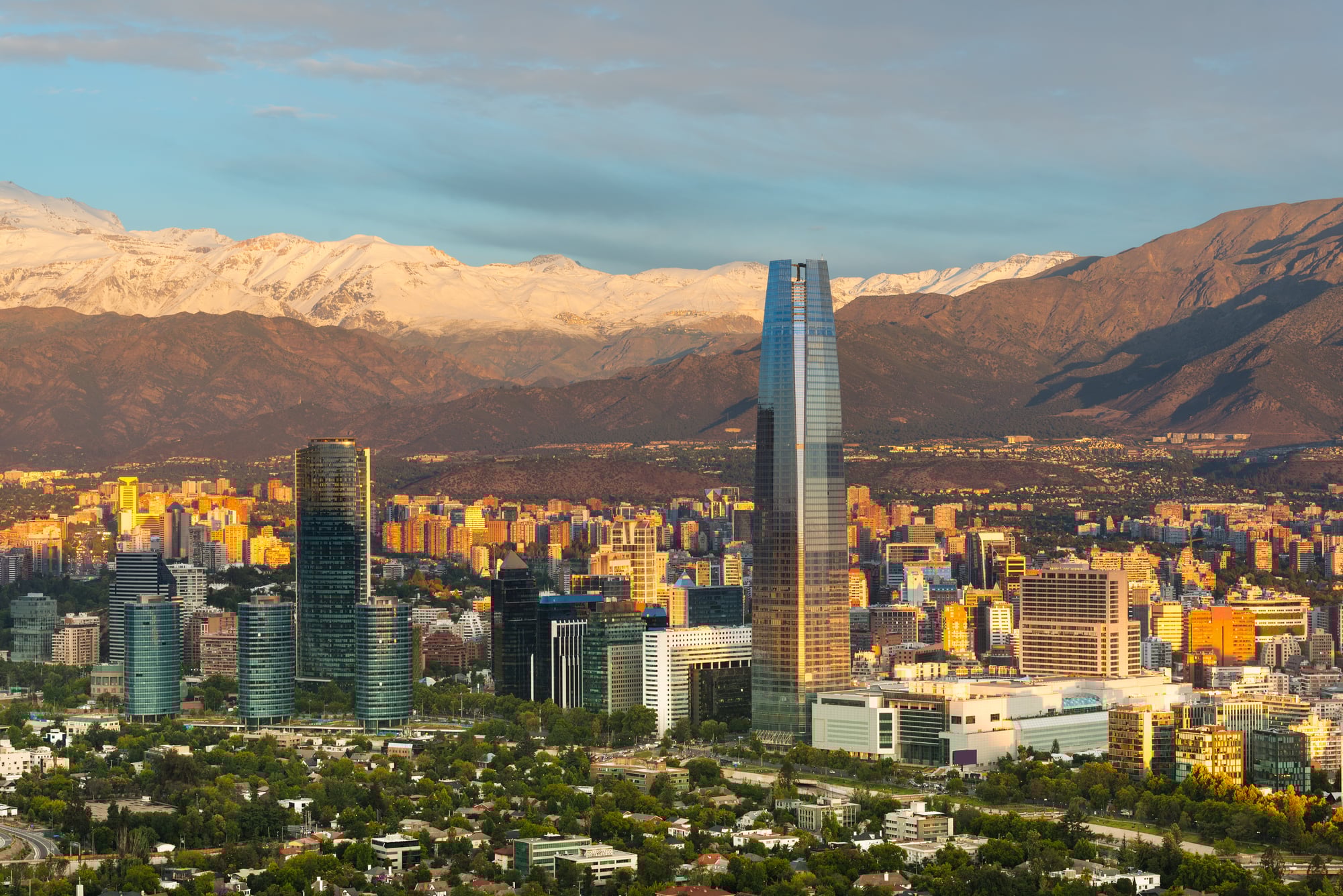
Out of nowhere, Chile shows a calm financial picture compared to neighbors. Its banks stick to global rules, staying steady when nearby economies wobble.
Laws guard ownership, making it safe for outsiders to put money here. Not everything ties back to copper anymore – new industries have grown quietly alongside the mines.
Floating freely, the currency shows occasional swings, yet trust in the central bank holds firm. A hub now, Santiago supports finance across much of South America.
Though protests appeared in recent times, core systems never wavered under pressure. Global customers find more offerings within local banks each year.
Australia
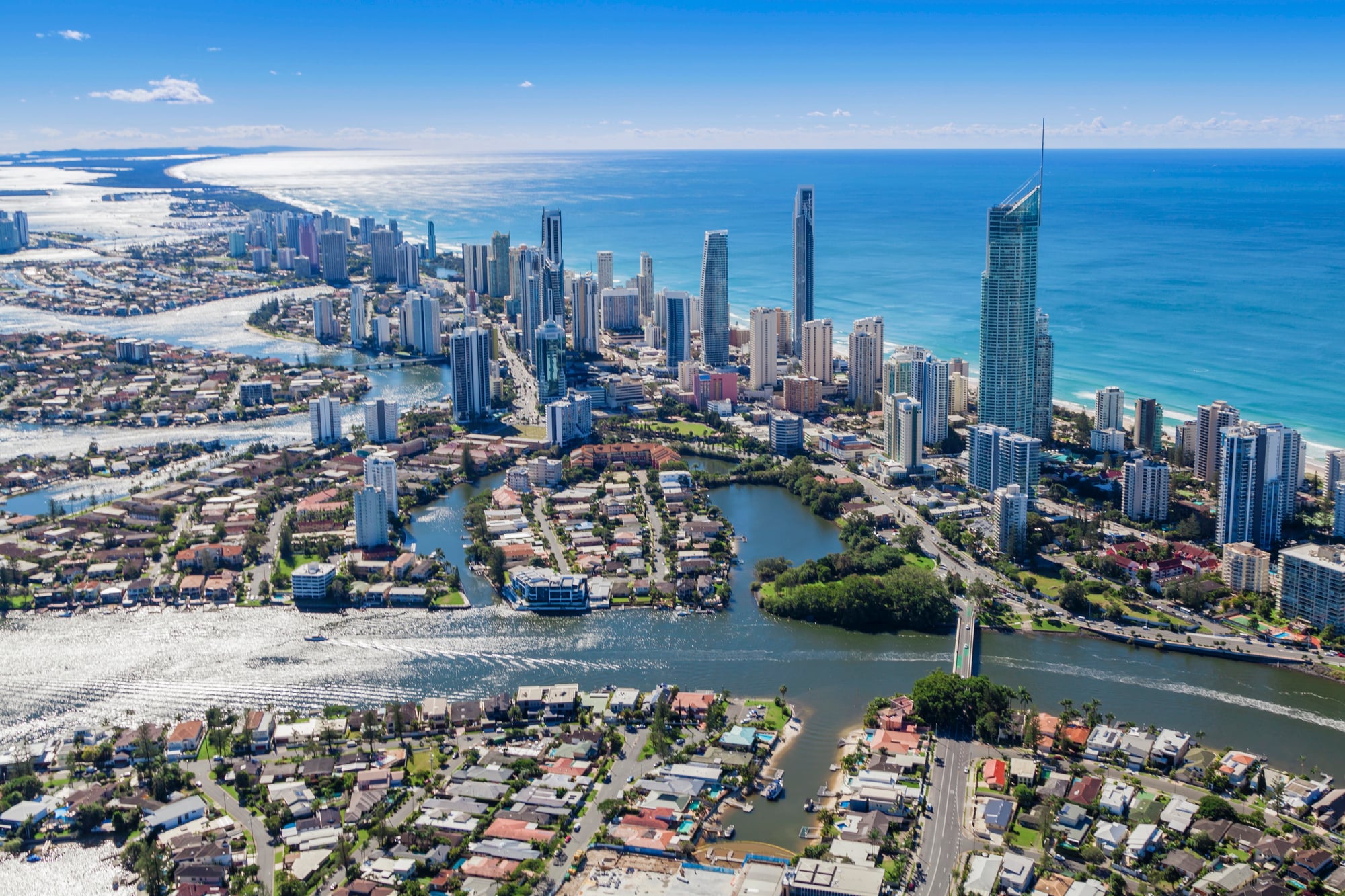
Few nations match its economic stability, yet Australia stands out through steady growth. Banking here feels secure, recognized worldwide for resilience.
Rich in natural assets, the nation supports global investors with transparent rules. Nearly thirty years of expansion – without downturns – tell a rare story.
Services are wide-ranging, backed by strong institutions. Far from most world tensions, Australia stays shielded by distance.
Big urban centers such as Sydney help drive money flows across the Pacific zone. Rules keep customers safe without stopping banks from making steady returns.
Natural wealth gives strength to the nation’s currency on international markets. People with means can settle here faster than in several advanced countries through special entry pathways.
Home is where money settles

Protection matters when it comes to wealth, much like any prized possession. Stability in government, trustworthy banks, because of strong legal backing – these traits mark the nations mentioned earlier.
A few shine due to lower taxes, whereas some win trust simply by being dependable and safe. Personal factors shape the best fit: location of operations, currency preferences, also how highly one values discretion.
Five years back, certain moves made sense – but now? Rules evolve.
Governments tweak policies. That means what once protected money may not hold up.
Staying alert matters more than ever. When surroundings transform, shifting assets can make a difference.
Quiet adjustments often help avoid bigger problems later.
More from Go2Tutors!

- The Romanov Crown Jewels and Their Tragic Fate
- 13 Historical Mysteries That Science Still Can’t Solve
- Famous Hoaxes That Fooled the World for Years
- 15 Child Stars with Tragic Adult Lives
- 16 Famous Jewelry Pieces in History
Like Go2Tutors’s content? Follow us on MSN.



