Bizarre Facts About The Creation Of The iPhone
Most people think they know the iPhone story. Steve Jobs unveiled it, the world changed, everyone wanted one.
The real story of how Apple’s most famous product came to life reads like workplace horror stories, corporate espionage tales, and engineering miracles.
The Purple Dorm
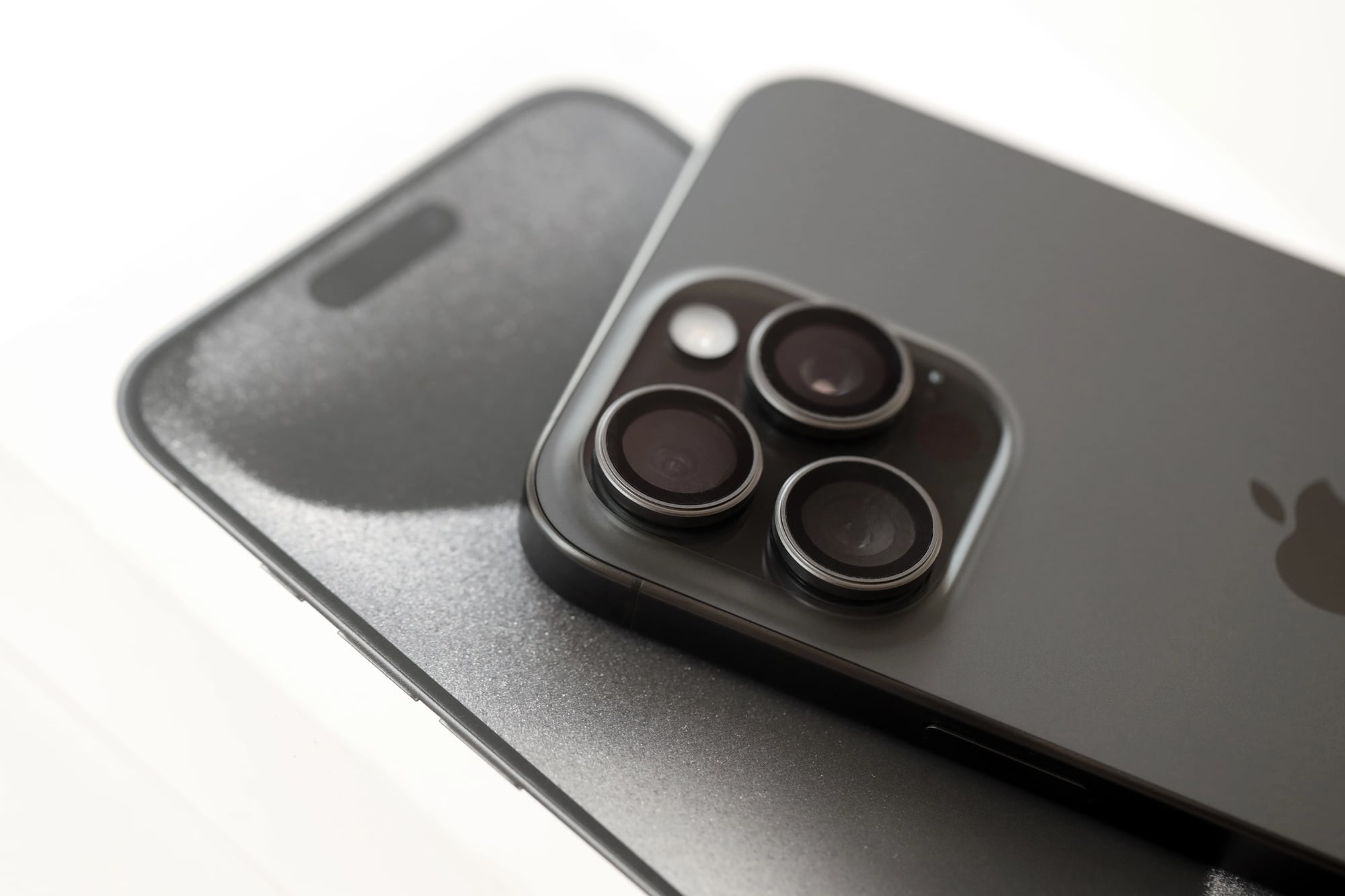
Apple’s iPhone team took over an entire building on Apple’s Cupertino campus for the project, codenamed “Purple.” The origin of the name may have come from a toy purple kangaroo belonging to one of the engineers.
The team called it the “Purple Dorm” because most of them were sleeping there more than at home. They posted a “Fight Club” sign on the door: the first rule of the Purple Project is you don’t talk about the Purple Project.
The Fake Cafeteria Project
Engineers were told they were developing software for a new vending machine interface. Apple even built fake vending machine prototypes and placed them around the campus.
Some team members didn’t learn what they were really working on until weeks before the public announcement. They thought they were going to revolutionize how people bought snacks.
Steve Jobs Almost Canceled It Three Times
Jobs changed his mind about the iPhone so frequently that the team started placing bets on whether the project would survive each quarterly review. The closest call came six months before launch when Jobs wanted to start over.
The team talked him out of it by showing a demo where they ordered a pizza using the phone. It proved the interface could handle a real-world task without falling apart.
The Great Keyboard War
Two separate teams spent eighteen months building competing iPhone keyboards without knowing about each other. Apple’s leadership deliberately created this internal competition.
The winning team’s keyboard wasn’t chosen because it was better. It was chosen because the other team’s lead engineer had a nervous breakdown and quit two weeks before the decision.
Secret Shopping Trips To Starbucks
Apple executives spent months sitting in coffee shops pretending to read newspapers while observing how people used their phones. They were looking for “dead time” when tasks were too complicated.
This research influenced the slide-to-unlock feature. Jobs realized people wanted to check their phones in the three seconds between ordering and paying.
The Prototype That Caught Fire
Early iPhone prototypes overheated and sometimes smoked when the processor was pushed too hard. Engineers used it as a stress test to measure thermal limits.
The fire department kept getting called due to smoke alarms going off in the lab. The team learned how much processing power could be packed into the device.
Jonathan Ive’s Foam Obsession
The iPhone’s design chief tested forty-seven different types of foam padding on prototype phones. He carried them in his pocket to see how they felt while walking.
His assistant logged which foam made the phone feel “too light,” “appropriately substantial,” or “annoyingly heavy.” The final weight was calibrated to feel like a deck of cards plus two pennies.
The Gorilla Glass Panic
Three weeks before manufacturing, Jobs demanded glass instead of plastic for the screen. No one made glass thin and strong enough for a phone.
Apple called Corning to revive a 1960s glass design. Jobs ordered 1.5 million square feet and told them to figure it out in six months.
The Battery That Almost Wasn’t
The battery team didn’t know what device they were building for. They were given only power requirements and physical constraints.
This led them to over-engineer the battery perfectly suited for the iPhone. The result matched the device’s needs precisely because they didn’t know what they were building.
The Multi-Touch Accident

Multi-touch technology was developed for a tablet, not a phone. A damaged prototype screen led an engineer to test smaller glass pieces.
They discovered it worked better on a phone-sized surface. The iPhone’s signature feature came from broken tablet parts.
The Demo That Almost Failed
The iPhone used for the 2007 launch was held together with tape and prayers. Apps would crash if opened in the wrong order, forcing Jobs to follow an exact script.
Seventeen backup phones were placed around the stage. The revolutionary announcement was one software crash away from disaster.
The Secret Carrier Negotiations
Apple negotiated with carriers using only the code name “Project Purple.” They showed mockups that looked like Sony Walkmans with screens.
Verizon rejected the deal, thinking Apple wanted to build a phone that played music loudly. AT&T agreed, desperate for an exclusive product to compete.
The Name That Almost Stuck

The iPhone was almost called the “TelePod.” Other options included “Mobi,” “TriPod,” and even “iPad.”
Jobs reportedly hated “iPhone” because it was obvious. In the end, the obvious choice won because the alternatives were worse.
A Revolution Built On Chaos
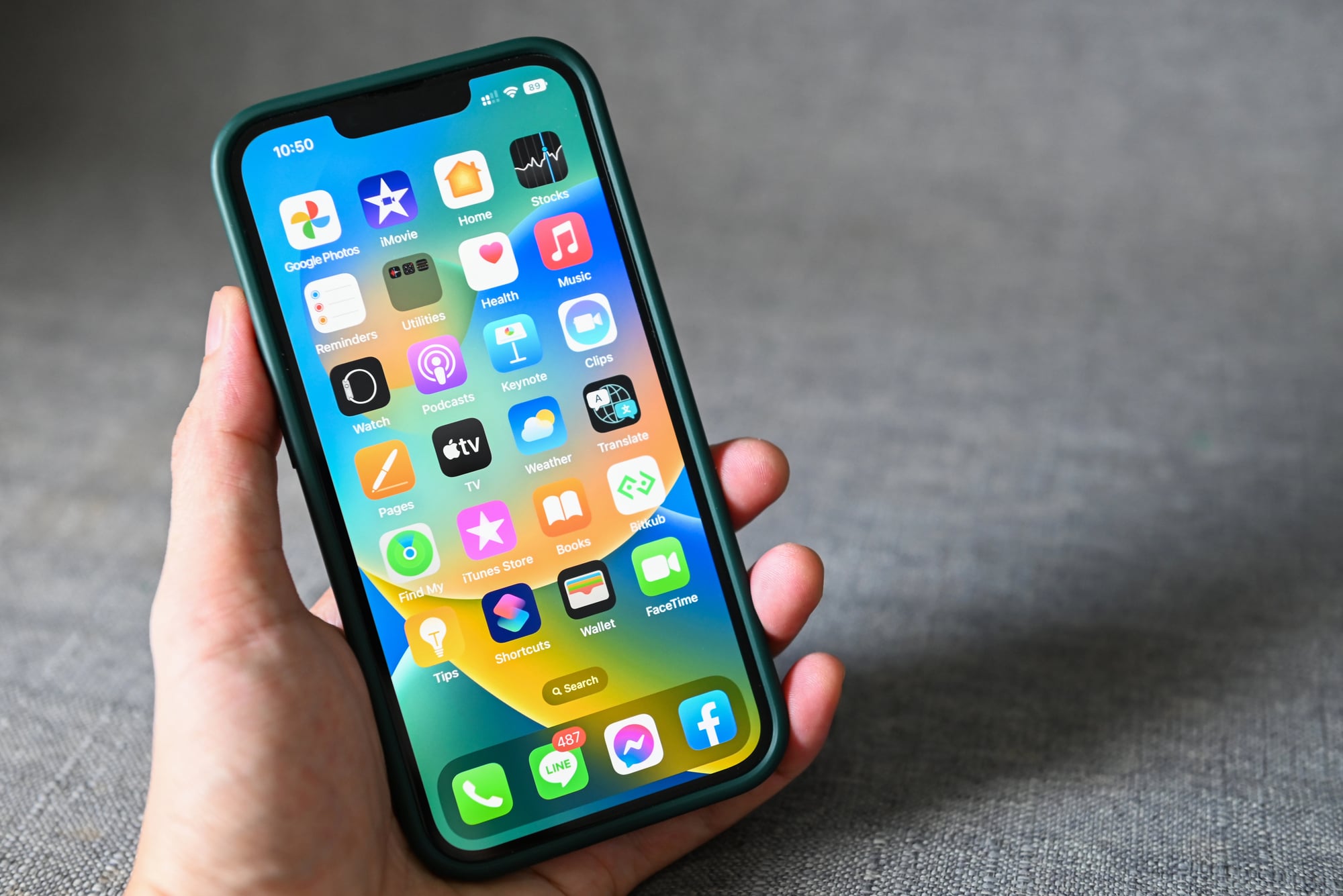
The iPhone succeeded not because Apple had everything figured out. Paranoid secrecy, competing teams, and last-minute changes shaped the final product.
The real story is messier and human: people working in purple rooms, spying on coffee shop customers, and hoping prototypes wouldn’t catch fire while changing everything.
More from Go2Tutors!

- The Romanov Crown Jewels and Their Tragic Fate
- 13 Historical Mysteries That Science Still Can’t Solve
- Famous Hoaxes That Fooled the World for Years
- 15 Child Stars with Tragic Adult Lives
- 16 Famous Jewelry Pieces in History
Like Go2Tutors’s content? Follow us on MSN.