Classic Dad Jokes That Became Internet Favorites
The dad joke holds a special place in comedy history. You know the type—groan-inducing puns and obvious wordplay that somehow make you laugh despite yourself.
But something interesting happened when these jokes hit the internet. What was once confined to dinner tables and car rides suddenly found millions of fans online.
Social media turned these corny one-liners into viral sensations, with people sharing, remixing, and celebrating their delightful awfulness.
“Hi Hungry, I’m Dad”

This joke practically defines the dad joke genre. Someone says “I’m hungry” or “I’m tired” and Dad responds by introducing himself.
The format is so simple that it became a meme template. People started applying it to every possible scenario online, creating entire threads of “Hi [adjective], I’m Dad” jokes.
The beauty lies in how predictable it is—everyone sees it coming, but that’s exactly the point.
The Award-Winning Scarecrow

“Why did the scarecrow win an award? Because he was outstanding in his field.”
This one spread across Twitter and Facebook like wildfire. The visual pun works on two levels, and people loved drawing cartoons of scarecrows accepting trophies.
Teachers started using it in classrooms. Marketing teams put it on billboards.
It became shorthand for “this is a dad joke” in internet culture.
The Impasta
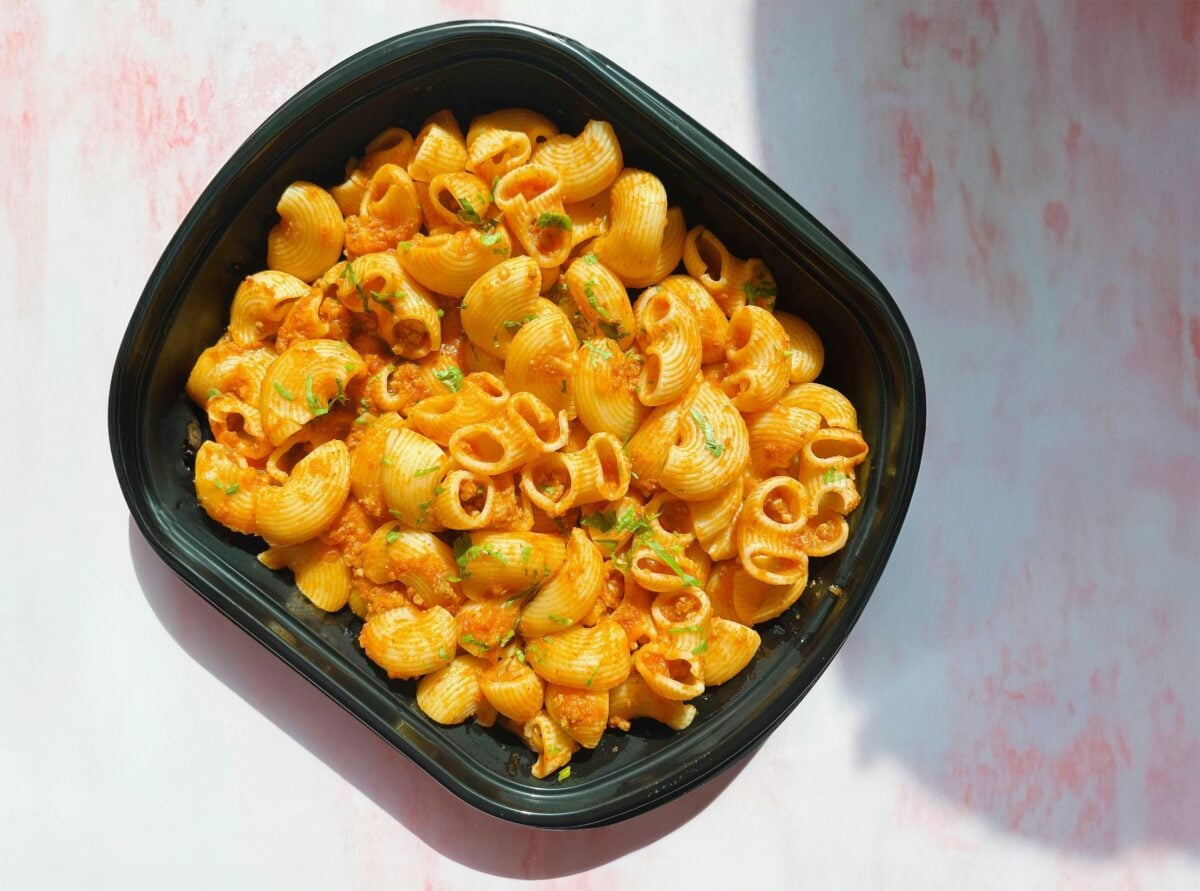
“What do you call a fake noodle? An impasta.”
Food puns always do well online, but this one hit differently. Instagram food bloggers adopted it.
Cooking shows referenced it. Someone probably named their restaurant after it.
The wordplay feels obvious once you hear it, but arriving at “impasta” takes just enough mental gymnastics to feel satisfying.
Atoms and Trust Issues
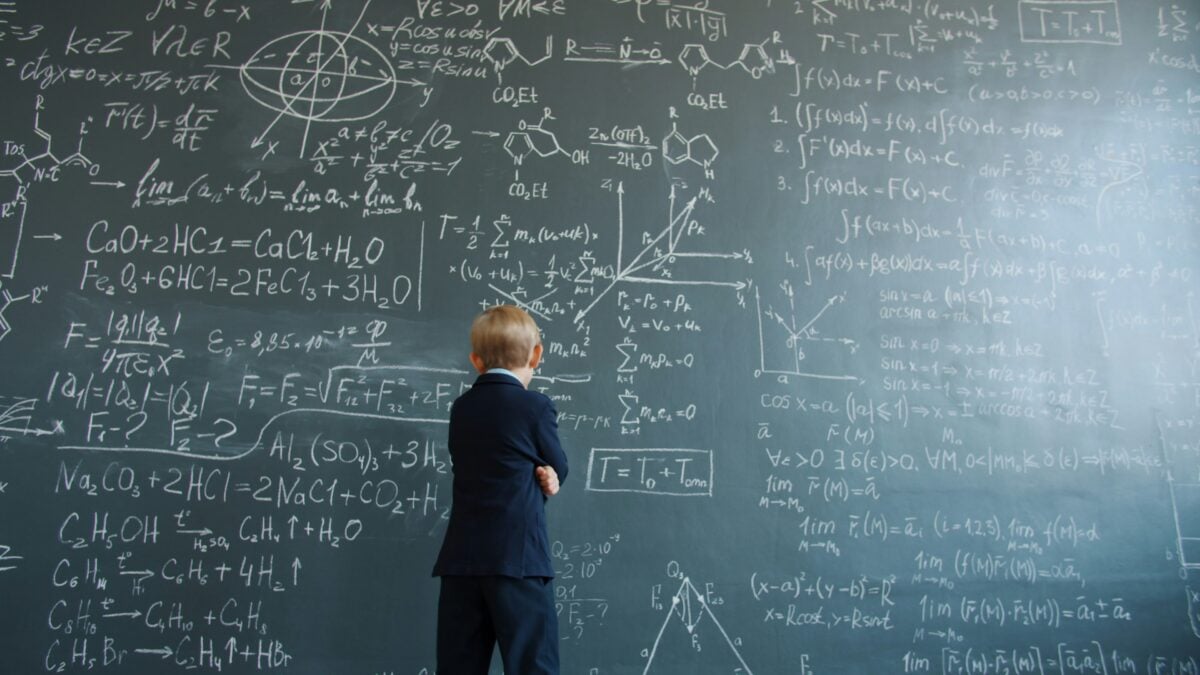
“Why don’t scientists trust atoms? Because they make up everything.”
This joke found a home in science meme communities and educational accounts. Physics teachers share it on the first day of class.
Reddit threads about chemistry inevitably feature it. The double meaning of “make up” carries the whole joke, and people never seem to tire of pointing out how clever it is—even though everyone’s heard it before.
The Bicycle’s Balance Problem
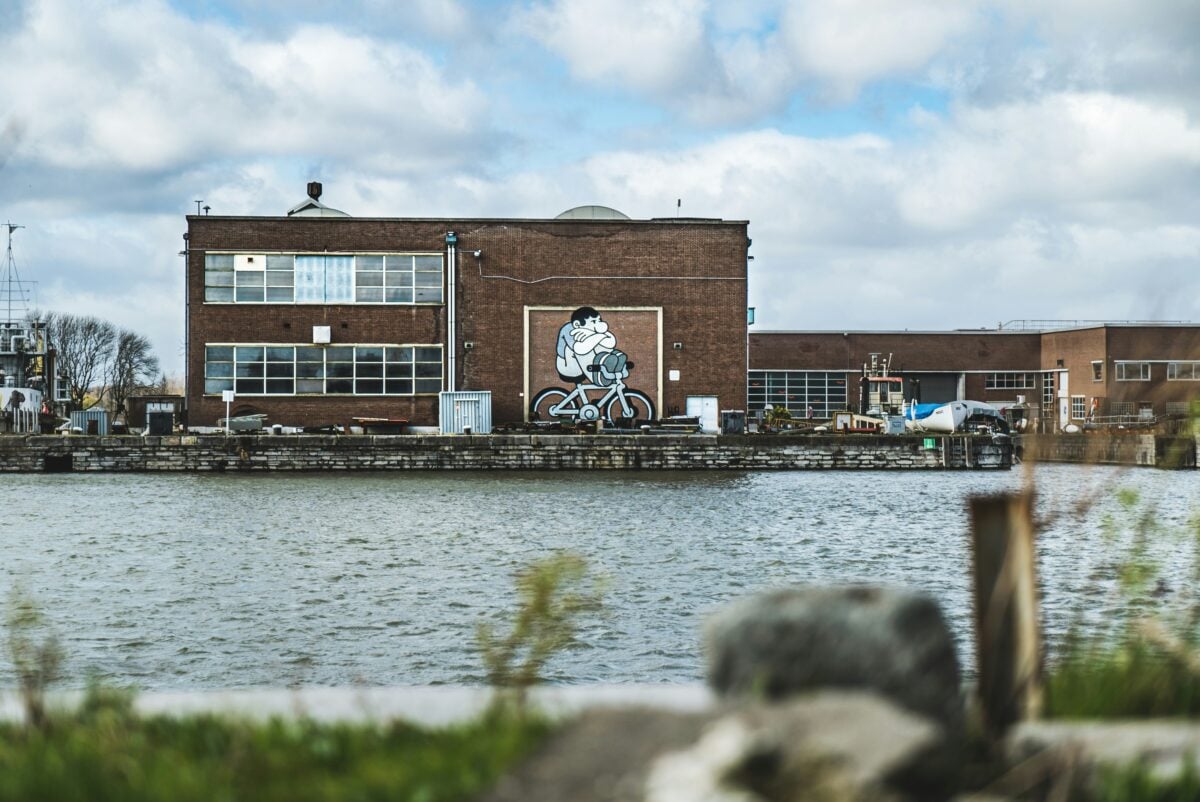
“Why did the bicycle fall over? Because it was two-tired.”
Sometimes a pun is so direct that it loops back around to being funny. This joke thrived on Twitter, where character limits favor short setups and quick payoffs. Cycling enthusiasts embraced it ironically.
Bike shops put it on their signs. The spelling of “too tired” as “two-tired” creates just enough confusion to make people pause before groaning.
Nacho Cheese

“What do you call cheese that isn’t yours? Nacho cheese.”
Fast food restaurants loved this one. It appeared in Super Bowl commercials and snack aisle displays.
Kids repeated it endlessly at lunch tables, then grew up and shared it on TikTok. The pronunciation shift from “not your” to “nacho” happens so naturally that the joke feels almost too easy—which is exactly what makes it perfect dad joke material.
Silent Prehistoric Bathroom Trips
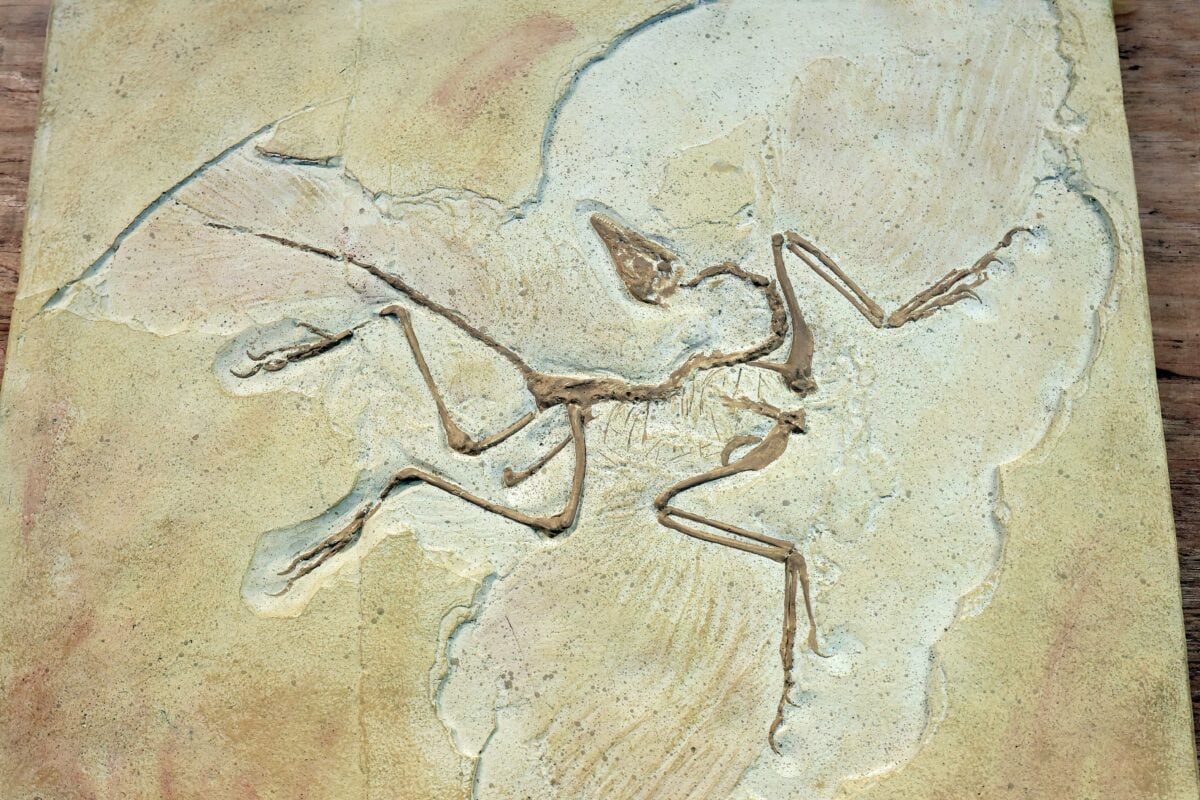
“Why can’t you hear a pterodactyl using the bathroom? Because the ‘p’ is silent.”
This joke requires just enough knowledge about silent letters to feel educational. English teachers share it.
Language learning accounts post it. The image it creates is absurd enough that people remember it, and the punchline delivers exactly what you expect once you start thinking about how “pterodactyl” is spelled.
The Stick Mystery

“What’s brown and sticky? A stick.”
The setup sounds like it’s heading somewhere else entirely, which makes the obvious answer even funnier. This misdirection technique shows up constantly in dad jokes, but this particular version became a template.
People started making “what’s [color] and [adjective]?” jokes online, trying to capture the same energy. Most failed, which only made the original more beloved.
Eggs and Comedy
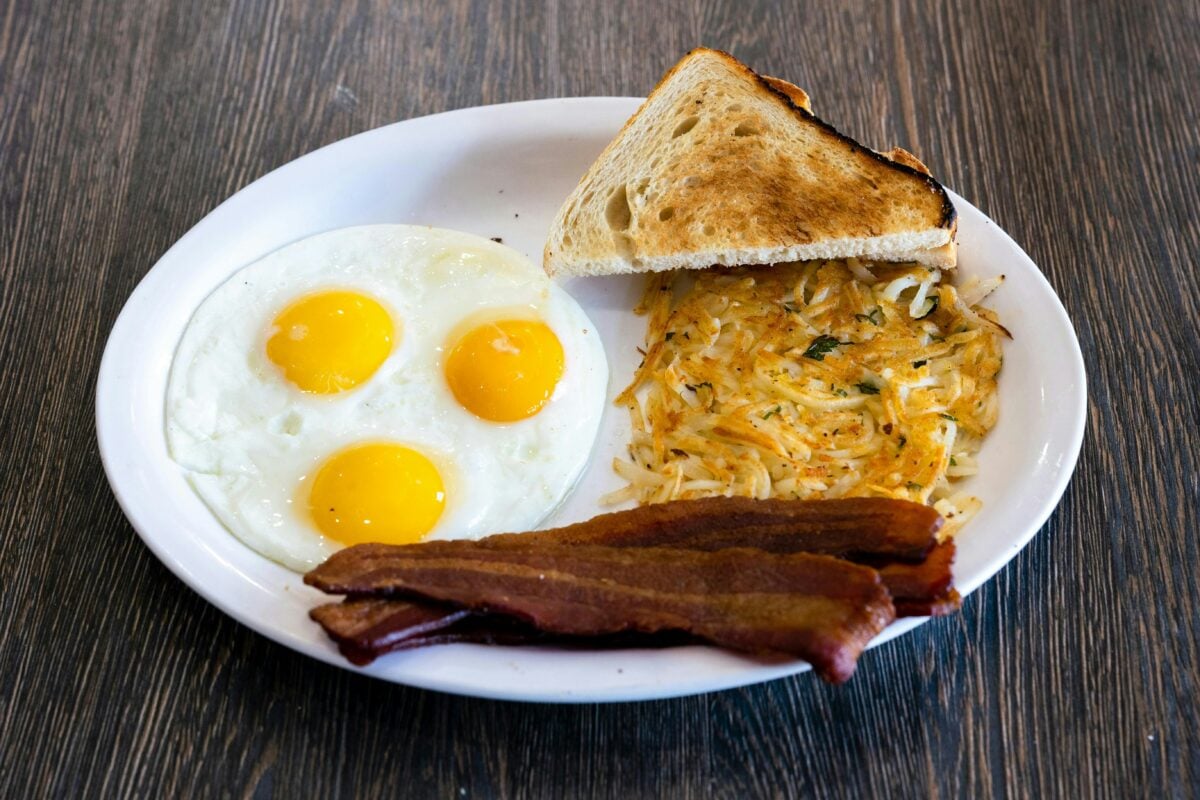
“Why don’t eggs tell jokes? They’d crack each other up.”
Breakfast memes embraced this one hard. Brunch spots put it on their chalkboards.
Food bloggers used it as captions. The pun on “crack up” works because eggs literally crack, and the phrase means to laugh.
It’s straightforward wordplay that doesn’t try too hard, which keeps it from feeling forced.
Penguin Architecture
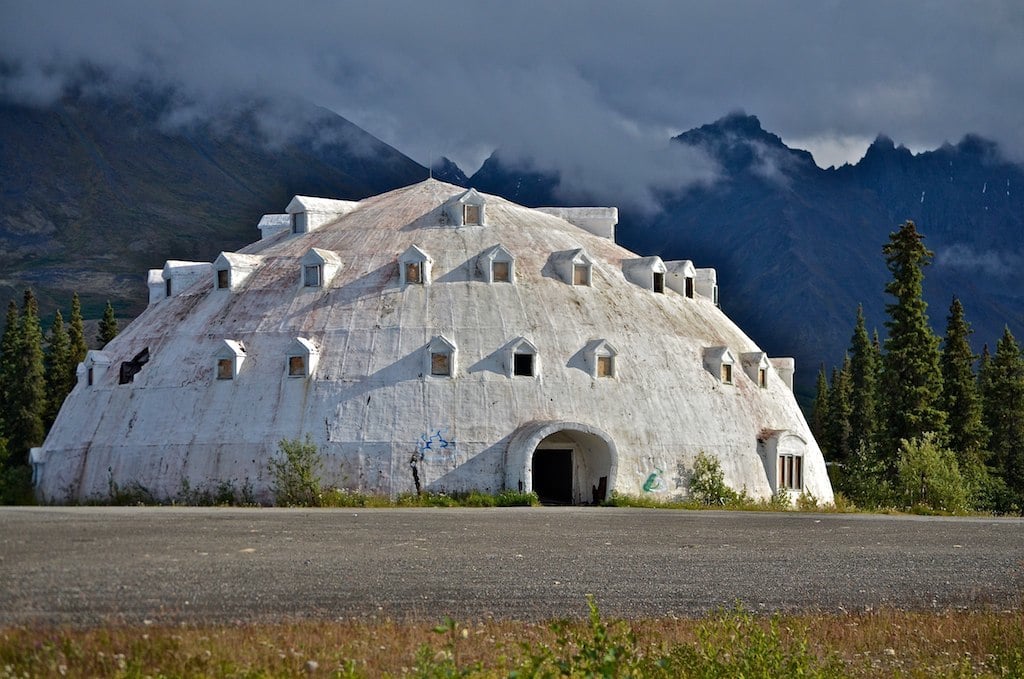
“How does a penguin build its house? Igloos it together.”
The mental image alone makes this joke memorable. Arctic animal accounts shared it during winter months.
Construction companies used it in their social media content. The play on “glues” sounds natural when you say it out loud, which helped it spread through verbal repetition before becoming a text-based meme.
The Ocean’s Greeting

“What did the ocean say to the beach? Nothing, it just waved.”
This joke thrives on the double meaning of “waved”—both the physical movement of water and the gesture of greeting. Beach resorts printed it on t-shirts.
Travel bloggers included it in their coastal photo captions. The simplicity of the setup and punchline makes it easy to remember and share, and the visual element helps people picture the scene.
People kept finding new contexts for it, from vacation announcements to environmental conservation posts. The joke works because it anthropomorphizes nature in a gentle, non-threatening way.
You can almost imagine teaching it to a child while watching waves crash on the shore.
Coffee Files a Report

“Why did the coffee file a police report? It got mugged.”
Coffee culture online runs deep, and this joke became a morning ritual for many social media users. Baristas wrote it on cafe blackboards.
Coffee company accounts pinned it to their profiles. The wordplay on “mugged” connects the physical coffee mug to the crime, creating a scenario that’s just ridiculous enough to work.
Remote workers shared it in Slack channels during early video calls. The joke became associated with that specific time of day when people need caffeine most.
It’s short enough to text to a friend and relevant enough that everyone who drinks coffee can relate to it on some level.
The Toothless Bear
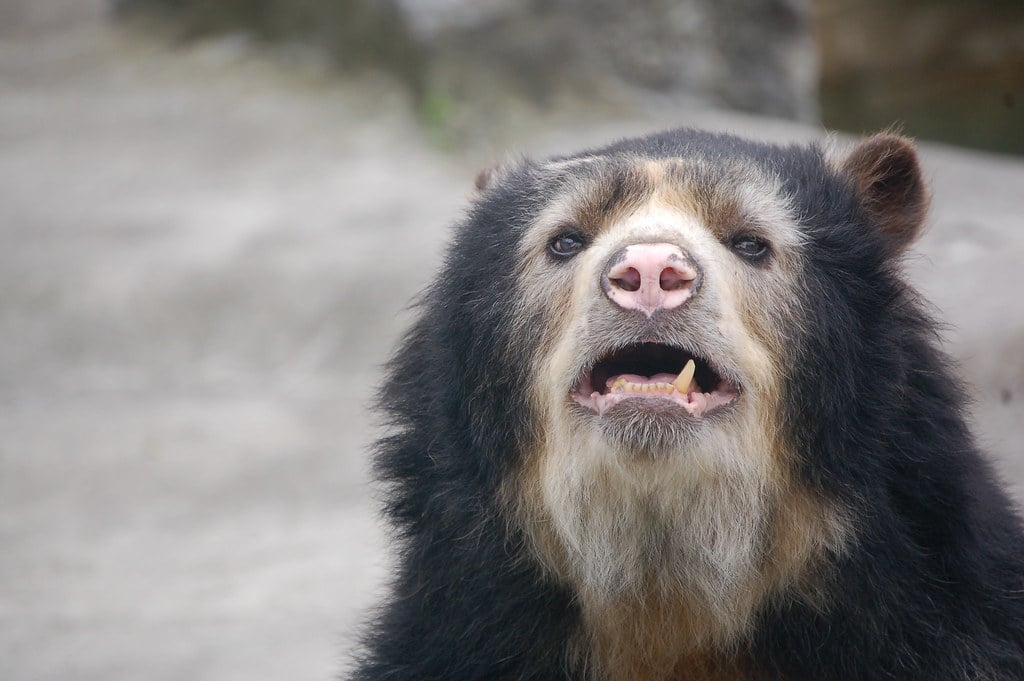
“What do you call a bear with no teeth? A gummy bear.”
Candy brands jumped on this one immediately. The image of an actual bear without teeth trying to eat gummy bears creates layers of absurdity.
Parents shared it with their kids during Halloween. Dentists somehow found ways to work it into their marketing materials.
The joke plays with expectations about what makes something “gummy”—the texture of the candy versus the state of having no teeth. It’s innocent enough for any audience but clever enough that adults don’t feel silly laughing at it.
That balance helped it cross generational lines online.
Space Party Logistics

“How do you organize a space party? You planet.”
Astronomy enthusiasts and NASA social media accounts made this joke part of their regular rotation. The spelling shift from “plan it” to “planet” happens so smoothly that people often do a double-take.
Science fiction fans used it in convention announcements. Teachers shared it during lessons about the solar system.
The joke suggests that organizing events in space requires the same kind of forethought as creating a planet, which adds an unintended layer of humor. People started making elaborate versions, adding details about “meteor” the guests there or making sure the party doesn’t “comet” to an end too soon.
The Math Book’s Troubles

What made the math book seem upset? It was full of issues.
Teachers repeat this line so much it barely lands anymore, yet somehow it shows up again each fall on social media. Kids pass it around when tests are near.
Companies that offer extra lessons slip it into posts. Seeing struggle linked to a textbook makes people pause, like the book feels something real.
Stressed student pics often pop up with these math jokes online. A heavy sigh?
That’s what numbers tend to pull out in most folks. Laughter follows when homework feels like too much – somehow, that grumble connects people.
What started as griping morphed into group chuckles, quiet and sudden.
Where Jokes Never Fade

A dad joke lives best online now. Once stuck in awkward dinner silences, these clumsy puns slipped into group chats instead.
One platform passes them to another, each time growing sillier. Their charm grows, not despite the format but because of it.
Not only did the web keep these jokes alive – it lifted them up. Entire profiles popped up, built around one cheesy punchline a day.
Videos spun them out. So did looping clips and captioned pictures.
Choosing to love what feels outdated – then watching it feel fresh – is part of how laughter shifts online. Their staying power comes from being easy to grasp, harmless, yet oddly delightful to pass along – even while rolling eyes at their existence.
More from Go2Tutors!

- The Romanov Crown Jewels and Their Tragic Fate
- 13 Historical Mysteries That Science Still Can’t Solve
- Famous Hoaxes That Fooled the World for Years
- 15 Child Stars with Tragic Adult Lives
- 16 Famous Jewelry Pieces in History
Like Go2Tutors’s content? Follow us on MSN.



