Collecting History for National Trading Card Day
A thing called National Trading Card Day might seem new, yet its roots dig deep into the past – over a hundred years gone. Before fans crowded stores for limited editions, tiny paper pictures were already tucked inside moments of youth, quietly building passion.
Starting as sneaky extras in product boxes during the 1890s, these bits of cardboard slowly grew teeth, then legs, until they walked right into everyday life. These days, it’s clear – trading cards aren’t just shiny items tucked in binders.
Shaped by how ads evolve, they also carry echoes of past games, pop culture turns, sometimes mirroring dips and rises in money matters. A peek behind the scenes shows trading cards slowly shifting over time.
Not just kid stuff anymore, they gained attention through decades of quiet change. What began as small images on cardboard took root in pop culture.
Their rise felt gradual, yet people started noticing. Moments collected on glossy paper turned into valued items.
Interest built without fanfare. Now there’s a day each year that honors them nationally.
Promotional Inserts Become Collectibles

The earliest trading cards were not designed for collectors. In the late 19th century, companies slipped illustrated cards into product packaging to reinforce boxes and attract buyers.
These cards featured athletes, actors, military figures, and everyday scenes, often accompanied by colorful artwork that felt almost theatrical. Over time, consumers began saving and swapping them.
The behavior was organic. Children traded duplicates on street corners, adults stored them in drawers, and suddenly something meant to be disposable carried personal value.
That shift—from promotional insert to keepsake—marked the true beginning of card collecting culture.
Baseball Sets The Standard

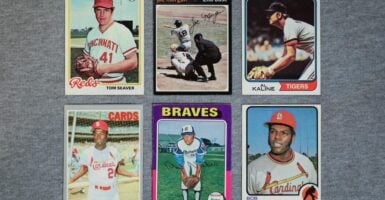
By the early 1900s, baseball had become America’s defining sport, and trading cards became its visual archive. Cards featuring players like Honus Wagner and Ty Cobb were printed in limited runs, sometimes unintentionally creating rare treasures.
Production methods were inconsistent, which meant certain cards survived in far smaller numbers than others. Even so, rarity alone did not explain their appeal.
These cards offered fans a tangible connection to athletes in an era long before television broadcasts. A child holding a player’s card felt a sense of closeness that newspapers alone could not provide.
That emotional connection laid the groundwork for the hobby’s staying power.
The Rise Of Topps

After World War II, trading cards entered a new era of standardization and mass appeal. In 1951, a company called Topps shifted the industry by producing baseball cards designed specifically for collectors rather than as packaging inserts.
Their 1952 baseball set, with its bold portraits and detailed statistics, became iconic. Topps introduced features that are now considered essential: player bios, team information, and clean photography.
The cards felt polished and intentional. By the mid-20th century, trading cards were no longer a side attraction.
They were a dedicated product line, and children across the country eagerly awaited each new season’s release.
Expanding Beyond The Diamond

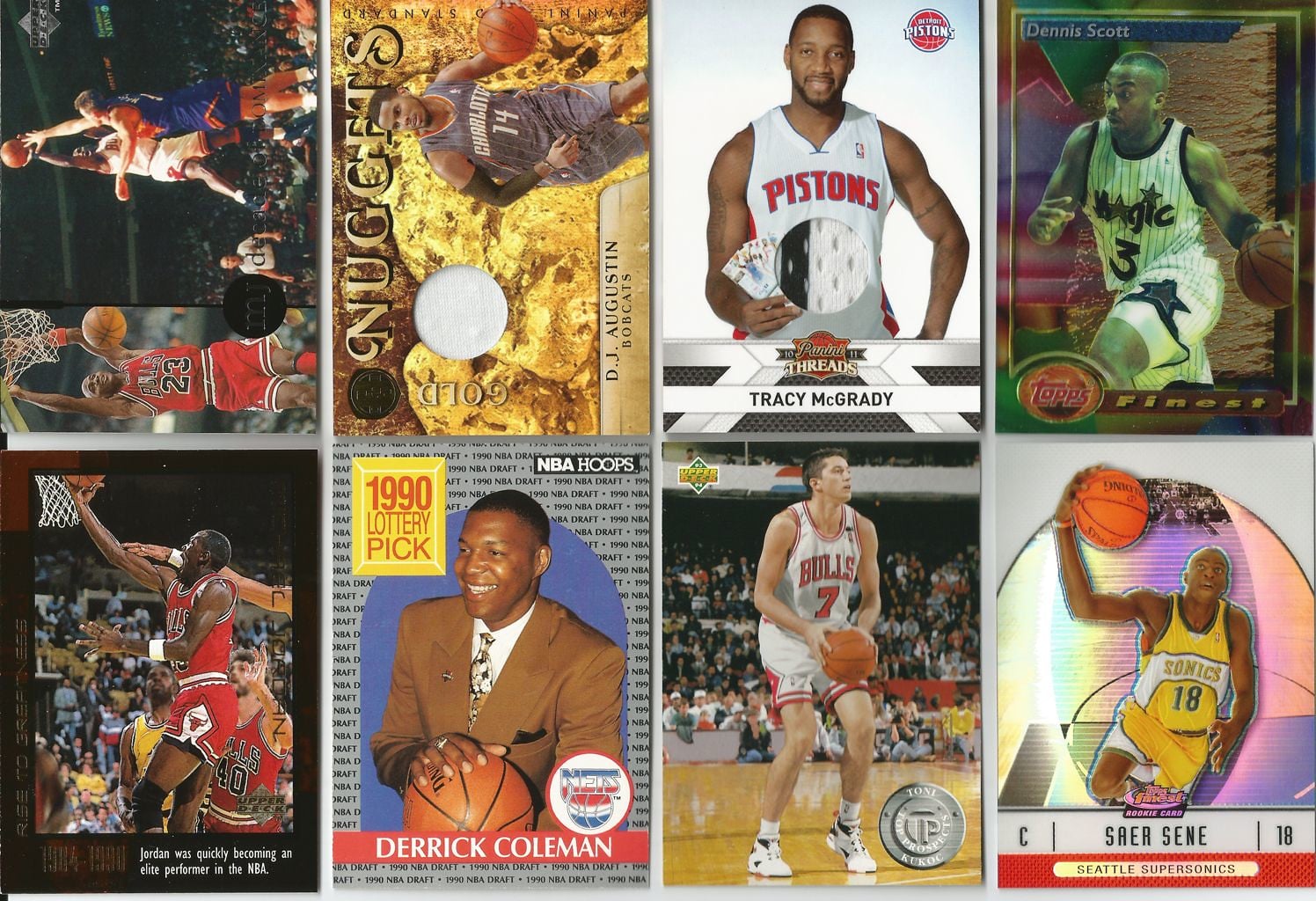
While baseball dominated early production, the market gradually widened. Football, basketball, and hockey cards gained traction as professional leagues expanded.
Soon, pop culture entered the mix. Television shows, movie franchises, and comic book characters found their way onto cardboard.
This diversification broadened the audience. A sports fan might collect rookie cards, while a movie enthusiast sought complete character sets.
Collecting became less about a single pastime and more about personal identity. Cards reflected what people loved, whether that was a hometown team or a blockbuster film.
The Boom Of The 1980s And 1990s

By the late 1980s, trading cards had turned into a speculative frenzy. Print runs soared as manufacturers rushed to meet growing demand.
Parents viewed unopened boxes as future investments. Card shops appeared in malls across the country, and price guides became required reading for serious collectors.
That surge created a paradox. High production numbers meant many cards were not truly rare.
When the market cooled in the mid-1990s, values plummeted. Collections once treated like retirement plans lost much of their worth.
The crash was a sobering moment, proving that nostalgia does not always translate into scarcity.
Innovation And Premium Branding
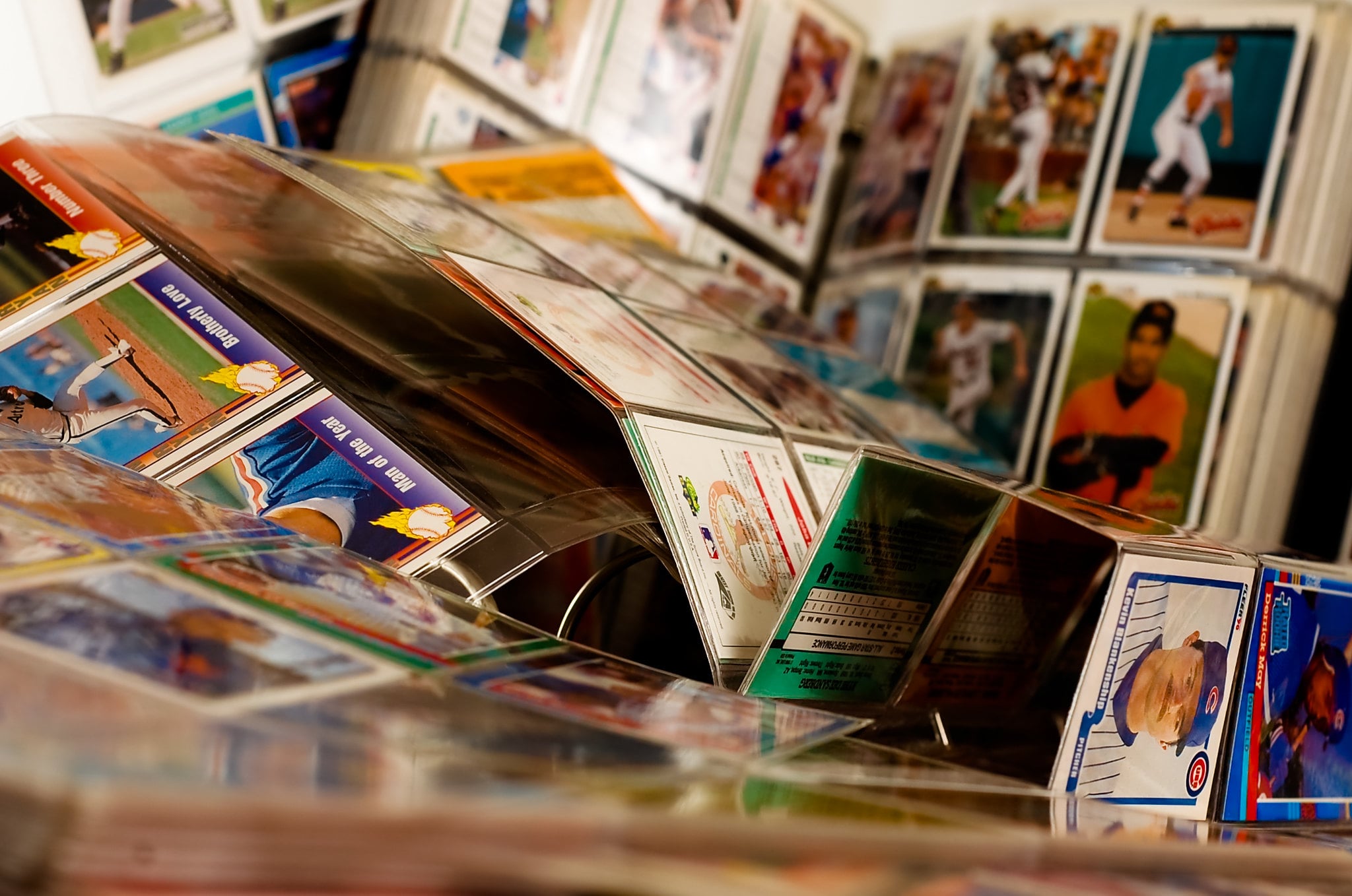
The downturn forced companies to rethink strategy. Instead of mass production, manufacturers pivoted toward limited-edition runs and premium designs.
In 1989, Upper Deck entered the scene with high-quality printing, hologram security features, and sharper photography. The presentation alone signaled a new era.
Cards began including autographs, game-used memorabilia pieces, and serial numbers. Collectors were no longer chasing volume; they were pursuing uniqueness.
The hobby matured, becoming more sophisticated and curated. Packaging felt luxurious, and the experience of opening a pack resembled unveiling a carefully wrapped gift.
Grading Changes The Game

As values climbed for rare and pristine cards, third-party grading services emerged to bring standardization. Companies such as Professional Sports Authenticator introduced numeric scales to evaluate condition, from corners and edges to centering and surface quality.
A single grade could dramatically impact market value. Grading created a sense of transparency, but it also intensified competition.
Two identical cards could sell for vastly different prices depending on their score. For collectors, condition became as important as the image printed on the front.
The hobby began to resemble fine art appraisal, with sealed cases and authentication labels adding legitimacy.
The Pandemic Resurgence

In 2020, trading cards experienced a dramatic revival. With live sports paused and people spending more time at home, nostalgia resurfaced.
Online marketplaces recorded record-breaking sales. Rookie cards of emerging stars fetched six-figure sums, and social media fueled hype around pack openings.
Still, this surge differed from the boom of the early 1990s. Limited print runs and grading transparency helped maintain stronger market fundamentals.
Collectors approached purchases with greater awareness of supply and demand. The hobby felt energized rather than chaotic, blending old-school enthusiasm with modern market savvy.
Digital Cards And A New Frontier

The rise of digital collectibles introduced another layer to the story. Blockchain-based cards and virtual packs appealed to younger audiences accustomed to online gaming economies.
Ownership shifted from physical binders to digital wallets, yet the thrill of pulling a rare card remained intact. That said, physical cards retained their emotional pull.
There is something enduring about holding a piece of cardboard that has traveled through decades. Digital formats expanded the definition of collecting, but they did not erase the tactile appeal of traditional sets.
The hobby adapted without losing its roots.
Why National Trading Card Day Exists

Against this backdrop, National Trading Card Day emerged as a celebration of continuity. Created by Topps in 2010, the event encourages collectors to visit local hobby shops for free promotional packs and exclusive releases.
It brings communities together, drawing families, longtime enthusiasts, and curious newcomers into the same space. The holiday also highlights the social side of collecting.
Card shops function as gathering places where stories are exchanged as often as cards. A seasoned collector might share advice with a first-timer, bridging generations in the process.
In an era dominated by online transactions, that in-person interaction feels refreshingly analog.
The Culture Behind The Card
Cards stick around since they mix buying with remembering. What if that first card turned into something legendary?
Stacks neatly arranged could mean long days off school, time passing slow back home. Some worth little still feel heavy in your hands years later.
Feelings run deep here, which is why folks mark National Trading Card Day each year. Free cards matter some, yet it is really the habit of doing things together that sticks.
The act of gathering pieces brings order when everything else feels rushed. Waiting pays off, paying attention helps, sometimes chance lends a hand too.
Slowly, what begins as chasing value turns into staying close to others.
A Tradition Still In Motion

Proof that old hobbies can stay fresh? National Trading Card Day shows it plainly.
Shaped by tech leaps, cultural turns, and what people want today – cards keep changing. Once just extras tucked into products, they’ve grown without fanfare.
Now entire events gather fans, auctions move rare copies, networks hum online. Holidays make space for slowing down, noticing how far things have come.
One tale sits visible on each card’s face – another hides in the way collecting has changed over time. While screens flash fast and fade, these pieces stay solid, real in your hand.
Their steady presence, low-key but constant, keeps the practice alive today.
More from Go2Tutors!

- The Romanov Crown Jewels and Their Tragic Fate
- 13 Historical Mysteries That Science Still Can’t Solve
- Famous Hoaxes That Fooled the World for Years
- 15 Child Stars with Tragic Adult Lives
- 16 Famous Jewelry Pieces in History
Like Go2Tutors’s content? Follow us on MSN.