Daily Technology We Take for Granted
Most mornings follow the same pattern. You wake up, check your phone, maybe flip a light switch, and make coffee without thinking twice.
None of it feels like a miracle. But underneath each of those small acts is decades of engineering, billions of dollars of infrastructure, and some genuinely astonishing science that most people never stop to consider.
The ordinary hides the extraordinary pretty well.
The Alarm Clock That Knows What Time It Is

Your phone displays the correct time without you ever setting it. That happens because it’s constantly syncing with atomic clocks — devices that measure time using the vibration frequency of atoms, accurate to within a billionth of a second.
Somewhere, a clock is ticking to the rhythm of cesium atoms so your morning alarm goes off on time. That’s not something most people think about while hitting snooze.
Indoor Plumbing
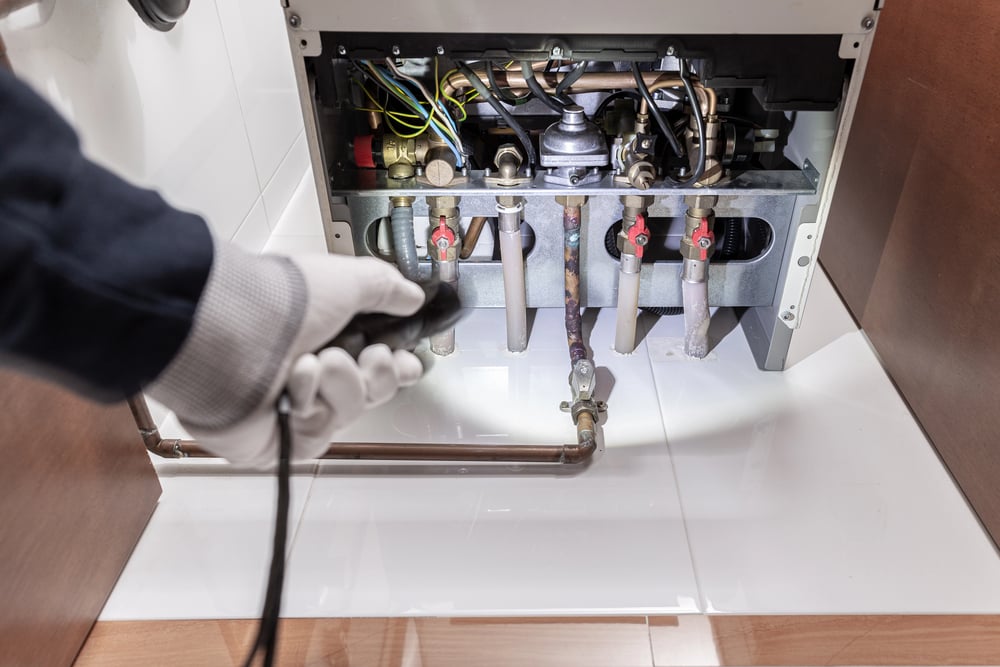
Turn a tap, get clean water. It’s so automatic that most people only notice plumbing when it breaks.
But delivering pressurized, treated, drinkable water to every faucet in a city requires an enormous network of pipes, pumps, filtration systems, and chemical treatment facilities running around the clock. The ancient Romans had aqueducts.
What exists now is orders of magnitude more complex — and it mostly works silently, invisibly, every single day.
The Light Switch
Flipping a switch and having a room instantly fill with light is something children do without a second thought. Behind that switch is a grid that balances electricity supply and demand in real time, with power plants adjusting their output constantly to match what millions of people are drawing at any given moment.
The electricity flowing through your walls traveled from a turbine — powered by gas, water, wind, or nuclear fission — in a fraction of a second.
GPS
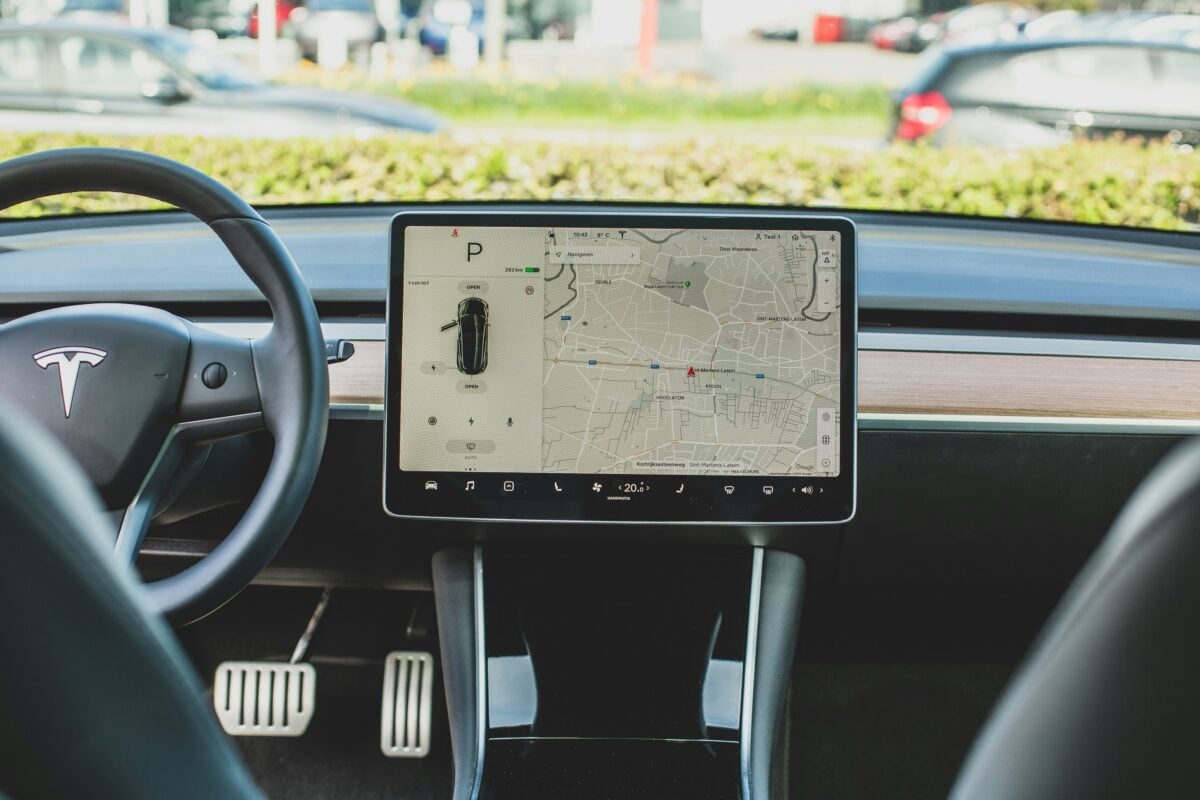
Ask someone over 50 how they used to navigate before GPS, and you’ll get stories about folded paper maps, wrong turns, and arguments in car seats. Now you just say an address out loud and a voice guides you turn by turn.
That voice is drawing on signals from satellites 12,000 miles overhead, doing math that accounts for the slight time-warping effects of Einstein’s theory of relativity. Without those relativistic corrections, GPS would drift by several miles per day.
The Internet, Broadly

Not the apps. The physical thing underneath them.
The internet runs on a global web of fiber optic cables — many of them buried under oceans — capable of carrying data as pulses of light. When you load a webpage, a request travels from your device, bounces through routers in multiple countries, retrieves information from a server that might be on another continent, and returns to your screen in under a second.
The fact that this works reliably is, by any reasonable measure, one of the most complex things humanity has ever built.
Search Engines

Before search engines, finding information online meant knowing the exact address of the website you wanted. The web was a maze without a map.
Now you can type a half-formed question with a typo and get exactly what you were looking for. The algorithms doing that work are processing your query, interpreting your intent, ranking billions of pages, and delivering results faster than your eye can move.
People use it dozens of times a day and think nothing of it.
Refrigeration

The refrigerator in your kitchen is doing something that most of human history didn’t have access to: keeping food cold enough to prevent bacteria from multiplying. Before refrigeration, food spoiled fast.
Ice had to be harvested, transported, and stored. People ate seasonally and locally by necessity.
Now a compressor the size of a shoebox in the back of your fridge maintains a controlled cold environment indefinitely, dramatically extending the safe life of nearly every food you buy.
Glass

It’s everywhere — windows, phone screens, spectacle lenses, car windshields, mirrors, drinking glasses. And yet it’s essentially sand, processed at high temperatures into a material that’s simultaneously transparent, hard, and fragile.
The flat, distortion-free glass in a modern window or display screen is the result of a manufacturing technique (the float glass process) that wasn’t developed until the 1950s. Before that, truly flat glass was difficult to produce.
Now it’s so cheap that nobody thinks twice about the glass in a $3 picture frame.
The Postal and Delivery System

Writing something down and having it physically arrive at a specific address anywhere in the country — or the world — within days is a logistics achievement most people treat as mundane. It requires sorting facilities, transportation networks, routing software, and workers handling millions of individual items daily.
When a package arrives on your doorstep, it passes through a chain of handoffs that would have seemed like science fiction two centuries ago.
Elevators
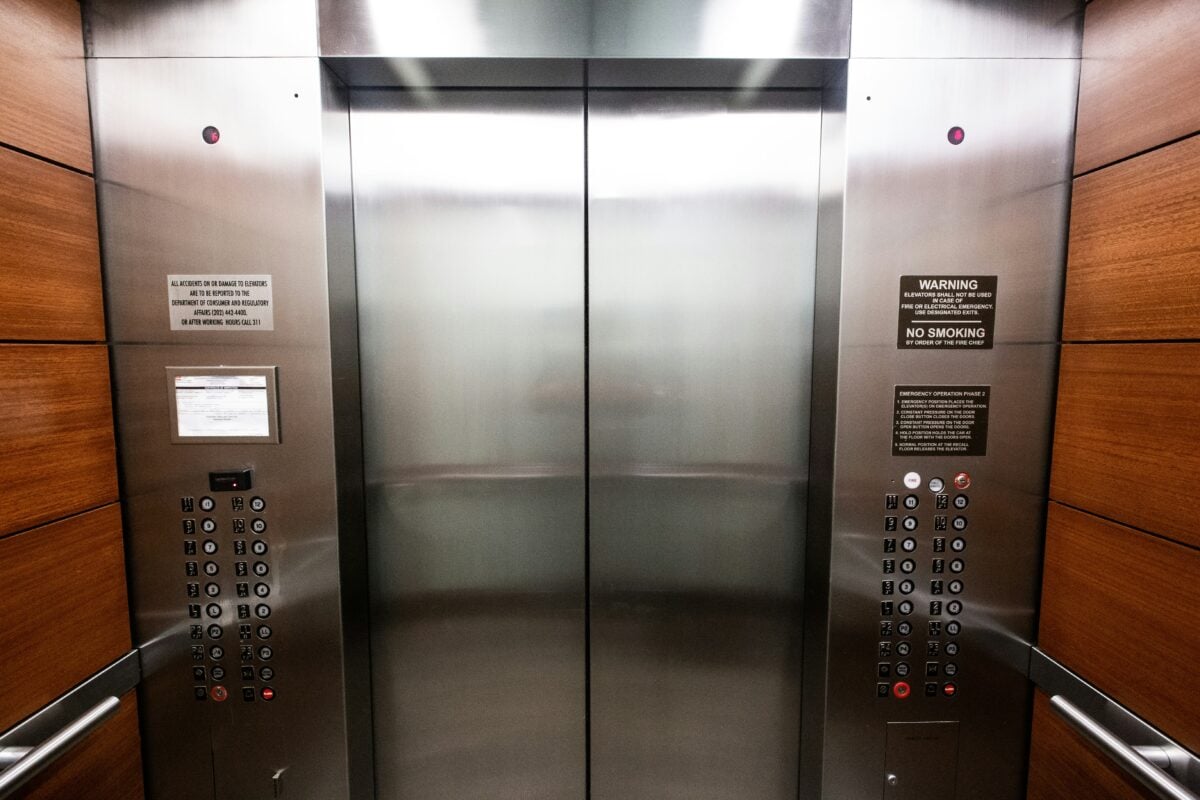
Tall buildings only became practical because of elevators. They’re so normal in cities that people rarely consider what they’re actually doing: riding a small metal box suspended by cables hundreds of feet in the air, operated by a system engineered to be extremely safe.
Modern elevators have multiple redundant braking systems, and fatal accidents are extraordinarily rare. Most people spend time staring at their phones, blissfully unaware of the engineering keeping them alive.
The Battery
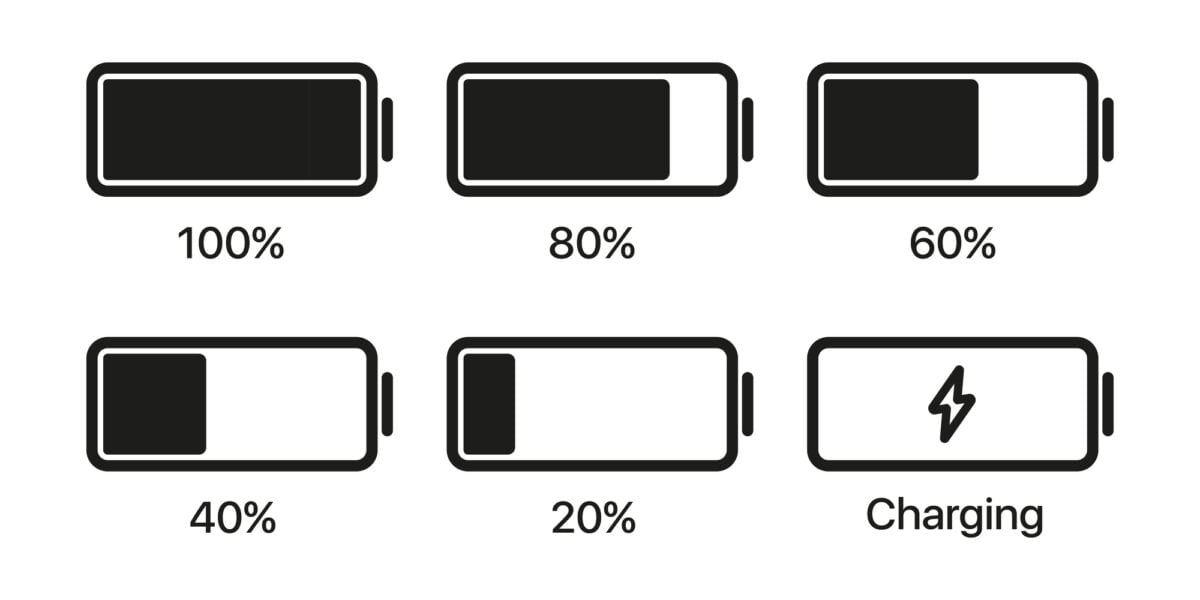
A charged battery sitting in a device is a small container of stored energy, ready to release on demand. That’s not a simple thing.
The rechargeable lithium-ion battery that powers your phone involves precise electrochemistry — lithium ions moving between electrodes as the battery charges and discharges — and took decades of research to develop. The convenience of a device that runs all day without being plugged in is something people complain about when it runs low, rarely appreciating when it’s full.
Weather Forecasting
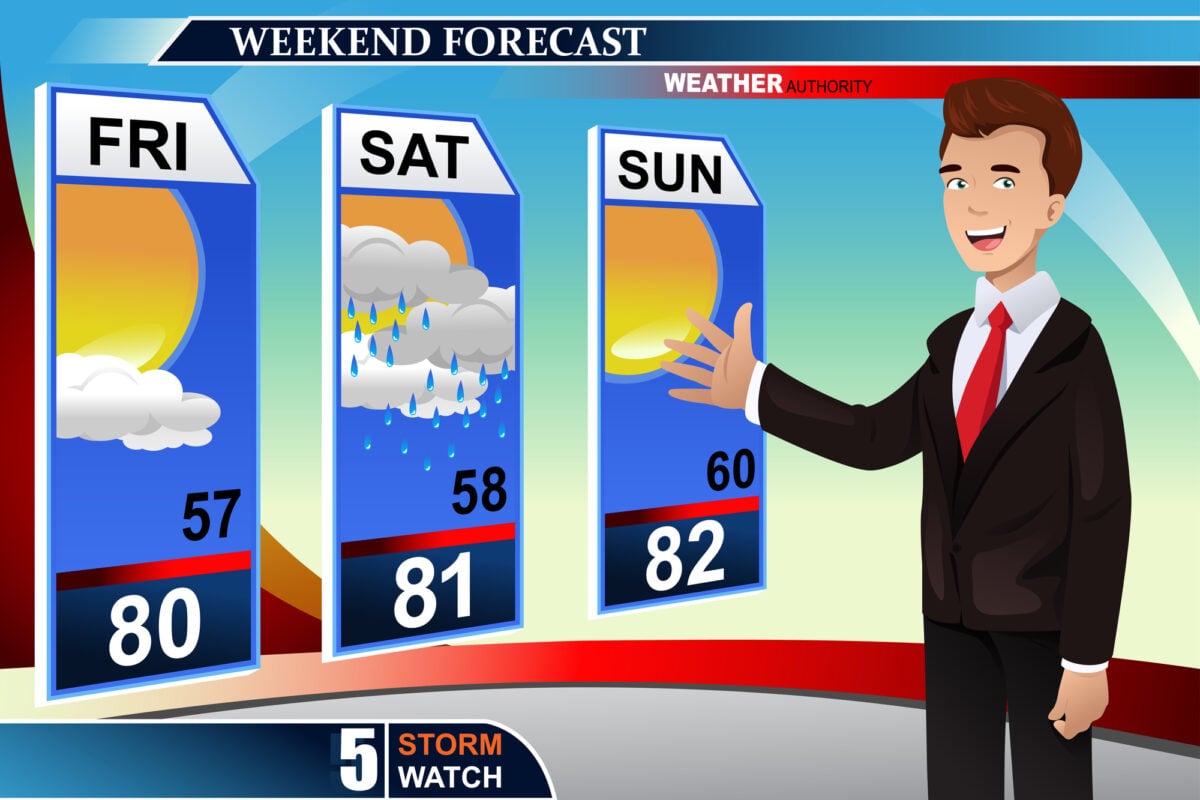
A five-day weather forecast is now fairly reliable. That sounds unimpressive until you consider what producing it requires: thousands of weather stations on the ground, radar networks, satellites measuring atmospheric conditions from orbit, and supercomputers running mathematical models of the entire planet’s atmosphere.
Fifty years ago, a reliable three-day forecast was considered ambitious. People now check hourly predictions on their phones without thinking much about the machinery behind them.
The Microwave
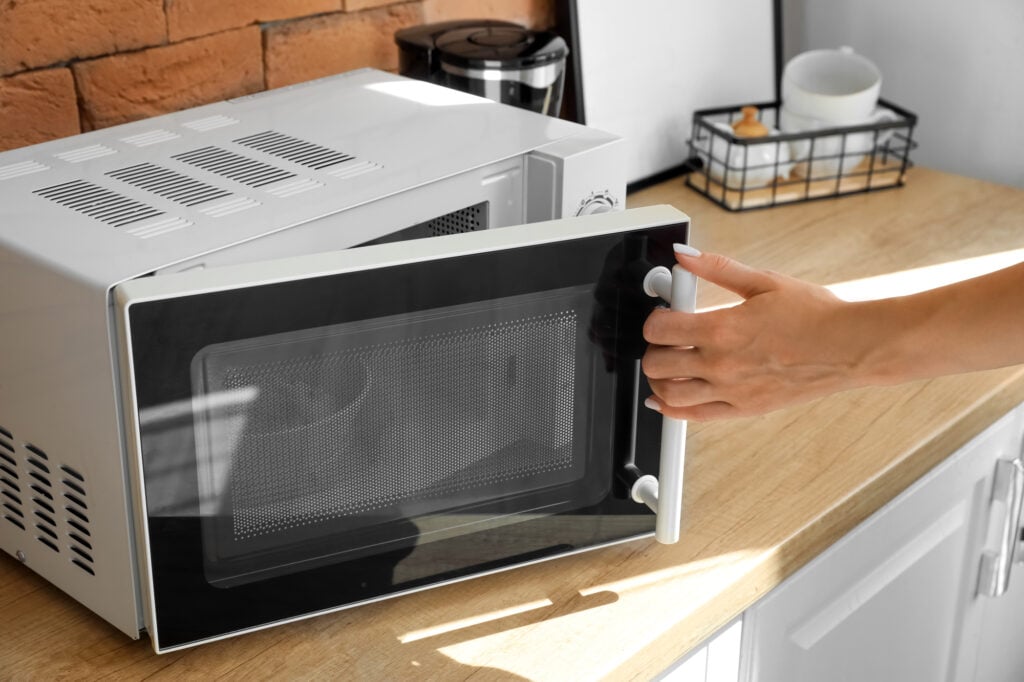
Put cold food in, press a button, and get hot food in two minutes. The microwave oven works by emitting electromagnetic radiation that causes water molecules in food to vibrate, generating heat from the inside out.
It was discovered accidentally by an engineer working on radar technology in 1945, when he noticed a chocolate bar in his pocket had melted near the equipment. That accident is now in most kitchens, and most people only interact with it by pressing “2” twice.
Anesthesia

This one crosses into medicine rather than everyday convenience, but it belongs here because of how completely it’s been normalized. The idea that a surgeon can cut into a person’s body while they remain unconscious and feel nothing — and then wake up afterward — would have seemed unthinkable for most of human history.
Surgery without anesthesia was a last resort, performed as fast as possible. Now people schedule elective procedures and are annoyed when the hospital parking is inconvenient.
The Quiet Background Hum
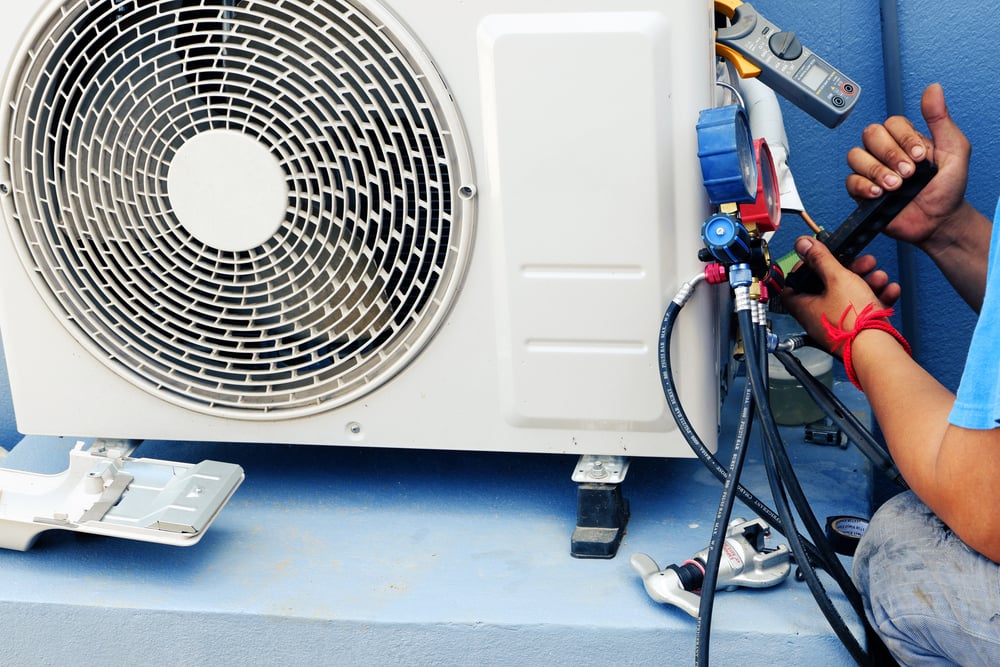
Most of the technology that makes modern life comfortable runs in the background, unnoticed. The router blinking in the corner, the HVAC system cycling on and off, the chip in your card that communicates with the payment terminal, the satellites positioning overhead, the servers storing your photos — none of it demands attention, and that invisibility is part of what makes it so easy to forget.
The more reliable something becomes, the less it registers as remarkable. There’s something worth sitting with in that.
The things that shaped daily life most profoundly tend to be the ones nobody talks about anymore. Not because they stopped mattering, but because they became so dependable that the mind stopped filing them as remarkable.
The light comes on. The water runs.
The message arrives. And somewhere, an atomic clock keeps ticking.
More from Go2Tutors!

- The Romanov Crown Jewels and Their Tragic Fate
- 13 Historical Mysteries That Science Still Can’t Solve
- Famous Hoaxes That Fooled the World for Years
- 15 Child Stars with Tragic Adult Lives
- 16 Famous Jewelry Pieces in History
Like Go2Tutors’s content? Follow us on MSN.