Everyday Items That Emit Radiation
Every day, invisible bits of energy float through air, ground, and food. Not just reactors or stars – earth itself gives off faint pulses.
Minerals tucked in rocks send out quiet signals. Bananas, granite counters, even your own body play their part.
What feels alien is actually woven into ordinary moments. Barely noticeable, most of this radiation slips quietly into daily surroundings without standing out.
Known by researchers as ‘background radiation,’ it’s simply one piece of Earth’s long-standing chemical makeup. Take a peek inside everyday things you’d never guess give off tiny bits of radiation just by existing.
Some common objects carry faint traces built right into their structure. A few household names on the list might raise eyebrows.
These materials release minimal energy without anyone noticing. Most people pass them by without a second thought.
Radiation shows up where it’s least expected. Quiet emissions come from places that seem completely harmless.
Nothing dramatic – just subtle natural output baked in.
Bananas

Bananas have earned a reputation as one of the most famous everyday sources of natural radiation. The reason lies in potassium, a mineral that occurs naturally in the fruit.
A tiny fraction of that potassium exists as potassium-40, a naturally radioactive isotope. The amount involved is extremely small, far below anything considered dangerous.
In fact, the radiation from a single banana is often used by scientists as a humorous reference point called the ‘banana equivalent dose’ to explain very small radiation levels. Still, the example highlights how common radioactive elements are in nature.
Foods grown in soil absorb minerals from the ground, and occasionally those minerals include trace radioactive isotopes.
Granite Countertops

Granite countertops are prized for their durability and distinctive patterns, yet the stone contains small amounts of naturally occurring radioactive elements. Granite forms deep within the earth’s crust, where minerals such as uranium and thorium can be present in trace amounts.
These elements slowly release energy over long periods of time. The radiation emitted from granite surfaces is extremely low and typically indistinguishable from natural background levels in most homes.
Even so, the stone serves as a reminder that radiation is not limited to high-tech environments. Natural geological materials have quietly released small amounts of energy for millions of years.
Smoke Detectors

Many household smoke detectors rely on a tiny radioactive component to function properly. The device contains a minute amount of americium-241, a material that emits particles capable of ionizing air inside a small chamber.
Under normal conditions, the ionized air allows an electrical current to flow within the detector. When particles from smoke enter the chamber, they disrupt that current and trigger the alarm.
The quantity of americium used in these devices is extremely small and sealed within the detector’s housing. Even so, the technology demonstrates how controlled radiation can serve useful purposes in everyday safety equipment.
Ceramic Dishes

Some ceramic dishes, especially older decorative pieces, may contain small amounts of radioactive materials. In certain glazes used during the twentieth century, compounds containing uranium were sometimes added to produce bright colors, particularly vibrant reds and oranges.
These glazes can emit low levels of radiation, though the levels are generally minimal. Collectors and antique enthusiasts occasionally encounter these dishes when browsing vintage kitchenware.
That said, modern manufacturing standards rarely use those materials in consumer ceramics. Still, the existence of such items illustrates how radiation once appeared in places many people would never expect.
Brazil Nuts

Brazil nuts are another food known for containing slightly elevated levels of natural radiation. The trees grow deep root systems that extend far into the soil, absorbing minerals that other plants rarely reach.
Among those minerals can be trace amounts of radium, which becomes incorporated into the nut as it develops. Even so, the radiation level remains small and comparable to other natural exposures people encounter every day.
Scientists often mention Brazil nuts as an interesting example of how plant biology interacts with geology. The deep roots simply draw nutrients from areas where certain elements occur naturally.
Old Luminous Watches

Vintage watches and clocks sometimes glow in the dark thanks to materials used decades ago. Earlier designs relied on radium-based paint that produced a faint glow without needing external light.
The radium slowly releases energy that excites phosphorescent materials in the paint, creating the glowing effect. While the radiation levels are modest, prolonged exposure led manufacturers to move toward safer alternatives in later years.
Today, collectors view these watches as historical artifacts that reflect an earlier era of industrial experimentation. Their glow remains a small reminder of how scientific discovery occasionally found its way into everyday products.
Fertilizers
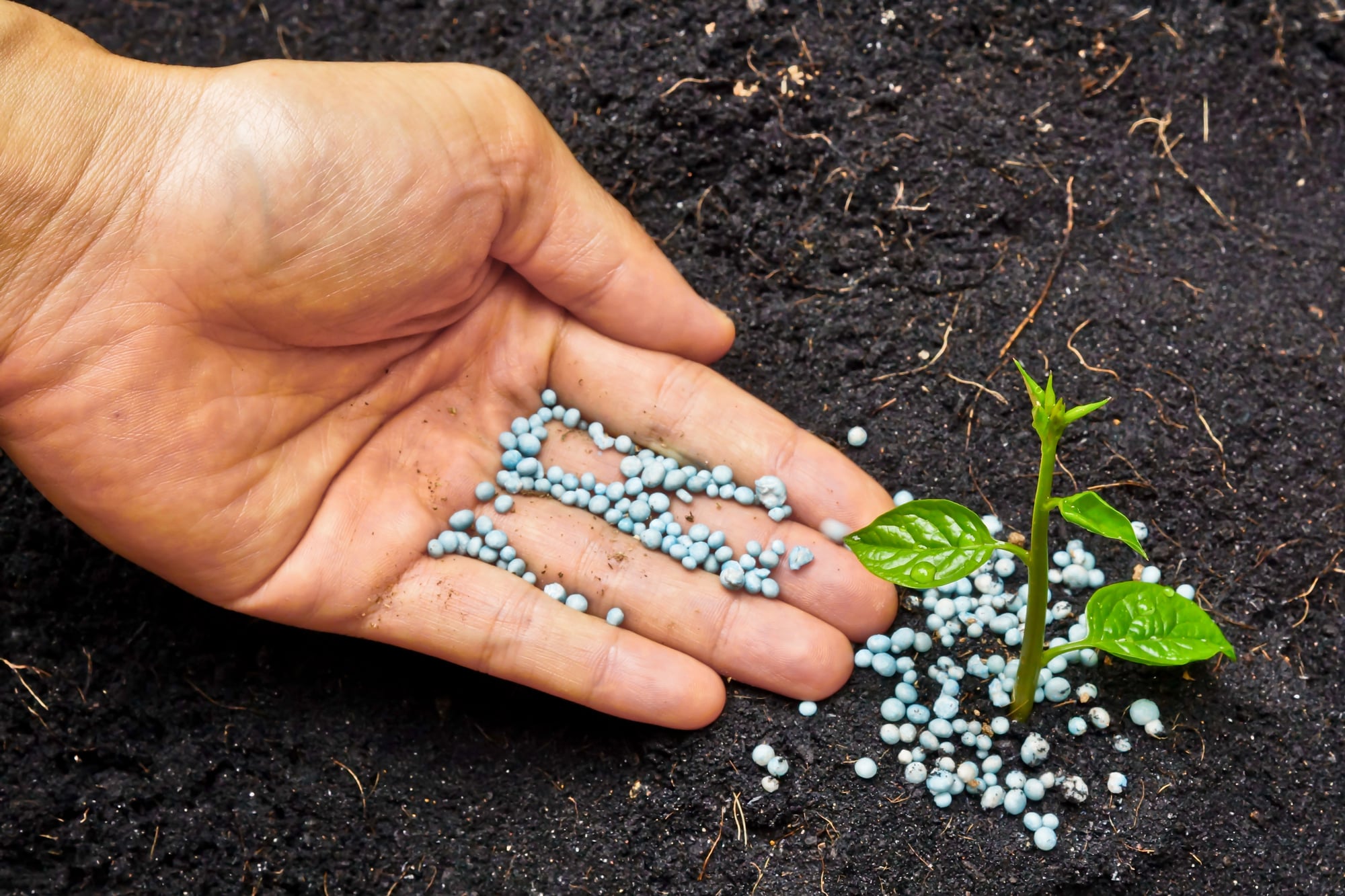
Agricultural fertilizers occasionally contain trace amounts of radioactive materials because they originate from natural mineral deposits. Phosphate rock, a common ingredient in fertilizer production, can include small amounts of uranium and other radioactive elements.
When the minerals are processed into fertilizer, those elements remain present in tiny concentrations. Over time, fertilizers spread across farmland contribute small additions to the natural radiation already present in soil.
Even so, the levels involved are generally extremely low and consistent with the natural chemistry of many geological materials. Farmers have used phosphate fertilizers for decades without noticeable radiation concerns in normal use.
Building Materials
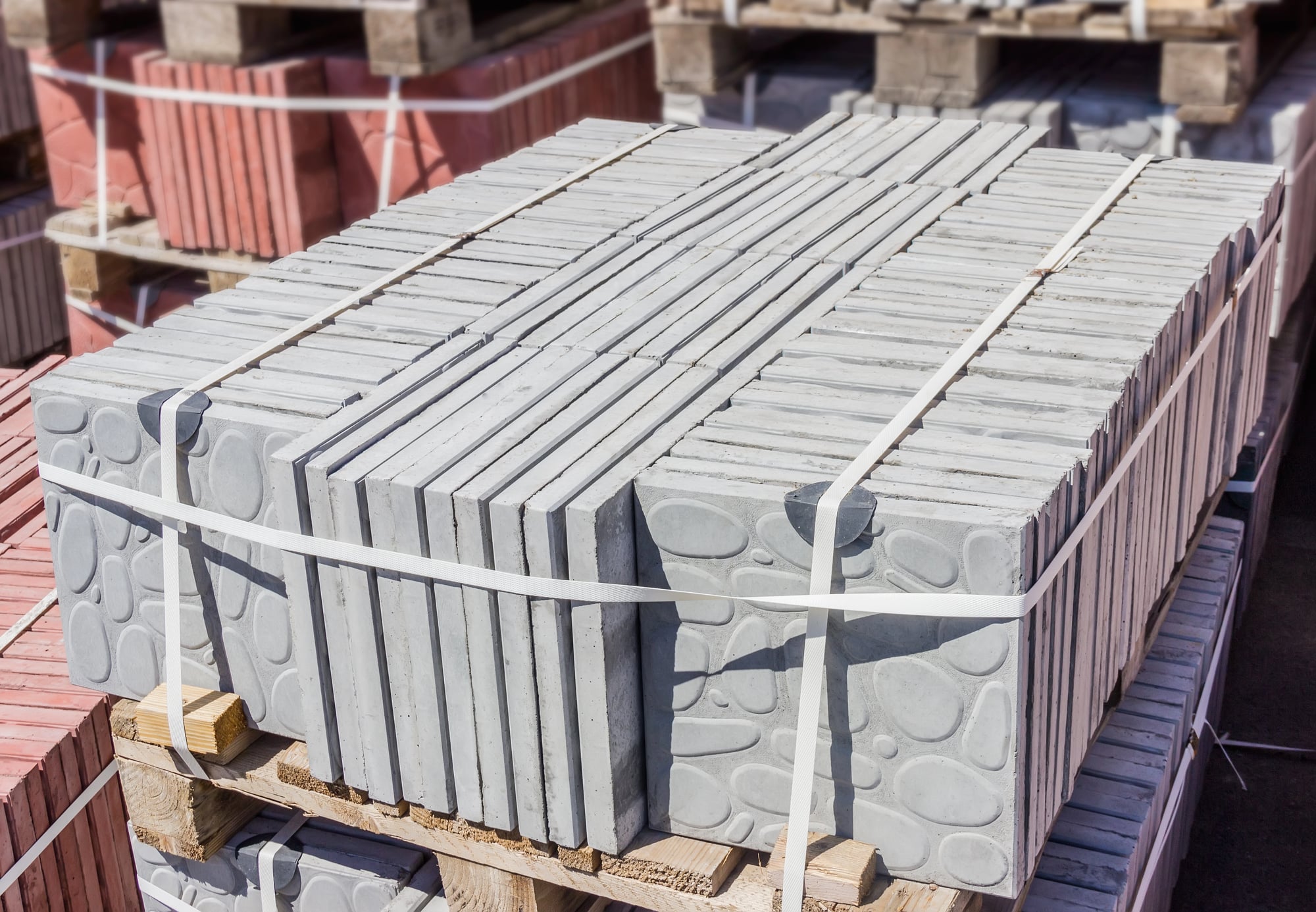
Certain building materials contain trace radioactive elements simply because they originate from natural stone or clay. Brick, concrete, and tile can include small amounts of uranium, thorium, or potassium-40 depending on the minerals present in the raw materials.
These elements release tiny amounts of radiation over long periods of time. The exposure remains extremely small and contributes only a fraction of the natural background radiation people experience indoors.
Still, buildings illustrate how radiation quietly surrounds everyday environments. The earth’s crust contains many radioactive isotopes, and materials derived from it naturally carry traces of those elements.
Kitty Litter
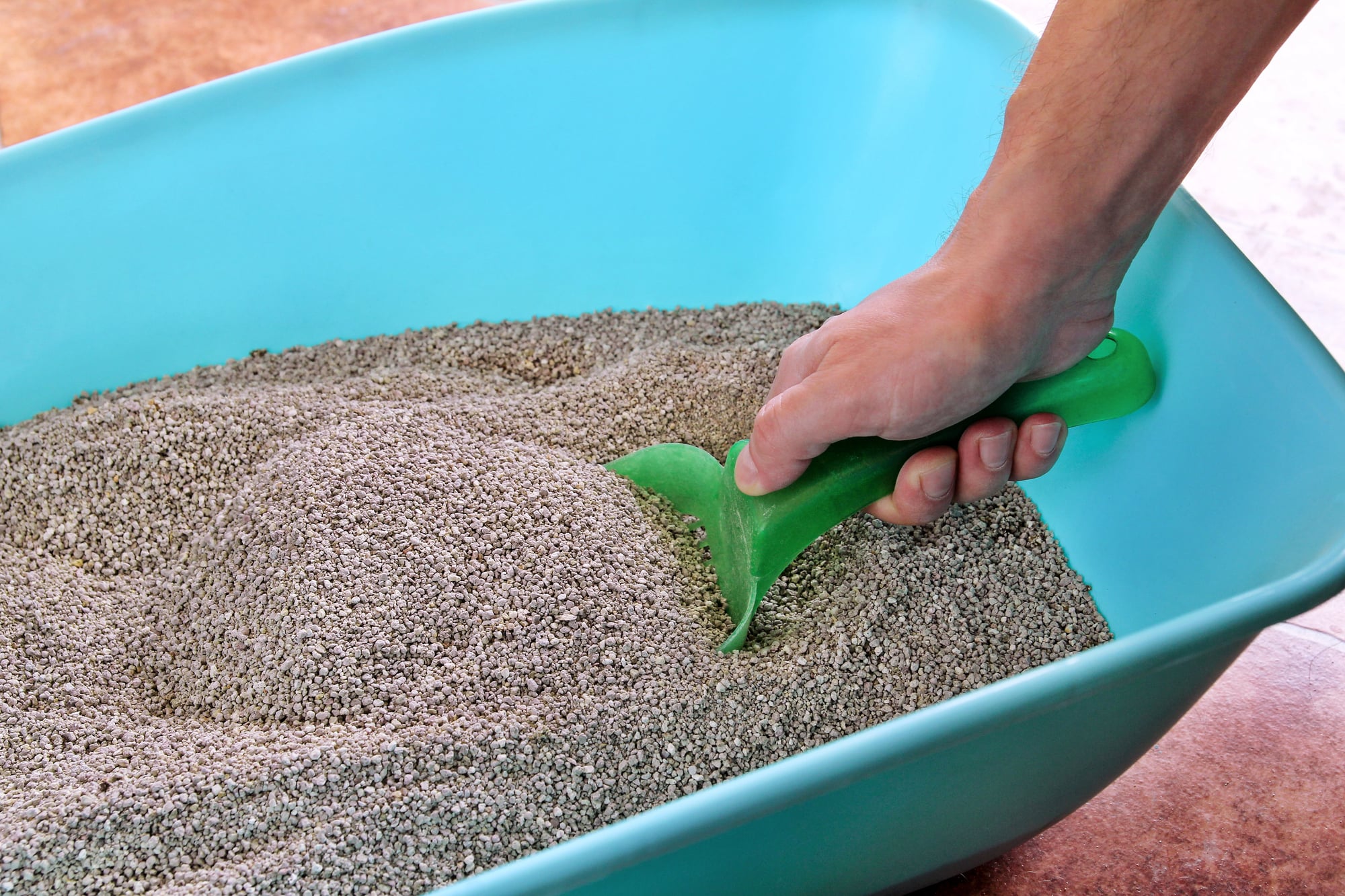
Some types of kitty litter contain clay minerals that originate from natural geological formations. Certain clay deposits include small traces of uranium and thorium, which means the litter can emit very low levels of radiation.
The amounts involved are extremely small and generally comparable to levels found in many other natural materials. For most households, the radiation from kitty litter blends into the broader background environment.
Even so, the example highlights how radiation often appears in places people rarely consider. Natural minerals carry the chemical signatures of the earth’s formation, including trace radioactive elements.
Potassium-Rich Salt Substitutes

Some salt substitutes rely on potassium chloride instead of sodium chloride. Because potassium naturally contains the isotope potassium-40, these substitutes can emit very small amounts of radiation.
The levels remain extremely low and are comparable to the radiation found in potassium-rich foods. Since potassium is an essential nutrient for the human body, these tiny traces are simply part of natural chemistry.
That said, potassium-based products offer another reminder that radioactive isotopes occur naturally throughout the environment. They exist in soil, food, and even within the human body.
The Quiet Presence Of Natural Radiation
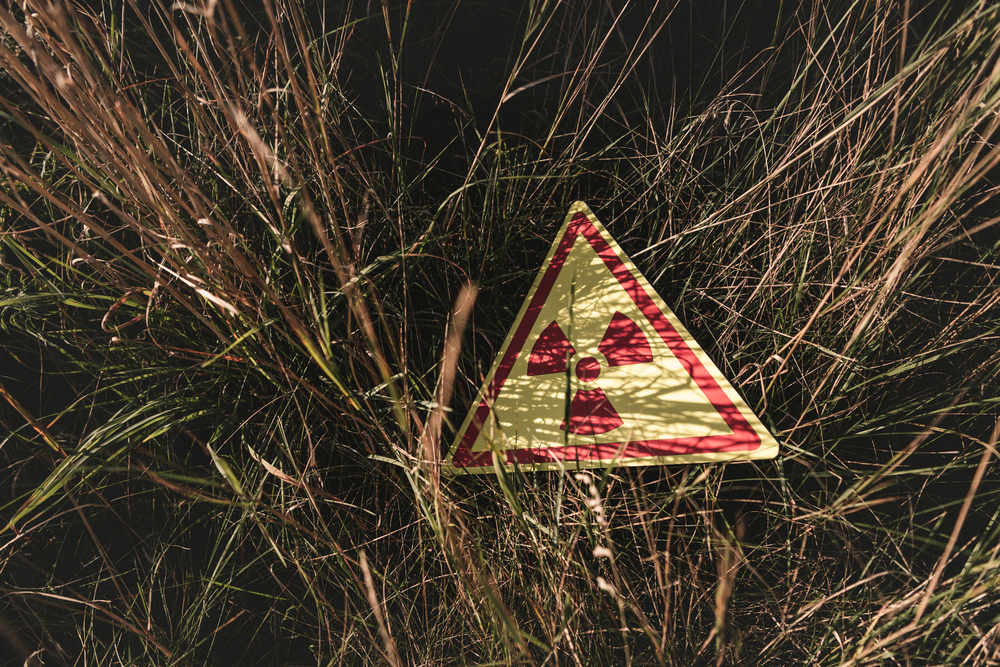
Besides being linked to big accidents, tiny bits of radiation pop up where you might not expect. From granite countertops to bananas, natural materials give off faint traces without making headlines.
Rocks hold radioactive minerals. Food contains isotopes.
Even dirt underfoot plays a part in what’s been here since the planet formed. Bananas, kitchen counters made of stone, or plates you eat off – they all show nature’s way of sparking small bits of power without fuss.
Though they give off energy now and then, it slips by unnoticed in daily life around cooking spaces and living areas. Seeing how normal this presence is puts radiation into clearer view.
Not just found in wild places, but built into the earth’s makeup plus common things around us daily. Everyday items give off a soft kind of energy – echoes of old forces that formed the world long ago.
More from Go2Tutors!

- The Romanov Crown Jewels and Their Tragic Fate
- 13 Historical Mysteries That Science Still Can’t Solve
- Famous Hoaxes That Fooled the World for Years
- 15 Child Stars with Tragic Adult Lives
- 16 Famous Jewelry Pieces in History
Like Go2Tutors’s content? Follow us on MSN.