Humans Who Survived the Longest At Sea
The ocean stretches endlessly in every direction. When you’re stranded out there, days blur together into a surreal nightmare where time loses meaning and survival becomes your only thought.
These stories aren’t about adventure or glory. They’re about people who found themselves facing the most hostile environment on Earth and somehow refused to die.
The Record That Still Stands After 200 Years
In 1813, a Japanese cargo ship carrying soybeans left port with a crew of fourteen men. Captain Oguri Jukichi commanded the vessel on what should have been a routine journey along the coast.
A massive storm hit, damaging the ship and sweeping them out into the Pacific Ocean. The crew had no way to steer.
No way to signal for help. They drifted west, carried by currents they couldn’t control.
The men survived by eating the soybeans they were transporting and drinking distilled seawater. But soybeans alone don’t provide what the human body needs.
One by one, the crew members died of scurvy. Months passed.
The ocean showed no mercy. After 484 days adrift, only two men remained alive when their ship was finally spotted near the California coast.
Oguri Jukichi and a sailor named Otokichi had traveled over 5,000 miles across the Pacific. They became the first Japanese people to set foot on American shores.
More than two centuries later, their record for the longest time adrift at sea still holds in the Guinness Book of World Records.
The Fisherman Who Drifted for 438 Days
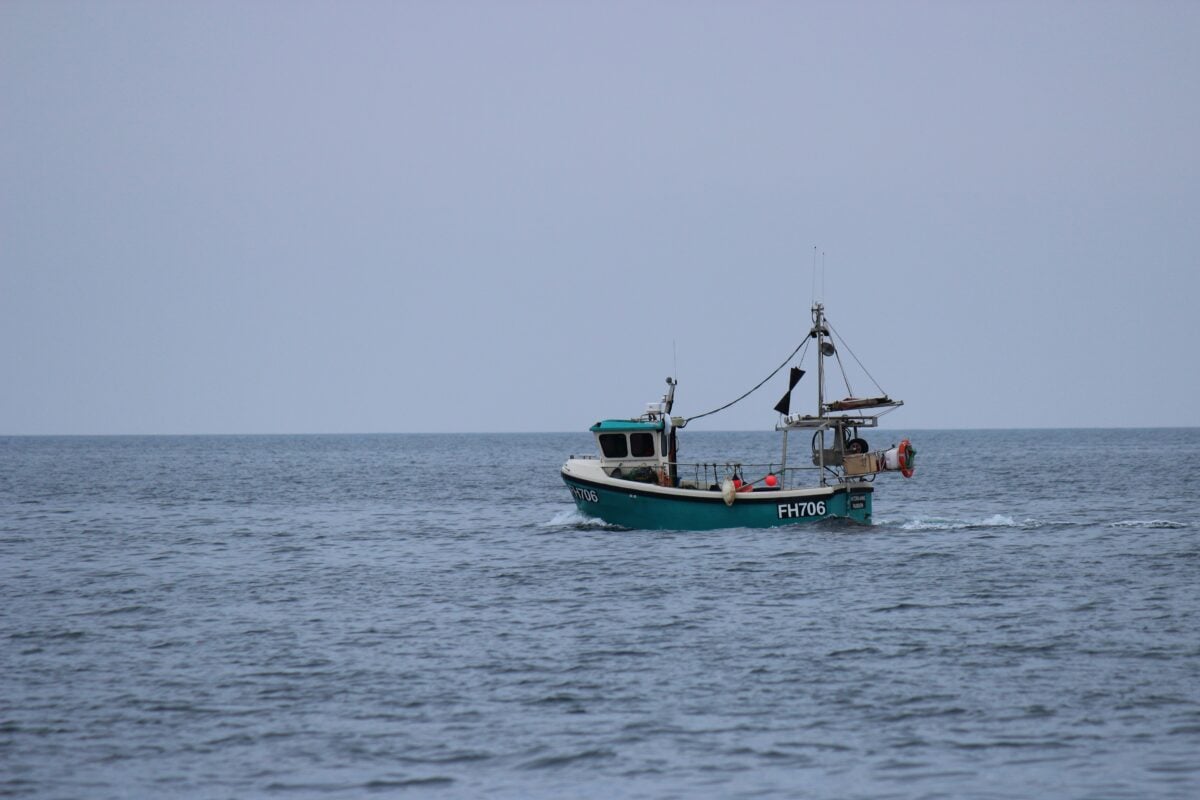
Jose Salvador Alvarenga left the fishing village of Costa Azul, Mexico, in November 2012 with another fisherman named Ezequiel Cordoba. They planned a 30-hour fishing trip.
The small boat barely qualified as seaworthy—more like a canoe with a motor. When a storm hit, it destroyed their engine and electronics within hours.
For five days, violent waves tossed them around. When the storm finally passed, they had drifted hundreds of miles from shore.
No one could hear their calls for help. Their boat had no sail, no oars, no way to propel themselves.
The ocean currents decided their fate now. Alvarenga and Cordoba caught fish and birds with their bare hands.
They collected rainwater when they could. During dry periods, they drank turtle blood.
Sometimes they drank their own urine just to survive another day. Four months in, Cordoba stopped eating.
The raw food had made him sick, and he’d lost all hope. He starved himself to death.
Alvarenga kept his companion’s body in the boat for six days, talking to the corpse because the loneliness was driving him insane. Eventually, he pushed Cordoba’s body into the ocean.
Alvarenga drifted alone for another ten months. He caught a cargo ship on the horizon once and waved frantically, but the crew never saw him.
His boat traveled over 6,700 miles across the Pacific before finally washing up on the Marshall Islands in January 2014. He’d been at sea for 438 days.
When Your Mind Becomes Your Enemy
The physical challenges of surviving at sea are brutal. But the psychological torture might be worse.
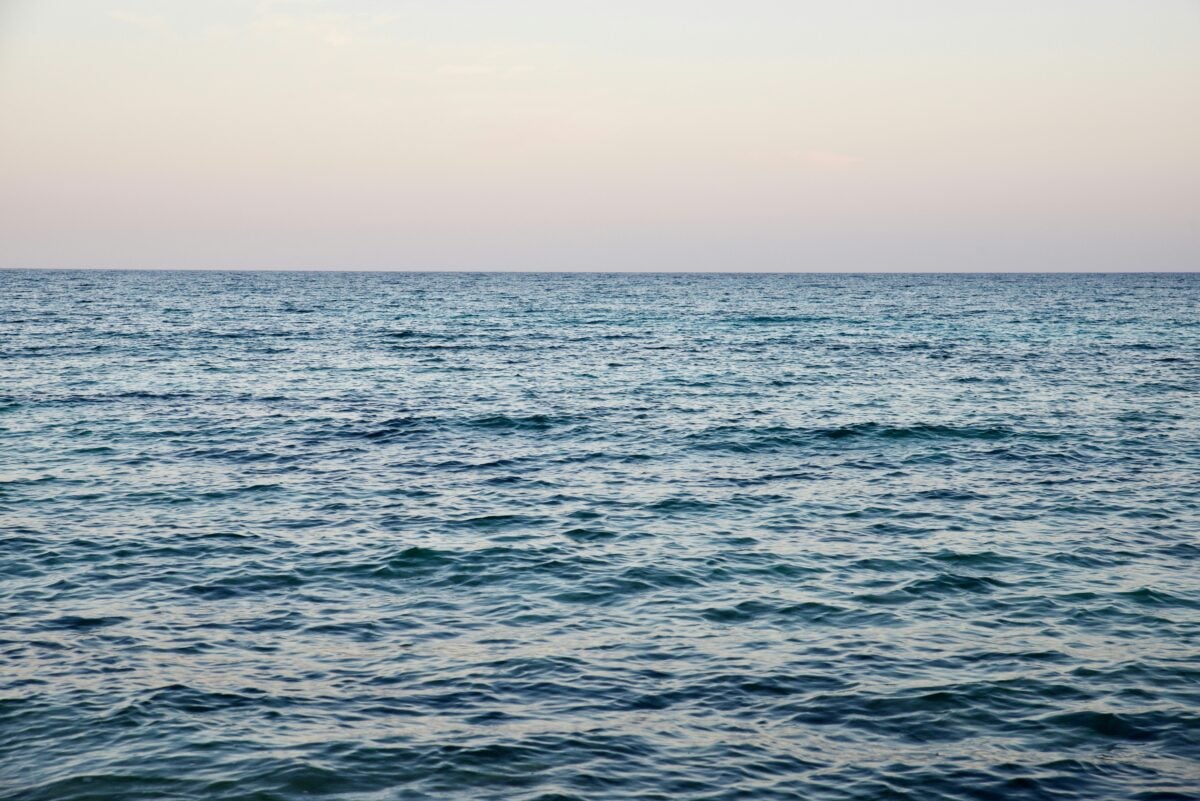
Imagine spending months with nothing but water surrounding you in every direction. No landmarks.
No variation in scenery. Just endless blue that looks exactly the same every single day.
Your brain starts playing tricks on you. Hallucinations become frequent visitors.
Some survivors reported seeing ships that weren’t there. Others heard voices.
The isolation gnaws at your sanity in ways that hunger and thirst never could. Alvarenga said he contemplated ending his life multiple times after Cordoba died.
Only his religious faith stopped him from going through with it. Other survivors describe similar moments of wanting to give up, of deciding that drowning would be easier than continuing to suffer.
The Chinese Sailor Who Mastered His Raft

Poon Lim was working as a steward on a British cargo ship during World War II when a German submarine torpedoed it off the coast of Brazil in November 1942. The ship sank in two minutes.
Poon Lim was the only survivor out of 56 people on board. He spent two hours in the water before finding a wooden life raft measuring eight feet across.
The raft contained some basic supplies—water, food, flares. But Poon Lim knew those supplies wouldn’t last long.
He fashioned a fishing hook from a flashlight spring. He caught fish by hand.
He killed seabirds that landed on his raft and drank their blood when his water ran low. When a shark got too close, he fought it off and then caught it, using part of the shark meat to attract more fish.
Cargo ships passed within sight several times, but none stopped to rescue him. Some historians believe they mistook him for a Japanese sailor and feared approaching because of wartime tensions.
Others suggest German submarines used decoy rafts to ambush rescue vessels, making ships wary of stopping. After 133 days alone on that raft, Brazilian fishermen finally spotted him and brought him ashore.
He’d drifted across 565 miles of ocean. King George VI awarded him the British Empire Medal.
When told he’d set a record for survival on a life raft, Poon Lim replied, “I hope no one will ever have to break that record.”
The Naval Architect Who Became an Aquatic Caveman
Steven Callahan designed and built his own boat, a 21-foot sloop called Napoleon Solo. In 1981, he was sailing solo across the Atlantic when something—probably a whale—struck the hull at night.
Water poured in fast. The boat was sinking.
Callahan managed to inflate a six-foot life raft and made several desperate dives back to the flooding cabin to grab supplies. He retrieved a sleeping bag, some food, navigation charts, a spear gun, three solar stills for making drinking water, and a survival manual written by another ocean survivor.
Before dawn, a large wave separated his raft from the sinking boat. He drifted away into darkness, alone in the middle of the Atlantic.
Callahan survived by spearing fish that gathered around his raft. He ate mahi-mahi, triggerfish, flying fish, barnacles, and birds he managed to catch.
An entire ecosystem developed around his raft, following him for 1,800 nautical miles across the ocean. The solar stills produced just over a pint of water per day.
He collected additional rainwater with improvised devices. He spotted nine ships during his 76 days adrift.
He fired flares at several of them. None stopped.
He knew from the beginning that rescue was unlikely and that survival depended entirely on him. He maintained a strict routine to keep his mind focused.
He exercised daily, made repairs to the raft, improved his fishing systems, and navigated using the stars. On April 5, 1982, fishermen found him just offshore of Marie Galante in the Caribbean.
Birds hovering over his raft had attracted their attention. Callahan later wrote a bestselling book about his experience and served as a consultant for the movie Life of Pi.
The Woman Who Sailed Through a Hurricane

Tami Oldham Ashcraft was 23 years old in 1983 when she and her fiance Richard Sharp were hired to deliver a luxury yacht from Tahiti to San Diego. Both were experienced sailors.
The crossing should have taken about a month under normal conditions. Twenty days into the journey, they encountered Hurricane Raymond.
Category 4 winds reaching 140 miles per hour battered their yacht. Waves towered 40 feet high.
Richard sent Tami below deck for safety. Moments later, she heard him scream.
A massive wave flipped the yacht end over end, slamming Tami’s head against the cabin wall and knocking her unconscious. She woke up 27 hours later in a flooded cabin.
Richard was gone, swept overboard by the storm. His safety harness hung empty in the water.
The yacht’s masts had snapped off. The engine was dead.
The radio was destroyed. The navigation system was ruined.
Tami had a severe head injury and was losing blood badly. But the yacht was sinking, and grief had to wait.
She pumped water out of the cabin by hand for hours. She fashioned a makeshift sail from a broken pole and a storm jib.
She found a sextant and a watch—the only navigation tools that survived. She aimed for Hawaii, 1,500 miles away.
For 41 days, she navigated using the stars and the sextant, eating canned fruit salad and sardines. The loneliness crushed her.
She talked to Richard constantly, unable to accept that he was truly gone. She talked to the boat, to the sea, to anything that would break the terrible silence.
She rationed her water carefully. She couldn’t afford to cry because tears meant losing precious fluids.
Every day she worried that her calculations were wrong, that she’d miss Hawaii entirely and sail past it into the empty Pacific. On day 39, she thought she spotted land but couldn’t be sure.
A military plane flew overhead but didn’t see her. Two ships appeared on the horizon but sailed past.
On day 41, a Japanese research vessel finally spotted her yacht drifting erratically near Hilo harbor and towed her in.
Three Mexican Fishermen and Nine Months at Sea

In October 2005, five Mexican fishermen left San Blas on a shark-fishing expedition. Strong winds blew them off course almost immediately.
When their fuel ran out, ocean currents took control, pushing them farther and farther from land. They survived on raw fish and rainwater.
The diet made two of them sick, and they eventually died from starvation. The three survivors—Jesus Eduardo Vidana, Lucio Rendon, and Salvador Ordonez—passed the time fishing, singing hymns, and reading the Bible aloud to each other.
A Taiwanese fishing boat found them nine months and nine days after they’d left Mexico. They’d drifted nearly 5,000 miles across the Pacific.
The men were emaciated and could barely walk, but they were alive.
The Yacht That Flipped Upside Down
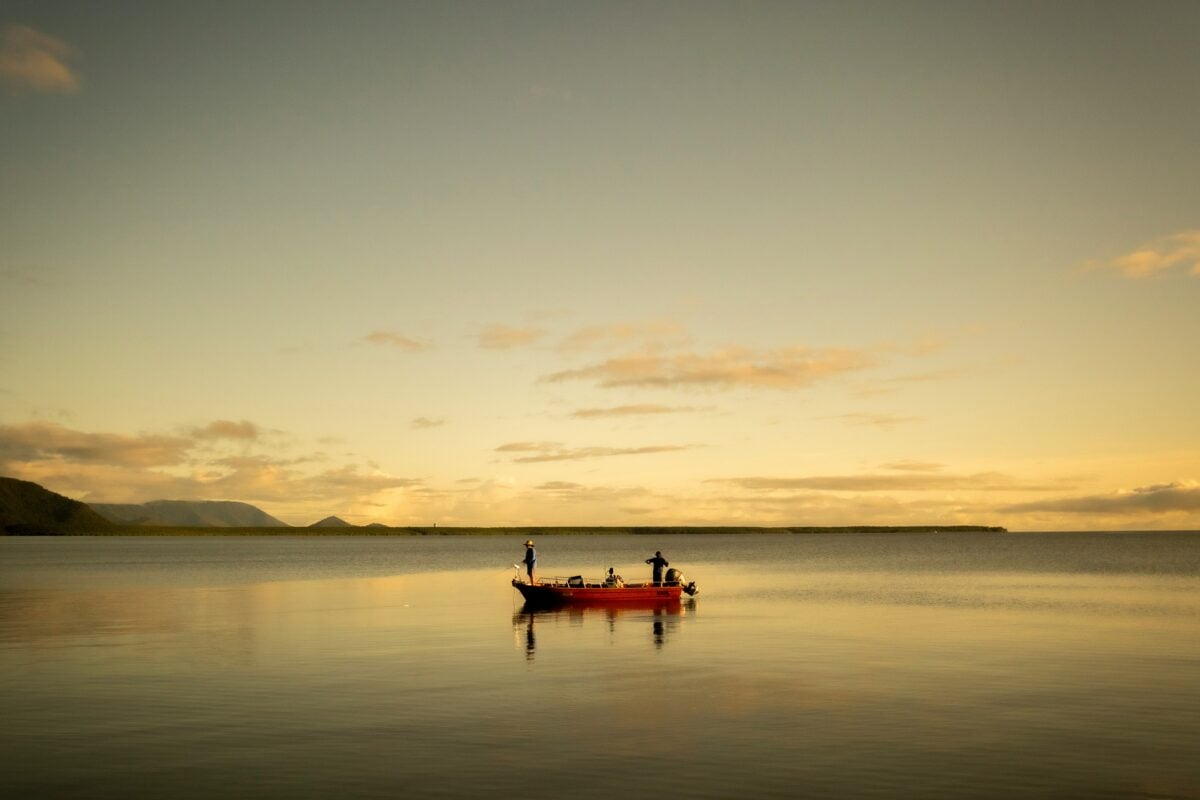
Four friends set out from New Zealand in 1989 aboard a trimaran called the Rose-Noelle, planning to sail to Tonga. Four days into their journey, a massive wave flipped their boat completely upside down while they were all inside the cabin.
The yacht didn’t sink. It floated upside down with its hull exposed to the sky.
The four men—John Glennie, Rick Hellriegel, Phillip Hoffman, and Jim Nalepka—built a living platform above water level inside the overturned hull. They created a cave-like space where they could survive.
For 119 days, they lived in that dark, cramped space. They drank rainwater and caught fish for food.
They also had some supplies they’d bought before the trip, including apples and bottles of Seven-Up. The radio stopped working early on, destroying their hopes of calling for help.
Eventually, the currents carried the overturned yacht close enough to land that they managed to swim ashore. Their survival story remains one of the strangest on record.
Water Decides Everything
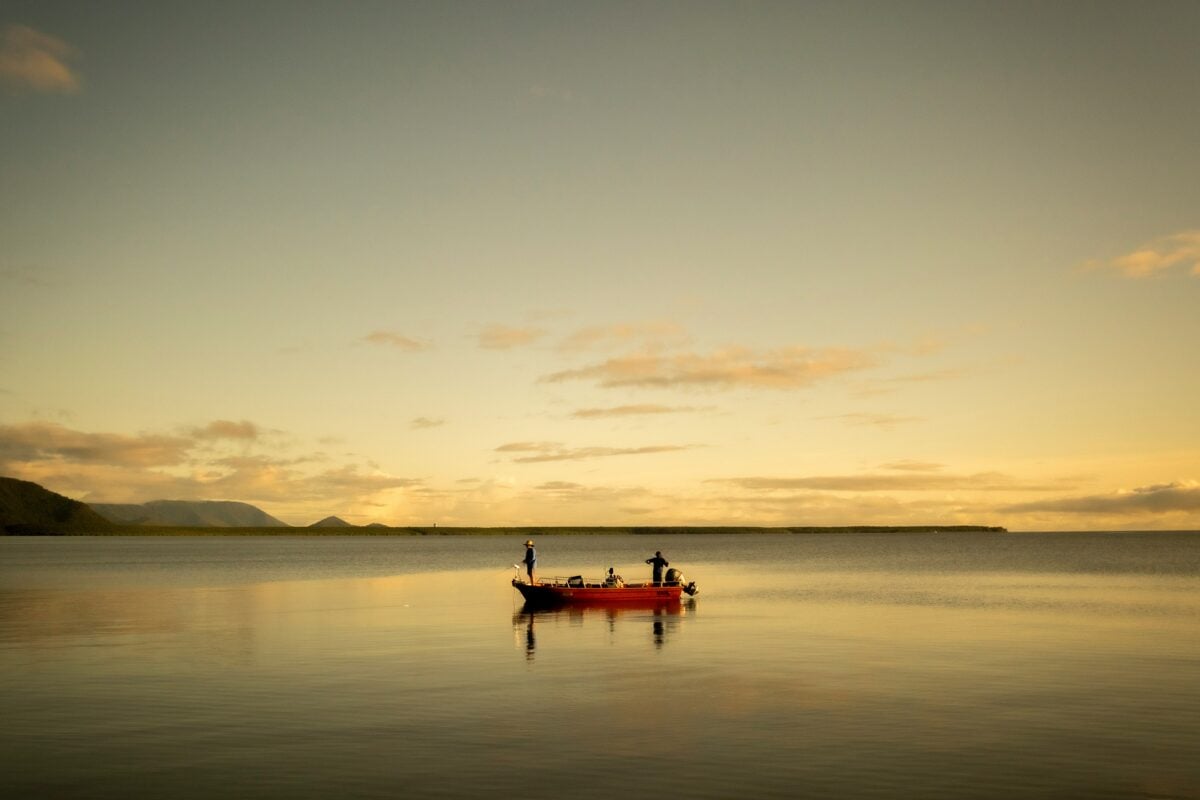
You can survive weeks without food. But without water, you’re dead in days.
Every survivor who lasted months at sea had to solve the water problem first. Some, like Poon Lim and Steven Callahan, used solar stills—devices that evaporate seawater and condense the vapor into drinkable water.
These produced only small amounts daily, never enough to be comfortable. Others collected rainwater using tarps, buckets, and bottles.
But rain doesn’t fall on schedule. Sometimes weeks passed between storms.
When desperate, survivors drank turtle blood. They drank their own urine.
Alvarenga and Cordoba tried drinking seawater early in their ordeal, which only made their thirst worse and probably damaged their kidneys. Fresh water became more valuable than gold.
The constant thirst drove some survivors to the edge of madness. Your tongue swells. Your lips crack and injured.
Your skin dries out until it feels like paper. Every thought centers on water.
Every moment spent without it becomes agony.
The Ocean Provides Food, Eventually
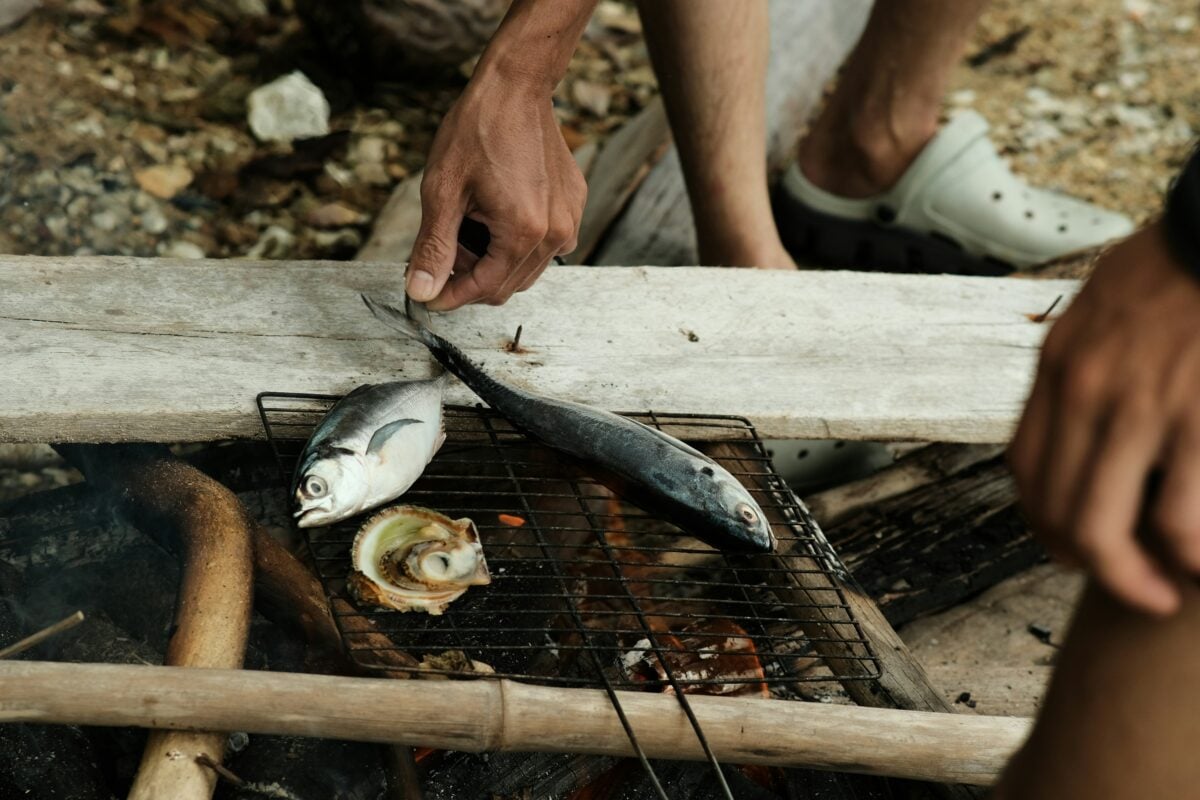
Fish surrounded the rafts and boats of survivors, but catching them required tools most people didn’t have. Poon Lim bent a flashlight spring into a hook.
Callahan used a spear gun at first, then switched to spearing by hand after losing a crucial part. Alvarenga caught fish and birds with his bare hands.
Mahi-mahi became a staple for many survivors. The fish often followed rafts and boats, attracted by the shade and the small ecosystem that developed around floating objects.
Flying fish sometimes landed directly in boats at night. Seabirds occasionally rested on rafts, making themselves easy targets.
But eating raw fish and birds comes with risks. The diet lacks essential nutrients, leading to scurvy and other deficiency diseases.
Cordoba and several other survivors died because the raw food made them too sick to continue eating. Those who survived long enough often developed sores, ulcers, and infections from the unvarying diet.
Some survivors ate jellyfish, barnacles, and seaweed. Anything that provided calories and didn’t immediately poison them became food.
The human body adapts to desperate circumstances in remarkable ways.
Keeping Your Mind From Breaking

Survivors who lasted months at sea all developed mental survival strategies. They established routines. Callahan exercised daily and made repairs to his raft.
He kept a detailed log of everything that happened. Poon Lim maintained a schedule of fishing and raft maintenance.
Tami Ashcraft forced herself to focus on navigation problems and calculations. The routine gave each day structure and purpose.
It created the illusion of control in a situation where they controlled almost nothing. It kept their minds occupied with tasks instead of letting them spiral into despair.
Many survivors reported talking to themselves, to lost companions, to God, to the ocean. The conversations weren’t signs of insanity—they were survival mechanisms.
The human brain needs stimulation. In total isolation, it will create that stimulation however it can.
Anger helped some survive. Alvarenga got angry at the ocean, at God, at his situation.
That anger fueled his determination to keep going. Others found strength in faith, believing that divine intervention would eventually save them.
Some survivors simply refused to give up because they wanted to see their families again.
Hope as a Life Raft
Alvarenga sang hymns in his tiny boat. The three Mexican fishermen read the Bible together.
Tami Ashcraft heard her deceased fiance’s voice encouraging her to continue. These weren’t delusions or religious manipulation.
They were threads of hope that survivors clutched desperately when everything else had been stripped away. Hope is what separates those who survive from those who give up.
When Cordoba stopped believing rescue was possible, he stopped eating and died within weeks. When other survivors saw ships pass without stopping, they faced a choice: surrender to despair or find new reasons to hope.
Some survivors placed their hope in navigation. If they could just reach the shipping lanes, someone would spot them.
Others hoped that currents would eventually carry them to land. The specific source of hope mattered less than having something to believe in beyond the endless ocean.
Navigating by Stars and Instinct
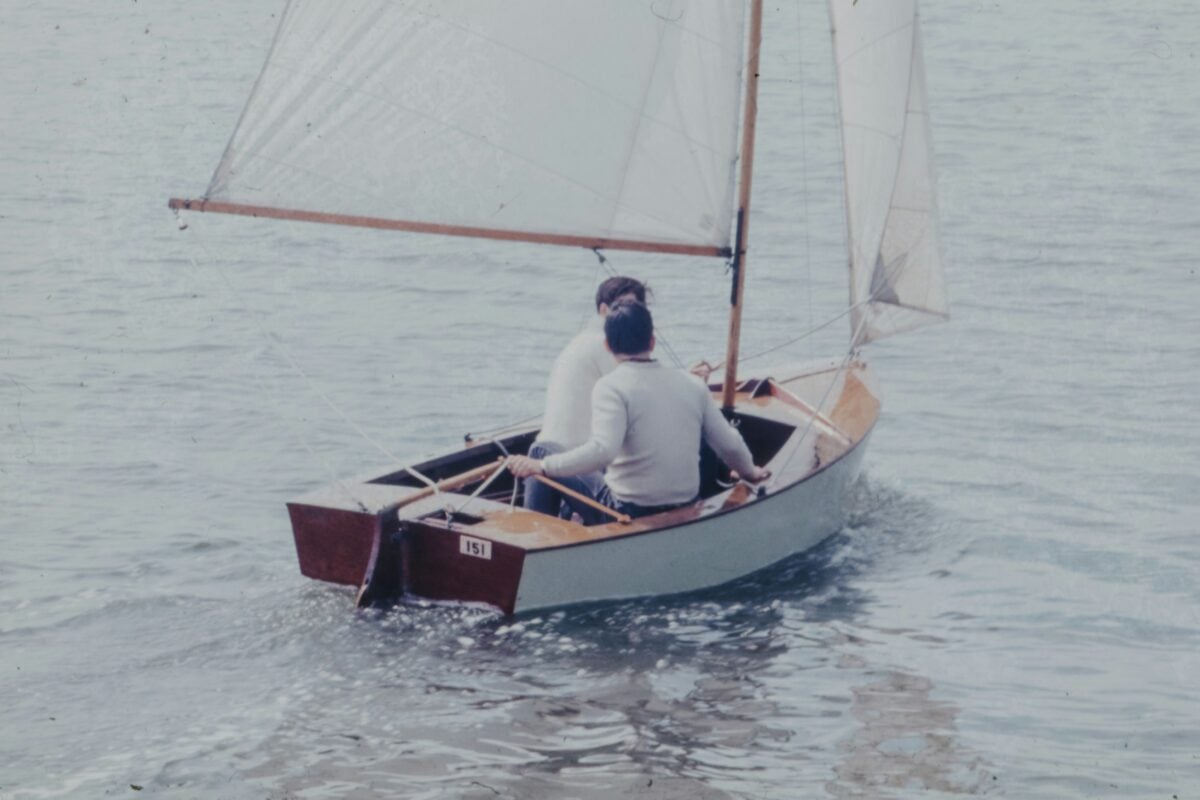
Out there with just a sextant and timepiece, Tami Ashcraft made it across 1,500 miles to Hawaii. Sun angles came first, then star readings – each one feeding into rough calculations that shaped where she pointed the boat.
A single slip could mean drifting beyond sight of land, lost in endless water stretching farther than anyone might search. Stars guided Callahan just like others before him.
When gadgets failed, old wisdom kept them alive – wisdom now rare among today’s seafarers. Latitude came clear by watching where stars rose and fell.
Timing the sun’s peak gave clues to east-west position. Still, maps won’t save you when water moves faster than your choices.
Alvarenga floated, never once able to turn the boat himself. His path unfolded while he sat silent, eyes fixed on shifting waves.
Landing on islands where people lived – this wasn’t skill, just timing and tides pulling right.
Where Water Meets Will

Survival had nothing to do with being the strongest or best equipped. Many found themselves adrift after mishaps, sudden weather, or just fate turning harsh.
Yet one thing stayed true across each story – giving up never made it into their plan.
After Oguri Jukichi and Otokichi lived on soybeans for 484 days, eleven others did not make it through.
Floating on debris, Poon Lim turned scraps into hooks, then faced circling sharks without backing down. Days passed before Alvarenga stopped speaking to the body beside him – yet he kept breathing anyway.
While crossing vast water with no land in sight, Callahan stuck to small habits like clockwork. Grief followed Tami Ashcraft wave after wave, still she steered toward shore.
Truth sits heavy here. Comfort is missing from these tales.
Hope isn’t handed out like life jackets. A strong mind won’t always pull you ashore.
The sea claims who it wants. Waves do not care about skill.
Even perfect gear fails when darkness rises. Breathing doesn’t mean surviving.
Yet here stood people who showed how much we underestimate what bodies and minds can survive. When logic insisted there was no way forward, they still pulled air into their lungs.
Flimsy floats and shattered hulls became shelter. Loneliness shifted into quiet thought, empty stomachs fueled resolve, bleakness hardened into will.
Still today, the sea holds the same threat it held when Oguri Jukichi floated alone on its surface back in 1813. These tales do not prove humans can master nature.
Instead they show how one person might face certain doom yet choose to keep going anyway. Now and then – by little more than luck – that choice makes survival possible.
More from Go2Tutors!

- The Romanov Crown Jewels and Their Tragic Fate
- 13 Historical Mysteries That Science Still Can’t Solve
- Famous Hoaxes That Fooled the World for Years
- 15 Child Stars with Tragic Adult Lives
- 16 Famous Jewelry Pieces in History
Like Go2Tutors’s content? Follow us on MSN.



