Most Expensive Flowers in the World
Flowers have always carried a price tag that goes beyond just the petals. Some blooms cost more than a month’s rent, while others sell for the price of a small car.
The reasons vary—scarcity, difficulty in cultivation, or simply the time it takes for a single stem to reach maturity. But behind every astronomical price tag lies a story worth understanding.
Juliet Rose
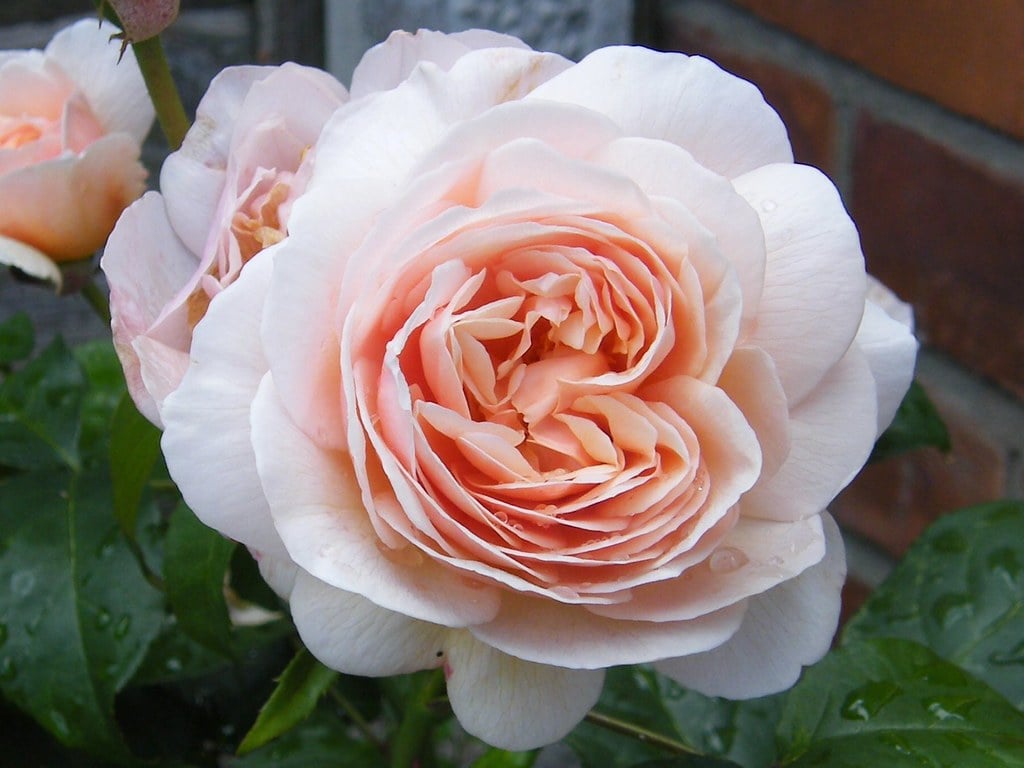
David Austin spent fifteen years and roughly five million dollars developing the Juliet Rose. That investment made it one of the most expensive flowers ever created. The peach-colored blooms feature layers upon layers of petals that spiral into a perfect cup shape.
This rose debuted at the Chelsea Flower Show in 2006 and immediately captured attention. The color shifts subtly from apricot at the center to lighter tones at the edges.
Each bloom takes considerable care to produce, and the plants themselves require expert handling to maintain their quality.
Shenzhen Nongke Orchid
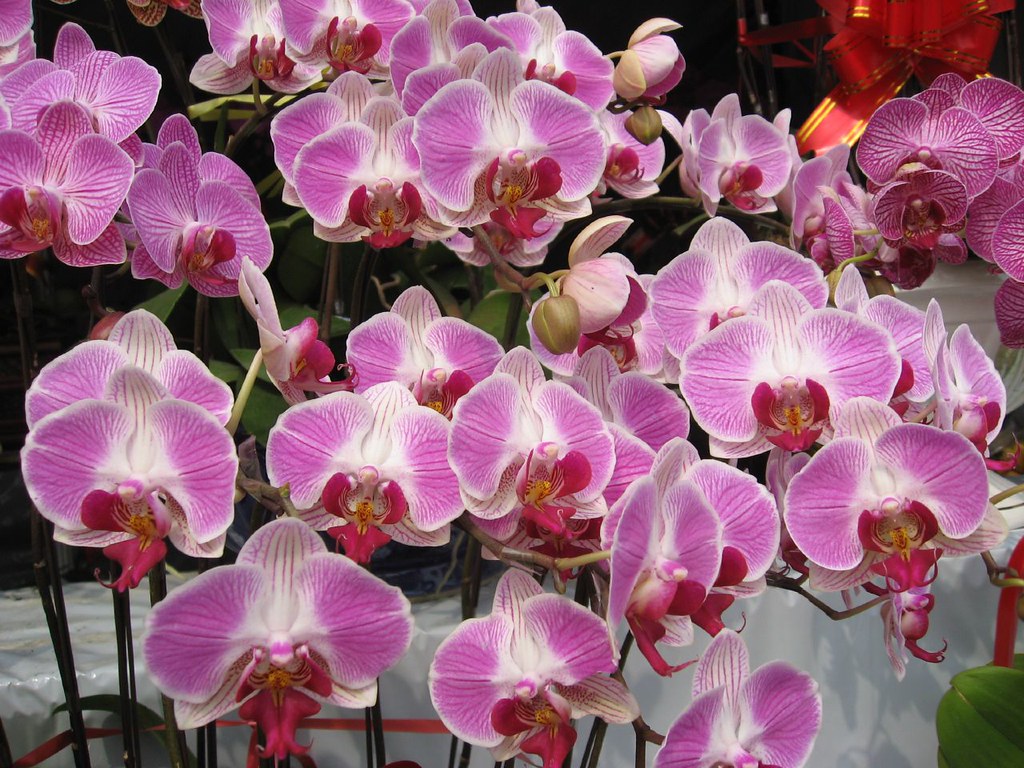
Scientists in China spent eight years developing this orchid in a laboratory. The Shenzhen Nongke Orchid sold at auction for about $200,000, making it the most expensive flower ever purchased.
The research team created it entirely through cultivation experiments, with no wild counterpart existing in nature. This orchid blooms once every four to five years.
When it does flower, the petals display a delicate appearance that seems almost too perfect. The rarity comes not just from the bloom cycle but from the fact that scientists engineered every aspect of its growth. Only a handful exist in the world.
Gold of Kinabalu Orchid
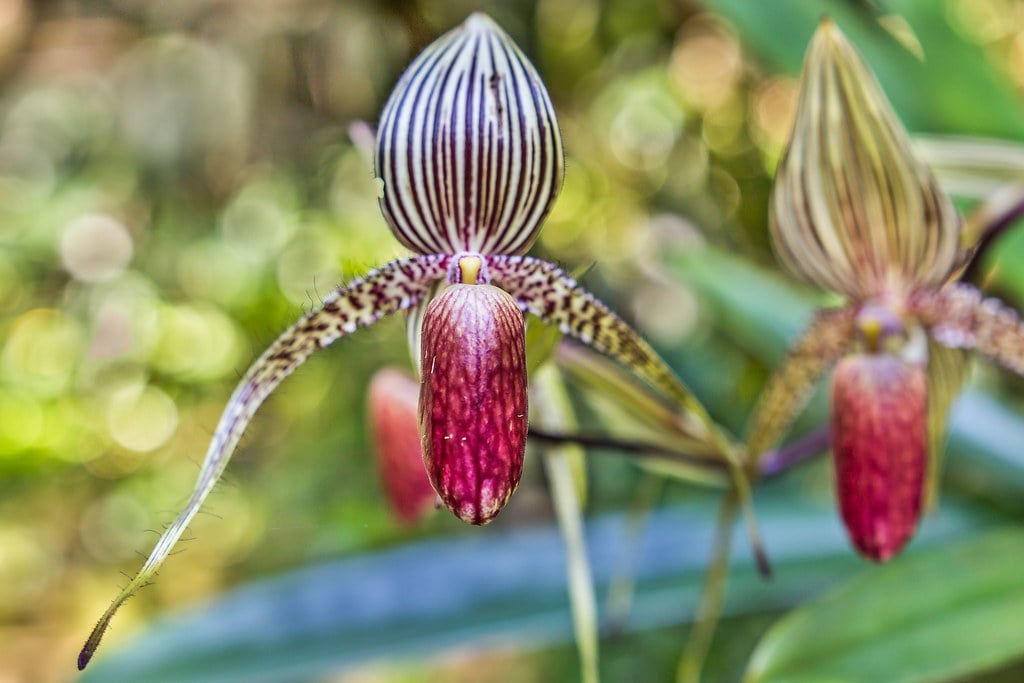
This orchid grows exclusively on Mount Kinabalu in Malaysia. You can only find it at elevations above 1,600 feet, and it takes up to fifteen years to flower for the first time.
A single stem can sell for around $6,000 during peak demand. The petals feature horizontal green and red stripes that create a distinctive pattern.
Local authorities protect the species heavily, and harvesting it without permission carries serious legal consequences. The long wait for blooms, combined with its extremely limited habitat, keeps prices consistently high.
Saffron Crocus
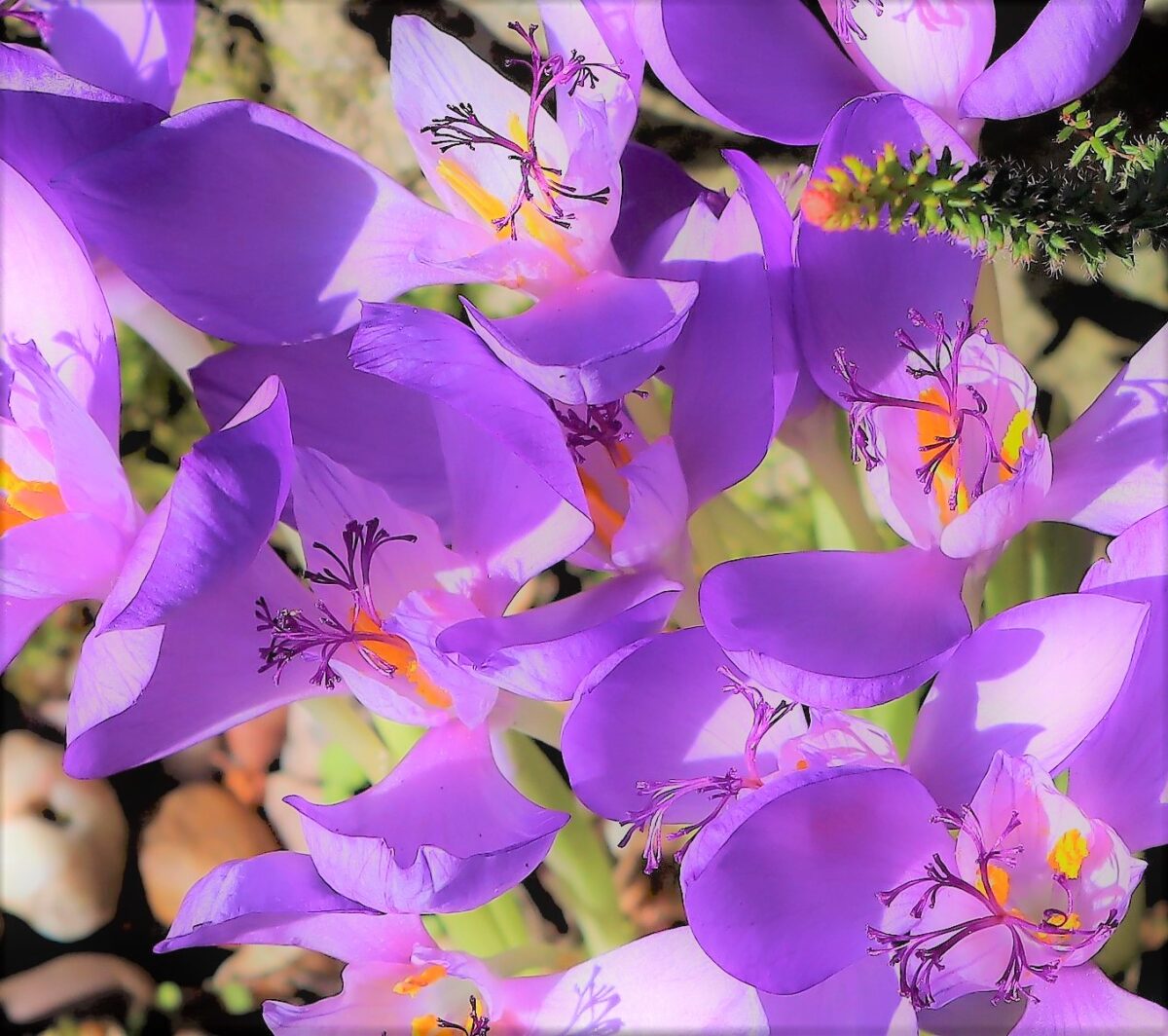
You know saffron as the world’s most expensive spice, but the flower that produces it deserves recognition, too. Each Crocus sativus bloom contains just three stigmas—the red threads that become saffron.
Harvesting requires careful hand-picking at dawn before the flowers fully open. It takes roughly 75,000 flowers to produce a single pound of dried saffron.
The flowers themselves bloom for only one week each year, creating an intense harvest window. Farmers must work quickly and precisely, since damaged stigmas lose value immediately.
The delicate purple petals open to reveal those precious red threads. But the flower itself can’t reproduce naturally—every crocus grows from corms that farmers plant by hand.
This labor-intensive process contributes to saffron’s price, which often exceeds $10,000 per kilogram.
Kadupul Flower
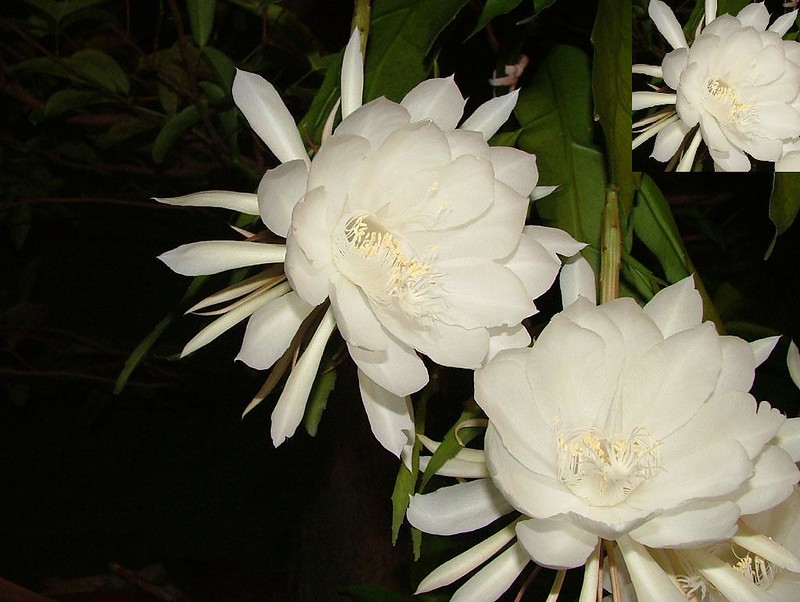
The Kadupul flower from Sri Lanka blooms only at night and wilts before dawn. This makes it nearly impossible to transport or sell in traditional markets.
When people assign a value to it, they often call it priceless rather than giving an actual number. The flower belongs to the cactus family and grows as a parasitic plant on certain trees.
Its white petals open slowly after dark, releasing a powerful fragrance that fills the surrounding area. By sunrise, the flower has already begun to decay. Some cultures believe the Kadupul carries spiritual significance.
Watching one bloom requires patience and luck, since the plants flower unpredictably. The brief lifespan means you can’t really own one—you can only witness it.
Gloriosa Lily
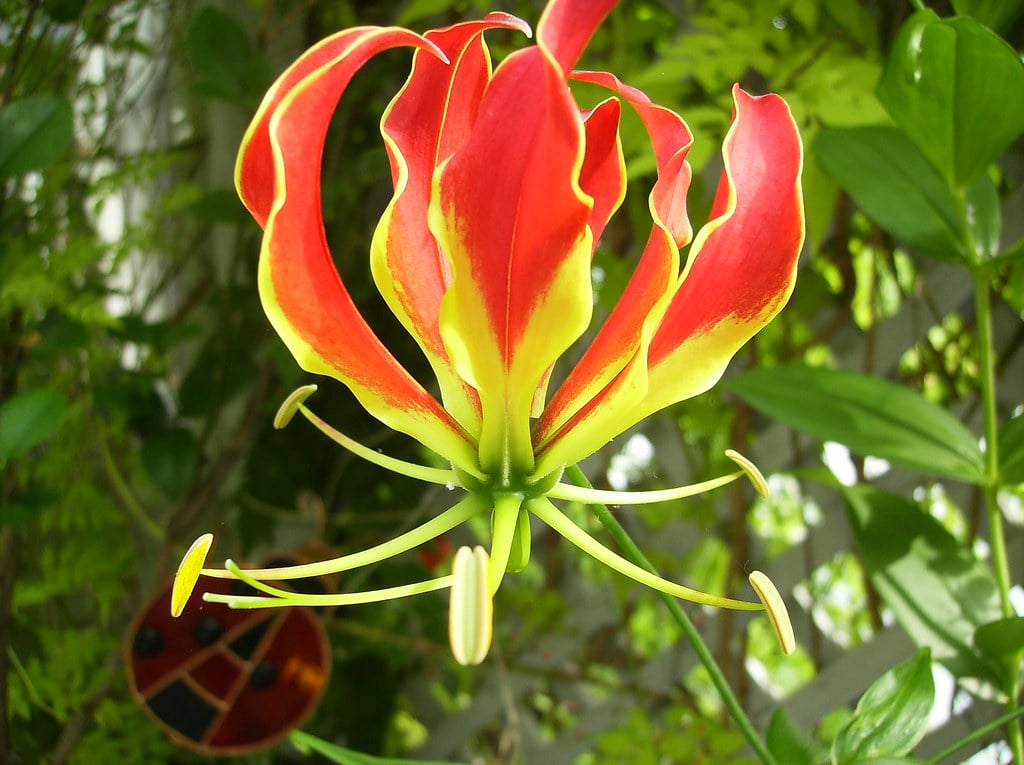
The Gloriosa lily features petals that curve backward dramatically, creating a flame-like appearance. Colors range from deep red to orange and yellow, often with multiple shades on a single bloom.
A stem typically sells for $6 to $10, which places it among the pricier cut flowers. These lilies contain colchicine, a compound that makes them poisonous if ingested.
Florists handle them carefully, and arrangements featuring Gloriosa lilies always carry a premium. The flowers grow from tubers that take several months to mature, and not every tuber produces a viable plant.
The climbing nature of the plant means it needs support structures as it grows. Commercial growers must invest in proper equipment and spacing, which adds to production costs.
Each stem produces multiple blooms, but they open sequentially rather than all at once.
Tulip Bulb
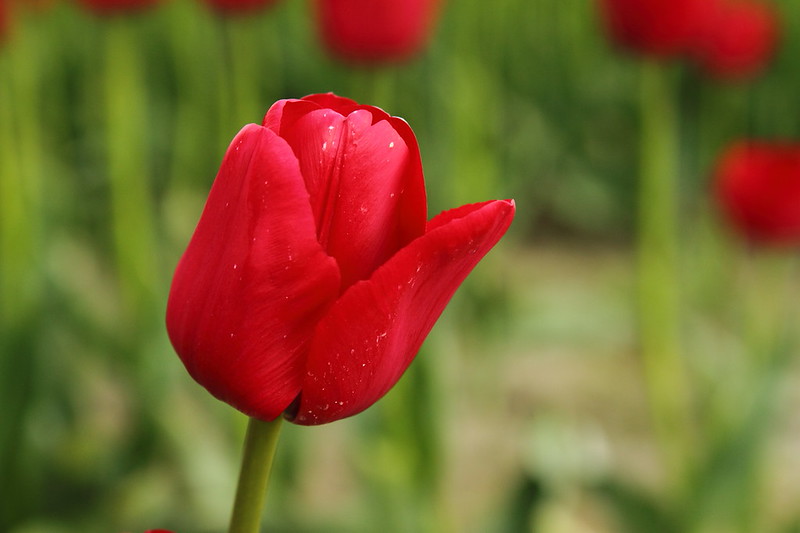
During the Dutch Golden Age, tulip bulbs sold for more than houses. That mania crashed eventually, but certain rare varieties still command impressive prices.
The most expensive modern tulip bulbs can reach several thousand dollars, particularly for unusual color patterns or new cultivars. Breeders spend years developing new varieties, cross-pollinating and selecting for specific traits.
A truly unique tulip might appear once in thousands of seedlings. When a new color combination emerges, the few bulbs available become extremely valuable.
The flowers themselves bloom for only a couple of weeks each spring. Bulb collectors trade and sell their prized varieties at specialized auctions.
Some bulbs pass through multiple hands before finally being planted, with each transaction increasing the price.
Hydrangea
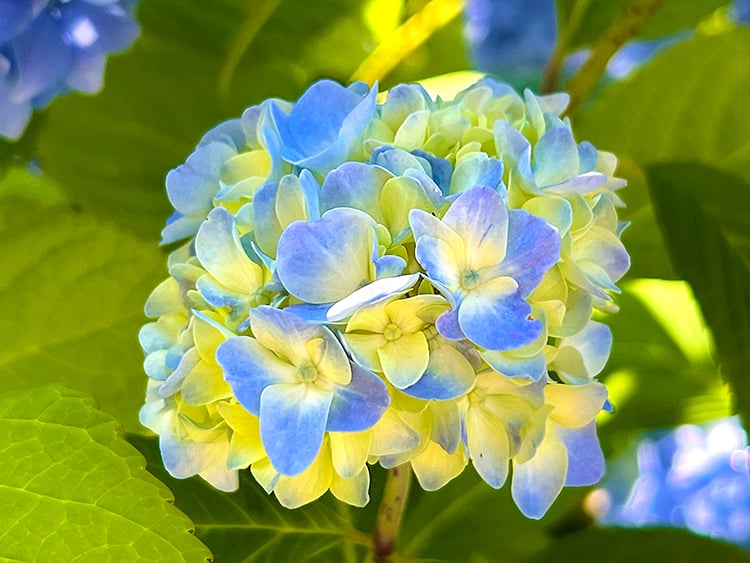
Most hydrangeas don’t cost a fortune, but certain rare varieties fetch premium prices. The timing of the hydrangea season also affects cost—getting them outside their natural bloom period requires expensive greenhouse cultivation.
A single stem of a rare variety can sell for $6 or more. Japanese breeders have created cultivars that change color based on soil pH, and others that feature variegated petals or unusual shapes.
These specialty varieties take years to propagate in sufficient quantities. During the wedding season, when demand peaks, prices climb even higher.
The large bloom heads consist of dozens of smaller flowers clustered together. This makes them popular for arrangements, but also means each stem represents significant growing time. Professional florists sometimes pay $50 or more for a single premium hydrangea stem during peak demand.
Lisianthus
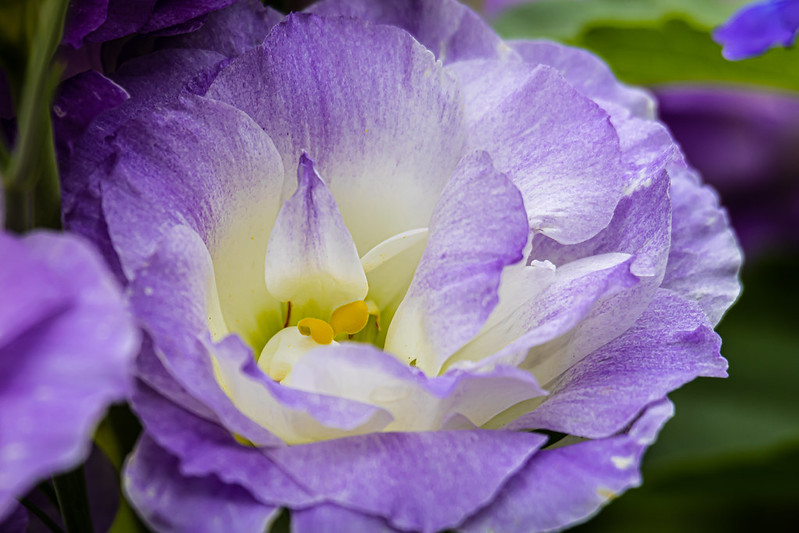
Lisianthus flowers resemble roses but come from an entirely different plant family. The ruffled petals and wide range of colors make them popular for upscale events.
A single stem typically costs between $10 and $35, depending on the season and variety. Growing lisianthus from seed takes approximately five to six months.
The plants require careful temperature control and consistent moisture levels. Too much heat or cold, and the entire crop fails.
This makes them challenging for commercial growers, who often lose plants to disease or environmental stress. The flowers last surprisingly long in arrangements—sometimes two weeks or more with proper care.
This longevity justifies the higher price for many florists. But the combination of difficult cultivation and long growing period keeps lisianthus firmly in the luxury category.
Lily of the Valley
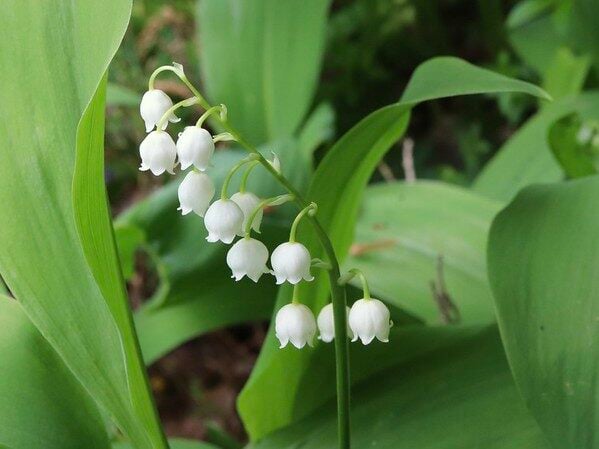
These small white flowers release an intensely sweet fragrance that makes them instantly recognizable. Lily of the valley blooms for only a few weeks each spring, and forcing them to bloom out of season requires specialized knowledge.
A single stem can cost $15 to $20 during off-peak periods. Kate Middleton included lily of the valley in her wedding bouquet, which temporarily spiked demand and prices.
The plants grow from underground rhizomes that spread slowly. Commercial cultivation requires patience, since new plants take several years to reach blooming size.
Every part of the plant contains cardiac glycosides that make it toxic if eaten. Despite this danger, the flowers remain popular for weddings and special occasions.
The scarcity during most of the year keeps prices elevated whenever they do become available.
Rothschild’s Slipper Orchid
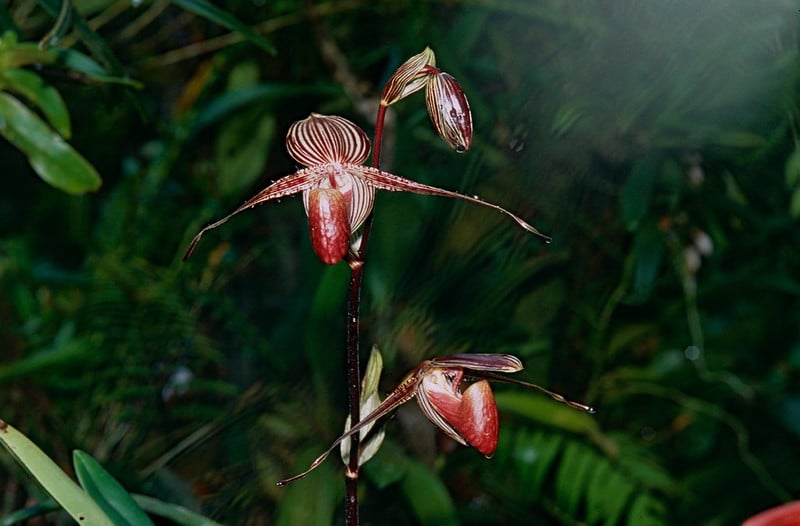
This orchid grows only in the rainforests of Borneo, at specific elevations where conditions remain just right. The population in the wild has declined dramatically due to habitat loss and illegal collection.
A single stem can sell for $5,000 or more on the black market. The flower features horizontal petals that can span nearly a foot across.
It takes fifteen years for a plant to mature enough to bloom. Legal cultivation outside its native habitat has proven extremely difficult, with most attempts ending in failure.
Conservationists work to protect remaining populations, but the orchid’s extreme rarity makes it a target for collectors. The long time to maturity means that even successful cultivation programs won’t increase supply quickly.
This combination of factors keeps the Rothschild’s Slipper Orchid among the rarest and most expensive flowers on Earth.
Sweet Pea
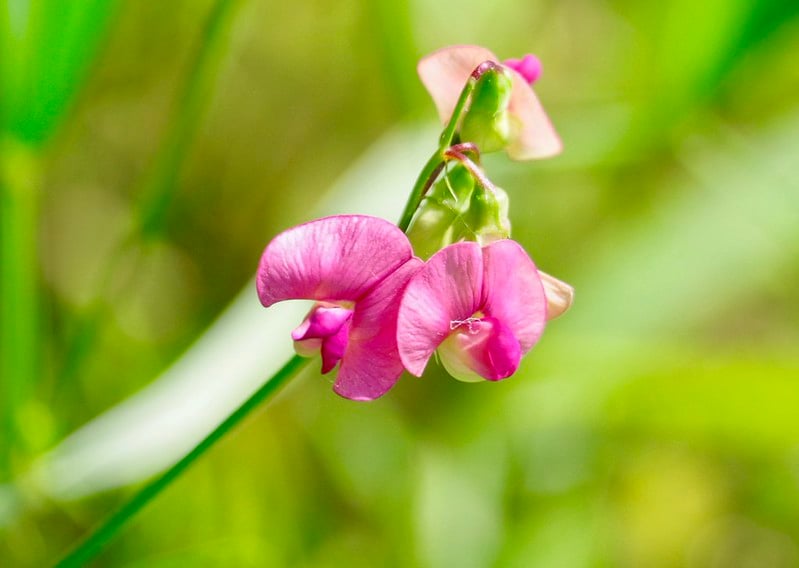
Sweet peas cost much less than orchids or roses, but premium varieties still carry a respectable price. The flowers bloom for a limited time each year, and their delicate petals bruise easily during transport.
High-quality stems suitable for upscale arrangements can cost several dollars each. Breeders have developed varieties with stronger stems and more intense fragrances.
These improvements make sweet peas more viable for commercial use, but they still require careful handling. The flowers work best when cut in the morning and immediately placed in water.
Their popularity in spring wedding bouquets drives up demand during a narrow window. Growers who time their crops perfectly can command premium prices, but those who miss the peak market window see prices drop rapidly.
The flower’s association with English gardens and vintage aesthetics keeps it consistently sought after.
Medinilla Magnifica
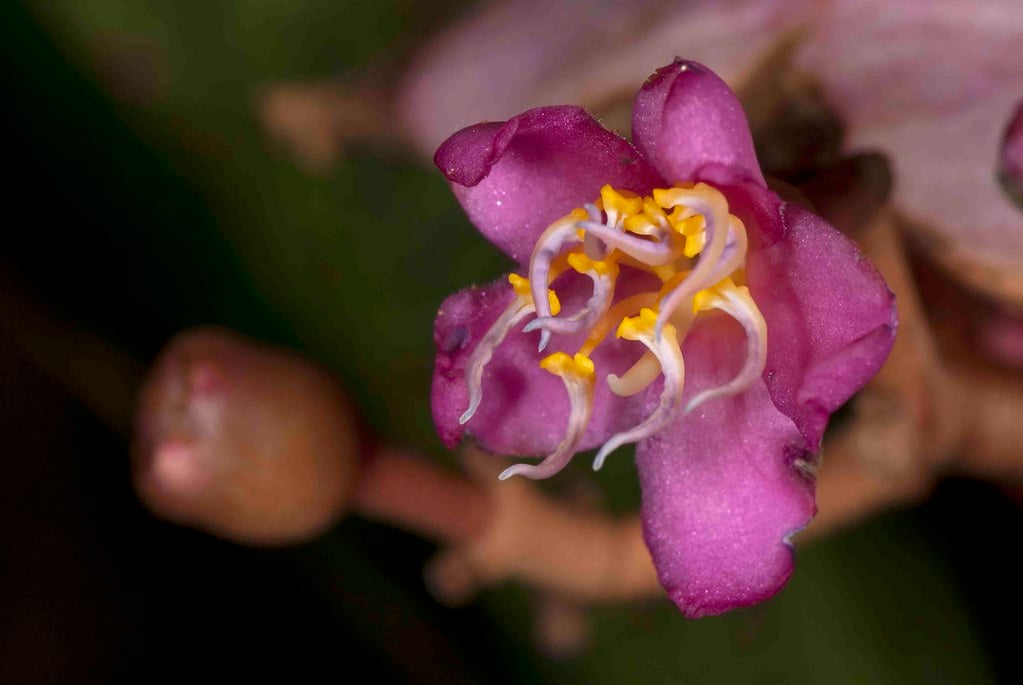
The Medinilla magnifica produces drooping clusters of pink flowers that hang like chandeliers. Native to the Philippines, this tropical plant requires warm temperatures and high humidity to thrive.
A single flowering plant can sell for $50 to $100, while cut stems command premium prices at specialty florists. The flowers emerge from pink bracts that remain attractive even after the actual blooms fade.
This extended display period makes the plant valuable despite its demanding care requirements. Commercial growers must maintain greenhouse conditions year-round, which drives up production costs.
Few florists stock Medinilla regularly because the flowers and bracts can be fragile. When available, they typically appear in luxury arrangements where the client specifically requests exotic materials.
The dramatic appearance justifies the cost for special events.
Where Value Meets Vanity
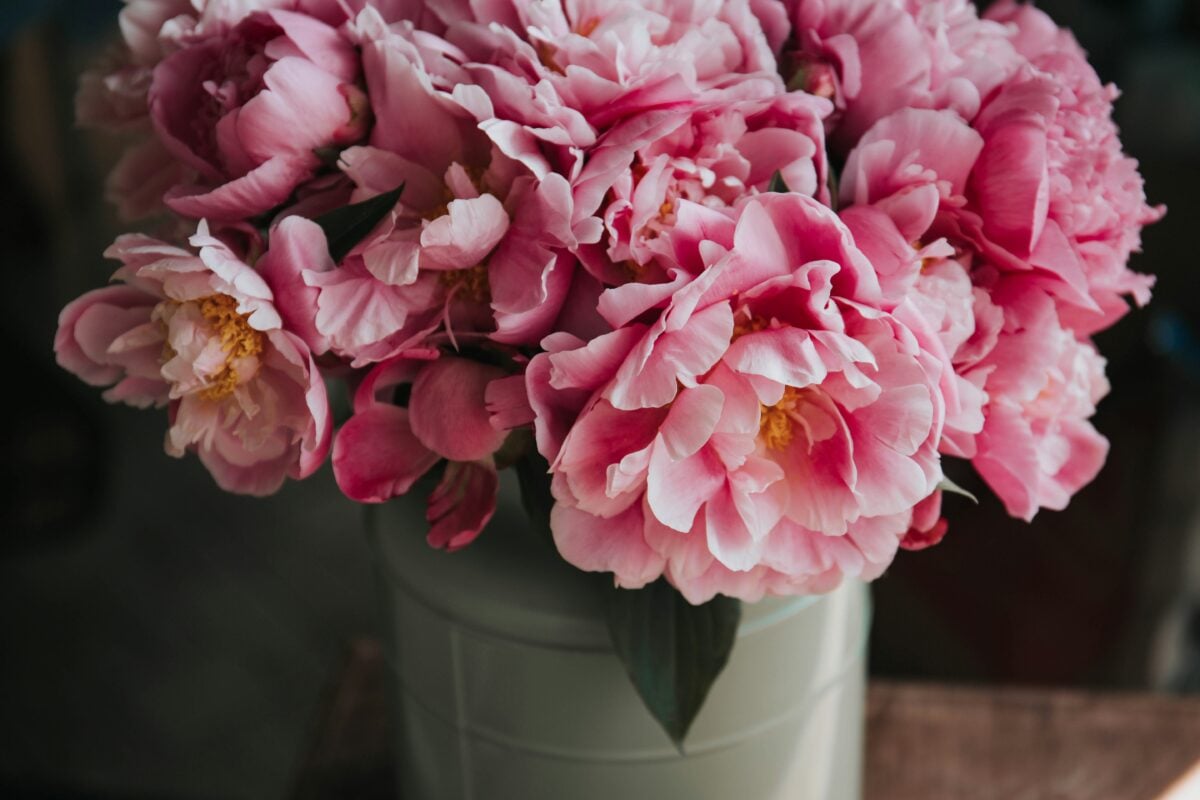
Costly blooms aren’t always found where you’d expect. Now and then, an ordinary plant gets a strange twist, making enthusiasts hand over big money.
At other times, it’s just numbers – endless work stacked on top of long waits. Yet cost reveals just a slice of what’s really going on.
For every high-priced petal, there’s a person behind it – someone pouring hours into growth, recognizing that gorgeous results need waiting. They show how nature runs its own clock, while meaningful stuff usually demands more time than we expect.
More from Go2Tutors!

- The Romanov Crown Jewels and Their Tragic Fate
- 13 Historical Mysteries That Science Still Can’t Solve
- Famous Hoaxes That Fooled the World for Years
- 15 Child Stars with Tragic Adult Lives
- 16 Famous Jewelry Pieces in History
Like Go2Tutors’s content? Follow us on MSN.