Secrets of the Dream Jet Boeing 787
When Boeing first announced their new airplane, people called it revolutionary. But few realized just how many hidden features would make the 787 Dreamliner completely different from every other commercial jet in the sky.
This wasn’t just another plane with a shiny paint job.
Carbon fiber construction changes everything
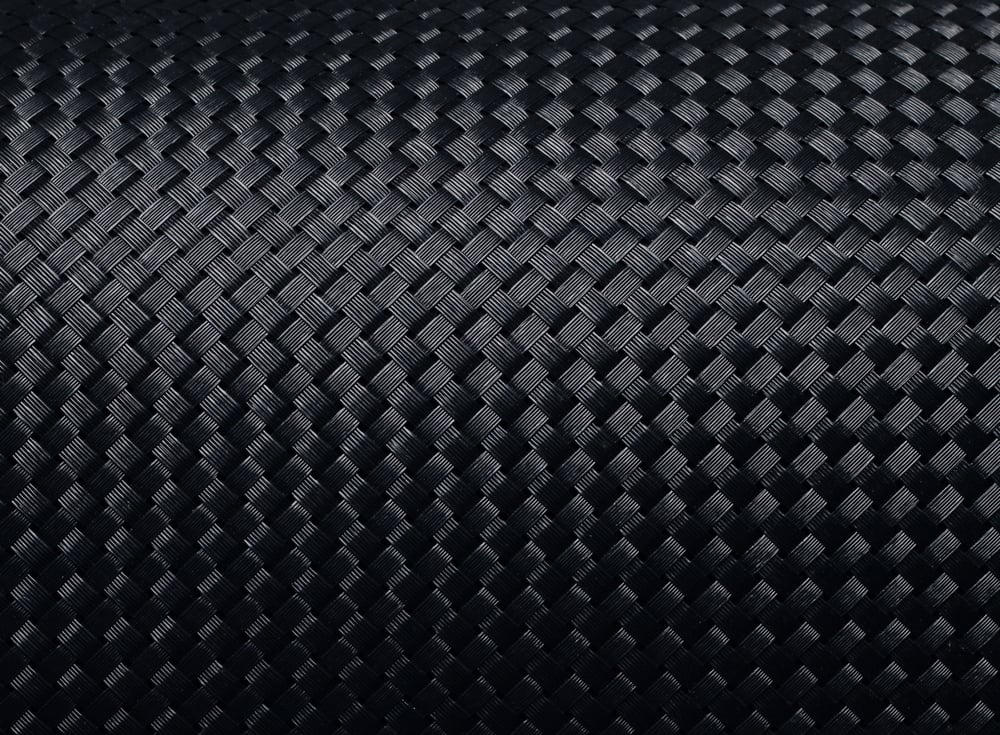
The 787 is made up of 50% composite materials instead of traditional aluminum, making it the first major commercial aircraft to use this approach. Carbon fiber reinforced polymer makes the aircraft lighter and more fuel-efficient compared to previous generation airliners.
The material doesn’t just weigh less – it’s also stronger and more flexible than metal. This breakthrough allows the entire airplane to handle stress differently, creating opportunities for features that were impossible before.
Cabin pressure that mimics lower altitude

Most airplanes make passengers feel like they’re at 8,000 feet above sea level, but the 787’s internal cabin pressure is the equivalent of a 6,000 feet cabin altitude, which is a higher pressure than the 8,000 feet cabin altitude of older conventional aircraft. This difference means people can breathe easier and feel less tired during long flights.
The composite fuselage handles the extra pressure without any problems that would stress aluminum construction. Passengers often report feeling more alert when they land after flying on a Dreamliner.
Like Go2Tutors’s content? Follow us on MSN.
Humidity levels that prevent desert-dry air
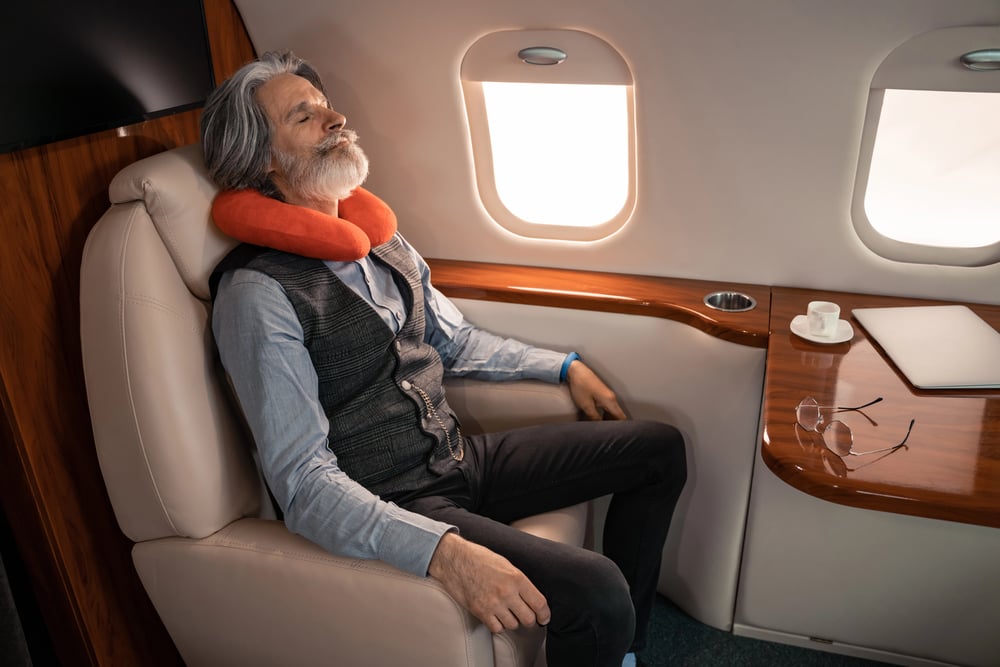
Traditional planes keep humidity around 4%, but the cabin’s humidity is programmable based on the number of passengers carried and allows 15% humidity settings. Since fewer components are made of metal, there is less risk of corrosion with more humid air.
This higher humidity stops passengers from getting dehydrated and helps prevent dry skin during flights. The difference becomes really noticeable on flights longer than six hours.
Windows that dwarf all others

Boeing designed windows that are 30% larger than those found on comparable aircraft. The composite fuselage can handle bigger openings without losing structural strength that aluminum planes need.
These oversized windows make the cabin feel much more spacious and open. Passengers sitting in middle seats can actually see outside, which rarely happens on other planes.
Electronic dimming instead of window shades
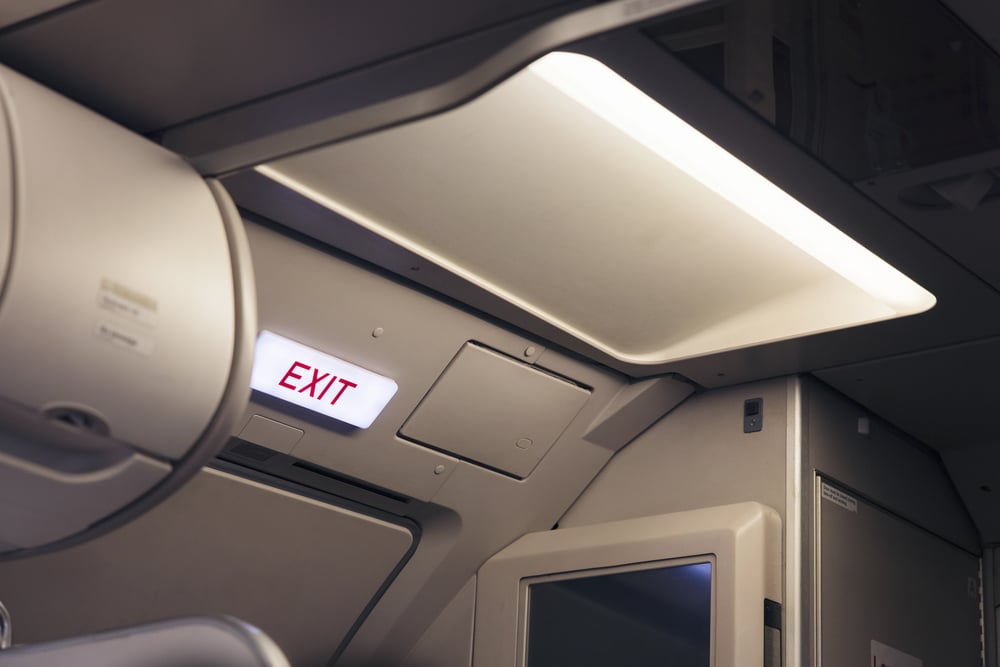
Instead of traditional window shades, the 787 features electronically dimmable windows. Buttons beneath the windows allow passengers to regulate the amount of light entering the cabin.
The electrochromic glass can go from completely clear to nearly opaque with the push of a button. Flight attendants can also control all windows from the galley to manage cabin lighting during meal service.
Like Go2Tutors’s content? Follow us on MSN.
Air quality that beats most buildings

The 787 replaces all cabin air every few minutes using a combination of fresh outside air and filtered recirculated air. High-efficiency filters remove 99.97% of particles, bacteria, and viruses from the air before it circulates back into the cabin.
Cabin air pressurization is provided by electrically driven compressors, rather than traditional engine-compressed air. Many passengers comment that they feel healthier after long flights on Dreamliners compared to other aircraft.
LED lighting that fights jetlag

The cabin lighting system uses programmable LED technology that can simulate different times of day to help passengers adjust to new time zones. Flight crews gradually change the lighting from bright morning colors to warm sunset hues and finally to dim nighttime settings.
This helps reset passengers’ internal clocks before they reach their destination. The system can create lighting scenarios that simply aren’t possible with traditional airplane lighting.
Engines that whisper instead of roar
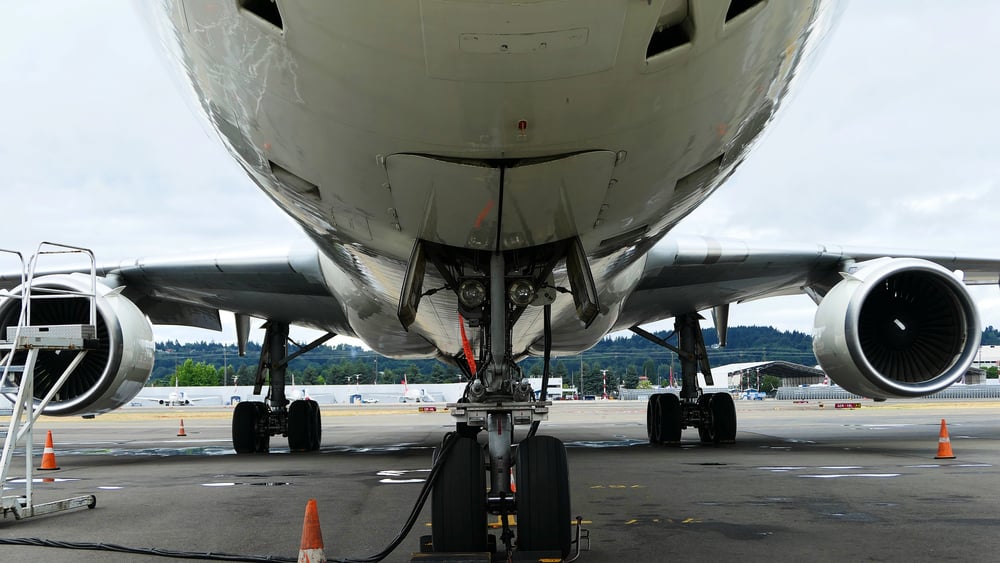
The Dreamliner uses either Rolls-Royce Trent 1000 or General Electric GEnx engines that produce significantly less noise than older engine designs. The composite fuselage also blocks more sound from reaching the cabin compared to aluminum construction.
Passengers can carry on normal conversations without raising their voices, even when seated near the engines. The quiet cabin helps people sleep better during overnight flights.
Like Go2Tutors’s content? Follow us on MSN.
Flexible wings that bend like bird wings

The 787’s wings flex much more than traditional aluminum wings, allowing them to adapt to different flight conditions. The carbon fiber construction makes this flexibility possible without adding weight or reducing strength.
Engineers designed the wings to bend up to 26 feet at the tips during extreme conditions. This flexibility actually improves fuel efficiency by optimizing the wing shape for different phases of flight.
Battery technology that powers everything

The Li-ion battery pack onboard, with a mass of 28.6 kg, is 41% lighter than that of the traditional Nickel Cadmium battery pack and can provide higher voltage and higher current. These advanced batteries power the electrical systems that replace many traditional hydraulic and pneumatic systems.
The lithium-ion technology allows for more reliable operation of critical systems. This electrical approach eliminates the need for heavy mechanical systems found on older aircraft.
Smoother ride technology that predicts turbulence
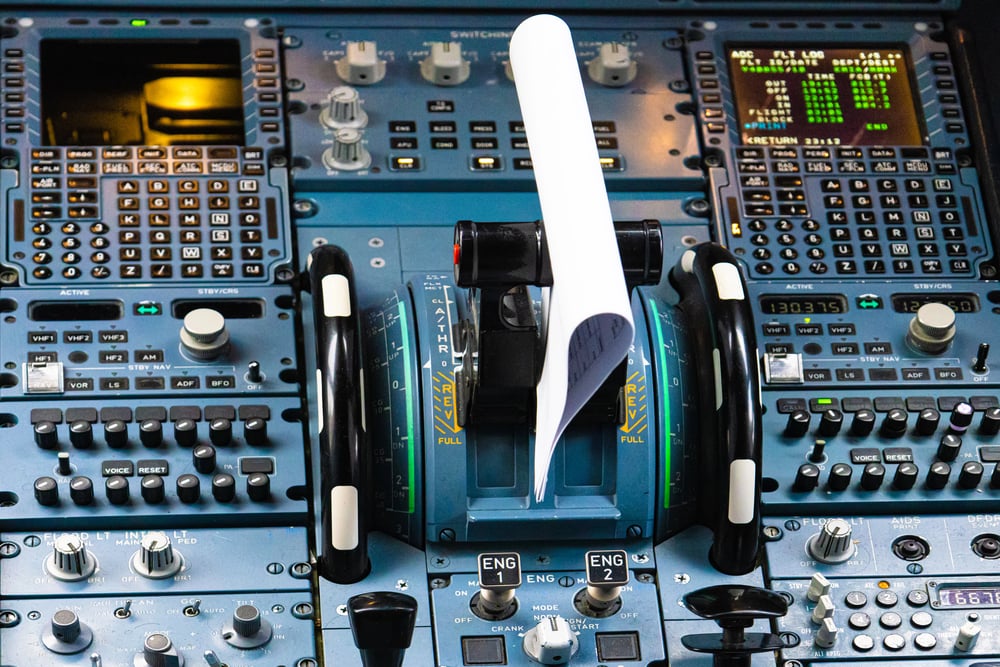
The 787 includes sensors throughout the aircraft that detect turbulence before passengers feel it. The flight control system automatically adjusts wing surfaces and other components to counteract rough air.
The hybrid laminar flow control in the Dreamliner evens out airflow and reduces drag in the aircraft’s tail. Passengers consistently report that Dreamliner flights feel smoother than trips on other aircraft types.
Like Go2Tutors’s content? Follow us on MSN.
Maintenance systems that self-diagnose problems

The aircraft continuously monitors thousands of components and systems during flight, predicting maintenance needs before problems occur. This health monitoring system sends data to ground crews so they can prepare parts and tools before the plane lands.
The technology reduces unexpected maintenance delays and keeps aircraft flying more consistently. Airlines report higher reliability rates with their 787 fleets compared to older aircraft.
Cargo holds with climate control zones

The 787’s cargo compartments can maintain different temperature and humidity levels in separate zones. This capability allows airlines to carry everything from fresh flowers to temperature-sensitive pharmaceuticals in the same flight.
The system opens up new revenue opportunities that weren’t possible with traditional cargo holds. Some airlines earn more from specialized cargo services than they originally projected.
Range capabilities that connect new city pairs
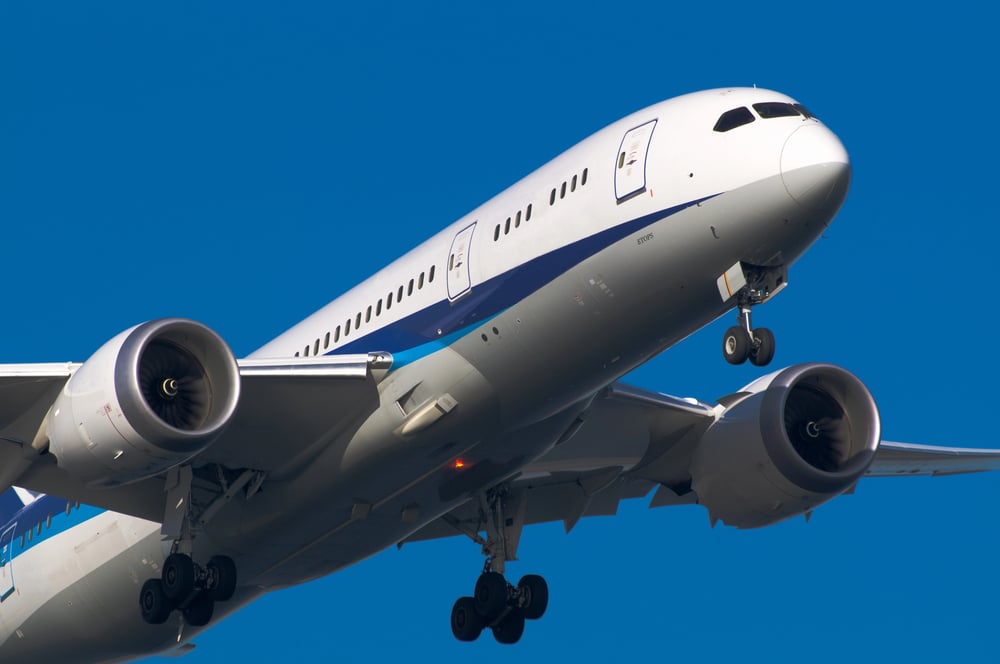
The 787-8 can fly up to 7,355 nautical miles while carrying a full passenger load. This range allows airlines to connect cities that were never economically viable with older, less efficient aircraft.
Some carriers have launched direct routes between smaller cities that bypass traditional hub airports entirely. The efficiency makes these longer, thinner routes profitable while offering passengers more convenient travel options.
Like Go2Tutors’s content? Follow us on MSN.
Interior modularity that adapts quickly

Airlines can reconfigure the 787’s interior layout much faster than traditional aircraft because of modular design principles. The electrical and pneumatic systems allow for easy repositioning of galleys, lavatories, and seating sections.
This flexibility helps airlines adapt their aircraft for different routes or seasonal demand changes. Some carriers have taken advantage of this feature to offer unique cabin layouts not available on other planes.
Fuel efficiency that changes airline economics

The 787 burns 20-25% less fuel than the aircraft it replaces while carrying similar loads over comparable distances. This improvement comes from the combination of advanced engines, lighter construction, and more efficient aerodynamics.
Airlines use these savings to offer lower fares on competitive routes while maintaining profitability. The efficiency also allows carriers to serve routes that weren’t economically viable before.
Revolutionary wings with raked tips

The wing design includes gracefully curved wingtips called raked wingtips that reduce drag and improve fuel efficiency. The shape also reduces noise during takeoff and landing, making the aircraft more welcome at noise-sensitive airports.
The carbon fiber wing structure allows for this advanced aerodynamic design without the weight penalties of metal construction. These wings represent one of the most visible differences between the 787 and older aircraft designs.
Like Go2Tutors’s content? Follow us on MSN.
From drawing board dreams to everyday reality

The Boeing 787 Dreamliner proved that revolutionary aircraft technology could deliver both passenger comfort and airline profitability in ways that seemed impossible just decades ago. The industry-leading technology of the 787 Dreamliner is creating remarkable opportunities for airlines around the world and dramatically improving the air travel experience.
More from Go2Tutors!

- 16 Historical Figures Who Were Nothing Like You Think
- 12 Things Sold in the 80s That Are Now Illegal
- 15 VHS Tapes That Could Be Worth Thousands
- 17 Historical “What Ifs” That Would Have Changed Everything
- 18 TV Shows That Vanished Without a Finale
Like Go2Tutors’s content? Follow us on MSN.