Songs That Became Hits By Accident
Music history is filled with carefully crafted compositions that took months or years to perfect. Then there are the songs that stumbled into greatness through pure chance, happy accidents, or decisions made in moments of desperation.
These tracks weren’t part of some grand artistic vision—they emerged from equipment malfunctions, last-minute panic, random inspiration, or jokes that somehow resonated with millions. The unpredictability of what becomes a hit is both humbling and fascinating, proving that sometimes the best music happens when artists stop trying so hard.
What connects these accidental classics is that nobody involved expected them to become the defining moments of their careers. Here is a list of 14 songs that became hits by accident.
Yesterday

Paul McCartney woke up one morning in 1964 with a complete melody playing in his head, rushed to the piano beside his bed, and played what would become one of the most covered songs in history. He was so convinced he must have accidentally plagiarized it that he spent months playing it for people in the music industry, asking if they recognized the tune.
For over a year, the song was called Scrambled Eggs with placeholder lyrics about breakfast food while McCartney worked to verify it was truly original. Once he was confident he hadn’t stolen it from an old jazz standard, he finally wrote the proper lyrics.
The song topped the charts in 1965 and has since been recorded over 3,000 times by different artists.
Smells Like Teen Spirit

The title of this generation-defining anthem came from graffiti spray-painted on Kurt Cobain’s bedroom wall. After a night of drinking, Kathleen Hanna of Bikini Kill sprayed “Kurt smells like Teen Spirit!” as a joke about his then-girlfriend Tobi Vail, who wore Teen Spirit deodorant.
Cobain didn’t know Teen Spirit was a deodorant brand and thought it sounded revolutionary. When he brought the main riff to the rest of Nirvana, bassist Krist Novoselic called it ridiculous and dismissed the idea.
After forcing the band to play the intro for an hour and a half, they finally came around to it. Cobain later admitted the entire song was just him trying to copy the Pixies, and he called the riff clichéd, comparing it to Boston’s “More Than a Feeling.”
Sweet Child O’ Mine
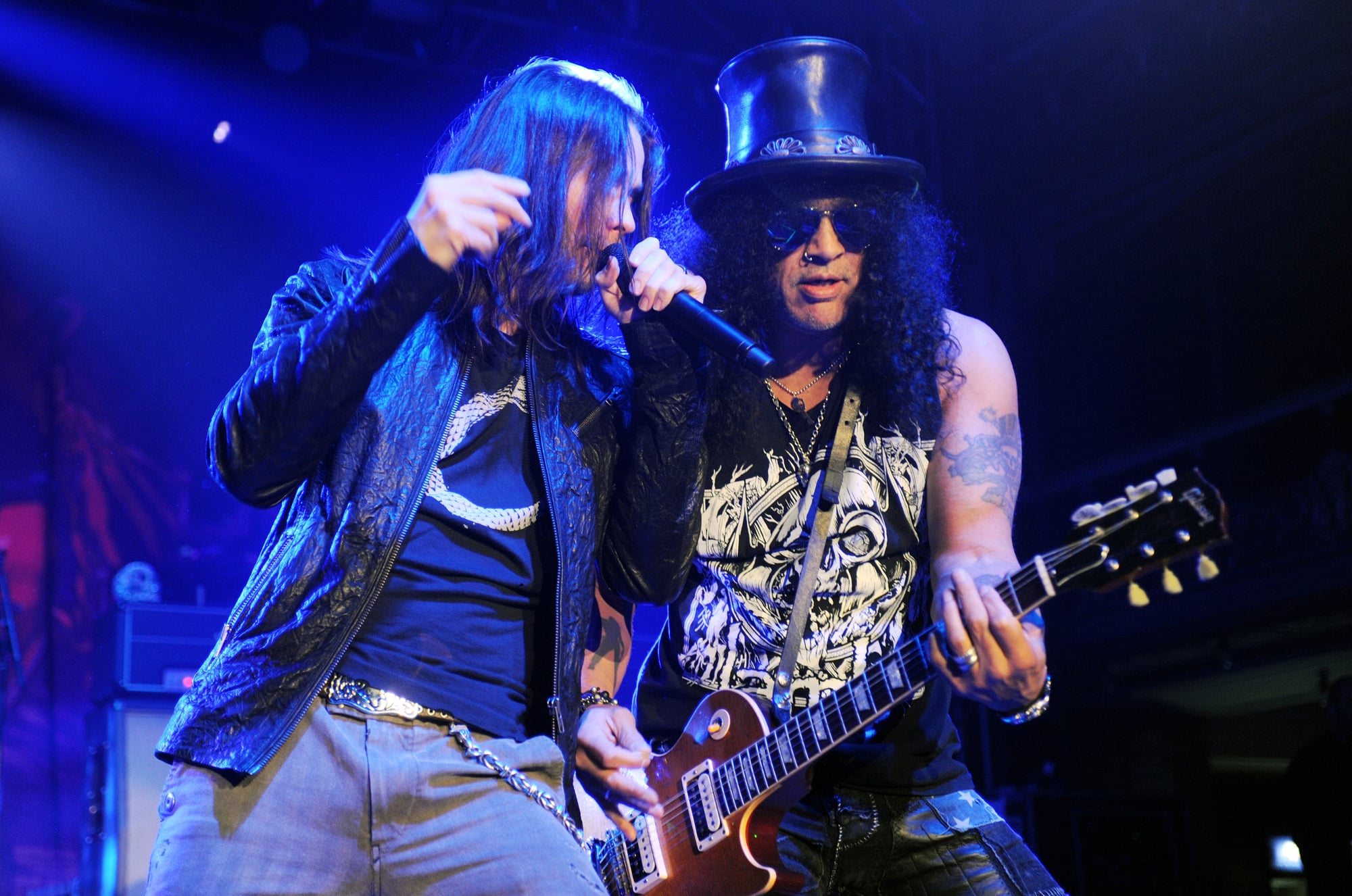
Slash was just messing around with a string-skipping exercise one afternoon in 1986 when he stumbled onto the iconic opening riff. He described it as a stupid little pattern he was noodling with while bandmate Izzy Stradlin played chord progressions beneath it.
Axl Rose immediately recognized something special and insisted they develop it into a song, despite the rest of Guns N’ Roses initially dismissing its potential. The riff that Slash considered throwaway practice became one of the most recognizable guitar openings in rock history.
The song reached number one on the charts and became the band’s signature track, all because Axl had the foresight to hear what the guitarist couldn’t.
Sweet Dreams (Are Made of This)

Eurythmics were on the verge of breaking up when this hit was created during a studio argument. Annie Lennox and Dave Stewart were bickering when Stewart sarcastically asked if he could go ahead and program the drum computer.
Right there, while tensions ran high, Stewart experimented with a synth riff through an early sequencer, creating an unexpected sound that caught both their attention. Lennox pulled herself together, laid down a synth line on her keyboard, and improvised both the vocals and lyrics in a single take.
The song that emerged from constant fighting and experimental sequencer work became their biggest hit and a defining track of the 1980s.
Wipe Out

The Surfaris were a teenage garage band with members ranging from around 15 to 19 years old when they created this instrumental hit. They had acquired a manager and secured studio time but found themselves scrambling to fill out the session at the last minute.
Like students throwing together a project the night before it’s due, they hastily recorded this drum-heavy track to avoid wasting their precious studio time. The panicked, last-minute creation reached number two on the charts.
What they produced under pressure became one of the most recognizable surf rock instrumentals ever recorded, proving that teenage procrastination can sometimes pay off spectacularly.
Mony Mony

Tommy James had everything ready for this 1968 hit except a title. The track had a groovy beat, catchy hook, handclaps, and group vocals perfect for singing along, but the band couldn’t come up with a name for it.
During a break from recording, James went outside and looked up to see the MONY Tower with its initials illuminated in red at the top, standing for Mutual of New York. He later said it was almost as if divine intervention had provided the title, adding that if he’d looked the other way, the song might have been called Hotel Taft.
The accidentally spotted building sign gave the song its memorable name, and it climbed to number three on the charts.
Nothing Else Matters

In 1990, James Hetfield was on the phone with his girlfriend, missing her while Metallica prepared to record what would become The Black Album. He idly plucked out some notes on his guitar during the conversation, not thinking much of the melody.
Drummer Lars Ulrich later heard what Hetfield had been playing and insisted the frontman was onto something special. Hetfield developed those lonely phone call notes into a gentle ballad about feelings—a stark departure from Metallica’s usual sound.
The song became their biggest mainstream hit during an album era that sparked considerable debate among fans about the band’s musical direction.
Under the Bridge
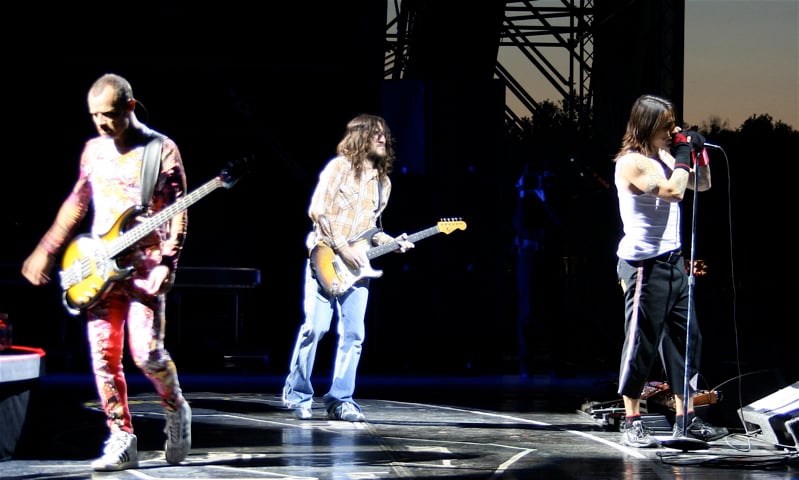
This Red Hot Chili Peppers track started as a deeply personal poem Anthony Kiedis wrote about his struggles with addiction, never intended for public consumption. During the making of Blood Sugar Magik, Kiedis reluctantly showed the poem to producer Rick Rubin, who immediately sensed songwriting potential in the words.
The band was reluctant to stray from their party funk sound with something so melancholic, but Rubin pushed them to develop it. Despite their hesitation about sharing something so vulnerable, the song became one of their biggest hits.
The poem that was supposed to remain private transformed into an anthem heard by millions.
Fuzzy Guitar Sound

During a 1961 Nashville recording session, a technical malfunction created a distorted, fuzzy guitar tone that would influence rock music for decades. The effect is commonly attributed to session guitarist Grady Martin, though some historians debate the exact attribution.
An amplifier suffered a malfunction that created an unexpected distorted sound, and whoever was playing liked it enough to keep going while the tape rolled. The brief accident ended up inspiring the development of the fuzz pedal and influenced countless rock guitarists.
What started as broken equipment became a sought-after effect that helped define rock music.
You Ain’t Seen Nothing Yet

Randy Bachman created this track as a work song to test studio equipment while producing Bachman-Turner Overdrive’s third album. He stuttered over the vocals as a playful reference to his brother Gary, and the guitars weren’t even properly in tune.
The band’s label head came in looking for a follow-up single, and when the engineer suggested playing him the work song, Bachman protested that it was terrible. The executive heard it anyway, declared it charming, and insisted on releasing it over Bachman’s objections.
The lighthearted track with the distinctive stutter became a number one hit, much to the songwriter’s surprise.
Eruption

Eddie Van Halen was simply warming up one morning in the studio, running through a technical exercise on his guitar. Producer Ted Templeman decided to record the warmup session just in case, capturing Van Halen’s casual practice routine on tape.
Templeman then included the recording as-is on the band’s 1978 debut album, despite the guitarist’s protests. Van Halen later said that whenever he heard it, he always thought he could have played it better.
Fans disagreed completely, and the minute-and-a-half instrumental warmup exercise became one of the most celebrated guitar performances in rock history, consistently voted among the greatest solos ever recorded.
Loser

Beck recorded this track in 1992 while trying to impress producer Karl Stephenson by freestyling some rap lyrics. He was attempting to channel the style of Public Enemy, rapping over a beat in Stephenson’s home studio.
When they played back what he’d recorded, Beck responded to hearing his own attempt with the self-deprecating line “I’m the worst rapper”—which became the famous chorus “I’m a loser, baby, so why don’t you kill me.” The song was released independently in 1993 and re-released in 1994, going into heavy rotation on radio and MTV.
Those improvised lyrics became the defining anthem for a new genre called slacker rock, and Beck’s throwaway session turned into a career-launching hit.
Dock of the Bay

Otis Redding recorded this song just three days before his death in a plane crash in December 1967. The track represented a departure from his usual soulful style, but what made it truly distinctive was the whistling at the end.
The ending section remained unfinished, so Redding whistled as a placeholder where he planned to add lyrics later. That temporary whistling became one of the most recognizable elements of the song.
Released posthumously, it became the first song to reach number one on the charts after the artist’s death, and the placeholder whistling that was never replaced became iconic.
American Woman

The Guess Who created this hit during a live performance in Ontario when a guitar string broke. While bassist Jim Kale and drummer Garry Peterson kept a groove going during the repair, guitarist Randy Bachman started improvising a riff.
The rest of the band joined in, and vocalist Burton Cummings began making up lyrics on the spot. A fan in the audience was bootlegging the show with a tape recorder, and after the concert, the band asked to borrow the tape because nobody could remember exactly what they’d played.
They learned their own song from the bootleg recording and refined it into a studio version. The improvised jam that emerged from a broken string became a monster hit and gave Lenny Kravitz inspiration decades later.
The Accidental Nature of Success

These songs share a common thread—none of them came from calculated planning or polished songwriting sessions. Equipment failures, unfinished sections, studio arguments, and random glances out windows all contributed to creating music that millions of people loved.
The artists themselves often couldn’t predict which of their works would resonate most with audiences. Sometimes the tracks they considered throwaways or jokes became their biggest successes, while songs they labored over for months went nowhere.
This unpredictability reminds us that creativity doesn’t always follow a logical path, and the best ideas sometimes arrive when we’re not even trying.
More from Go2Tutors!

- The Romanov Crown Jewels and Their Tragic Fate
- 13 Historical Mysteries That Science Still Can’t Solve
- Famous Hoaxes That Fooled the World for Years
- 15 Child Stars with Tragic Adult Lives
- 16 Famous Jewelry Pieces in History
Like Go2Tutors’s content? Follow us on MSN.



