Sounds Heard Across Continents
Sound doesn’t respect borders. It travels through air, water, and earth, sometimes crossing entire oceans or stretching from one side of the planet to the other. Most of the time, these sounds go unnoticed.
But occasionally, they reach our ears in ways that remind us just how connected the world really is—whether through natural phenomena, human creation, or the simple physics of vibration traveling farther than anyone expected.
When Volcanoes Shake the Atmosphere
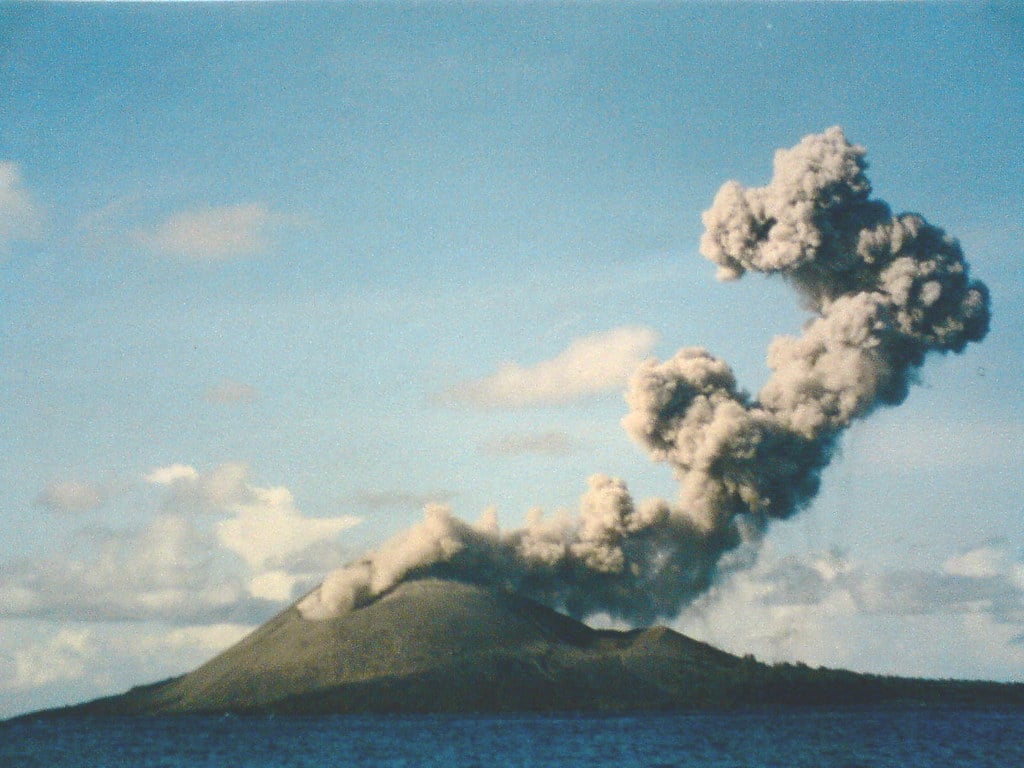
The 1883 eruption of Krakatoa produced the loudest sound ever documented. People heard it nearly 3,000 miles away.
The explosion was so powerful that pressure waves circled Earth seven times. Ships sailing hundreds of miles from the volcano reported sailors’ eardrums rupturing.
The sound wasn’t just loud—it was physical force moving through the atmosphere. Modern eruptions still carry across vast distances, though rarely with that same intensity.
When Eyjafjallajökull erupted in Iceland in 2010, people reported hearing deep rumbles from as far as Scotland. The sound arrived differently depending on atmospheric conditions—sometimes as a low boom, sometimes as a series of rumbles that seemed to come from nowhere.
Whale Songs That Travel Ocean Basins

Blue whales produce calls that reach 188 decibels—louder than a jet engine. These low-frequency sounds travel through water for thousands of miles.
A whale singing off the coast of California can potentially be heard by another whale near Japan. The ocean acts as a sound channel. Temperature and pressure create layers that trap and carry low-frequency noises across entire basins.
During the Cold War, the U.S. Navy used underwater microphones to track Soviet submarines. They ended up documenting whale songs instead, mapping how far these calls actually traveled.
Some recordings picked up the same individual whale from sensors positioned thousands of miles apart.
Thunder Across Mountain Ranges
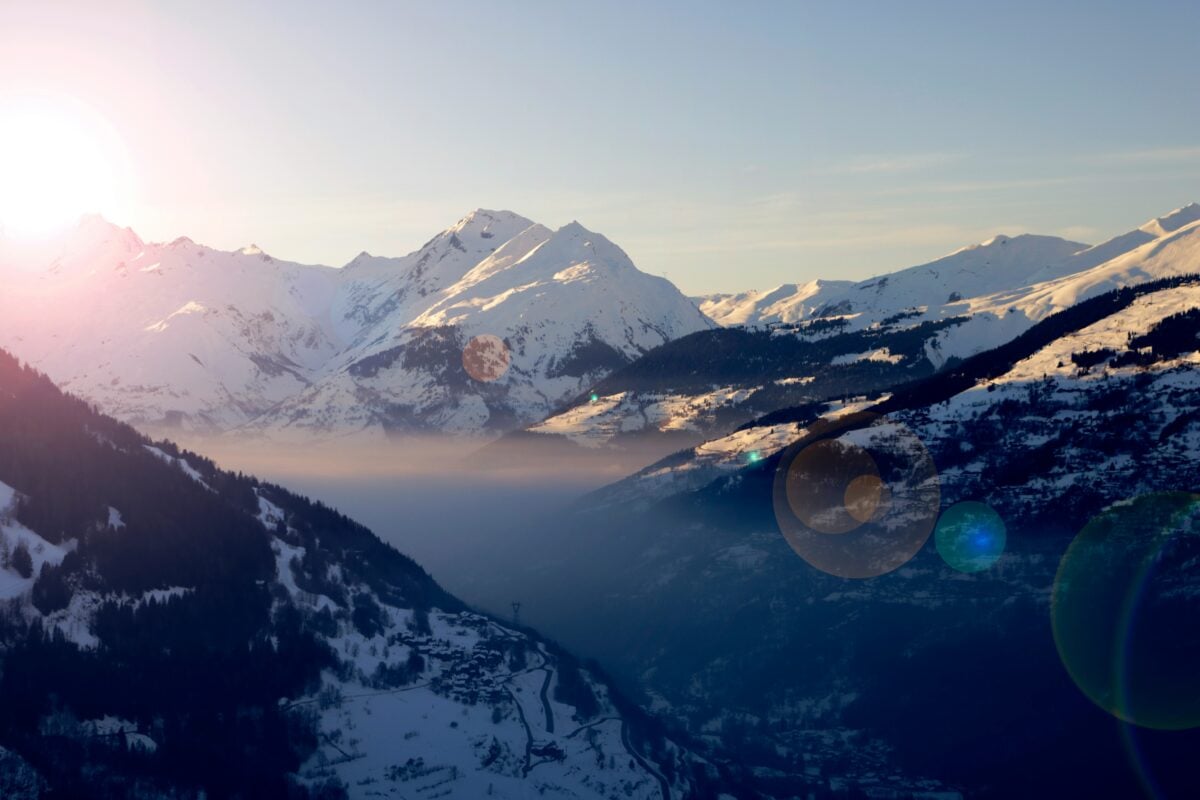
Alpine thunder behaves differently than thunder over flat land. Mountains amplify and redirect sound waves, bouncing them from peak to peak.
A storm in the Swiss Alps can create thunder audible in valleys 50 miles away. The sound arrives delayed and distorted.
By the time it reaches distant valleys, it sounds less like a crack and more like a sustained roll. Shepherds used to read these sounds, predicting storms based on how thunder echoed off specific peaks.
Modern meteorologists still study these patterns, though satellites have mostly replaced the need for acoustic weather prediction.
Nuclear Tests That Circled the Globe

When the Soviet Union detonated the Tsar Bomba in 1961, monitoring stations around the world detected the acoustic wave. The 50-megaton blast created pressure waves that traveled through the atmosphere three times around the planet.
These tests helped scientists understand how sound propagates through different atmospheric layers. The waves didn’t travel in straight lines—they bounced between the ground and the upper atmosphere, creating unexpected patterns.
Monitoring stations in places that should have been in acoustic shadow zones still picked up clear signals.
Earthquakes That Ring Like Bells

Large earthquakes don’t just shake the ground—they make Earth vibrate like a struck bell. The 2011 Tōhoku earthquake in Japan created vibrations that seismographs detected worldwide.
The entire planet rang at frequencies too low for human ears to hear, but instruments measured the oscillations for weeks. These vibrations travel as surface waves and body waves, each taking different paths through Earth’s interior.
Some waves arrive at distant seismographs before others, creating complex interference patterns. Scientists use these patterns to map Earth’s internal structure, essentially using earthquakes as a giant ultrasound machine.
Radio Waves That Skip Across Oceans
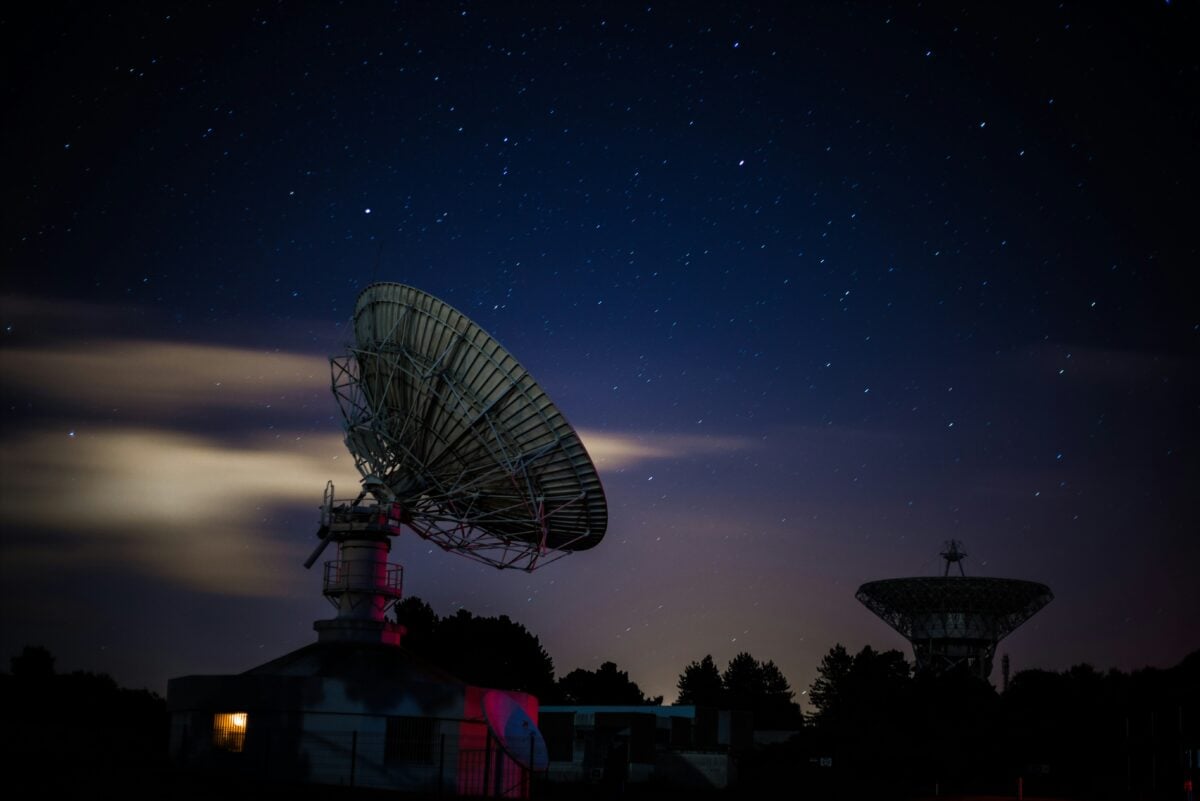
Before satellites, long-distance communication depended on radio waves bouncing off the ionosphere. Broadcasters in England could reach listeners in Australia by timing their transmissions to atmospheric conditions.
The ionosphere acts as a mirror for certain frequencies. Radio waves hit it and bounce back to Earth, sometimes multiple times.
Amateur radio operators still use this technique, making contacts across continents with equipment that uses less power than a light bulb. The right frequency at the right time can carry a voice from Alaska to Argentina.
The Hum That Nobody Can Locate

Some people hear a persistent low-frequency hum that seems to come from everywhere and nowhere. Reports come from different continents—Scotland, New Mexico, Australia—but the source remains unclear.
Various explanations exist. Some researchers point to distant industrial facilities.
Others suggest natural phenomena like ocean waves creating pressure pulses. Microseisms—tiny vibrations in Earth’s crust—might contribute.
The hum might not have a single source at all, but rather multiple sources creating a global background noise that only certain people can hear.
Sonic Booms That Cross Borders
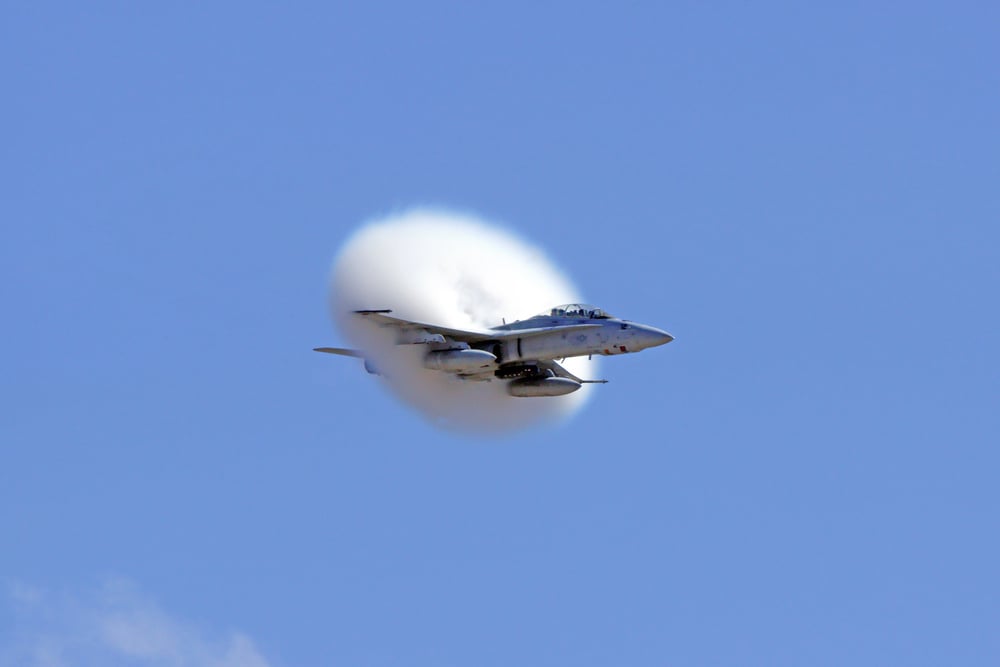
When Concorde flew supersonic routes over the Atlantic, the sonic boom sometimes reached coastal areas on both sides of the ocean. The shock wave didn’t stop at national borders—it traveled based on altitude, speed, and atmospheric conditions.
Military jets create similar phenomena. Supersonic flights over one country can produce sonic booms heard in neighboring countries, leading to diplomatic complaints.
The sound wave spreads in a cone shape behind the aircraft, and where that cone intersects the ground determines who hears the boom.
Monsoon Thunder Heard at Sea
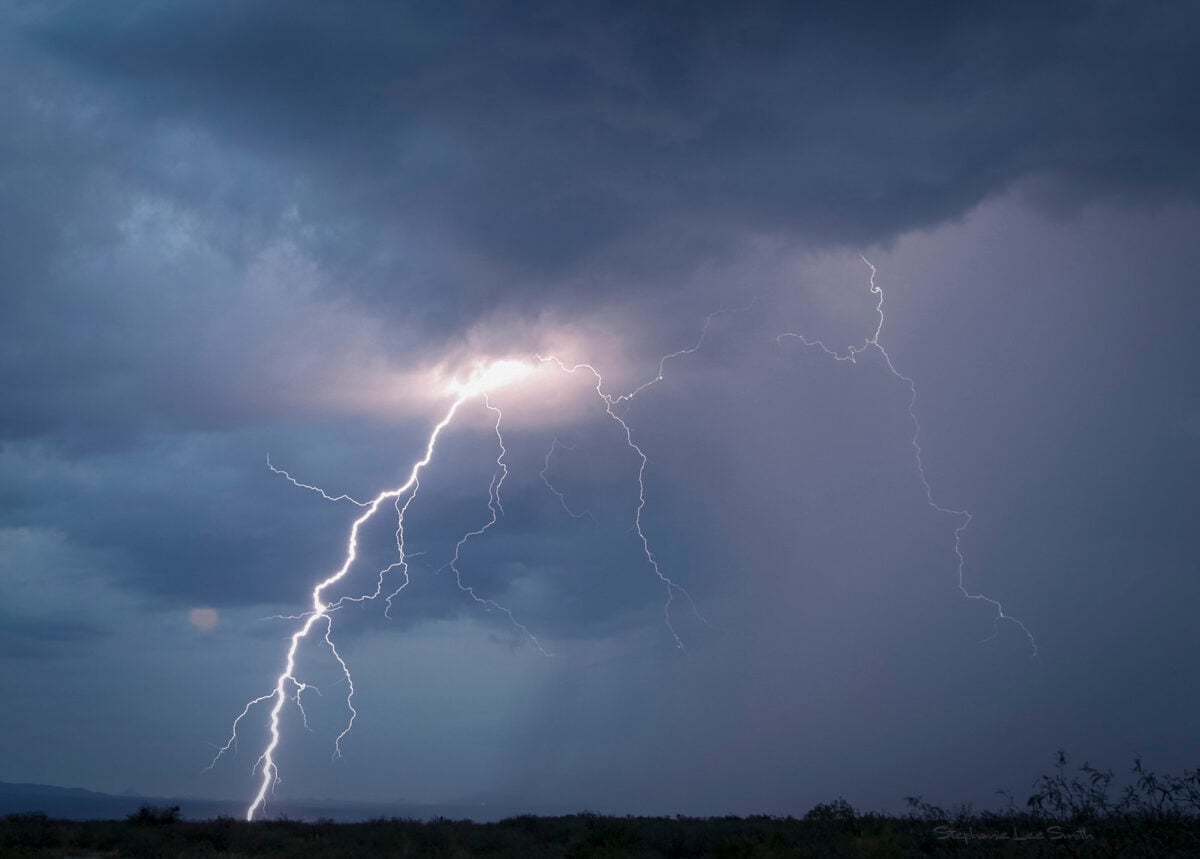
Sailors in the Indian Ocean report hearing monsoon thunderstorms from hundreds of miles away. The sound travels differently over water than over land.
With no obstacles to absorb it, thunder can carry much farther. These storms create such intense electrical activity that the thunder becomes almost continuous.
Mariners used to navigate by these sounds before GPS, knowing that certain acoustic patterns meant land was near. Modern shipping still monitors these storms, though now for safety rather than navigation.
Ice Shelf Collapses That Echo Across Antarctica

When large ice shelves break apart, they create sounds that travel across the continent. The Larsen B ice shelf collapse in 2002 produced acoustic signals detected by monitoring stations over 600 miles away.
These sounds arrive both through the air and through the ice itself. Ice conducts sound better than air, so seismographs pick up vibrations that air microphones miss.
Scientists now use acoustic monitoring to track ice shelf stability, listening for the creaks and groans that precede major collapses.
Meteor Explosions Heard Continents Away
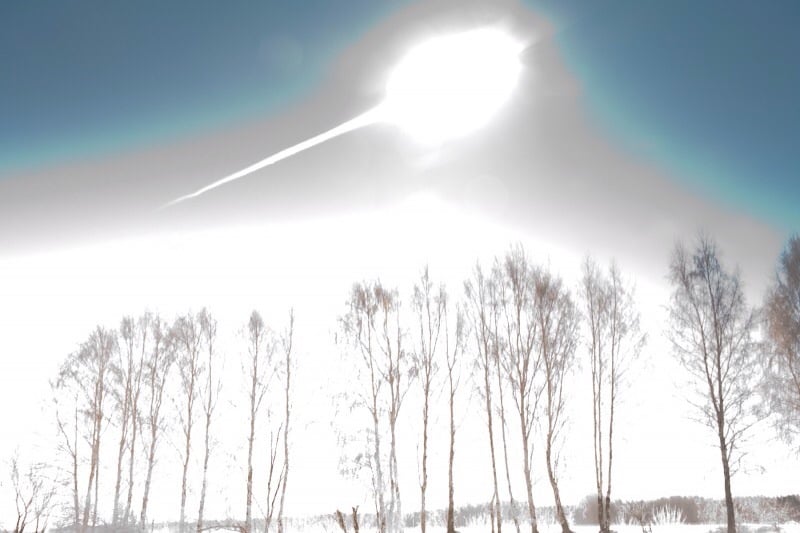
The Chelyabinsk meteor explosion in 2013 created an airburst heard across Russia and into neighboring countries. The shock wave broke windows hundreds of miles from the epicenter.
Infrasound sensors—microphones that detect frequencies below human hearing—recorded the blast from over 9,000 miles away. These atmospheric explosions create pressure waves that bounce between Earth’s surface and the upper atmosphere.
The waves can travel around the entire planet, gradually weakening but still detectable with sensitive instruments. Every major meteor explosion gets recorded by global monitoring networks originally designed to detect nuclear tests.
Military Exercises That Shake Coastlines

Naval artillery practice and bombing ranges produce sounds that carry across water. Coastal residents near military ranges sometimes hear explosions from exercises taking place hundreds of miles offshore.
Water conducts low-frequency sounds efficiently. A detonation at sea level creates waves that travel through both air and water.
The underwater component often travels farther, sometimes being heard as a deep rumble by people standing on distant shores. Fishermen learn to distinguish these sounds from natural phenomena like underwater earthquakes.
Industrial Operations Heard Across Tundra
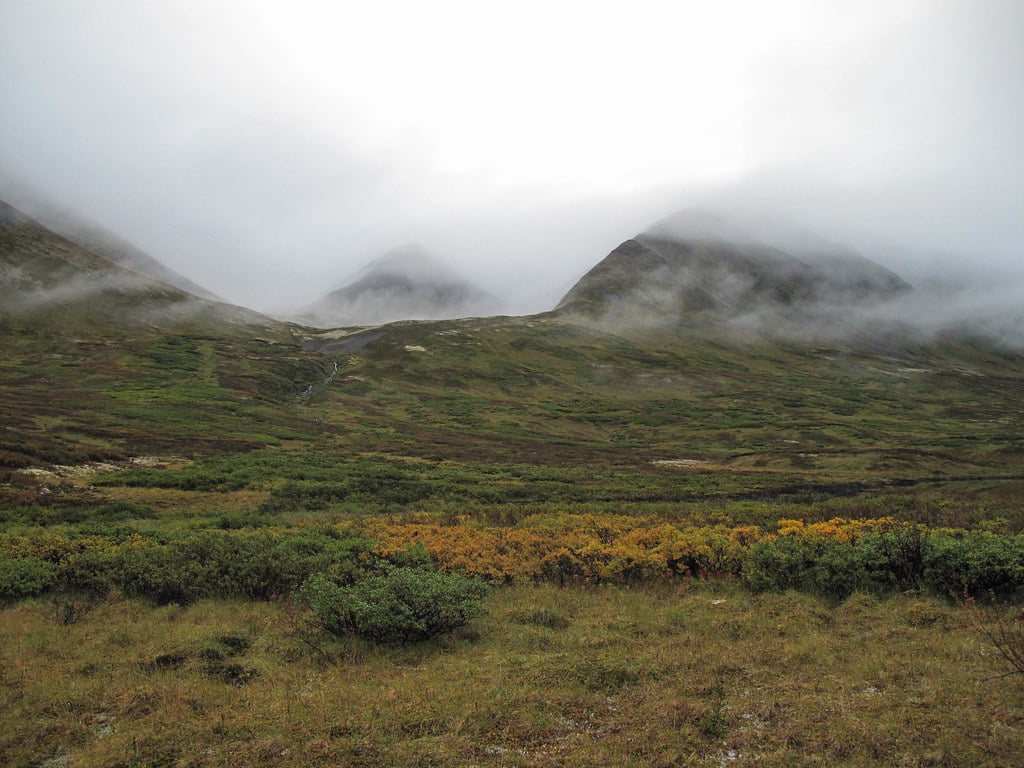
Far across icy stretches, oil drilling plus digging deep into land sends noise rolling on. Cold air sits still; ground lies smooth – sound moves easily here.
Ends where few expect. Far-off explosions in northern Canada carry so clearly that people hear them more than a hundred miles away.
Without trees or hills blocking the way, the noise travels smooth and sharp. Some native groups listen closely, using the booms to follow unseen work happening beyond their line of sight.
When Distance Makes Sound Strange

Sound shifts the longer it moves. As distance grows, highs fade fast – only thick rumbles stay behind.
A crisp snap turns into a dull moan over space. Clear notes land blurred, almost ghostlike, once they’ve traveled far enough.
Floating through the sky, noise gets twisted when the air plays tricks. When cold sits over warm, sound slips far across distances before vanishing without warning.
Air moving fast may drag tones ahead or trap them where they started. Moisture shifts which pitches slip through best.
After crossing oceans on unseen layers, every distant cry arrives changed – not once, but again and again until it lands soft in your ear.
Listening Beyond What We Hear

Across vast distances, many noises go unheard by people. These occur where our hearing fails, either too low or faint to catch.
Yet machines capture them – tools like seismometers, infrasound detectors, hydrophones – tuning into an ongoing exchange of sound stretching worldwide. Out here, far-off noises link spots in quiet ways.
Not silence but sound fills every corner of the planet. Always something humming, moving, reaching.
From deep seas to high air, waves pass through without stopping. Across vast gaps, moments meet inside one unbroken breath of noise.
More from Go2Tutors!

- 16 Historical Figures Who Were Nothing Like You Think
- 12 Things Sold in the 80s That Are Now Illegal
- 15 VHS Tapes That Could Be Worth Thousands
- 17 Historical “What Ifs” That Would Have Changed Everything
- 18 TV Shows That Vanished Without a Finale
Like Go2Tutors’s content? Follow us on MSN.