Strange Facts About Building the Iconic Eiffel Tower
When most people look at the Eiffel Tower, they see a symbol of romance, a postcard-perfect backdrop for vacation photos, or maybe just another tourist trap. But the story behind its construction is far stranger than the polished image suggests.
The tower that now defines Paris was once considered an eyesore, a temporary mistake that somehow became permanent. Every rivet, every beam, every controversial decision that went into building it reveals something unexpected about ambition, timing, and the peculiar way history decides what gets remembered.
The Tower Was Never Meant to Be Permanent

Gustave Eiffel designed his tower with a 20-year expiration date. The structure was built specifically for the 1889 World’s Fair, and the plan was simple: put on a show, impress the world, then tear it down.
The French government had no intention of keeping what many considered an industrial monstrosity cluttering up their elegant city skyline.
The Construction Site Was a Military Operation
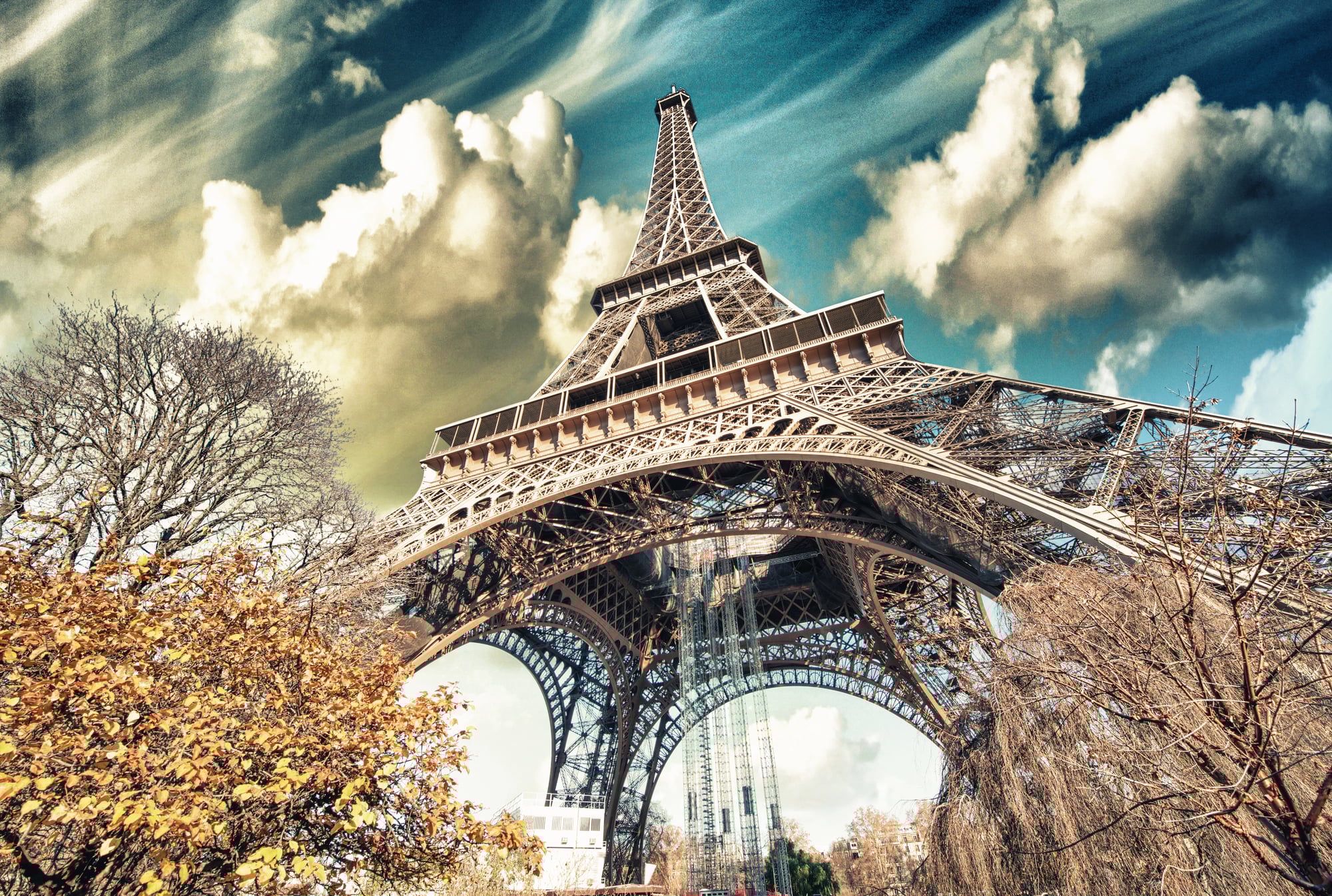
Building the Eiffel Tower required precision that bordered on obsession (and frankly, given what they were attempting, obsession was probably the only sensible approach). Every single piece was pre-fabricated in Eiffel’s factory outside Paris, numbered like a massive three-dimensional puzzle, then transported to the construction site.
So when workers arrived each morning, they weren’t improvising—they were following a script written in iron and steel, where piece #3,847 had exactly one place it could go, and that place had been determined months earlier in a workshop miles away. The whole operation moved with the kind of mechanical certainty that made people nervous, as if the tower were building itself and the workers were just along for the ride.
Workers Faced Death Daily But Were Protected by Innovative Safety Measures
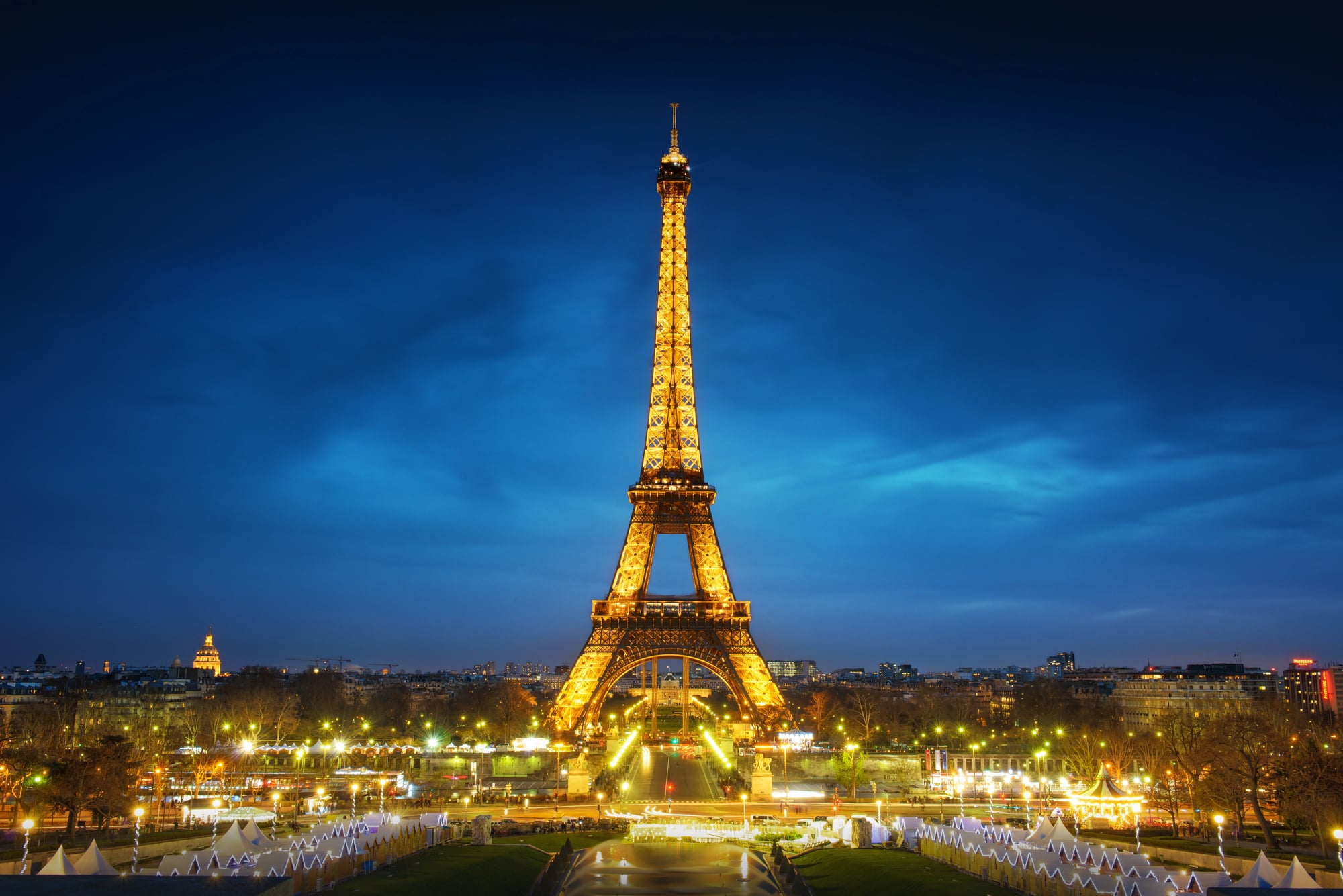
Construction work in 1887 was brutal under the best circumstances. Building something 300 meters tall was essentially asking workers to operate at heights few had ever attempted.
Yet remarkably, only one person died during construction. The low death toll was largely due to Eiffel’s forward-thinking safety precautions — he installed guardrails, movable gangways, and safety screens to prevent falls, and even set up an on-site medical clinic to provide immediate care for injuries.
These measures were revolutionary for the era and stood in stark contrast to other major construction projects of the time, where worker fatalities were tragically common.
The Iron Came From a Single Source With an Unusual History
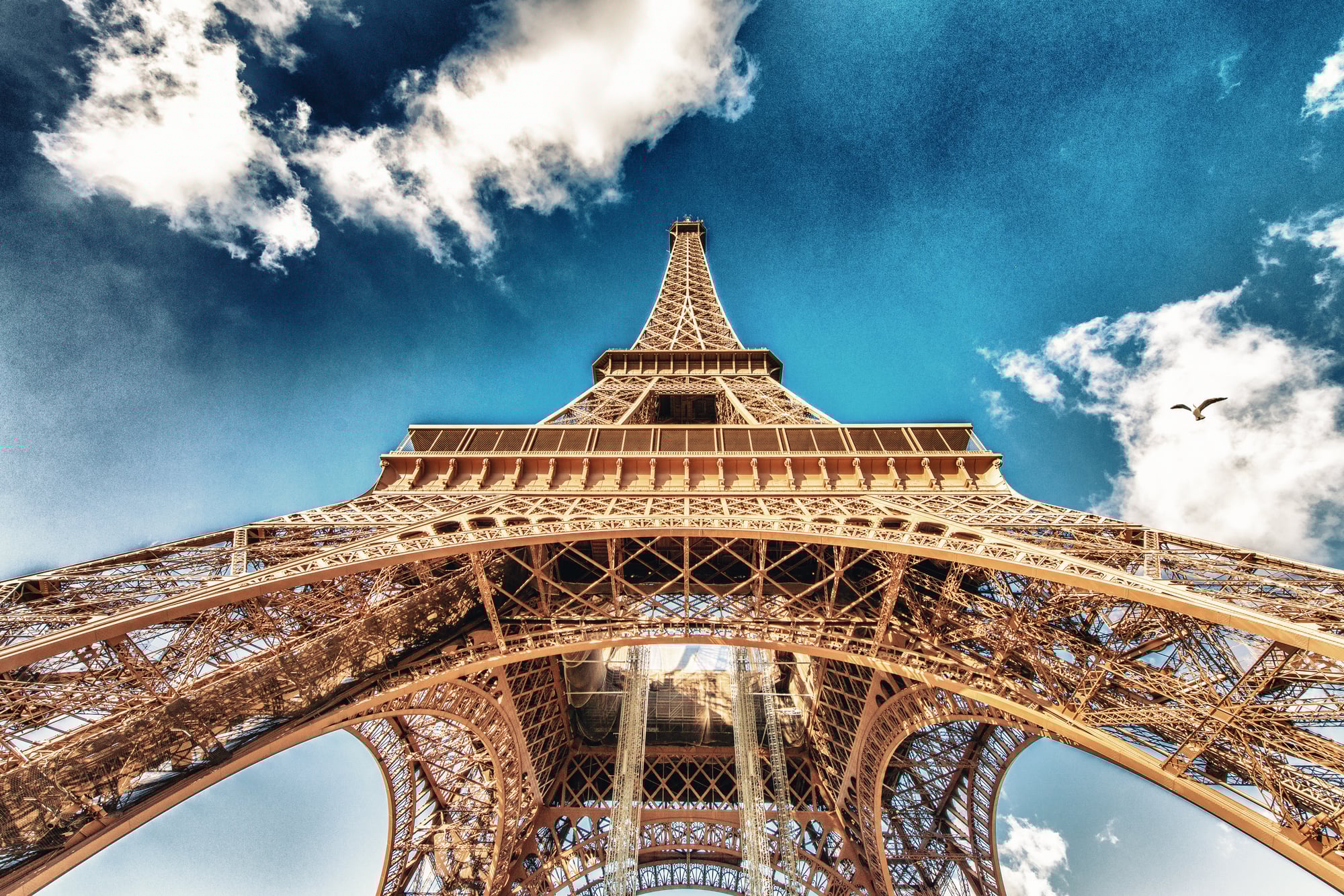
Every beam originated from the same place: the Pompey ironworks in eastern France. This wasn’t just convenient—it was essential.
Eiffel needed iron with consistent properties, the kind of reliability that comes from a single source working with familiar materials. The Pompey works had spent decades perfecting techniques for producing structural iron, but they’d never tackled anything remotely close to this scale.
Assembly Happened With Surgical Precision Despite Chaotic Conditions
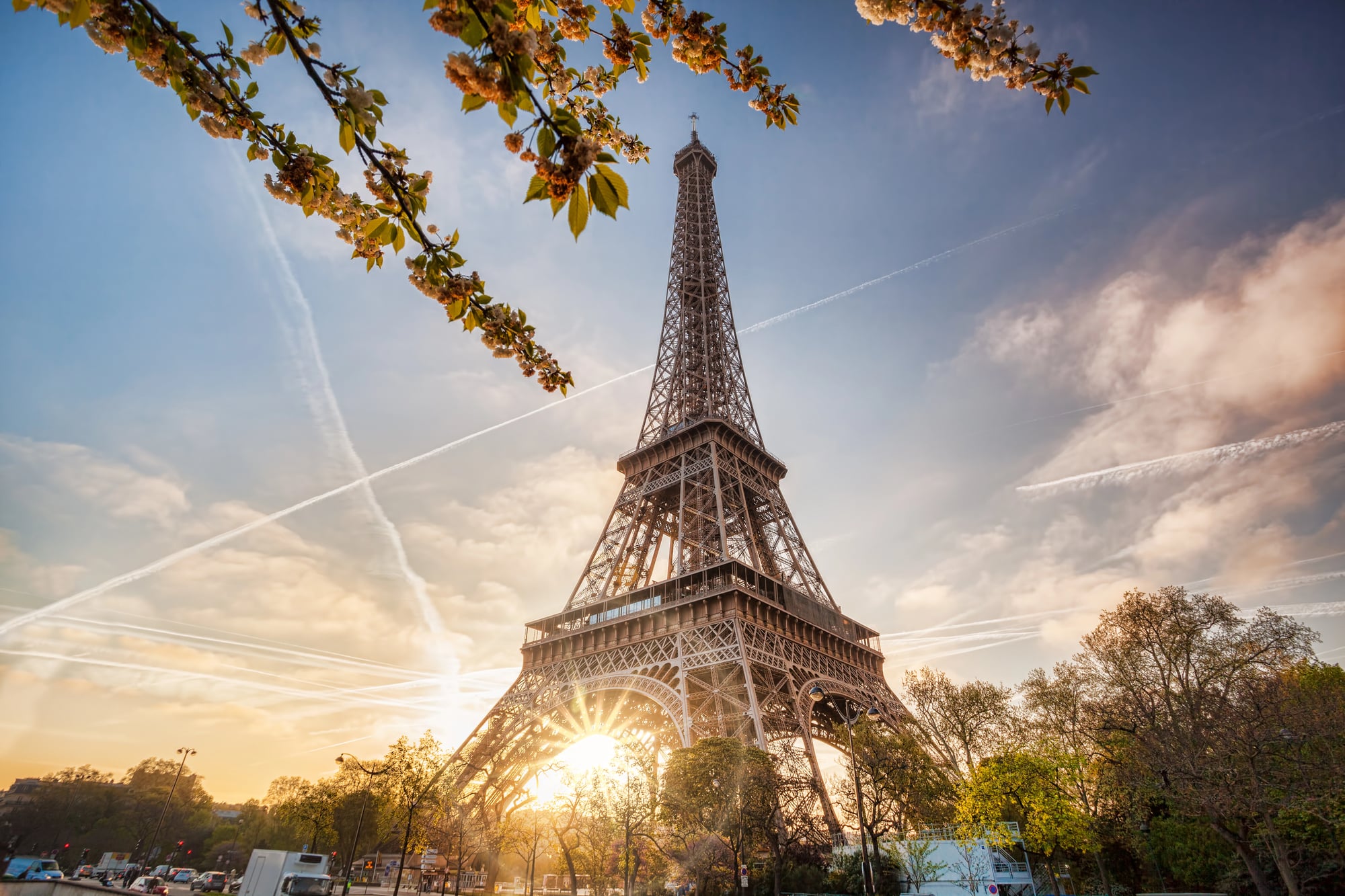
The tower went up in just over two years, which sounds reasonable until consideration of what they were actually doing. Each piece had to fit perfectly with dozens of others, and there was no room for error at 200 meters above ground.
Workers heated rivets to white-hot temperatures, tossed them through the air to waiting colleagues, then hammered them into place before they cooled. One missed catch or poorly timed swing meant starting over.
But here’s the thing: they rarely had to start over. The precision was almost unsettling.
Eiffel Included His Own Apartment at the Top
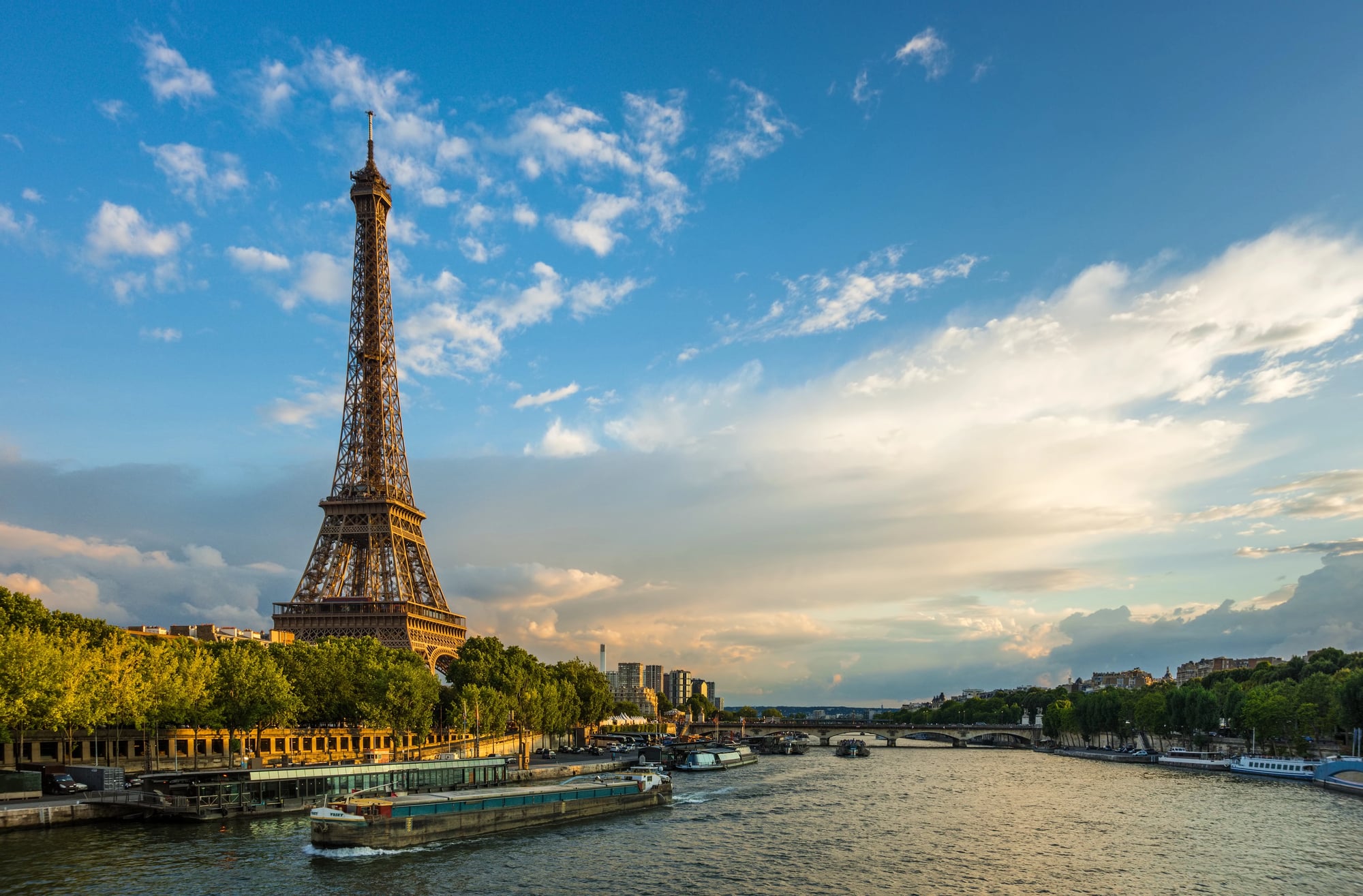
Hidden away at the tower’s peak sits a small apartment that Eiffel built for himself. Not as a publicity stunt or tourist attraction, but as a genuine private retreat.
He furnished it simply, used it to entertain distinguished guests like Thomas Edison, and treated it as his personal laboratory for meteorological experiments. Wealthy Parisians reportedly offered him substantial sums just to spend an evening up there, but he consistently refused.
The apartment wasn’t for sale—it was for science.
The Painting Process Defied Logic and Gravity
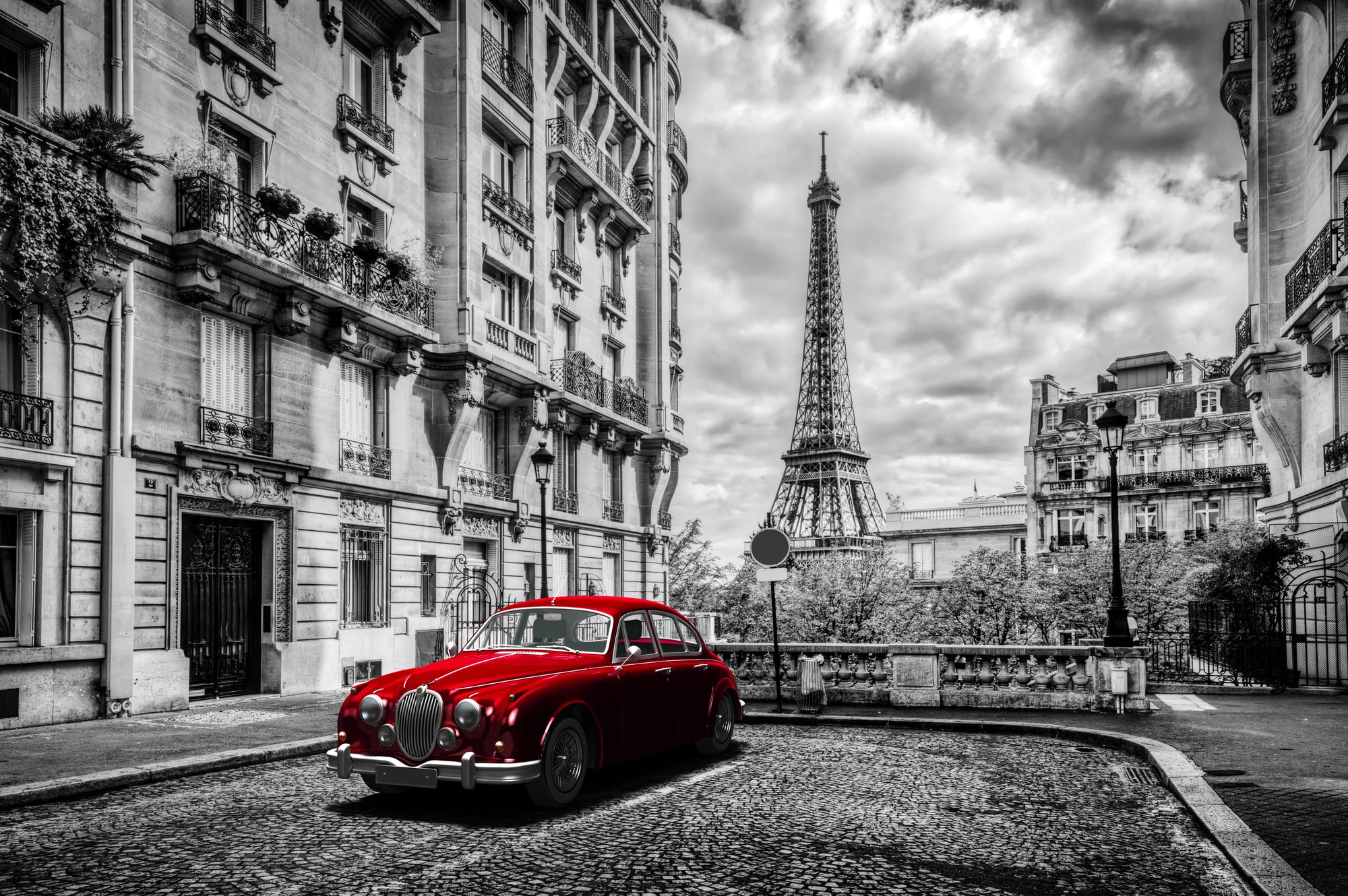
Maintaining the tower’s distinctive brown color requires repainting every seven years—a job that takes 60 tons of paint and 18 months to complete. But here’s what makes no sense: the painters start at the top and work their way down, which means they’re doing the most dangerous work first, when they’re least familiar with the current condition of the structure.
And yet this backwards approach has been the standard procedure since the tower’s completion. The reason has less to do with safety or efficiency and more to do with the peculiar way gravity affects drying paint on a structure this size, though explaining exactly why would require a physics degree most people don’t have.
Lightning Strikes Became a Feature, Not a Bug
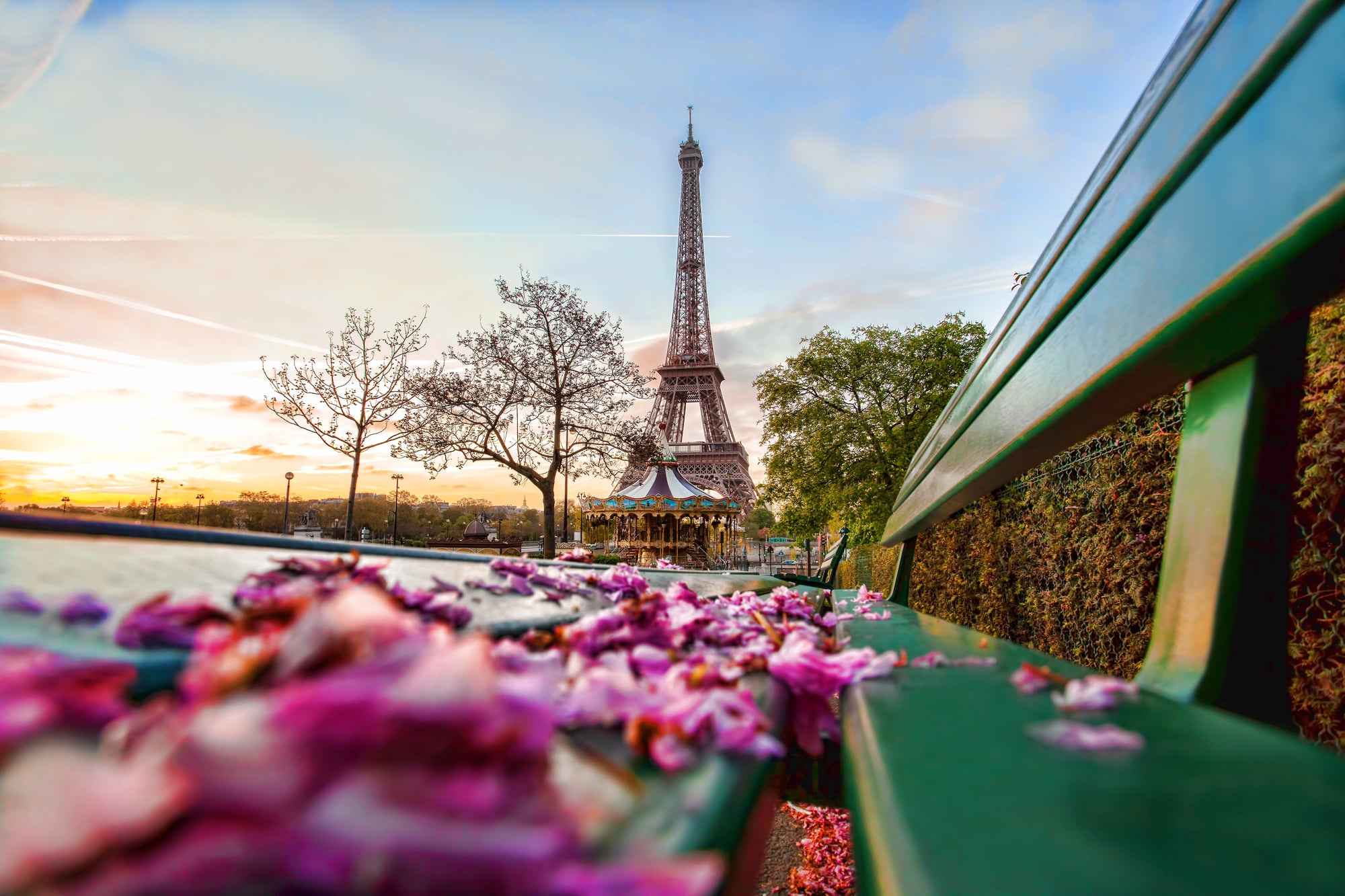
Eiffel’s tower attracts lightning strikes dozens of times each year, turning every thunderstorm into an impromptu light show. Rather than seeing this as a design flaw, Eiffel embraced it.
He installed lightning rods and began using the strikes for electrical experiments, essentially turning his tower into a giant lightning laboratory. The sight of electricity dancing across the iron framework became one of Paris’s most spectacular (and unpredictable) attractions.
Modern lightning protection systems have made the strikes safer, but they haven’t made them any less frequent. The tower still acts like a 300-meter-tall lightning magnet.
The Elevators Were an Engineering Nightmare Nobody Wanted to Solve
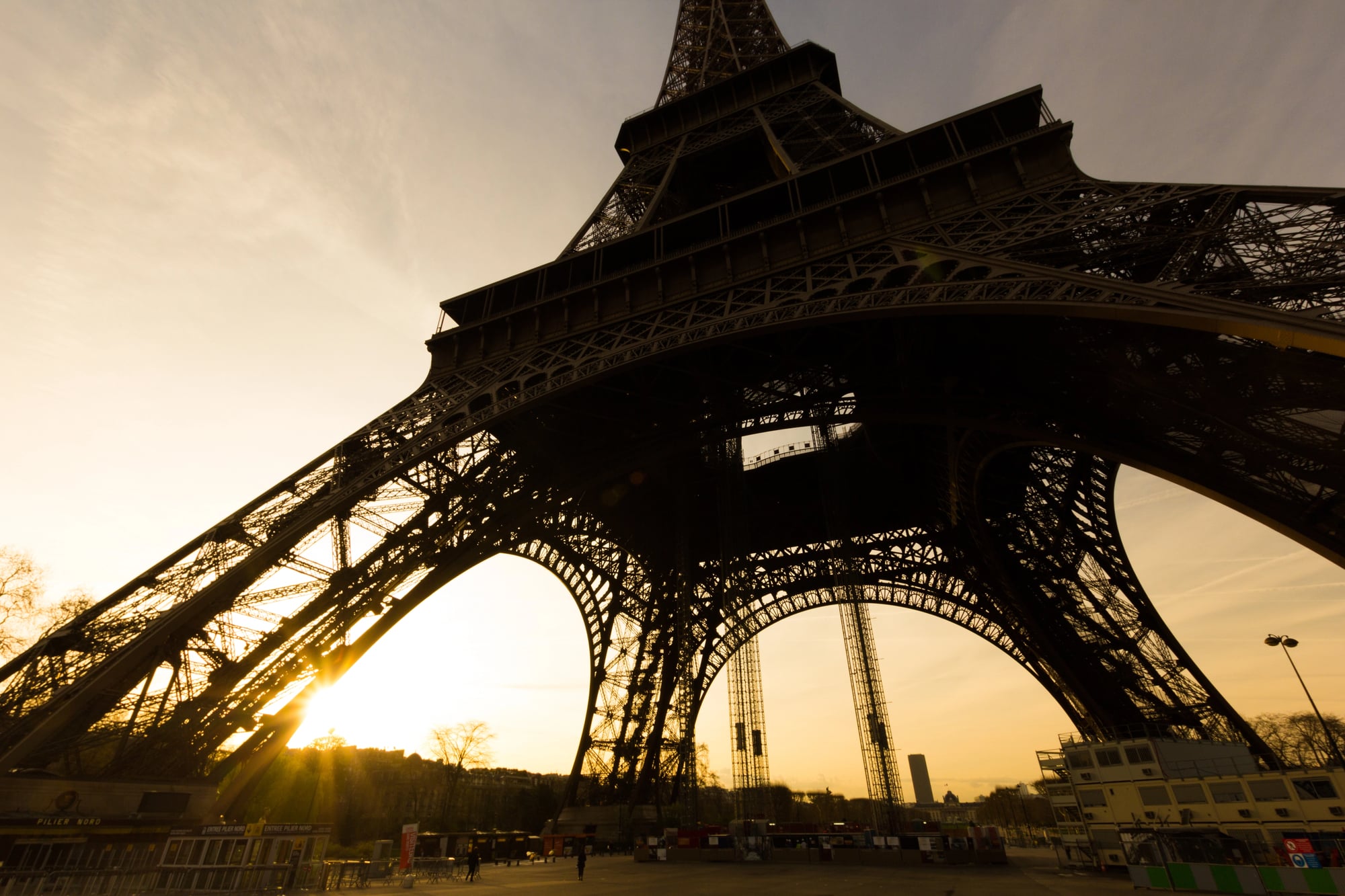
Installing elevators in a structure that tapered as it rose meant creating a system that could travel along a curve—something that had never been attempted at this scale. The challenge was so daunting that most elevator companies refused to bid on the project.
Those brave enough to try soon discovered that conventional elevator technology simply didn’t apply to a tower that changed width and angle as it climbed. The solution involved creating a hybrid system that was part elevator, part funicular railway, and part mechanical improvisation.
Even today, the elevators require constant adjustment and maintenance that would be unnecessary in a conventional building.
Wind Became Both Enemy and Ally in Unexpected Ways
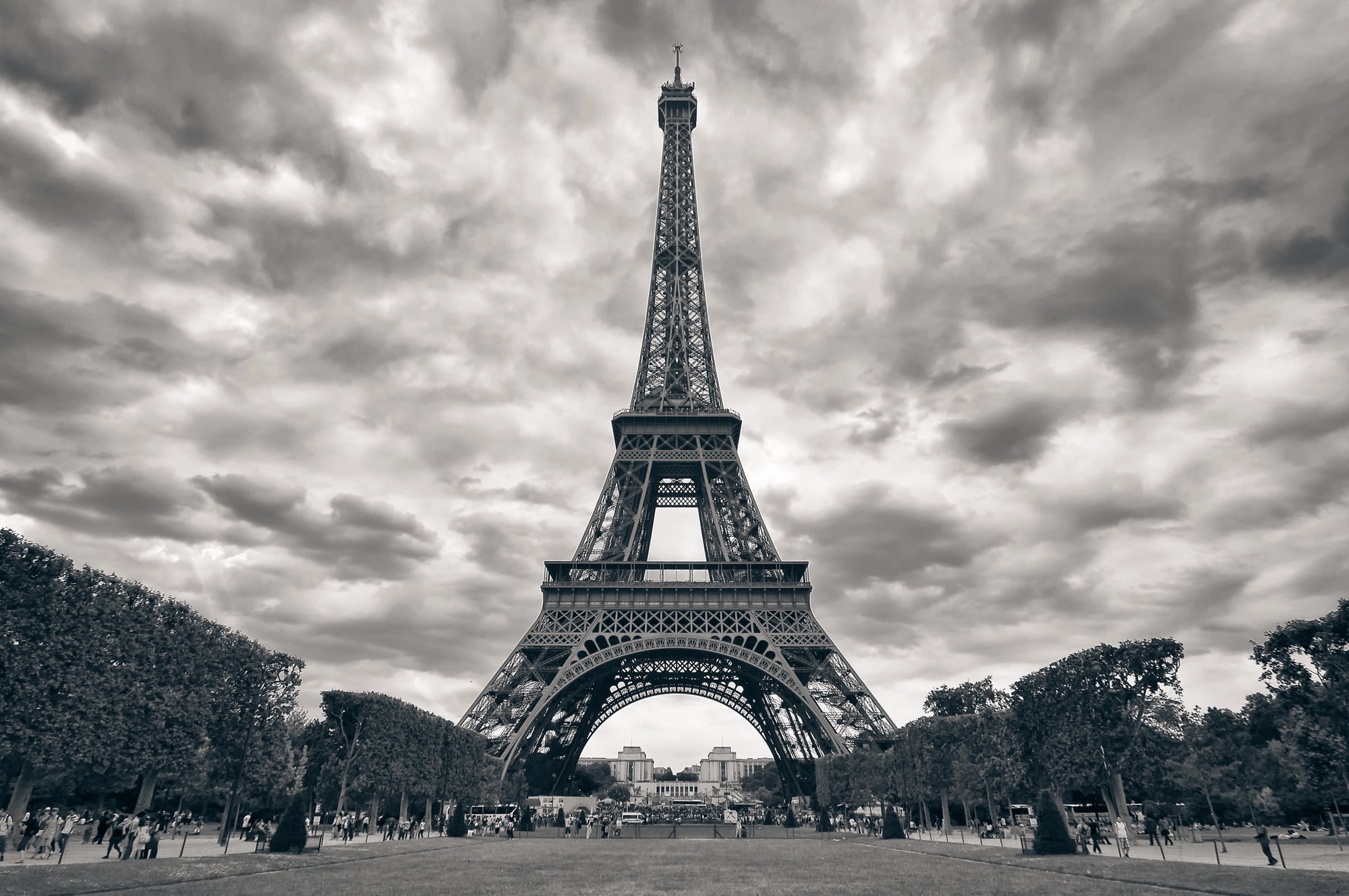
Engineers calculated that the tower needed to withstand wind speeds of up to 120 kilometers per hour, but their calculations were based on theoretical models, not real-world testing. They had no way to know how wind would actually behave around such an unprecedented structure.
The tower’s open lattice design was intended to let wind pass through rather than against it, but this created unusual air currents that made the surrounding area notoriously unpredictable for early aircraft. Pilots learned to avoid the tower not because of its height, but because of the invisible turbulence it created in otherwise calm air.
The Tower Saved Itself Through Wireless Technology

By 1909, the Eiffel Tower’s 20-year lease was expiring, and demolition crews were preparing to tear it down. What saved it wasn’t public sentiment or artistic recognition, but radio waves.
The tower’s height made it perfect for wireless telegraphy experiments, and suddenly the French military realized they had a strategic communication advantage sitting in the heart of Paris. The demolition was quietly cancelled, and the tower was reclassified from temporary exhibition to permanent military installation.
Construction Costs Spiraled in a Distinctly Modern Way

Eiffel had estimated the project would cost 6.5 million francs. The final bill came to nearly 8 million—a cost overrun that would feel familiar to anyone who has watched a major construction project in recent decades.
The extra expenses came from the usual suspects: unforeseen complications, design changes, and the simple reality that nobody had built anything like this before, so the estimates were educated guesses at best. Eiffel covered the overruns from his own pocket, confident that entrance fees and restaurant revenue would eventually make the tower profitable.
He was right, but it took longer than expected.
A Monument to Precision in an Imprecise Age
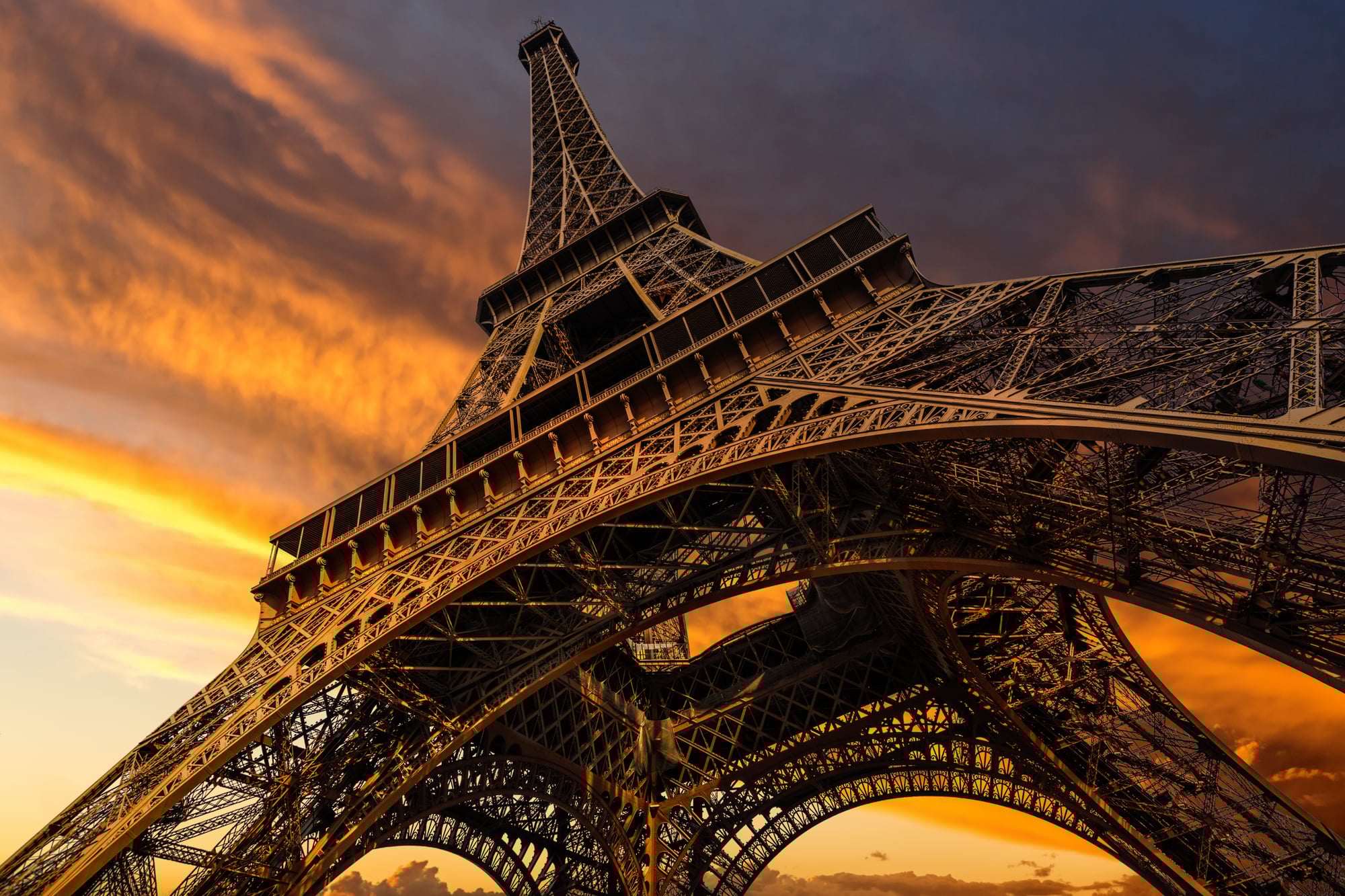
The tower’s construction required a level of accuracy that seems almost impossible given the tools available in the 1880s. Measurements had to be precise to within millimeters, angles calculated to fractions of degrees, and timing coordinated across multiple work crews operating at different heights.
This was accomplished without computers, laser levels, or digital communication—just human skill, mechanical instruments, and an obsessive attention to detail that bordered on the supernatural. And yet they pulled it off, creating something that has withstood weather, war, and more than a century of constant use without any major structural failures.
The Most Controversial Thing in Paris Became Its Symbol

The same artists who signed petitions against the tower’s construction eventually came to see it as quintessentially Parisian. The structure they once called a blight on the cityscape became the very image of the city itself.
This transformation didn’t happen gradually or naturally—it happened suddenly, around the time people realized the tower was actually quite useful for radio transmission and wouldn’t be coming down after all. Public opinion can be remarkably adaptable when faced with unchangeable facts.
A Testament to the Power of Stubborn Vision

There’s something almost defiant about the Eiffel Tower’s existence—a refusal to apologize for being exactly what it is. Eiffel built it despite widespread opposition, kept it despite plans for demolition, and watched it become beloved despite being initially despised.
The tower stands as proof that sometimes the most criticized ideas, the ones that make people uncomfortable and angry, are the ones that end up mattering most. It took time for Paris to grow into its tower, but once it did, the fit was perfect.
More from Go2Tutors!

- The Romanov Crown Jewels and Their Tragic Fate
- 13 Historical Mysteries That Science Still Can’t Solve
- Famous Hoaxes That Fooled the World for Years
- 15 Child Stars with Tragic Adult Lives
- 16 Famous Jewelry Pieces in History
Like Go2Tutors’s content? Follow us on MSN.



