Surprising Origin of Common Cosmetic Items
That lipstick you swipe on each morning might have more in common with your last seafood dinner than you’d think.
The shimmering eyeshadow catching light at happy hour could share DNA with creatures swimming in the ocean.
And that expensive perfume sitting on your dresser?
Its luxurious scent might owe a debt to the digestive tract of the world’s largest predator.
The beauty industry has always been resourceful, sometimes brilliantly so and sometimes in ways that make you wonder who thought to try these things in the first place.
From crushed insects to whale byproducts, the ingredients that have gone into our cosmetics over the centuries tell a story that’s equal parts fascinating and unsettling.
Here’s a closer look at where some of your favorite beauty products actually come from.
The Beetle in Your Lipstick
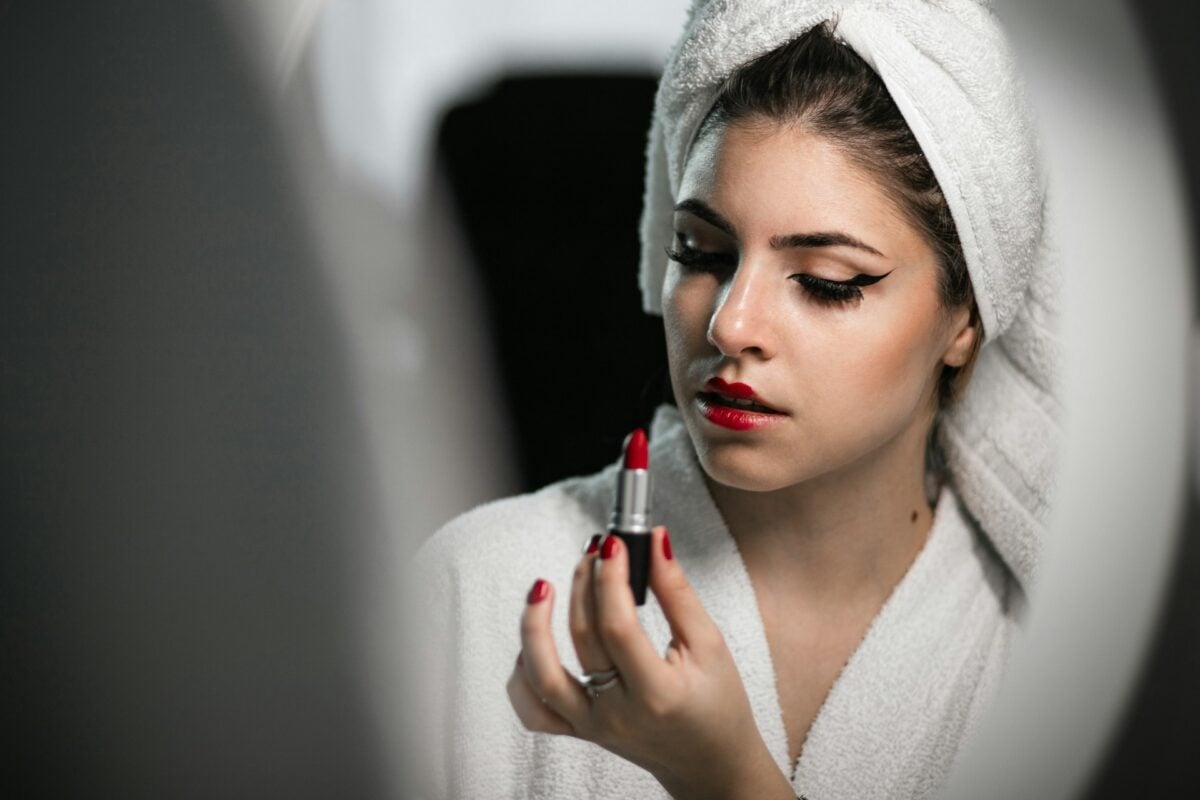
That vibrant red lipstick owes its rich color to carmine, a pigment extracted from cochineal beetles native to Central and South America.
It takes approximately 70,000 insects to produce just one pound of dye.
The Aztec and Incan cultures prized this natural crimson pigment for over a thousand years, and Spanish conquistadors considered it as valuable as gold and silver.
On ingredient labels, carmine might appear as CI 75470, cochineal extract, crimson lake, or natural red 4.
While considered safe by the FDA, it raises concerns for vegans and can trigger allergic reactions.
Fish Scales Behind the Shimmer
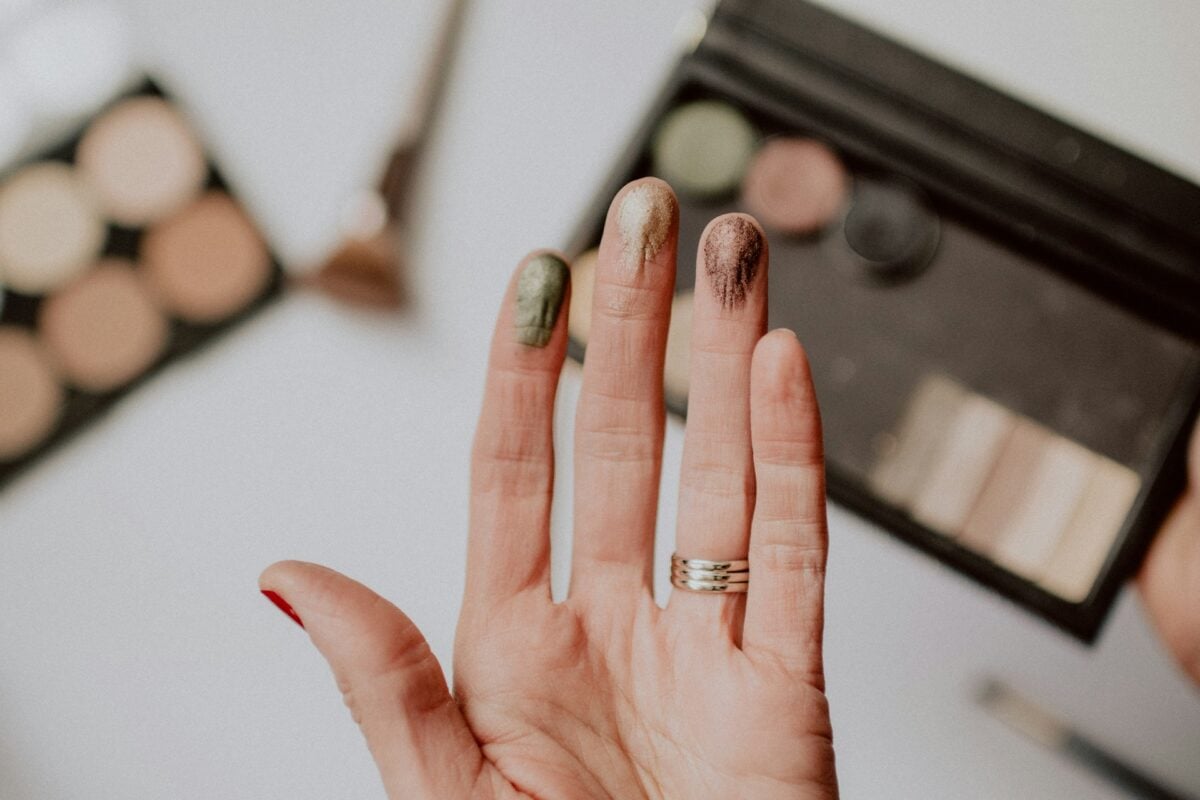
In 1656, a Parisian named Mr. Jaquin discovered that washing fish scales produced fine silvery particles, which he used to paint decorative beads.
This accidental find launched centuries of using fish-derived shimmer in cosmetics.
Pearl essence from fish scales first appeared in nail polishes during the 1920s, then expanded into lipsticks, eyeshadows, and eyeliners after World War II.
The extraction process yielded less than 1 percent of usable material from fish scales, making it expensive despite being a fishing industry.
Today, most companies use synthetic alternatives or mineral-based ingredients like mica.
Whale Waste in High-End Perfumes
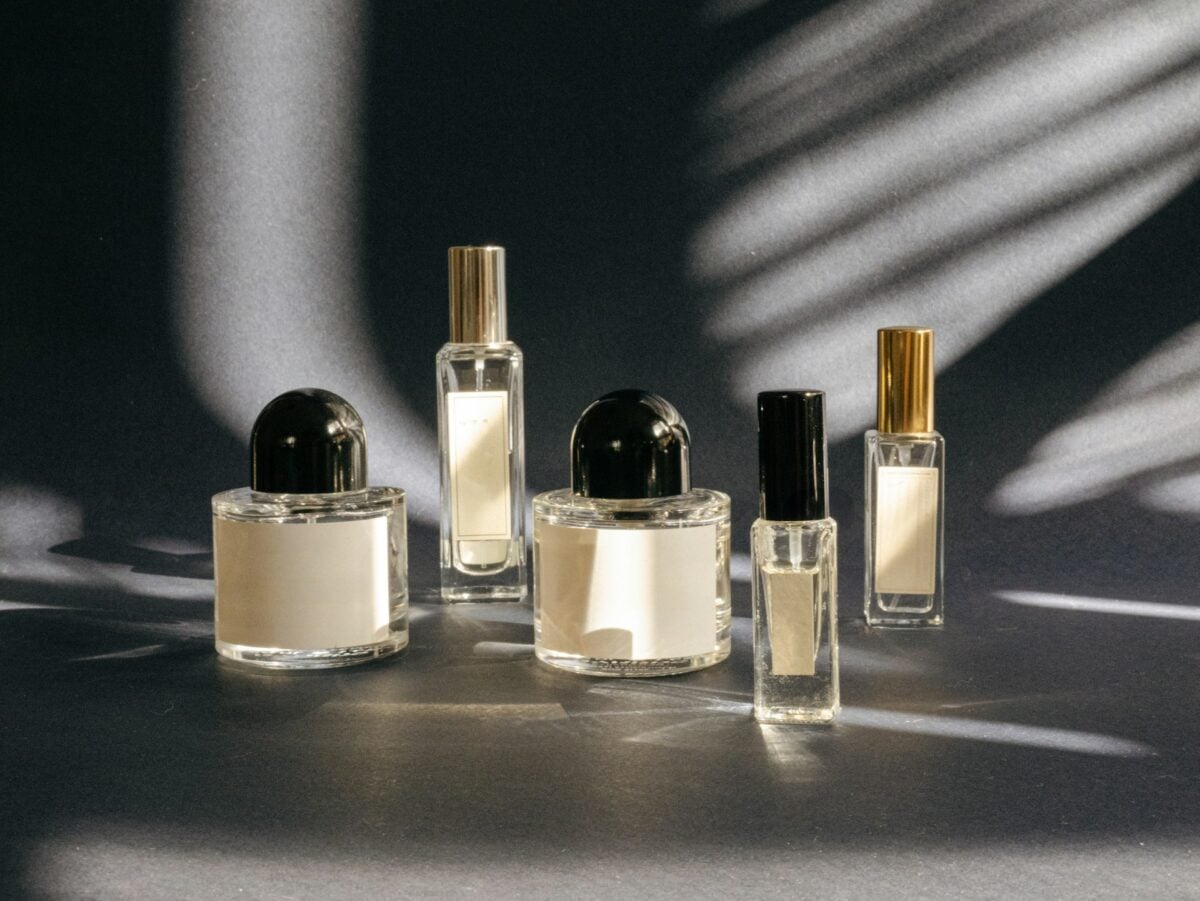
Ambergris, produced in sperm whale intestines, has been valued by perfumers for centuries as a fixative that makes scents last longer.
When sperm whales consume squid, the hard beaks sometimes pass into the intestines, where a waxy substance forms around them for protection.
Freshly expelled ambergris has a strong fecal odor, but after floating in the ocean and oxidizing, it develops a pleasant musky, earthy scent.
Only an estimated one percent of sperm whales produce it, making found pieces extraordinarily rare and earning it nicknames like floating gold.
Most modern perfumes now use synthetic alternatives.
Ancient Romans and Their Unusual Ingredients
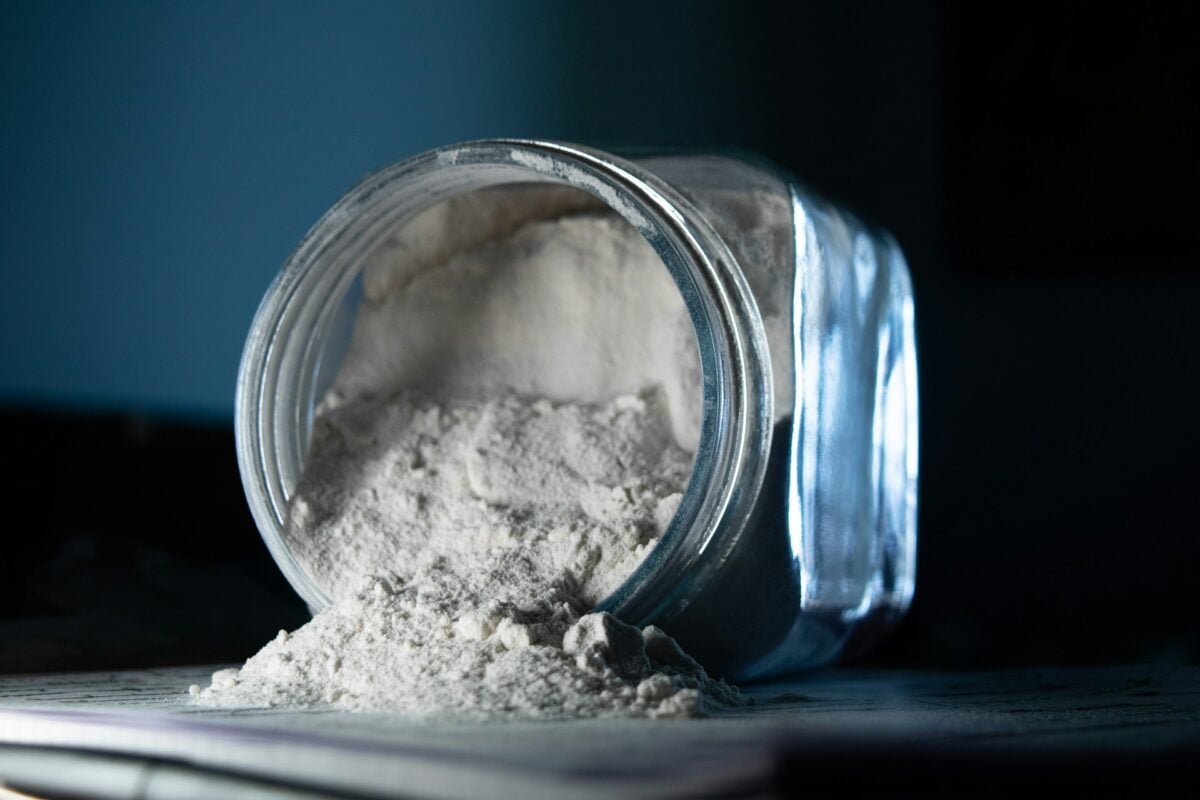
Roman women applied chalk powder, white marl, crocodile dung, and white lead to achieve fashionable pale complexions, despite knowing lead was poisonous.
Wealthy women like Cleopatra VII bathed in donkey milk for exfoliation.
Romans used swans’ fat mixed with bean meal for wrinkles, and snail ashes to cure freckles.
Their blush came from poppy petals, rose petals, red chalk, and more crocodile dung, along with toxic substances like cinnabar and red lead.
Professional beauticians called cosmetologists spent hours preparing clients with these elaborate routines.
The Lead Problem
Ancient Egyptians used white lead-based formulas to lighten skin, a practice that continued for centuries despite known health risks.
In Renaissance Italy, women used lead paint on their faces with damaging results.
A face powder called Aqua Toffana, made from arsenic, was popular among wealthy women until its creator Signora Toffana was executed after approximately six hundred husbands died.
During the Regency era, white lead and mercury ruined skin, caused hair loss and stomach problems, and sometimes led to death.
The quest for pale skin ran so deep that deadly risks seemed acceptable.
Egyptian Eyeliner That Actually Worked
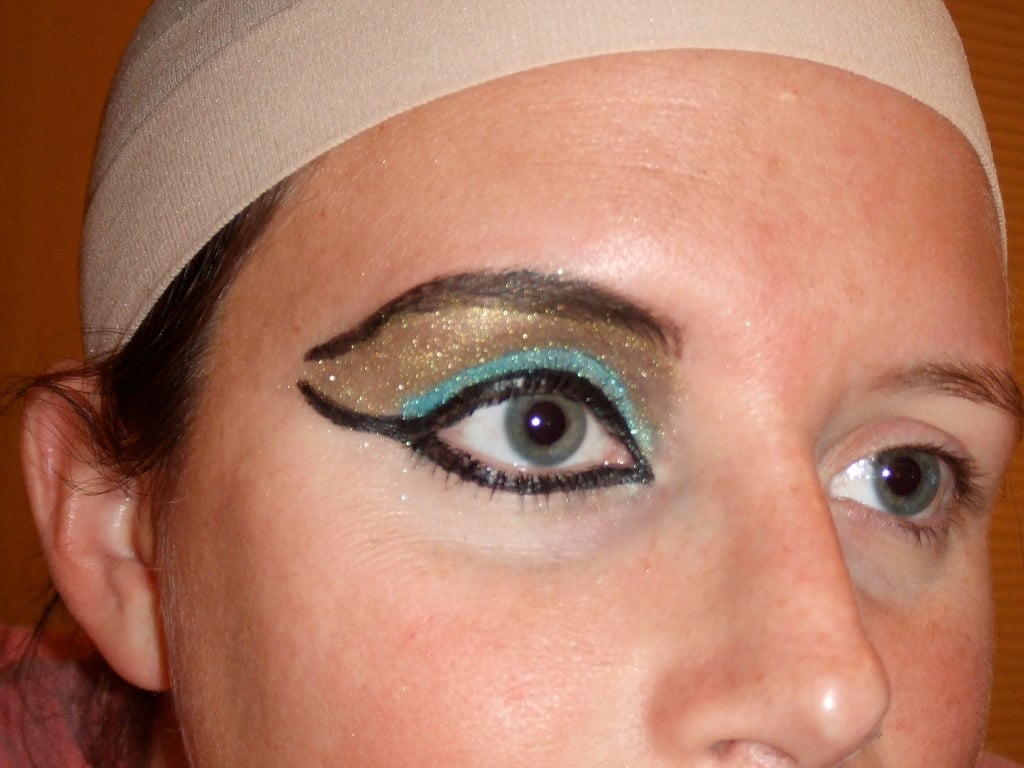
Ancient Egyptians used kohl as eyeliner as early as 4000 BCE, making it from lead, crushed antimony, burnt almonds, charred frankincense, oxidized copper, and iron oxide.
Both men and women wore the dramatic eye makeup seen in Egyptian art, with green malachite eyeshadow representing the gods Horus and Re.
Despite containing toxic substances that caused health issues, the elaborate eyeliner likely protected eyes from harsh sun.
The distinctive almond shape created by extending kohl from the eye corner has influenced makeup styles for thousands of years.
Why It Matters Now

The twentieth century brought the modern cosmetics industry, and as knowledge increased, dangerous ingredients like white lead and arsenic were rapidly phased out.
Today’s cosmetics undergo rigorous testing, and synthetic alternatives have replaced most unusual animal and mineral ingredients.
Still, beetle-based carmine and fish scale-derived guanine remain in some products, raising questions about vegan and cruelty-free options.
The cosmetics industry has traveled from grinding beetles and scraping fish scales to synthesizing molecules in laboratories.
What hasn’t changed is the human desire to enhance appearance and feel confident—we’ve just gotten considerably better at doing it safely.
More from Go2Tutors!

- The Romanov Crown Jewels and Their Tragic Fate
- 13 Historical Mysteries That Science Still Can’t Solve
- Famous Hoaxes That Fooled the World for Years
- 15 Child Stars with Tragic Adult Lives
- 16 Famous Jewelry Pieces in History
Like Go2Tutors’s content? Follow us on MSN.