Tallest Mountain Peaks in the World, Ranked
When you think about the world’s highest mountains, Mount Everest probably comes to mind first.
The planet’s roof is actually crowded with giants.
Nearly all of them are clustered in the Himalayas and Karakoram ranges of central and south Asia.
These peaks aren’t just geological wonders.
They’re testing grounds for human endurance, sacred sites for local communities, and reminders of the immense tectonic forces that continue to shape our planet.
Here’s a list of the tallest mountain peaks in the world, ranked from highest to lowest.
Mount Everest
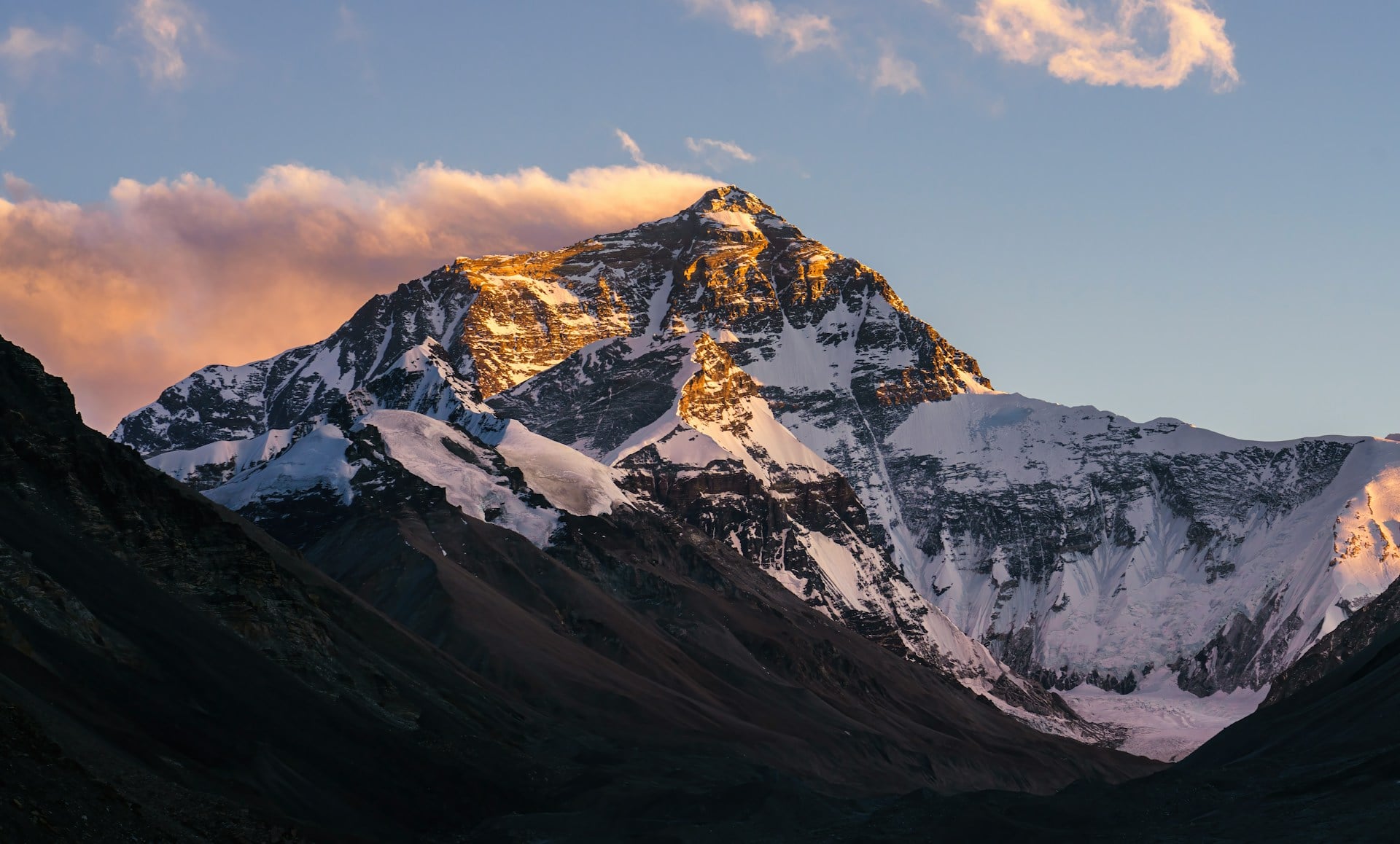
Standing at 29,031 feet above sea level, Everest claims the title of the world’s highest mountain.
Straddling the border between Nepal and Tibet, this giant goes by several names.
Locals call it Sagarmatha in Nepal and Chomolungma in Tibet, which translates to ‘Mother Goddess of the World’.
Sir Edmund Hillary and Tenzing Norgay made history with the first successful ascent in 1953.
Since then, thousands have attempted the climb.
The mountain isn’t just tall.
It’s brutally inhospitable, with temperatures dropping to negative 60 degrees Fahrenheit and hurricane-force winds that can knock climbers off their feet.
K2
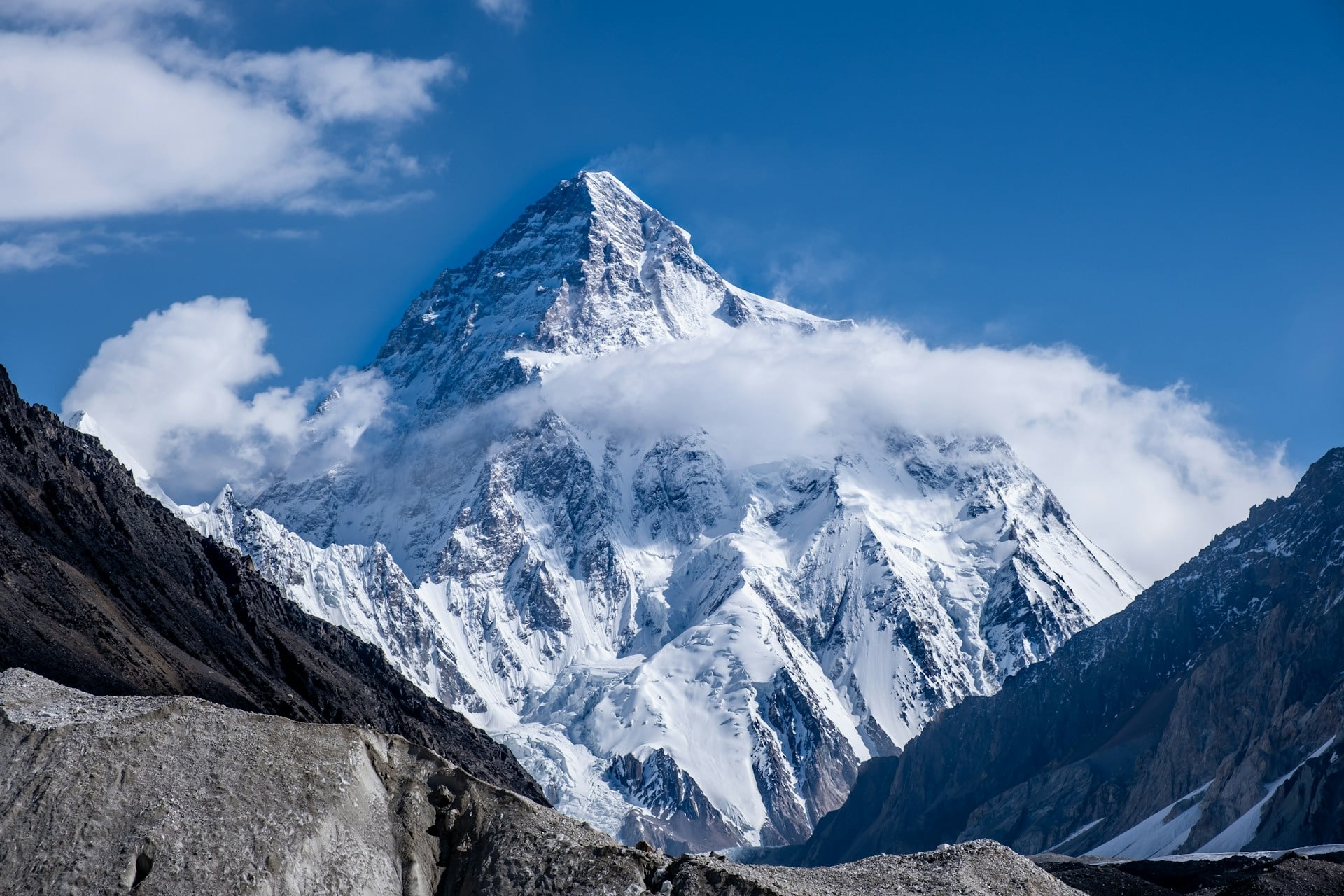
The second-highest peak reaches 28,251 feet and sits on the Pakistan-China border in the Karakoram range.
Climbers call it the ‘Savage Mountain’ for good reason.
K2 is widely considered more dangerous than Everest due to its technical difficulty and harsh weather.
Unlike Everest, where commercial expeditions have installed ropes and camps, K2 offers no such luxuries.
Italian climbers Lino Lacedelli and Achille Compagnoni made the first ascent in 1954.
The mountain had never been successfully climbed in winter until very recently.
Kangchenjunga
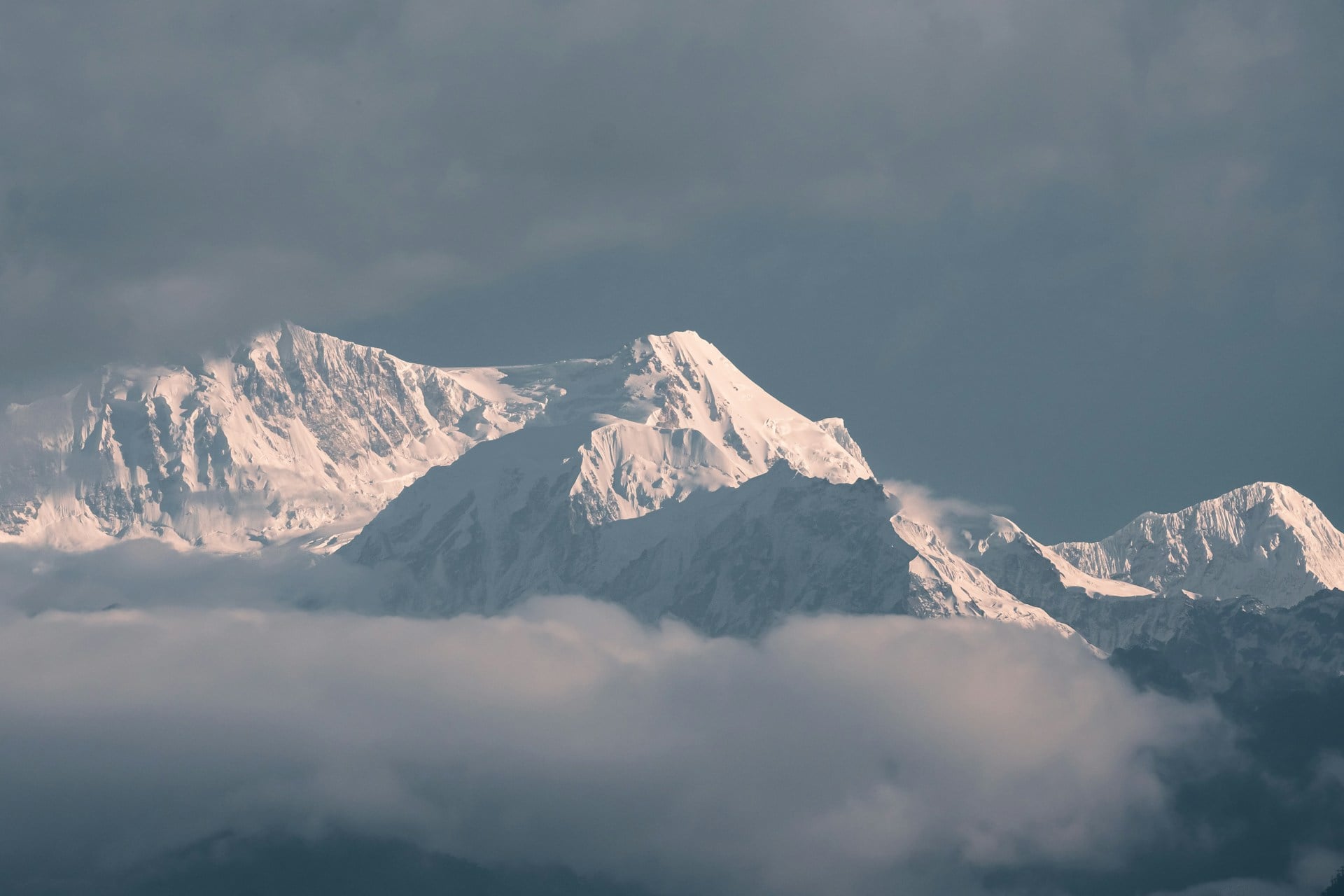
This 28,169-foot giant guards the border between Nepal and India’s Sikkim state.
The name means ‘Five Treasures of Snow’, referring to its five distinct peaks that locals believe represent gold, silver, gems, grain, and holy books.
Until 1852, people actually thought Kangchenjunga was the tallest mountain on Earth.
The calculations were just off.
When climbers Joe Brown and George Band reached the summit in 1955, they stopped a few feet short out of respect for the mountain’s sacred status.
Many climbers still honor that tradition today.
Lhotse
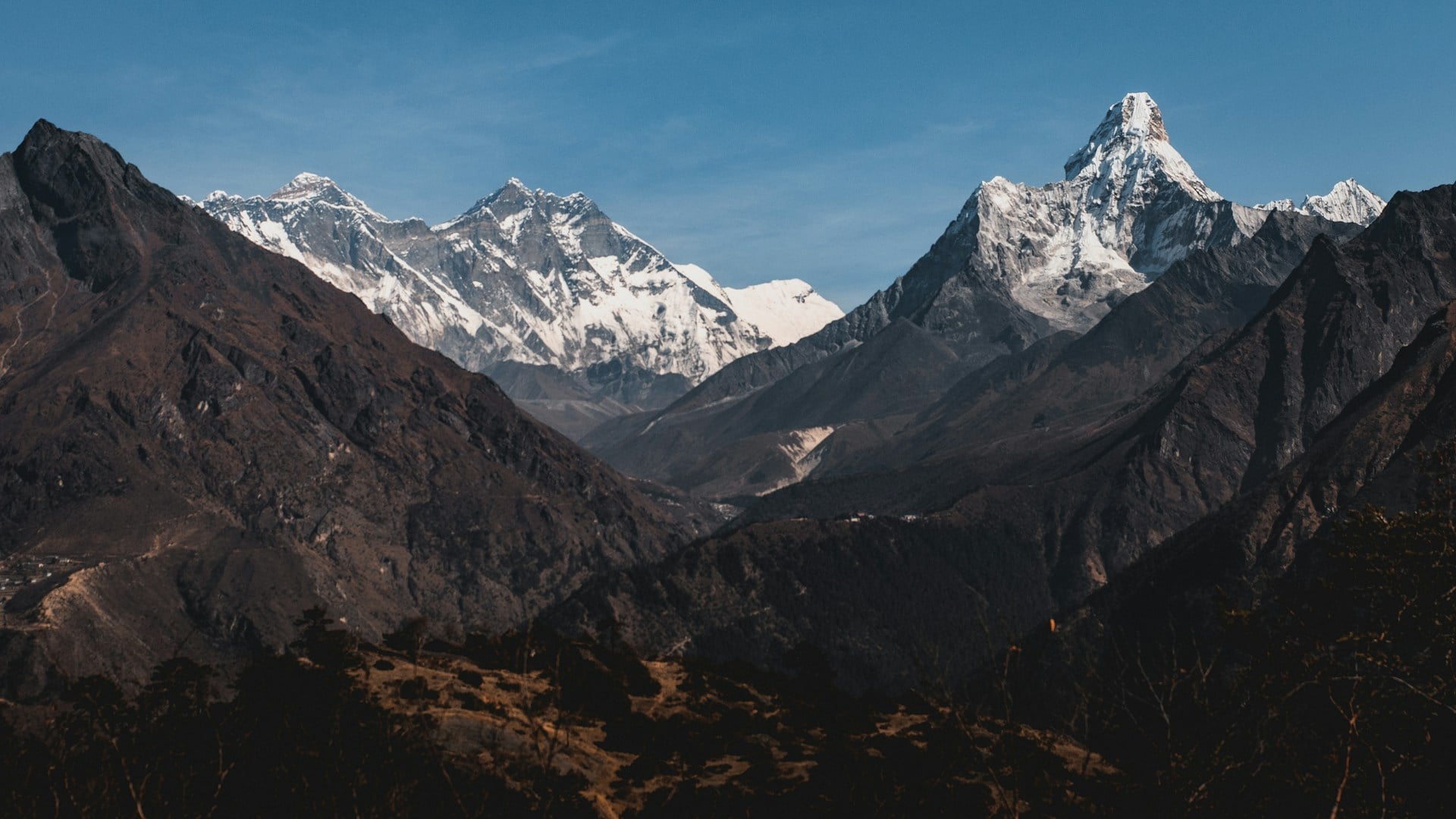
At 27,940 feet, Lhotse is basically Everest’s next-door neighbor.
Climbers heading to Everest follow the same route up to Camp 3 before branching off.
The name means ‘South Peak’ in Tibetan.
Swiss climbers Fritz Luchsinger and Ernst Reiss were the first to summit in 1956.
Despite being the fourth-highest mountain, Lhotse gets far less attention than its famous neighbor.
Many climbers consider it more visually striking.
The mountain’s middle peak actually held the title of highest unclimbed named point on Earth for decades.
Makalu
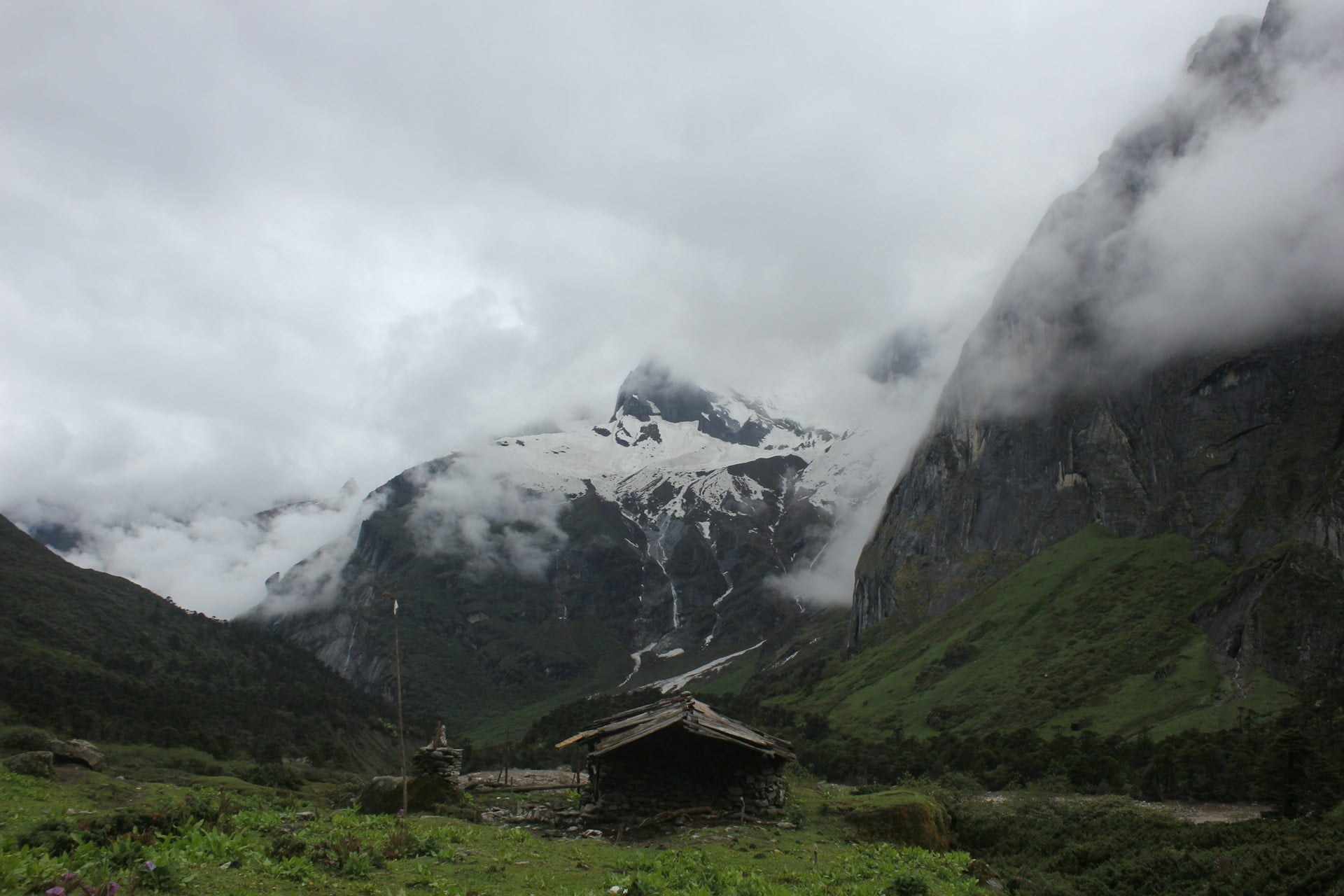
Rising 27,838 feet just 14 miles southeast of Everest, Makalu is known for its perfect pyramid shape and brutally difficult climbing conditions.
The mountain’s exposed ridges and steep pitches have given it a reputation as one of the toughest climbs in the world.
A French expedition led by Jean Couzy and Lionel Terray made the first ascent in 1955.
By 2019, only 568 people had successfully reached the summit.
Forty-eight climbers had died trying.
The numbers speak to the mountain’s fierce character.
Cho Oyu
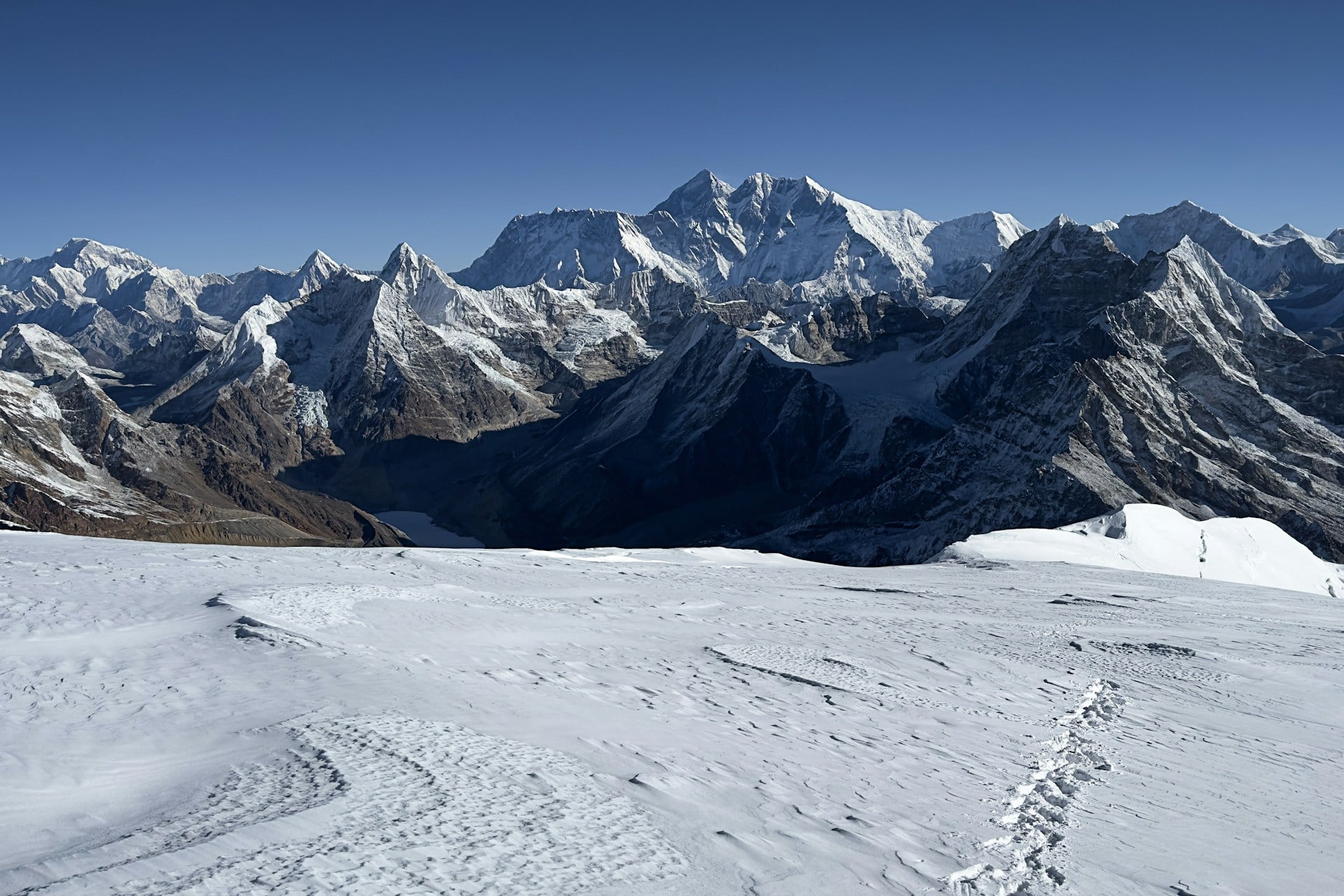
The ‘Turquoise Goddess’ stands 26,864 feet tall on the Nepal-Tibet border, about 20 miles west of Everest.
An Austrian expedition made the first successful climb in 1954.
Cho Oyu has since gained a reputation as the most approachable of the 8,000-meter peaks.
The relatively gentle slopes and stable weather make it a popular choice for climbers looking to bag their first eight-thousander.
That doesn’t mean it’s easy.
Altitude and occasional fierce storms still demand respect and proper preparation.
Dhaulagiri
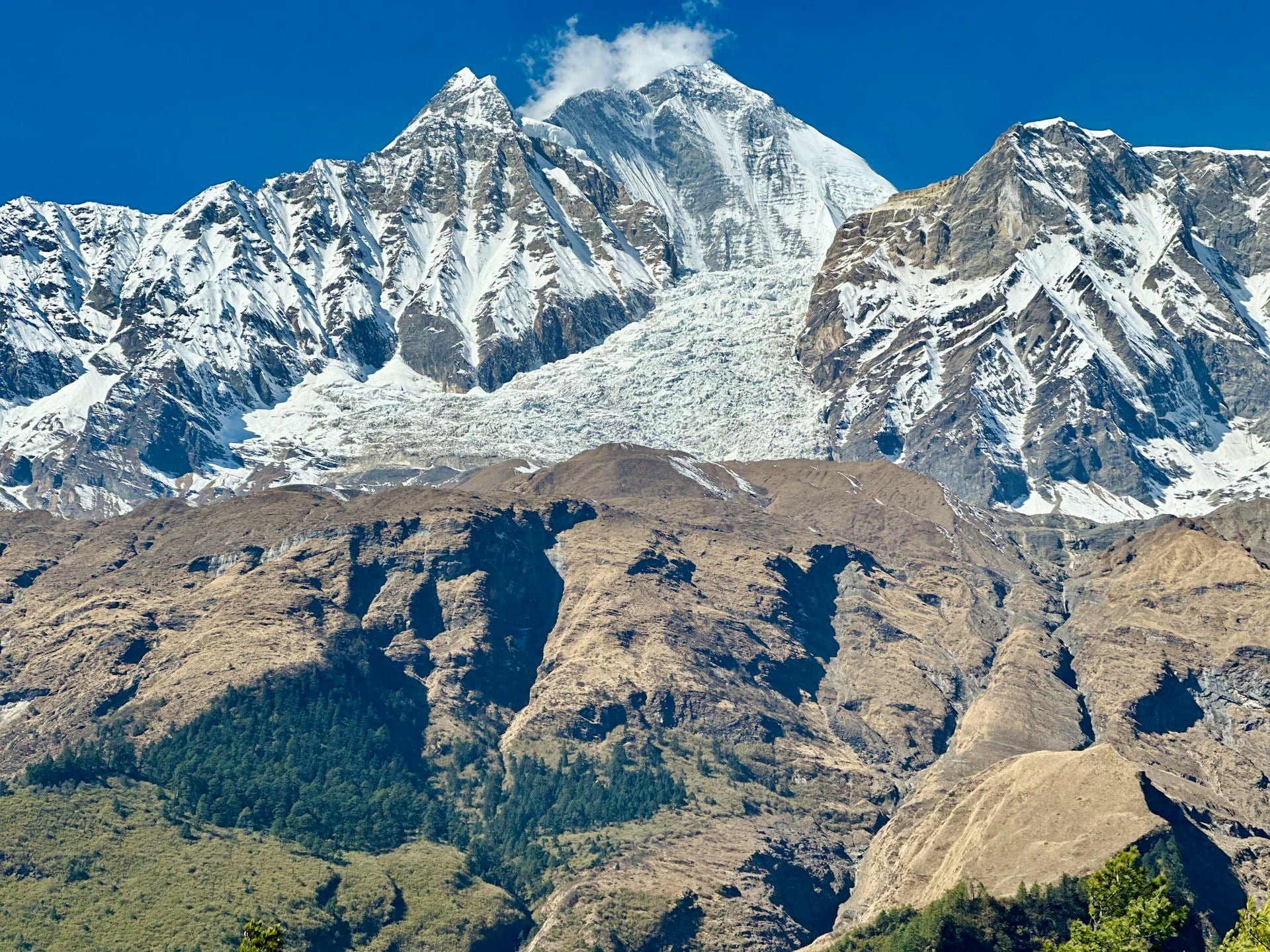
Nepal’s ‘White Mountain’ reaches 26,795 feet and lives up to its Sanskrit name with stunning snow-covered slopes and massive glaciers.
An international team finally conquered the summit in 1960.
Previous attempts were turned back by the mountain’s incredibly steep ice walls and heavy snowfall.
The climbing route demands expert-level skills.
The mountain’s remote location means help is far away if things go wrong.
Dhaulagiri creates its own weather systems, making conditions notoriously unpredictable.
Manaslu
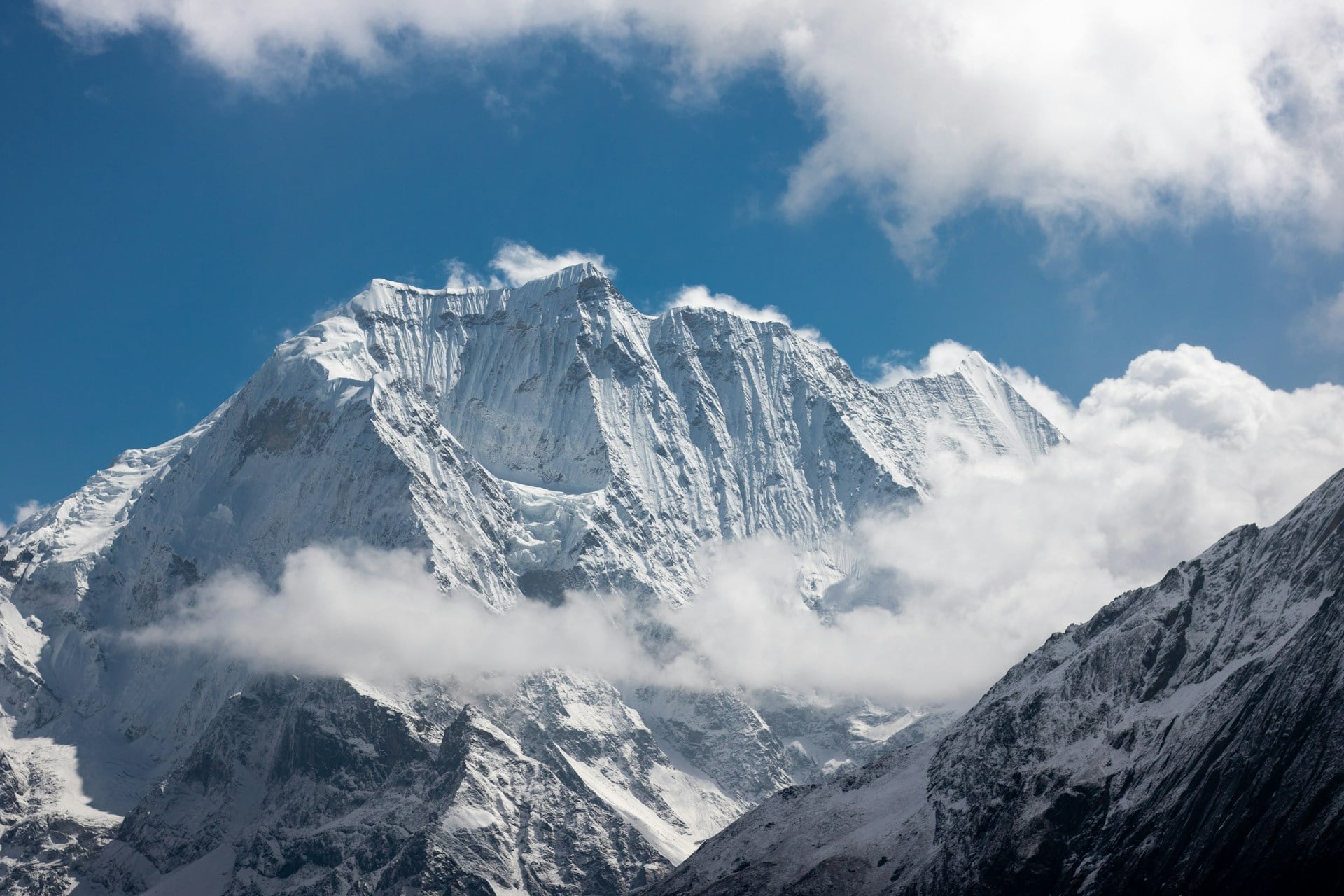
At 26,781 feet, this Nepali giant earned its name, which means ‘Mountain of the Spirit’ in Sanskrit.
A Japanese expedition led by Toshio Imanishi reached the summit first in 1956.
The mountain remains less commercialized than Everest or other popular peaks.
Climbers face serious avalanche danger and a treacherous ice zone that requires perfect timing and skill to navigate.
The mountain sits in a remote region surrounded by spectacular Himalayan scenery.
It offers a more authentic mountaineering experience for those willing to take on the challenge.
Nanga Parbat
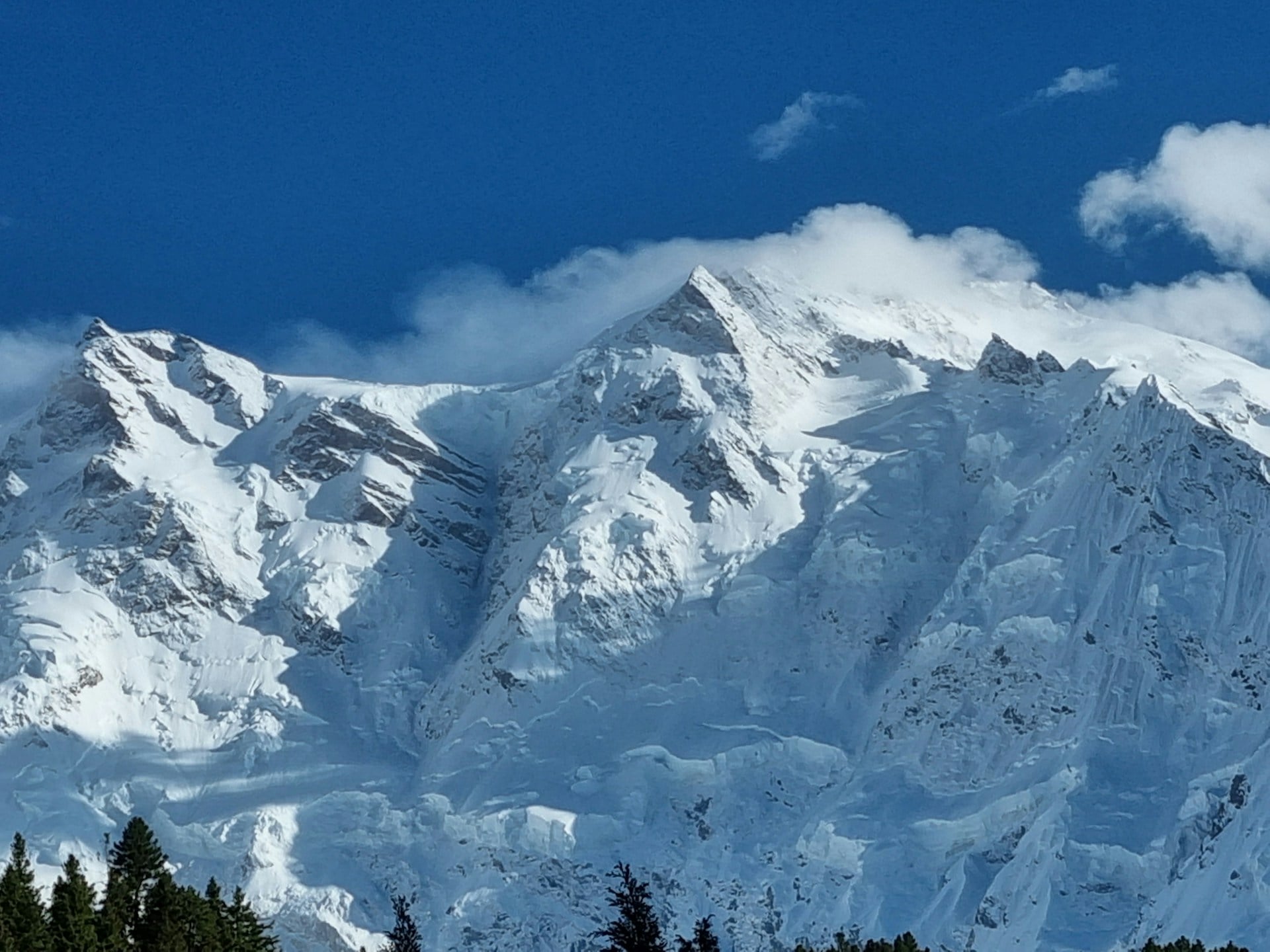
Pakistan’s ‘Killer Mountain’ stands 26,660 feet tall and earned its grim nickname through a deadly history of failed expeditions.
Located in the Gilgit-Baltistan region, locals call it Deo-mir, which translates to ‘Mountain of the Gods’.
Austrian climber Hermann Buhl made the first solo ascent in 1953 after a grueling push to the summit.
The mountain’s massive Rupal Face rises over 15,000 feet in a single vertical sweep.
It is one of the highest mountain faces on Earth.
Annapurna I
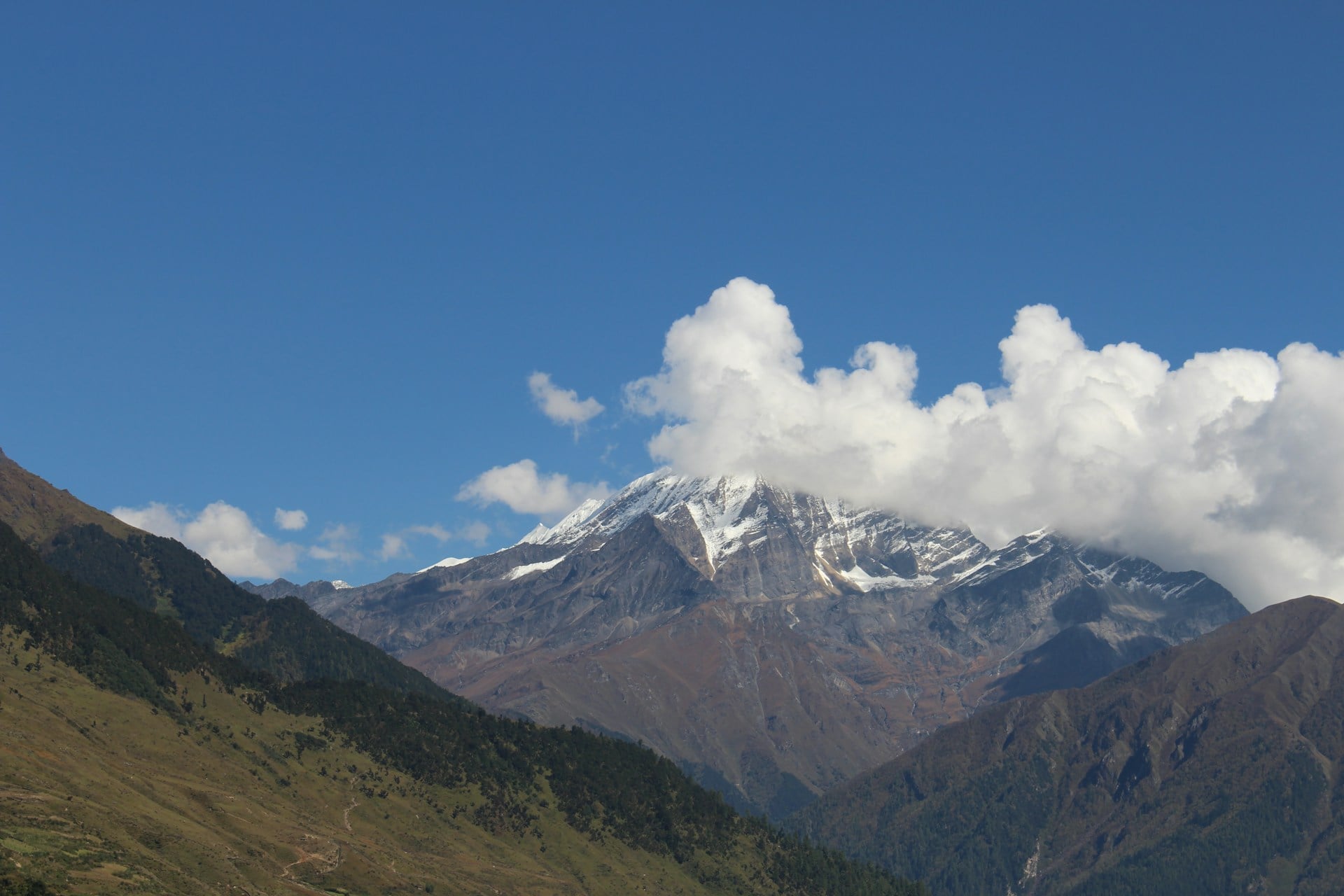
The tenth-highest peak reaches 26,545 feet in central Nepal.
Its name comes from Sanskrit meaning ‘full of food’ or ‘goddess of the harvests’.
French climbers Maurice Herzog and Louis Lachenal were the first to summit any 8,000-meter peak when they reached Annapurna’s top in 1950.
Despite being considered slightly less technical than some other giants, Annapurna has the highest fatality rate of all the eight-thousanders.
Roughly one death occurs for every three successful summits.
It is statistically the most dangerous major peak to climb.
Gasherbrum I
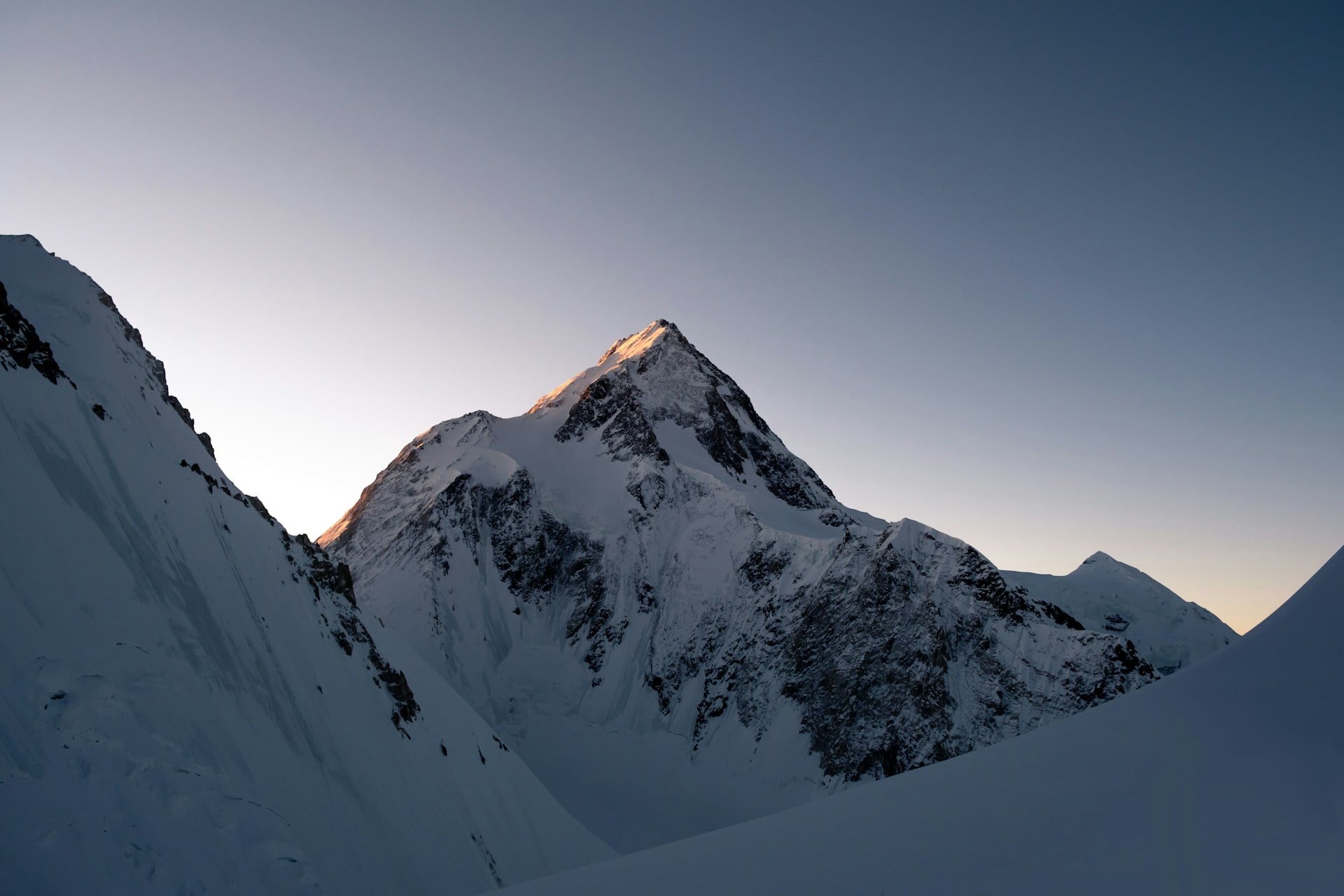
Also known as Hidden Peak, this 26,509-foot mountain is the fifth peak in Pakistan’s Karakoram range.
The name ‘Hidden Peak’ came from its extreme remoteness and the difficulty early explorers had even spotting it from a distance.
Americans Pete Schoening and Andy Kauffman led an eight-member team to the first successful ascent in 1958.
The mountain sits at the northeast end of the Baltoro Glacier.
‘Gasherbrum’ translates to ‘Shining Wall’ in Urdu, referring to the gleaming ice faces visible from certain angles.
Broad Peak
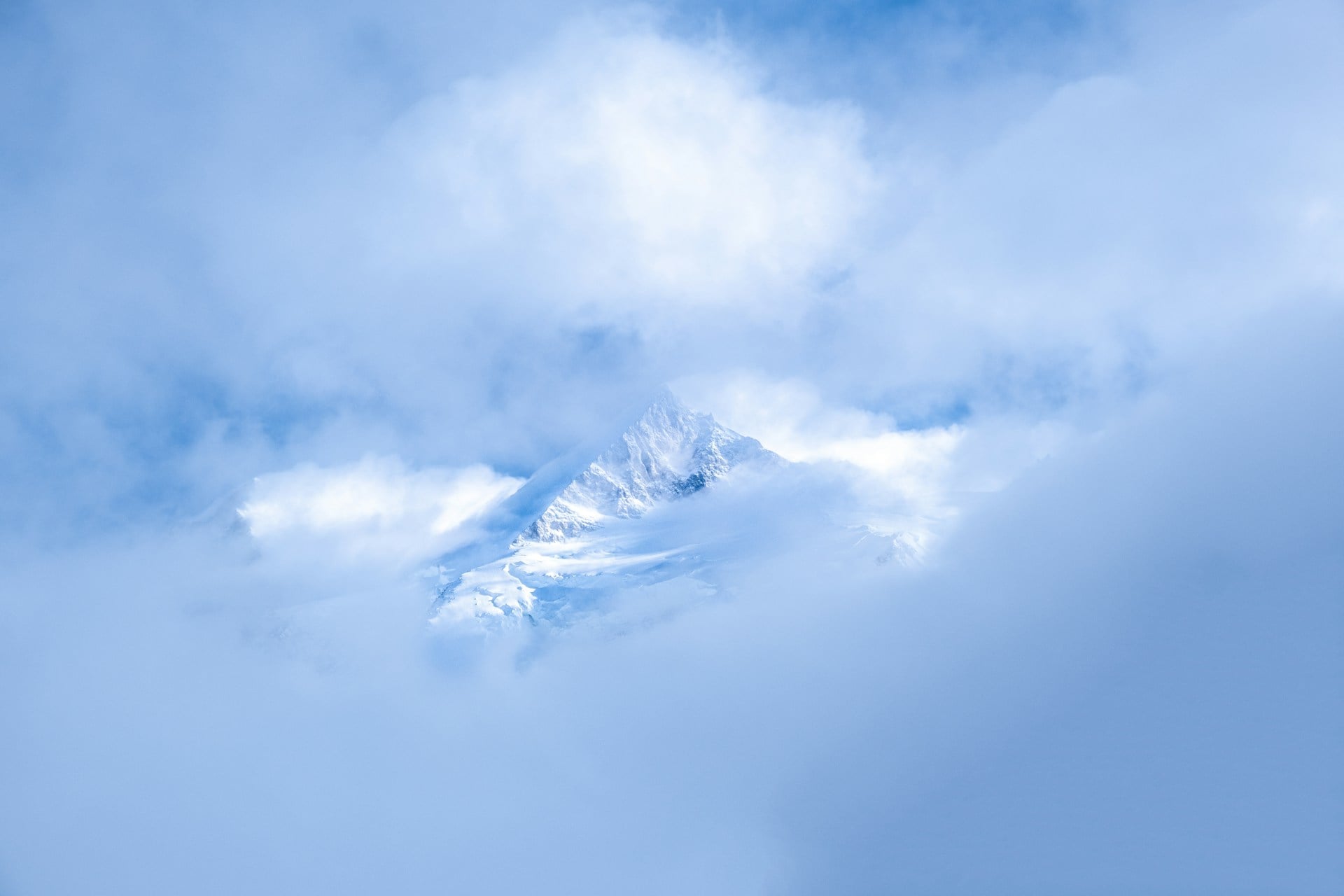
Standing at 26,414 feet in Pakistan’s Karakoram range, this mountain gets its straightforward name from its wide summit ridge that stretches over a mile.
The peak is also called Falchan Kangri in local dialects.
It creates some of the harshest climbing conditions in the region.
An Austrian expedition made the first ascent in 1957.
The mountain remains difficult to climb for most of the year due to extreme weather.
The broad summit can be deceptive.
What looks like gentler terrain from below still demands serious mountaineering skills.
Gasherbrum II
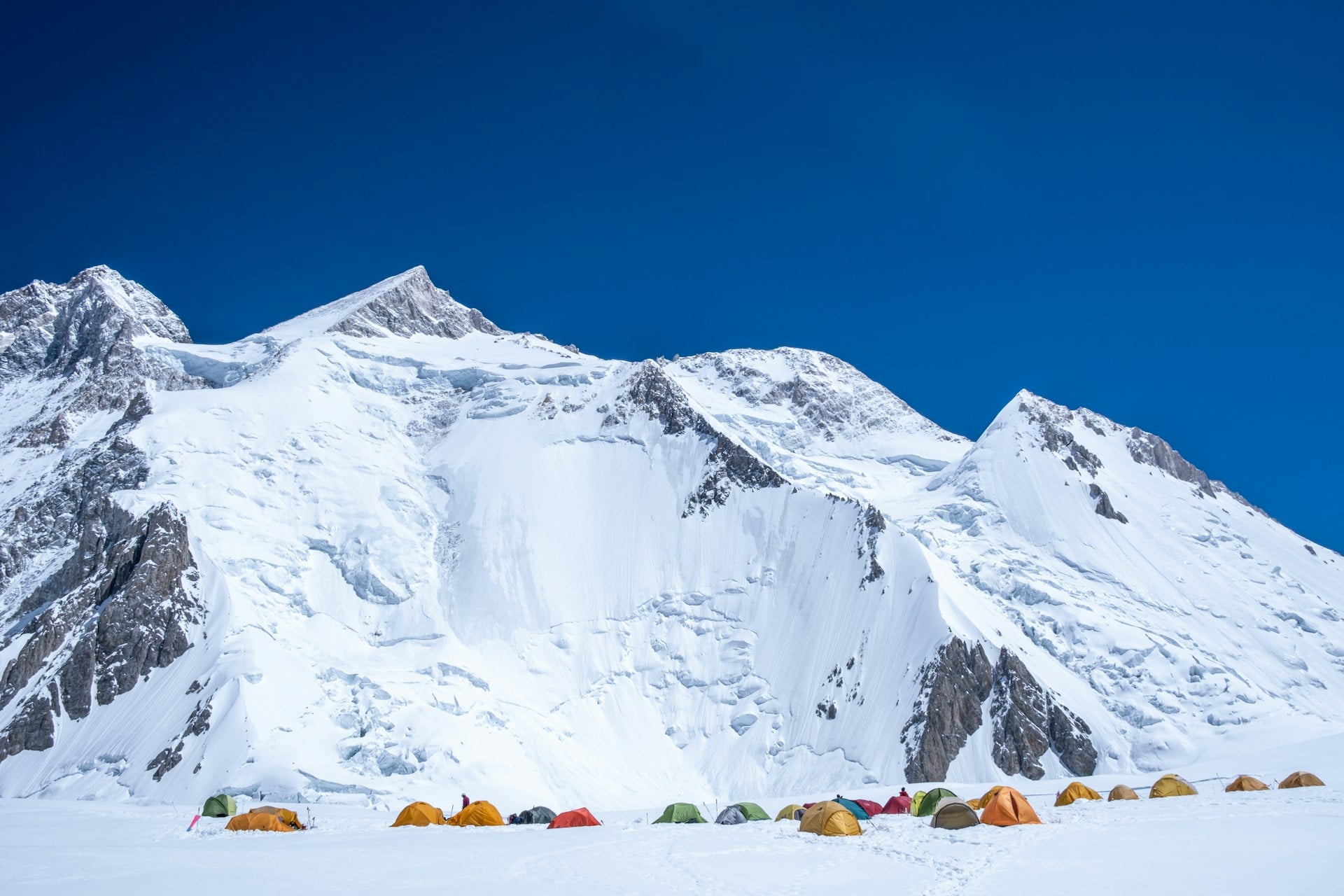
This 26,362-foot peak is the thirteenth-highest mountain and considered the safest of Karakoram’s 8,000-meter giants.
British surveyor Thomas George Montgomerie named it K4 in 1856, marking it as the fourth peak of the Karakoram range he catalogued.
An Austrian team led by Fritz Moravec reached the summit first in 1956.
While it’s the most accessible of the big peaks in this remote area, climbers still face all the usual high-altitude challenges.
Thin air, frigid temperatures, and the constant risk of sudden weather changes remain threats.
Shishapangma
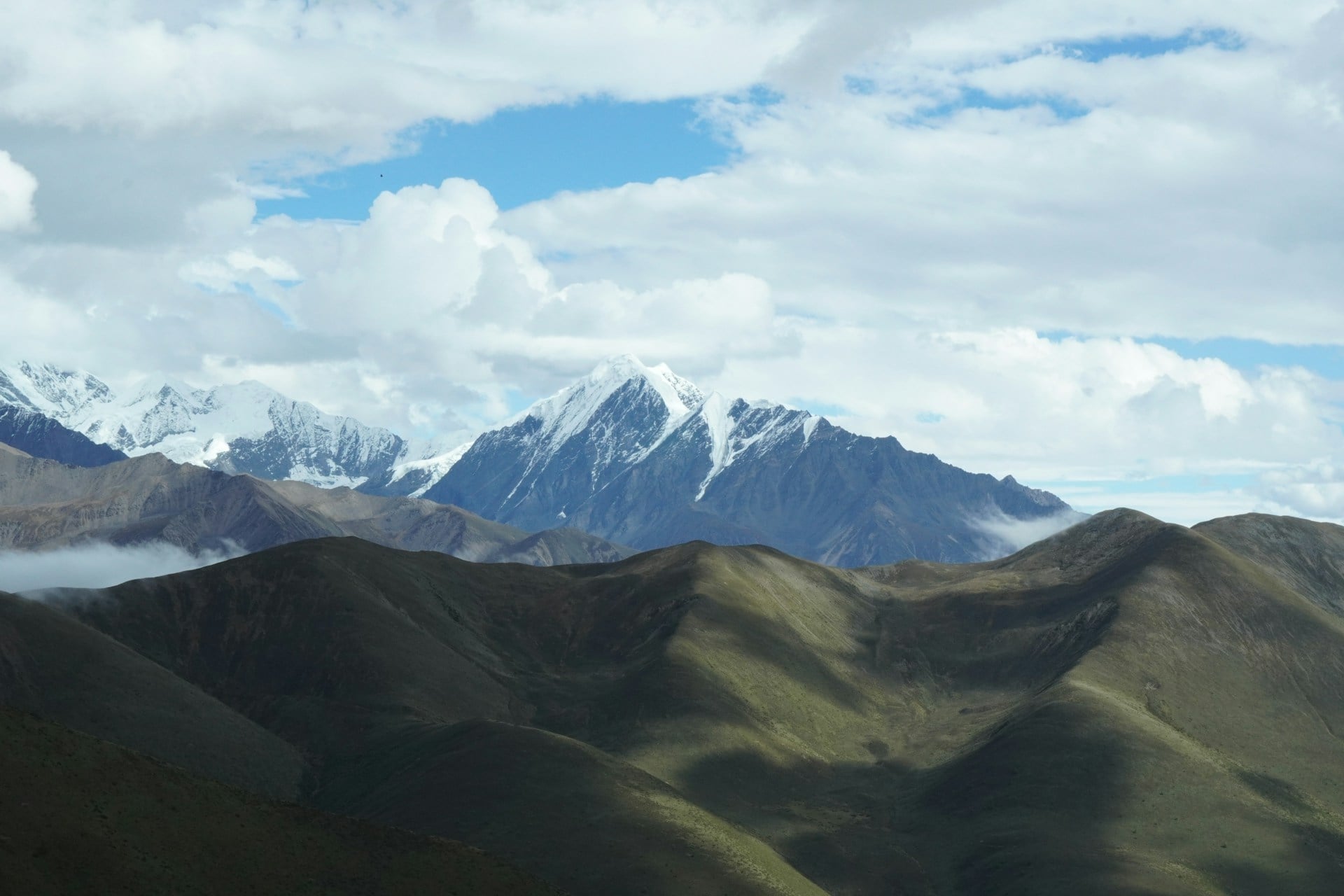
At 26,335 feet, this mountain in Tibet’s Langtang Himal was the last of the fourteen 8,000-meter peaks to be climbed.
Chinese restrictions kept foreign climbers away until relatively recently.
Hsu Ching led a Chinese team to the first ascent in 1964.
The mountain remains one of the less-frequented giants, partly due to ongoing access restrictions.
Famed American climber Alex Lowe died in an avalanche on Shishapangma’s slopes in 1999.
It serves as a reminder that even the ‘last’ of the eight-thousanders demands complete respect.
Gyachung Kang
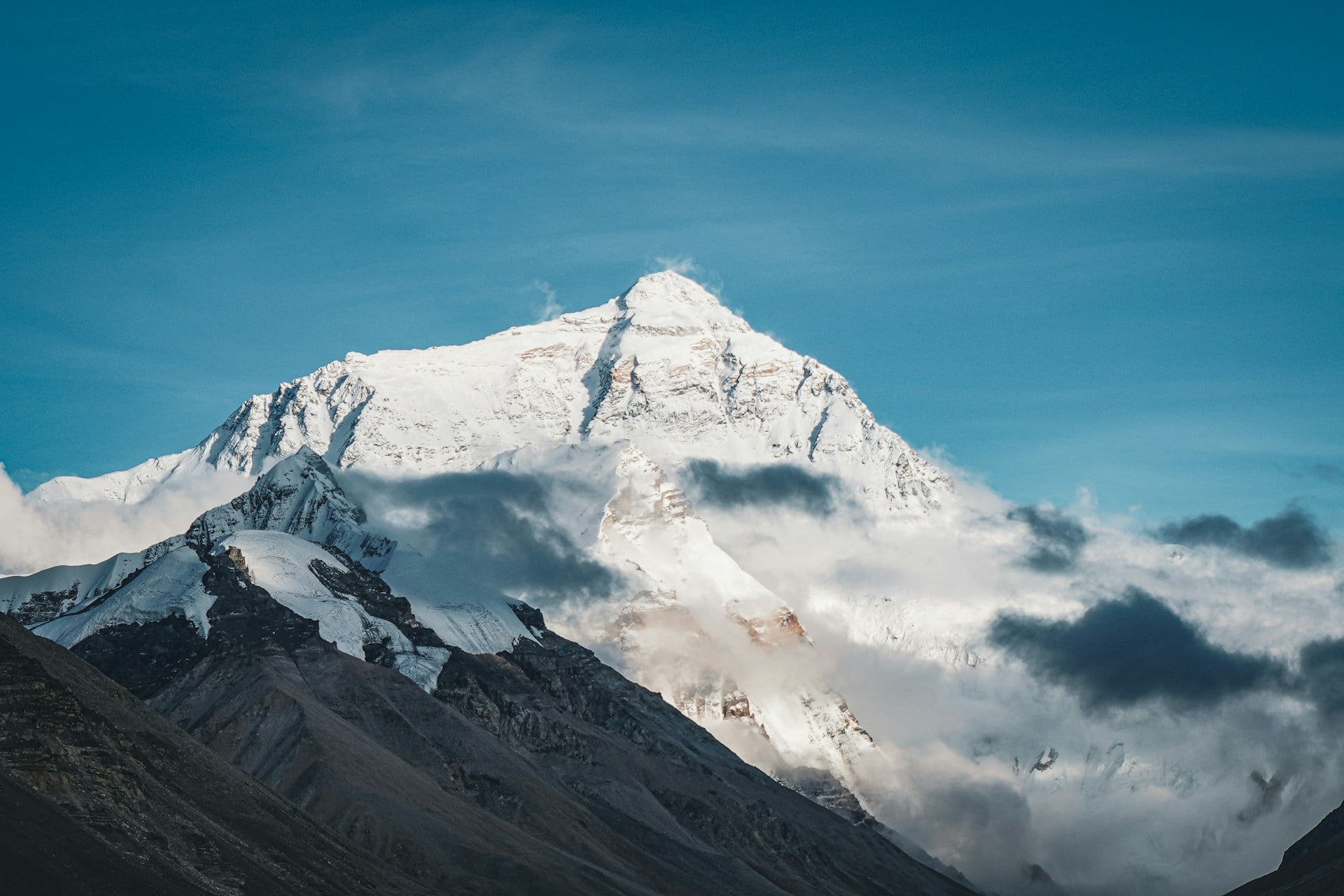
This 26,089-foot peak holds a unique distinction.
It’s the highest mountain in the world that doesn’t quite reach 8,000 meters.
Located on the Nepal-China border in the Mahalangur Himal section, it sits between Cho Oyu and Everest.
Those are two far more famous neighbors.
A Japanese team led by Kazuyoshi Kohara made the first successful ascent in 1964.
While it misses the prestigious eight-thousander club by just under 400 feet, Gyachung Kang still towers over nearly every other mountain on the planet.
Where Giants Still Stand
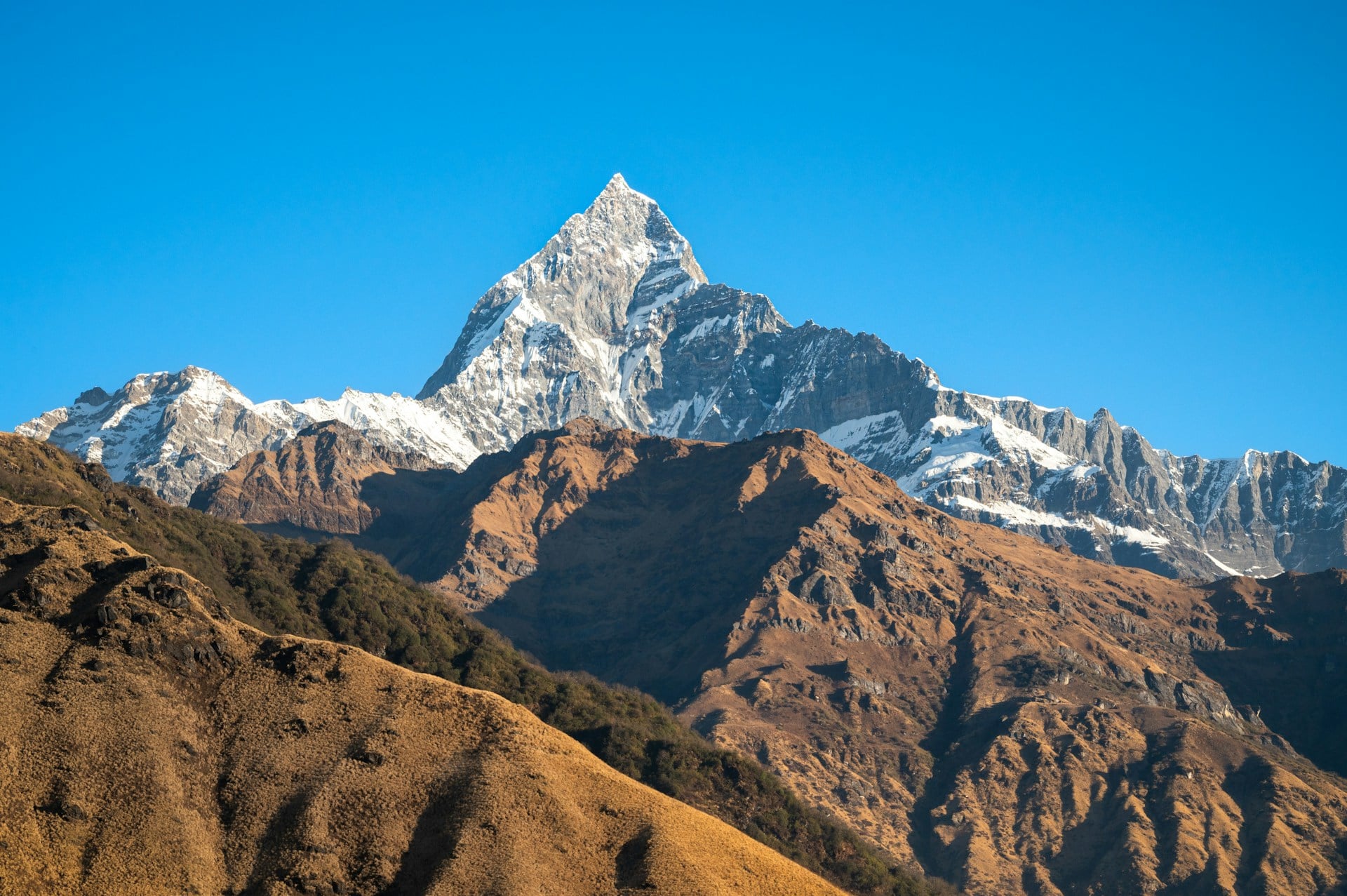
These fifteen peaks represent something remarkable about our planet.
They’re all concentrated in a relatively small geographic area where the Indian subcontinent continues to push into Asia, forcing rock skyward at a rate of about two inches per year.
The same tectonic forces that built these mountains millions of years ago are still at work today.
Everest and its neighbors are actually getting taller, though erosion fights against the gain.
For mountaineers, these summits remain the ultimate proving grounds.
For the rest of us, they’re humbling reminders that Earth still has places where nature’s power dwarfs human ambition.
More from Go2Tutors!

- The Romanov Crown Jewels and Their Tragic Fate
- 17 Halloween Costumes Once Considered Taboo
- Famous Hoaxes That Fooled the World for Years
- 15 Child Stars with Tragic Adult Lives
- 16 Famous Jewelry Pieces in History
Like Go2Tutors’s content? Follow us on MSN.