The Strangest Animals People Keep as Pets
Most people stick with dogs and cats. Maybe a goldfish or a hamster if they’re feeling adventurous.
But walk through certain neighborhoods or scroll through social media, and you’ll stumble across people sharing their homes with creatures that look like they escaped from a zoo or a science fiction movie. These aren’t your typical companion animals.
They need special diets, custom enclosures, and sometimes permits just to exist legally in a residential setting. Yet thousands of people commit to caring for them anyway.
Sugar Gliders
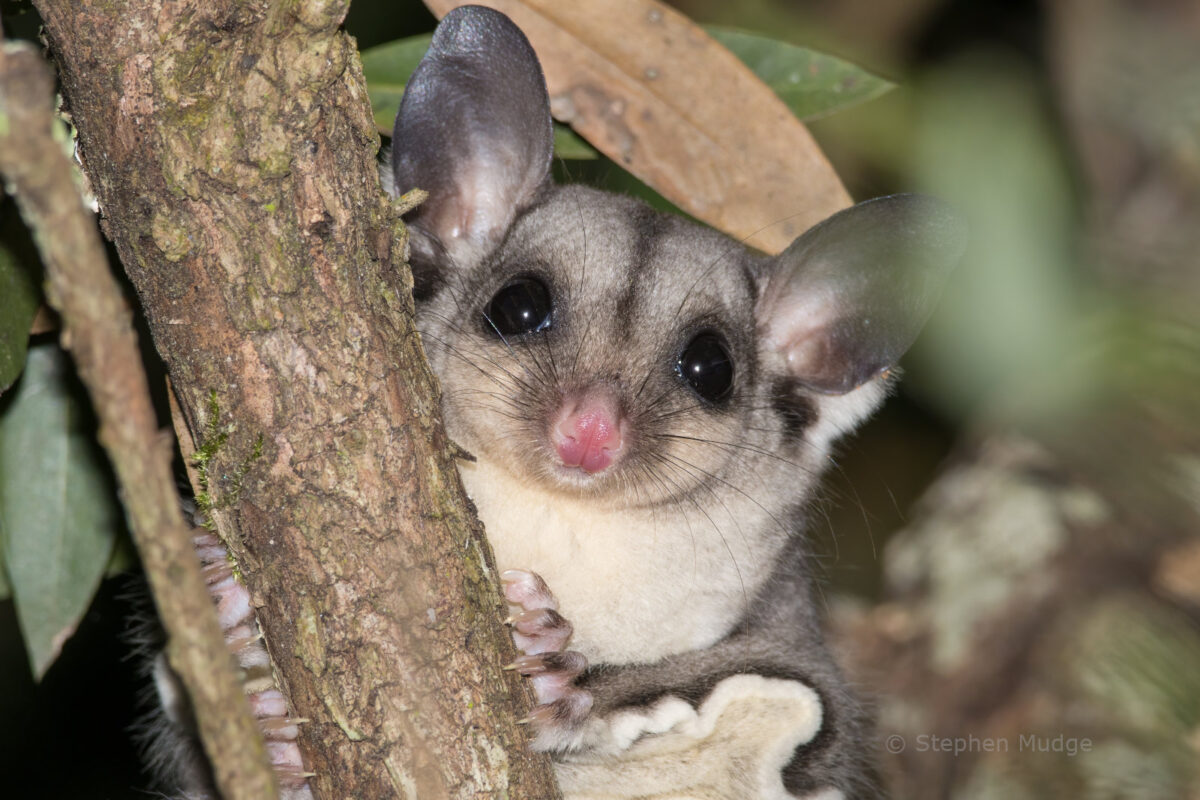
These tiny marsupials glide through the air using membranes that stretch from their wrists to their ankles. They’re native to Australia and Indonesia, but you can find them in homes across America now.
People keep them in pairs or small groups because they’re deeply social animals that get depressed when isolated. The reality of sugar glider ownership involves more than just watching them glide around your living room.
They’re nocturnal, which means they’re most active when you’re trying to sleep. Their diet requires fresh fruits, vegetables, and protein sources mixed in specific ratios.
They also mark their territory with scent glands, and that smell can permeate your entire house if you’re not prepared for it.
Fennec Foxes
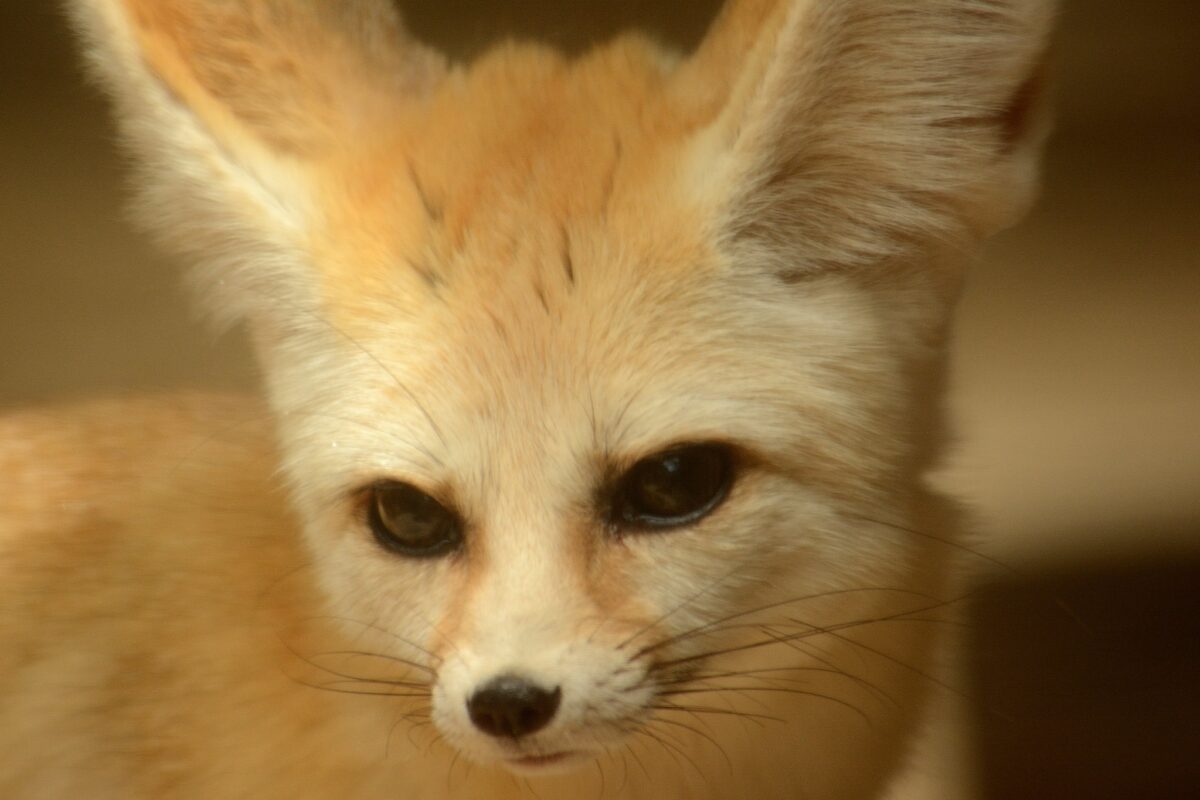
Those enormous ears aren’t just for show. Fennec foxes use them to dissipate heat in their native Sahara Desert habitat.
But in someone’s suburban home, those same ears just make them look perpetually startled and adorable. These foxes are legal in some states and completely banned in others.
They’re energetic, curious, and can be trained to use a litter box with varying degrees of success. They dig obsessively because that’s what they evolved to do in sandy environments.
Your carpet and furniture might not survive the experience. The sounds they make range from adorable chirps to ear-piercing screams.
Your neighbors will definitely have opinions about your fennec fox.
Axolotls
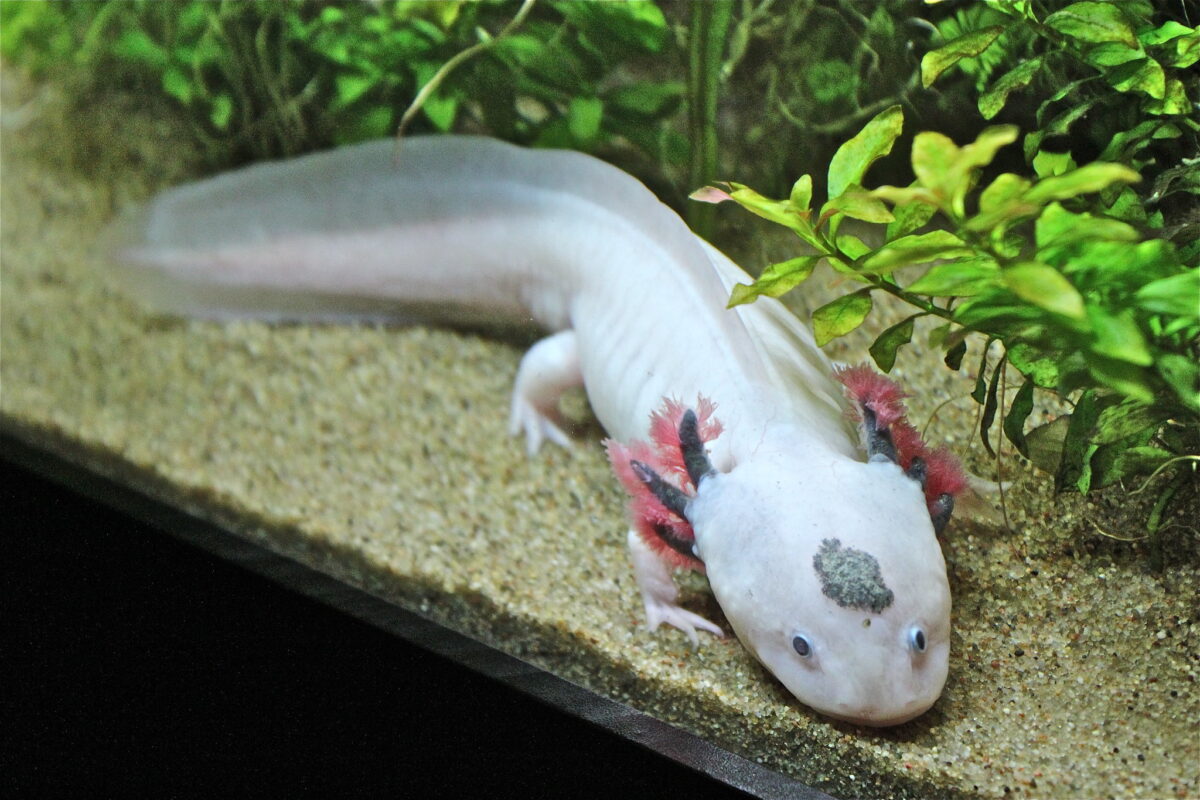
An axolotl looks like a Pokemon that became real. These Mexican salamanders never undergo metamorphosis, so they keep their external gills and aquatic lifestyle their entire lives.
They smile perpetually, which makes them disturbingly charming. The care requirements are specific but manageable.
They need cold water, no gravel substrate they could swallow, and tank mates that won’t nip at their feathery gills. They’re critically endangered in the wild but breed readily in captivity, which creates an odd situation where these creatures are easier to find in pet stores than in their natural habitat.
Capybaras
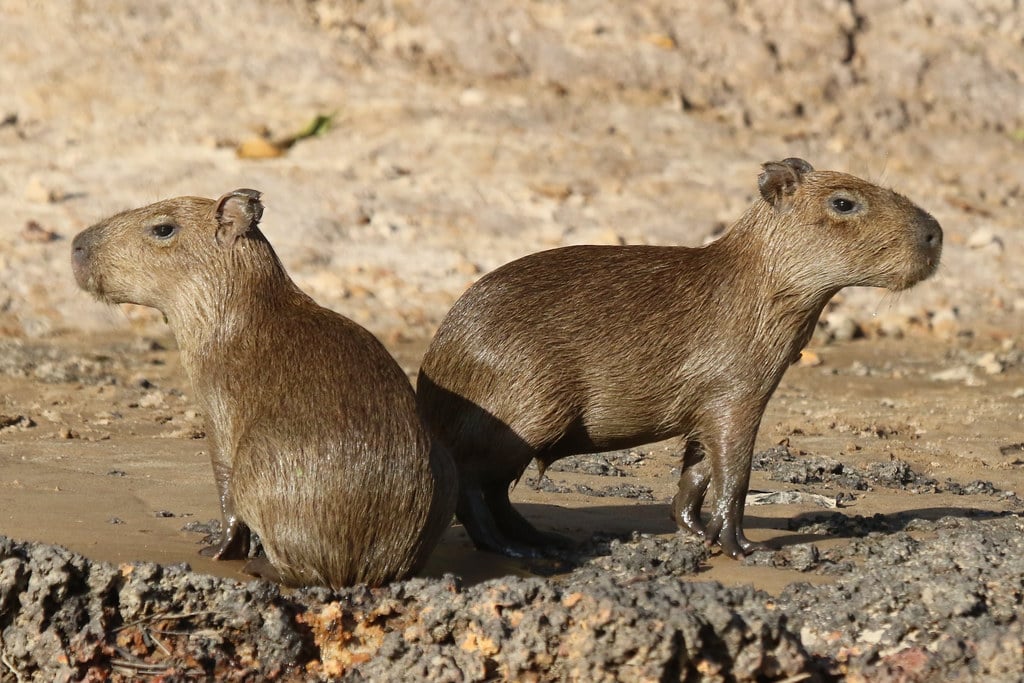
The world’s largest rodent weighs up to 140 pounds and looks like a guinea pig that hit the gym. They’re surprisingly popular as pets in places where the climate supports them, though legality varies dramatically by location.
Capybaras are herd animals. Keeping just one borders on cruelty because they need social interaction with their own kind.
They also need access to water—lots of it. A kiddie pool won’t cut it.
They’re semi-aquatic and spend hours submerged, so you’re essentially committing to maintaining a swimming pool for a giant rodent. They’re gentle and surprisingly trainable, but they mark territory by spraying and sitting in their own waste.
That’s not a behavior problem. That’s just how capybaras communicate.
Skunks

Yes, people keep skunks as pets. Yes, they can be descented.
No, that doesn’t eliminate all the challenges. Descented skunks still produce oils with a faint musky odor.
They’re intelligent and playful, but they’re also stubborn and prone to getting into everything. They’ll open cabinets, knock over trash cans, and steal your socks for their nest.
Training them takes patience and acceptance that they’ll never be as obedient as a dog. Most vets won’t treat skunks because there’s no approved rabies vaccine for them.
If your skunk bites someone, even in self-defense, authorities can confiscate and euthanize the animal for testing. That’s the dark reality behind those cute videos you see online.
Kinkajous
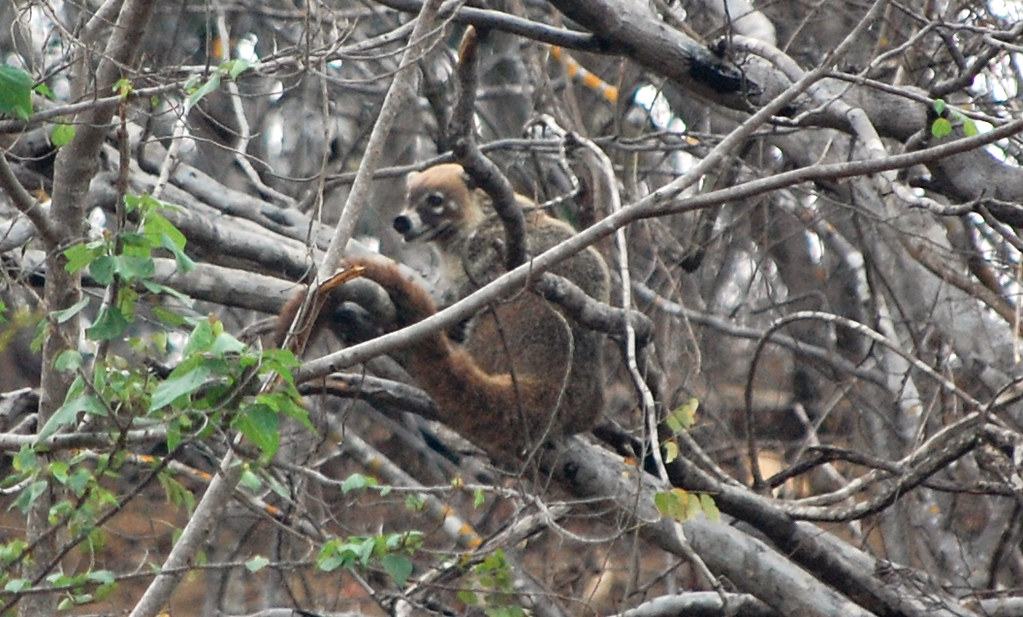
Paris Hilton made these Central American rainforest dwellers briefly famous when she carried one around like an accessory. That trend died quickly once people realized what kinkajou ownership actually involves.
They’re nocturnal and loud. They scream, bark, and make kissing sounds throughout the night.
They need tall enclosures filled with branches because they’re arboreal and will climb anything vertical they can reach. Their tail is prehensile, giving them a fifth limb for climbing.
Kinkajous have sharp teeth and can bite without warning when stressed or startled. They’re not aggressive by nature, but they’re wild animals with wild instincts.
Handling them requires thick gloves and a willingness to accept scratches and nips as part of the relationship.
Wallabies
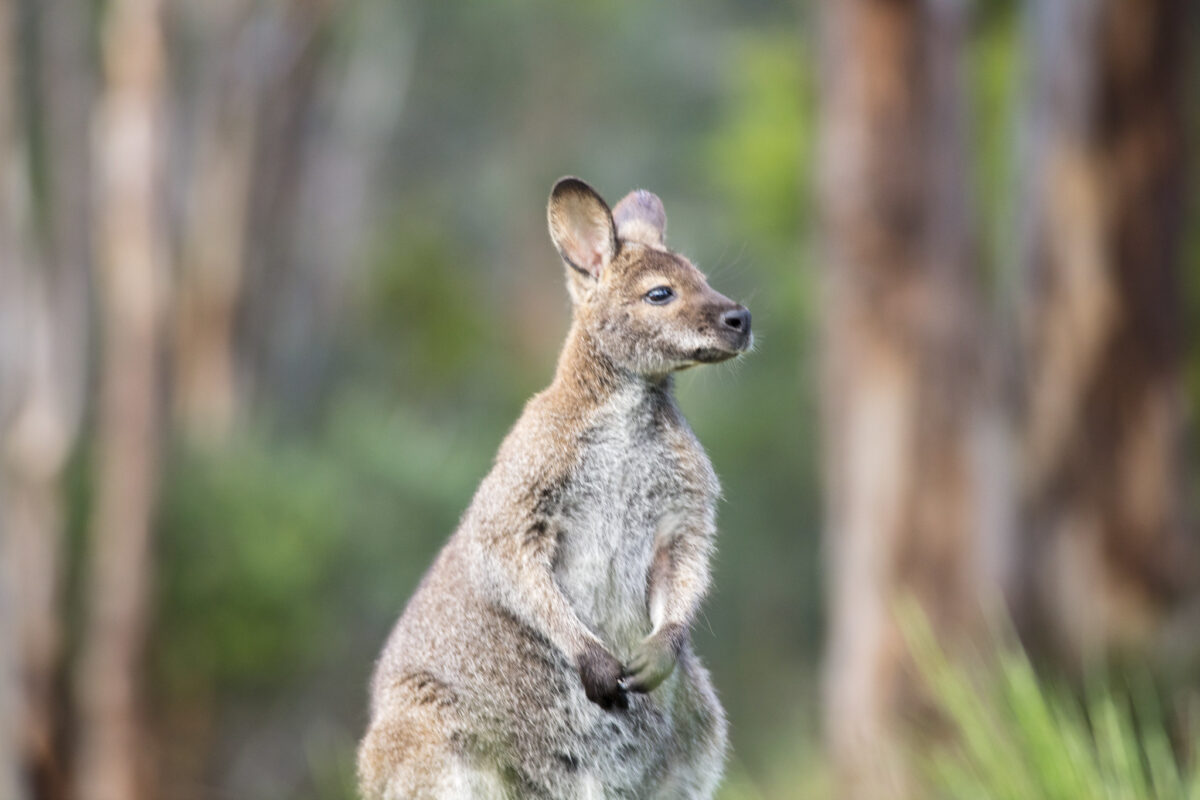
Smaller than kangaroos but following the same basic body plan, wallabies bounce around backyards in places where people have the space and permits to keep them. They need room to hop, specialized diets, and veterinarians willing to treat marsupials.
A wallaby isn’t something you cuddle on the couch. They tolerate human interaction but don’t seek it out the way dogs do.
They’re essentially lawn ornaments that move, eat expensive food, and occasionally kick if they feel threatened. The male wallabies can become aggressive during breeding season.
They’ll box, kick, and establish dominance even with their human caretakers. This isn’t a pet for families with small children.
Tarantulas
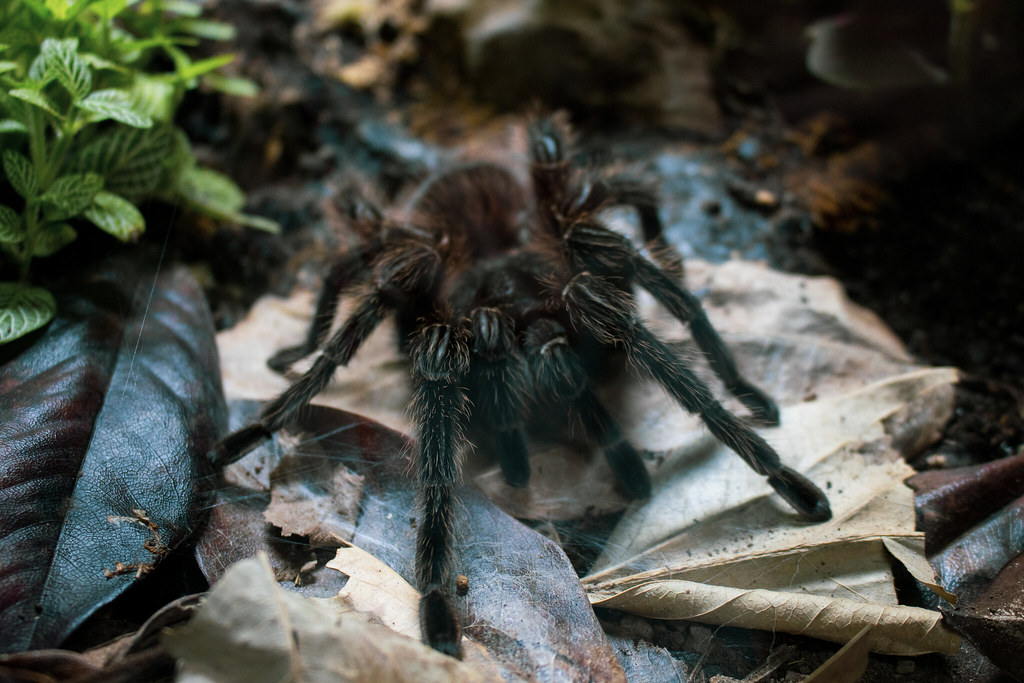
Keeping a spider that can span the size of a dinner plate sounds terrifying to most people, but tarantula enthusiasts find them fascinating. These arachnids require minimal space, rarely eat, and can live for decades if you get a female.
The maintenance is straightforward. You keep them in a container with proper substrate, maintain humidity, and feed them crickets or roaches every week or two.
They’re not cuddly, and you shouldn’t handle them frequently because falls can be fatal to these fragile creatures. Some species are docile.
Others are defensive and quick to flick urticating hairs that cause intense itching and irritation. Research your specific species before assuming all tarantulas are the same.
Hedgehogs
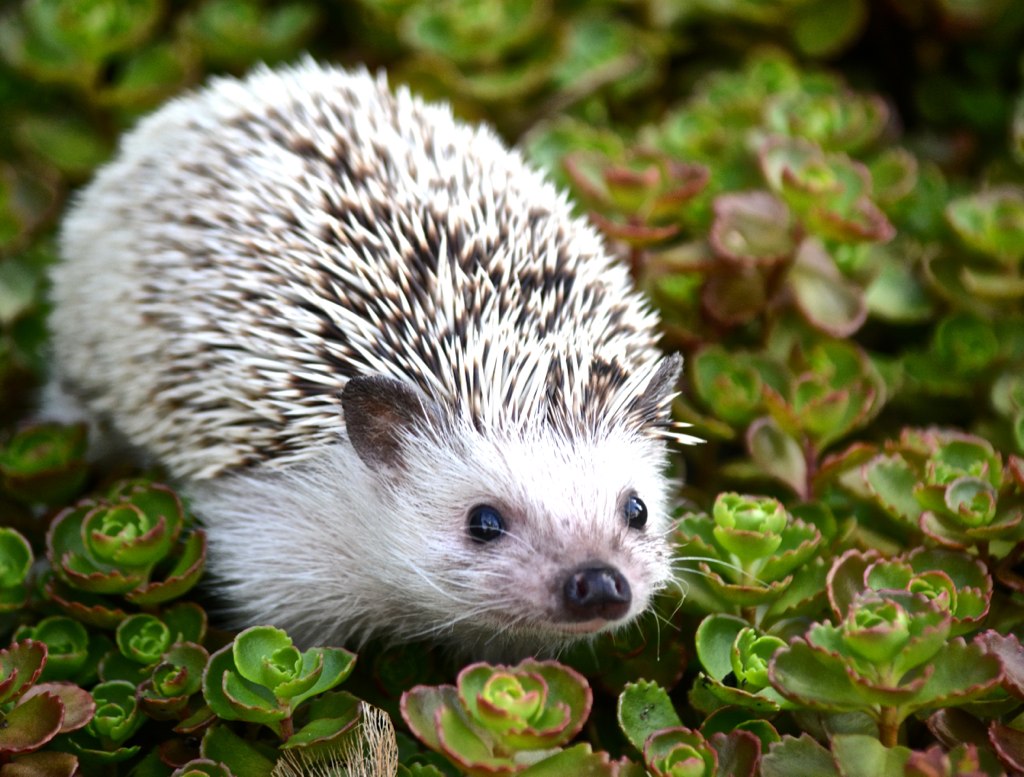
These spiny insectivores waddle around like tiny armored potatoes. They’re legal in some places, banned in others, and require specific care that many new owners underestimate.
Hedgehogs are nocturnal and solitary. They don’t cuddle, though they might tolerate being held once they’re comfortable with your scent.
Their quills lie flat when relaxed but spike up when frightened, which is most of the time at first. The temperature requirements are strict.
Too cold and they’ll attempt hibernation, which can be fatal for domestically bred hedgehogs. Too hot and they’ll overheat.
They need a constant temperature range of around 72 to 80 degrees Fahrenheit, which means climate control becomes essential.
Bearded Dragons
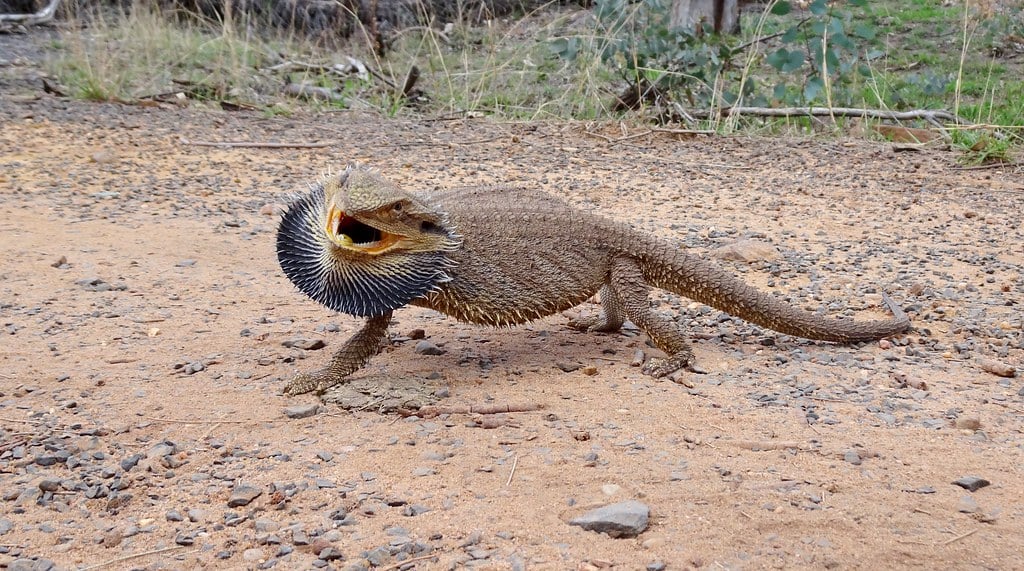
These Australian lizards have become mainstream enough that pet stores stock them regularly. But mainstream doesn’t mean easy.
They need UVB lighting, specific temperature gradients, and a diet that transitions from primarily insects as juveniles to mostly vegetables as adults. Your bearded dragon will glass surf when stressed, pacing along the walls of the enclosure like it’s trying to escape.
That’s usually a sign something is wrong with the environment or the dragon is bored. They’re more interactive than most reptiles, often responding to their owners and even enjoying supervised time outside their tanks.
Pythons
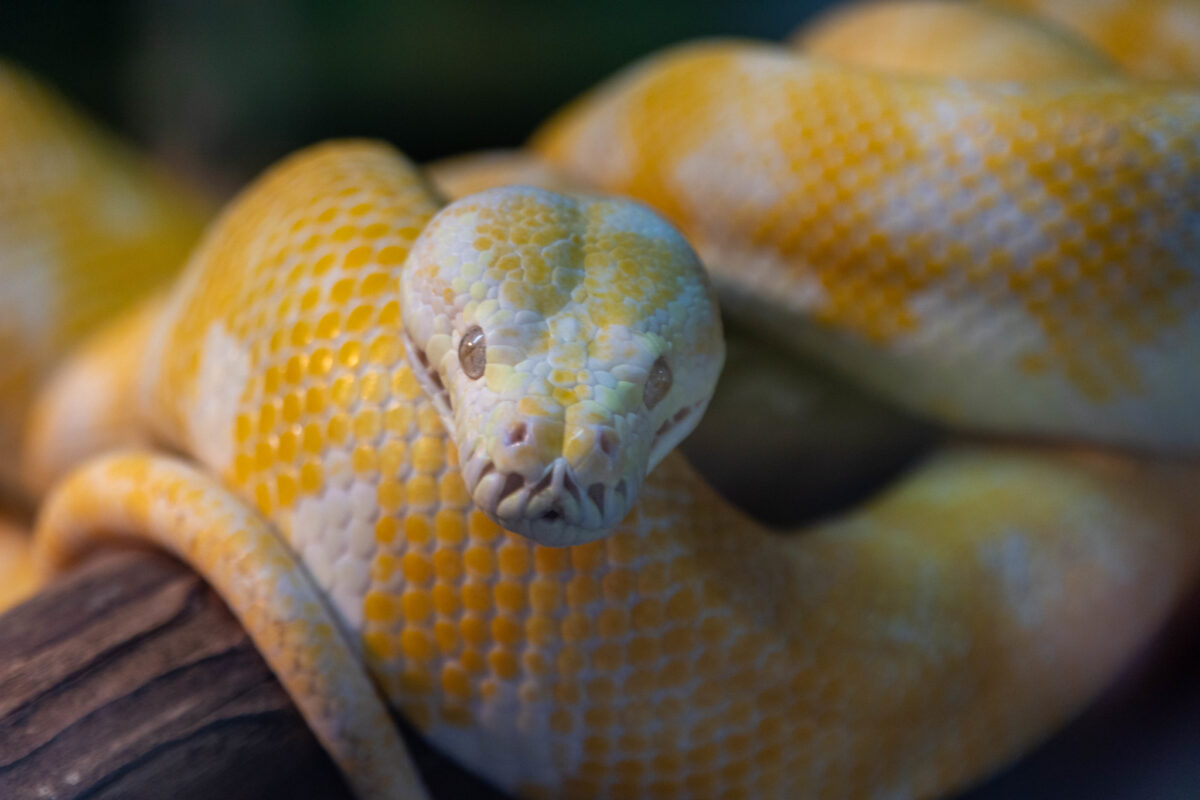
Certain python species have become popular pets despite growing to impressive lengths. These constrictors need increasingly large enclosures as they mature, and feeding them involves dealing with frozen rodents that you thaw before each meal.
The temperature and humidity requirements are non-negotiable. Get them wrong and your python develops respiratory infections or refuses to eat.
Some individuals are picky eaters, going months without food and causing their owners significant stress. Handling requires confidence and respect for the animal’s strength.
A large python can hurt you accidentally during feeding time or when startled. They’re not aggressive, but they’re powerful.
Slow Lorises
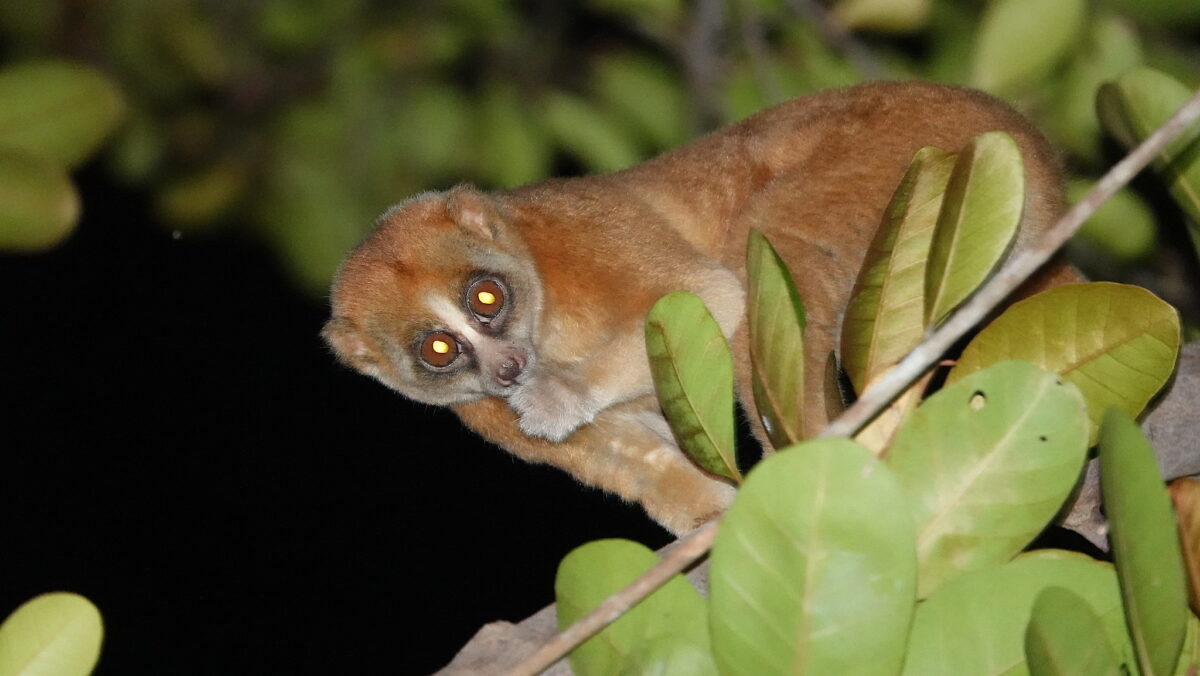
These primates look unbearably cute in videos where they hold tiny umbrellas or get tickled. Behind those videos is a darker truth.
Slow lorises are endangered, often illegally trafficked, and suffer greatly in captivity. Their teeth are often clipped or pulled out entirely because they have a venomous bite.
Yes, venomous primates exist, and this is one of them. The mutilation process is agonizing and leaves them unable to eat their natural diet.
They’re also nocturnal, solitary, and stressed by the constant handling that makes those viral videos possible. The cute behavior you see is often a fear response.
The raised arms aren’t asking for tickles. They’re a defensive posture.
Keeping a slow loris as a pet supports illegal wildlife trade and condemns the animal to a life of suffering. Some strange pets are strange but manageable.
This one is strange and ethically indefensible.
When Strange Becomes Home

People commit to these unusual companions for different reasons. Some want the challenge of caring for something rare.
Others find beauty in creatures most people overlook or fear. The stranger the pet, the more dedicated the owner usually needs to be.
These animals demand research, money, time, and acceptance that your life will reshape around their needs. Your vacation plans change.
Your home modifications become extensive. Your social circle might shrink to people who understand why you canceled plans to feed your kinkajou or clean your capybara’s pool.
But ask these owners if they’d make the same choice again, and most say yes without hesitation. There’s something profound about successfully caring for an animal that doesn’t fit the standard mold.
It’s not about having an exotic status symbol. It’s about forming a connection with something wild and wonderful, even when that connection involves getting sprayed by a skunk or hearing a fennec fox scream at 3 AM.
More from Go2Tutors!

- The Romanov Crown Jewels and Their Tragic Fate
- 13 Historical Mysteries That Science Still Can’t Solve
- Famous Hoaxes That Fooled the World for Years
- 15 Child Stars with Tragic Adult Lives
- 16 Famous Jewelry Pieces in History
Like Go2Tutors’s content? Follow us on MSN.