Unusual war tactics that actually worked
War has always brought out the most creative side of human thinking, often in the strangest ways possible. Throughout history, desperate commanders have tried ideas that seemed completely crazy at first glance.
Sometimes these wild plans failed spectacularly, but other times they changed the course of entire conflicts. Let’s explore some of the most bizarre military tactics that somehow managed to work better than anyone expected.
Hannibal crossed the Alps with 37 elephants

Hannibal’s forces numbered 70,000 men, 20,000 horses, and 37 elephants when he decided to march across the Alps in 218 BC. This move seemed impossible since the mountain passes were considered uncrossable for such a massive army.
The elephants had never seen snow before and weren’t built for freezing temperatures. Many of the animals died during the journey, but the ones that survived completely terrified the Roman soldiers when they finally reached Italy.
When the Roman soldiers saw the elephants at the Battle of Trebbia River, they were so terrified that Carthage gained a huge advantage.
The Ghost Army fooled Nazis with inflatable tanks

During World War II, the Ghost Army carried out more than 20 deception campaigns using inflatable tanks, sound trucks, fake radio transmissions, scripts and pretense. An inflatable tank could be set up from a duffle bag and completed in just 20 minutes.
The unit was so good at their job that they could make a small group look like a massive army division. The Ghost Army could simulate a force 30 times its size while operating as close as a quarter mile from the front lines.
German scouts would report seeing huge tank formations that were actually just rubber balloons filled with air.
Like Go2Tutors’s content? Follow us on MSN.
Ancient Greeks hid inside a giant wooden horse
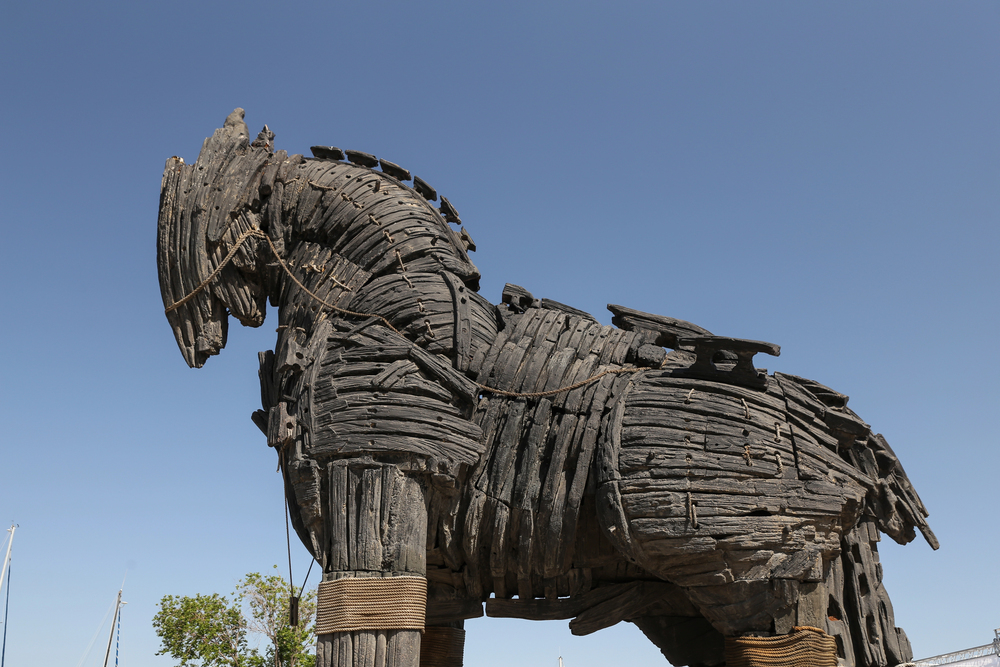
The Trojan Horse remains one of the most famous tricks in military history because it was so simple yet effective. After ten years of failed attempts to capture Troy, the Greeks built a massive wooden horse and left it outside the city walls as a supposed offering to the gods.
The curious Trojans brought the horse inside their fortress, not knowing that Greek soldiers were hidden inside the hollow structure. That night, the hidden warriors climbed out and opened the city gates for the rest of the Greek army.
Troy fell in a single night after a decade of unsuccessful attacks.
Operation Mincemeat used a dead body to spread false information
British intelligence officers came up with one of the strangest deception plans of World War II when they needed to fool the Germans about Allied invasion plans. The bizarre deception plan was created by a spy novelist, a lawyer, and an RAF officer and proved successful beyond expectations, deceiving the Germans about Allied plans for the invasion of Sicily.
They dressed up a homeless man’s corpse as a British officer and planted fake documents on the body suggesting the Allies would attack Greece instead of Sicily. The Germans found the body washed up on a Spanish beach and completely believed the false information, moving troops away from Sicily just before the real invasion began.
Romans used war pigs against enemy elephants
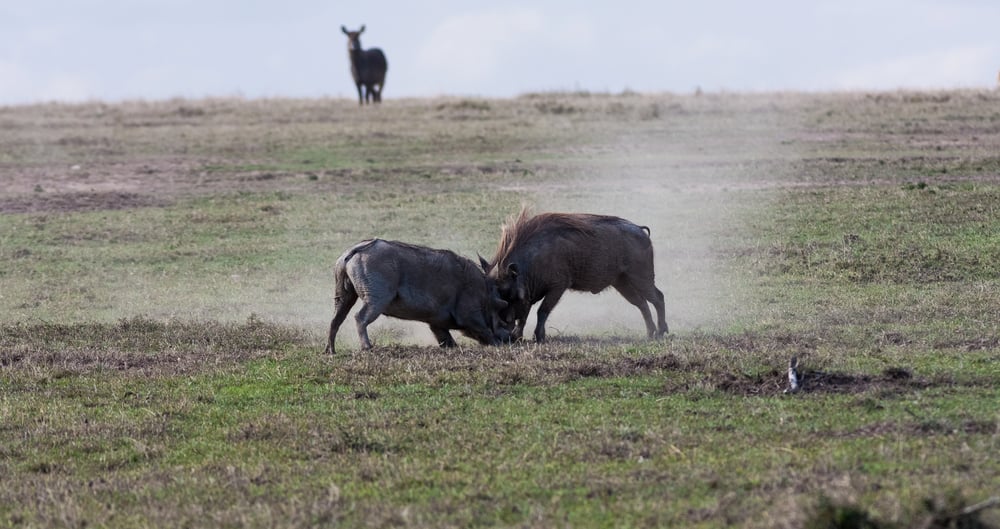
When Roman armies faced war elephants, they discovered that the massive beasts had one surprising weakness: they were absolutely terrified of pigs. Roman soldiers would cover pigs in oil, set them on fire, and send the screaming animals charging toward enemy elephant formations.
The elephants would panic and run away from the burning pigs, often trampling their own soldiers in the process. This tactic worked so well that some armies started bringing pigs specifically as anti-elephant weapons.
The sight of flaming pigs running across a battlefield must have been one of the strangest things ancient soldiers ever witnessed.
Like Go2Tutors’s content? Follow us on MSN.
Vikings berserkers fought while believing they were bears and wolves
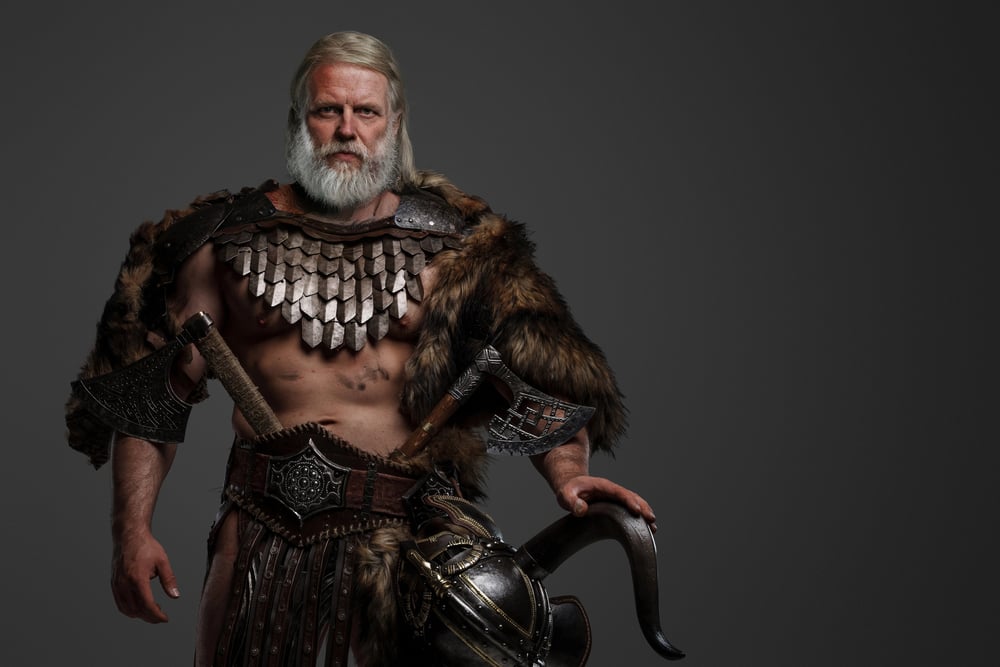
Norse berserkers were warriors who fought in a trance-like fury, believing they had transformed into bears or wolves during battle. They would work themselves into a frenzy before fighting, sometimes biting their shields and howling like animals.
These warriors fought with no armor and seemed to feel no pain, which terrified their enemies who thought they were fighting supernatural creatures. The berserkers’ wild behavior was so effective that many enemy armies would retreat rather than face these seemingly possessed fighters.
Modern historians think the berserkers may have used drugs or practiced meditation techniques to achieve their altered states.
Mongols used fake retreats to trap entire armies
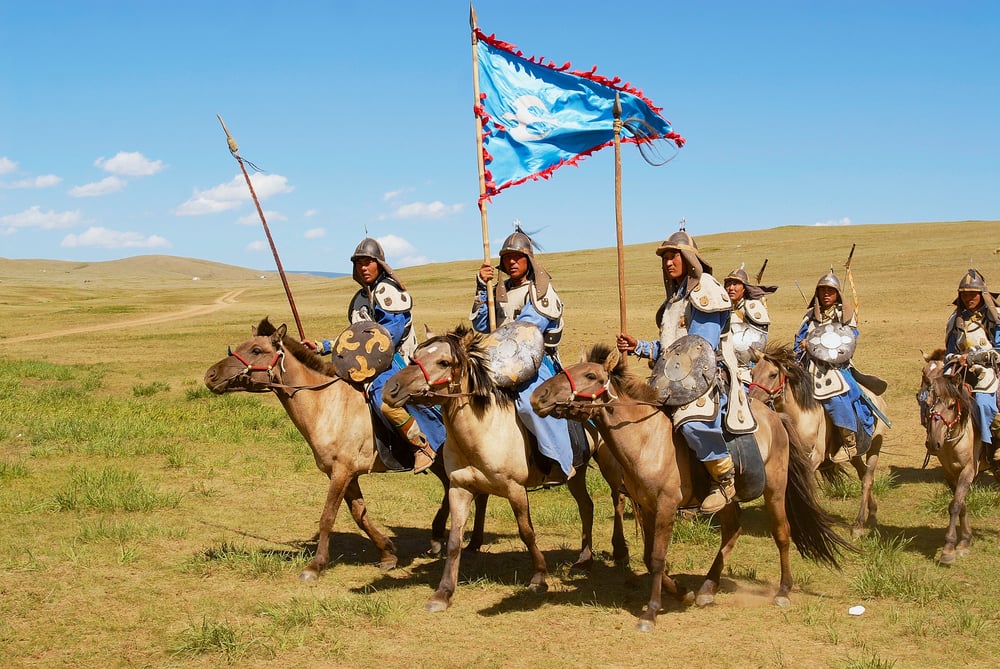
Genghis Khan’s armies perfected the art of the false retreat, making it look like they were running away in defeat when they were actually setting a trap. The Mongols would pretend to flee in panic, encouraging their enemies to chase after them in disorder.
Once the pursuing army was spread out and tired from the chase, the Mongols would suddenly turn around and attack with fresh reserves that had been hiding nearby. This tactic worked repeatedly because armies that thought they were winning would abandon their formation to pursue what looked like defeated enemies.
The Mongols used this trick so often that it became their signature move.
British pilots dropped matchbooks to help German soldiers fake illness
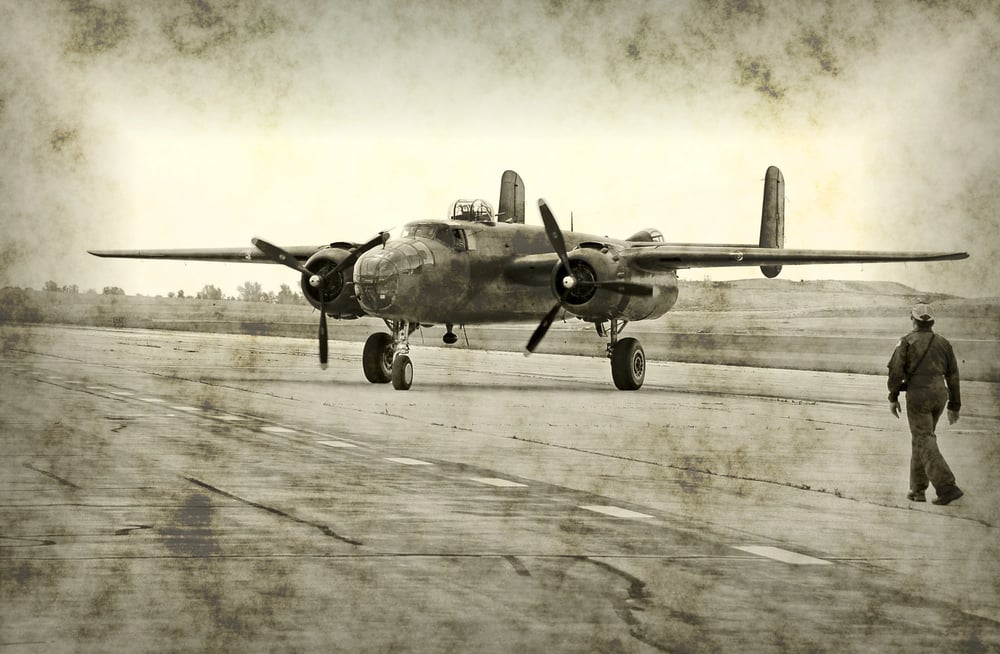
During World War II, the United Kingdom air-dropped matchbooks over Germany that contained information about how to fake various illnesses to avoid military service. The matchbooks looked innocent from the outside but contained detailed instructions on how to simulate heart problems, mental illness, and other conditions that would get German soldiers sent home from the front lines.
This psychological warfare tactic aimed to reduce enemy manpower by encouraging German troops to malinger or desert. The plan worked well enough that some German soldiers actually used the fake illness techniques to escape combat duty.
Like Go2Tutors’s content? Follow us on MSN.
Scythians retreated for months while destroying everything behind them
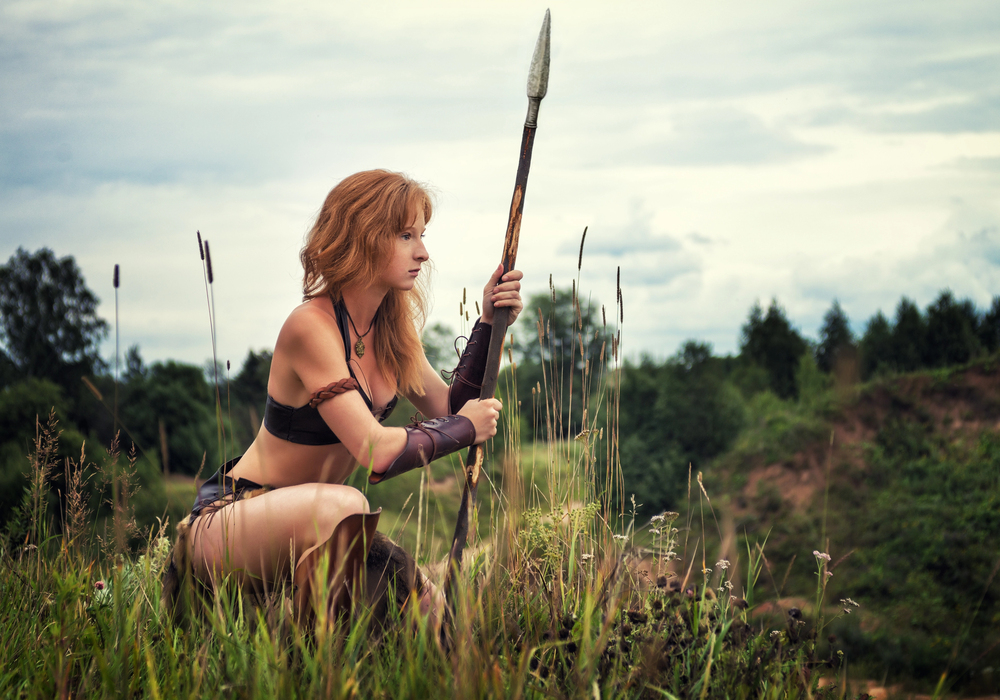
When Persian King Darius invaded Scythian territory with a massive army, the Scythians used a strategy that seemed like cowardice but was actually brilliant. Instead of fighting the much larger Persian force, they retreated deeper and deeper into their own territory while destroying everything useful behind them.
They burned crops, poisoned wells, and drove away livestock so the Persian army couldn’t find food or water. After months of chasing an enemy that wouldn’t fight, the Persian army was starving and exhausted.
Darius finally gave up and retreated, having accomplished nothing despite vastly outnumbering his opponents.
Japanese used balloon bombs to attack North America
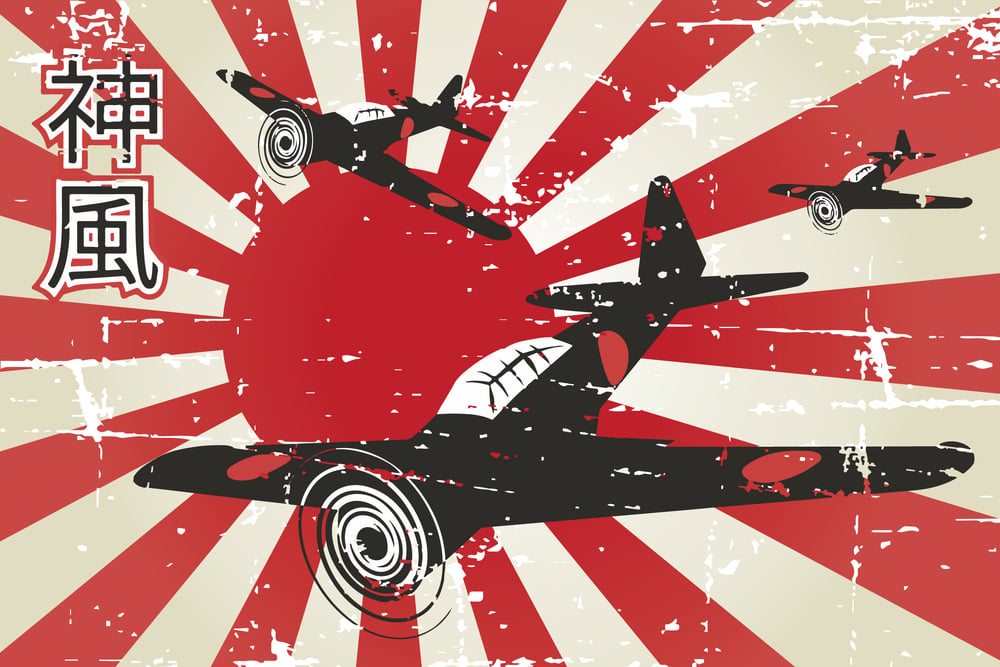
During World War II, Japan launched over 9,000 balloon bombs across the Pacific Ocean, hoping they would drift on air currents and explode when they reached North America. These paper balloons carried incendiary bombs designed to start forest fires and spread panic among American civilians.
Most of the balloons fell harmlessly into the ocean, but about 300 actually reached the North American coast. The attack killed six people in Oregon and started several small fires, making it the only enemy attack on the continental United States during World War II.
The American government kept the balloon bombs secret to avoid giving Japan information about which ones had worked.
Spartans used their reputation to win battles without fighting
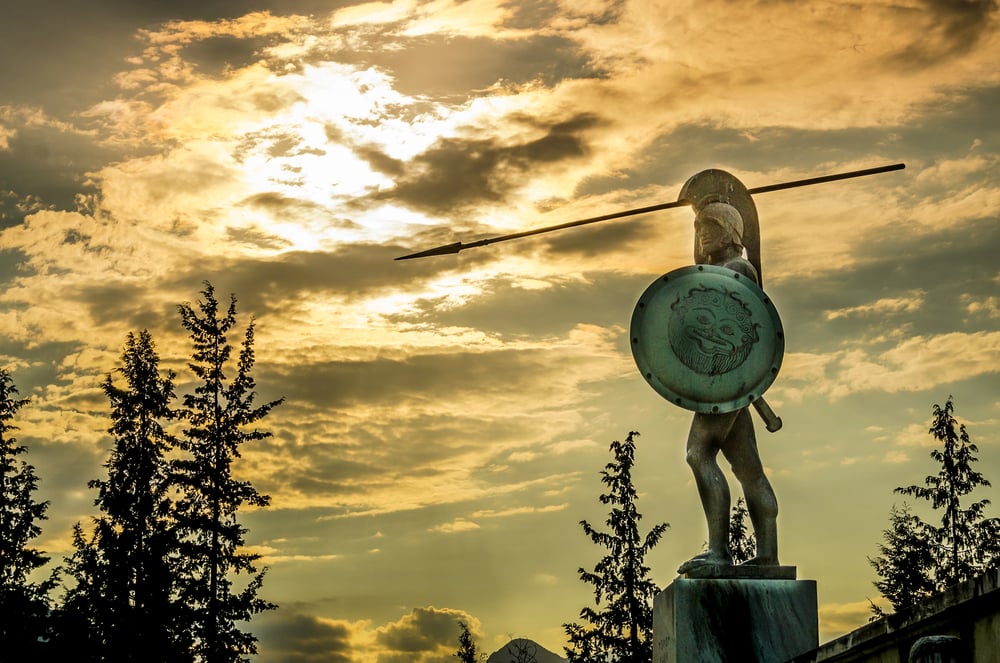
The warriors of Sparta developed such a fearsome reputation that many enemies would surrender or retreat rather than face them in combat. Spartan soldiers trained from childhood and were considered the most disciplined fighters in ancient Greece.
Their bronze armor, red cloaks, and perfect formations became symbols of military excellence that struck fear into opposing armies. Sometimes the mere sight of Spartan troops approaching would cause enemy forces to abandon their positions without a single spear being thrown.
This psychological advantage was so powerful that it often decided battles before they even began.
Like Go2Tutors’s content? Follow us on MSN.
Alexander the Great used shock tactics with cavalry charges
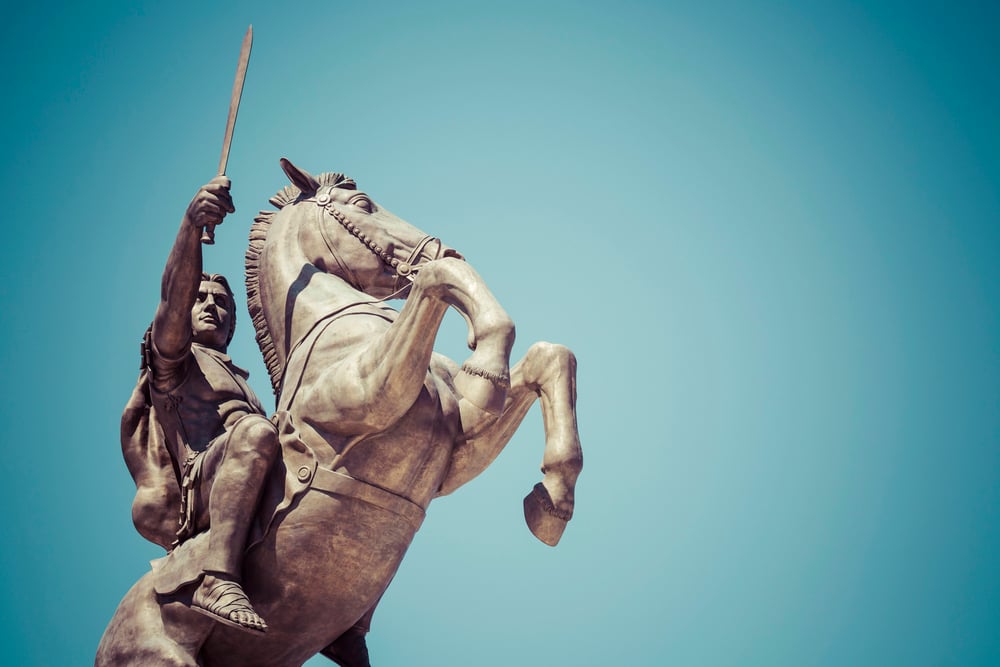
Alexander the Great revolutionized warfare by using heavy cavalry as a battering ram instead of just for scouting and harassment like most armies did. His Companion Cavalry would charge directly at the strongest point of enemy formations, creating chaos and breaking through defensive lines.
This frontal assault with horses seemed suicidal to other commanders who preferred to keep cavalry on the flanks for safety. Alexander would personally lead these charges, inspiring his men and terrifying his enemies who couldn’t believe a king would risk his life so boldly.
The shock value of seeing heavily armed horsemen crashing into infantry lines often caused entire armies to collapse in panic.
Carthaginians used noise warfare with metal instruments
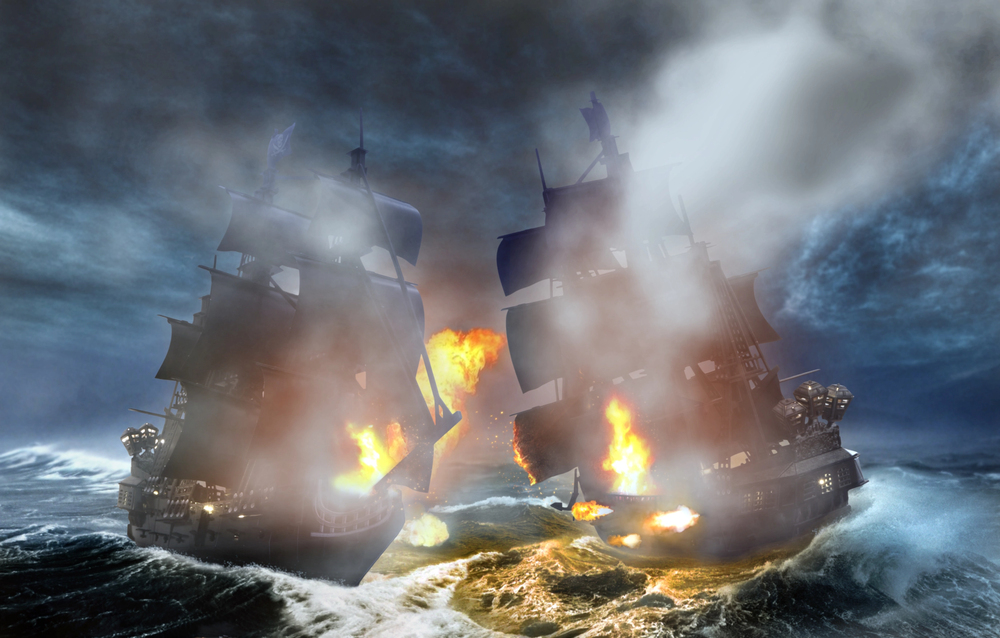
During naval battles, Carthaginian ships would create tremendous noise using trumpets, drums, and metal instruments to confuse and intimidate their enemies. The sound would echo across the water and make it difficult for enemy captains to give orders to their crews.
This cacophony also helped coordinate Carthaginian ship movements since their own crews knew what each signal meant. Roman sailors found the noise so disturbing that some would panic before the actual fighting even started.
The psychological effect of this acoustic warfare was often as important as the physical damage done by ramming and boarding enemy vessels.
Chinese used kites for military reconnaissance and communication
Ancient Chinese armies used large kites to carry messages over enemy lines and scout out fortified positions from above. Soldiers would attach written communications to kites and fly them to friendly forces on the other side of battlefields or city walls.
Some kites were big enough to carry a person, allowing commanders to get a bird’s eye view of enemy troop movements and defensive preparations. The Chinese also flew kites at night with lanterns attached to create confusion about their numbers and positions.
Enemy forces would see lights moving in the sky and assume they were facing a much larger army than was actually present.
Like Go2Tutors’s content? Follow us on MSN.
Aztecs used obsidian weapons that were sharper than steel

Aztec warriors crafted weapons embedded with obsidian blades that were sharper than any metal weapons available at the time. These volcanic glass edges could cut through Spanish armor and inflict terrible wounds that often proved fatal due to infection.
The macuahuitl, a wooden club lined with obsidian blades, could decapitate a horse with a single swing according to Spanish accounts. European conquistadors were shocked to face weapons that seemed primitive but were actually more effective than their own swords in many situations.
The obsidian weapons broke more easily than steel, but their incredible sharpness made them devastatingly effective in the hands of skilled Aztec fighters.
When ancient creativity meets modern warfare
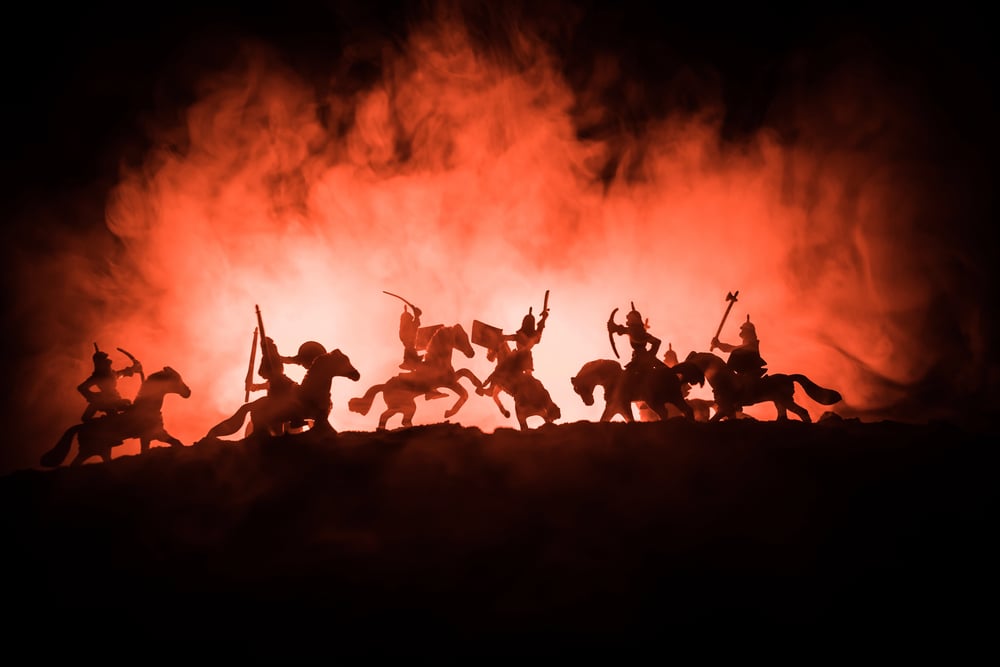
These strange tactics remind us that military innovation has always required thinking outside conventional wisdom and taking calculated risks that seemed crazy to everyone else. The Ghost Army’s story was kept secret for more than 50 years after the war until it was declassified, showing how some of the most effective strategies were also the most closely guarded secrets.
Today’s military planners still study these historical examples because the principles behind them, using deception, psychology, and surprise, remain as relevant as ever. The tools and weapons may have changed dramatically over thousands of years, but the human elements of fear, confusion, and morale continue to play decisive roles in determining who wins and who loses on the battlefield.
More from Go2Tutors!

- 16 Historical Figures Who Were Nothing Like You Think
- 12 Things Sold in the 80s That Are Now Illegal
- 15 VHS Tapes That Could Be Worth Thousands
- 17 Historical “What Ifs” That Would Have Changed Everything
- 18 TV Shows That Vanished Without a Finale
Like Go2Tutors’s content? Follow us on MSN.