World-Changing Projects Left To Rot
Some of humanity’s most ambitious dreams have a way of becoming its most spectacular failures. Not because the vision was flawed, but because the follow-through was nonexistent.
Around the world, revolutionary projects that promised to reshape civilization now sit abandoned, their concrete cracking and their steel rusting. These aren’t small-scale disappointments—these are billion-dollar monuments to what happens when ambition meets reality and reality wins.
The Superconducting Super Collider
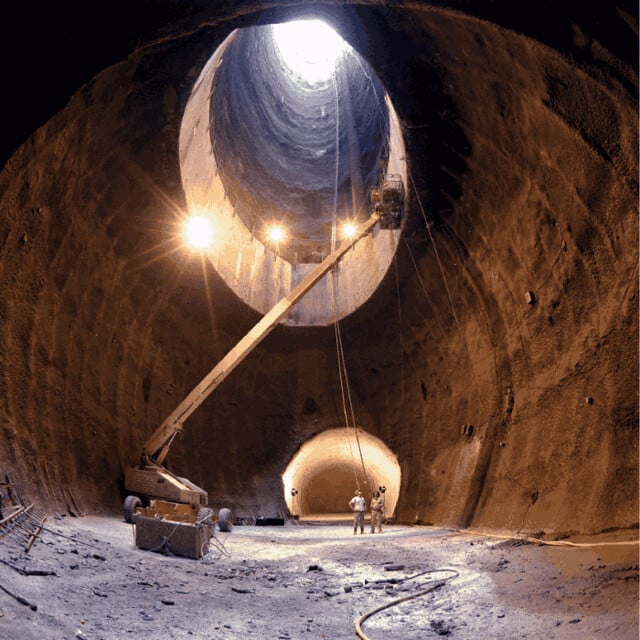
Physics was supposed to change forever in Texas. The Superconducting Super Collider would have been three times larger than anything Europe ever built, designed to smash particles at energies that would unlock the deepest secrets of the universe.
Scientists promised discoveries that would rewrite textbooks.
Congress pulled the plug in 1993 after spending $2 billion. The tunnel they’d already dug—14 miles of it—sits empty beneath the Texas prairie, slowly filling with groundwater.
Naypyidaw
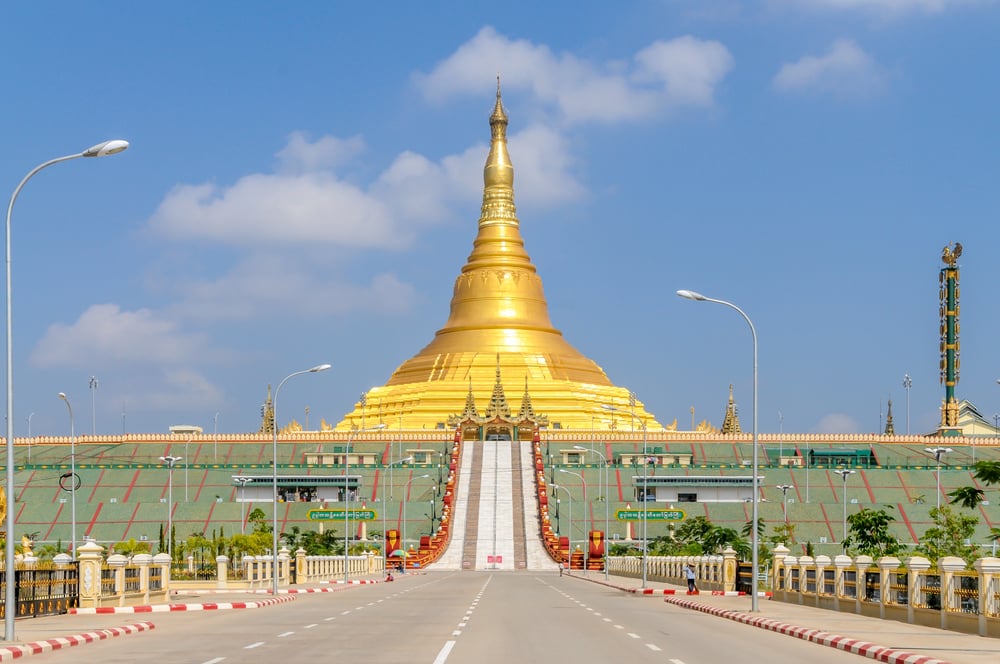
Building an entire capital city from scratch sounds like the kind of project that reshapes a nation. Myanmar’s military government thought so when they started construction on Naypyidaw in the early 2000s.
Eight lanes of pristine highway stretch between government buildings designed to house millions of civil servants and their families.
The problem is that hardly anyone lives there. The eight-lane highways carry more stray dogs than cars.
Government workers commute in from Yangon rather than relocate to what locals call “the empty city.” Turns out you can’t legislate urban life into existence—and Myanmar’s generals learned this lesson at the cost of several billion dollars.
The Berlin Brandenburg Airport
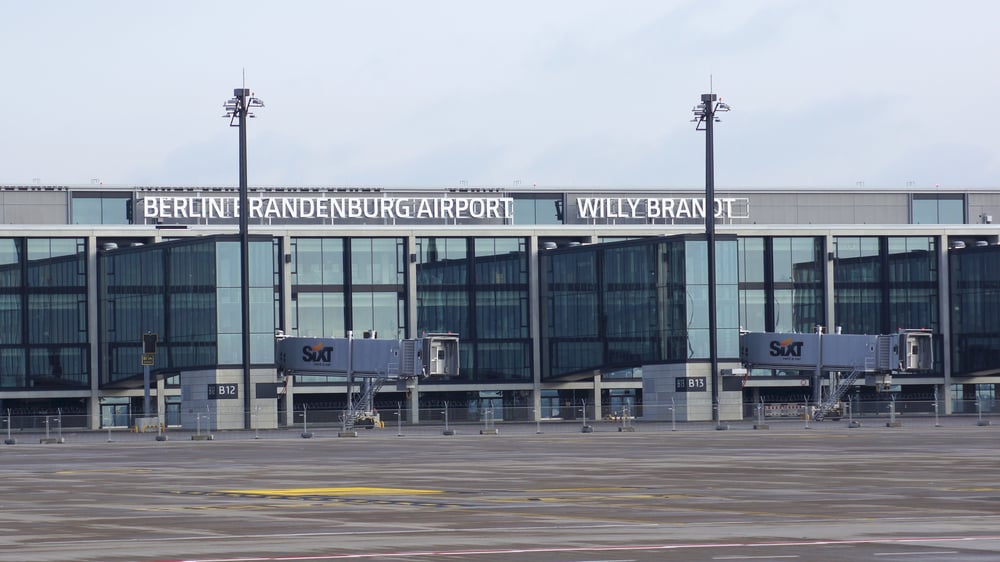
There’s something almost poetic about an airport that can’t open, sitting there complete but unreachable, like a bridge to nowhere that happens to have runways instead of roadway. Brandenburg was supposed to replace Berlin’s aging airports and establish the city as a major European hub when construction began in 2006 (though the original concept dated back even earlier to the post-reunification plans of the 1990s).
And for years, that’s exactly what it looked like it would do: the terminal gleamed, the runways stretched into the distance, and the control tower stood ready to guide planes through German airspace.
But the fire safety system didn’t work—and when airport fire safety fails, nothing else matters. So Brandenburg sat there, month after month, year after year, burning through money while its opening date kept sliding further into the future.
The cost overruns weren’t just embarrassing; they were legendary, ballooning from an initial €2 billion to over €7 billion before anyone stopped counting. When it finally opened in 2020—nine years late—the aviation industry had already moved on, and Berlin had become a cautionary tale about the difference between building something and building something that actually works.
Shenzhen’s Forest City
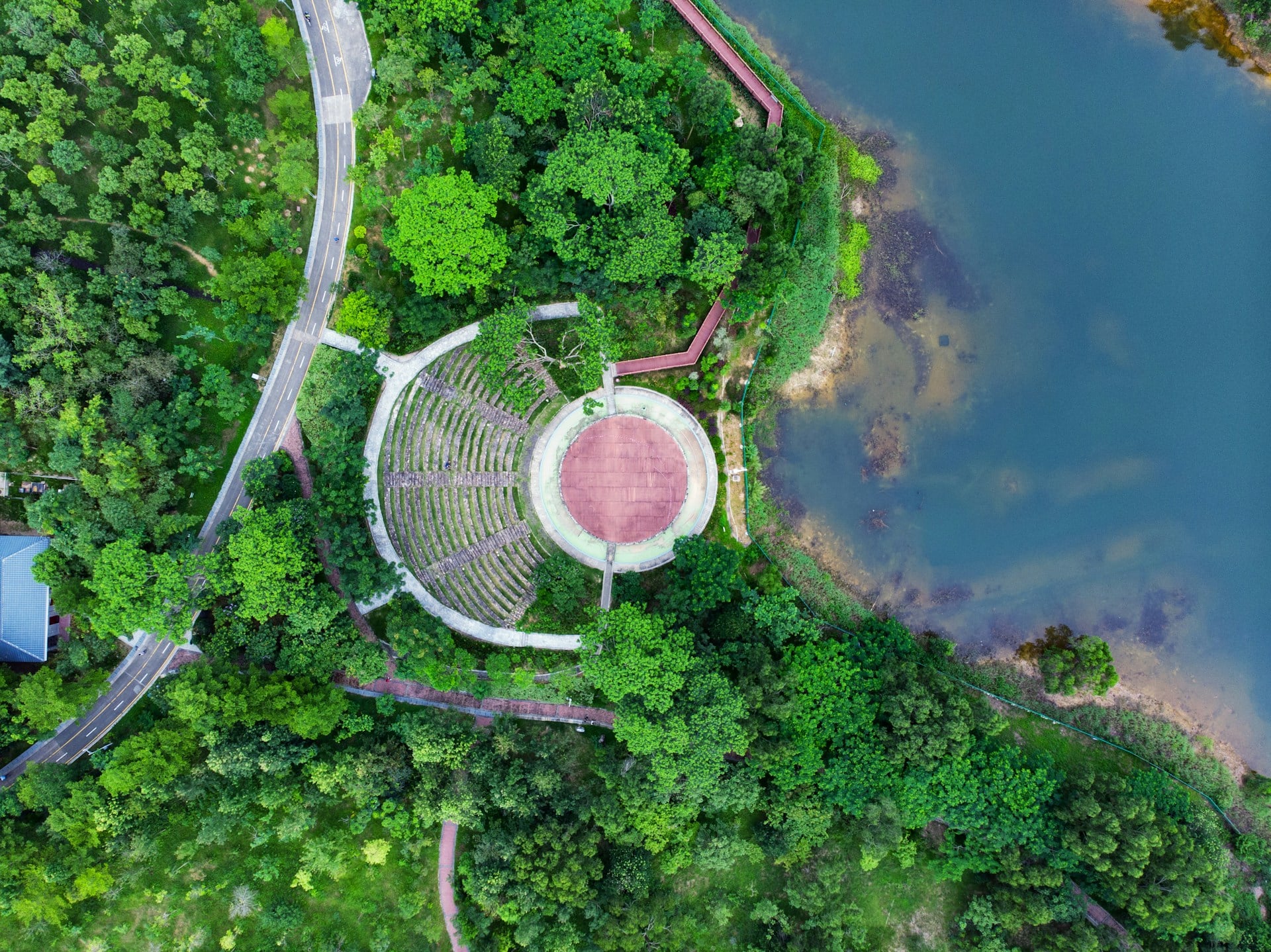
Picture this: an entire city district where every building surface would be covered in plants, where 40,000 trees and nearly a million smaller plants would clean the air for 30,000 residents while producing enough oxygen for 20,000 people annually. Italian architect Stefano Boeri designed Liuzhou Forest City as the world’s first vertical forest metropolis, a response to China’s air pollution crisis that would demonstrate how urban planning could work with nature rather than against it.
The renderings looked like something from a utopian future. Residential towers draped in greenery, office buildings that resembled living mountains, schools where children would learn surrounded by the sound of rustling leaves rather than traffic.
Construction began with great fanfare—this was going to be the prototype for sustainable cities worldwide.
But plants, it turns out, don’t follow architectural schedules. The maintenance costs for keeping a million plants alive on building facades proved staggering, and the logistics of watering, pruning, and replacing vegetation across an entire city district revealed themselves to be a nightmare that no one had adequately planned for.
So the Forest City sits partially built, its concrete towers waiting for a green revolution that may never come.
Spain’s Ghost Airports
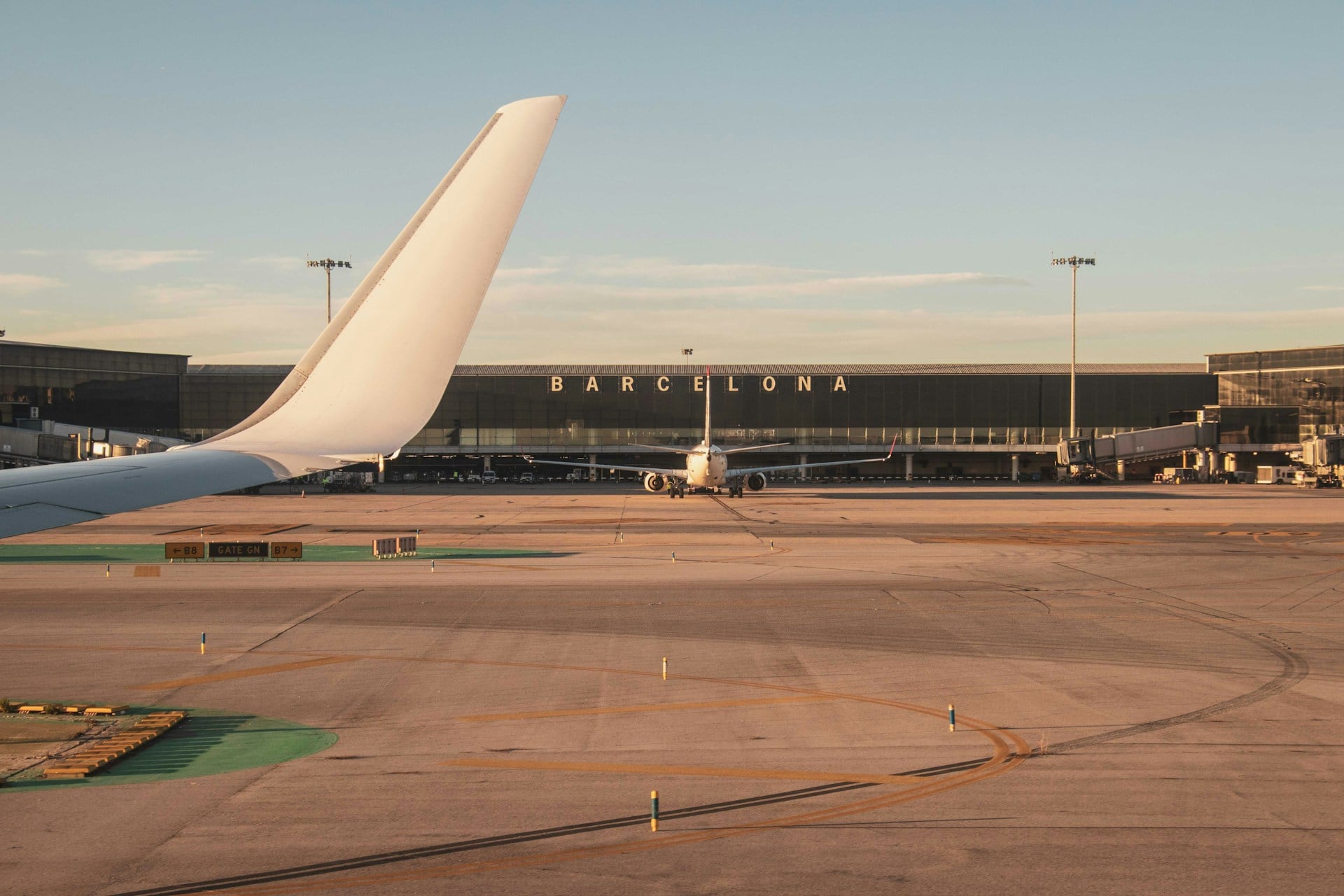
Spain decided it needed more airports. Not a few more—dozens more.
Regional politicians across the country pushed for their own international airports, each one promised to bring tourism and economic development to previously overlooked corners of the Spanish countryside.
The result was predictable and expensive. Castellón Airport cost €150 million and didn’t see its first commercial flight until four years after opening.
Ciudad Real Airport was designed to handle 10 million passengers annually. It handled exactly zero passengers for most of its existence before closing permanently.
These weren’t modest miscalculations—they were billion-euro monuments to the gap between political ambition and economic reality.
China’s New South China Mall
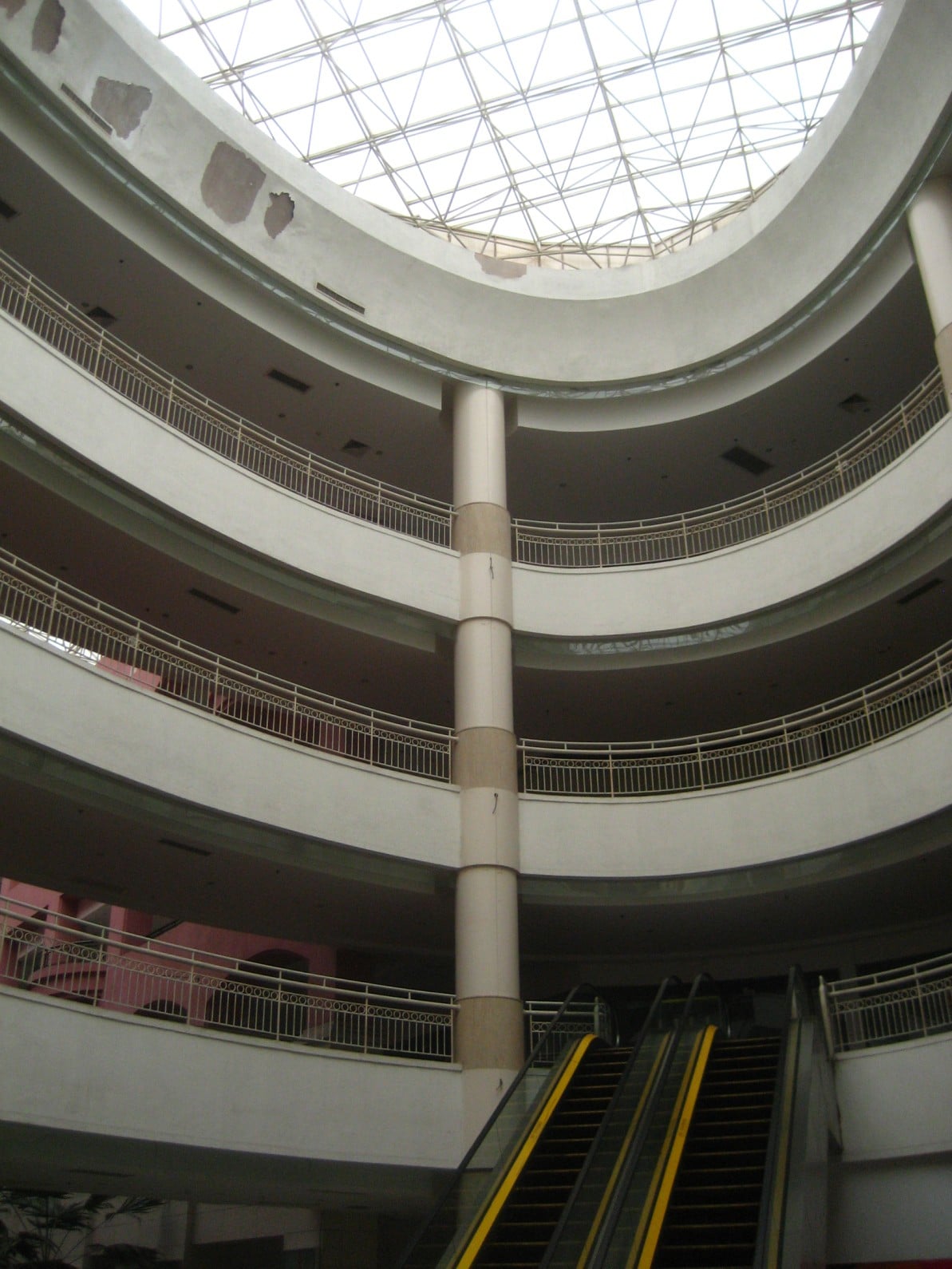
The New South China Mall was supposed to be the largest shopping center in the world, and technically, it succeeded. At 2.4 million square feet, it dwarfs even the biggest American malls, with space for 2,350 shops, themed sections modeled after different parts of the world, and an indoor roller coaster that still sits unopened in its wrapper.
What it doesn’t have is shoppers, or really, shops. The mall opened in 2005 to great fanfare and has remained roughly 99% empty ever since, earning it the nickname “the world’s largest ghost mall.”
The few businesses that did open quickly closed when they realized that location matters more than size, and that building a massive retail complex in a relatively undeveloped part of Dongguan was like hosting a party that no one could actually attend. The mall’s fountains still run (when they work), its escalators still operate (most of them), and its PA system still plays cheerful background music to empty corridors that echo with the sound of absolutely nothing happening.
And yet it persists, this cathedral of consumer capitalism with no consumers, maintained by a skeleton crew and visited mainly by urban explorers and photographers documenting the strangest retail failure in human history. The New South China Mall stands as a monument to the idea that if you build it, they will come—except sometimes, they really won’t.
The Olympic Venues Of Athens 2004
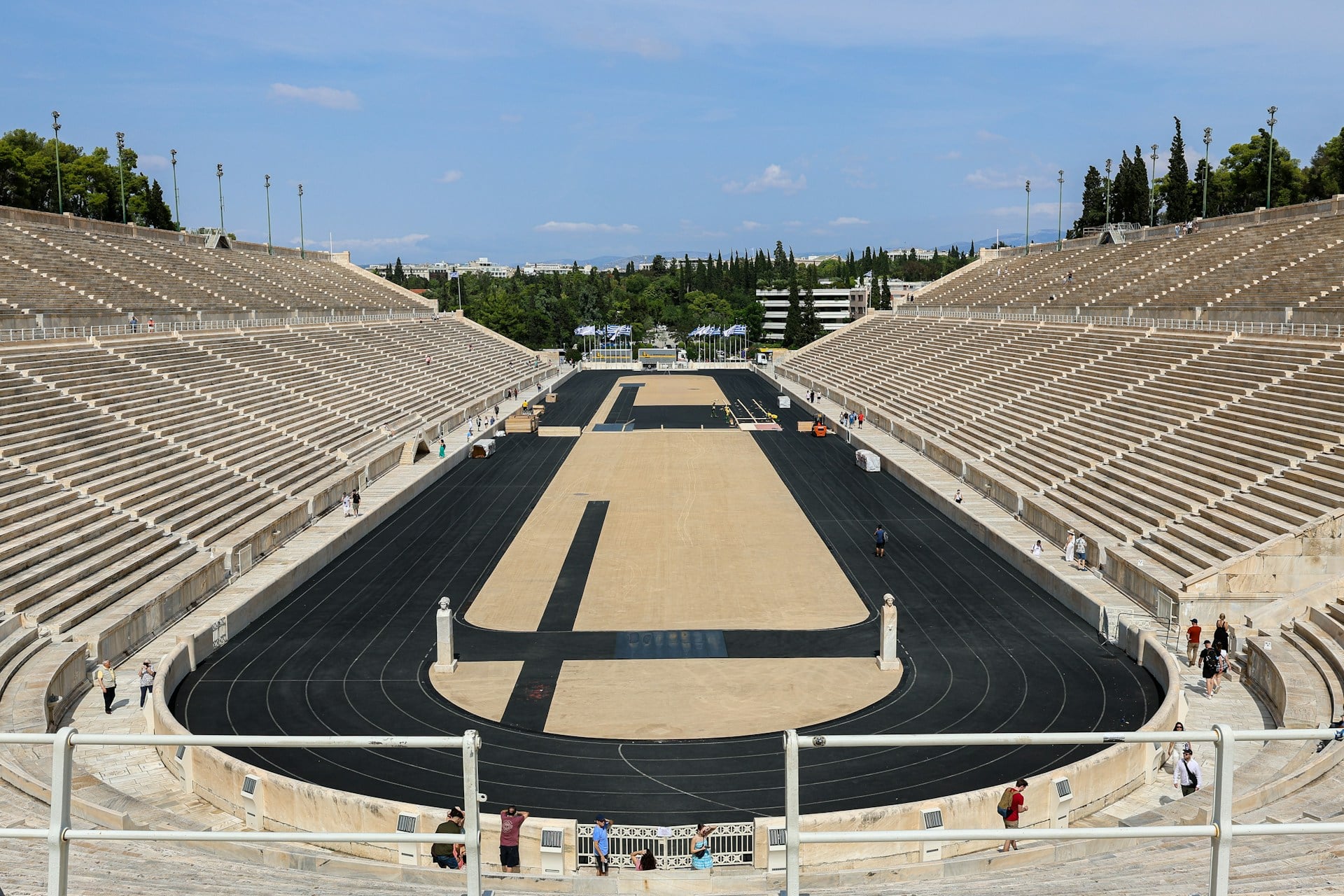
Olympic hosting was supposed to transform Athens into a modern European capital. Greece spent €9 billion on venues that would showcase the games’ return to their ancient birthplace and provide lasting infrastructure for the country’s future.
The beach volleyball stadium sits cracked and overgrown. The Olympic Village has become a haven for graffiti artists and urban explorers.
The rowing center’s grandstands are slowly being reclaimed by Mediterranean vegetation. Most of these venues haven’t hosted a significant sporting event since the closing ceremony, and maintaining them proved far more expensive than anyone anticipated.
Russia’s Skolkovo Innovation Center
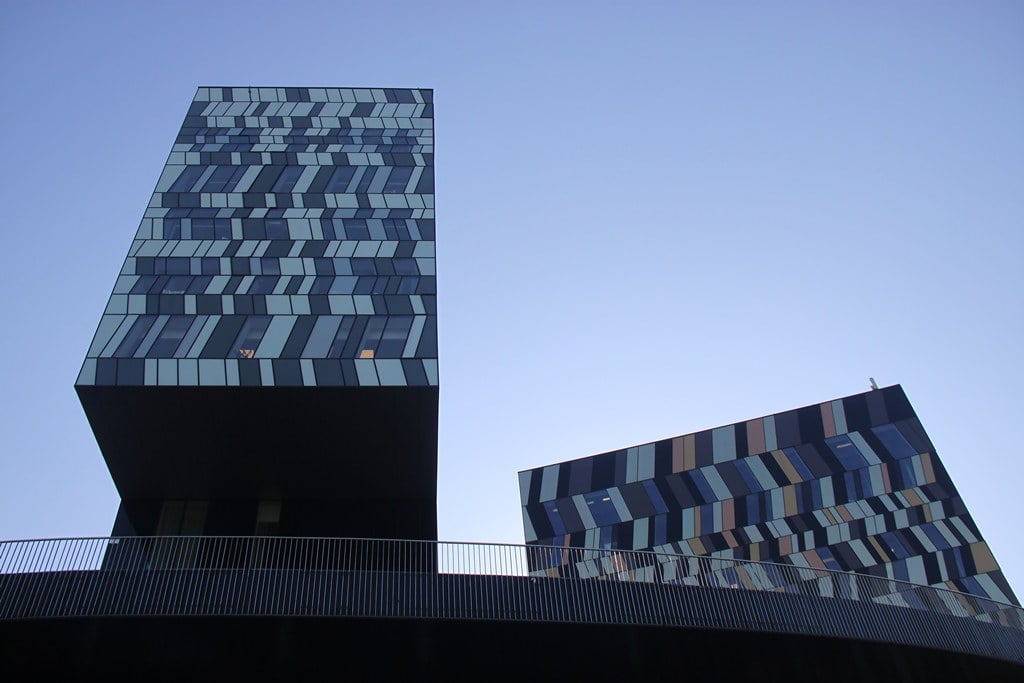
Think of it as Russia’s attempt to build Silicon Valley from scratch (because that’s exactly what it was supposed to be). The Skolkovo Innovation Center launched in 2010 with backing from the highest levels of Russian government and a mission to create a technology hub that would rival California’s famous cluster of tech companies.
The plan was ambitious: attract international companies, foster domestic innovation, and prove that Russia could compete in the global knowledge economy without relying on oil and natural gas exports.
Billions of rubles poured into the project—estimates suggest somewhere north of $4 billion when you account for all the subsidiary investments and infrastructure development. The physical campus that emerged looked the part: sleek glass buildings, well-manicured grounds, conference facilities designed to host the kind of international tech conferences that define successful innovation hubs.
And for a while, it seemed like the plan might actually work, with some international companies establishing offices and a handful of Russian startups taking up residence.
But innovation ecosystems aren’t something you can simply decree into existence, no matter how much money you throw at the problem. The political climate that made foreign companies increasingly wary of Russian partnerships didn’t help, and the domestic tech sector never quite developed the critical mass of talent and capital that would have made Skolkovo genuinely competitive with established tech centers.
So it sits there, largely empty, a beautifully appointed monument to the gap between ambitious planning and organic economic development.
Detroit’s Renaissance Center
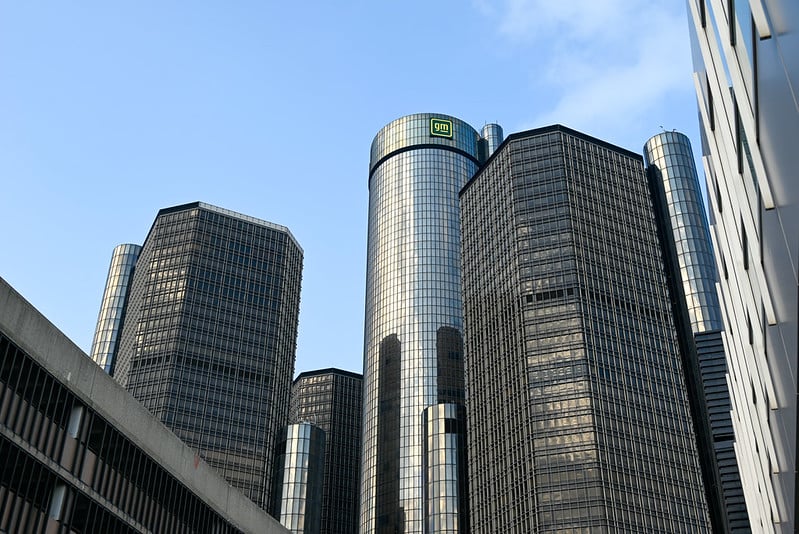
The Renaissance Center was supposed to live up to its name. When construction began in the 1970s, Detroit was already struggling with urban decay and white flight, and the RenCen was designed as a catalyst for downtown revitalization.
At 73 stories, the central tower would be the tallest building in Michigan, surrounded by four smaller towers that would house offices, shops, restaurants, and a hotel.
The problem was location and design. The complex turned inward, creating a fortress-like environment that cut itself off from the surrounding city rather than connecting with it.
The hoped-for retail and restaurant tenants never materialized in significant numbers, and the office space remained largely empty for decades. Instead of revitalizing downtown Detroit, the Renaissance Center became a symbol of how good intentions and impressive architecture can’t solve urban problems without understanding the social and economic dynamics that created them in the first place.
Brazil’s Abandoned World Cup Stadiums

Brazil spent $3.6 billion building stadiums for the 2014 World Cup. Some of them made sense—São Paulo and Rio de Janeiro could support major venues.
Others were built in cities where local soccer teams struggle to fill 10,000-seat stadiums, much less 40,000-seat World Cup venues.
The Arena da Amazônia in Manaus hosts the occasional concert and serves as a very expensive home for a team that plays in Brazil’s fourth division. The Estádio Nacional in Brasília became a parking lot for city buses.
These weren’t just expensive mistakes—they were billion-dollar reminders that building infrastructure for a month-long tournament doesn’t automatically create lasting value.
Turkey’s Ghost Town Of Burj Al Babas
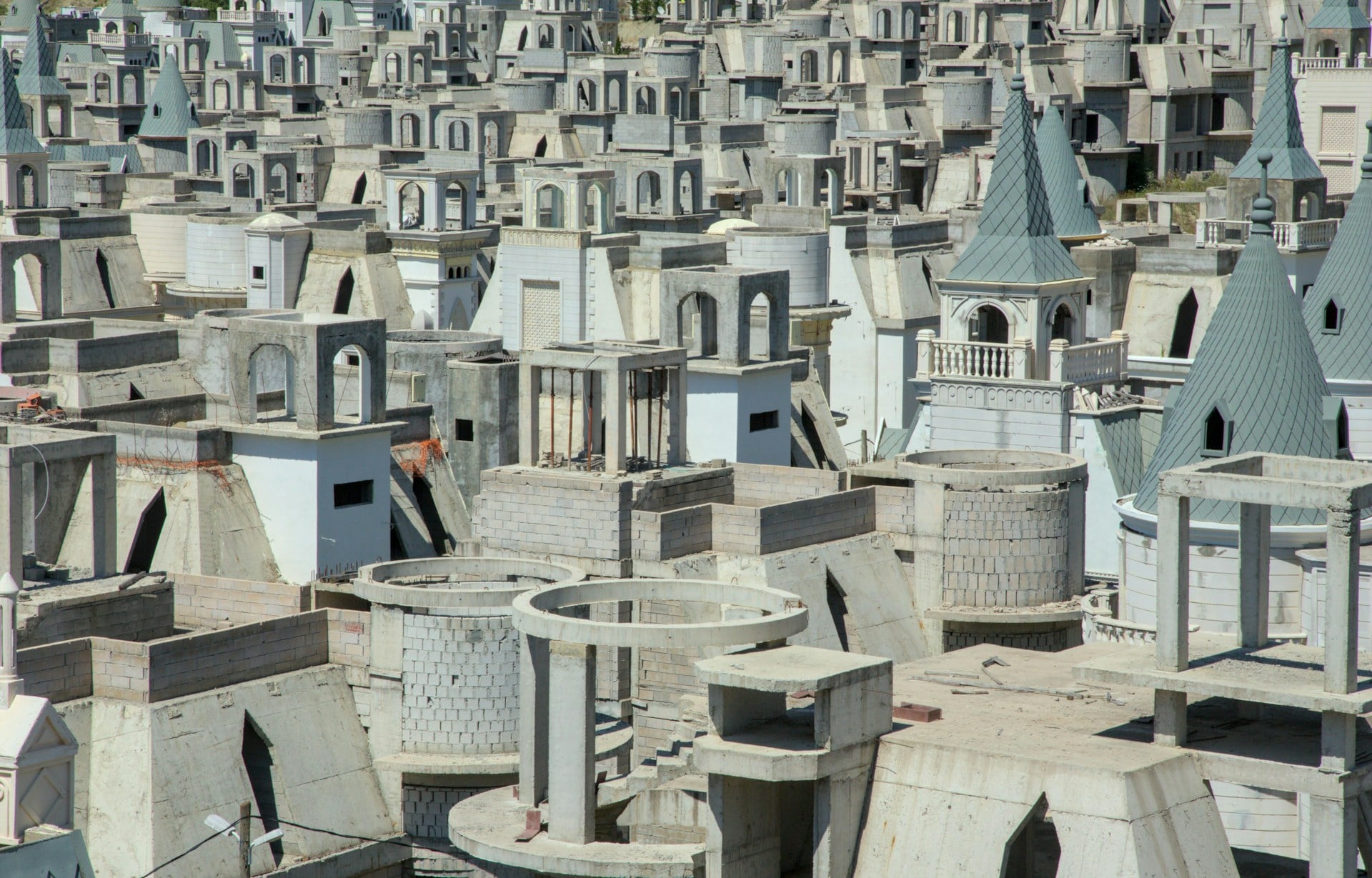
Burj Al Babas looks like someone’s fever dream of what wealthy people want. The development features 732 identical mini-castles, each one a three-story fairy tale palace complete with turrets and ornate facades, designed to attract wealthy buyers from the Gulf states who wanted European-style vacation homes.
Construction began in 2014 with great confidence—the developer had pre-sold hundreds of units and seemed to understand the market for luxury vacation properties. The mini-castles rose from the Turkish countryside, their Disney-esque architecture creating a surreal landscape that looked like a theme park for millionaires.
Then the Turkish economy stumbled, the developer went bankrupt, and the Gulf buyers disappeared. What remains is one of the strangest ghost towns on earth: row after row of empty castles, their windows dark and their driveways unused, creating a monument to the gap between fantasy and market reality.
The Ryugyong Hotel
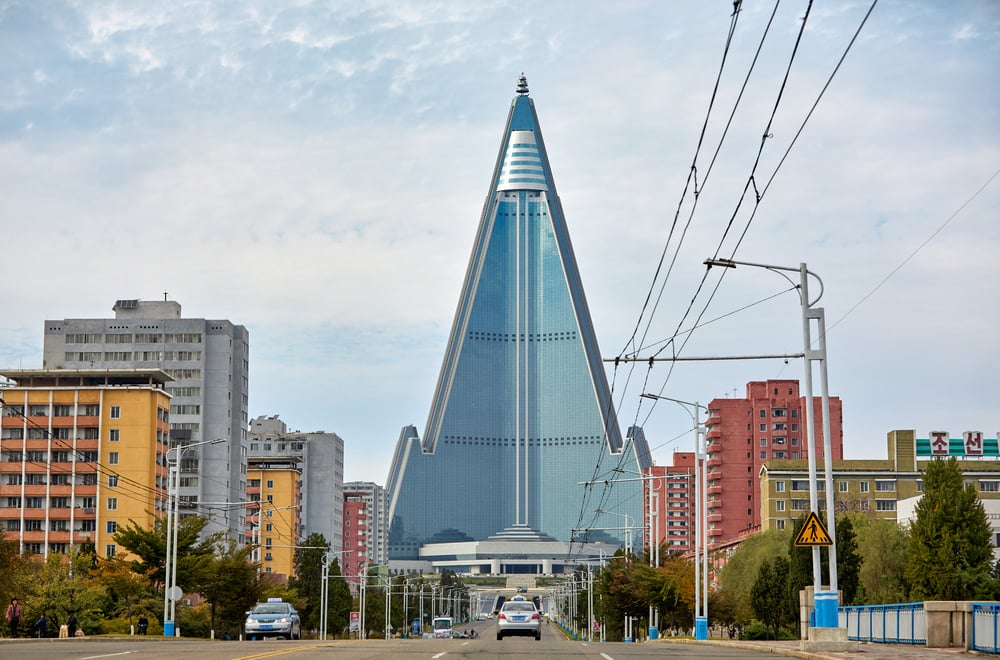
North Korea’s Ryugyong Hotel was supposed to demonstrate the superiority of the socialist system through the simple expedient of being really, really tall. Construction began in 1987 on what would be a 105-story pyramid in the heart of Pyongyang, designed to house 3,000 rooms and showcase North Korean architectural ambition to the world.
The project consumed an estimated 2% of North Korea’s entire GDP before construction stopped in 1992. For decades, the concrete shell dominated Pyongyang’s skyline like a massive gravestone, earning it the nickname “Hotel of Doom.”
Recent attempts to complete the exterior and add glass facades have made it look more finished, but the interior remains largely empty, and no guests have ever checked in to what was supposed to be a symbol of socialist achievement.
When Ambition Meets Gravity
These projects share something beyond their enormous price tags and current state of abandonment. They represent moments when human ambition overshot human capability—not because the technology didn’t exist, but because the social, economic, and political systems needed to sustain them never developed.
Building something revolutionary turns out to be easier than maintaining it, operating it, or convincing people to actually use it. The concrete cracks, the steel rusts, and the dreams that justified the initial investment fade into cautionary tales about the difference between what’s possible and what’s practical.
More from Go2Tutors!

- The Romanov Crown Jewels and Their Tragic Fate
- 13 Historical Mysteries That Science Still Can’t Solve
- Famous Hoaxes That Fooled the World for Years
- 15 Child Stars with Tragic Adult Lives
- 16 Famous Jewelry Pieces in History
Like Go2Tutors’s content? Follow us on MSN.



