13 Child Stars Who Gracefully Left the Spotlight
Growing up in the public eye isn’t easy. Every awkward phase gets documented, every mistake becomes tabloid fodder, and the pressure to maintain a carefully crafted image can be suffocating.
Yet some child stars manage to navigate this treacherous landscape with remarkable grace, choosing to step away from the spotlight before it consumes them. These young performers recognized that fame isn’t everything and that there’s life beyond the entertainment industry—a lesson that many adults struggle to learn.
Mara Wilson
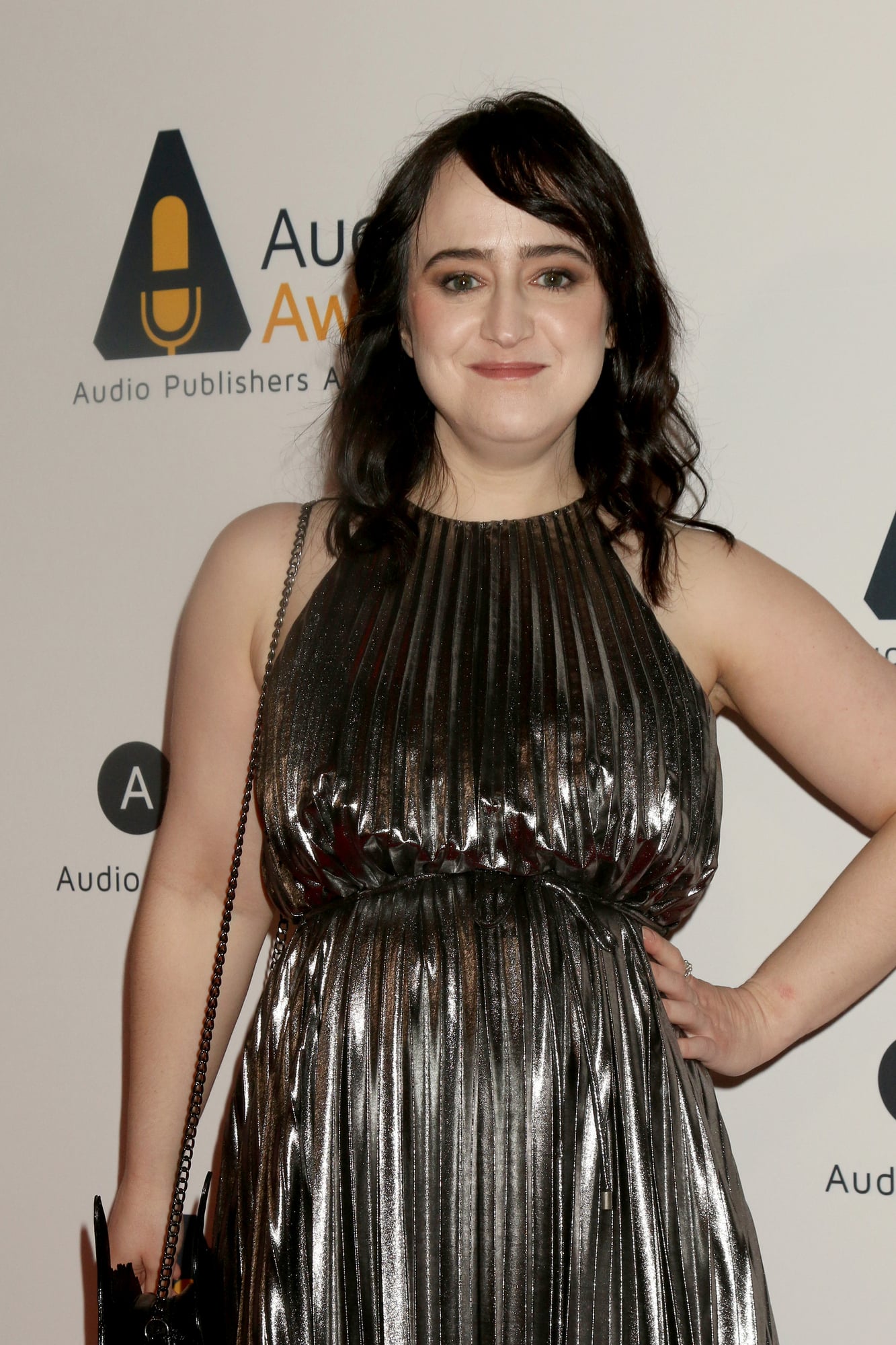
Mara Wilson walked away from acting after Matilda made her a household name. She was done with auditions, done with being recognized everywhere she went.
The decision came naturally. Child acting had stopped being fun, and she wasn’t about to force it.
She went to college, became a writer, and built a life that didn’t depend on other people’s approval.
Frankie Muniz
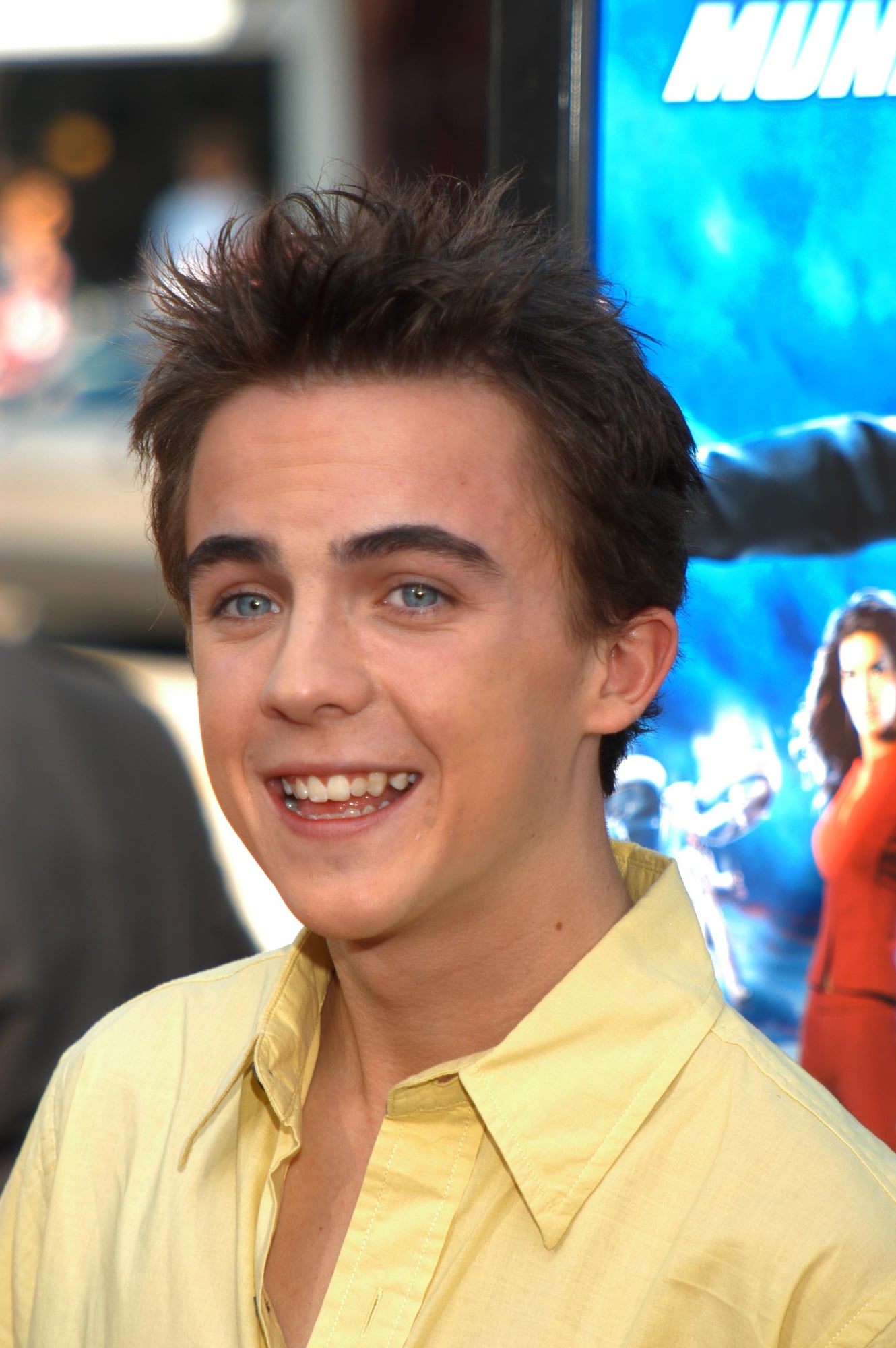
The thing about peak television fame (and Frankie Muniz experienced this during Malcolm in the Middle’s seven-season run) is that it creates an illusion of permanence that can be both comforting and dangerous—comforting because the work keeps coming and the paychecks keep arriving, dangerous because it makes you forget that all of it can disappear overnight, which is exactly what Muniz seemed to understand intuitively. But rather than clinging to that fame, he made a series of choices that surprised everyone: he stepped away from acting to pursue race car driving, then music, then business ventures that had nothing to do with entertainment.
He treated his childhood fame like a chapter in a book rather than the entire story. So when people ask what happened to him, the answer is simple: he kept living.
And that’s rarer than it sounds in a world where former child stars often spend decades trying to recapture something that was never meant to last forever.
Daniel Radcliffe
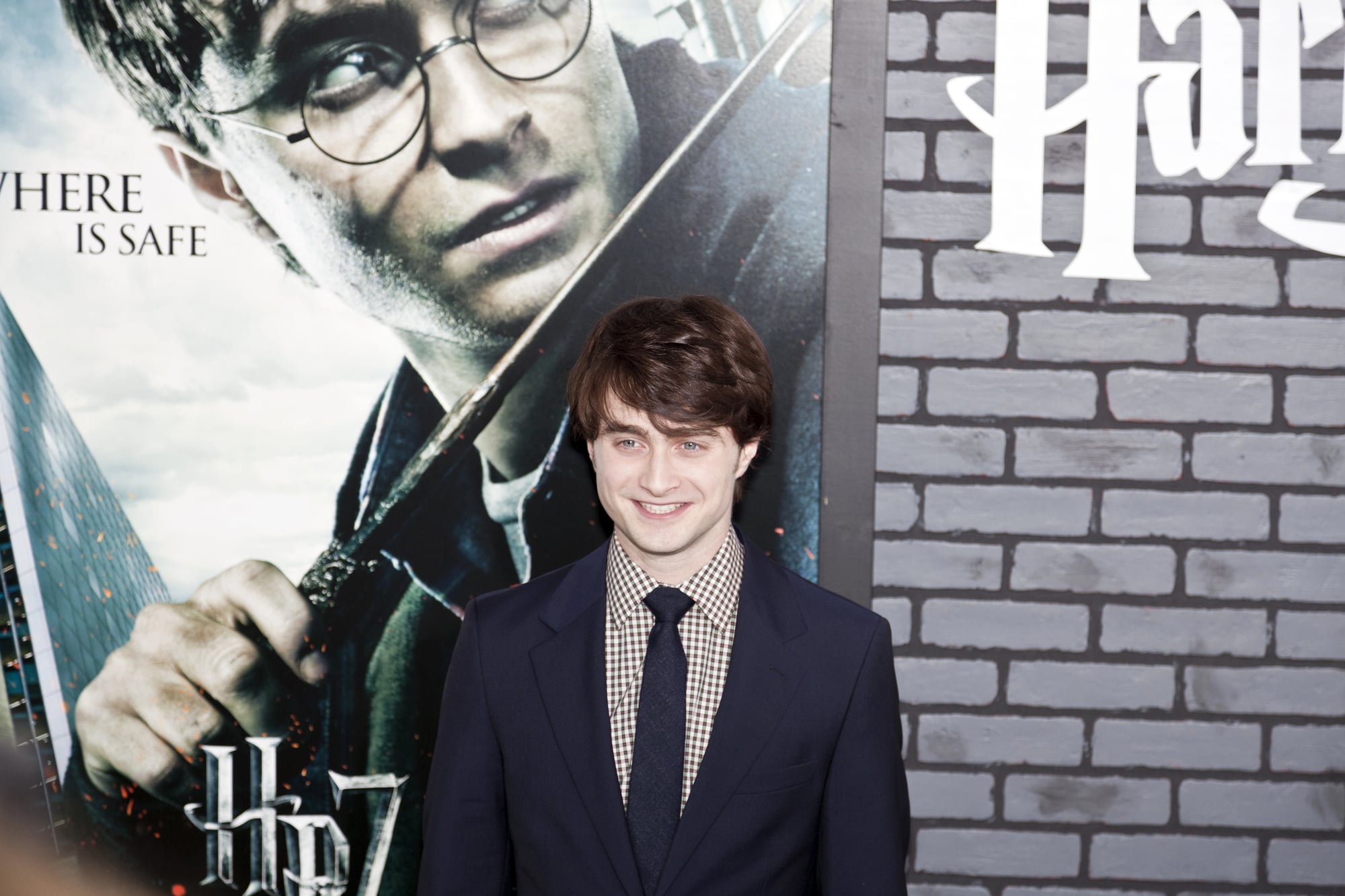
There’s something to be said for actors who understand the weight of their most famous role without being crushed by it. Daniel Radcliffe spent a decade as Harry Potter, watching his face become synonymous with one of the most beloved characters in modern literature, yet he never seemed to mistake himself for the character he played.
When the films ended, he didn’t retreat—he simply chose his next moves with the deliberate care of someone who values craft over celebrity. His post-Potter career reads like a deliberate rejection of safe choices.
Weird off-Broadway plays, strange independent films, projects that feel more like artistic experiments than career moves. It’s the approach of someone who learned early that being famous and being fulfilled aren’t the same thing.
Anna Chlumsky
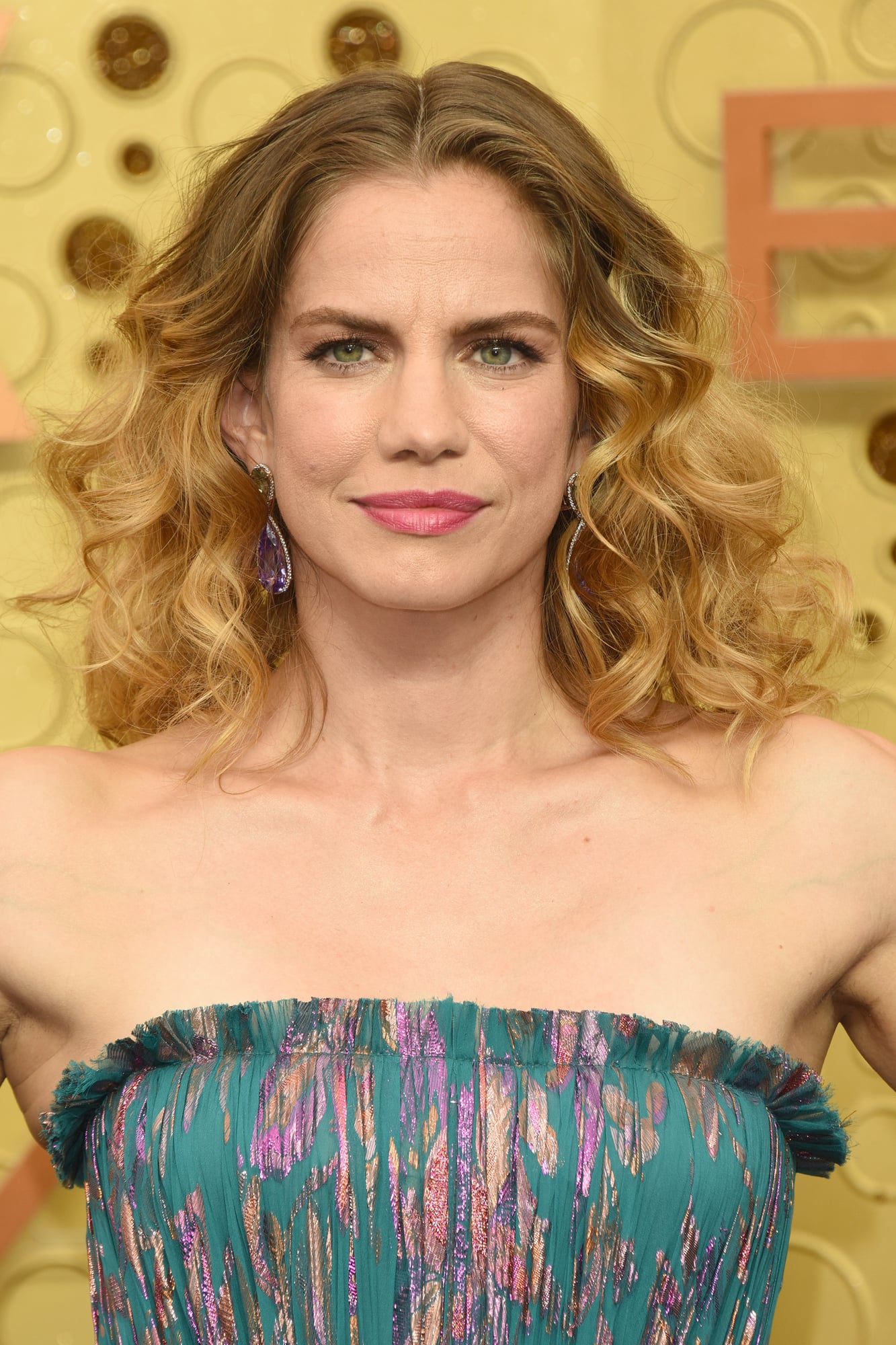
Anna Chlumsky understood something that most people don’t: there’s no shame in being known for something you did as a kid if you don’t let it define everything you do as an adult. After My Girl made her famous, she disappeared from Hollywood entirely.
College, real life, figuring out who she was when nobody was watching. The smart move, as it turned out.
When she returned to acting years later, she came back on her own terms. Veep proved she could act as an adult without trading on childhood nostalgia.
Which is saying something in an industry that loves a comeback story more than it loves letting people grow up quietly.
Jonathan Lipnicki
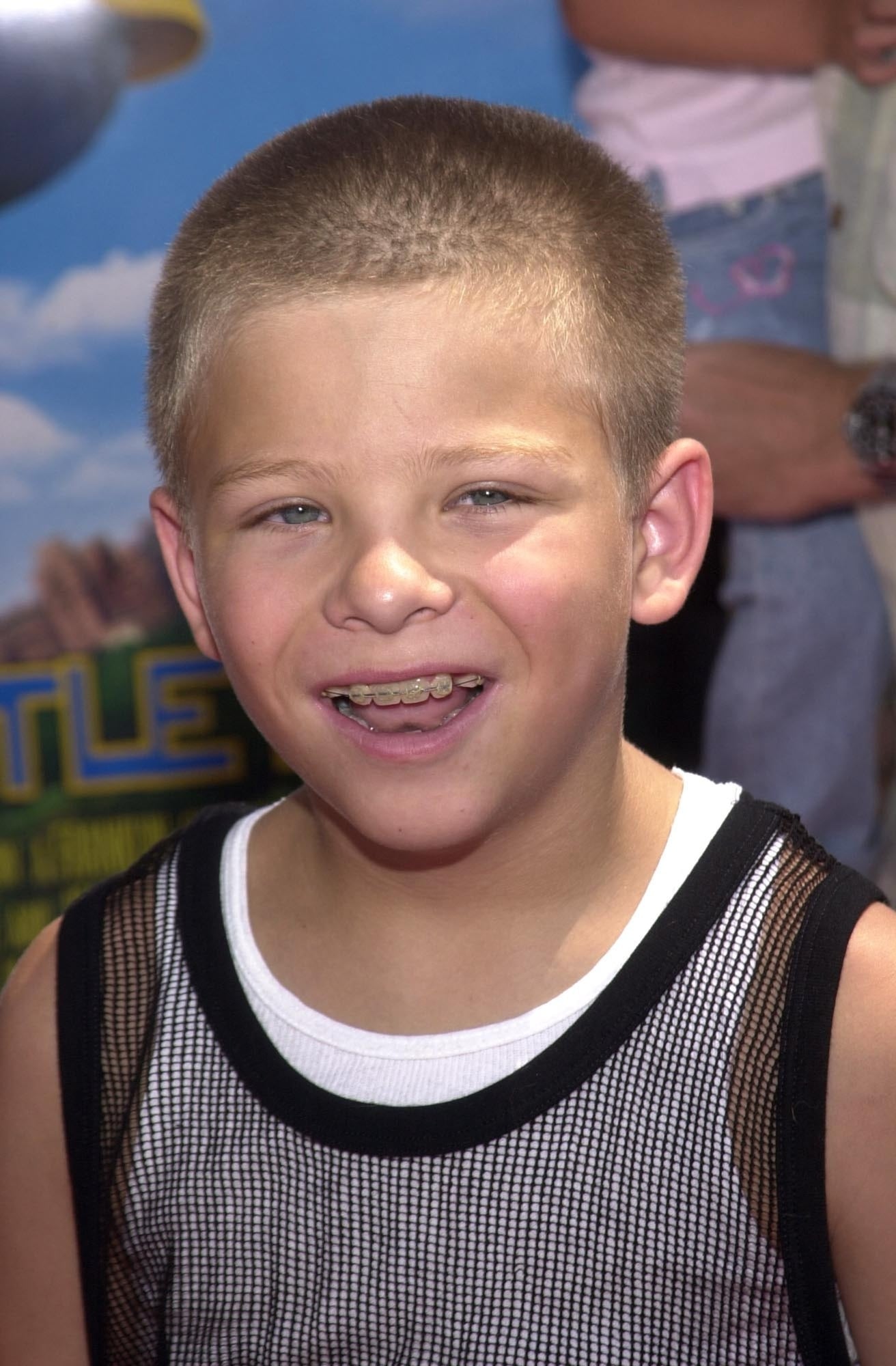
Jonathan Lipnicki’s kid with the oversized glasses grew up to be someone who understood the difference between being famous and being happy. Lipnicki stepped away from the spotlight during his teenage years, recognizing that child stardom often comes with a shelf life that nobody talks about until it’s too late.
He kept acting, but on a smaller scale—independent films, projects that interested him rather than ones designed to maintain his celebrity status. The transition from “show me the money” kid to working adult actor happened quietly, without fanfare or desperate attempts to recreate past success.
That kind of graceful evolution takes self-awareness that most people twice his age haven’t developed.
Danica McKellar
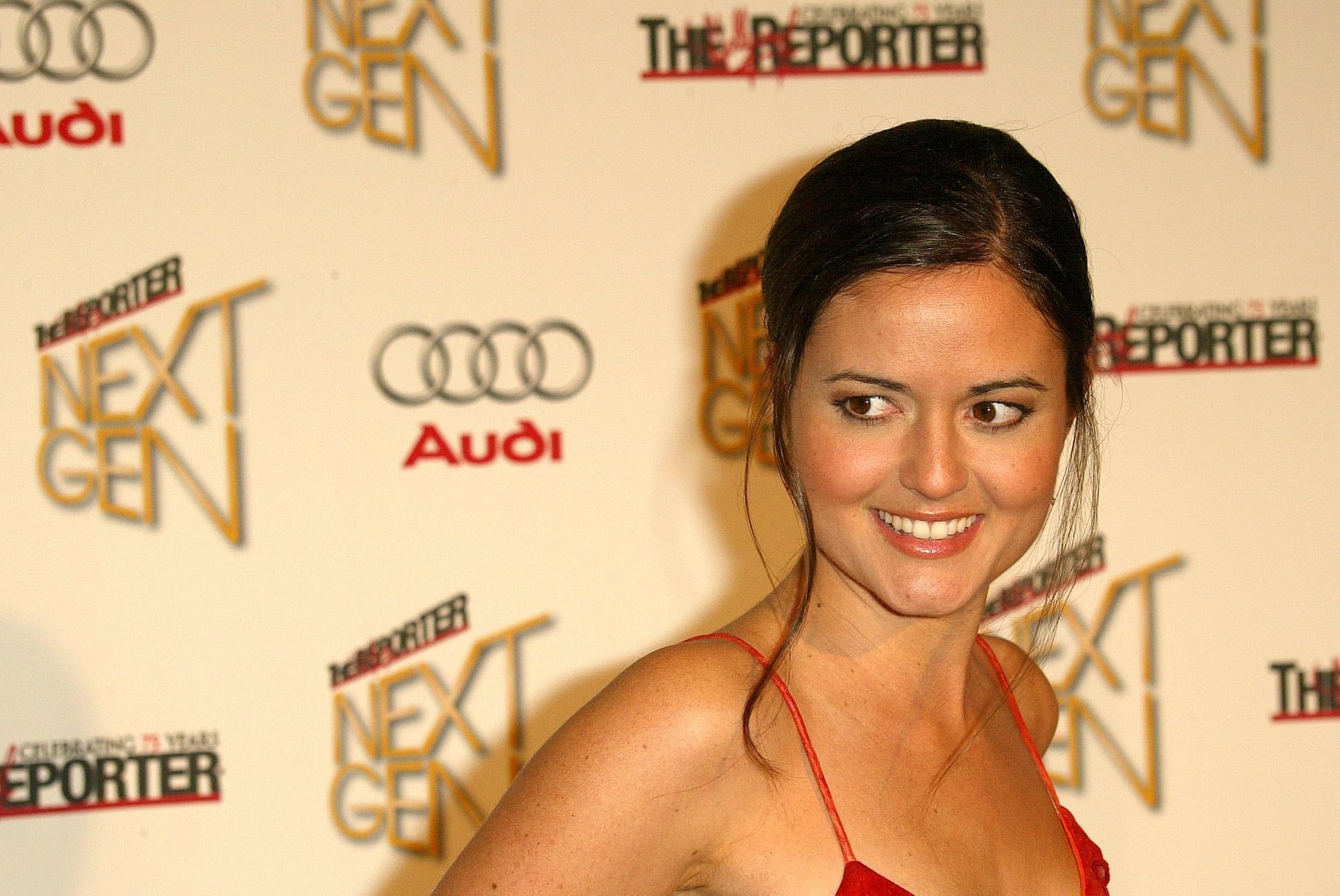
Mathematics became Danica McKellar’s second act, though calling it a “second act” undersells how deliberately she crafted this transition. After The Wonder Years ended, she could have chased similar roles or tried to reinvent herself as a different kind of performer—instead, she went to UCLA, studied math, and eventually became an author of books that make mathematics accessible to young people, particularly girls who might otherwise be intimidated by the subject.
There’s something quietly revolutionary about using childhood fame as a platform for education rather than more entertainment. She turned her recognizable face into a tool for teaching, which feels like the kind of long-term thinking that most child stars never get the chance to develop.
Her story suggests that sometimes the best way to handle early fame is to use it in service of something larger than yourself.
Peter Ostrum
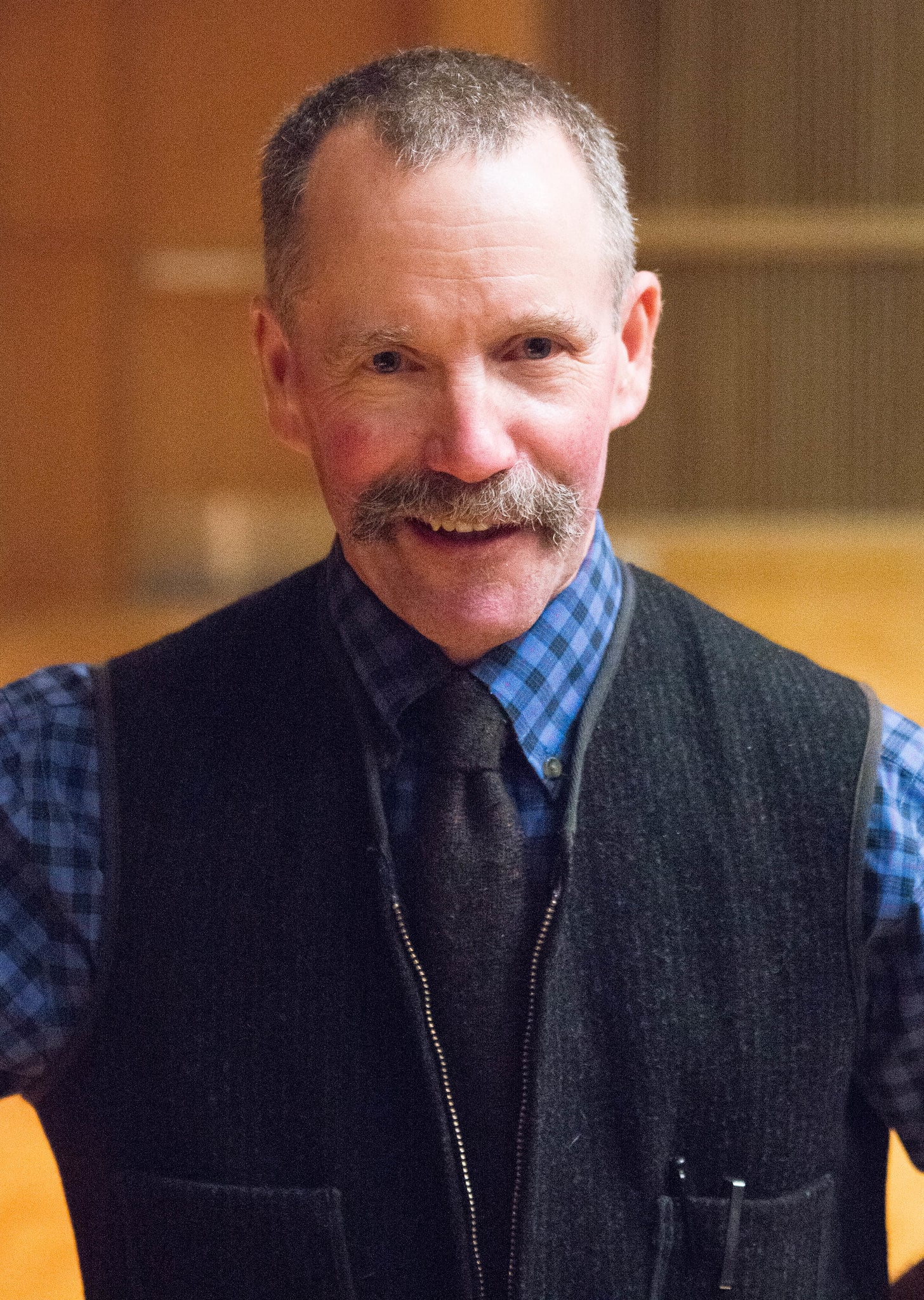
Imagine landing the lead role in Willy Wonka & the Chocolate Factory and then deciding that acting isn’t for you. Most people would call that insane—Peter Ostrum called it Tuesday and went on with his life.
He became a veterinarian instead, which feels like the kind of practical decision that only makes sense if you never bought into the idea that Hollywood success was the ultimate goal. His post-Wonka life reads like a deliberate rejection of everything that movie represented: the excess, the fantasy, the idea that fame equals fulfillment.
He chose animals over audiences, small-town practice over red carpets. Decades later, he seems genuinely content with that choice, which might be the most remarkable thing of all.
How many people can say they walked away from potential stardom and never looked back?
Danny Lloyd
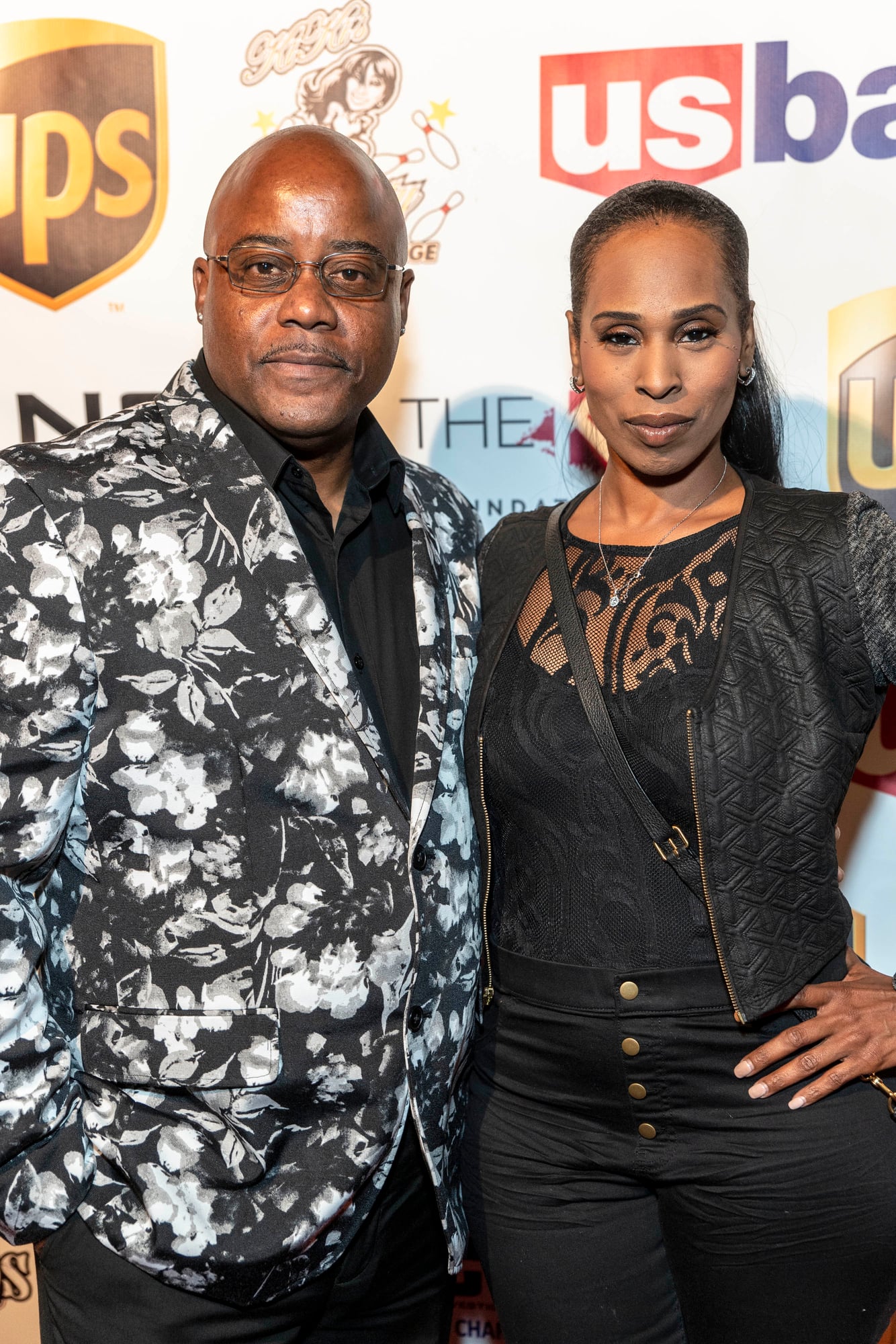
The child actor from The Shining carries the distinction of being part of one of horror’s most iconic films while maintaining almost complete distance from the industry that created it. Danny Lloyd’s experience on Stanley Kubrick’s set was famously sheltered—he didn’t even understand he was making a horror movie—and perhaps that early protection instilled in him a healthy skepticism about Hollywood’s promises.
He became a professor, teaching biology at a community college in Kentucky. There’s something beautifully ordinary about that choice, especially for someone whose face is frozen in cinematic history as part of one of film’s most unsettling masterpieces.
His story suggests that sometimes the healthiest response to early fame is simply to choose a completely different path, one where your past becomes an interesting footnote rather than the defining fact of your existence.
Jake Lloyd
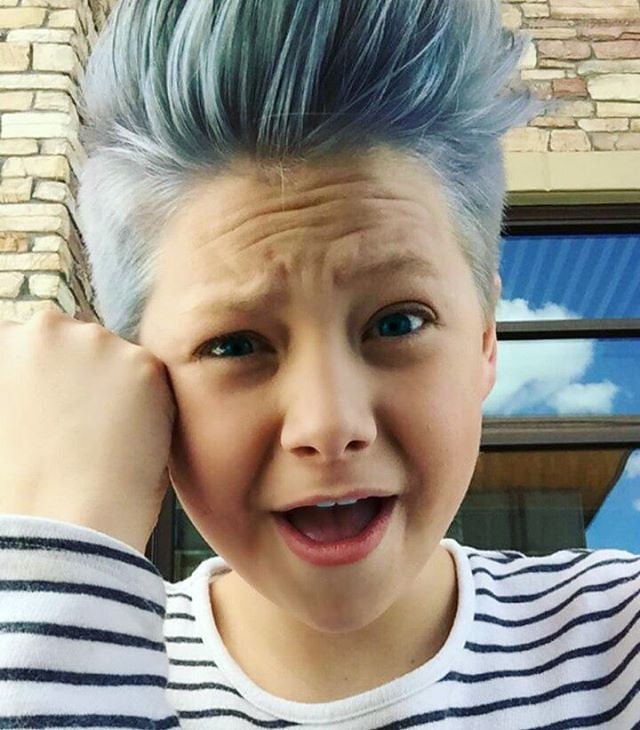
Jake Lloyd’s departure from acting after Star Wars: Episode I – The Phantom Menace wasn’t entirely voluntary—the backlash from fans was brutal, and the pressure unbearable for a child. But his decision to step away completely, rather than trying to weather the storm or prove himself worthy of the role, showed a kind of self-preservation instinct that served him better than continuing to fight for public approval ever could have.
His story is a reminder that sometimes walking away isn’t about lacking resilience—it’s about recognizing when a situation has become toxic and choosing your mental health over public expectations. The Star Wars fan base eventually came around to appreciating the prequel trilogy, but Lloyd had already moved on to a life that didn’t require their approval.
Shirley Temple
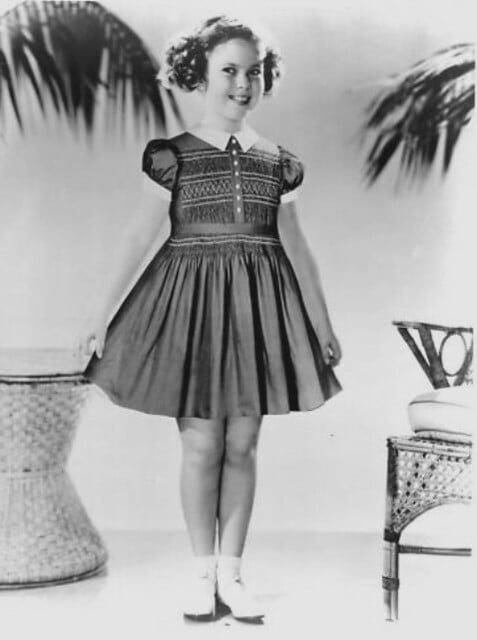
Shirley Temple’s transition from child star to diplomat represents perhaps the most dramatic career pivot in entertainment history. After dominating Hollywood as a child, she simply stopped performing and built an entirely new life in public service, eventually becoming a U.S. ambassador.
The move from tap dancing to international relations seems impossible until you consider the skills required for both: charm, timing, and the ability to perform under pressure. Her later career suggests that childhood fame, rather than being a trap, can actually be preparation for other kinds of public service—if you’re smart enough to recognize the transferable skills and confident enough to apply them elsewhere.
She proved that being famous as a child doesn’t have to mean spending your adult life trying to recapture that early success.
Macaulay Culkin
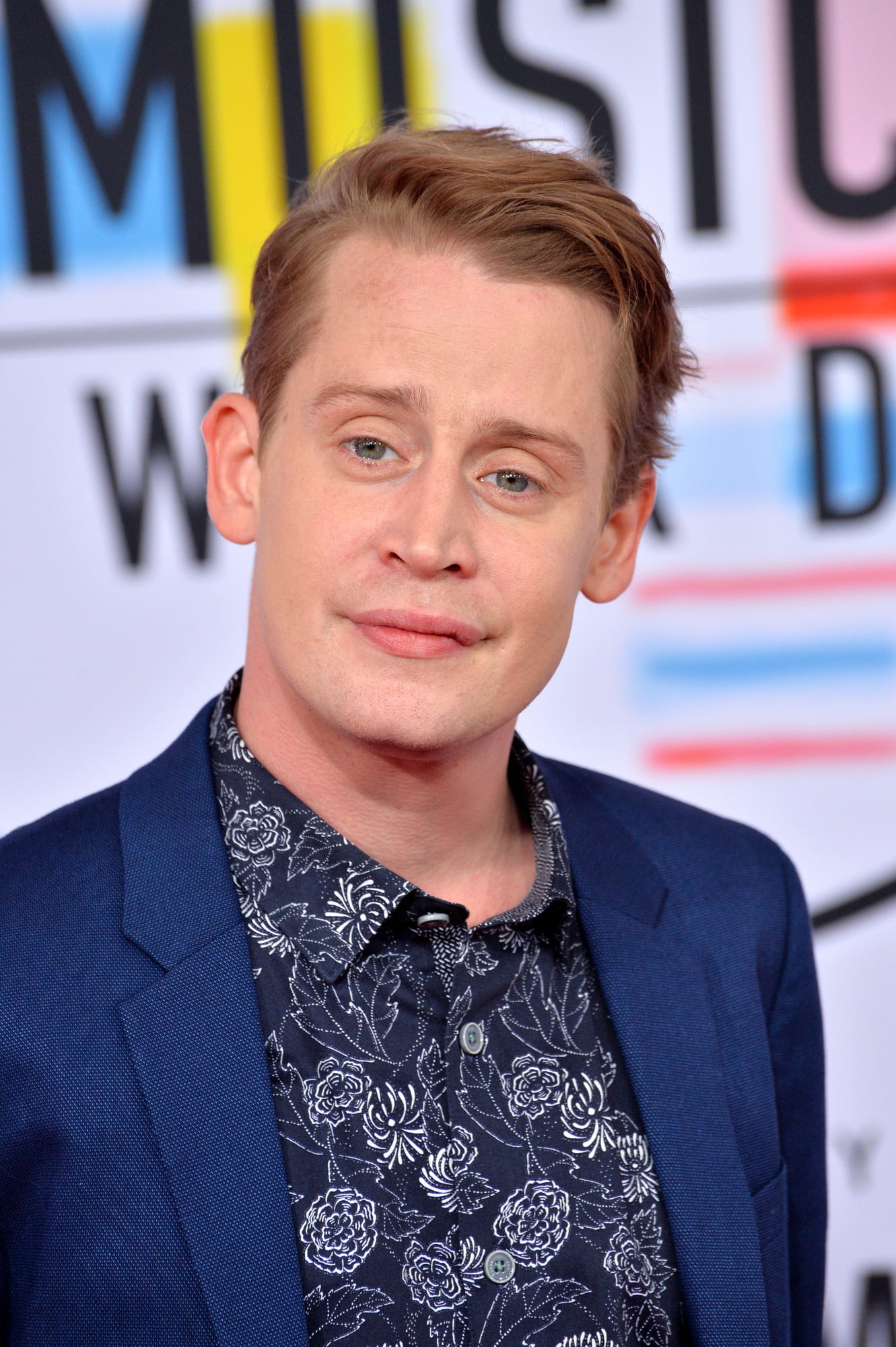
Macaulay Culkin’s relationship with fame has always been complicated, but his decision to step back from mainstream Hollywood during his teenage years was probably the smartest career move he ever made. Instead of trying to transition directly from child star to adult actor—a notoriously difficult leap—he took time to figure out who he was when nobody was watching.
His return to public life has been entirely on his own terms: podcasts, independent projects, appearances that feel more like personal choices than career obligations. He seems to understand that the key to surviving childhood fame is refusing to let it define your entire identity.
Which, frankly, is a lesson that plenty of adult celebrities could stand to learn.
Anna Paquin
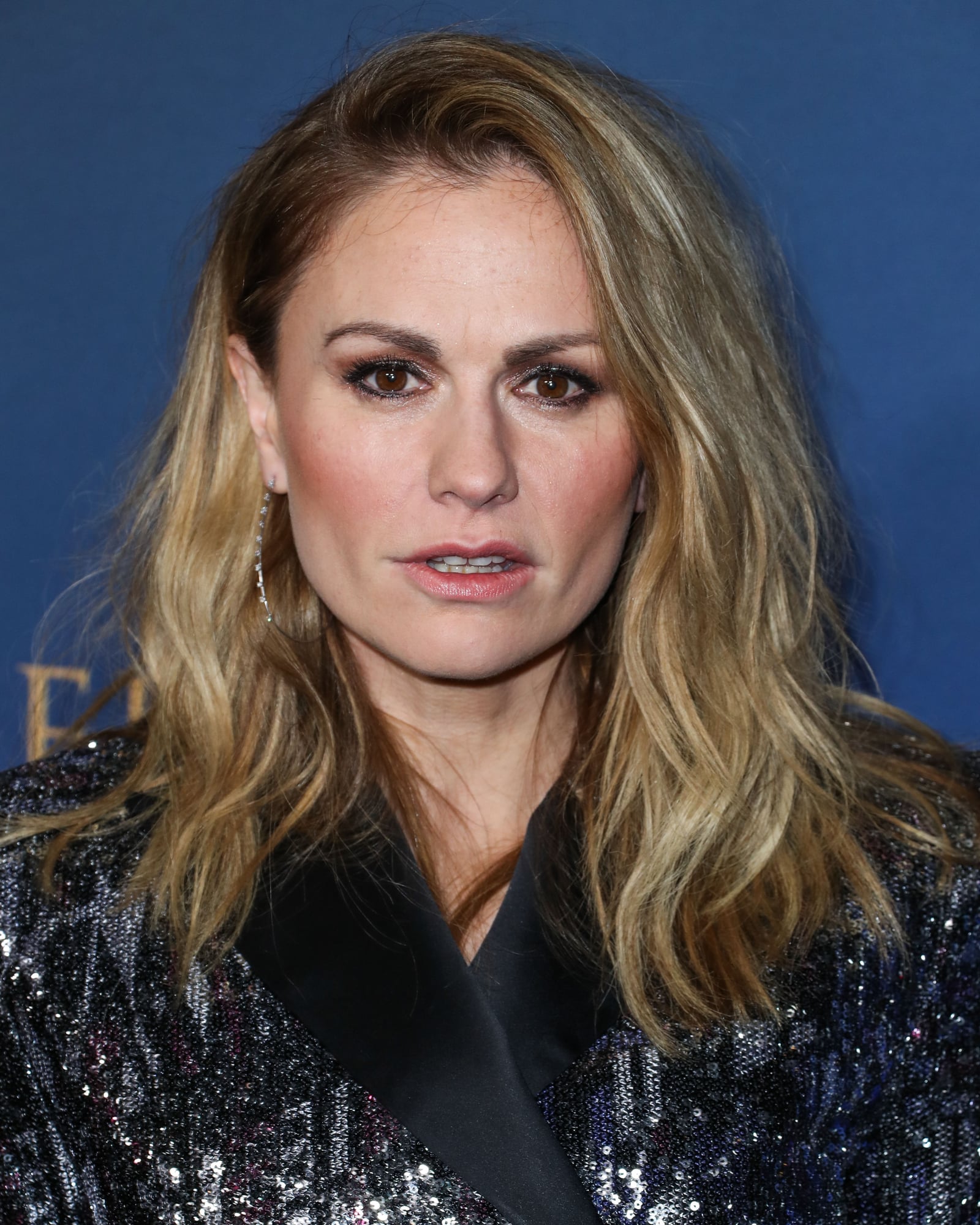
Winning an Oscar at age eleven could have been the beginning of a very different story—one where the pressure to live up to that early recognition overshadowed everything that came after. Instead, Anna Paquin used her The Piano success as a foundation rather than a peak, choosing roles that interested her rather than ones designed to recapture that initial acclaim.
Her career has been notably free of the desperate reaching that characterizes many former child stars. She works steadily, picks interesting projects, and seems genuinely unbothered by whether her current roles measure up to her childhood achievement.
That kind of perspective—treating an Oscar as a starting point rather than the defining moment of your career—requires remarkable emotional maturity.
Tina Majorino
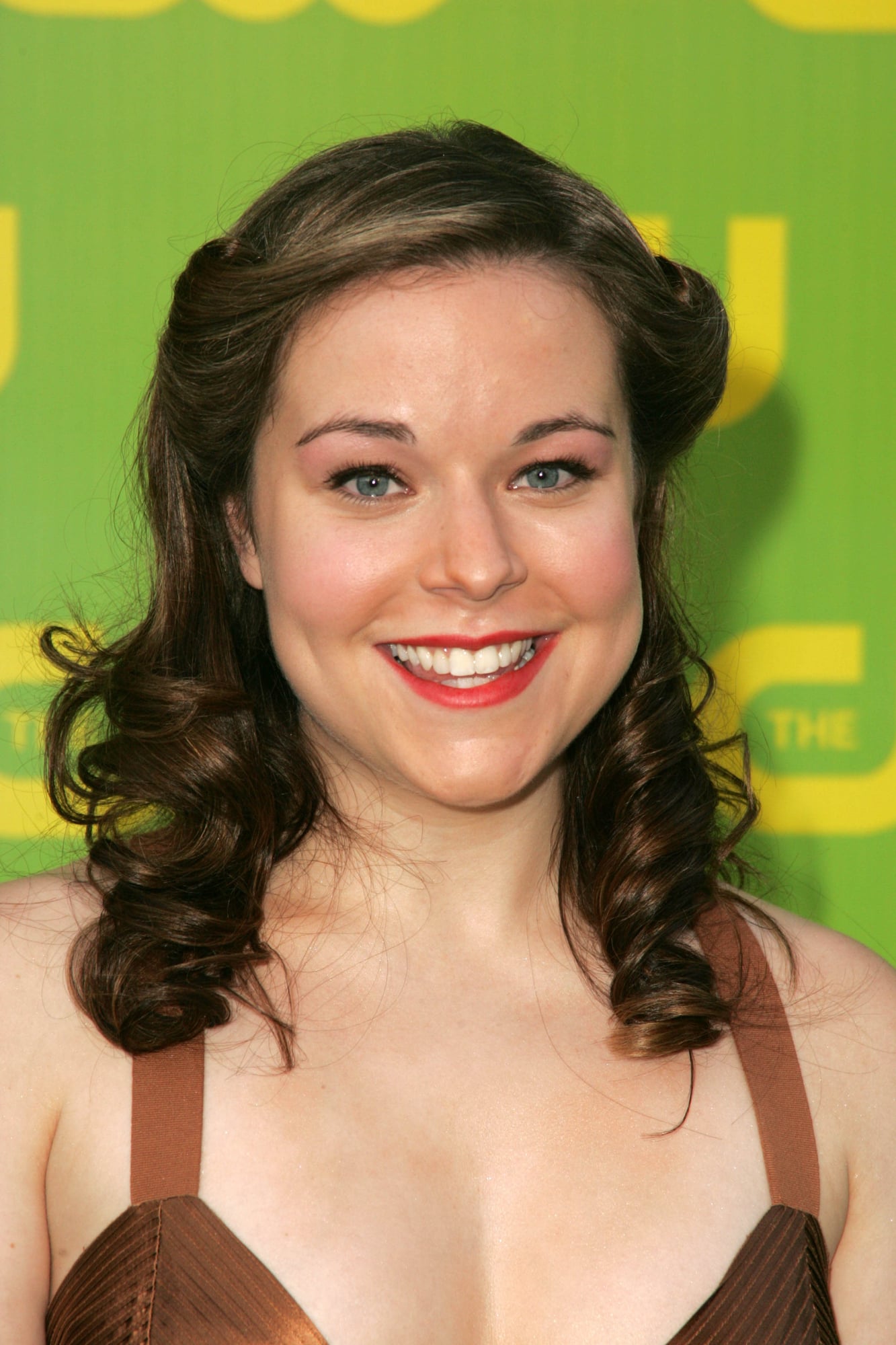
After establishing herself as a reliable child actor in films like Waterworld and When a Man Loves a Woman, Tina Majorino made the unusual choice to step away from acting entirely during her teenage years. She returned to regular high school, experienced something approaching a normal adolescence, and only came back to Hollywood as an adult when she felt ready to handle it on her own terms.
Her adult career has been marked by solid character work in projects like Veronica Mars and Big Love—roles that showcase her talent without trading on childhood nostalgia. The gap between her child and adult careers seems to have given her exactly what she needed: perspective, maturity, and the confidence to choose projects based on merit rather than desperation.
Where Wisdom Meets Youth

The real story here isn’t about children who couldn’t handle fame—it’s about young people who understood something that many adults never learn: that walking away from the wrong thing is often the first step toward finding the right thing. These former child stars recognized that fame is a tool, not a destination, and that the skills you develop as a young performer can serve you well in completely different fields.
Their grace lies not in how they handled the spotlight, but in how confidently they stepped out of it when the time was right.
More from Go2Tutors!

- The Romanov Crown Jewels and Their Tragic Fate
- 13 Historical Mysteries That Science Still Can’t Solve
- Famous Hoaxes That Fooled the World for Years
- 15 Child Stars with Tragic Adult Lives
- 16 Famous Jewelry Pieces in History
Like Go2Tutors’s content? Follow us on MSN.