15 Longest Dynasties in History
Throughout human civilization, certain royal families managed to maintain their grip on power for centuries — sometimes even millennia. These dynasties weathered wars, revolutions, and economic upheavals while keeping their bloodlines on thrones.
Their survival often depended on adaptability, strategic marriages, military prowess, though sometimes it came down to plain luck.Some of these ruling families still exist today, while others fell to modern political changes or conquest. Here’s a list of 15 of the longest-lasting dynasties that shaped world history.
Imperial House of Japan

Traditionally dating back to 660 BCE, the Imperial House of Japan has ruled for more than 2,600 years, making it the oldest continuous monarchy in the world. The imperial house, also referred to as the Yamato Dynasty, has recognized 126 emperors, starting with Emperor Jimmu and ending with the current one, Naruhito.
Its profound ties to Shinto religion and Japanese culture—where emperors were traditionally seen as divine descendants of the sun goddess Amaterasu—are the reason for its extraordinary longevity.
Zhou Dynasty
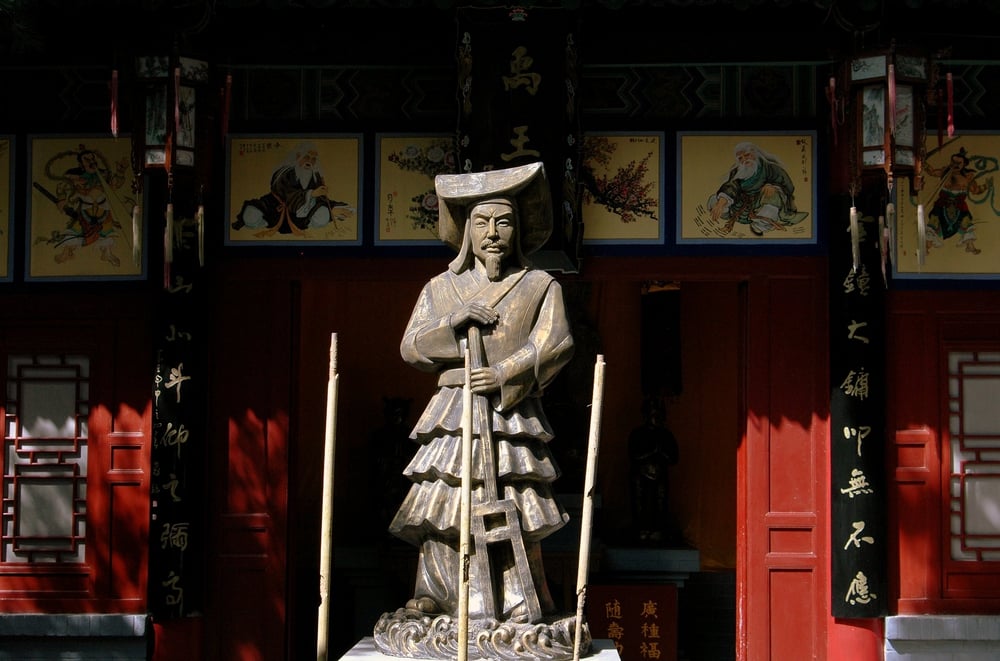
The Zhou Dynasty was the longest-reigning dynasty in China, ruling for 790 years, from 1046 BC to 256 BCE. Western Zhou (1046-771 BC) and Eastern Zhou (771-256 BC) were the two periods that made up the dynasty.
The Mandate of Heaven, which the Zhou introduced as a justification for their rule, served as a pillar of Chinese political philosophy for centuries.
Ethiopian Imperial Dynasty
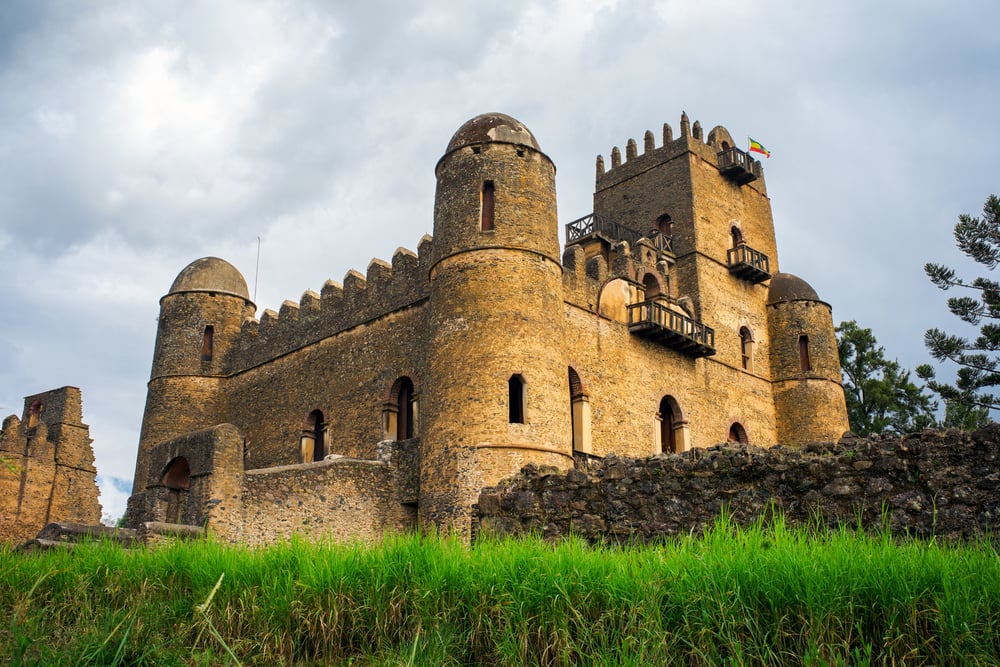
The Ethiopian Empire maintained various imperial dynasties for over 700 years from approximately 1270 to 1974. Also known as the Abyssinian Empire, the Solomonic dynasty claimed descent from the biblical King Solomon and the Queen of Sheba — giving them religious legitimacy.
This empire survived Italian occupation and remained one of only two African nations never fully colonized by European powers.
Ottoman Dynasty
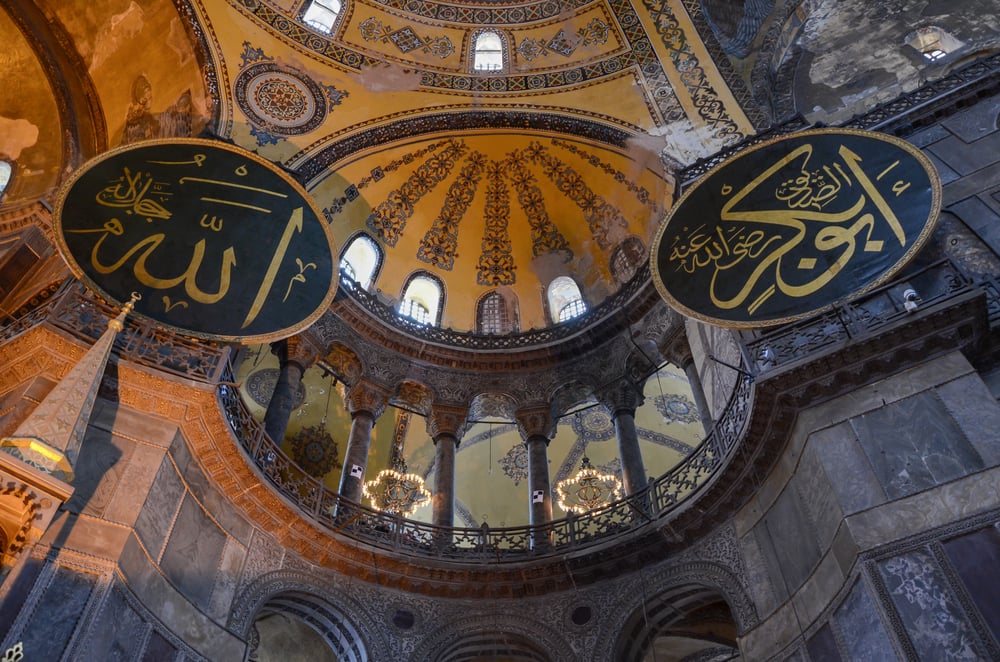
The Ottoman Dynasty ruled the vast Ottoman Empire for over 600 years, from around 1299 to 1922. The Ottomans expanded from a small Turkish principality to control territories spanning three continents — including much of Southeast Europe, Western Asia, and North Africa.
Their longevity came from their flexible administrative system and ability to incorporate diverse cultures and religions into their empire.
Pandyan Dynasty
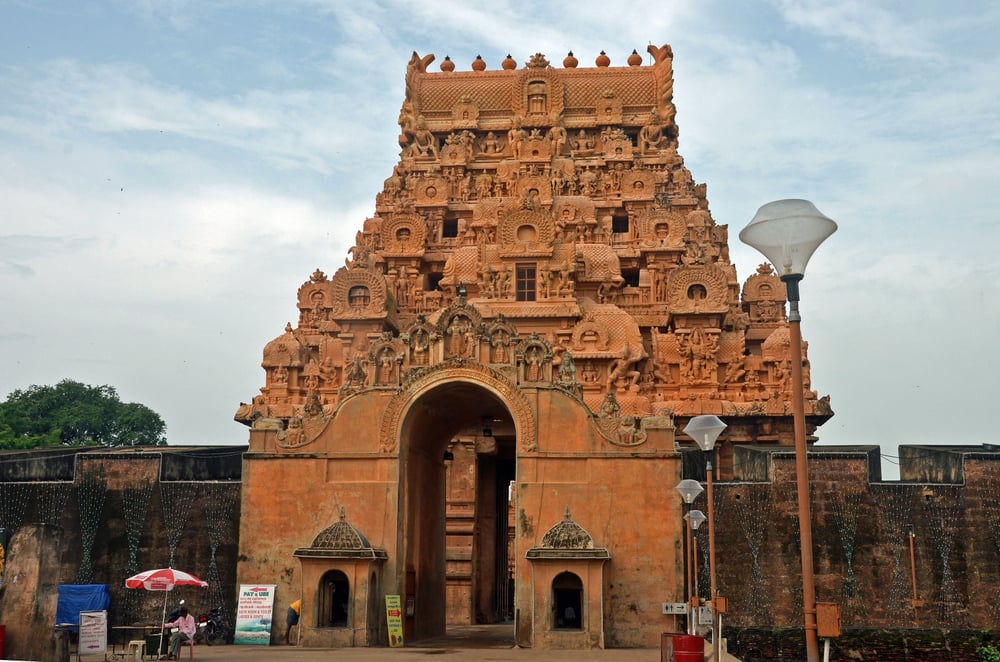
The Pandyan Dynasty ruled southern India for approximately 1,850 years — from about 500 BC to 1350 AD. The empire dominated trade and agriculture, with numerous fisheries and rich pearl beds making it extremely wealthy.
Their control of important trade routes between India and the Mediterranean contributed significantly to their long-term stability.
Chola Dynasty
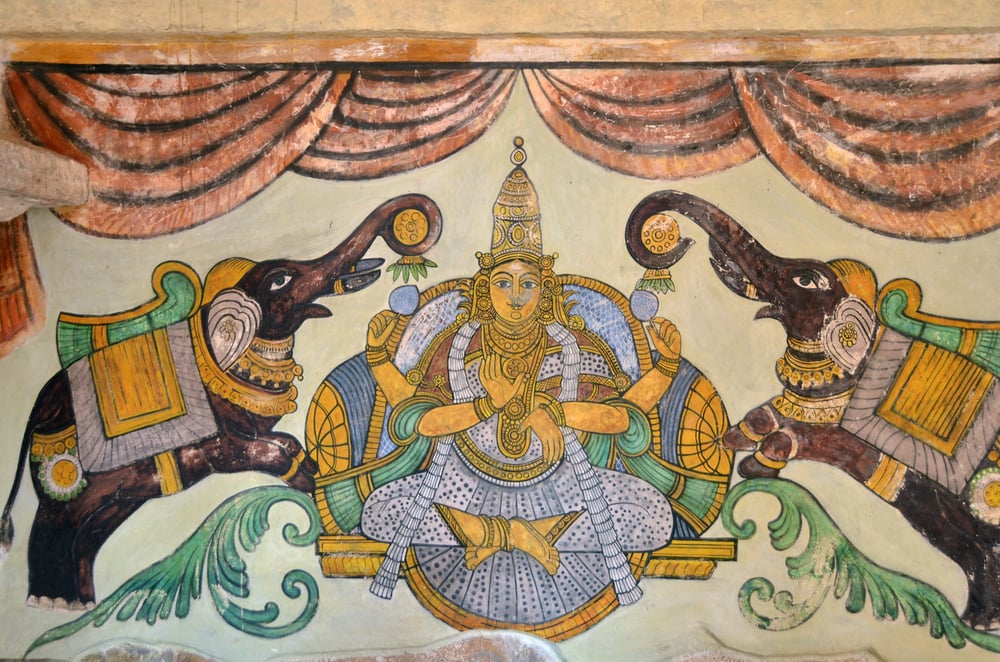
The Chola Empire spanned 1,580 years, from 301 BC to 1279 AD — originating in modern-day southern India. South Indian Tamil kings led the Chola Dynasty, with their political influence stretching from present-day Kanchipuram across much of South and Southeast Asia.
The Cholas were remarkable naval powers — establishing trade networks and even conquering parts of Sri Lanka and Southeast Asia.
Capetian Dynasty

The Capetian Dynasty ruled France for over 800 years, from 987 to 1792 and again from 1814 to 1848. Starting with Hugh Capet, this dynasty included the direct Capetians — plus the House of Valois and the House of Bourbon.
Their success came from gradually centralizing power, strategic marriages, and adapting to changing political circumstances while maintaining their royal legitimacy.
House of Plantagenet

The Plantagenet dynasty controlled England for over 300 years — from 1154 to 1485. This Anglo-French royal house included famous monarchs like Henry II, Richard the Lionheart, and Edward III.
Despite internal conflicts such as the Wars of the Roses — the dynasty managed to establish many of England’s fundamental legal and governmental institutions that lasted long after their rule ended.
Julio-Claudian Dynasty

The first Roman imperial dynasty lasted for nearly a century, from 27 BC to 68 AD, founded by Augustus Caesar. This dynasty included notable emperors like Tiberius, Caligula, Claudius, and Nero — though it was relatively short compared to others on this list.
Their influence was enormous, establishing the template for Roman imperial rule and shaping European civilization for centuries.
Carolingian Dynasty
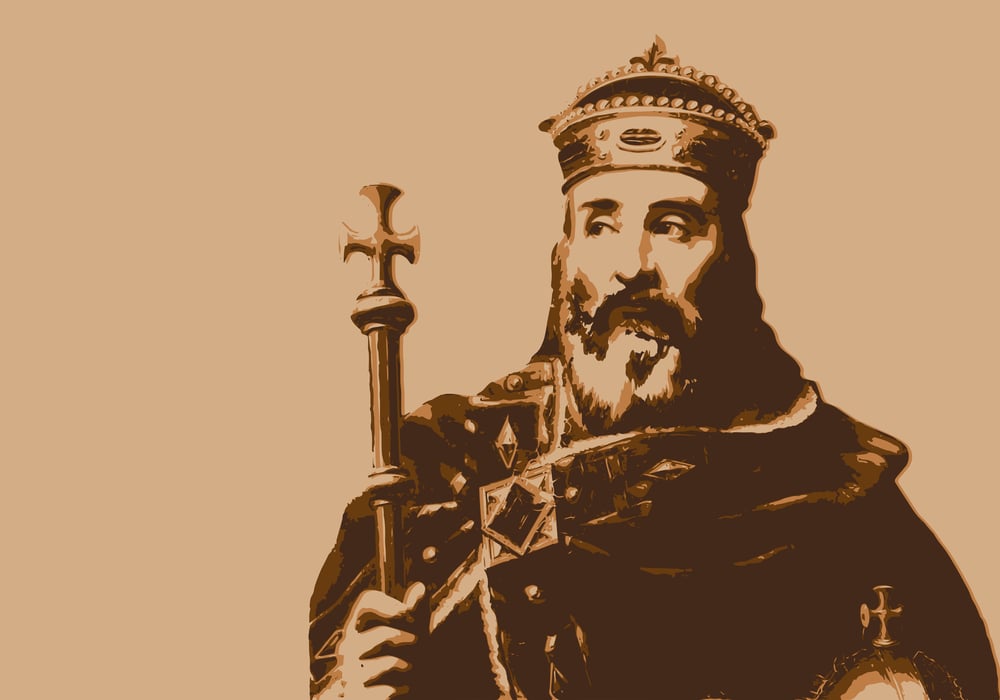
The Carolingian Dynasty ruled the Frankish Empire for about 250 years — from roughly 750 to 987 AD — and later controlled the Holy Roman Empire. Charlemagne, their most famous ruler, was crowned Holy Roman Emperor in 800 AD and became known as the ‘Father of Europe.’
The dynasty’s legacy includes the foundation of medieval European political structures — plus the preservation of classical learning during the Dark Ages.
Umayyad Dynasty
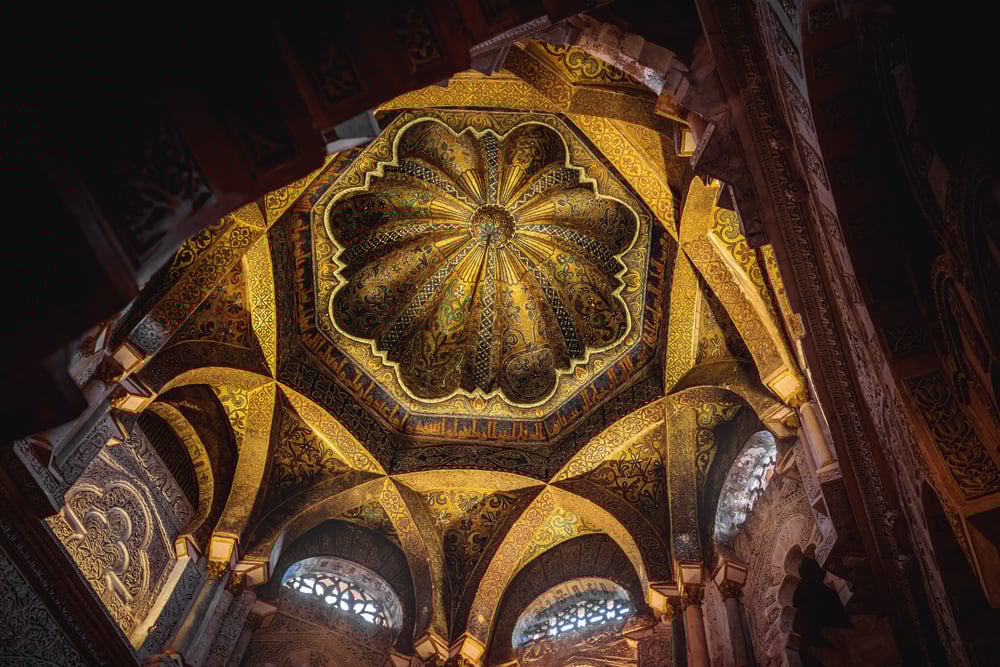
The Umayyad Dynasty ruled the Islamic Caliphate for nearly 90 years, from 661 to 750 AD, yet continued ruling in Iberia until 1031. At its peak, the Umayyad Caliphate was one of the largest empires in history, stretching from Spain to Central Asia.
Their administrative innovations and cultural patronage helped establish many foundations of Islamic civilization.
Abbasid Dynasty
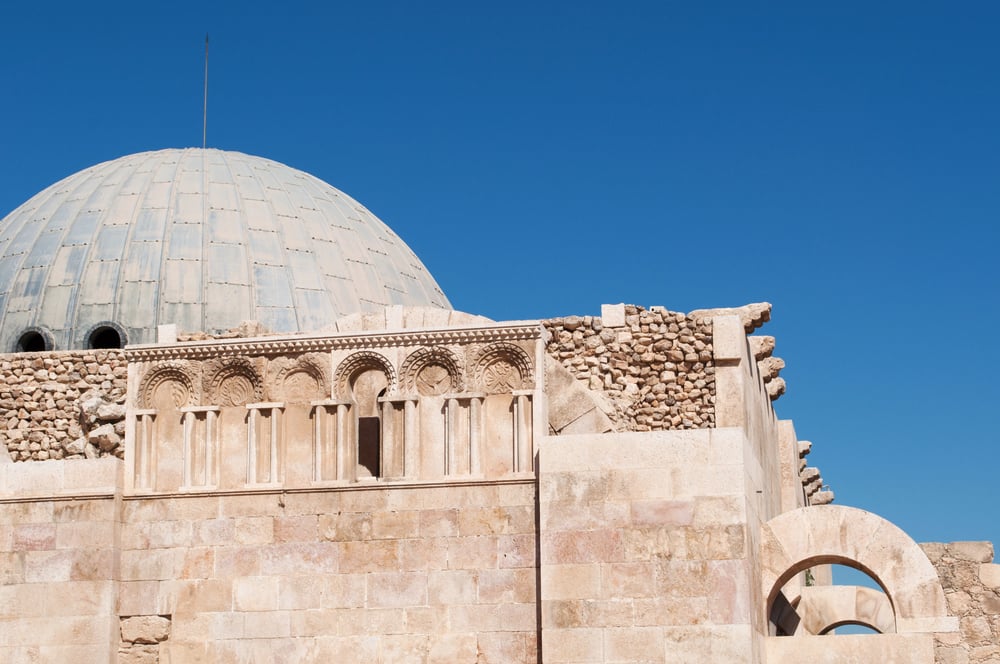
The Abbasid Dynasty controlled the Islamic Caliphate for over 500 years, from 750 to 1258 AD, with nominal authority continuing until 1517. Based in Baghdad, they presided over the Islamic Golden Age, fostering tremendous advances in science, mathematics, medicine, and philosophy.
The dynasty’s emphasis on learning and culture made Baghdad one of the world’s great intellectual centers.
Fatimid Dynasty
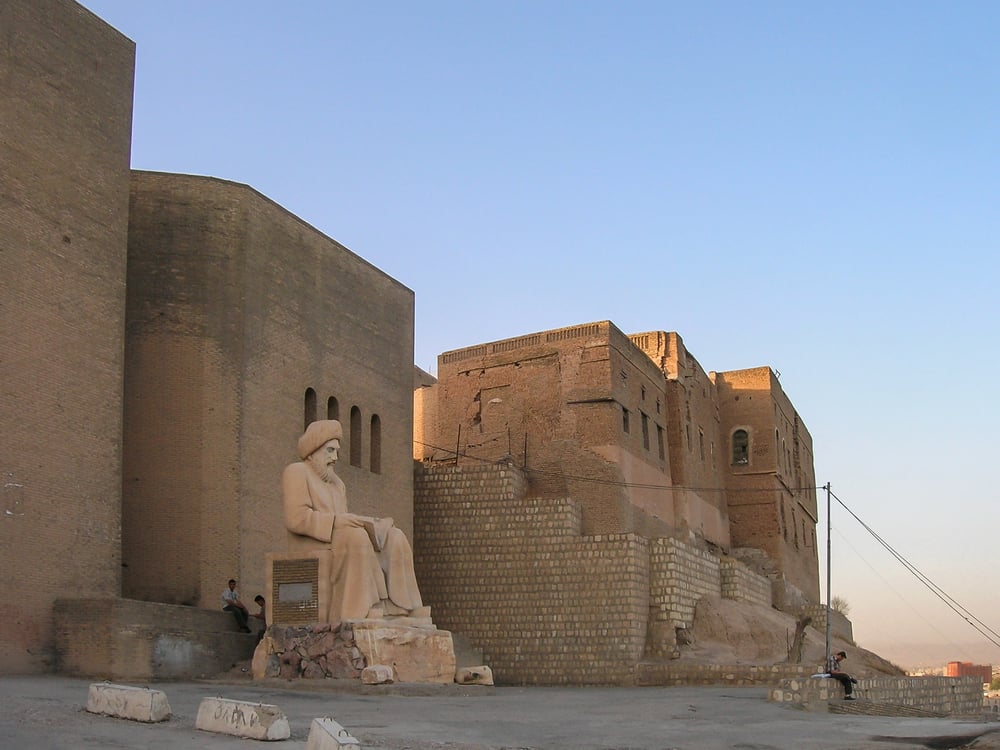
The Fatimid Dynasty ruled North Africa and later Egypt for about 270 years, from 909 to 1171 AD. This Ismaili Shia dynasty claimed descent from Fatimah, the daughter of Prophet Muhammad, which gave them religious authority among their followers.
They established Cairo as their capital and built Al-Azhar University, which remains one of the Islamic world’s most prestigious institutions today.
Ayyubid Dynasty

Saladin established the Ayyubid Dynasty, which ruled over Egypt and Syria for approximately 80 years, from 1171 to 1250 AD. This Kurdish dynasty, despite being shorter than many others, was very important to Middle Eastern politics and the Crusades.
Saladin became a legendary figure in both Islamic and Western traditions due to his chivalric reputation and his recapture of Jerusalem.
Mamluk Dynasty

Although they weren’t a conventional hereditary dynasty, the Mamluk Sultanate ruled Egypt and Syria for roughly 250 years, from 1250 to 1517 AD. Rather, they were enslaved soldiers who rose to power.
They successfully repelled Mongol invasions and crusader states while sustaining thriving trade networks under their unusual system of governance, which proved remarkably stable and effective.
The enduring legacy of power
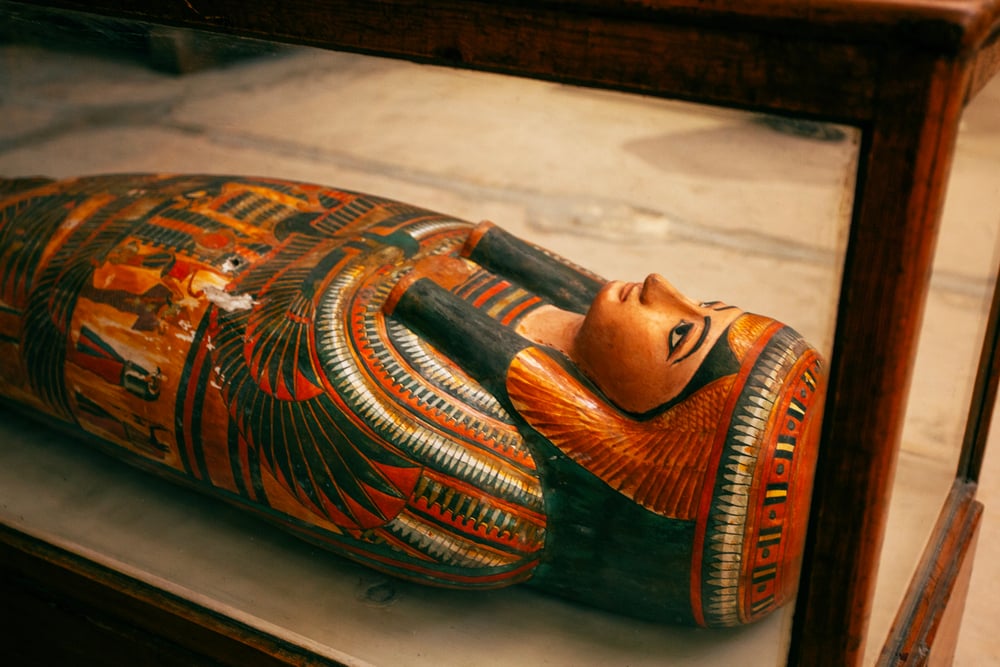
These dynastic rulers shaped entire civilizations through their centuries of continuous rule. They left behind legal systems, cultural traditions, and architectural marvels that still influence our world.
From Japan’s unbroken imperial line to the rise and fall of Islamic caliphates, these families demonstrated that political longevity requires more than just military might. The most successful dynasties adapted to changing times while maintaining the core elements that legitimized their rule, whether through religious authority, cultural integration, or administrative effectiveness.
Their stories remind us that even the mightiest empires are temporary, yet their contributions to human civilization can echo through millennia.
More from Go2Tutors!

- The Romanov Crown Jewels and Their Tragic Fate
- 13 Historical Mysteries That Science Still Can’t Solve
- Famous Hoaxes That Fooled the World for Years
- 15 Child Stars with Tragic Adult Lives
- 16 Famous Jewelry Pieces in History
Like Go2Tutors’s content? Follow us on MSN.



