13 Traditions That Seem Strange to Outsiders
Cultural customs that make total sense to locals can leave visitors completely baffled. These traditions often pack centuries of meaning into practices that might look downright weird to anyone stumbling across them for the first time, yet they’re deeply woven into the fabric of entire communities.
Here’s a list of 13 traditions that seem strange to outsiders.
Spain’s La Tomatina Festival
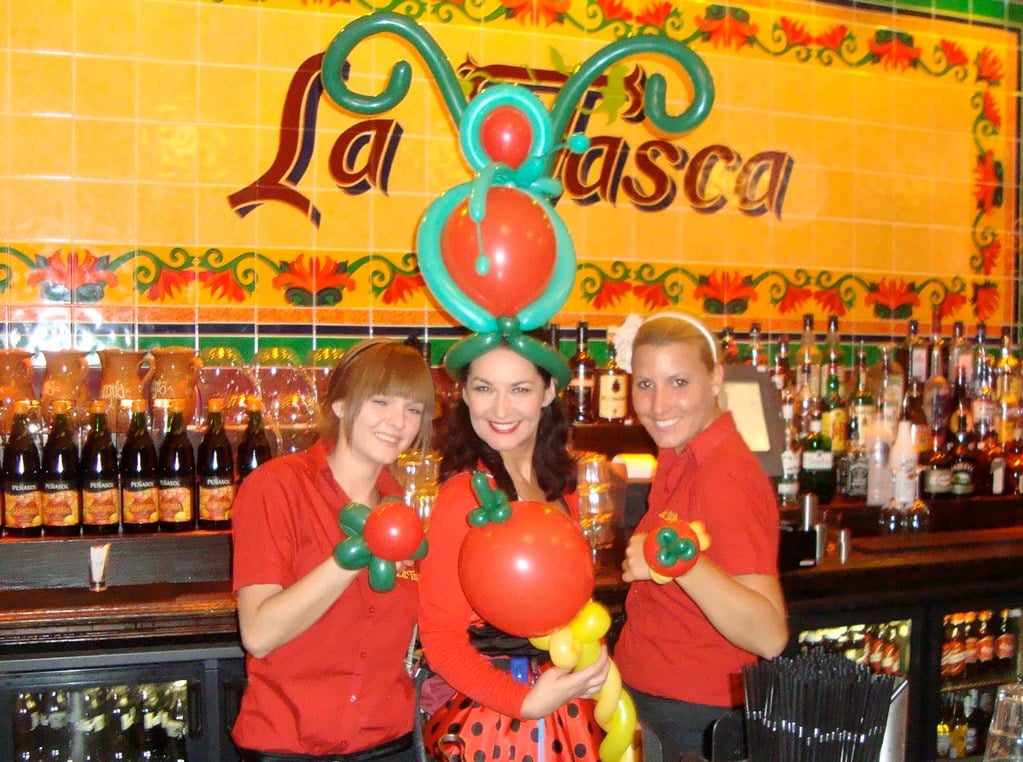
The tiny Spanish town of Buñol goes absolutely bonkers every August when thousands of people show up to hurl overripe tomatoes at each other with wild abandon. What began as a neighborhood scuffle back in has morphed into this massive international food fight that draws visitors from everywhere.
Hours of intensive tomato warfare leave the streets looking like a crime scene – until everyone pitches in to hose everything down together.
Japan’s Crying Baby Contest

Sumo wrestlers cradle infants at Japanese temples while doing their absolute best to make the babies wail as loudly as humanly possible. Parents genuinely believe the loudest criers will grow up robust and healthy while scaring off any lurking evil spirits.
This old tradition might give modern helicopter parents serious anxiety – watching their precious bundle being held by someone who weighs pounds.
Like Go2Tutors’s content? Follow us on MSN.
Denmark’s Cinnamon Showers

When unmarried Danes hit their birthday, friends and family ambush them with massive quantities of cinnamon until they’re completely covered in the stuff. The custom traces back to spice merchants who stayed single because they were always traveling for business instead of settling down.
Victims often get attacked at work or home – emerging from the assault looking and smelling like a walking pastry.
India’s Baby Tossing Ritual
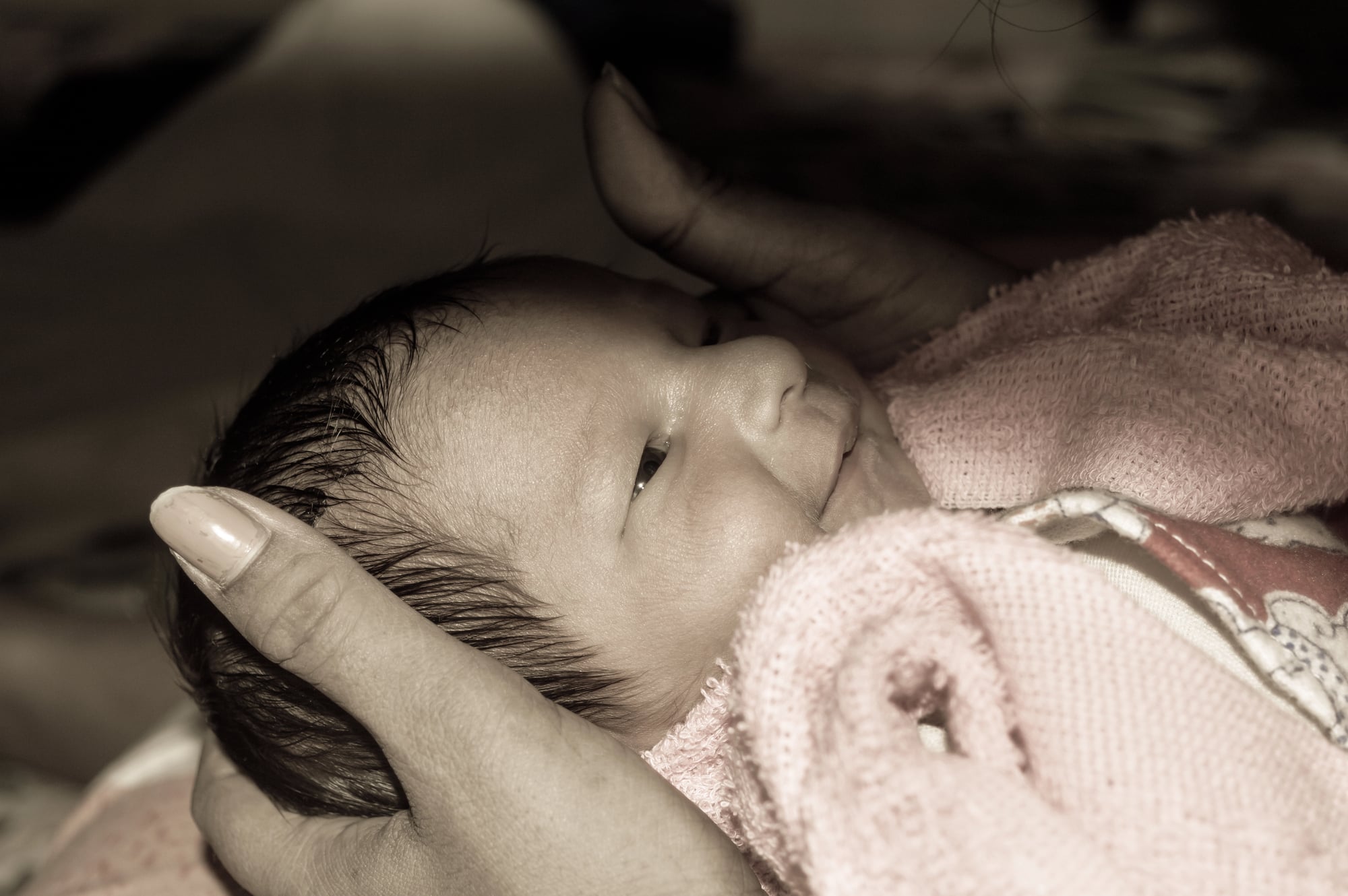
Parents in certain Indian regions drop their newborns from temple rooftops while crowds below catch them in sheets. The practice supposedly guarantees good luck, health, and prosperity for the kids throughout their entire lives.
Though the ritual has sparked plenty of controversy and legal battles, some communities keep it going – albeit with better safety protocols to protect the flying infants.
Scotland’s Blackening Tradition
Scottish couples sometimes get “blackened” before their weddings when buddies dump disgusting concoctions of eggs, flour, treacle, and rotting fish all over them. The revolting ordeal supposedly prepares newlyweds for marriage by proving they can survive anything life throws at them.
Friends typically parade the mess-covered couple through town while making an ungodly racket.
Like Go2Tutors’s content? Follow us on MSN.
Thailand’s Monkey Buffet Festival

Lopburi throws an extravagant banquet for thousands of macaques every November – setting up elaborate tables groaning under piles of fruits, vegetables, and treats. Locals reckon feeding the monkeys brings good fortune while honoring Hanuman, the monkey deity.
The festival draws tons of tourists – though visitors quickly learn that these particular dinner guests have zero table manners and sticky fingers.
Finland’s Wife Carrying Championship

Finnish guys race through obstacle courses while hauling women on their backs, competing for prizes and serious bragging rights. Legend says the tradition started when men would raid neighboring villages to steal brides.
Modern competitions focus on athleticism rather than actual kidnapping – with winners scoring their partner’s weight in beer as a reward.
Mexico’s Day of the Dead Celebrations

Mexican families head to cemeteries for elaborate picnics with their deceased relatives – decorating graves with vibrant flowers, favorite foods, and meaningful personal items. What outsiders might find creepy is actually a joyful celebration that honors ancestors and keeps family bonds alive beyond death.
The tradition weaves together indigenous beliefs with Catholic influences, creating colorful festivities that embrace mortality instead of hiding from it.
Like Go2Tutors’s content? Follow us on MSN.
China’s Foot Binding Legacy
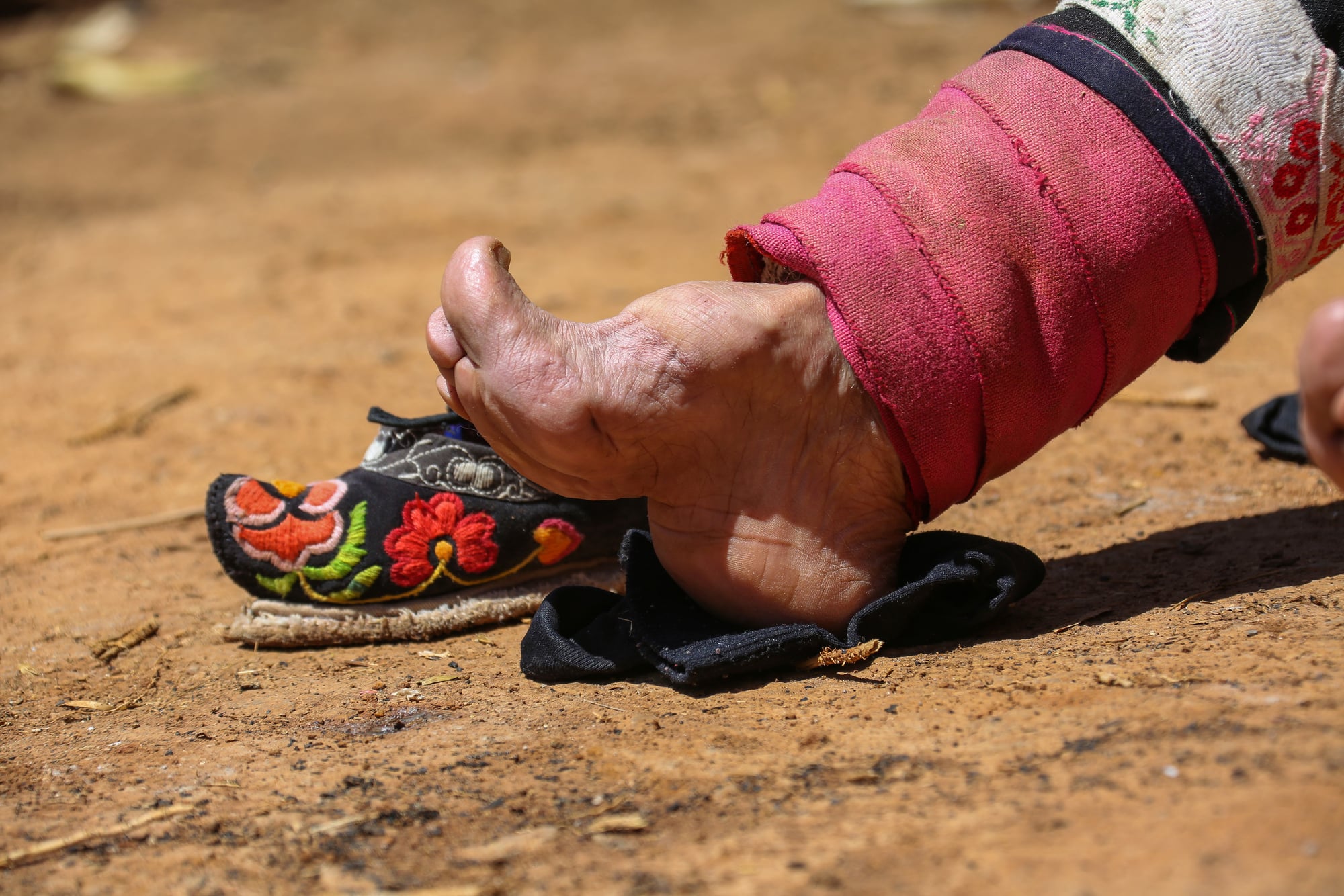
Chinese foot binding involved breaking young girls’ toes and wrapping their feet tightly to stunt growth – creating “lotus feet” that were considered gorgeous and boosted marriage prospects. The practice caused excruciating lifelong pain and mobility problems yet persisted for centuries before ending in the early s.
These tiny feet symbolized social status and feminine beauty within complex cultural hierarchies.
Russia’s Polar Bear Plunges

Russians celebrate Epiphany by chopping holes in frozen lakes and rivers, then diving into water that’s cold enough to freeze your breath mid-scream. Orthodox believers consider this ritual essential for spiritual cleansing and renewal, regardless of temperatures that would make polar bears think twice.
Participants cross themselves before jumping in while medical teams hover nearby, just in case someone needs emergency warming.
Indonesia’s Famadihana Tradition
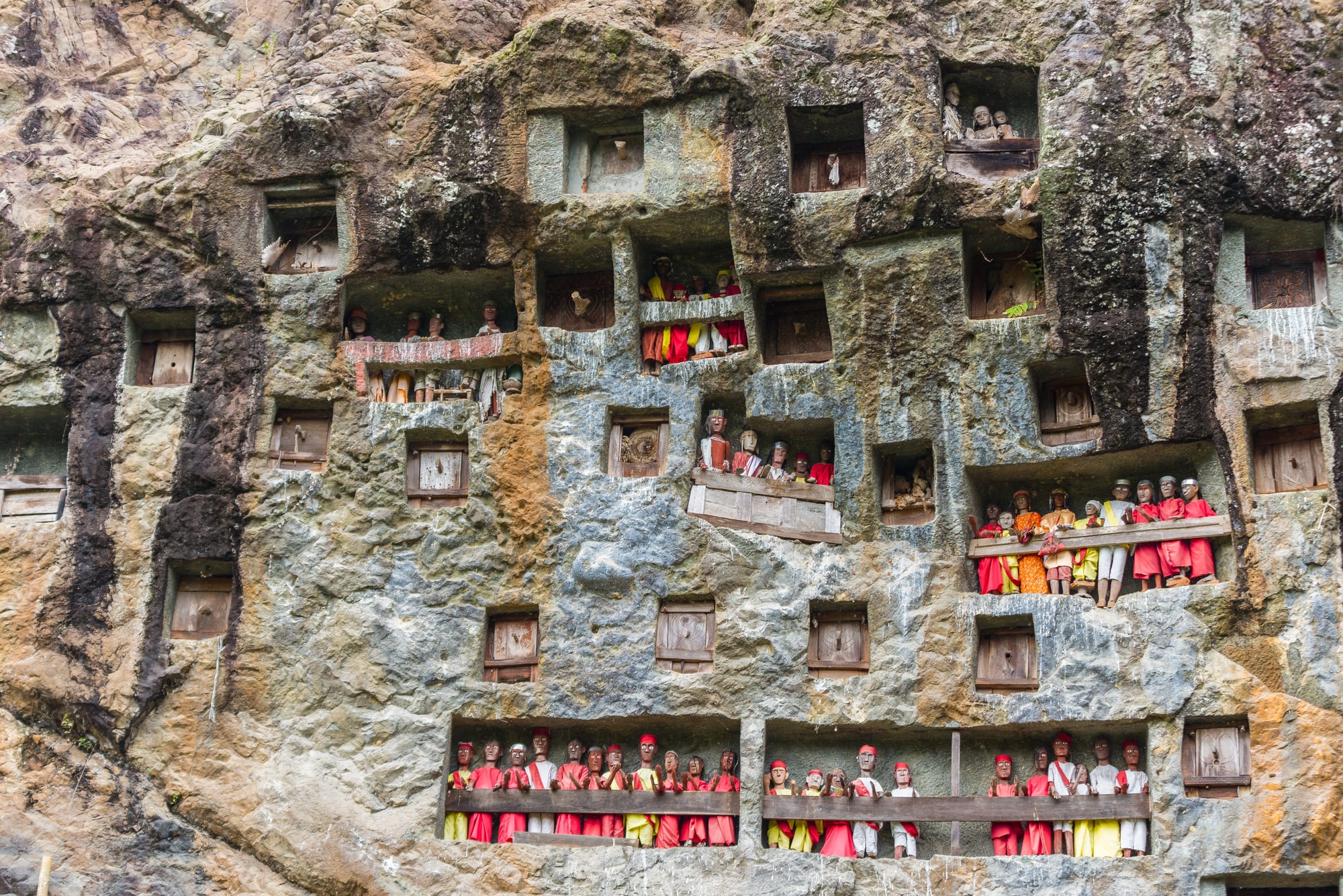
Malagasy families in Madagascar dig up their ancestors’ remains every few years, wrap them in fresh burial cloths, and literally dance with the bodies before tucking them back into their tombs. The ceremony lets relatives share family news with the deceased and request blessings while celebrating their ongoing role in family affairs.
Participants believe death doesn’t end family membership but simply changes the nature of participation.
Like Go2Tutors’s content? Follow us on MSN.
Germany’s Polterabend Celebration

German couples invite everyone they know to come smash porcelain dishes outside their home the night before their wedding. Breaking ceramics supposedly brings marital good luck, while cleaning up the mess together demonstrates the couple’s ability to work as a team.
Participants stick to plates and bowls, though – mirrors and glassware are considered bad luck rather than beneficial.
Nepal’s Living Goddess Tradition

Young Nepalese girls get selected to become living embodiments of the goddess Taleju, spending their childhood in temple isolation until puberty hits. The chosen Kumari must meet incredibly strict physical and spiritual requirements while passing tests that prove their divine nature.
These girls live in temples and only appear publicly during religious festivals, though critics argue the practice severely limits normal childhood development and educational opportunities.
Strange on the Surface, Sacred Underneath

These customs show how practices that look absolutely bonkers to outsiders usually carry enormous significance for the people who’ve kept them alive for generations. What seems weird or even disturbing from the outside typically reflects deeply held beliefs about family connections, spiritual health, community solidarity, or major life transitions.
Instead of writing off these traditions as primitive or ridiculous, digging into their historical roots and cultural importance helps explain why they’ve survived so long. Plenty of customs that appear strange today once addressed real human needs or served crucial social functions, even if their original purposes have shifted or become less obvious in our modern world.
Like Go2Tutors’s content? Follow us on MSN.
More from Go2Tutors!

- 16 Restaurant Chains That Went Too Fast
- 12 Things Sold in the 80s That Are Now Illegal
- 15 Strange Things People Have Tried to Ban (And Failed)
- 16 Collectibles People Tossed Out Too Soon
- 17 Myths from Your Childhood That Were Actually Based on Real Things
Like Go2Tutors’s content? Follow us on MSN.