18 Words We Stopped Using
Language moves faster than most people realize. Words that once filled everyday conversations fade into obscurity, replaced by newer terms or simply forgotten.
Some disappear because the things they described no longer exist. Others fall out of favor because they sound outdated or because culture shifts away from them.
Looking back at these lost words reveals how much communication changes, often without anyone noticing until the shift has already happened.
Groovy
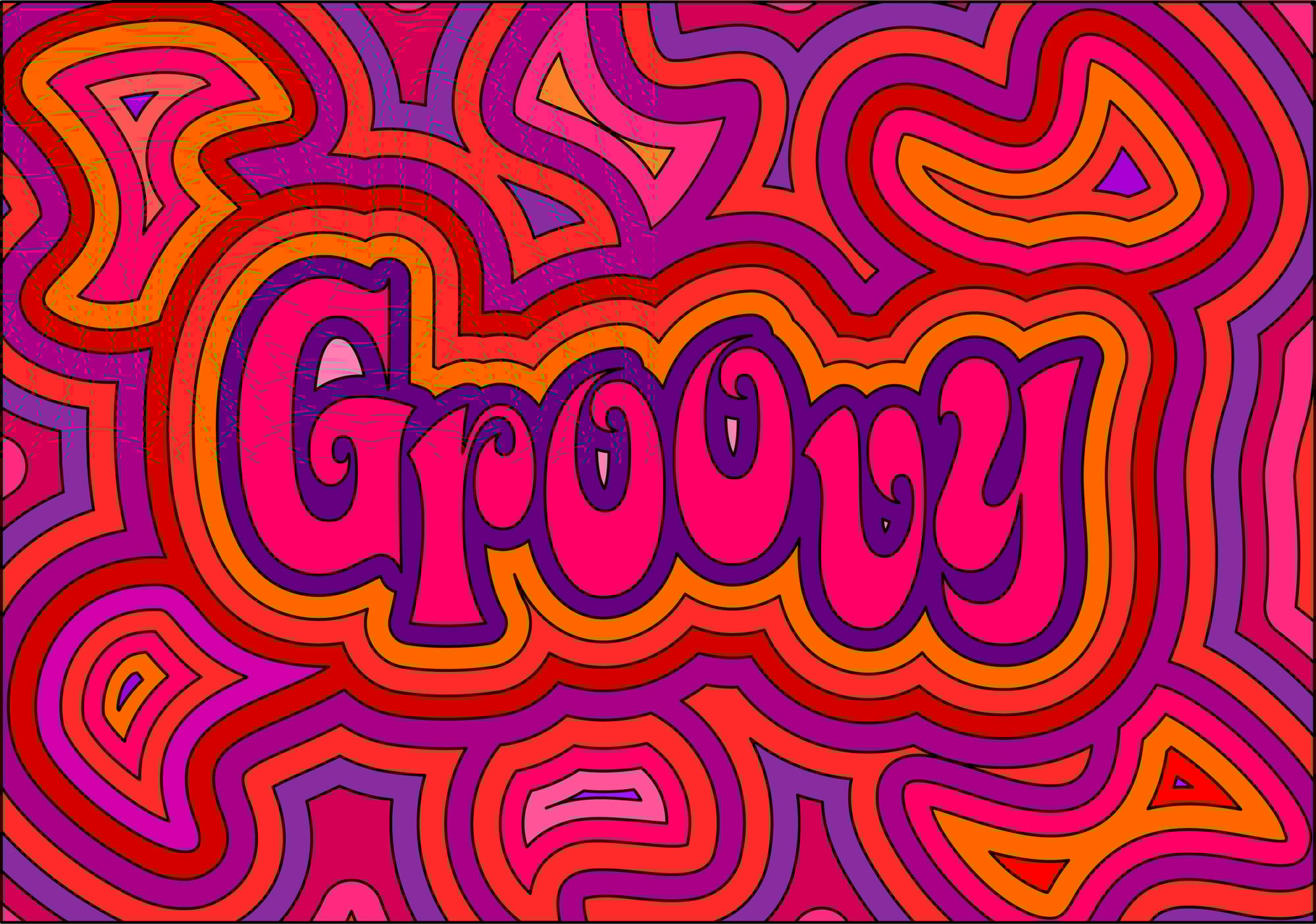
This word started in jazz culture during the 1920s and 1930s, describing music that had good rhythm and feel. It stayed mostly in music circles until the mid-1960s, when it exploded into mainstream slang meaning cool, excellent, or fashionable.
The 1960s and 70s claimed it so completely that most people forgot its jazz roots. When those decades ended, “groovy” crashed hard.
You still hear it occasionally in retro contexts or when someone’s being intentionally nostalgic, but using it seriously marks you as either very old or deeply ironic. The word became a punchline for outdated slang.
Icebox

Before electric refrigerators became standard, people kept food cold in insulated boxes filled with blocks of ice. The icebox was a real piece of furniture, and the word made perfect sense.
Even after refrigerators replaced them, older generations kept calling the fridge an icebox out of habit. But each generation that followed used the term less until it nearly vanished.
Now it sounds quaint, like something from a museum exhibit about early 20th century homes.
Whilst

British English held onto this one longer than American English did, but even across the pond, “whilst” sounds increasingly formal and old-fashioned. “While” does the exact same job with one less letter and no pretension.
The persistence of “whilst” in certain circles seems more about tradition than function. Most modern writing guides now flag it as unnecessarily archaic, and younger writers avoid it completely.
Telegram

When you needed to send urgent news across long distances before phones became common, you sent a telegram. Telegraph operators would transmit your message in Morse code, and someone on the other end would write it out and deliver it.
The format was so distinctive that people still reference “telegram style” to describe extremely brief, punchy writing. But the actual service died out in most countries by the early 2000s, and with it went the word from everyday use.
Perchance

Shakespeare used it. Victorian poets loved it.
Today, it sounds absurdly flowery unless you’re making a joke. “Perchance” meant “perhaps” or “maybe,” but with extra syllables nobody needs anymore.
The word lingers in literature courses and period dramas, but actual human beings stopped sprinkling it into conversation somewhere around the time top hats went out of style. Using it now comes across as either theatrical or mocking.
Hoosegow
This slang term for jail came from Spanish “juzgado” and caught on in the American West. For a while, calling the local lockup a hoosegow was perfectly normal.
But as Western culture moved from lived reality to movie genre, the word moved with it. Now it only appears in old Western films or when someone’s deliberately channeling that aesthetic.
Modern speakers would say jail, prison, or lockup without giving it a second thought.
Davenport
Your great-grandparents probably had a davenport in their living room. You’d call it a couch or sofa.
The word was a brand name that became generic, like Kleenex or Band-Aid, but unlike those terms, davenport didn’t survive the mid-20th century. Regional pockets kept using it longer, but the word gradually disappeared from furniture stores and everyday speech.
Asking someone to sit on the davenport now would require explanation.
Swell

As an adjective meaning excellent or first-rate, “swell” had a good run through the early and mid-1900s. “That’s swell” was a common way to express approval or satisfaction.
The word didn’t carry the ironic weight it does now—people said it straight. But something about it felt increasingly dated as decades passed, and by the 1970s, using “swell” unironically branded you as out of touch.
It migrated into the realm of parody and never came back.
Dungarees

Jeans, denim pants, work pants—call them whatever you want, just don’t call them dungarees unless you’re over 70 or being deliberately retro. The word came from a type of cloth called dungri, and for much of the 20th century, “dungarees” was perfectly standard.
But “jeans” won the linguistic battle, probably because it was shorter and snappier. The older term now sounds like something from a different era entirely.
Bodacious

The 1980s loved this word, combining “bold” and “audacious” into something that meant remarkably impressive or attractive. It showed up in movies, TV shows, and teenage conversations everywhere.
But like many slang terms that burn bright, it burned out fast. By the 1990s, saying “bodacious” already felt cringeworthy.
The word became a fossil of its decade, and attempts to revive it only highlight how thoroughly it belongs to the past.
Phonograph

People used to say they were putting a record on the phonograph. Then they said record player.
Then turntable. Each generation picks new terms, and older ones fade.
“Phonograph” sounds especially antiquated now, calling up images of hand-cranked machines with enormous horns. Even though vinyl made a comeback, nobody revived this particular word for the equipment that plays it.
Gumption

Having gumption meant having courage, initiative, or good sense—the kind of determination that got things done. It was a compliment to say someone had gumption.
The word thrived in early and mid-20th century America but started sounding corny as culture changed. Younger generations gravitated toward different ways to express the same concept, and “gumption” became something grandparents said.
It’s not quite dead, but it’s definitely retired from active duty.
Betwixt

“Between” works perfectly well, so “betwixt” was always the fancy version. Old English gave us the word, and it stuck around for centuries in poetry and formal writing.
But modern English prefers efficiency, and the extra syllables couldn’t justify themselves. “Betwixt” now lives entirely in the category of deliberately archaic language—useful for fantasy novels or period pieces, useless for actual conversation.
Yuppie
Young urban professionals—shortened to yuppie—defined a specific demographic in the 1980s. It described ambitious, money-focused young people working in cities, often in finance or business.
The word carried judgment, sometimes admiring but often critical. As the specific cultural moment passed and the people it described got older, the term lost relevance.
Nobody identifies as a yuppie anymore, and calling someone one sounds like a reference to an outdated sociology textbook.
Jalopy

A beat-up old car, barely running, held together by rust and prayer—that was a jalopy. The word peaked in mid-century America when cars were simpler and people could nurse dying vehicles along for years.
Modern cars either work or they don’t, and the culture around clunkers changed. “Jalopy” now sounds like something from a different transportation era entirely.
People still drive terrible cars, but they use different words to describe them.
Balderdash

This means nonsense or foolish talk, and it’s a great word—punchy, specific, satisfying to say. But it fell out of fashion along with similar terms like poppycock and hogwash.
Modern speakers go for simpler options: nonsense, garbage, lies. “Balderdash” has the same problem as many Victorian-era words—it sounds like you’re performing rather than speaking.
Using it now reads as either comic or pretentious, depending on tone and context.
Cattywampus
Regional American slang for crooked, askew, or diagonal, “cattywampus” (also spelled catawampus or kitty-corner in some variations) was genuinely useful. It described that specific positioning when something sits at an angle rather than straight.
But the word was always informal and region-specific, never spreading universally. As American dialects homogenized through media exposure, colorful local terms like this got smoothed away in favor of more standard vocabulary.
Flapper

The 1920s had flappers—young women who wore short skirts, bobbed their hair, listened to jazz, and scandalized their elders by drinking and staying out late. The term was specific to that era’s rebellion and that generation’s youth culture.
Once the 1930s arrived, the word belonged to the past. “Flapper” never generalized beyond its moment, making it a perfect historical marker but a useless modern term.
Words That Lived Their Lives

Language doesn’t stand still, and trying to preserve every word would be pointless. The ones that disappear usually do so for good reason—they described things that vanished, or better alternatives came along, or culture simply moved in a different direction.
Some words deserve their retirement. Others, though, carried specific shades of meaning that modern vocabulary doesn’t quite capture.
When “gumption” disappeared, something went with it that “determination” doesn’t fully replace.
The natural cycle of language means new words constantly arrive while old ones exit. The words we use today will sound dated to future generations, and terms we’d never heard of will become common.
This process happens whether anyone tries to stop it or not. The interesting part isn’t mourning what’s gone but noticing the patterns in what survives and what doesn’t.
Usually, the most practical words stick around, while the decorative ones fade away. Sometimes we lose words we didn’t know we’d miss until they’re already gone.
More from Go2Tutors!

- The Romanov Crown Jewels and Their Tragic Fate
- 13 Historical Mysteries That Science Still Can’t Solve
- Famous Hoaxes That Fooled the World for Years
- 15 Child Stars with Tragic Adult Lives
- 16 Famous Jewelry Pieces in History
Like Go2Tutors’s content? Follow us on MSN.



