14 Brightest Stars Visible Without a Telescope
When you step outside on a clear night, thousands of stars twinkle above you. Only a select few truly command attention, though. These stellar giants shine so brilliantly that they’ve guided sailors, inspired myths, and captured human imagination for millennia.
The night sky offers an incredible show, and you don’t need expensive equipment to enjoy the best seats in the house. Here is a list of 14 brightest stars that shine with such intensity you can spot them easily with just your eyes.
Sirius

Sirius absolutely dominates the winter sky — blazing with nearly twice the brightness of any other star visible to the unaided eye. This stellar powerhouse sits just 8.6 light-years away in the constellation Canis Major, making it one of our closest stellar neighbors.
What makes Sirius even more fascinating? It’s actually a binary star system, with a white dwarf companion orbiting the main star every 50 years.
Canopus
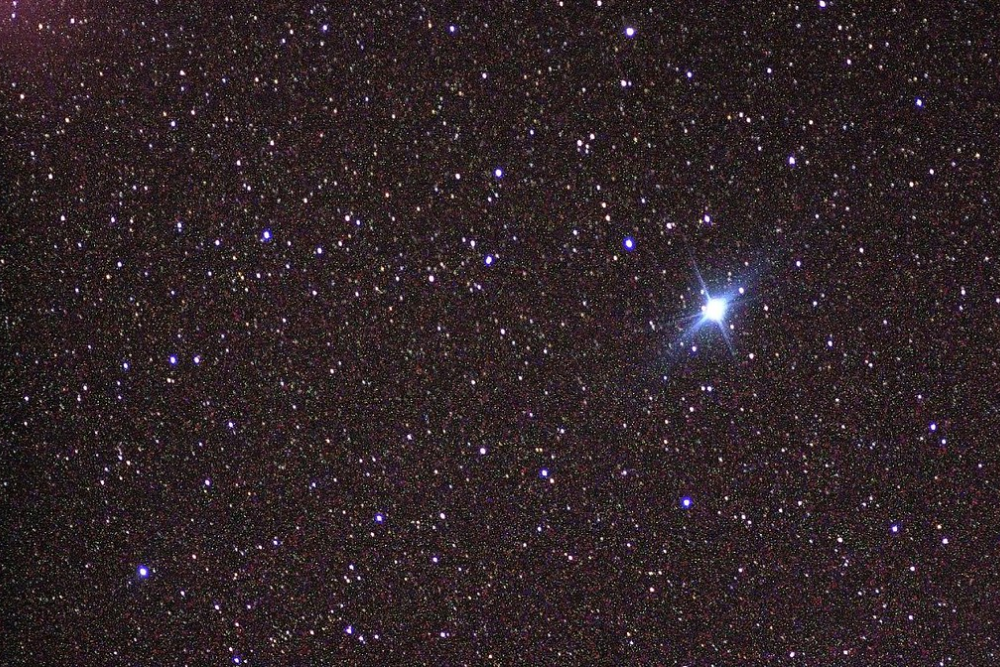
Canopus claims the title of second-brightest star in our night sky, though many people in the northern hemisphere never get to see this southern giant. Located in the constellation Carina, this supergiant star shines with the power of about 13,000 suns while sitting roughly 310 light-years from Earth.
Ancient navigators in the southern hemisphere relied heavily on Canopus for ocean navigation — much like northern sailors used Polaris.
Like Go2Tutors’s content? Follow us on MSN.
Rigil Kentaurus

Rigil Kentaurus, better known as Alpha Centauri, holds the special distinction of being our closest stellar neighbor at just 4.37 light-years away. This star system actually consists of three stars orbiting each other. The brightest component is nearly identical to our own sun.
The proximity of this system makes it a prime target for scientists searching for potentially habitable planets beyond our solar system.
Arcturus
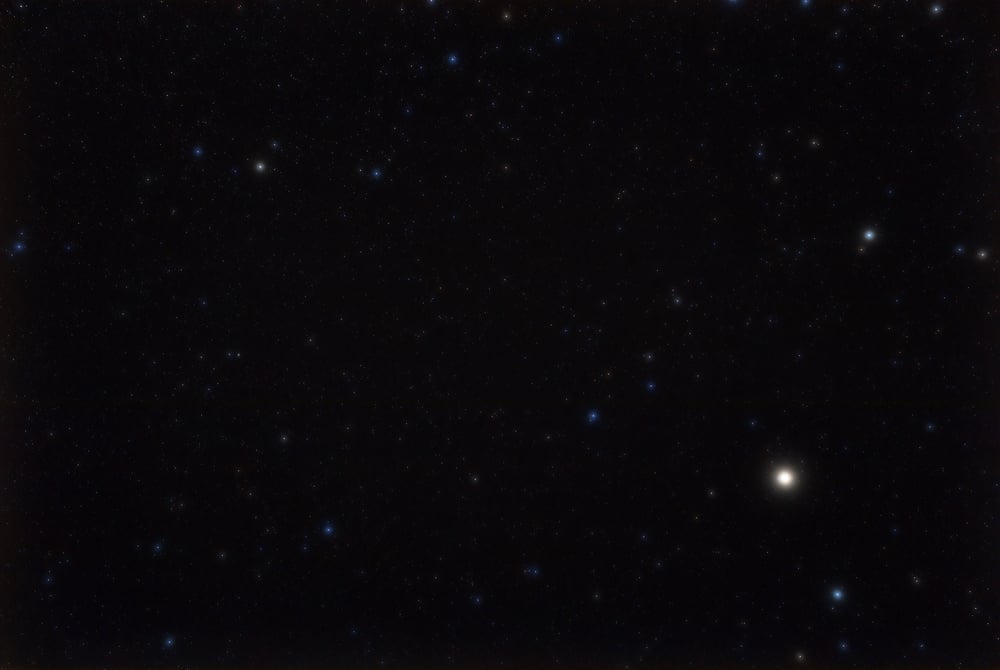
Arcturus blazes as an orange giant in the constellation Boötes — easily spotted by following the arc of the Big Dipper’s handle during spring and summer months. This stellar veteran has burned through most of its hydrogen fuel and expanded to become about 25 times larger than our sun.
At 36.7 light-years away, Arcturus moves through space at an unusually high speed, suggesting it might be a visitor from outside our galaxy’s main disk.
Vega
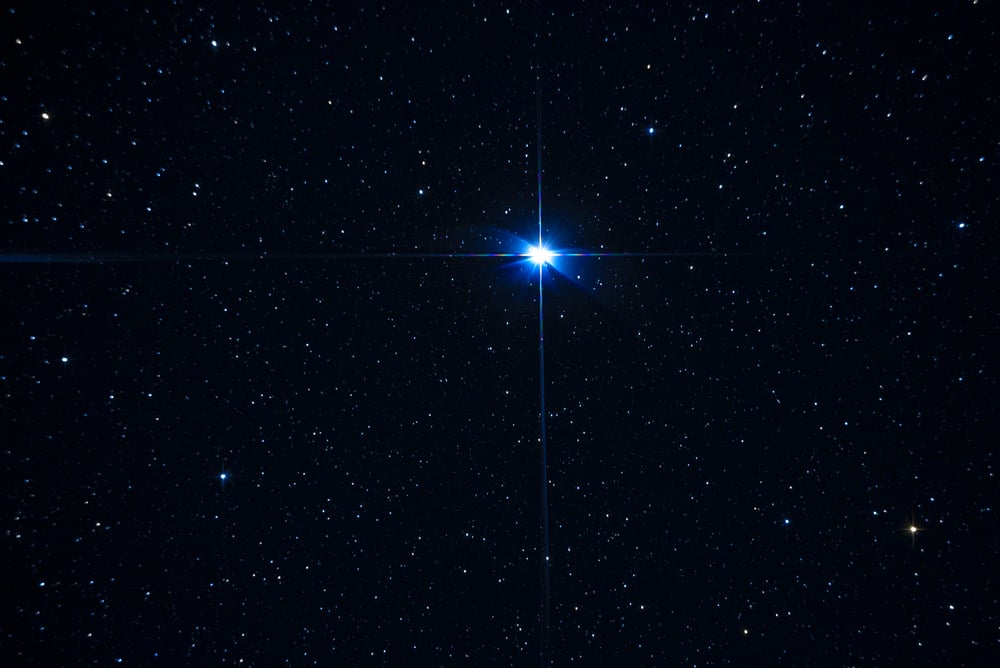
Vega served as the northern pole star about 12,000 years ago and will reclaim that title around the year 13,727 due to Earth’s axial precession. This brilliant blue-white star in the constellation Lyra was the first star ever photographed — plus the first to have its spectrum recorded.
Vega sits relatively close at 25 light-years away and burns so hot that it appears distinctly blue-white compared to our yellow sun.
Like Go2Tutors’s content? Follow us on MSN.
Capella
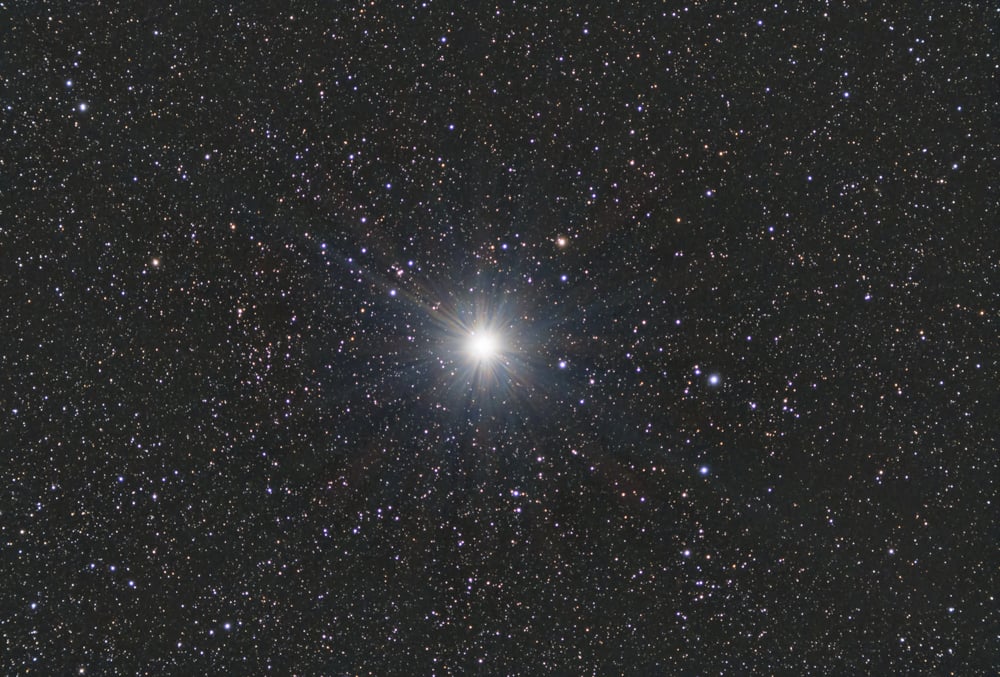
Capella actually consists of four stars in two binary pairs, all gravitationally bound together in the constellation Auriga. The main pair orbits each other every 104 days, while the secondary pair takes much longer to complete their cosmic dance.
This complex star system shines with a warm, golden light that makes it easily recognizable in the winter sky — sitting about 42.9 light-years from Earth.
Rigel
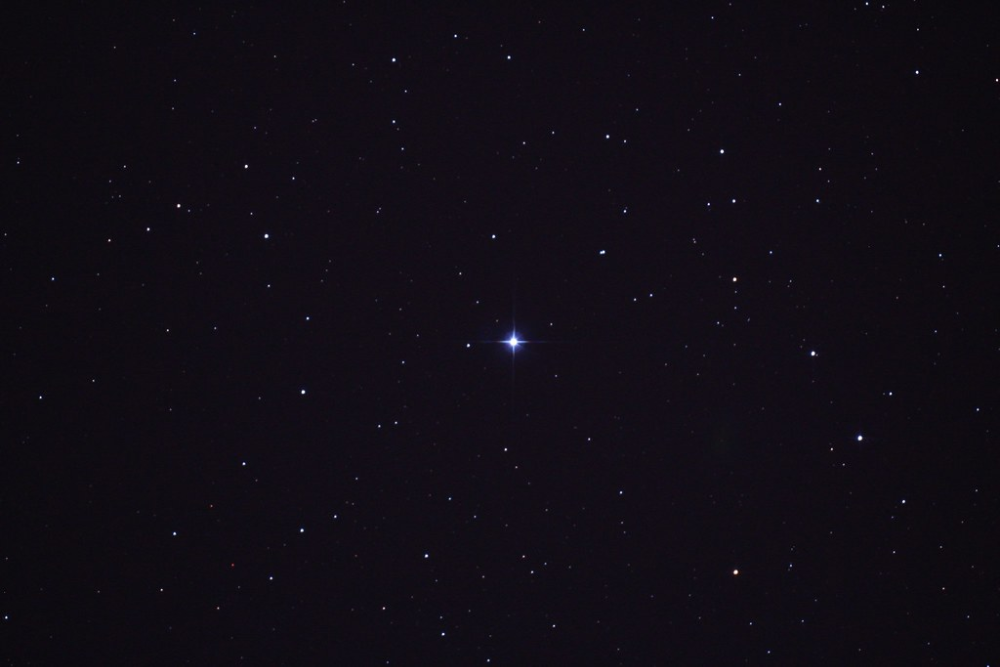
Rigel burns as one of the most luminous stars known, pumping out roughly 120,000 times more energy than our sun despite being only about 860 light-years away. This blue supergiant in the constellation Orion is so massive that it’ll likely end its life in a spectacular supernova explosion within the next few million years.
The intense radiation from Rigel actually illuminates the surrounding dust clouds — creating beautiful nebulae visible through telescopes.
Procyon

Procyon forms one corner of the Winter Triangle along with Sirius and Betelgeuse, making it easy to locate during winter months in the constellation Canis Minor. This star system consists of a main sequence star similar to our sun paired with a white dwarf companion that completes an orbit every 40 years.
At just 11.5 light-years away, Procyon ranks among our closest stellar neighbors while appearing noticeably yellow-white to the unaided eye.
Like Go2Tutors’s content? Follow us on MSN.
Achernar

Achernar spins so rapidly that it’s flattened into an oblate shape — making it one of the fastest-rotating stars known to astronomy. This hot, blue star in the constellation Eridanus completes a full rotation in less than two days, compared to our sun’s 25-day rotation period.
The extreme rotation has caused Achernar to bulge at its equator, creating a shape more like a flattened oval than a perfect sphere.
Betelgeuse
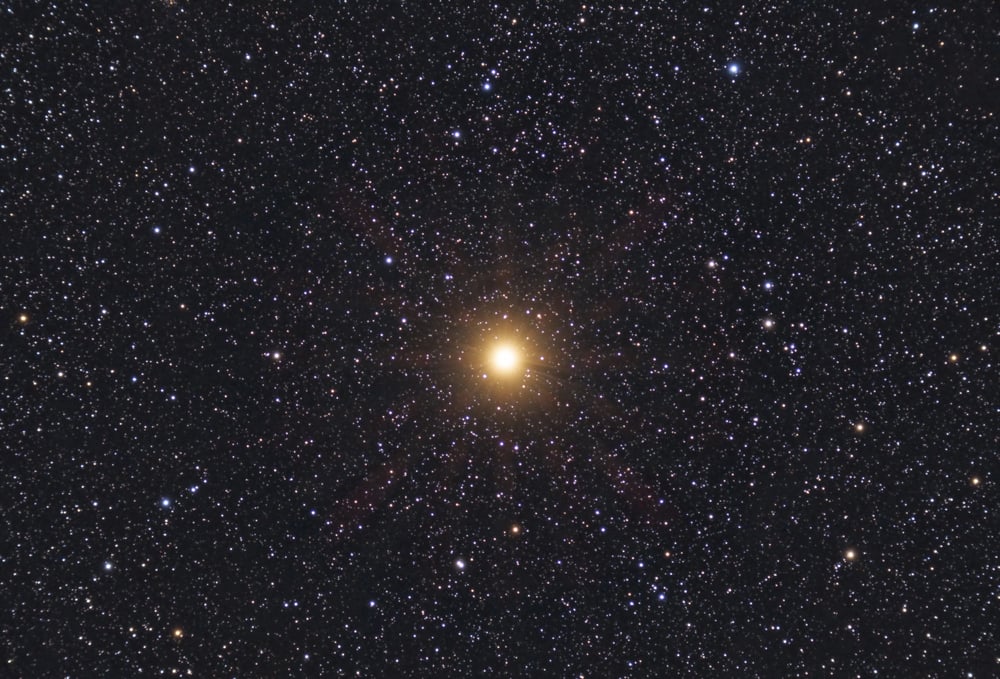
Betelgeuse stands out as one of the few stars whose color you can easily see with the unaided eye — glowing with a distinctive reddish-orange hue in Orion’s shoulder. This red supergiant has swollen to enormous proportions, with a diameter so large that it would engulf the orbits of Mars and possibly Jupiter if placed at our sun’s location.
Astronomers believe Betelgeuse could explode as a supernova at any time within the next 100,000 years, though it might also have already happened and we’re just waiting for the light to reach us.
Hadar

Hadar, also known as Beta Centauri, shines as a blue giant star system in the constellation Centaurus. It’s visible primarily from the southern hemisphere.
This stellar heavyweight actually contains at least three stars, with the main components being hot, massive stars that burn through their fuel at an incredible rate. The system sits about 390 light-years away yet forms part of the Southern Cross asterism that has guided southern hemisphere navigation for centuries.
Like Go2Tutors’s content? Follow us on MSN.
Altair
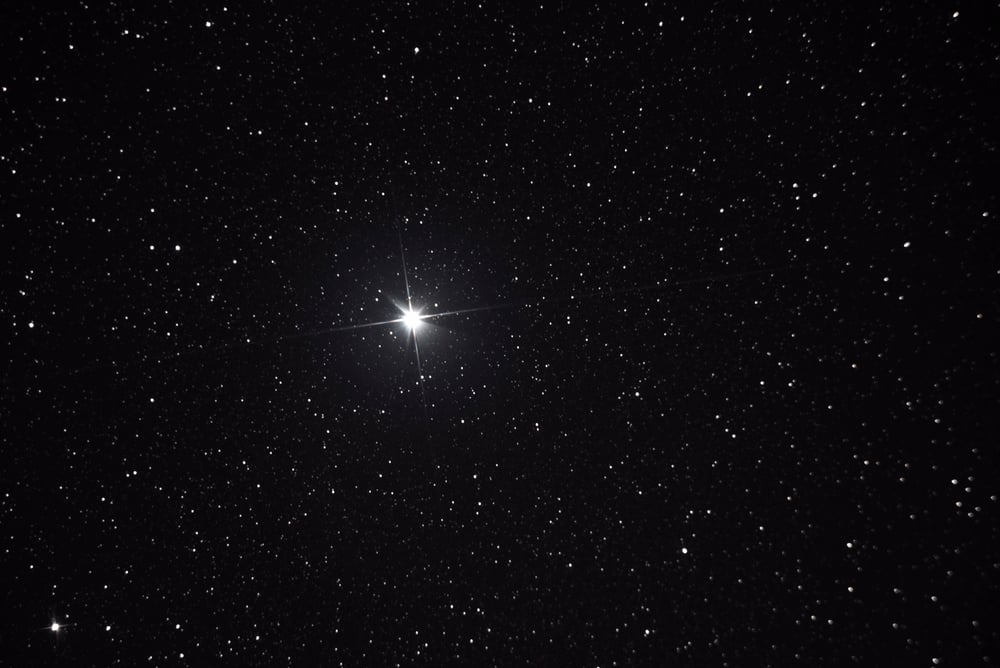
Altair rotates incredibly fast, spinning once every 9 hours compared to our sun’s 25-day rotation period. This gives it a noticeably flattened shape. This young, hot star in the constellation Aquila sits just 16.7 light-years away, making it one of the closer bright stars to our solar system.
The rapid rotation of Altair causes its surface temperature to vary significantly between its poles and equator, creating an interesting stellar laboratory for astronomers.
Aldebaran
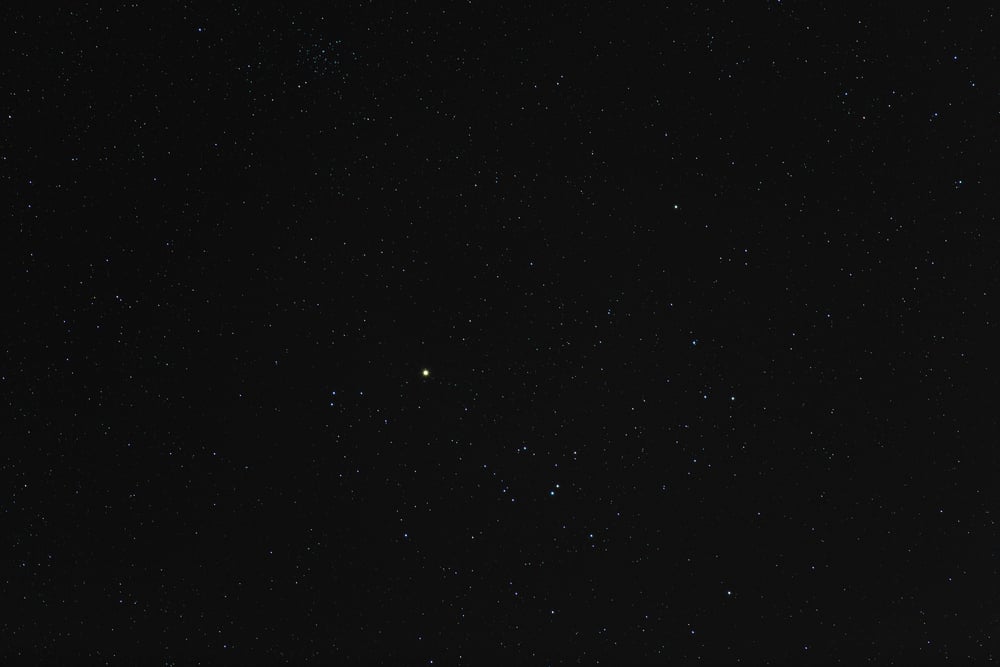
Aldebaran appears to be part of the Hyades star cluster in Taurus, but this orange giant actually sits much closer to us at 65 light-years away while the cluster lies at 150 light-years. This creates a perfect example of how perspective can fool us in astronomy.
The star simply happens to lie along our line of sight to the cluster. Aldebaran has evolved into a giant star about 44 times larger than our sun and glows with a warm, orange light that makes it easily recognizable.
Antares

Antares earned its name from the ancient Greeks, who called it ‘rival of Mars’ because of its similar red color and brightness when the planet appeared nearby. This red supergiant in the constellation Scorpius has expanded to such enormous proportions that it would reach beyond the orbit of Mars if placed at our sun’s location.
The star varies in brightness over time as it pulsates, and like Betelgeuse, it’s destined to end its life in a spectacular supernova explosion.
Like Go2Tutors’s content? Follow us on MSN.
The Eternal Guide Above
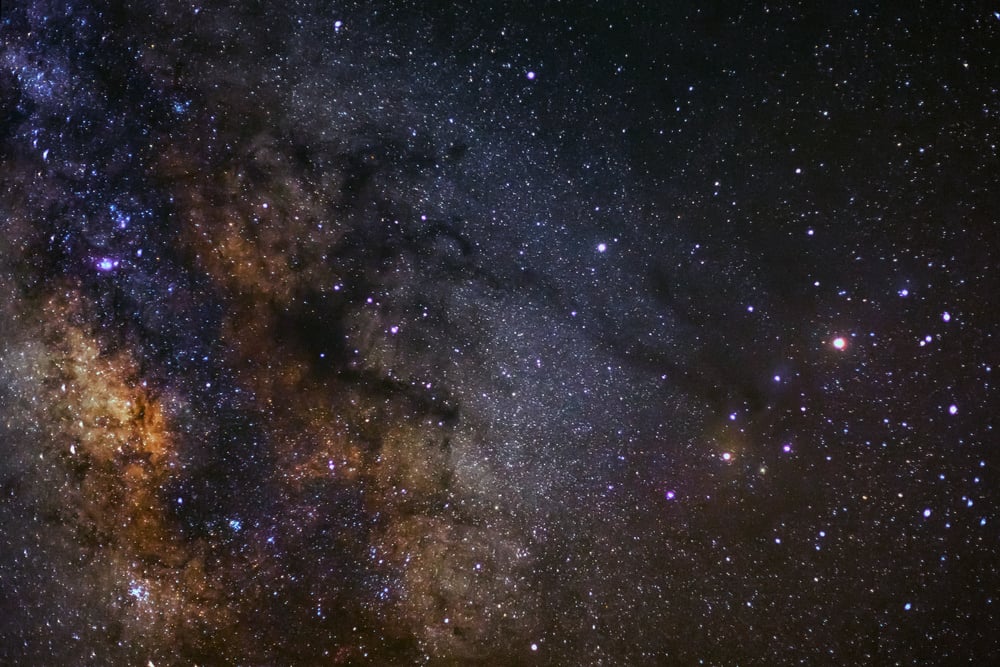
These brilliant stars have served as humanity’s first map, compass, and calendar rolled into one cosmic package. From ancient Polynesian navigators crossing vast Pacific expanses to modern astronomers peering deeper into space, these stellar beacons continue to anchor our understanding of the universe.
The same stars that guided Egyptian pyramid builders and Viking explorers still shine down on us today. They connect us to countless generations who looked up and wondered about their place in the cosmos.
Next time you step outside on a clear night, take a moment to appreciate these celestial lighthouses that have illuminated both our skies and our imagination for thousands of years.
More from Go2Tutors!

- 16 Historical Figures Who Were Nothing Like You Think
- 12 Things Sold in the 80s That Are Now Illegal
- 15 VHS Tapes That Could Be Worth Thousands
- 17 Historical “What Ifs” That Would Have Changed Everything
- 18 TV Shows That Vanished Without a Finale
Like Go2Tutors’s content? Follow us on MSN.