15 Largest Tree Species in The World
When you think about the biggest living things on our planet, trees definitely take the crown. These towering giants have been reaching for the sky for millions of years — creating some of the most impressive natural monuments you’ll ever encounter. From California’s ancient forests to Australia’s vast wilderness, massive trees continue to inspire awe while reminding us just how small we really are.
Getting up close with any of these botanical behemoths feels like stepping into another world entirely. Here’s a list of 15 largest tree species that dominate landscapes across the globe.
General Sherman Giant Sequoia
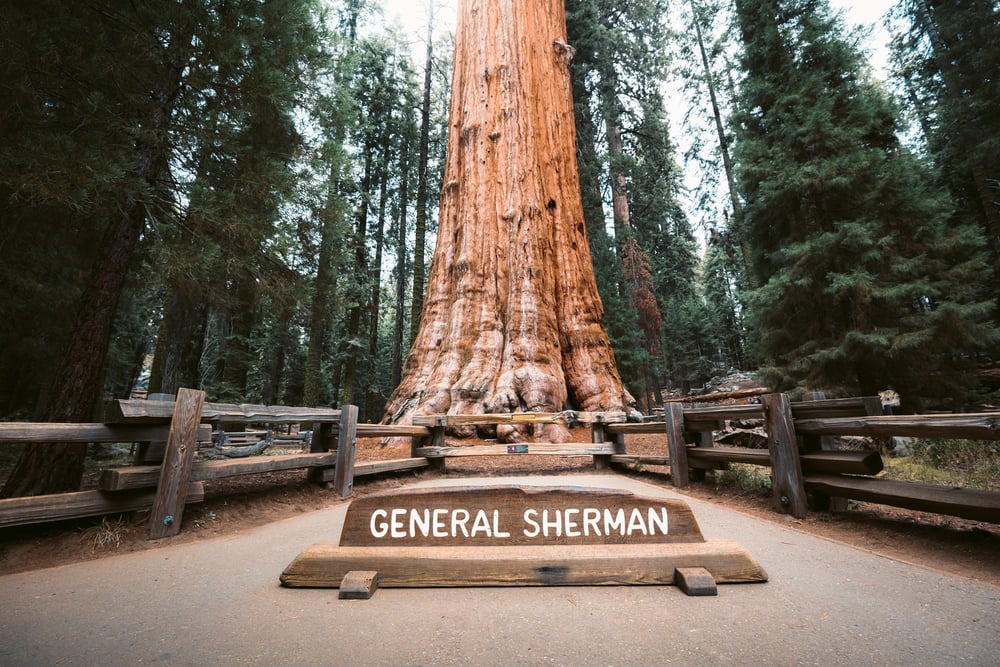
— Photo by pandionhiatus3
The General Sherman tree in California’s Sequoia National Park holds the title for Earth’s largest tree by volume. This massive Giant Sequoia contains about 52,500 cubic feet of wood — roughly equivalent to filling 18 average-sized swimming pools. At 275 feet tall with a base diameter exceeding 30 feet, this ancient giant’s been growing for an estimated 2,200 years.
Coast Redwood

California’s Coast Redwoods claim the record for the world’s tallest trees, though some specimens reach heights over 380 feet. These towering giants can live for more than 2,000 years and thrive in the foggy coastal conditions of Northern California. The tallest known Coast Redwood, named Hyperion, stands at an incredible 380.3 feet — that’s taller than a 35-story building.
Mountain Ash
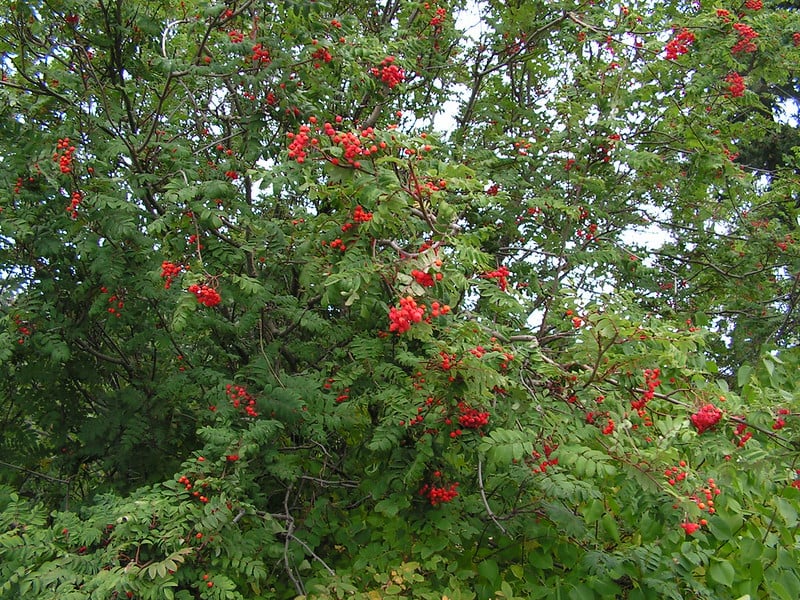
Australia’s Mountain Ash trees can grow to staggering heights. Some reach over 330 feet tall while growing incredibly fast compared to other large tree species — sometimes adding several feet to their height each year. The largest specimens create cathedral-like forests in Victoria and Tasmania, where their smooth white bark gleams against the forest floor.
Sitka Spruce
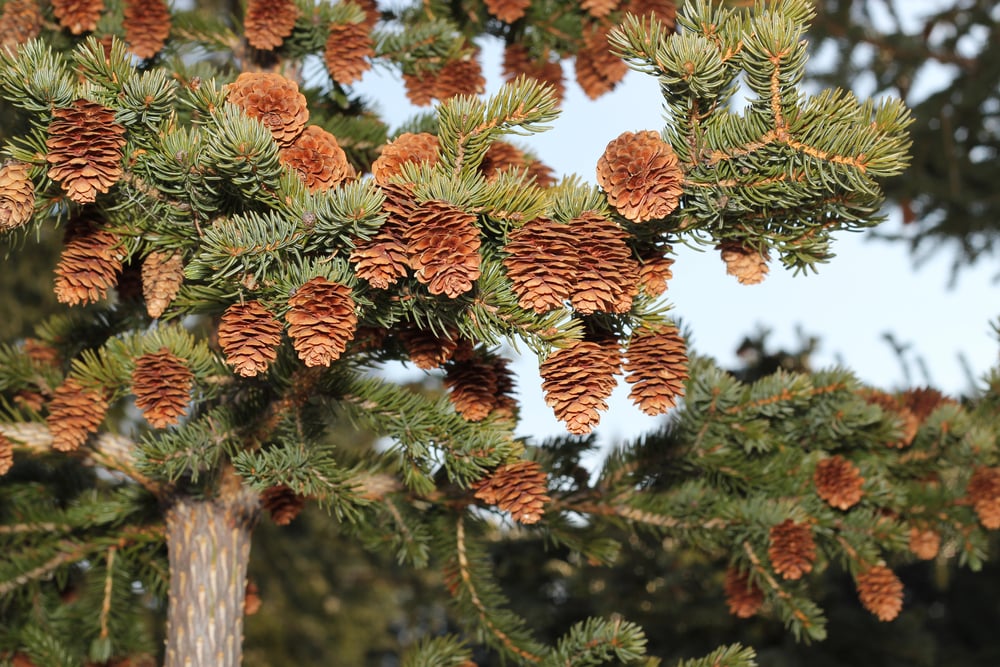
The Sitka Spruce thrives along the Pacific Northwest coast, reaching heights of 300 feet with trunk diameters exceeding 15 feet. These hardy trees handle salty ocean air and constant moisture like champs — often growing in dense coastal forests. Their massive size made them perfect for aircraft construction during World War II, earning them the nickname ‘airplane spruce.’
Douglas Fir
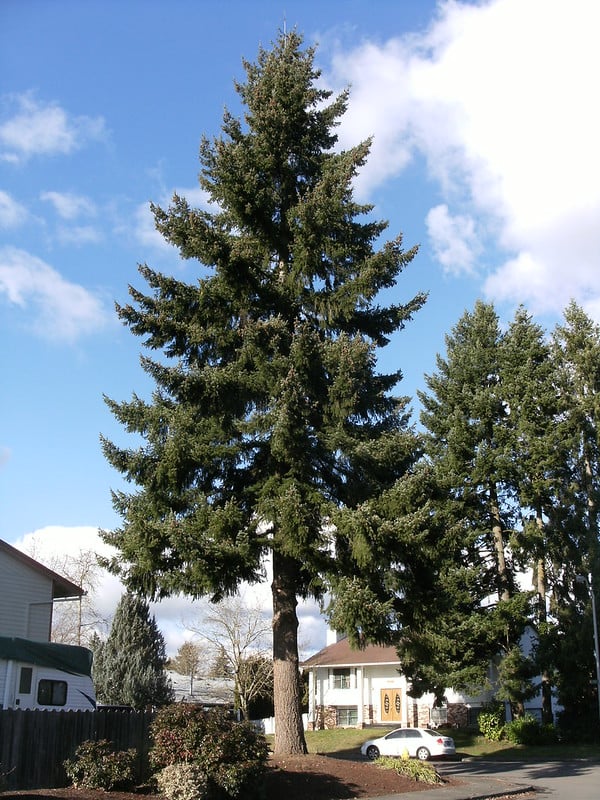
Douglas Firs regularly grow over 250 feet tall. They can live for more than 1,000 years in the right conditions while developing thick, deeply furrowed bark that helps them survive forest fires that would kill smaller trees. The largest Douglas Firs develop enormous trunks — some measuring 10 feet or more in diameter.
Western Red Cedar
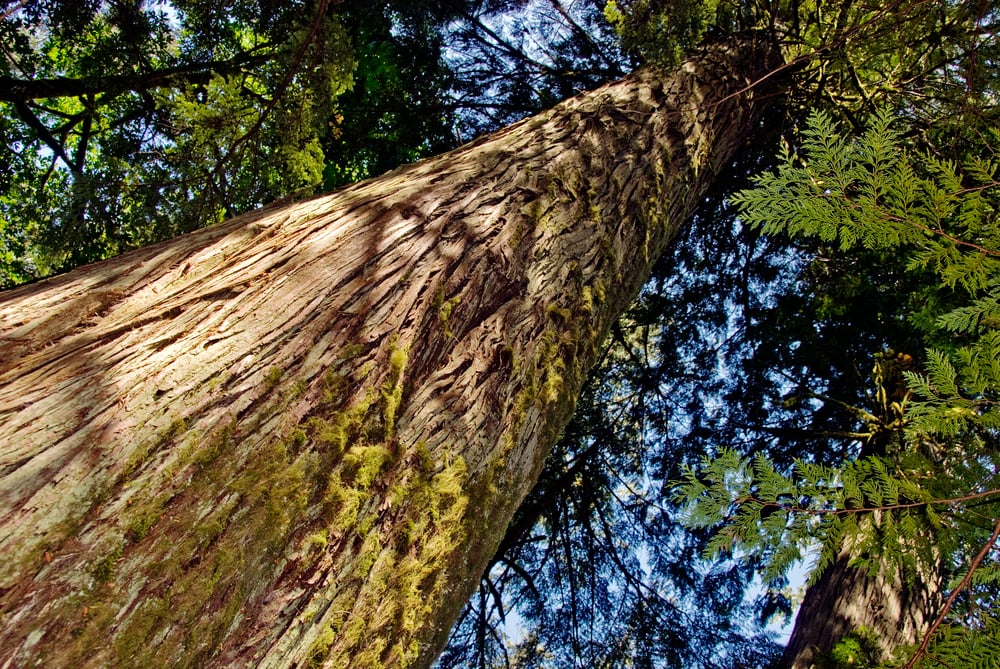
Western Red Cedars in the Pacific Northwest can reach heights of 200 feet. They develop massive trunk girths up to 20 feet across while often exceeding 1,000 years in age, creating some of North America’s most impressive old-growth forests. Native peoples traditionally used these giants for everything from canoes to houses — calling them ‘trees of life.’
Sugar Pine
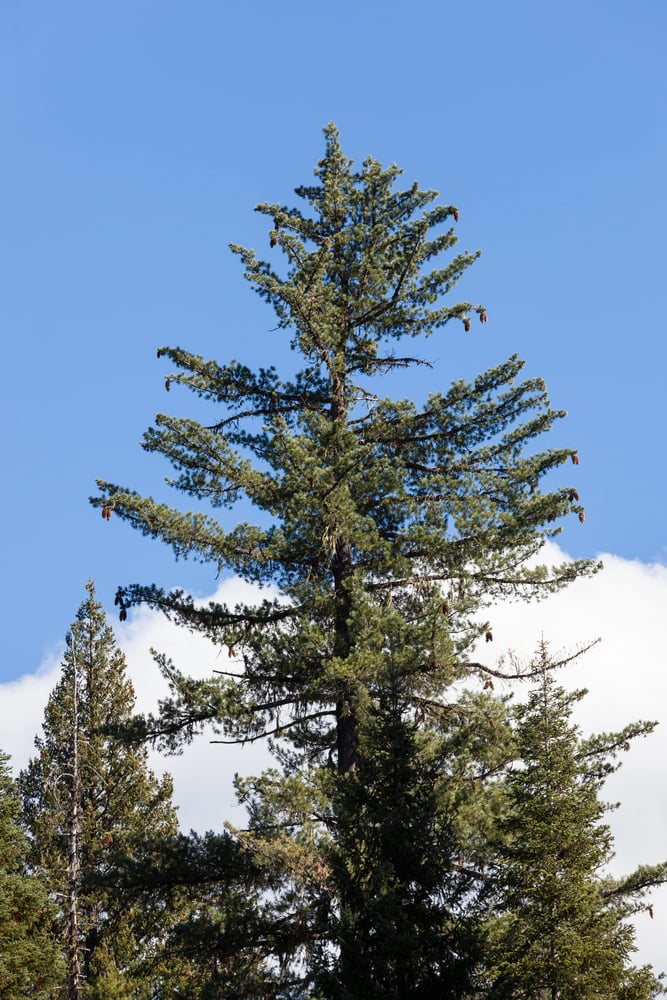
Sugar Pines grow throughout the Sierra Nevada and Cascade ranges, reaching heights up to 270 feet with distinctive long cones that can measure over a foot in length. These giants have straight, massive trunks — some exceeding 10 feet in diameter — yet relatively few branches near the ground. Their impressive size and valuable timber made them heavily logged in the past, making large specimens increasingly rare today.
Noble Fir
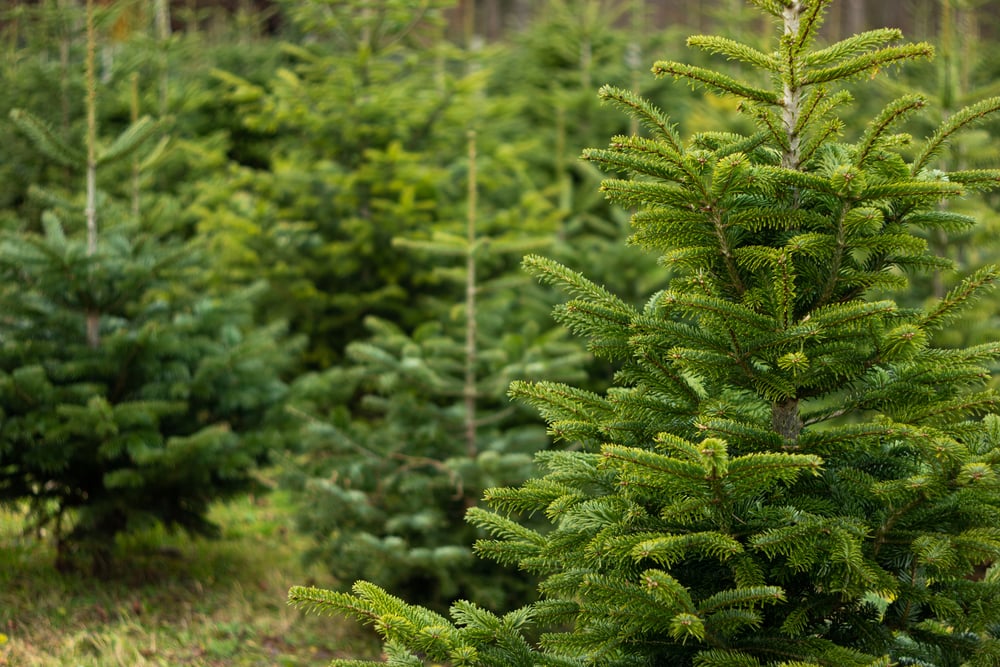
Cascade Range Noble Firs have been observed growing as tall as more than 250 feet with incredibly thick trunks up to 8 feet in diameter. They are very resilient mountain giants that thrive well at high altitudes — places where other trees do not survive with the tough conditions. Their silvery-blue needles and faultlessly symmetrical shape contribute to them being some of North America’s most beautiful large conifers.
African Baobab

African Baobabs might not be the tallest trees, but they’re definitely among the most massive — with trunk diameters that can exceed 30 feet. These unique trees store thousands of gallons of water in their enormous trunks, which helps them survive in harsh African climates. Some Baobabs are estimated to be over 2,000 years old — weighing as much as 75 tons.
Kapok Tree
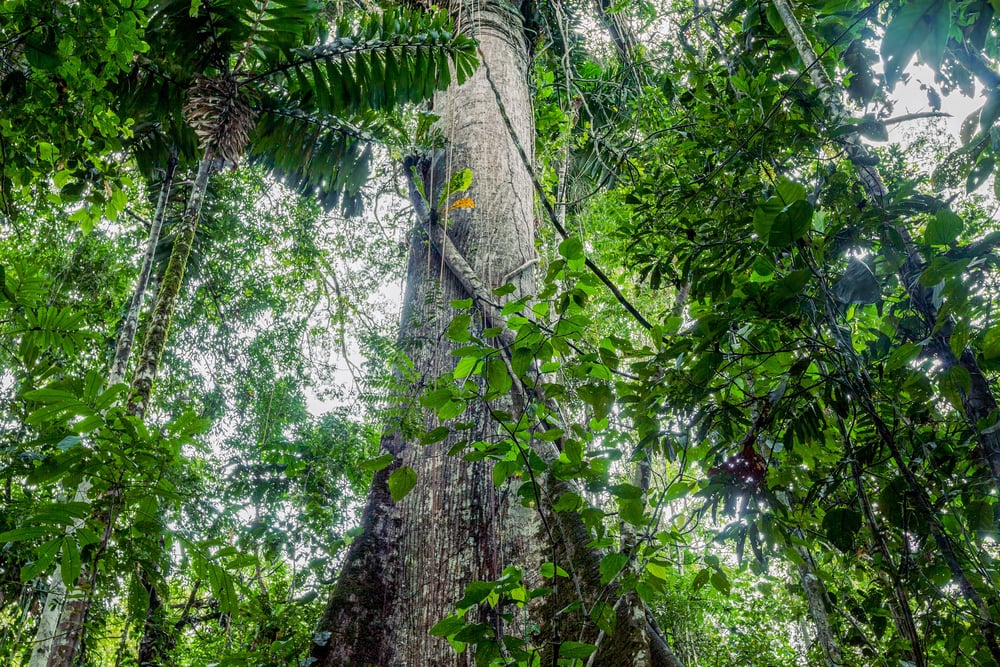
Kapok trees in tropical rainforests can soar over 200 feet high — their massive buttressed roots spread out like giant fins from their base. These rainforest giants have smooth, light-colored bark while developing enormous crowns that tower above the forest canopy. Their lightweight, fluffy seed pods were once commonly used for stuffing life jackets before synthetic materials took over.
European Beech
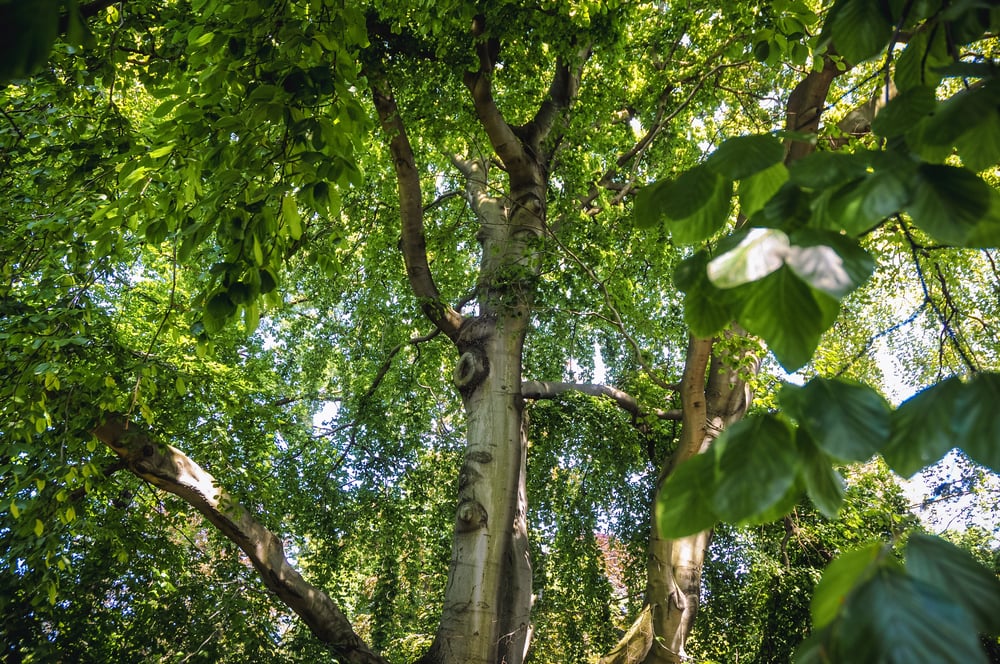
European Beeches can reach heights over 150 feet with trunk diameters up to 10 feet, creating some of Europe’s most impressive deciduous forests. These long-lived trees often exceed 300 years and develop smooth, gray bark that looks almost elephant-like as they age. Large Beech trees create dense canopies that cast deep shade, making the forest floor beneath them relatively clear of undergrowth.
Eastern White Pine
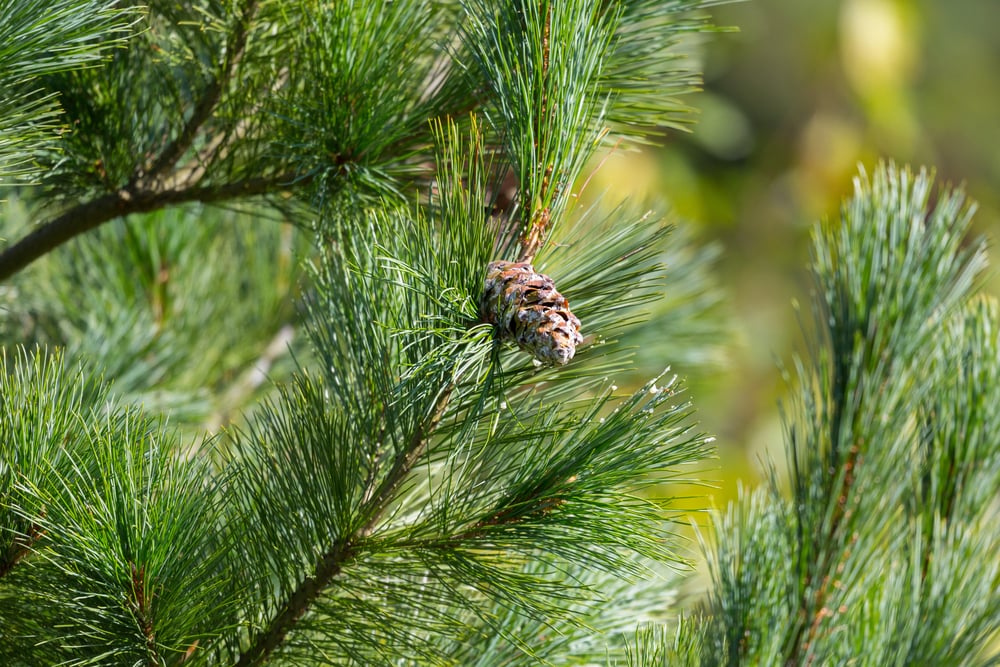
Eastern White Pines once dominated much of northeastern North America, with the largest specimens reaching heights over 200 feet. These fast-growing giants were so prized for ship masts that the British Crown marked the best specimens as ‘King’s Trees’ during colonial times. Their soft, light wood and impressive straight trunks made them one of the most valuable timber species in early American history.
Monterey Cypress
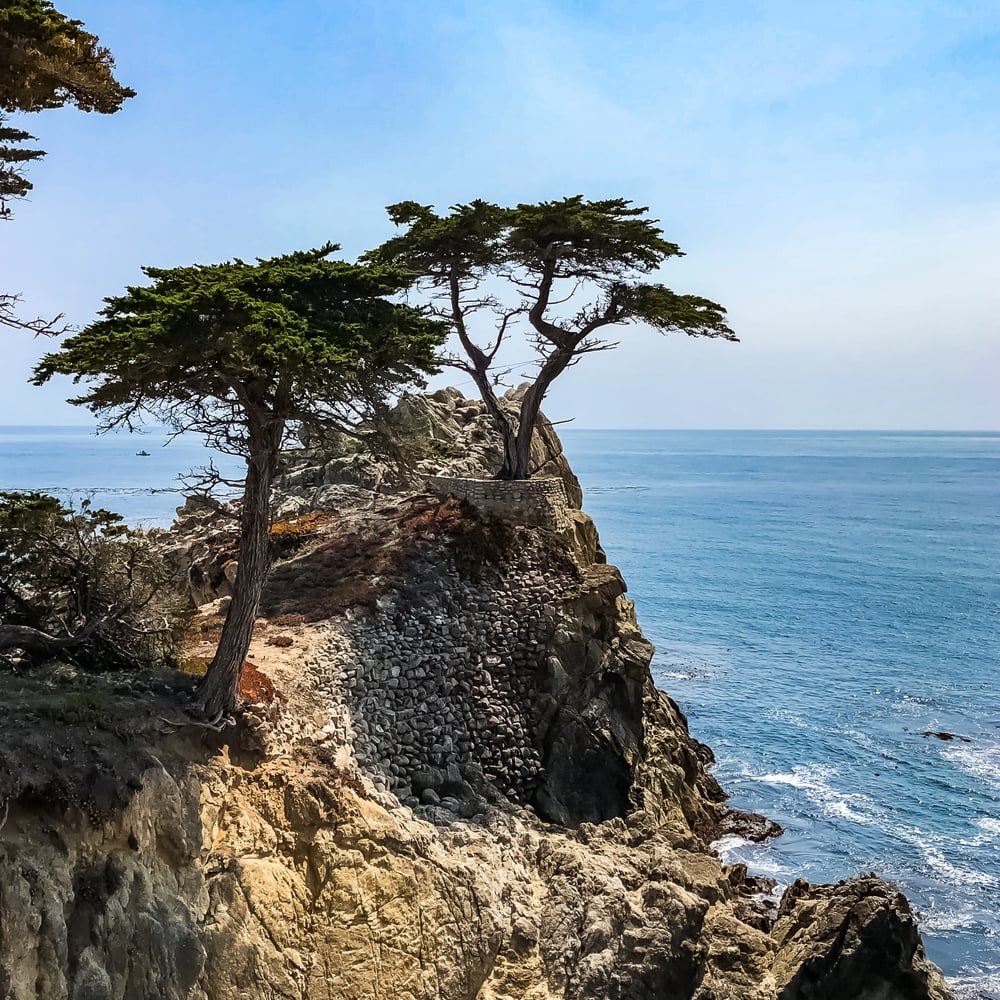
— Photo by nycruss
Monterey Cypresses along California’s central coast develop incredibly thick, gnarled trunks that can measure over 12 feet in diameter. These wind-sculpted giants rarely grow very tall due to constant ocean breezes, yet they make up for it with their massive, spreading crowns. The famous Lone Cypress near Monterey has become one of the world’s most photographed trees due to its dramatic ocean-cliff setting.
London Plane Tree
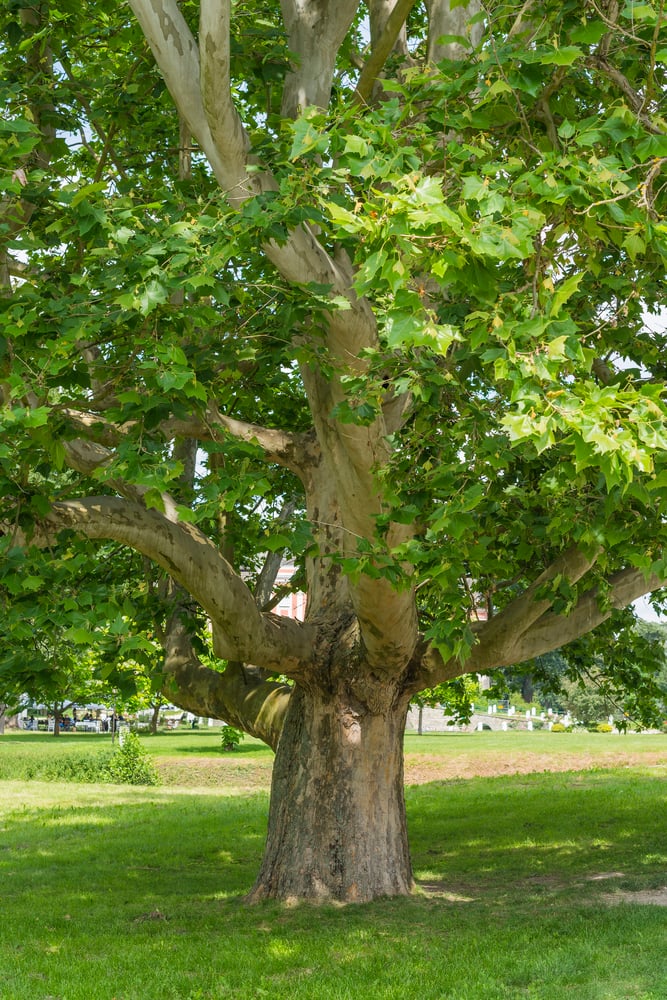
London Plane trees commonly reach heights over 100 feet with trunk diameters up to 9 feet, making them giants among urban trees. These hardy trees handle city pollution and compacted soil better than most large species, which explains why you’ll find them lining streets in major cities worldwide. Their distinctive mottled bark peels away in patches, revealing a camouflage-like pattern of green, cream, and brown.
Bald Cypress
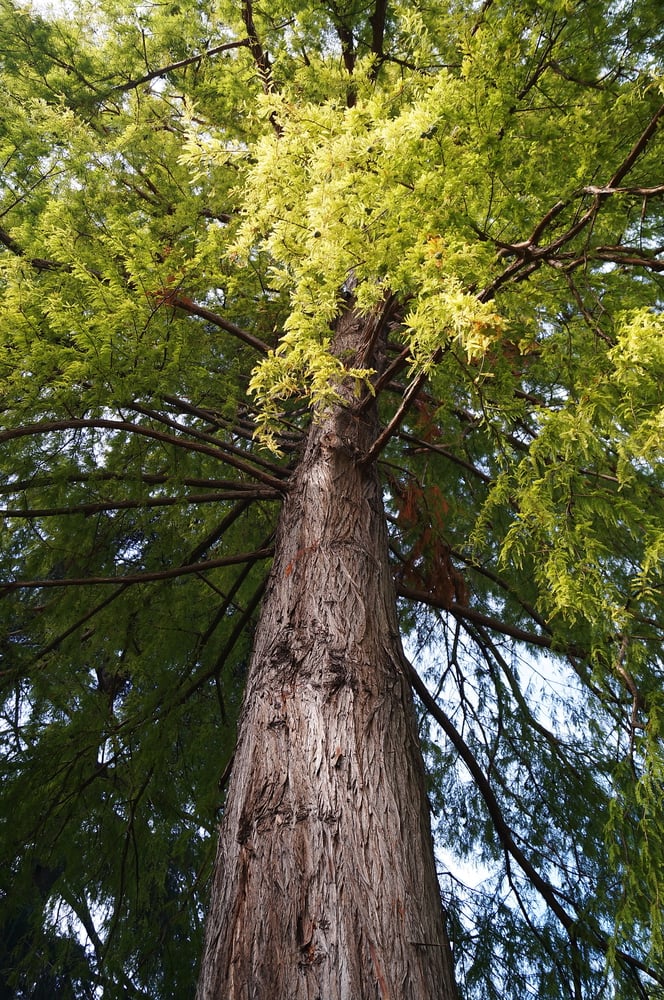
Bald Cypresses in southern swamps can live for over 1,000 years while developing massive trunk bases that can exceed 15 feet in diameter. These water-loving giants often grow directly in swamps and rivers, developing distinctive ‘knees’ that stick up from the water around their base. The largest Bald Cypresses create cathedral-like spaces in southern swamplands, with their buttressed trunks rising like natural columns from the dark water.
Massive, Awe-inspiring Nature

These trees are a reminder of the world that was, that is and that will be. These trees have stood the test of time — and are still standing. Today’s conservation efforts are important to ensure our kids, and their kids, and the generations to come will be able to stand in wonder of these towering giants!
More from Go2Tutors!

- The Romanov Crown Jewels and Their Tragic Fate
- 13 Historical Mysteries That Science Still Can’t Solve
- Famous Hoaxes That Fooled the World for Years
- 15 Child Stars with Tragic Adult Lives
- 16 Famous Jewelry Pieces in History
Like Go2Tutors’s content? Follow us on MSN.



