14 Futuristic Products That Were Forgotten Almost Immediately
The path to innovation is paved with brilliant ideas – some that change our lives forever, and others that fade into obscurity before most people even hear about them. For every iPhone or Tesla that revolutionizes an industry, dozens of “next big things” crash and burn despite impressive technology and ambitious visions.
Here is a list of 14 once-promising futuristic products that appeared with great fanfare but disappeared almost as quickly as they arrived.
Google Glass
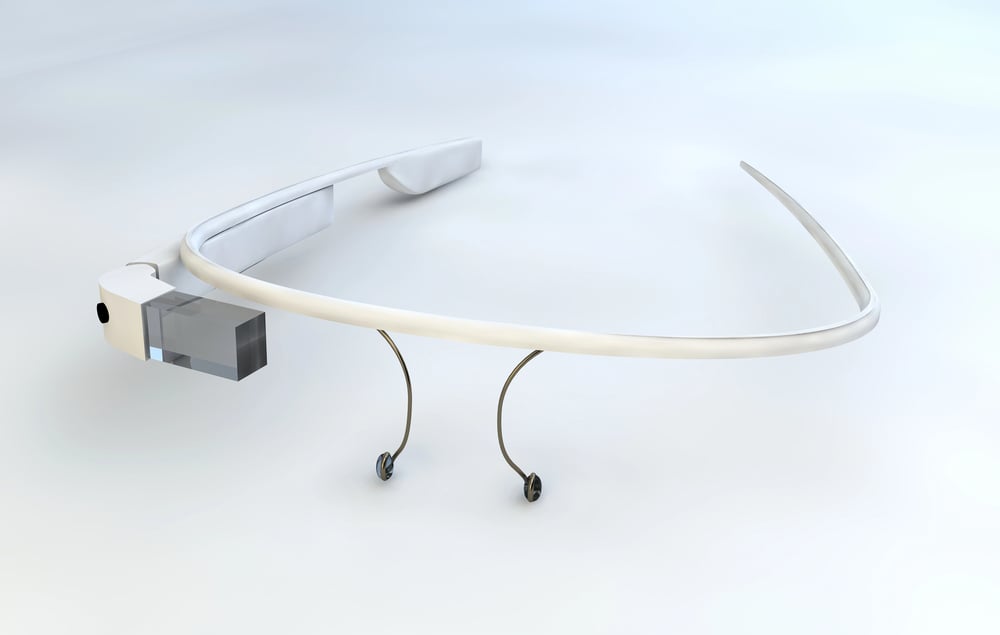
The head-mounted display that promised to bring augmented reality to everyday life became more famous for the privacy concerns it raised than its technological capabilities. Launched in 2013 as a bold vision of wearable computing, Google Glass allowed users to take photos, get directions, and access information via voice commands.
The $1,500 device quickly earned wearers the unflattering nickname ‘Glassholes’ and faced bans in numerous establishments before being shelved just two years after its consumer release.
Segway
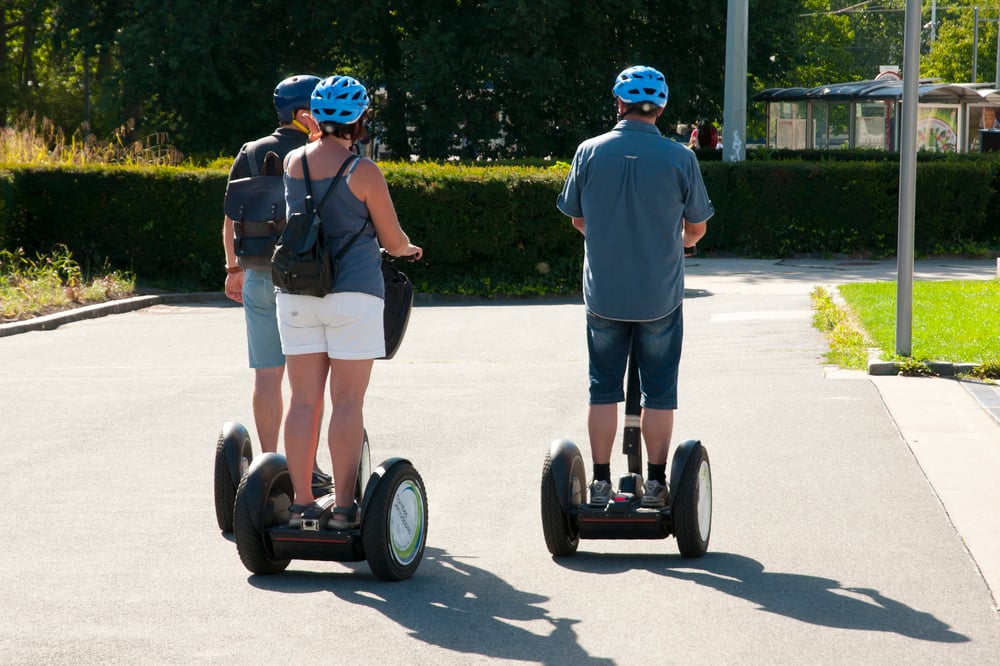
Few products arrived with more hype than the Segway, unveiled in 2001 after being developed under the mysterious codename ‘Ginger.’ The two-wheeled, self-balancing personal transporter was predicted to revolutionize urban transportation and become a $1 billion business faster than any company in history.
Instead, the $5,000 price tag, clunky appearance, and sidewalk restrictions limited it to mall security guards and tour groups before production finally ended in 2020.
Like Go2Tutors’s content? Follow us on MSN.
HD-DVD
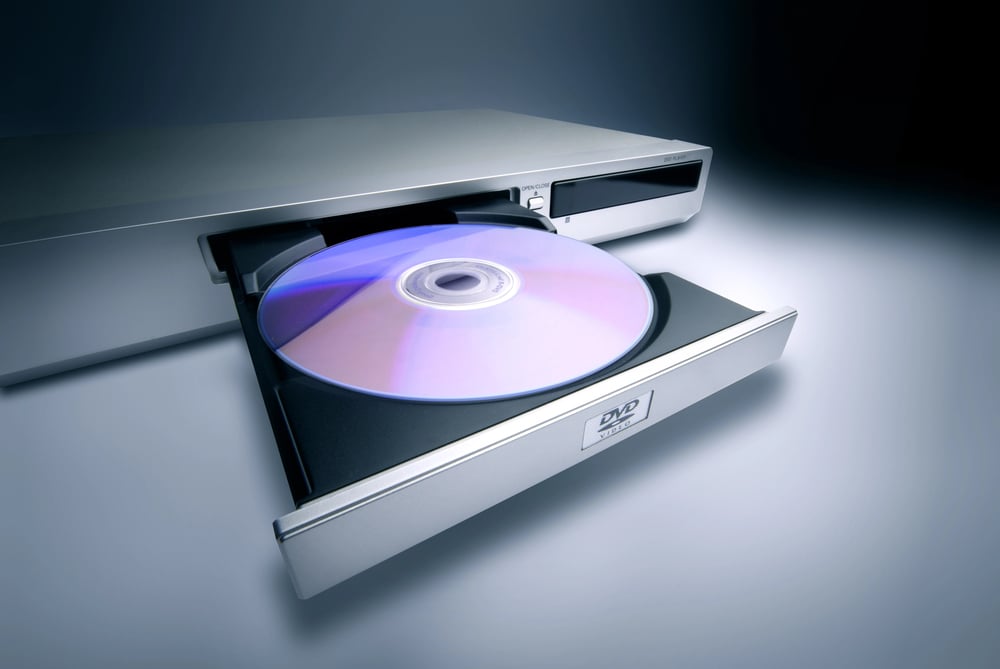
In the mid-2000s, two competing formats battled for supremacy in the high-definition video market. HD-DVD, backed by Toshiba and Microsoft, briefly appeared to have advantages with lower production costs and earlier market entry.
However, Sony’s rival Blu-ray format gained crucial support from major movie studios and the PlayStation 3 gaming console. By 2008, HD-DVD had conceded defeat after Warner Bros. announced it would exclusively support Blu-ray, making thousands of HD-DVD players instantly obsolete.
3D TVs
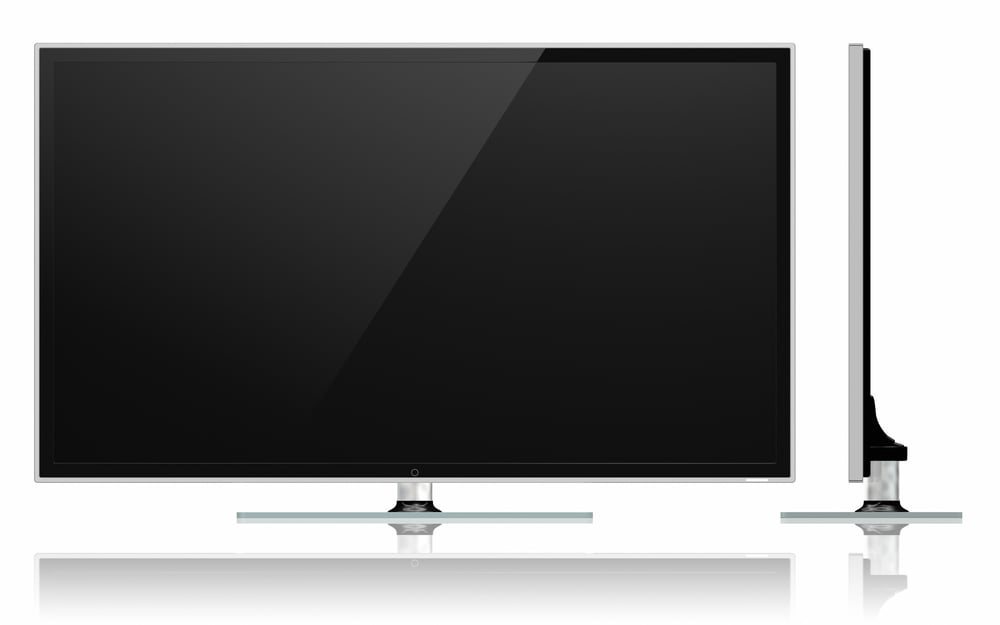
For a brief period around 2010, electronics manufacturers were convinced that 3D television would transform home entertainment. Companies like Samsung and LG pushed the technology hard, with ESPN even launching a dedicated 3D channel.
The novelty quickly wore off as consumers tired of wearing special glasses, dealing with limited viewing angles, and paying premium prices for content that didn’t truly enhance the viewing experience. By 2017, virtually all major manufacturers had abandoned 3D TV production.
Palm Pre
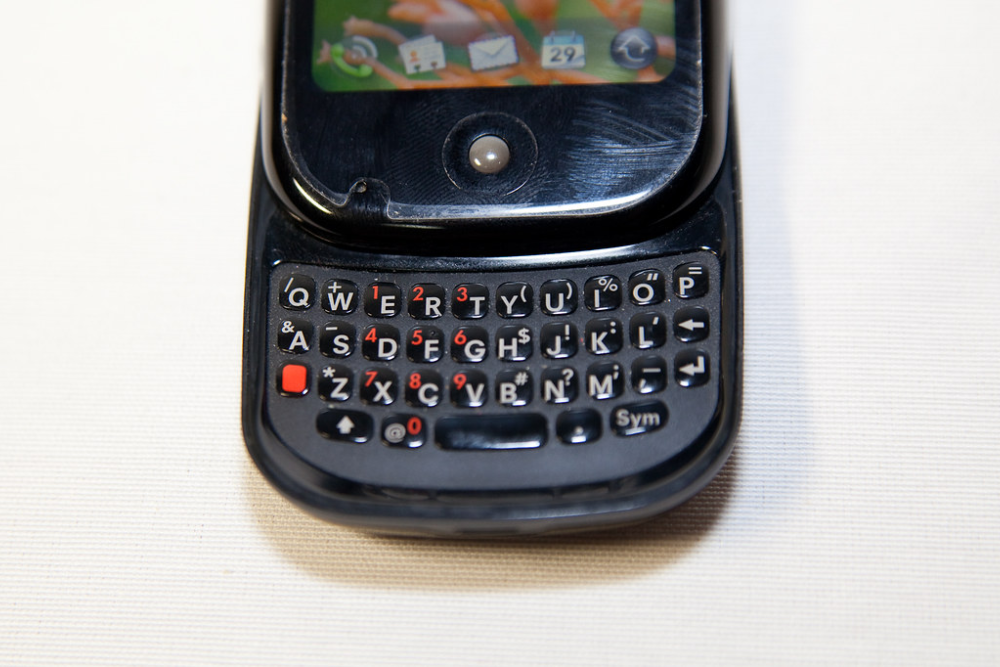
When former Apple engineer Jon Rubinstein unveiled the Palm Pre in 2009, it genuinely seemed like the iPhone had met its match. The sleek smartphone featured a revolutionary webOS interface with true multitasking and a clever card-based interface that influenced mobile design for years to come.
Despite positive reviews, poor marketing by Palm and later HP (which acquired the company) meant the Pre never gained traction. WebOS was eventually sold to LG for use in smart TVs, and a groundbreaking mobile operating system faded into tech history.
Like Go2Tutors’s content? Follow us on MSN.
Microsoft Zune

Microsoft’s attempt to dethrone the iPod arrived in 2006 with some genuinely innovative features, including wireless sync and music sharing capabilities that were ahead of their time. The Zune’s hardware was solid, and its interface arguably superior to early iPods in some ways.
However, it entered the market too late as consumers were already deeply embedded in Apple’s ecosystem. After five years of dismal sales and minimal market impact, Microsoft discontinued the Zune in 2011, making it a cautionary tale of good technology with bad timing.
Nintendo Virtual Boy
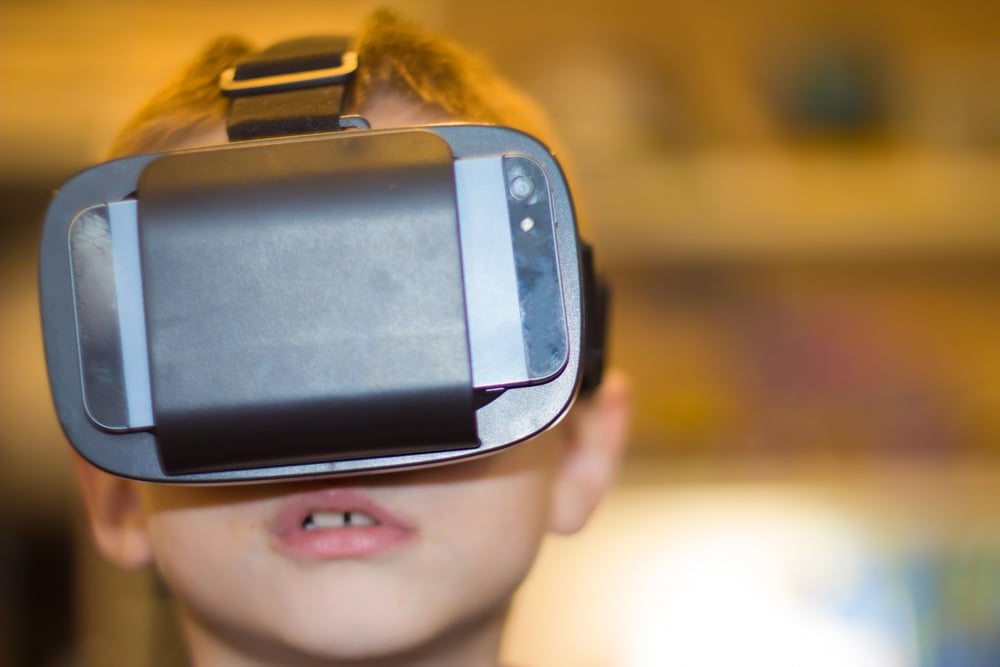
Long before modern VR headsets, Nintendo attempted to pioneer virtual reality gaming with the 1995 release of the Virtual Boy. The strange-looking tabletop console displayed monochromatic red graphics and promised immersive 3D gameplay.
Users quickly discovered that extended play sessions caused headaches and eye strain, while the limited color palette and uncomfortable design made it nearly impossible to enjoy. Nintendo pulled the Virtual Boy from markets after just one year, making it one of the company’s rare failures.
Theranos Edison

Few technological flameouts have been as spectacular as the Theranos Edison blood-testing device. Elizabeth Holmes founded Theranos claiming the Edison could run hundreds of tests from just a few drops of blood.
The promise of painless, comprehensive blood testing attracted billions in investment and made Holmes briefly the world’s youngest self-made female billionaire. The only problem: the technology never actually worked.
The subsequent fraud trial and conviction made Theranos synonymous with Silicon Valley deception rather than innovation.
Like Go2Tutors’s content? Follow us on MSN.
Ouya
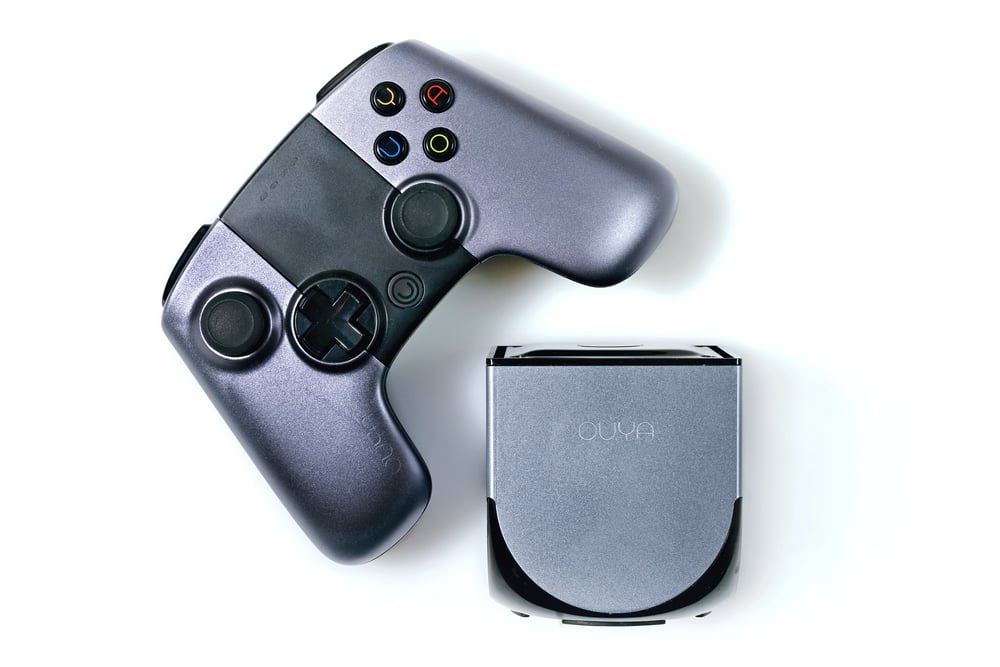
The Android-powered gaming console raised an impressive $8.6 million on Kickstarter in 2012, promising to disrupt the home gaming market with an affordable, open platform for independent developers. When the $99 cube-shaped device finally reached backers, it was plagued by controller issues, a confusing interface, and games that generally felt like mobile experiences awkwardly ported to television screens.
The company struggled to gain traction and was eventually acquired by Razer in 2015, with service officially ending in 2019.
Sony Dash
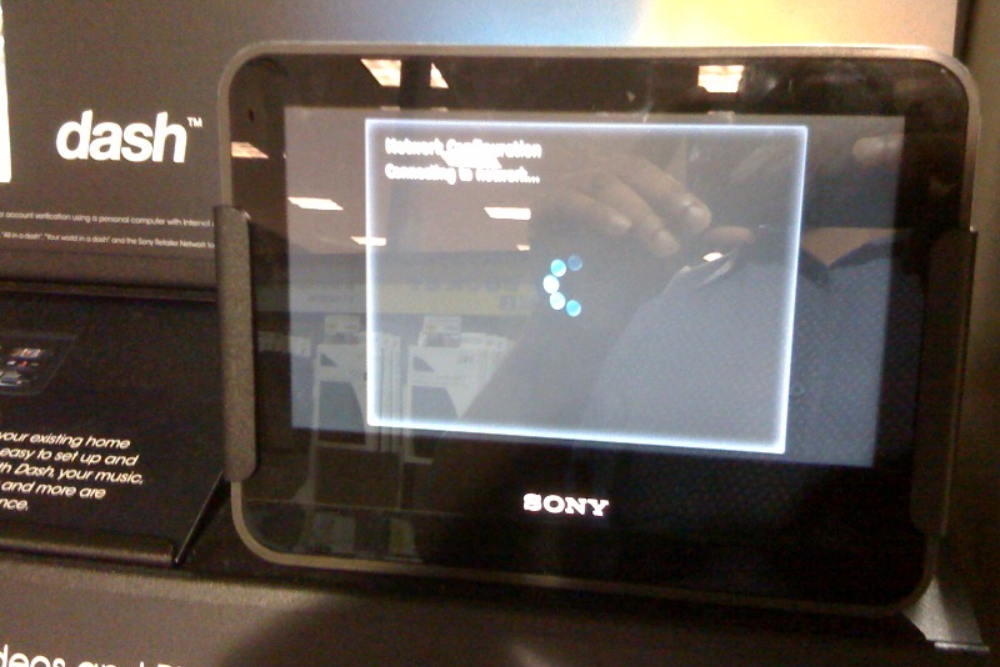
Marketed as a ‘personal internet viewer,’ the Sony Dash was an early attempt at creating a smart home hub before such devices were common. Released in 2010, this touchscreen device sat on a nightstand or kitchen counter displaying weather, news, social media updates, and streaming media.
The Dash suffered from an identity crisis—it wasn’t portable enough to be a tablet, yet too limited in functionality to justify its dedicated space. Sony discontinued support in 2017, leaving users with expensive paperweights.
Fire Phone
Amazon’s first and only smartphone launched in 2014 with a 3D-like display technology called ‘Dynamic Perspective’ that tracked the user’s face to create depth effects. While technically impressive, the feature proved more gimmicky than useful.
The Fire Phone also suffered from a lack of Google apps, an AT&T exclusivity deal, and an interface that seemed primarily designed as an Amazon shopping portal. Amazon took a $170 million write-down on unsold inventory, and the phone was discontinued just one year after launch.
Like Go2Tutors’s content? Follow us on MSN.
Pebble Smartwatch
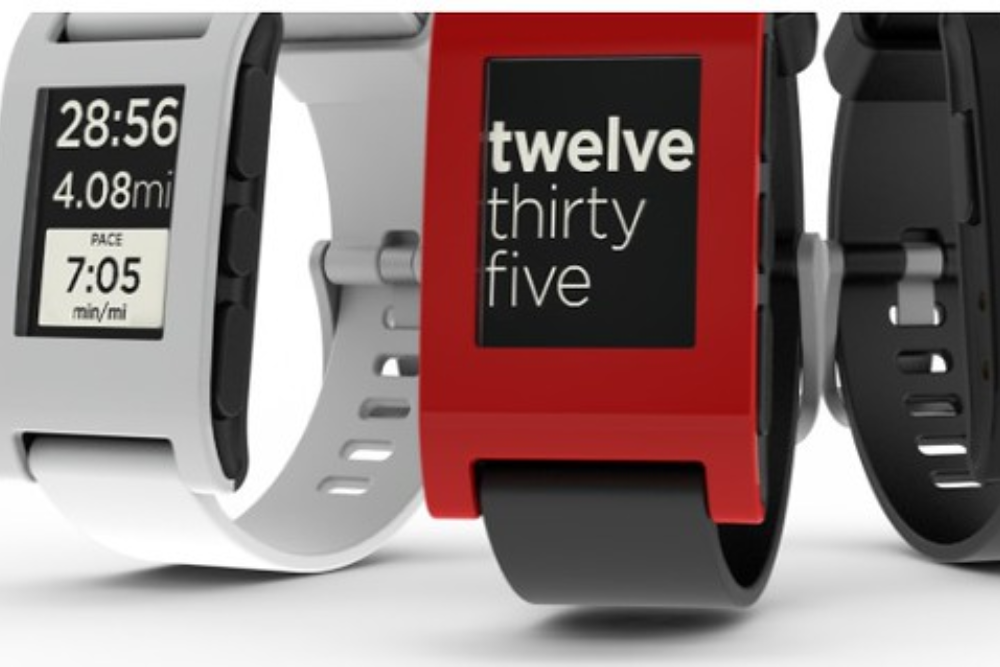
Before Apple Watch dominated the market, Pebble created one of the first commercially successful smartwatches. The e-paper display offered excellent battery life, while its open platform encouraged third-party development.
Despite initially breaking Kickstarter records in 2012, Pebble struggled to compete as tech giants entered the wearable space with vastly larger marketing budgets and integrated ecosystems. The company sold its assets to Fitbit in 2016, leaving early adopters with devices that would soon lose support.
Juicero

Perhaps no product better epitomizes Silicon Valley excess than Juicero, a $699 (later reduced to $399) Wi-Fi connected juice press that squeezed proprietary produce packets. Despite raising nearly $120 million in venture capital, the company quickly became a laughingstock when Bloomberg demonstrated that the expensive machine was unnecessary—users could squeeze the packets by hand just as effectively.
The company folded in 2017, just 16 months after product launch, becoming the perfect metaphor for overengineered solutions to non-existent problems.
Google+

Google’s ambitious attempt to create a Facebook competitor launched in 2011 with features like video chat ‘Hangouts’ and organizational tools called ‘Circles.’ Despite Google’s market dominance and aggressive promotion across its ecosystem, Google+ never captured user interest or engagement.
The platform struggled with an unintuitive interface and the fundamental challenge that most people didn’t need another social network. After years of declining usage and a data privacy breach, Google finally shut down the consumer version in 2019.
Like Go2Tutors’s content? Follow us on MSN.
Lessons from Tech’s Greatest Misses
These forgotten products remind us that innovation rarely follows a straight line. Many introduced genuinely revolutionary technologies that were simply ahead of their time—the Zune’s music sharing capabilities predated Spotify, while Palm’s multitasking interface influenced modern smartphones. Others suffered from poor execution, unrealistic expectations, or fundamental misunderstandings of what consumers actually wanted.
What unites them all is the narrow gap between visionary technology and commercial failure, proving that timing, marketing, and user experience often matter more than the brilliance of the underlying idea.
More from Go2Tutors!

- 18 Unexpectedly Valuable Collectibles You Might Have Lying Around
- 15 Things Every Teenager in the ’70s Did That Teens Today Wouldn’t Understand
- 15 Strange Things People Have Tried to Ban (And Failed)
- 15 Inventions That Were Immediately Banned After Being Created
- 20 Actors Who Were Almost Cast in Iconic Roles
Like Go2Tutors’s content? Follow us on MSN.