19 Athletic Records That Used Questionable Methods
Athletic history is filled with achievements that push the boundaries of what’s considered fair play. While most athletes compete within established rules, some records were set using methods that raised eyebrows, bending regulations or exploiting loopholes that officials hadn’t considered. These controversial performances often sparked rule changes and redefined what constitutes legitimate competition, though they also revealed the creative lengths people will go to for victory.
The most fascinating aspect isn’t just that these methods worked—it’s how they changed sports forever by forcing organizations to clarify their standards. Here is a list of 19 athletic records that used questionable methods.
Dick Fosbury’s High Jump Revolution
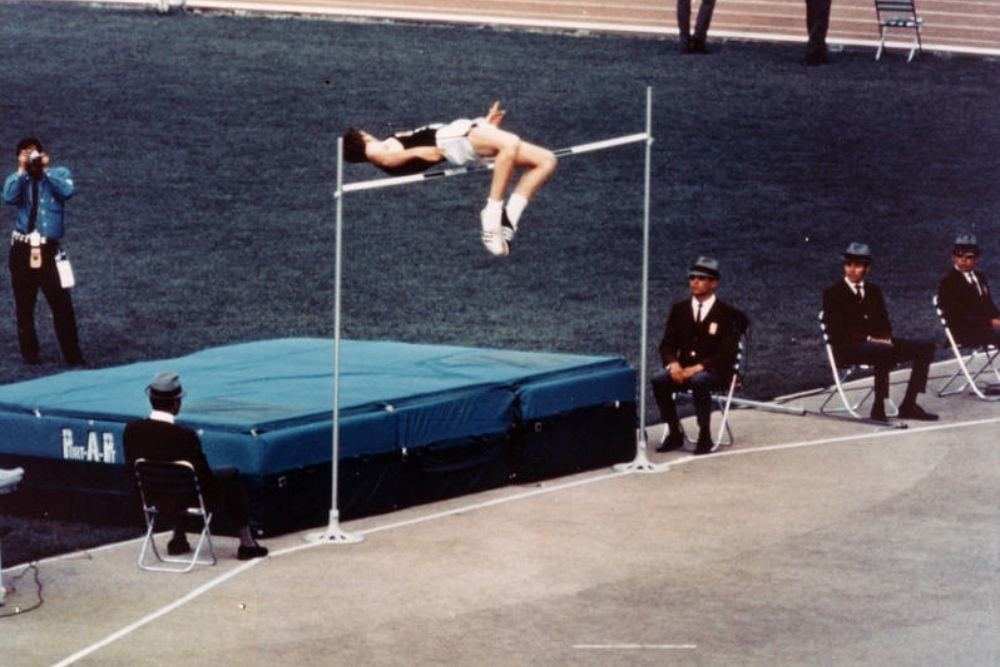
Fosbury won the 1968 Olympics by jumping backwards over the bar—a technique that seemed completely wrong to traditional coaches. Most jumpers used the straddle method, but Fosbury’s “flop” looked dangerous and unorthodox.
Officials couldn’t find any rule against it, though many thought it violated the spirit of high jumping.
Stella Walsh’s Gender Controversy

This sprinter dominated women’s track for decades, setting multiple world records in the 1930s and 1940s. After Walsh died in 1980, an autopsy revealed male chromosomes and anatomy, raising questions about all those victories.
The records still stand because gender testing wasn’t available during Walsh’s competing years.
Ben Johnson’s Steroid-Fueled Sprint

Johnson set a world record in the 100 meters at the 1988 Olympics, running 9.79 seconds in what seemed like a superhuman performance. Drug tests revealed massive steroid use, but Johnson had been using performance enhancers for years while passing previous screenings.
His methods exposed how athletes could beat testing systems through careful timing.
Rosie Ruiz’s Boston Marathon Shortcut
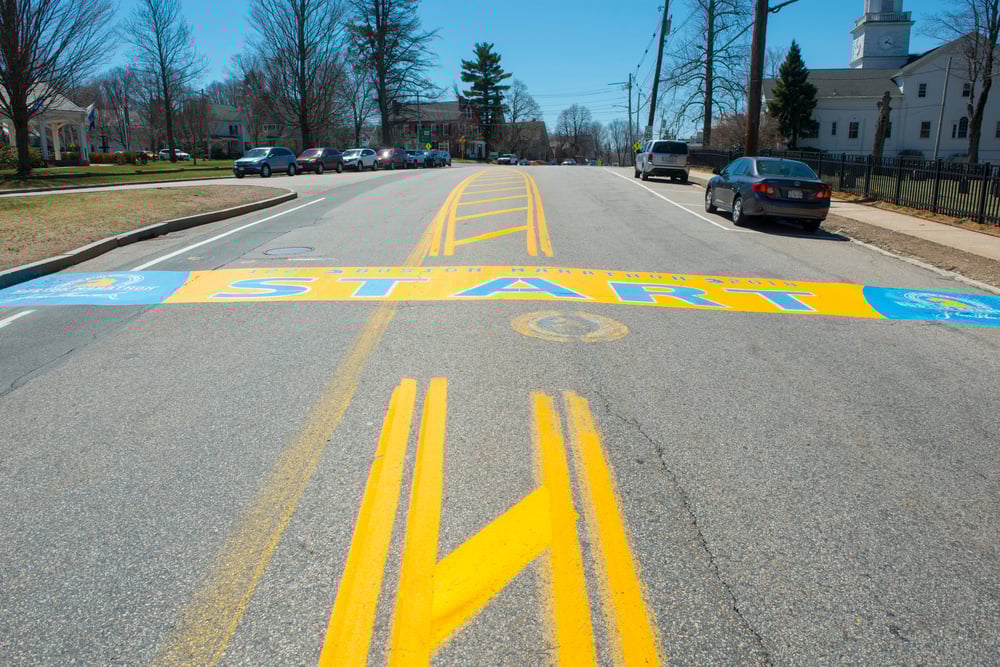
Ruiz appeared to win the 1980 Boston Marathon in record time, though something seemed off about her performance. Investigators discovered she’d taken the subway for most of the race, only running the final half mile to the finish line.
Her “victory” lasted eight days before officials stripped her of the title.
Eddie Gaedel’s Baseball Experiment
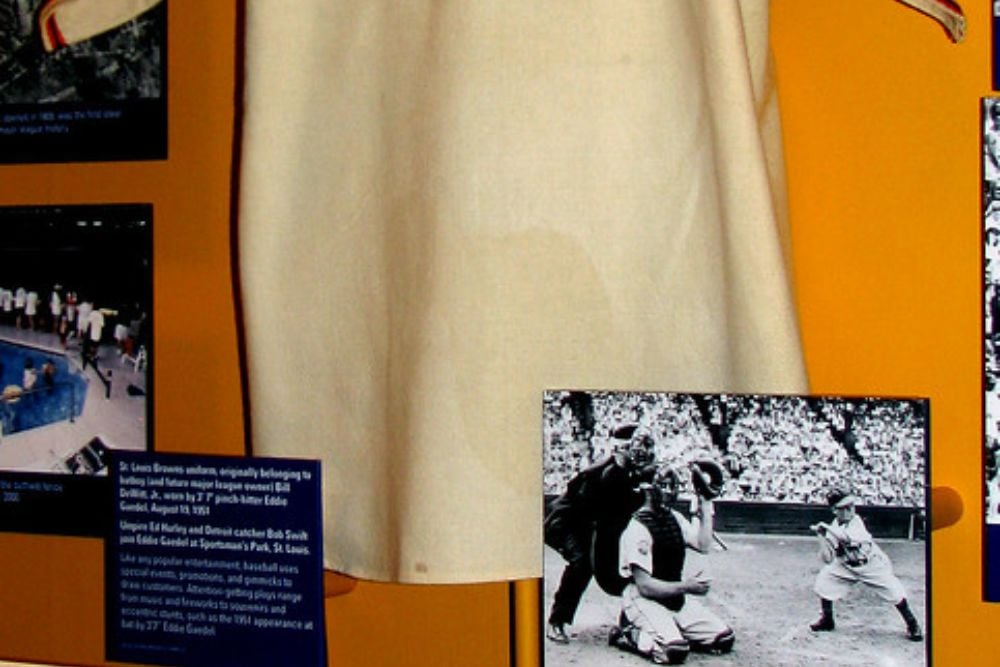
Standing just 3 feet 7 inches tall, Gaedel walked in his only major league at-bat because his strike zone was practically nonexistent. The St. Louis Browns owner signed him as a publicity stunt, knowing pitchers couldn’t throw strikes to someone so short.
Baseball banned the practice immediately, but Gaedel proved how rules could be manipulated.
Boris Onishchenko’s Electronic Fencing Fraud
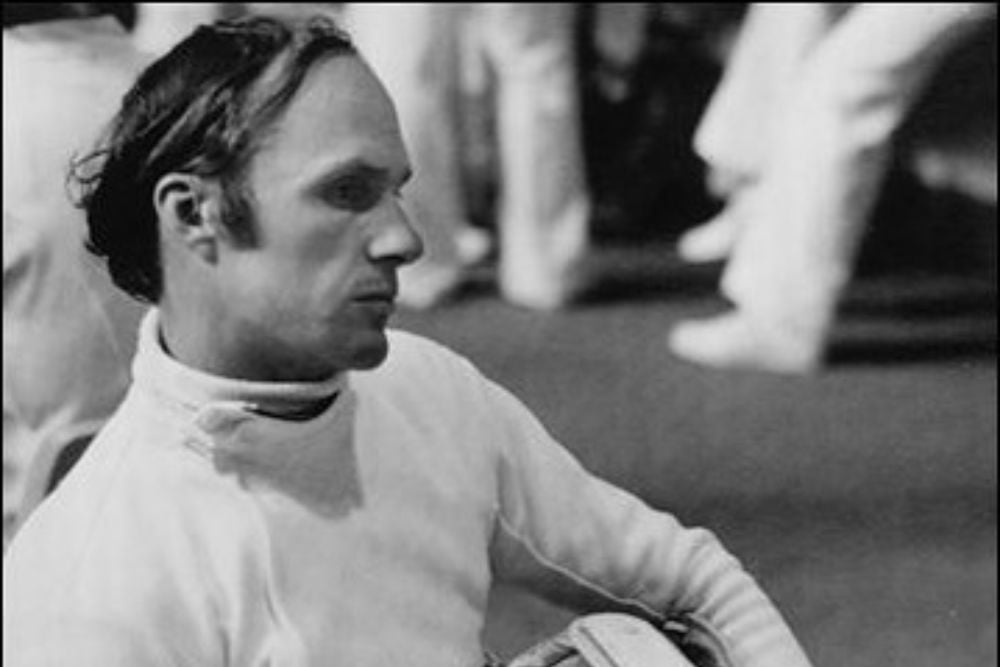
This Soviet pentathlete modified his fencing equipment to register hits electronically even when he missed his opponents. The device let him score points without making contact—giving him unfair advantages in multiple competitions.
Officials caught him during the 1976 Olympics when his sword malfunctioned during a crucial match.
Dora Ratjen’s Decade-Long Deception

Ratjen competed as a woman in track and field events throughout the 1930s, setting a world record in the high jump. After retiring, Ratjen revealed he was actually male—and had been forced to compete as a woman by Nazi officials.
The deception lasted for years because gender verification didn’t exist in competitive athletics.
Danny Almonte’s Little League Lie

Almonte dominated the 2001 Little League World Series by throwing a perfect game and striking out batters who seemed helpless against his pitching. Investigations revealed he was actually 14 years old—two years older than the league limit.
His team’s victories were erased, but the controversy exposed weaknesses in age verification systems.
Marion Jones’s Systematic Doping
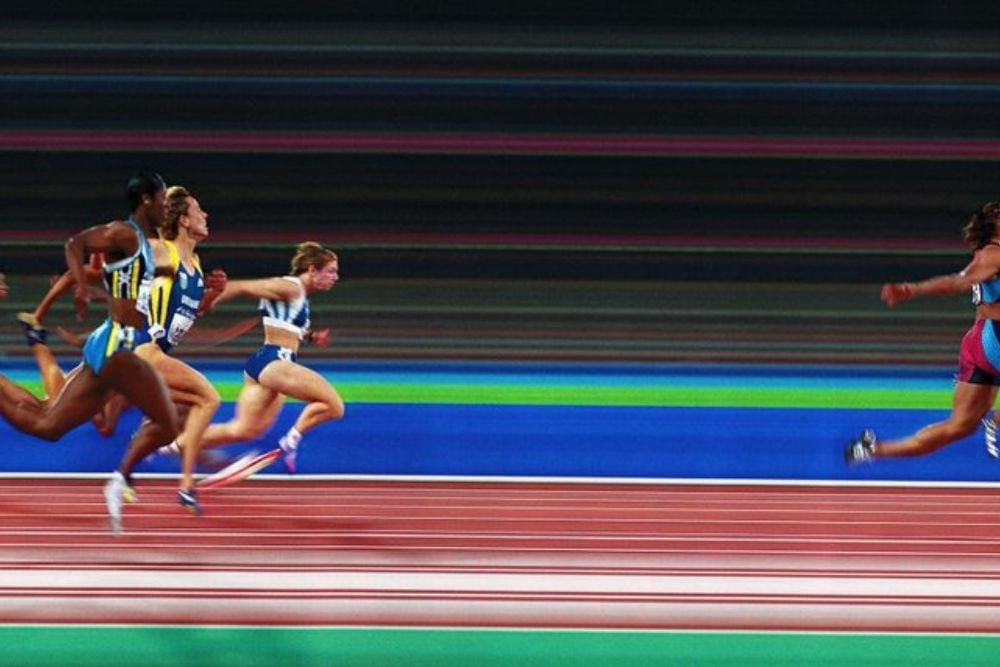
Jones won five medals at the 2000 Olympics while using a sophisticated doping program that avoided detection for years. Her methods included designer steroids that weren’t on banned substance lists—plus careful timing to avoid positive tests.
She eventually confessed and returned her medals, but her techniques influenced anti-doping policies.
Fred Lorz’s Marathon Ride

Lorz appeared to win the 1904 Olympic marathon in St. Louis—though he’d actually gotten a ride in a car for 11 miles of the race. He claimed it was a joke when officials discovered the truth, but he’d already received the gold medal and congratulations.
The incident forced officials to monitor races more carefully.
East German Swimming Dominance
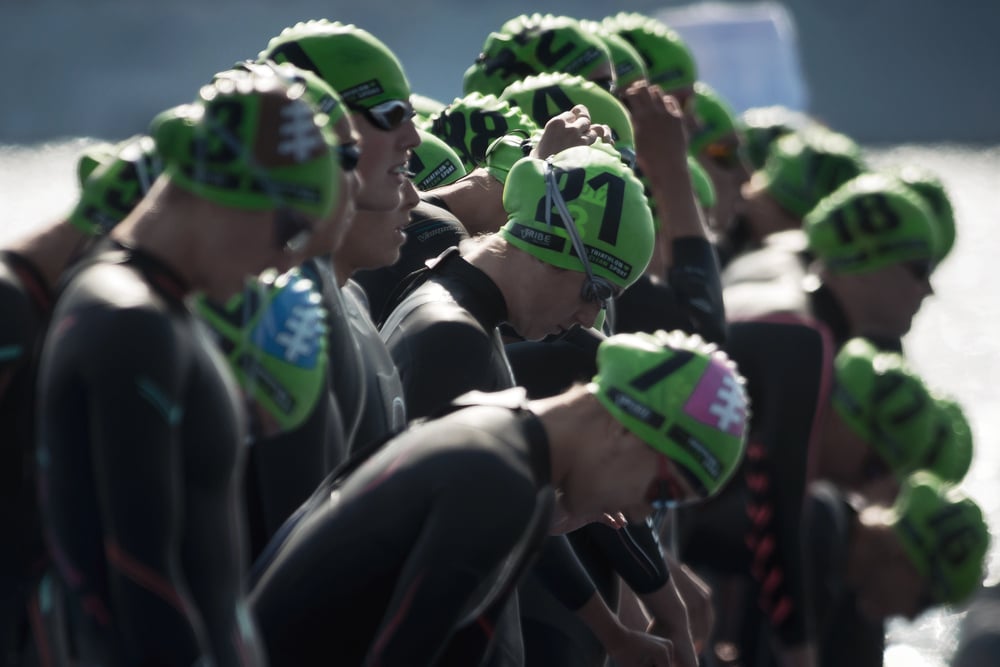
East German female swimmers suddenly began breaking world records at an unprecedented rate during the 1970s and 1980s. Their training methods included systematic steroid use that officials couldn’t detect with available testing technology.
The program created records that stood for decades while permanently damaging many athletes’ health.
Tim Montgomery’s Tainted Sprint Record

Montgomery set a 100-meter world record in 2002 while participating in the BALCO doping scandal that involved designer steroids. His training included substances that weren’t detectable by standard drug tests at the time.
The record was eventually stripped, but Montgomery’s methods exposed gaps in anti-doping procedures.
Michelle Smith’s Swimming Surge

The Irish swimmer improved dramatically before the 1996 Olympics, winning three gold medals in events where she’d previously been mediocre. Her sudden improvement raised suspicions, especially when she later tested positive for elevated testosterone levels, though not during the Olympics themselves.
Officials couldn’t prove doping during the Olympics, so her medals remained valid despite the controversy.
Luz Long’s Advice to Jesse Owens
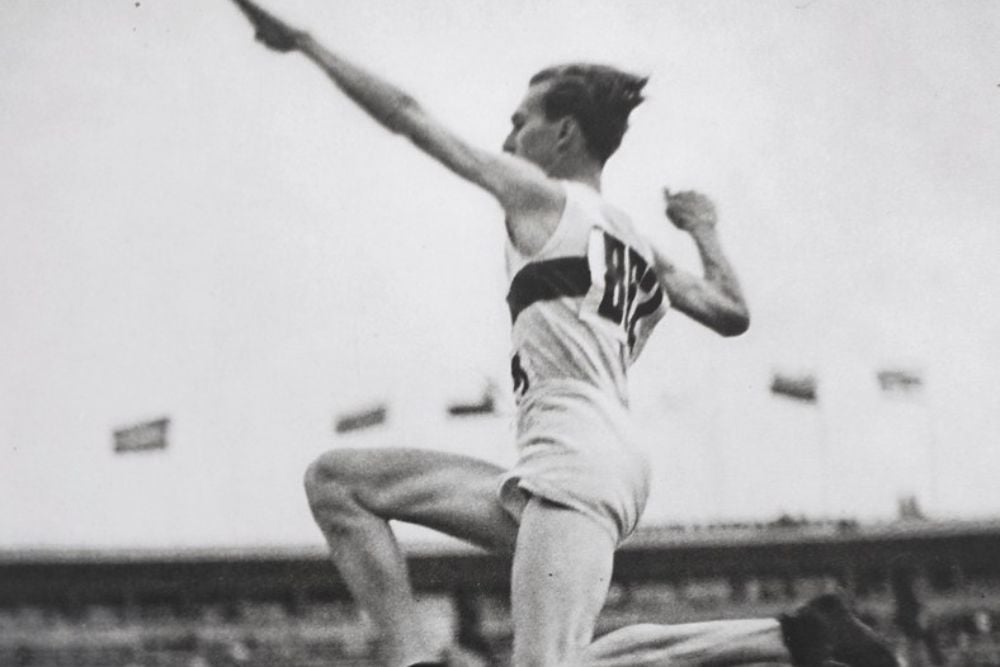
Long helped his competitor Jesse Owens qualify for the long jump finals at the 1936 Olympics by giving him technical advice. The German athlete essentially coached his opponent, which violated the competitive spirit that officials expected.
Their friendship became legendary, though it raised questions about athletes helping competitors during events.
Florence Griffith-Joyner’s Mysterious Speed
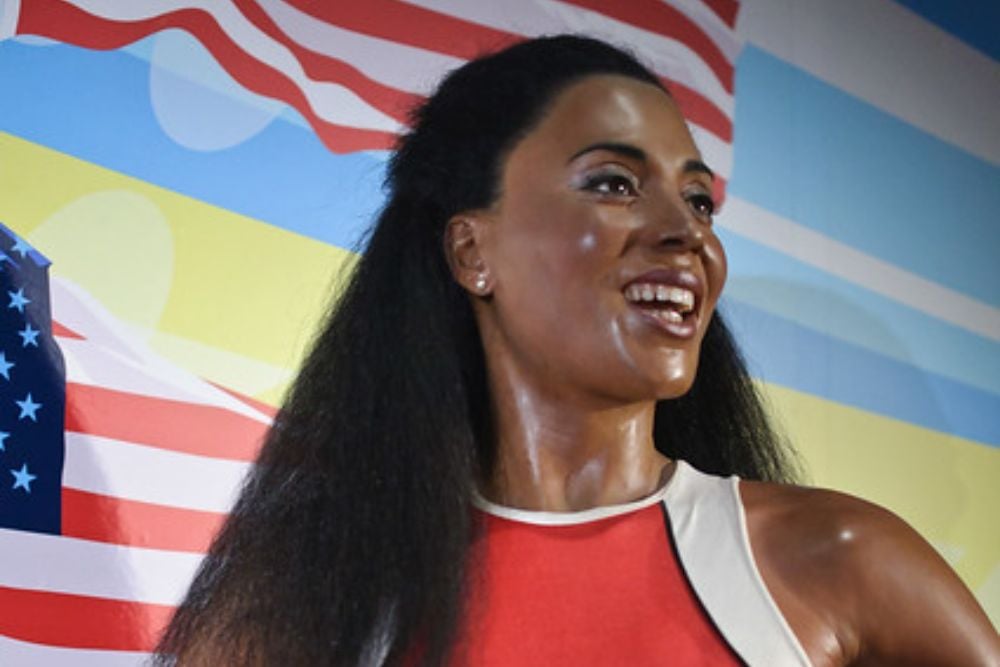
Griffith-Joyner suddenly ran much faster than ever before at the 1988 Olympics, setting world records that still stand today. Her dramatic improvement in such a short time raised suspicions about performance enhancement, though she never failed a drug test.
The controversy intensified after her early death, but no evidence of wrongdoing was ever found.
Roberto Alomar’s Spitting Incident

Alomar spit on an umpire during a heated argument, which should have resulted in immediate ejection and suspension. However, he continued playing in playoff games because officials didn’t want to affect the postseason.
His actions changed how baseball handles player misconduct during crucial games.
Tonya Harding’s Attack Plot

Harding’s associates attacked competitor Nancy Kerrigan before the 1994 Olympics, attempting to prevent her from competing. While Harding denied direct involvement, she benefited from the attack by securing a spot on the Olympic team.
The incident exposed how personal conflicts could influence athletic competition.
Lance Armstrong’s Elaborate Cover-Up
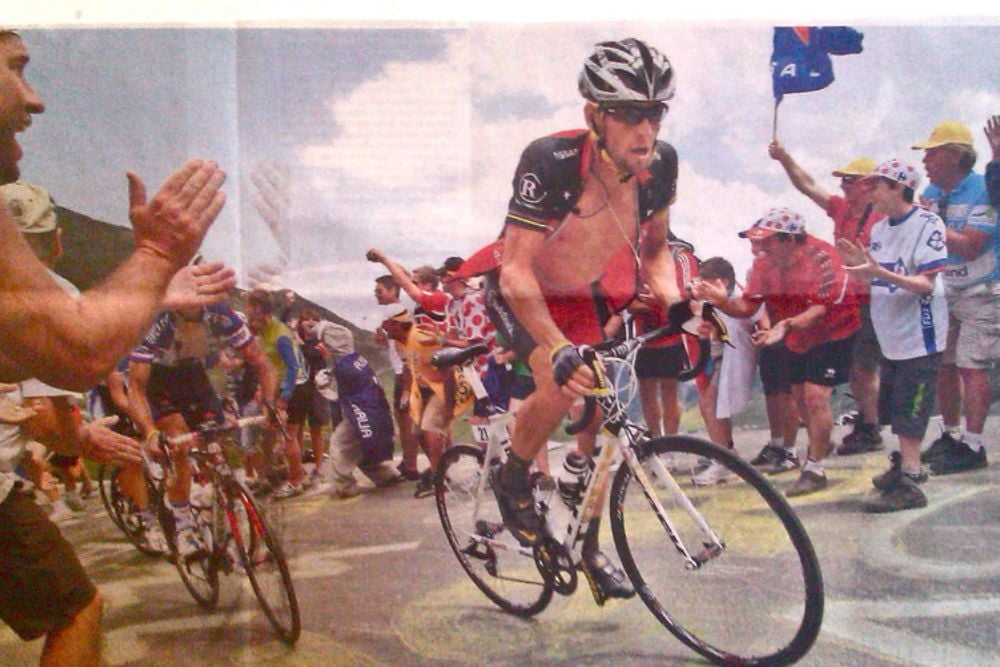
Armstrong won seven consecutive Tour de France titles while using sophisticated doping methods that avoided detection for over a decade. His program included blood transfusions, EPO, and testosterone while maintaining relationships with testing officials.
The systematic approach showed how athletes could beat anti-doping systems through organization and resources.
Michael Phelps’s Technological Advantage

Phelps wore advanced swimsuits at the 2008 Olympics that provided significant buoyancy and speed advantages over traditional materials. While legal at the time, the suits gave swimmers measurable performance improvements that weren’t available to all competitors.
Swimming officials later banned the technology to maintain fairness.
When Victory Comes with Asterisks

These controversial achievements reveal the ongoing tension between athletic innovation and fair competition. Some methods exploited loopholes that officials hadn’t considered, while others involved outright cheating that took years to discover.
Sports organizations continue updating rules and testing procedures because athletes will always find new ways to gain advantages, proving that the definition of legitimate competition keeps evolving.
More from Go2Tutors!

- The Romanov Crown Jewels and Their Tragic Fate
- 13 Historical Mysteries That Science Still Can’t Solve
- Famous Hoaxes That Fooled the World for Years
- 15 Child Stars with Tragic Adult Lives
- 16 Famous Jewelry Pieces in History
Like Go2Tutors’s content? Follow us on MSN.



