14 Reasons 90s Chatrooms Felt Magical
Imagine: It’s 1997, you’re sitting at your family desktop computer and that familiar dial-up modem tone echoes through the room. You’re about to enter a universe where anything seemed possible, where strangers became friends and the internet was an open frontier waiting to be explored.
Those were the days of 90s chatrooms – when online chatting had a primitive charm, untampered by the juices that drain with use, tenderness and time into social networks. These virtual spaces weren’t just places to chat; they were digital havens where communities flourished, identities were explored, and genuine connections formed across thousands of miles.
Here’s a list of 14 reasons why 90s chatrooms felt absolutely magical to anyone who experienced them.
The Thrill of Connecting
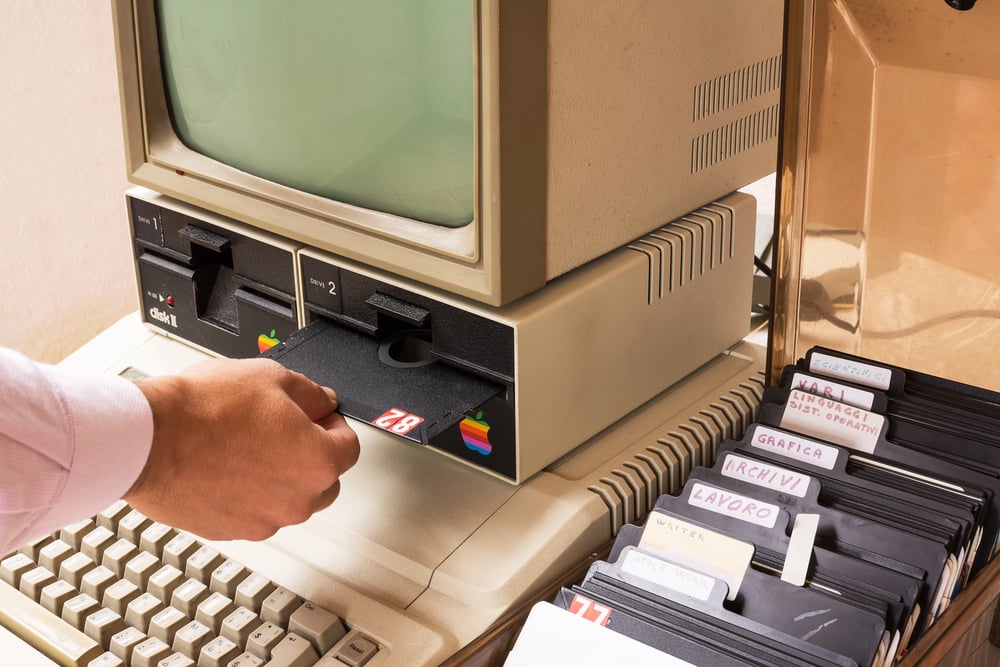
Getting online in the 90s wasn’t something you took for granted. You had to actively choose to connect, wait for that modem to screech and negotiate with your internet service provider, then hold your breath hoping the connection would actually work.
When it did, there was genuine excitement – like opening a door to another world. This anticipation made every online session feel special, unlike today where we’re permanently connected and take instant access for granted.
Anonymity Felt Like Freedom

Your screen name was your passport to reinvention. Behind handles like ‘NightOwl92’ or ‘MusicLover4Ever,’ you could be whoever you wanted to be without the weight of real-world expectations.
This anonymity wasn’t about hiding – it was about exploring different parts of your personality in a safe space. You could share thoughts, opinions, and dreams without worrying about how it might affect your reputation at school or work the next day.
Every Conversation Was an Adventure

You never knew who you’d meet or what fascinating conversation might unfold. One minute you’re discussing your favorite band with someone from across the country, the next you’re getting life advice from a college student in another time zone.
Each new person brought their own perspective, background, and stories, making every chat session feel like opening a mystery box of human connection.
Communities Formed Around Pure Interest

Unlike today’s algorithm-driven feeds, 90s chatrooms were organized around specific topics and interests. Whether you were into science fiction, punk music, cooking, or computer programming, you could find ‘your people’ in dedicated rooms.
These communities felt authentic because everyone there had actively chosen to participate in discussions about shared passions, creating incredibly focused and engaging conversations.
The Sound Effects Were Everything

Remember the triumphant ‘ding’ when someone sent you an instant message, or the distinctive sounds each IRC client made for different events. These audio cues became part of the internet experience, creating a soundtrack that made online interactions feel more real and immediate.
Your ears would perk up when you heard that familiar notification sound, knowing someone wanted to connect with you in that vast digital space.
Waiting Made Everything More Meaningful

In an era of dial-up internet, patience wasn’t just a virtue – it was a requirement. Messages took time to send, images loaded line by line, and sometimes connections would drop mid-conversation.
This slower pace meant that every exchange felt more intentional and valuable. You couldn’t mindlessly scroll through endless content, so the conversations you did have carried more weight and attention.
Screen Names Told Stories

Your handle wasn’t just an identifier – it was a tiny piece of art that expressed your personality, interests, or mood. People put thought into creating memorable screen names that would represent them in the digital world.
‘GuitarDreamer88,’ ‘BookwormSarah,’ or ‘SkaterDude95’ immediately told other users something about who you were, serving as conversation starters and identity markers in ways that today’s real-name social media simply can’t match.
Late Night Felt Like a Secret Club

There was something special about being online late at night when the digital world felt smaller and more intimate. The usual daytime crowd had logged off, leaving behind a core group of night owls who formed tighter bonds through shared insomnia and deeper conversations.
These late-night sessions often produced the most meaningful friendships, as people opened up more when the rest of the world was asleep.
Global Connections Felt Revolutionary

In the 90s, talking to someone from another country felt genuinely groundbreaking. Before social media made international communication commonplace, chatrooms offered your first real taste of the global community.
Learning about different cultures, time zones, and perspectives from people you’d never have met otherwise was mind-expanding in ways that felt truly magical and transformative.
The Learning Curve Created Bonds

Not everyone was naturally tech-savvy, so helping newcomers learn IRC commands, navigate different channels, or troubleshoot connection issues became a community bonding experience. Experienced users took pride in mentoring newcomers, and those being helped felt genuine gratitude.
This collaborative spirit created a culture of mutual support that extended far beyond technical assistance into real friendship and community care.
Conversations Had Real Stakes

Without the safety net of editing, deleting, or carefully curating your online presence, every message felt more genuine and immediate. What you typed was what people saw, creating a more authentic form of communication.
Misunderstandings had to be worked through in real-time, and meaningful conversations couldn’t be interrupted by notifications or the temptation to multitask across multiple platforms.
Channel Operators Were Digital Heroes

The @ symbol next to someone’s name meant they had special powers to maintain order, kick out troublemakers, and keep conversations on track. These volunteer moderators weren’t corporate employees or algorithm-driven systems – they were community members who cared enough to help maintain the spaces everyone enjoyed.
Their presence made chatrooms feel safer and more welcoming while preserving the authentic community atmosphere.
Customization Was an Art Form

From mIRC scripts to custom sound packs and elaborate away messages, personalizing your chat experience was both a technical challenge and a creative outlet. Users spent hours crafting the perfect setup, writing automated responses, and creating unique chat environments.
This level of customization made each person’s online experience feel truly their own, fostering a sense of ownership and pride in their digital presence.
Celebrity Encounters Felt Surreal

When celebrities like Jay Leno or even Marlon Brando showed up in chatrooms, it created legendary moments that users still talk about decades later. These weren’t scheduled publicity events or carefully managed social media appearances – they were spontaneous interactions where famous people mingled with regular users in unscripted, genuine conversations.
The possibility that you might randomly encounter someone famous added an element of excitement to every chat session.
When Magic Lives On
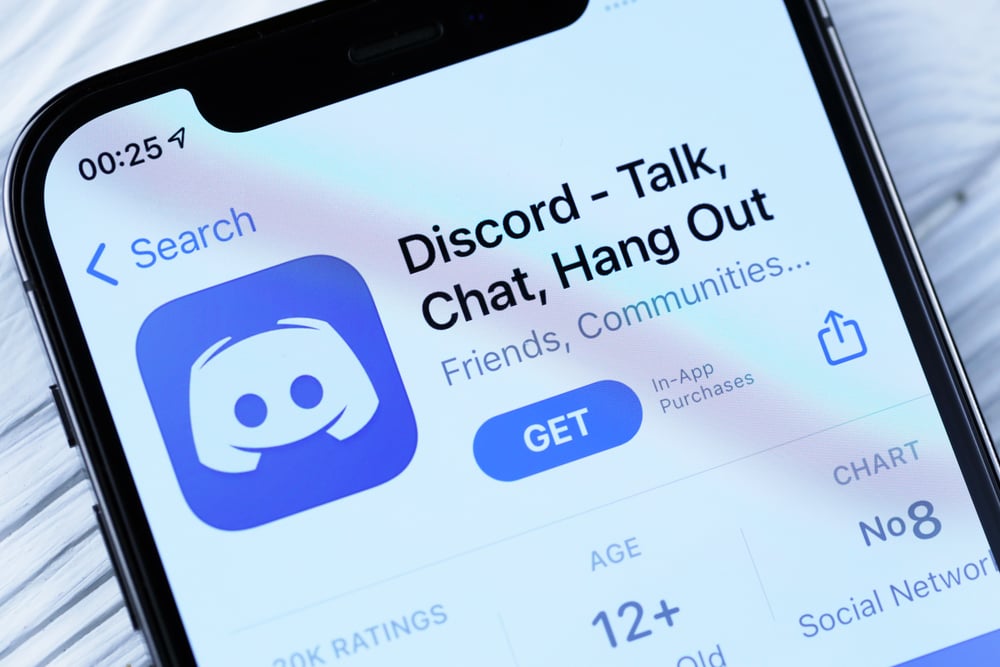
The spirit of ‘90s chat didn’t vanish, it adapted, finding new homes in Discord servers and Reddit communities and writers’ forums where real conversation can still happen. So we can’t return to that frisson of dialing up to mIRC on a Friday night in 1998, but we can find those areas of the internet where showing up is more important than showing off, where groups gather out of fascination rather than social standing and the simple act of talking with another human being across the digital divide still carries a touch of magic.
The technology has changed, but the human desire for authentic connection remains exactly the same.
More from Go2Tutors!

- The Romanov Crown Jewels and Their Tragic Fate
- 13 Historical Mysteries That Science Still Can’t Solve
- Famous Hoaxes That Fooled the World for Years
- 15 Child Stars with Tragic Adult Lives
- 16 Famous Jewelry Pieces in History
Like Go2Tutors’s content? Follow us on MSN.



