Pepsi’s Cold War military moment
The Cold War produced unlikely alliances and stranger deals, yet one of the most remarkable involved a soft drink brand. For a brief period, Pepsi held military hardware in its portfolio, making it one of the oddest corporate stories of the 20th century. Below are the facts behind Pepsi’s fleeting moment as a global powerbroker.
The Soviet Trade Deal
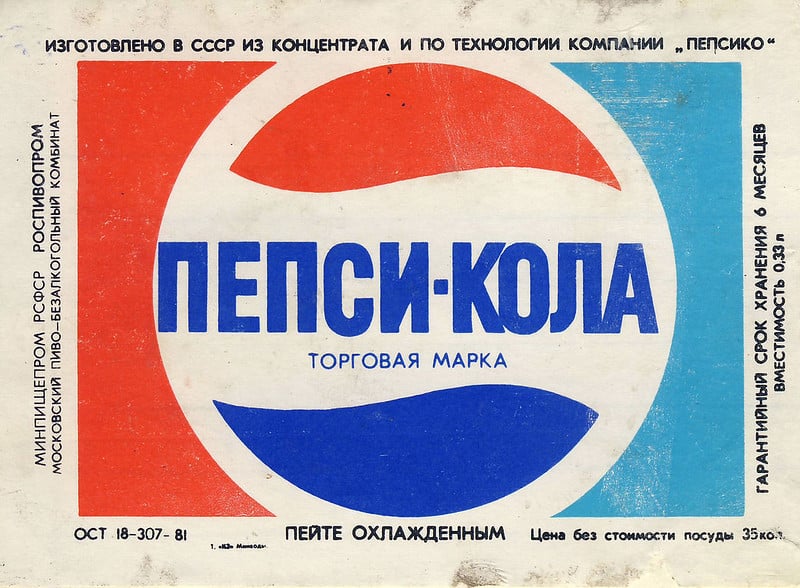
In the late 1950s, Pepsi struck an agreement to bring its cola into the Soviet Union. The problem was clear — Soviet rubles couldn’t be converted on world markets. As a result, Pepsi had to accept something else in exchange, setting the stage for an unusual partnership.
Vodka for Cola

The solution came in the form of Stolichnaya vodka. For years, syrup for cola moved one way, vodka the other — a barter system that suited both sides. The deal became one of the most memorable quirks of East–West trade.
Cola Diplomacy

Pepsi’s arrival in the USSR wasn’t only about commerce. It stood as a cultural symbol — Western consumerism slipping through the Iron Curtain, fizzy and bright. For Soviet citizens, the taste offered a fleeting glimpse of another world.
The Naval Fleet
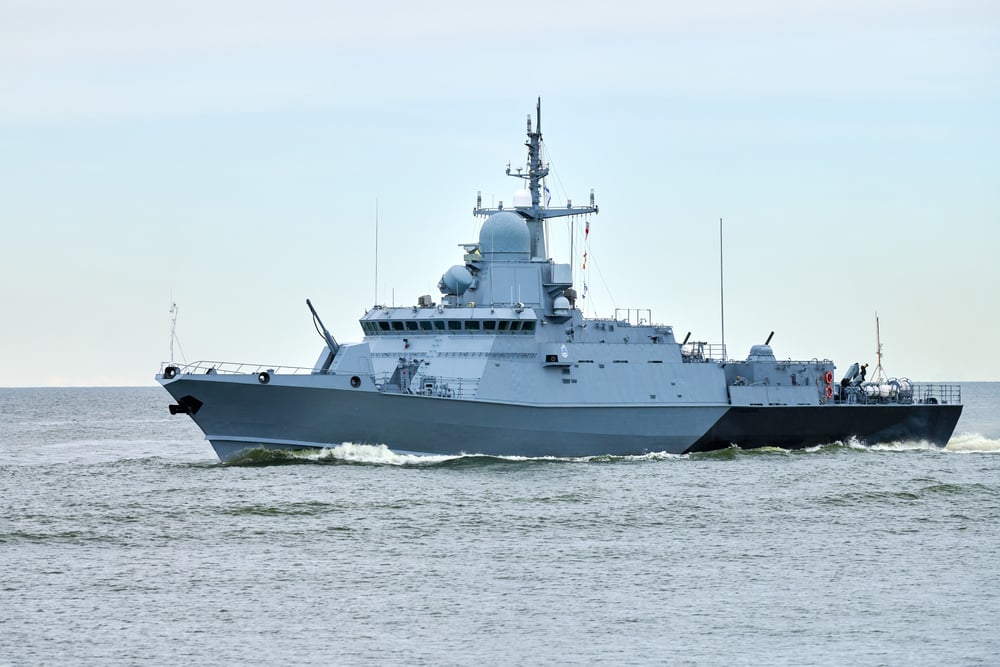
By the late 1980s, vodka alone couldn’t balance the books. So the Soviets handed over military hardware — submarines, a cruiser, a frigate, and even a destroyer. For a short time, Pepsi controlled vessels of war instead of just bottles of syrup.
A Private Navy

Pepsi never planned to use its fleet. The ships were sold for scrap almost immediately, yet the idea of a soft drink company briefly owning a navy remains astonishing. Few corporate stories are this surreal.
Bigger Than the Pentagon
— Photo by a3701027d
One Pepsi executive quipped that the firm was “disarming the USSR faster than the U.S. government.” It was a joke, though it carried a sharp edge. Even so, the irony wasn’t lost on anyone following the deal.
Trade Expansion

The agreement did more than amuse historians. It allowed Pepsi to tighten its grip on the Soviet soft drink market — embedding itself in daily life. For millions of families, the brand became a familiar sight in kitchens and shops.
Coca-Cola Left Out
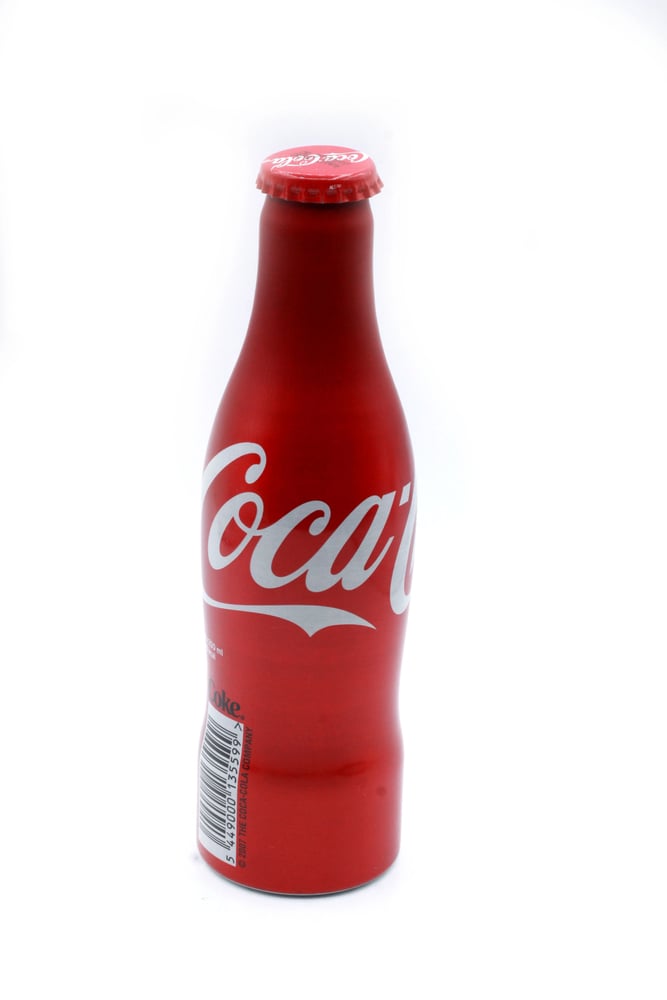
— Photo by shafogokhan
Whereas Pepsi thrived, Coca-Cola stumbled. The rival brand didn’t properly enter the Soviet market until the 1990s, long after Pepsi had secured a head start. Timing, as the saying goes, changes everything.
Cold War Symbolism

The story wasn’t just about submarines or vodka. It represented the odd overlap of politics, economics, and culture — a fizzy drink as both trade and symbolism. It showed how even consumer products could become players in global power struggles.
Forgotten But Legendary

Though it has faded from public memory, the tale remains legendary. Pepsi never fired a shot, yet for a moment, it possessed a navy. The fact still surprises anyone who stumbles across it.
Cola and Conflict

— Photo by Thamkc
From vodka exchanges to warships sold as scrap, Pepsi’s Cold War story proves that ordinary goods sometimes end up with extraordinary roles. It remains one of the strangest intersections of business and geopolitics.
More from Go2Tutors!

- 16 Historical Figures Who Were Nothing Like You Think
- 12 Things Sold in the 80s That Are Now Illegal
- 15 VHS Tapes That Could Be Worth Thousands
- 17 Historical “What Ifs” That Would Have Changed Everything
- 18 TV Shows That Vanished Without a Finale
Like Go2Tutors’s content? Follow us on MSN.