14 Stores That Started as Something Else
Some of today’s biggest retail giants began life as completely different businesses, often in industries that seem worlds apart from their current operations. These transformations weren’t always planned—sometimes necessity, opportunity, or simple curiosity led entrepreneurs down unexpected paths that would reshape entire industries.
The stories behind these dramatic business pivots reveal how adaptability and vision can turn struggling ventures into retail empires. Here is a list of 14 stores that started as something else.
Target
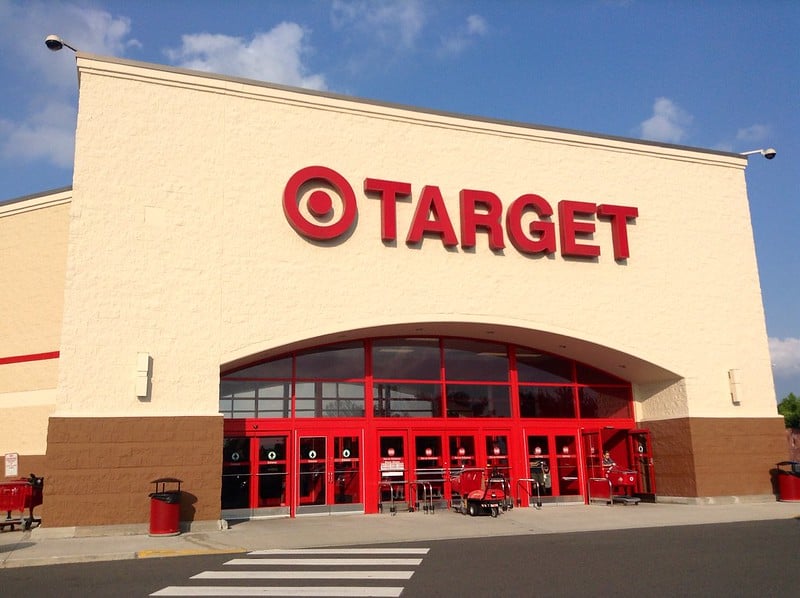
Before becoming the beloved discount retailer with the distinctive red bullseye logo, Target was actually part of the Dayton Company, which operated upscale department stores in Minnesota. The Dayton family launched Target in 1962 as an experiment to capture the growing discount retail market while maintaining their luxury reputation. This dual approach proved so successful that Target eventually became the primary focus, transforming from a side project into one of America’s largest retailers.
Walmart
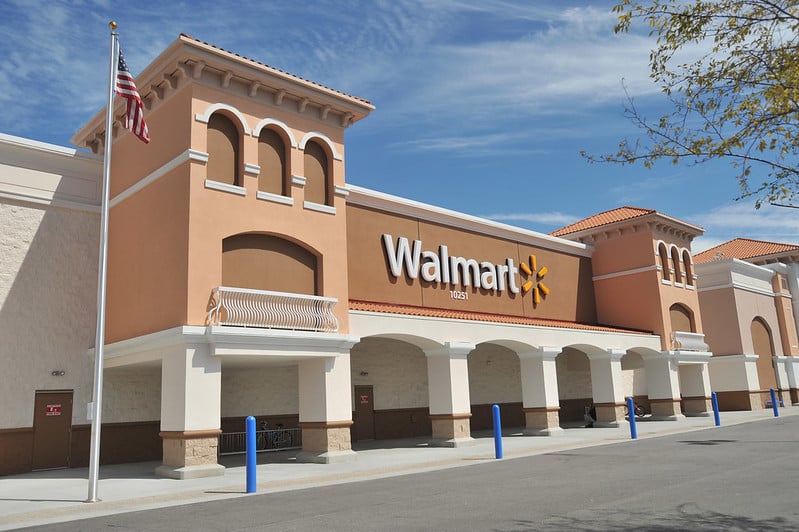
Sam Walton’s retail empire began as a single Ben Franklin variety store franchise in Newport, Arkansas, in 1945. Walton learned the discount retail business through this traditional five-and-dime format before developing his own revolutionary approach to large-scale discount retailing. The first true Walmart didn’t open until 1962, seventeen years after Walton started with that small franchise operation.
Starbucks
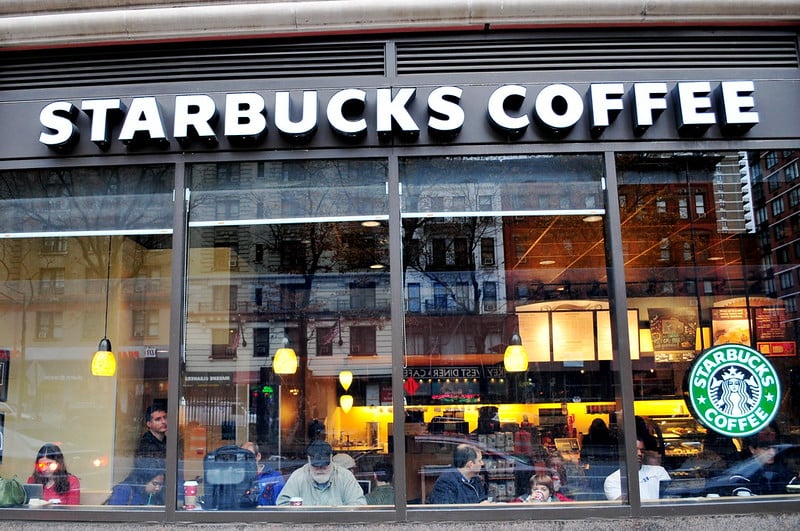
The coffee giant that now dominates street corners worldwide started as a single store in Seattle’s Pike Place Market that sold whole coffee beans, tea, and spices—but no brewed coffee. The original owners were inspired by coffee roasting techniques they learned in Berkeley and focused purely on selling premium beans to home brewers. Howard Schultz joined the company in 1982 and transformed it into the coffeehouse chain we know today after being inspired by Italian espresso bars.
Best Buy
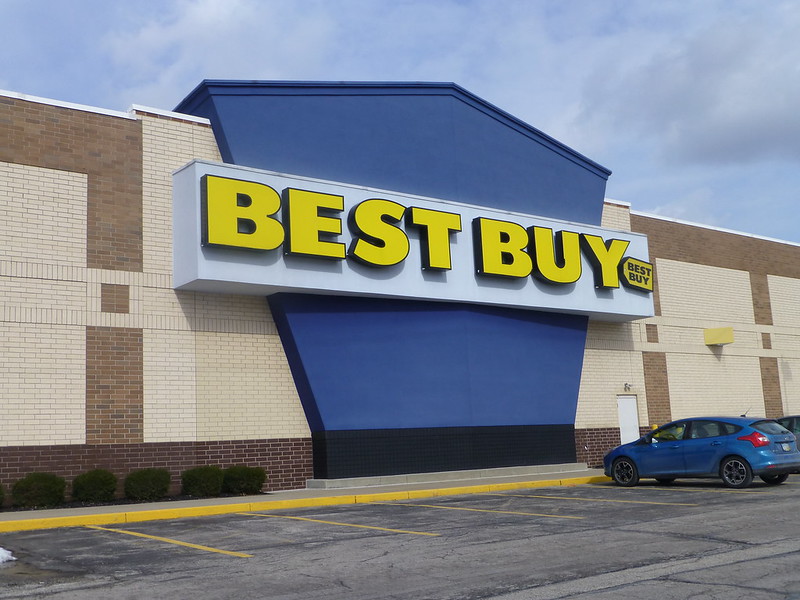
This electronics superstore began life as Sound of Music, a small audio specialty shop in St. Paul, Minnesota, founded in 1966. The store focused exclusively on high-end stereo equipment and served a niche market of audiophiles. A tornado destroyed their main store in 1981, leading to a massive clearance sale that taught founder Richard Schulze the power of volume discount retailing, ultimately inspiring the Best Buy concept.
RadioShack
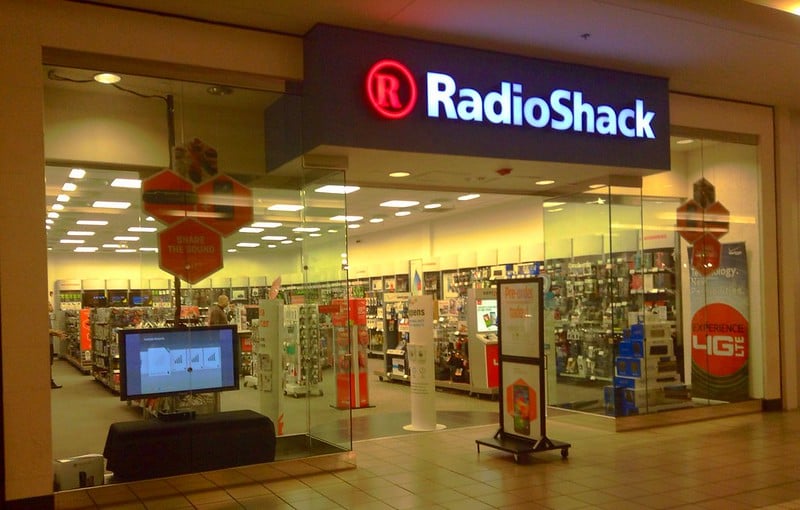
Long before it became synonymous with electronics and gadgets, RadioShack started as a ham radio equipment supplier for amateur radio operators in 1921. The Boston-based company served the growing community of radio enthusiasts who built their own equipment and needed specialized parts. As radio technology evolved and became more consumer-friendly, RadioShack gradually expanded into general electronics retail.
Abercrombie & Fitch
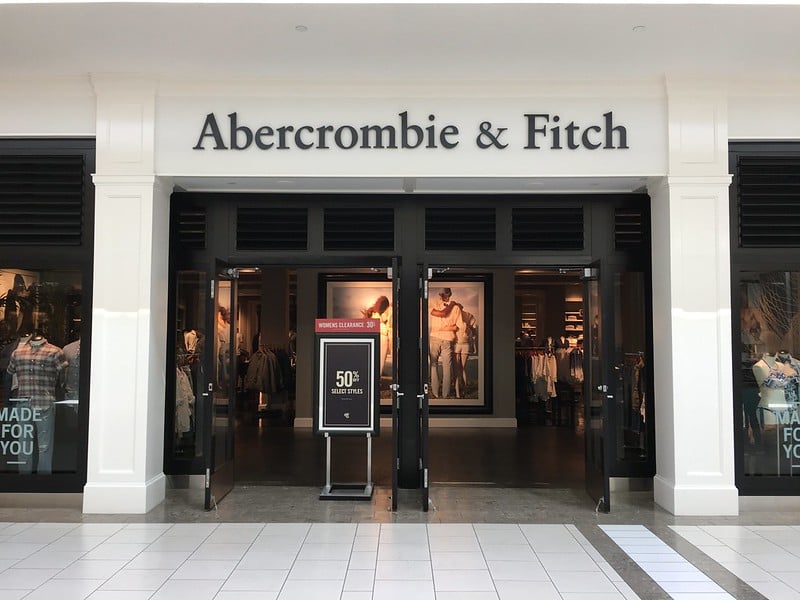
The clothing brand known for its preppy style and controversial marketing actually began as an elite sporting goods store in 1892, catering to wealthy outdoorsmen and adventurers. The original store sold high-end camping gear, fishing equipment, and even exotic items like elephant guns for big game hunters. Presidents Theodore Roosevelt and Dwight Eisenhower were among the customers who shopped there for outdoor adventures before the company shifted to clothing in the 1960s.
Nokia
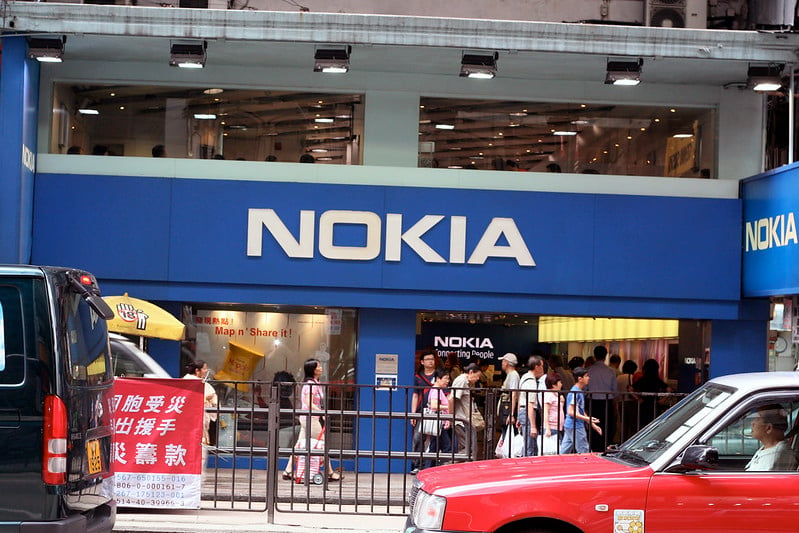
Before becoming a mobile phone pioneer, Nokia spent over a century as a paper mill company in Finland, starting operations in 1865. The company expanded into various industries including rubber boots, tires, and electronics before finding its calling in telecommunications. Nokia’s long history of manufacturing gave it the industrial expertise needed to excel in the complex world of mobile phone production.
Tiffany & Co.
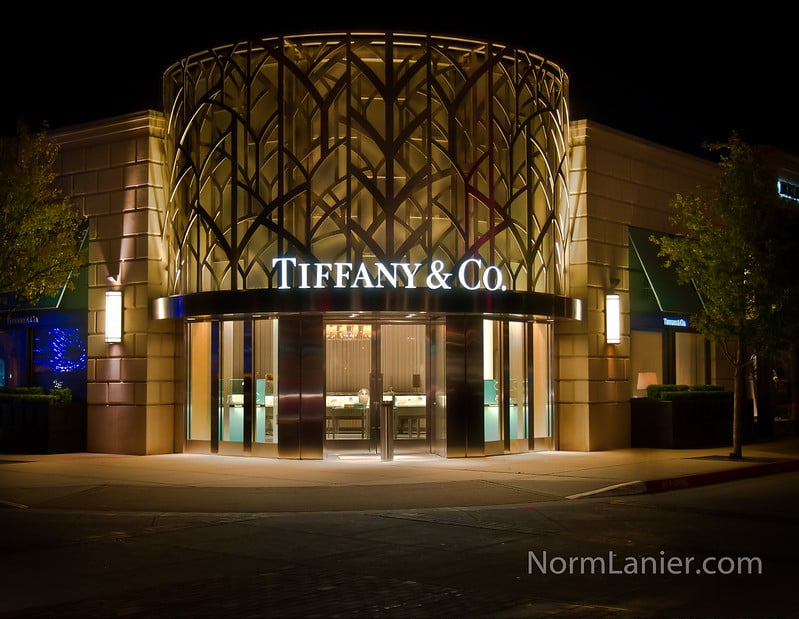
The luxury jewelry brand that’s become synonymous with engagement rings and elegant blue boxes started as a stationery and fancy goods store in New York City in 1837. Charles Lewis Tiffany and John Young initially sold office supplies, umbrellas, and various imported items to the city’s growing business class. The shift to jewelry didn’t happen until the 1850s, when Tiffany began acquiring gemstones and precious metals.
Nintendo
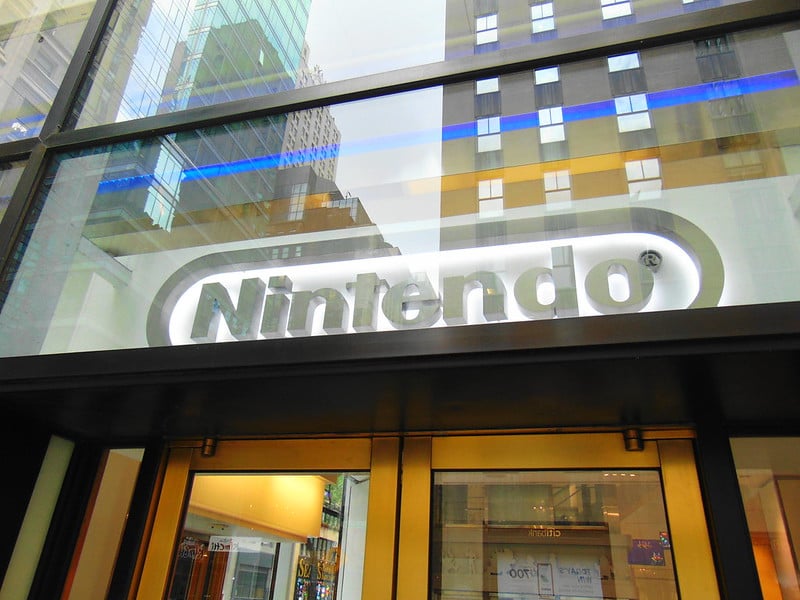
The gaming giant that gave us Mario and Zelda actually started as a playing card company in Kyoto, Japan, in 1889. Nintendo produced hand-painted playing cards called hanafuda, which were popular for gambling and entertainment. The company didn’t enter the video game business until the 1970s, nearly a century after its founding, when it began developing arcade games and eventually home consoles.
Amazon
Before becoming the ‘everything store,’ Amazon was exclusively an online bookstore when it launched in 1994 from founder Jeff Bezos’s garage in Washington. Bezos chose books because they were ideal for online sales—standardized products with vast selection possibilities and no need for customers to physically examine before buying. The expansion into other products began gradually, with music and movies, before evolving into today’s massive marketplace.
Samsung
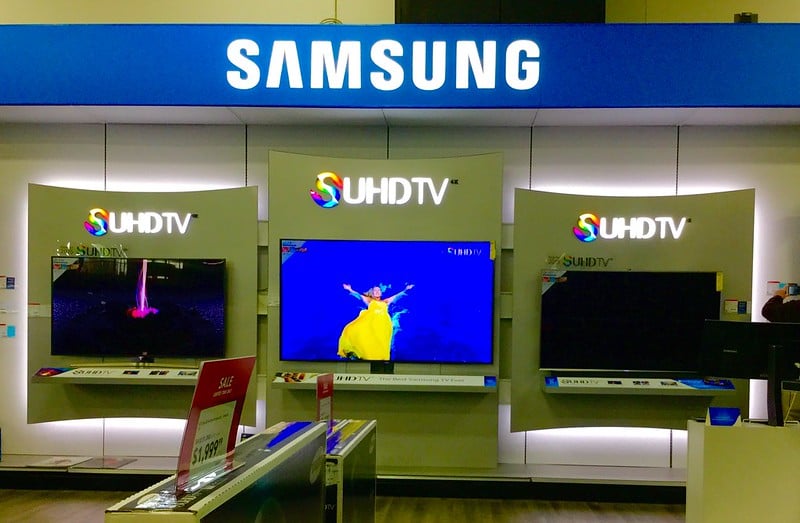
The South Korean conglomerate known for smartphones and electronics actually began as a trading company in 1938, dealing primarily in dried fish, vegetables, and noodles. Founder Lee Byung-chul started the business as a way to export Korean goods to other parts of Asia. Samsung didn’t enter electronics until the 1960s, and mobile phones didn’t become a focus until the 1980s.
Colgate
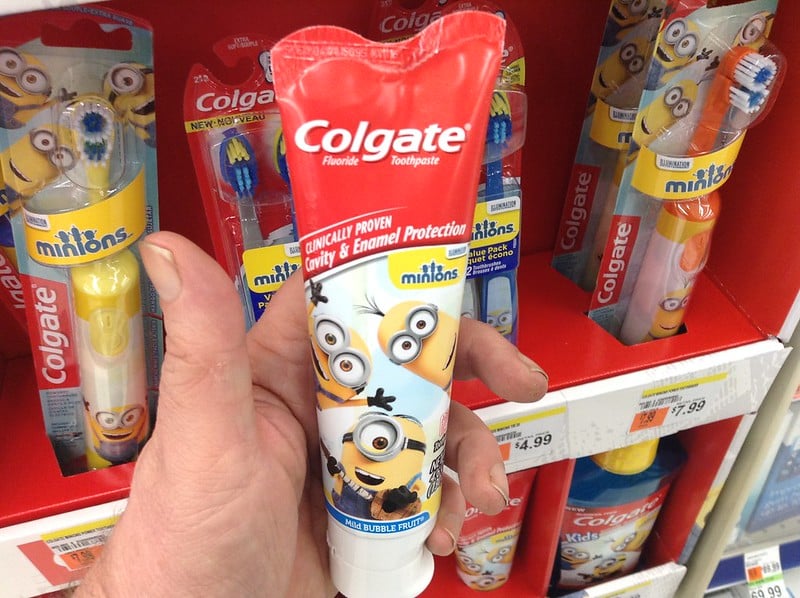
The oral care company that’s been keeping smiles bright since 1806 actually started as a soap and candle manufacturer in New York City. William Colgate founded the company to produce household essentials like soap, which was a thriving business in the growing American market. The company didn’t introduce toothpaste until 1896, ninety years after its founding, when dental hygiene was becoming more important to American consumers.
Harley-Davidson
The legendary motorcycle manufacturer began as a small operation in a wooden shed in Milwaukee, where friends William Harley and Arthur Davidson built bicycles with small engines attached. Their first ‘motorized bicycle’ in 1903 was essentially a regular bicycle with a tiny engine designed to help riders up hills. The evolution from these humble motorized bicycles to the powerful motorcycles that would define American road culture took several years of experimentation.
Berkshire Hathaway

Warren Buffett’s investment empire actually started as a failing textile manufacturing company in New Bedford, Massachusetts, in 1839. The company produced cotton textiles for over a century before Buffett began acquiring shares in 1962. Rather than trying to save the declining textile business, Buffett gradually transformed Berkshire Hathaway into an investment vehicle, using the company’s cash flow to purchase other businesses and stocks.
From Humble Beginnings to Retail Royalty

These dramatic transformations show us that business success often comes from recognizing when it’s time to change course rather than stubbornly sticking to original plans. Many of today’s most successful companies might have remained small, specialized operations if their founders hadn’t been willing to adapt to changing markets and consumer needs. The next time you shop at Target or grab coffee at Starbucks, remember that these retail giants once operated in completely different worlds, proving that the best business strategy is often the flexibility to become something entirely new.
More from Go2Tutors!

- 16 Historical Figures Who Were Nothing Like You Think
- 12 Things Sold in the 80s That Are Now Illegal
- 15 VHS Tapes That Could Be Worth Thousands
- 17 Historical “What Ifs” That Would Have Changed Everything
- 18 TV Shows That Vanished Without a Finale
Like Go2Tutors’s content? Follow us on M



