18 Cities That Were Built Over Other Cities
Throughout history, civilizations have built their settlements on the ruins of previous ones, creating fascinating layers of human habitation. These urban archaeological sites tell stories of conquest, destruction, and rebirth, where new communities literally rose from the ashes of the old. From ancient Troy to modern Mexico City, these locations represent thousands of years of continuous human settlement, each layer adding to the rich tapestry of our shared past.
Urban archaeologists and historians have identified numerous locations where multiple cities occupy the same geographical footprint across different time periods. Here’s a list of 18 cities that were built over other cities, each representing a unique chapter in human civilization.
Troy

The ancient city of Troy in modern-day Turkey represents one of the most famous examples of layered urban development. Archaeologists have identified nine distinct layers of settlement at the site — spanning over 3,000 years of continuous habitation.
Each layer tells the story of destruction and rebuilding, with the most famous being the Troy associated with Homer’s Iliad. The site shows evidence of repeated cycles of war, destruction, and reconstruction, making it a perfect example of how cities rise from the ruins of their predecessors.
Rome

The Eternal City sits atop centuries of its own history, with modern Rome built directly over ancient Roman structures. Beneath the bustling streets lie multiple layers of civilization — including early Republican buildings, Imperial palaces, and medieval churches.
The city’s famous saying ‘Roma non fu fatta in un giorno’ (Rome wasn’t built in a day) takes on new meaning when you consider that it was literally built over itself multiple times. Modern Romans regularly discover ancient artifacts during construction projects, as the city continues to build upward while its past remains buried below.
Jerusalem

Jerusalem has been continuously inhabited for over 4,000 years, with each conquering civilization building upon the ruins of the previous one. The city has been destroyed and rebuilt multiple times throughout its history — with layers of Canaanite, Israelite, Babylonian, Persian, Greek, Roman, Byzantine, Islamic, Crusader, and Ottoman settlements.
Today’s Jerusalem sits approximately 40 feet higher than the original ancient city due to centuries of accumulated debris and construction. Archaeological excavations regularly uncover remnants of these various civilizations, creating a complex underground maze of tunnels and ancient structures.
Mexico City

The modern Mexican capital sits directly on top of Tenochtitlan — the magnificent Aztec capital that was systematically destroyed by Spanish conquistadors in 1521. Hernán Cortés deliberately chose to build the new Spanish colonial city using the stones and foundations of the destroyed Aztec temples and buildings.
The irony is striking; the Spanish literally used the rubble of the civilization they conquered to build their own colonial capital. Today, construction workers in Mexico City regularly uncover Aztec artifacts and structures, reminding residents of the vibrant civilization that once flourished beneath their feet.
Athens

Modern Athens encompasses not only the famous ancient Greek city but also layers of Roman, Byzantine, Ottoman, and modern Greek settlements. The Acropolis has been continuously occupied for over 3,000 years — serving as a fortress, temple complex, and residential area for different civilizations.
Each era left its mark on the city’s landscape, from classical Greek architecture to Roman additions, Byzantine churches, and Ottoman mosques. The city’s archaeological sites reveal this complex layering, where visitors can see Greek columns supporting Roman arches beneath Byzantine mosaics.
London
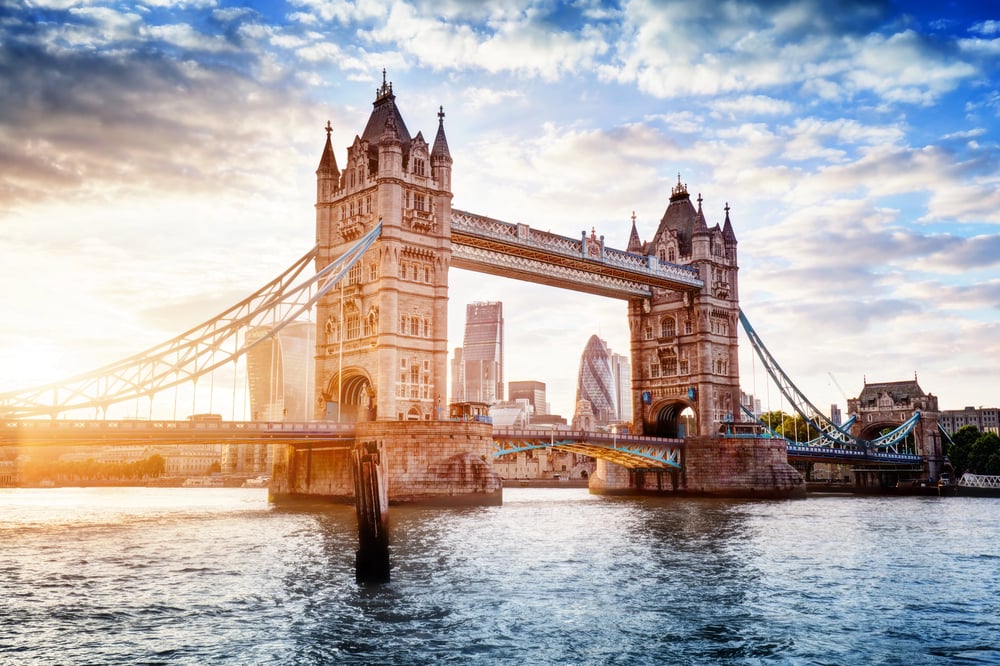
Beneath modern London lies Londinium — the Roman city established in 43 AD, which itself was built over earlier Celtic settlements. The Great Fire of London in 1666 and the Blitz during World War II created opportunities for rebuilding, though the city’s Roman foundations remain visible throughout the modern metropolis.
Construction projects frequently uncover Roman walls, mosaics, and artifacts, while the medieval City of London sits atop these ancient foundations. The layering is so extensive that modern London sits several feet higher than Roman Londinium, with 2,000 years of accumulated history literally raising the city’s elevation.
Paris
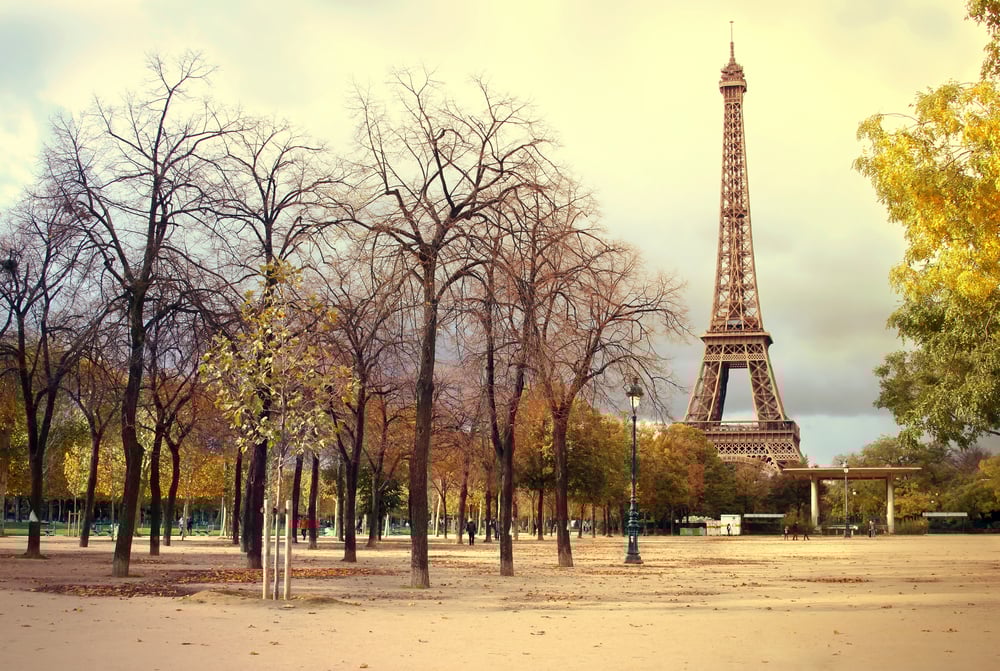
The City of Light has been continuously inhabited since the 3rd century BC, beginning with the Celtic Parisii tribe’s settlement on the Île de la Cité. The Romans later established Lutetia on the same site — and subsequent French kingdoms built upon these foundations.
Medieval Paris expanded beyond the original island, yet the core of the city remains rooted in its ancient past. Modern Parisians walk above Roman amphitheaters, medieval foundations, and centuries of accumulated urban development, with the city’s famous underground catacombs representing just one layer of this complex historical stratification.
Cairo
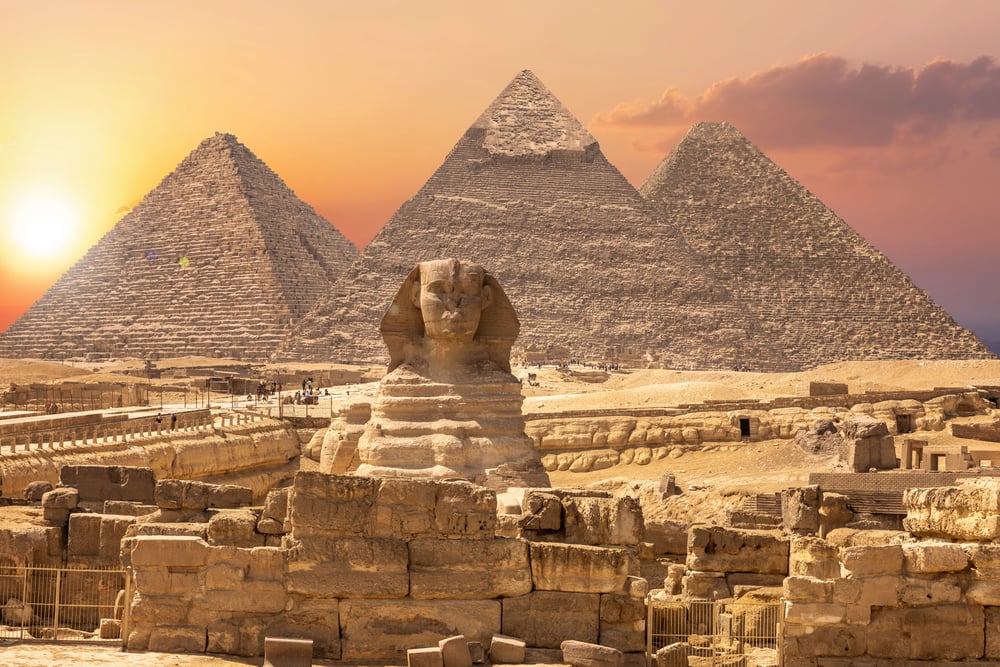
Modern Cairo sits atop the ancient Egyptian capital of Memphis and the Roman fortress of Babylon — creating a unique blend of pharaonic, Roman, Islamic, and modern influences. The city’s strategic location at the junction of the Nile Delta has made it a continuously important urban center for over 4,000 years.
Islamic Cairo was built using stones from ancient Egyptian monuments, while the modern city continues to expand over these historical layers. Archaeological work in Cairo regularly reveals artifacts from multiple civilizations, from ancient Egyptian statues to Roman mosaics to Islamic architectural elements.
Istanbul

Few cities exemplify urban layering better than Istanbul, which has served as the capital of the Roman, Byzantine, and Ottoman empires. Built on the site of ancient Byzantium, the city was transformed into Constantinople by Emperor Constantine in 330 AD — then later became the center of the Ottoman Empire.
Each civilization added its own architectural and cultural elements while building upon the foundations of the previous one. The famous Hagia Sophia perfectly represents this layering, having served as a Christian cathedral, Islamic mosque, and now a museum, with each era adding to its architectural complexity.
Cusco

The ancient Incan capital of Cusco provides a striking example of Spanish colonial architecture built directly upon sophisticated Incan stone foundations. When the Spanish conquered the Incan Empire in 1533, they systematically destroyed Incan temples and palaces — then used the precisely cut stones to build their own colonial structures.
The result is a city where Spanish colonial buildings sit atop Incan foundations, creating a unique architectural fusion. Modern Cusco residents live in buildings that incorporate both Incan stonework and Spanish colonial design, making the city a living museum of conquest and cultural fusion.
Plovdiv

Bulgaria’s Plovdiv holds the distinction of being one of Europe’s oldest continuously inhabited cities, with over 8,000 years of settlement history. The city has been inhabited by Thracians, Greeks, Romans, Byzantines, Bulgarians, and Ottomans, each leaving their mark on the urban landscape.
The modern city incorporates a Roman amphitheater, Byzantine churches, Ottoman mosques, and Bulgarian National Revival architecture. Archaeological excavations have revealed multiple layers of civilization, with some areas showing continuous habitation from the Neolithic period to the present day.
Jericho
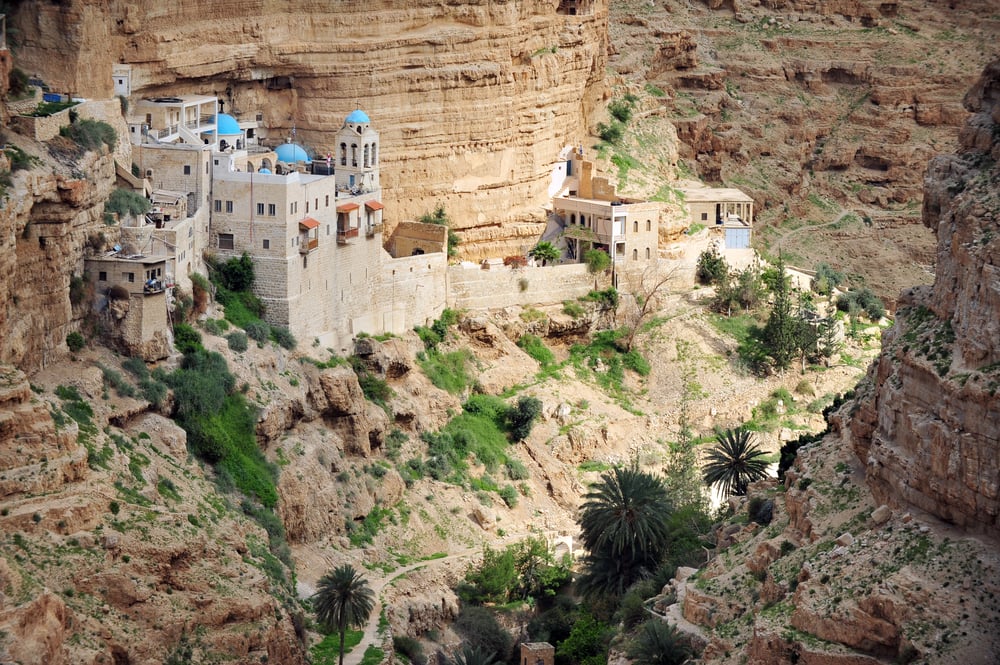
Often called the world’s oldest continuously inhabited city, Jericho has been occupied for over 11,000 years, making it a remarkable example of layered urban development. The biblical city sits atop numerous previous settlements, with archaeologists identifying over 20 distinct layers of habitation.
Each layer represents different civilizations and time periods, from Neolithic settlements to Canaanite cities to Roman and Byzantine towns. Modern Jericho sits significantly higher than the original settlement due to millennia of accumulated debris and construction, creating a tell (artificial mound) that contains thousands of years of human history.
Byblos
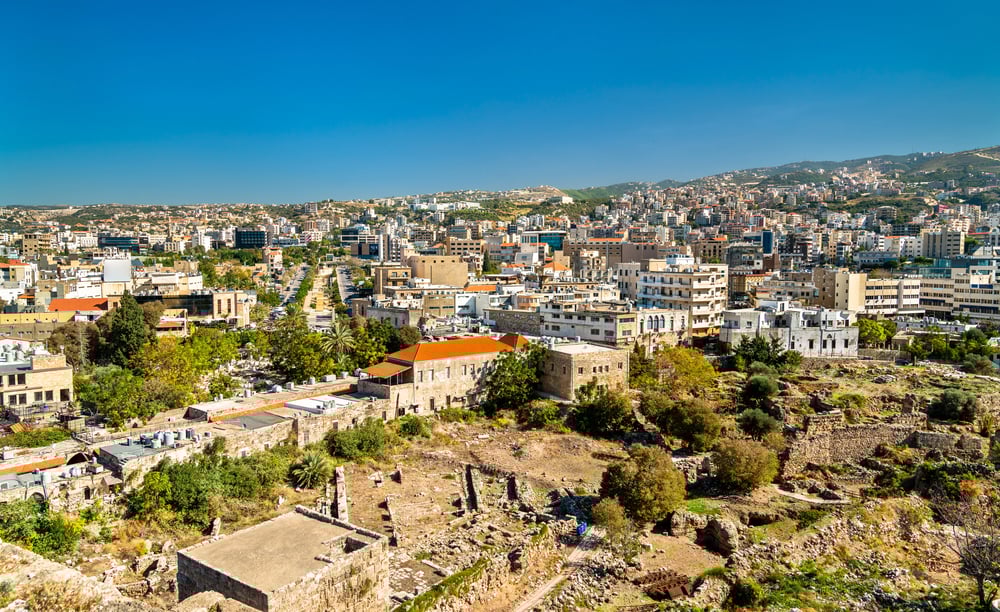
This ancient Lebanese city has been continuously inhabited for over 7,000 years, with each era building upon the foundations of the previous one. Byblos was a major Phoenician city-state and later became an important Roman and Byzantine center.
The modern town incorporates ancient Phoenician walls, Roman columns, Byzantine churches, and Crusader fortifications. Archaeological work has revealed multiple layers of civilization, from Neolithic settlements to modern Lebanese buildings, making Byblos a living testament to the continuity of human settlement in the eastern Mediterranean.
Varanasi
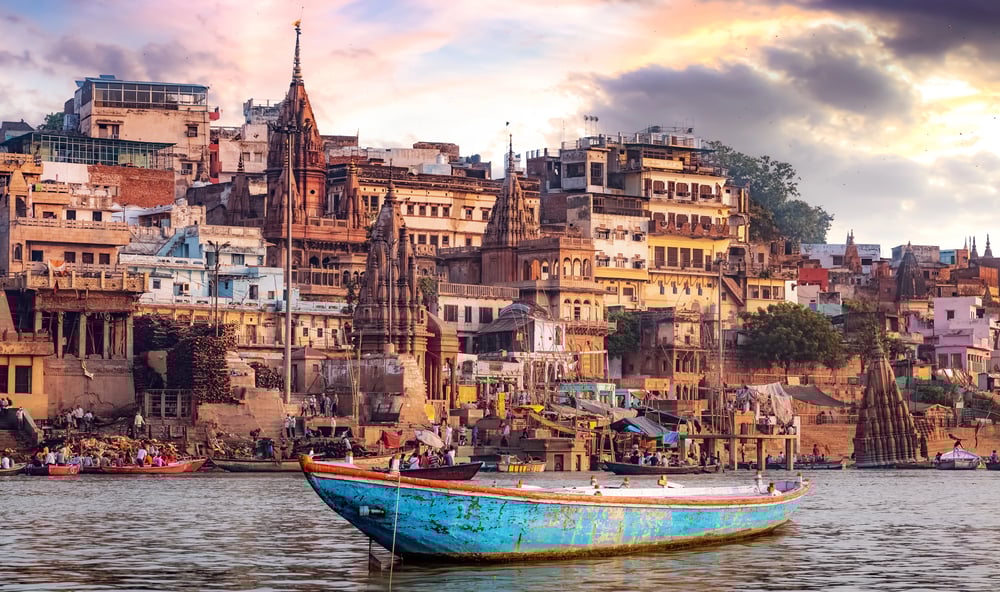
One of the world’s oldest continuously inhabited cities, Varanasi has been built and rebuilt on the same site for over 3,000 years. The city’s religious significance has ensured continuous habitation, with each generation adding to the urban fabric while respecting the sacred nature of the location.
Modern Varanasi sits atop layers of ancient Hindu temples, Buddhist monasteries, and Islamic structures. The city’s famous ghats (steps leading to the Ganges River) have been rebuilt multiple times, with each reconstruction adding to the vertical accumulation of the city’s history.
Tyre
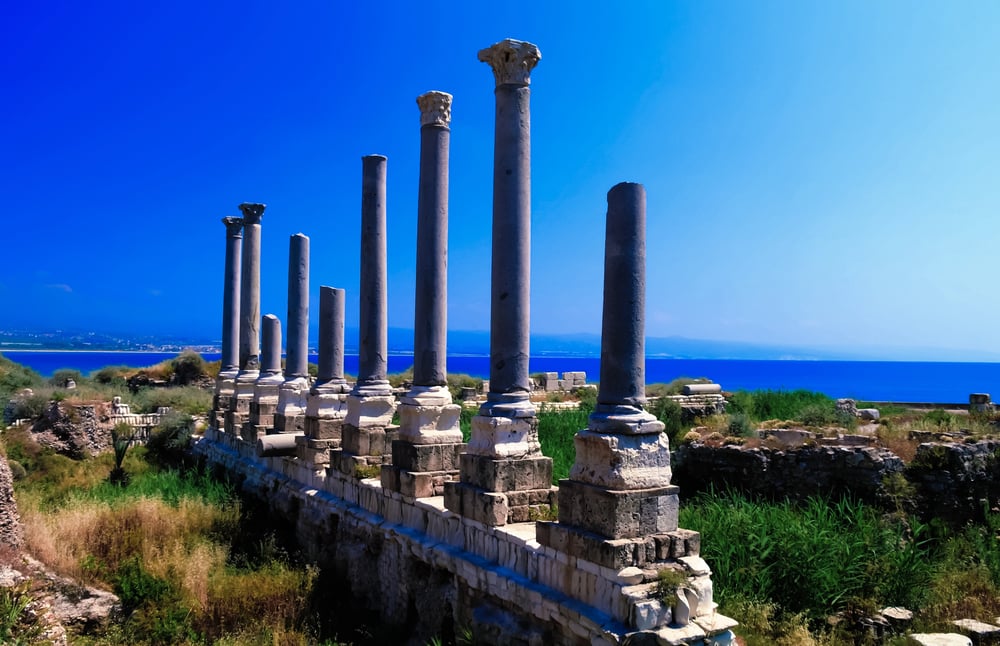
The ancient Phoenician city of Tyre in modern Lebanon has been continuously inhabited for over 4,000 years, with the modern city built directly over ancient ruins. The original island city was connected to the mainland by Alexander the Great in 332 BC, and subsequent civilizations continued to build upon these foundations.
Roman, Byzantine, Islamic, and modern structures all occupy the same footprint, creating a complex archaeological landscape. The city’s strategic coastal location has ensured continuous settlement, with each era adding to the accumulated urban development.
Cadiz

Spain’s Cadiz claims to be the oldest continuously inhabited city in Western Europe, with over 3,000 years of settlement history. Founded by the Phoenicians as Gadir, the city was later occupied by Romans, Visigoths, Moors, and Spanish Christians.
Each civilization built upon the foundations of the previous one, creating a layered urban environment where modern Spanish buildings sit atop Roman foundations and Phoenician settlements. The city’s strategic location on the Atlantic coast has made it an important port throughout history, ensuring continuous habitation and development.
Gaziantep

This Turkish city has been continuously inhabited for over 6,000 years, with modern Gaziantep built over layers of Hittite, Roman, Byzantine, and Ottoman settlements. The city’s strategic location along ancient trade routes has ensured continuous importance throughout history.
Archaeological excavations have revealed multiple layers of civilization, from ancient Mesopotamian influences to modern Turkish development. The city’s famous castle sits atop earlier fortifications, representing centuries of military architecture built upon the same defensive position.
Aleppo

Syria’s Aleppo has been continuously inhabited for over 8,000 years, making it one of the world’s oldest cities. The modern city sits atop layers of ancient settlements, including important centers of the Mesopotamian, Greek, Roman, Byzantine, and Islamic civilizations.
The city’s famous citadel represents continuous fortification of the same strategic hilltop for thousands of years. Despite recent conflicts, Aleppo remains a testament to the resilience of urban settlement, with each era adding to the accumulated history of this ancient crossroads.
Where Past Meets Present

These 18 cities demonstrate humanity’s tendency to build upon the achievements and ruins of previous generations. Rather than abandoning strategic locations, civilizations have consistently chosen to construct new settlements on the foundations of the old, creating complex archaeological landscapes that tell the story of human development.
Each layer represents not just physical construction but also cultural continuity, showing how modern cities remain connected to their ancient roots. The practice of building over previous settlements continues today, as modern urban development often incorporates and builds upon historical structures. These layered cities serve as living museums, reminding us that the present is always built upon the accumulated wisdom and efforts of the past.
More from Go2Tutors!

- The Romanov Crown Jewels and Their Tragic Fate
- 13 Historical Mysteries That Science Still Can’t Solve
- Famous Hoaxes That Fooled the World for Years
- 15 Child Stars with Tragic Adult Lives
- 16 Famous Jewelry Pieces in History
Like Go2Tutors’s content? Follow us on MSN.



