14 Strange Myths About Space that People Once Believed
Looking up at the night sky has always stirred something deep in human imagination. For thousands of years, people created elaborate stories to explain what they saw twinkling above them.
These weren’t just casual guesses — entire civilizations built their understanding of the universe around ideas that seem utterly bizarre today. From crystal spheres holding up the stars to the notion that Earth sat motionless at the center of everything, our ancestors crafted explanations that were often more fascinating than the truth itself.
The Crystal Spheres

Ancient astronomers believed the stars were embedded in solid, transparent crystal spheres that rotated around Earth. These celestial globes supposedly created heavenly music as they turned — a cosmic symphony that only the pure of heart could hear.
Each planet had its own sphere, nested within larger ones like Russian dolls made of perfect, invisible crystal.
The idea stuck around for over a thousand years. Astronomers spent centuries calculating the exact thickness and rotation speeds of spheres that never existed.
Earth as the Stationary Center

Earth doesn’t move. Everything else does.
For more than a millennium, this seemed like obvious common sense to anyone who bothered looking around — after all, you can’t feel Earth spinning beneath your feet, and the sun clearly rises in the east and sets in the west.
The geocentric model wasn’t just astronomy; it was philosophy, religion, and human ego wrapped into one tidy package.
Ptolemy’s system, developed around 150 AD, was so mathematically sophisticated (and so wrong) that it predicted planetary movements with surprising accuracy while getting the fundamental mechanics completely backwards. Turns out you can build an elaborate, functional system on a foundation of pure misconception — humans have always been remarkably good at making the wrong answers work just well enough to avoid questioning them.
The Moon’s Face
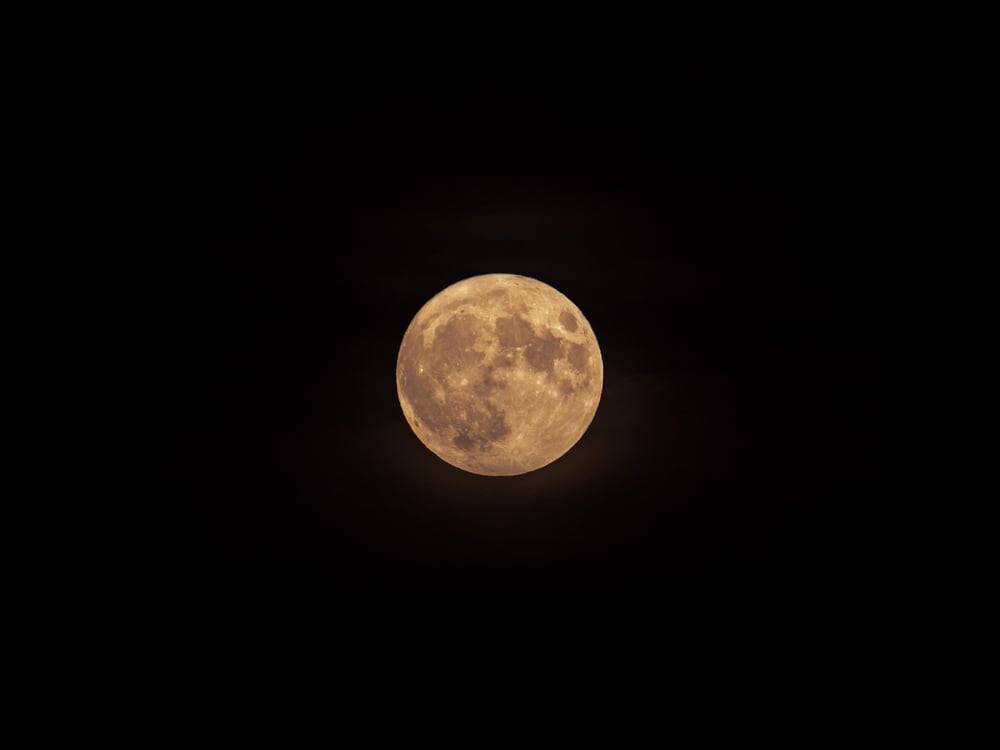
Staring up at the moon’s surface reveals what looks unmistakably like a human face — or sometimes a rabbit, depending on your cultural background. This wasn’t seen as a trick of light and shadow but as evidence that the moon was literally a living being, watching over Earth with benevolent (or sometimes stern) eyes.
The “Man in the Moon” wasn’t folklore; it was astronomy.
Different cultures saw different figures. Some spotted a woman carrying water.
Others identified a toad or a tree. What everyone agreed on was that something was definitely up there, conscious and aware, carved into the lunar surface by divine hands.
Shooting Stars as Omens
Meteors weren’t space rocks burning up in the atmosphere. They were messages from the gods, military dispatches from cosmic armies, or souls of the recently deceased making their way to the afterlife.
A shooting star appearing during a royal birth meant the child was destined for greatness — or doom, depending on which direction it traveled and how bright it burned.
Medieval chroniclers meticulously recorded meteor sightings alongside battles, plagues, and political upheavals, treating them as reliable predictors of earthly events. The idea that these celestial visitors were random chunks of debris would have seemed absurd.
Random doesn’t leave streaks of fire across the heavens at precisely the moment a king dies.
The Milky Way as a River
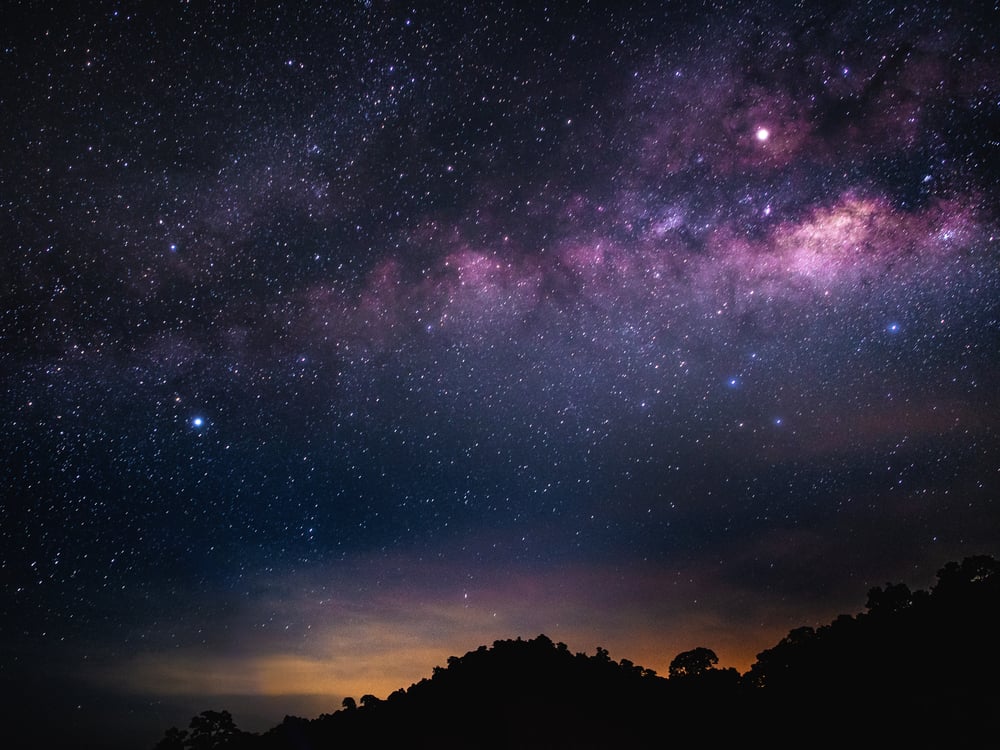
That faint band of light stretching across the night sky wasn’t a galaxy viewed edge-on — it was an actual river flowing through the heavens. Different cultures gave it different names: the Silver River, the Birds’ Path, the Trail of Spirits.
All agreed it was a pathway of some kind, connecting earthly concerns to divine realms.
Greek mythology described it as spilled breast milk from the goddess Hera. Norse legends saw it as the bridge that warriors crossed to reach Valhalla.
The Cherokee called it the “Where the Dog Ran” — a trail left by a dog that stole cornmeal and scattered it across the sky while fleeing.
These weren’t metaphors. People genuinely believed celestial rivers flowed overhead, carrying everything from divine nutrition to the souls of the dead.
Planets as Wandering Gods
The word “planet” comes from the Greek word for “wanderer,” but ancient observers took this concept much further than simple movement through space. These weren’t distant worlds — they were actual deities taking evening strolls across the cosmic neighborhood, each with distinct personalities, moods, and agendas that directly influenced human affairs.
Mars, with its reddish glow, was obviously the god of war surveying potential battlefields. Venus, bright and beautiful, represented love and fertility.
When planets appeared close together in the sky, it meant the gods were holding conferences, probably discussing the fate of kingdoms and the outcome of harvests. Astrologers spent their careers tracking these divine wanderings, convinced that Jupiter’s position relative to Saturn could determine whether a merchant’s trade voyage would succeed or end in disaster.
The Dark Side of the Moon
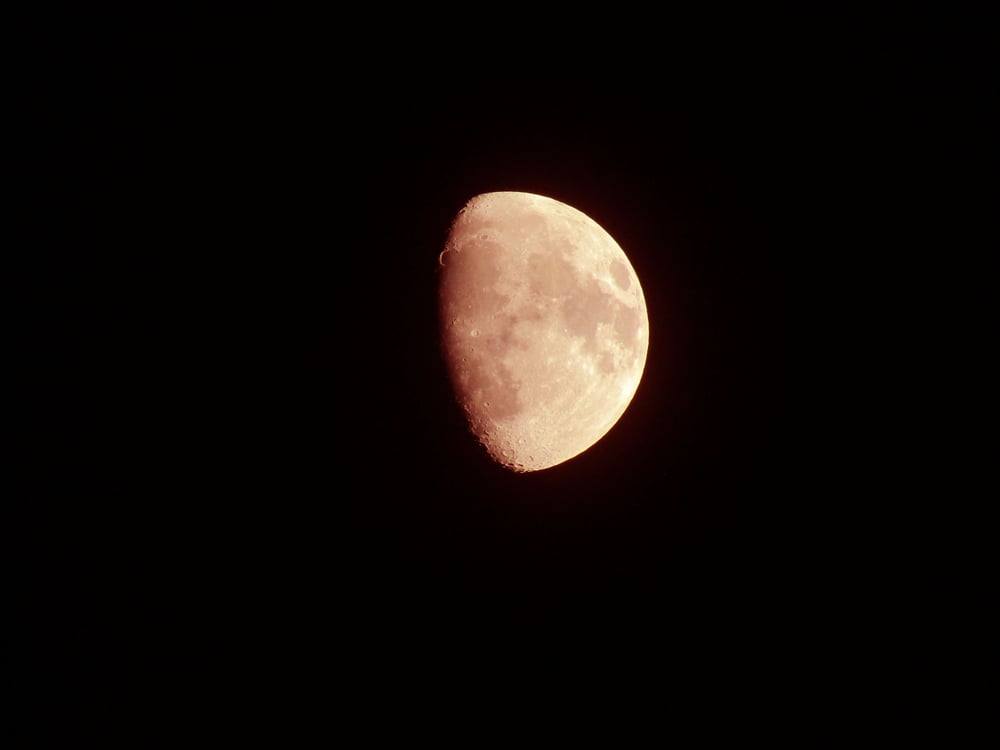
Since we always see the same face of the moon, ancient astronomers logically concluded that the other side must be permanently dark — a shadow realm where different rules applied. This wasn’t the far side of the moon; it was genuinely the dark side, shrouded in eternal night and probably harboring things that were better left undisturbed.
Some cultures believed this hidden hemisphere was where evil spirits gathered. Others thought it housed a mirror world, reflecting earthly events in twisted, backwards ways.
The idea persisted well into the space age — people were genuinely surprised when the first lunar orbits revealed that the “dark side” was just as bright and cratered as the visible portion.
Comets as Harbors of Doom
A comet wasn’t a dirty snowball following an elliptical orbit. It was a cosmic sword, drawn by angry gods and pointed directly at Earth as a warning of impending catastrophe.
The longer the tail, the more severe the coming disaster. The brightness indicated how soon calamity would strike.
Halley’s Comet appeared in 1066, just before the Norman Conquest of England — proof positive that comets announced the fall of kingdoms. The Bayeux Tapestry depicts terrified Anglo-Saxons pointing at the comet overhead, understanding perfectly well that their world was about to end.
When comets showed up, wise rulers started writing their wills and building extra fortifications.
The fear wasn’t entirely irrational. Comets do appear unpredictably, they’re genuinely spectacular, and throughout history, kingdoms have fallen and disasters have struck with depressing regularity.
The correlation seemed obvious, even if the causation was completely backwards.
The Sun Orbiting Earth
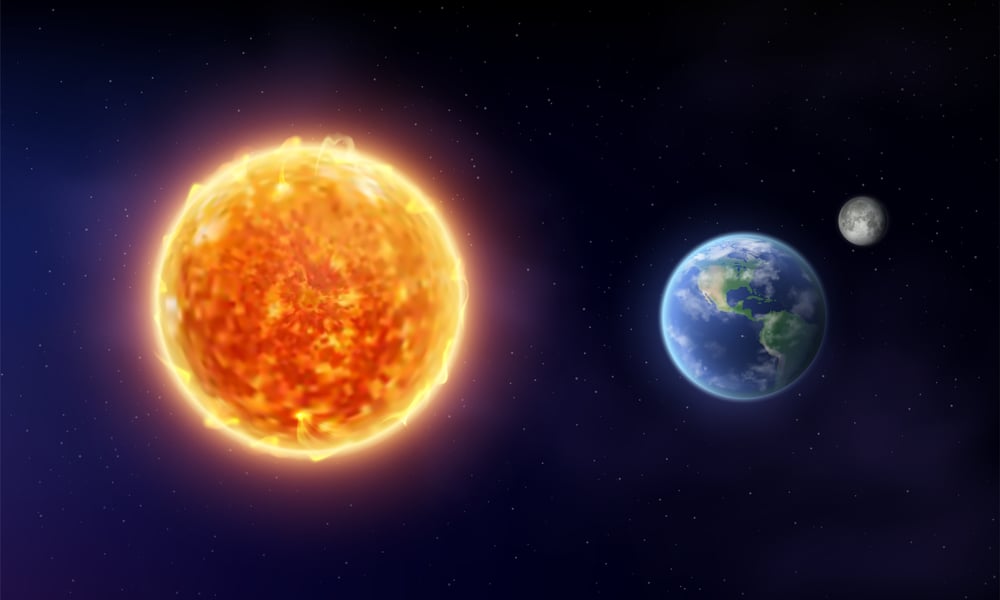
This one feels almost too obvious to mention, but the sun clearly rises in the east, travels across the sky, and sets in the west while Earth remains perfectly still beneath your feet. The heliocentric model wasn’t rejected because people were stupid — it was rejected because it contradicted direct, daily observation.
Why would Earth be spinning when you can’t feel it moving? Why would it be orbiting the sun when you can watch the sun orbiting Earth every single day?
The idea that Earth was hurtling through space at tremendous speeds while simultaneously spinning like a top seemed not just wrong but borderline insane.
If Earth were really moving that fast, wouldn’t everything fly off? Wouldn’t we feel the wind?
The geocentric model wasn’t a failure of intelligence; it was a perfectly reasonable interpretation of available evidence by people who didn’t yet understand inertia, gravity, or the scale of the solar system.
The Edge of the World

Flat Earth wasn’t a fringe theory — it was the mainstream scientific consensus for most of human history, and the logic was impeccable. Water flows downhill and seeks level surfaces, so large bodies of water must be flat.
The ocean extends to the horizon and then simply stops, probably cascading over an edge into whatever lies beneath the world. Ships that sailed too far in any direction would eventually reach this precipice and tumble into the void.
Different cultures imagined different configurations. Some pictured Earth as a flat disk surrounded by an ocean that spilled over the edges like a cosmic waterfall.
Others envisioned a square or rectangular world with carefully defined boundaries marked by impassable barriers or sudden drop-offs.
The evidence seemed overwhelming: you can see the edge of the world from any high mountain, marked clearly by the horizon. The fact that no explorer ever returned from finding this edge was simply proof that the edge was definitely there, and definitely fatal to approach.
Stars as Distant Suns
Wait — this one was actually correct, but for centuries it was considered completely ridiculous. The idea that stars might be other suns, possibly with their own planets, was proposed by a few ancient Greek philosophers and then dismissed as obviously impossible for over a thousand years.
The reasoning against it seemed airtight: if stars were really suns, they’d have to be unimaginably far away to appear so small and dim. And if they were that distant, they’d have to be impossibly huge to be visible at all.
The scale required was so vast that it made more sense to believe stars were small, local lights embedded in crystal spheres than distant stellar furnaces burning in the cosmic deep.
Even Copernicus, who figured out that Earth orbits the sun, couldn’t quite commit to the idea that stars were other suns. The universe it implied was simply too large and too empty to be credible.
The Void Between Worlds
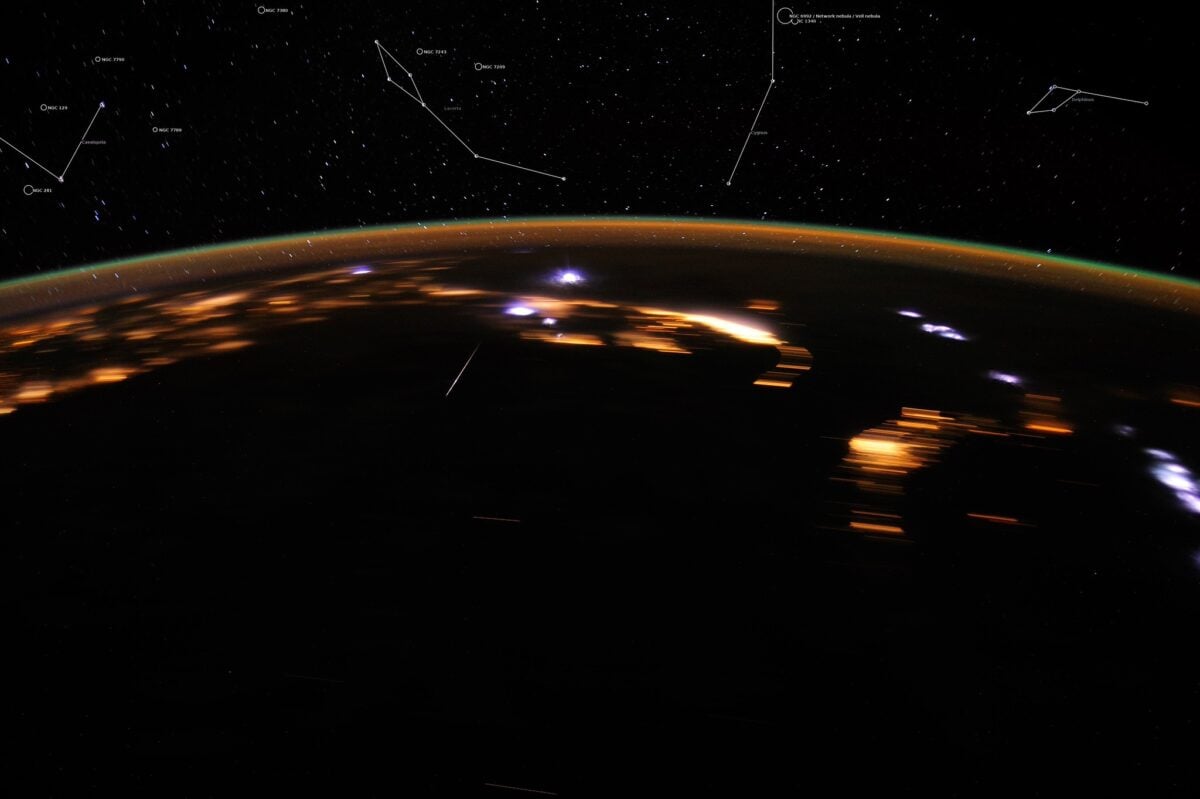
Space wasn’t empty — it couldn’t be, because empty space was a logical impossibility. Something had to fill the gap between Earth and the celestial spheres, and that something was usually imagined as a kind of divine atmosphere: thinner than earthly air but substantial enough to support the movement of planets and the transmission of divine influences.
Aristotle’s “aether” wasn’t mystical speculation; it was practical physics. Objects in motion require a medium to move through, just like ships need water and birds need air.
The planets clearly moved, so they must be swimming through some kind of cosmic fluid. This celestial atmosphere was probably made of a purer, more refined substance than earthly matter — something befitting the heavenly realm.
The idea that space might be genuinely empty, a true vacuum stretching for unimaginable distances, was considered not just wrong but philosophically impossible. Nature abhors a vacuum, after all.
The universe wouldn’t waste that much emptiness on nothing.
Planetary Influences on Human Personality
The planets didn’t just affect major historical events — they directly shaped individual human character based on their positions at the moment of birth. This wasn’t superstition; it was medicine.
Physicians routinely consulted star charts before diagnosing patients or prescribing treatments, because everyone knew that a person born under the influence of Mars would have a fundamentally different constitution than someone born under Venus.
The logic was straightforward: if the moon can move the tides, clearly the other planets must exert similar influences on human bodies, which are mostly water. A person’s temperament, health, romantic prospects, and career aptitude were all determined by the cosmic weather conditions prevailing at birth.
Astrology wasn’t entertainment — it was a serious attempt to understand how celestial mechanics influenced terrestrial biology.
Medieval universities taught astrology alongside astronomy as part of standard medical training. The idea that distant planets might have no effect whatsoever on human affairs would have seemed as absurd as suggesting that the weather has no influence on agriculture.
Earth’s Perfect Central Position
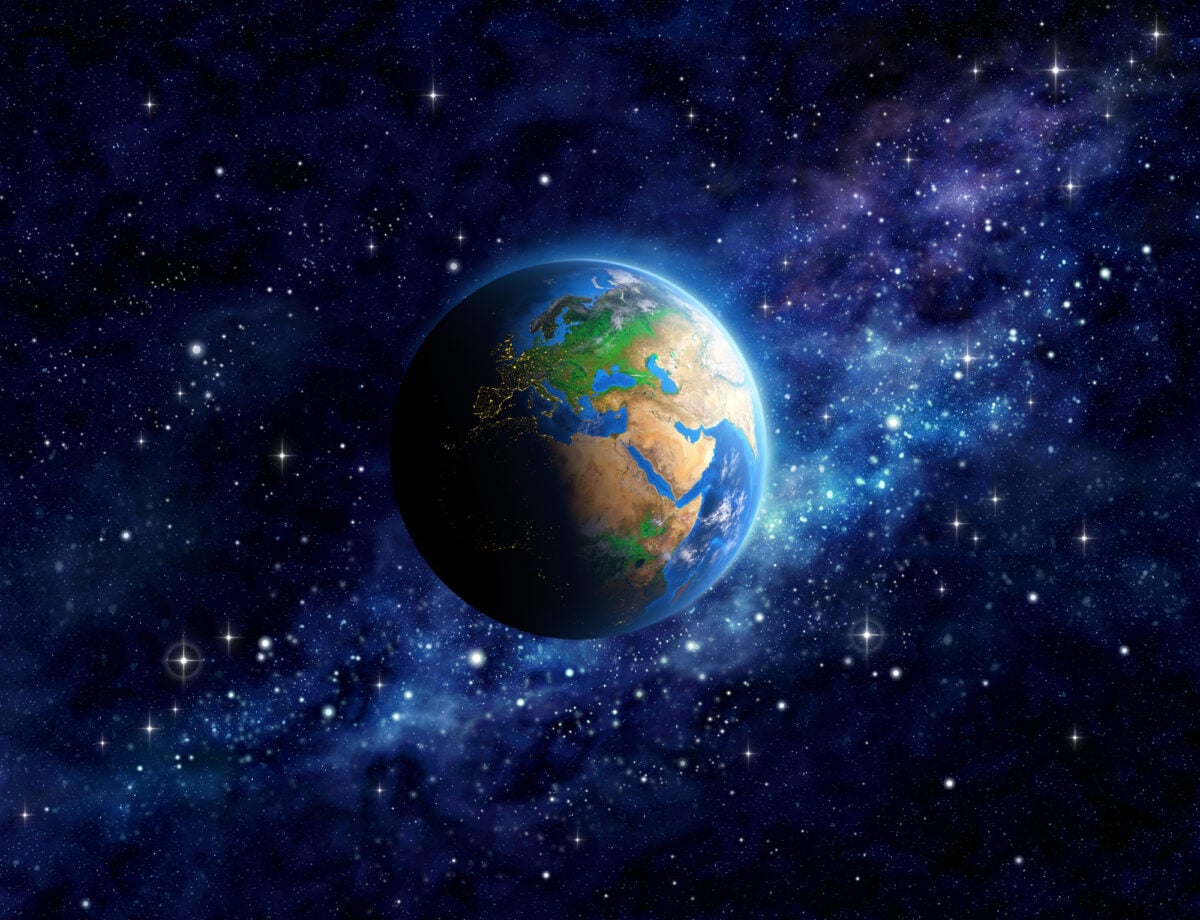
Earth wasn’t just at the center of the universe by coincidence — it was specifically designed to be there, positioned at the exact focal point where all celestial influences would converge in perfect harmony. The sun, moon, and planets all orbited Earth at precisely the right distances to create ideal conditions for human life and divine observation.
This cosmic arrangement wasn’t random but reflected Earth’s unique importance as the stage for human drama and divine judgment. The entire universe was essentially an elaborate theater designed around Earth as the central stage, with the celestial bodies serving as both lighting and audience.
Moving Earth anywhere else would disrupt this carefully calibrated system.
The idea that Earth might be an ordinary planet orbiting an ordinary star in an unremarkable corner of a typical galaxy wasn’t just scientifically wrong — it was theologically offensive. It suggested that humans were cosmically insignificant, rather than the central focus of creation.
Looking Back at the Stars
These weren’t failures of imagination but monuments to it. Each misconception reveals something fascinating about how humans have always tried to make sense of their place in the cosmos, often creating stories more beautiful and dramatic than reality itself.
The crystal spheres making celestial music, the gods wandering across the sky in consultation about human affairs, the careful arrangement of the entire universe around Earth as its central stage — these ideas weren’t just wrong, they were wonderfully, ambitiously wrong.
And perhaps that’s worth remembering the next time we’re tempted to feel superior to our ancestors’ cosmic confusion. They were looking at the same stars we see, asking the same questions we ask, and doing their best to construct meaning from mystery.
They just happened to be working with significantly less information and significantly more imagination.
More from Go2Tutors!

- The Romanov Crown Jewels and Their Tragic Fate
- 13 Historical Mysteries That Science Still Can’t Solve
- Famous Hoaxes That Fooled the World for Years
- 15 Child Stars with Tragic Adult Lives
- 16 Famous Jewelry Pieces in History
Like Go2Tutors’s content? Follow us on MSN.