Oldest Standing Brick Buildings in America
Walls hold more than bricks. Foundations carry weight beyond stone – centuries live inside them.
Structures standing now stood when colonies dreamed small. Colonial brick by brick laid paths without knowing where they led.
Craftsmen shaped mortar while shaping futures. Settlers built homes that became history.
Communities rose quietly, unaware of legacy. Long before flags flew, lives pressed forward.
Step into the past, then wander among shapes built long ago – these ones stood firm while battles raged, storms hit, seasons stacked one after another.
St. Luke’s Church
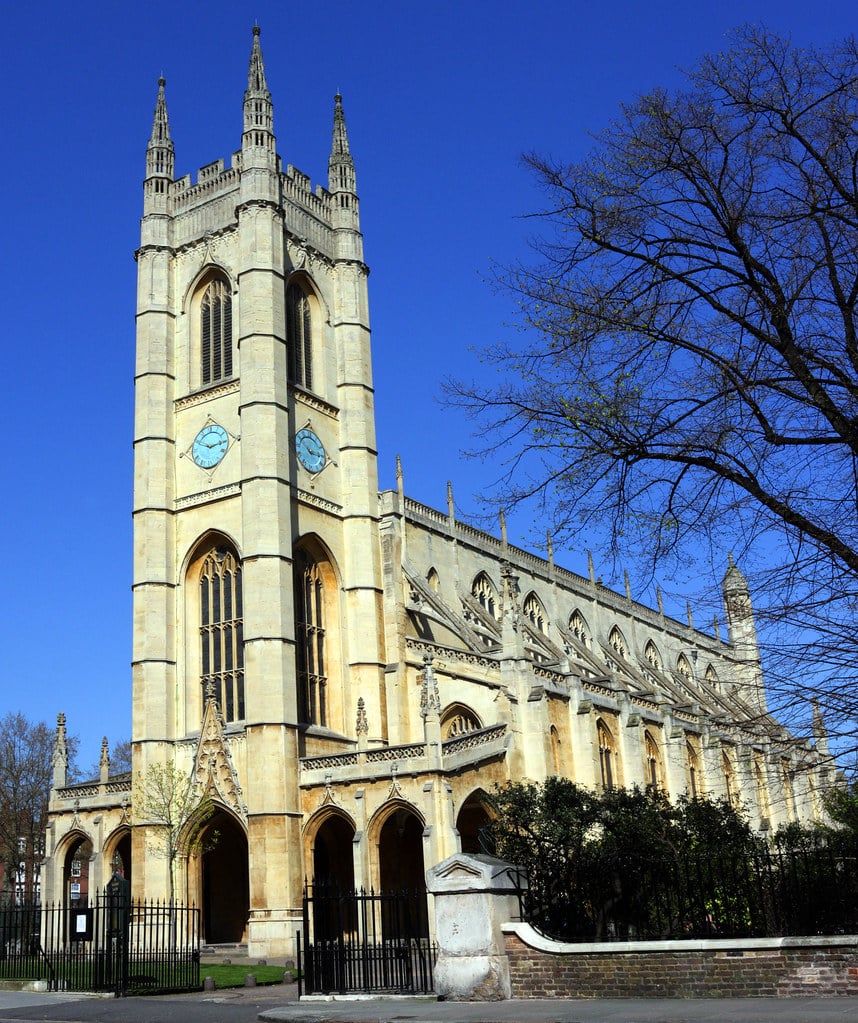
Long ago, near 1632, folks built something special on Virginia’s Isle of Wight. That place is St. Luke’s Church – among the first brick buildings ever raised across America’s colonies.
Look closely. See those tall pointed windows?
They hint at a style called Gothic, though most such churches came much later. Heavy masonry walls still stand strong after nearly 400 years, despite storms, time, and change.
Inside, you find old wood beams that workers shaped by hand, just like the sun-baked bricks beneath them. These materials haven’t changed much since they were laid.
Visitors often pause there, sensing how life must’ve felt in the 1600s – even if sitting for hours on hard benches wasn’t part of their plan.
Bacon’s Castle
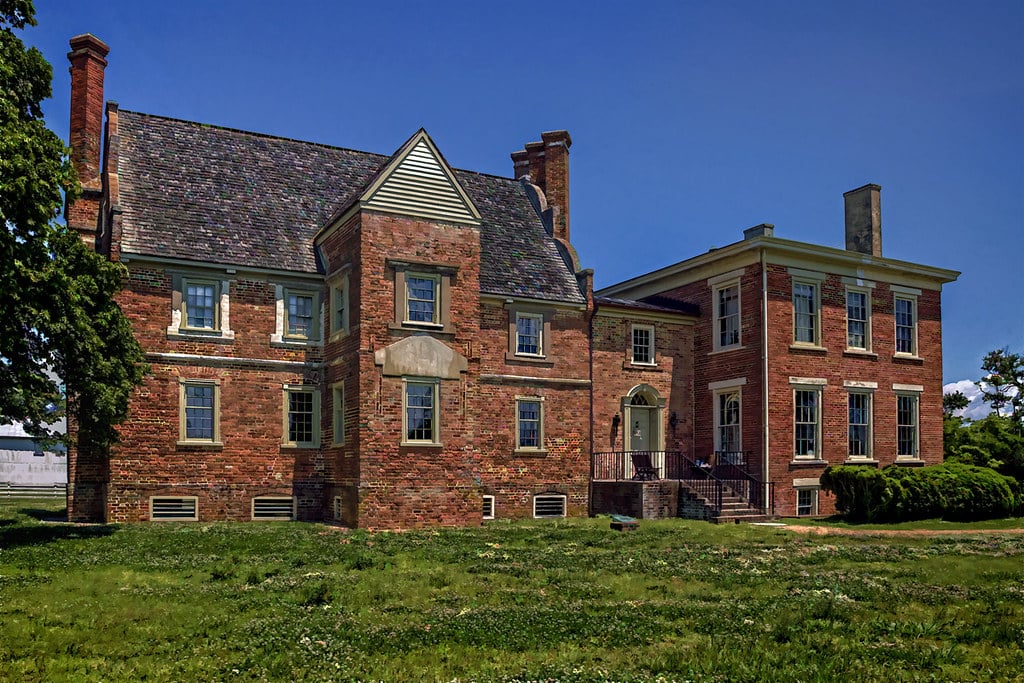
Not a fort at all, this place in Virginia got its title long after construction. Raised in 1665 by landowner Arthur Allen, the house became known as Bacon’s Castle when rebels under Nathaniel Bacon took hold in 1676.
Curved gables from Flanders twist above the roofline, an odd sight for early American homes. Inside, rooms branch off in a cross pattern, uncommon for the time.
Though called a castle, it was always just a home – yet one built with skill few expected. Brick laid thick holds firm even now, baked by summer heat, cracked slightly by frost each winter.
Wren Building At William And Mary
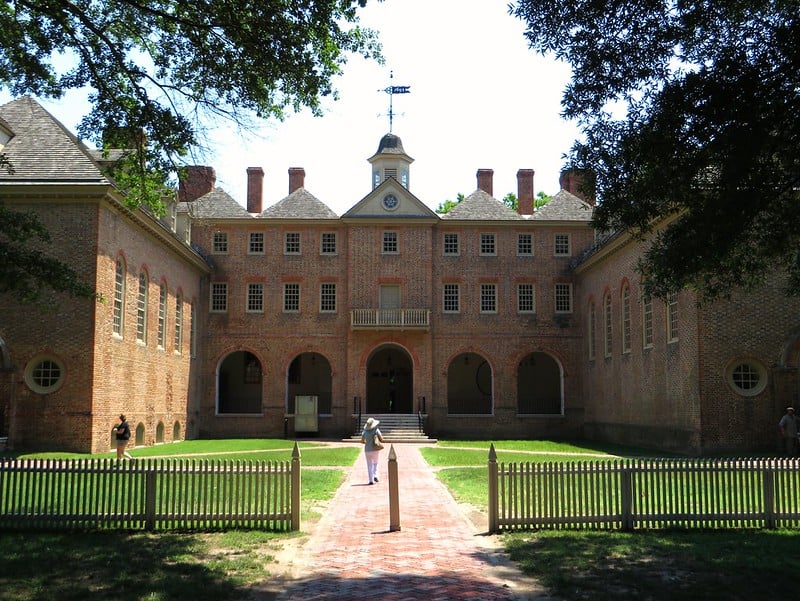
Over at Williamsburg’s College of William & Mary sits a classroom space older than most towns in the country. Built back in 1700, the Wren Building has burned down more than once – yet teaching never left.
Fires came and went, repairs followed, but lessons kept going inside those walls. Pupils now open books where future leaders like Jefferson once studied quietly.
Its rooftop dome stands out, recognized far beyond campus as a mark of early American learning design.
The Old State House In Boston
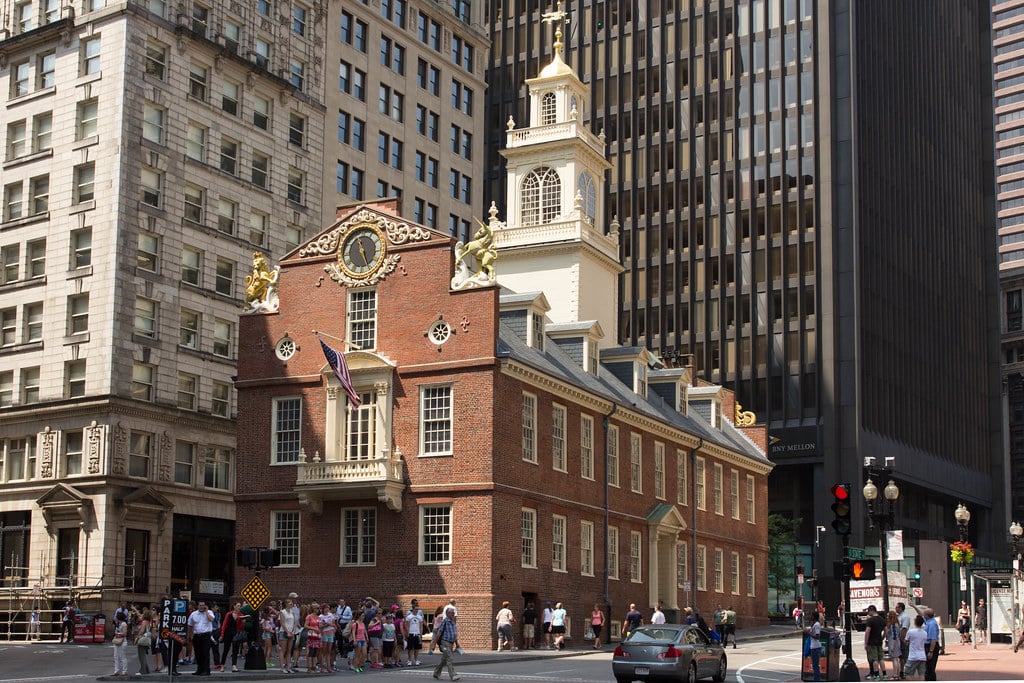
Built back in 1713, Massachusetts raised this brick structure to house colonial rule. From its balcony in 1776 came the voice of revolution – the Declaration shared loud and clear.
Once flying signs of royal power, the lion and unicorn that crowned it got ripped away when rebellion took hold – replaced long after as echoes of what once stood. Today, towers of glass shoot up around it, squeezing it tight – but not overshadowing it.
Size doesn’t measure meaning here.
Wythe House

Starting in the mid-18th century, George Wythe – law mentor to Thomas Jefferson – had this refined Williamsburg residence constructed near 1755. Built with precision, its Georgian design reveals balanced window placement alongside meticulously arranged Flemish bond bricks.
Just prior to the siege of Yorktown, General George Washington took command from within these walls during wartime operations. Hidden below ground level, the original kitchen still stands along with supporting rooms, offering a quiet glimpse into daily routines of affluent colonial households.
Touro Synagogue
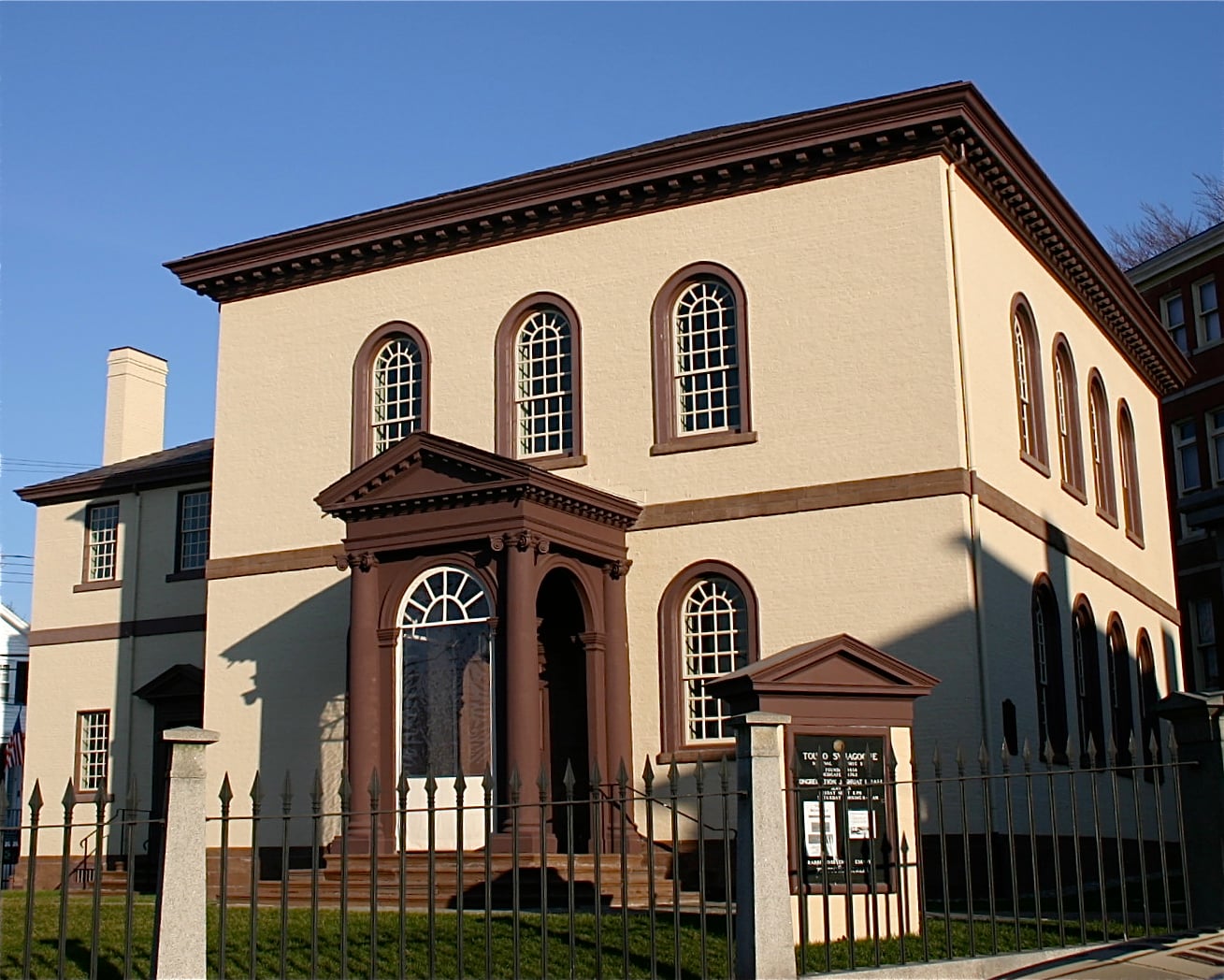
Standing since 1763, Newport’s Touro Synagogue in Rhode Island is the nation’s oldest active Jewish house of prayer. Classical balance shapes its form – Peter Harrison shaped it, sound traveling clearly so every word spoken by the rabbi fills the room.
When war threatened everything, members tucked the deed and sacred items beneath floorboards, hidden on purpose. Silence held until workers poking around during repairs in 1828 found what had been left behind.
Christ Church Philadelphia
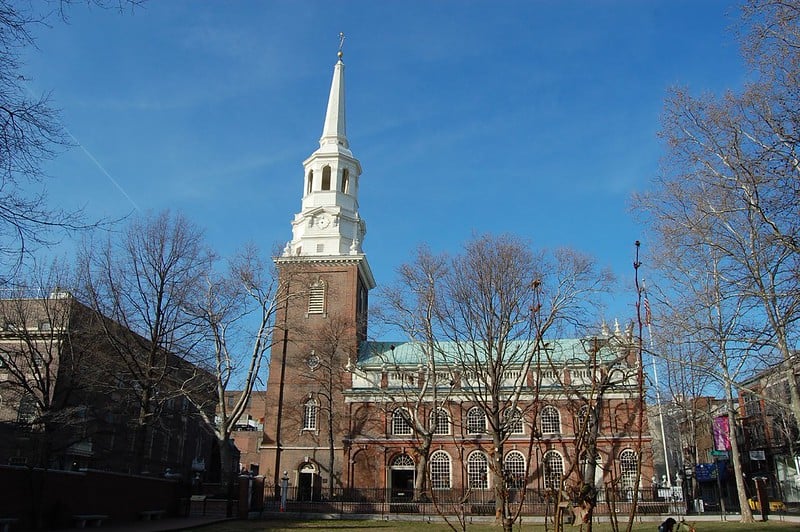
Finished back in 1744, this Georgian-era church welcomed George Washington along with Benjamin Franklin among its worshippers. Built with bricks laid in a Flemish bond, the outer walls form an intricate checkerboard design.
Within, you will find the first brass chandelier still hanging from above. Those wooden benches – where influential figures of history once rested – are occupied each Sunday.
Light pours into the worship space through a Palladian window perched behind the altar, much like it has since the mid-18th century.
Carpenters’ Hall
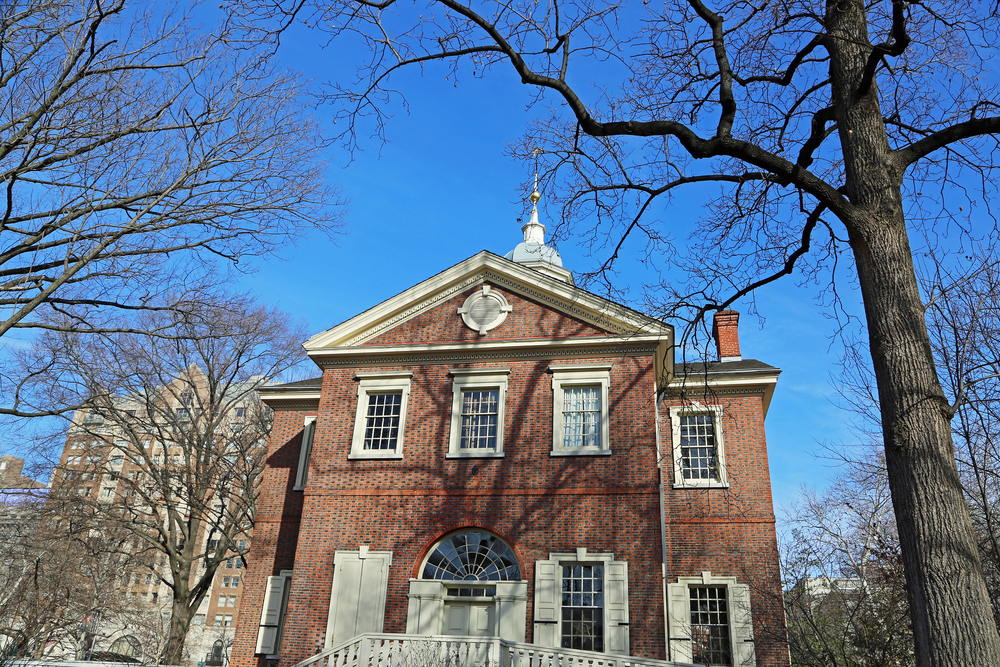
Philadelphia’s guild of carpenters constructed this practical yet handsome building in 1770 as their meeting place. Two years later, the First Continental Congress convened here, making decisions that would lead to American independence.
The symmetrical Georgian design features distinctive checkerboard brick patterns and a central cupola. Visitors can still see the original meeting room where delegates debated the colonies’ future.
Old North Church
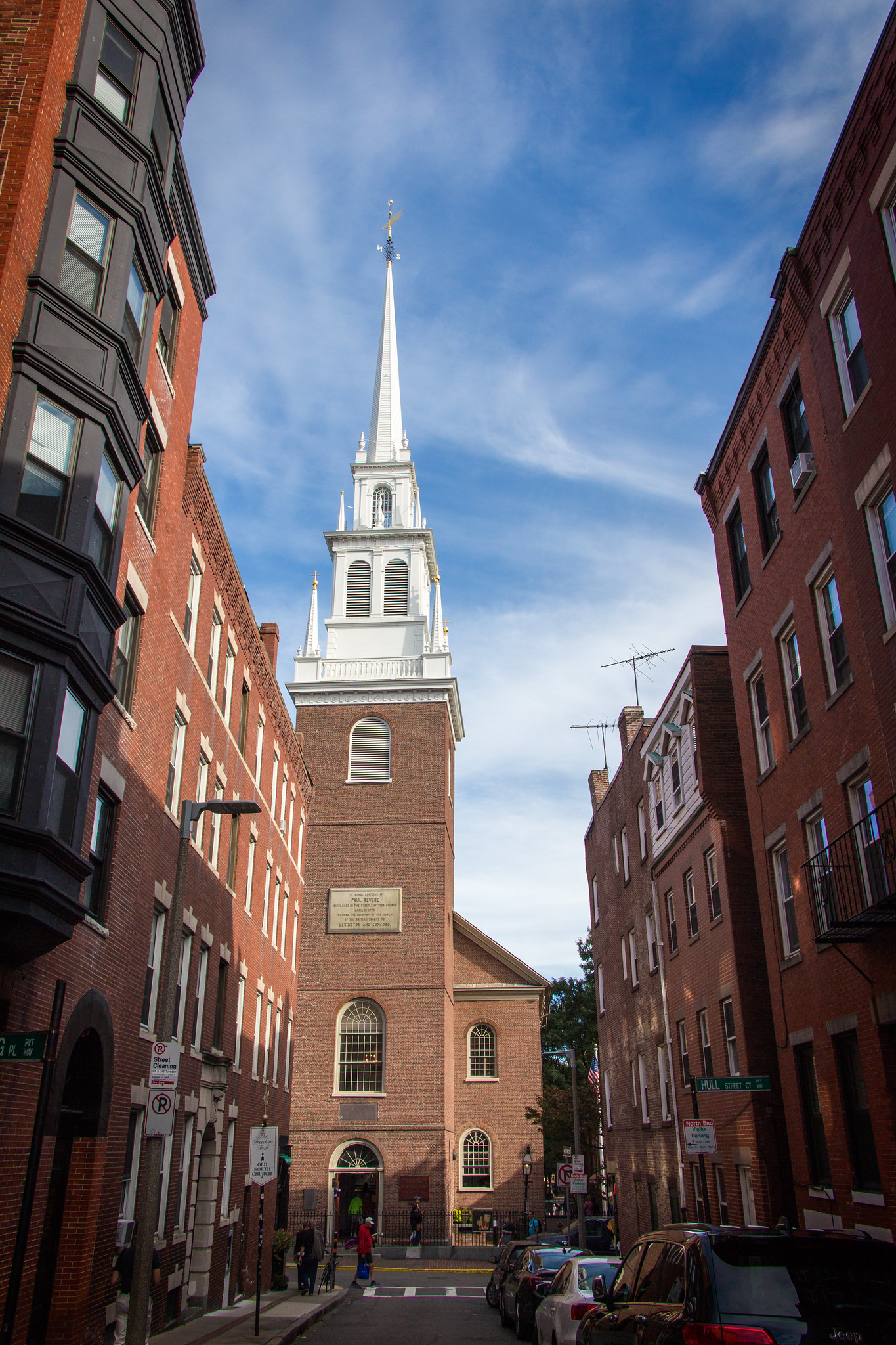
Boston’s tallest brick structure when completed in 1723, Old North Church became famous for its role in Paul Revere’s midnight ride. The church’s steeple served as the signal post where lanterns warned colonists of British troop movements.
Hurricane damage destroyed the original steeple twice, but reconstructions maintained its historic appearance. The building’s interior features box pews and a wine-glass pulpit that showcase typical Georgian church design.
Hammond-Harwood House
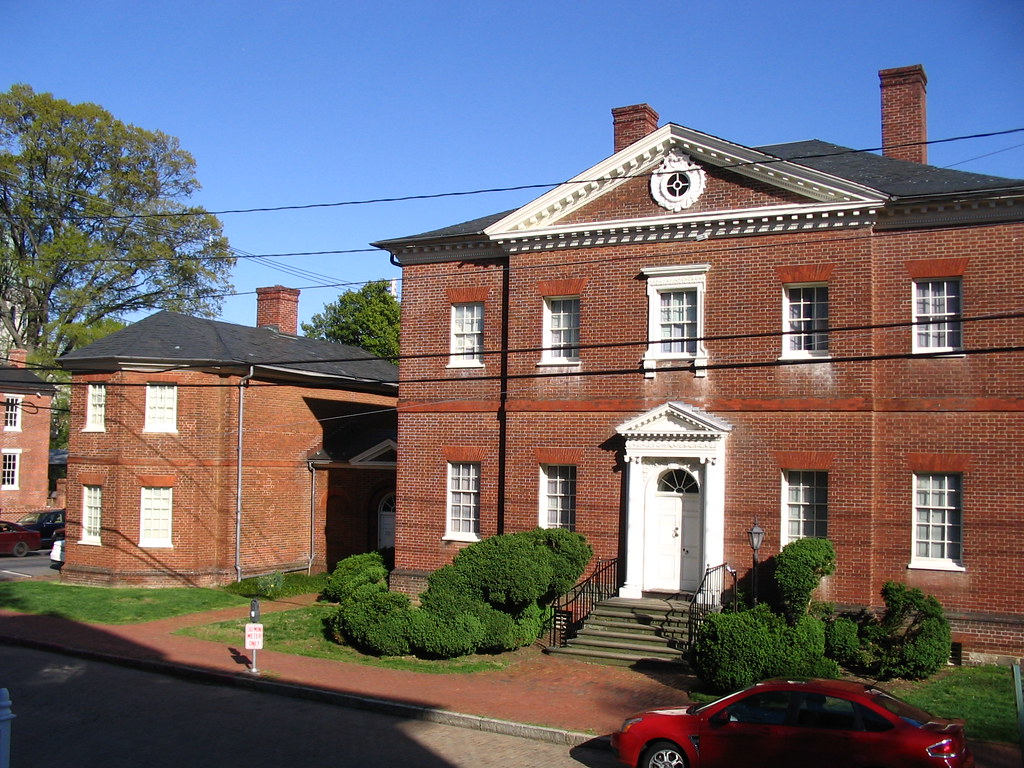
Annapolis boasts this 1774 architectural gem, designed by colonial architect William Buckland just before his death. The house represents the pinnacle of Georgian residential design in America, with elaborate brick patterns and carved decorations around the doorway.
Its proportions follow classical rules so precisely that architecture students still study its facade. The structure survived the Revolutionary War without damage, perhaps because British officers recognized its beauty.
The Palace Green Houses
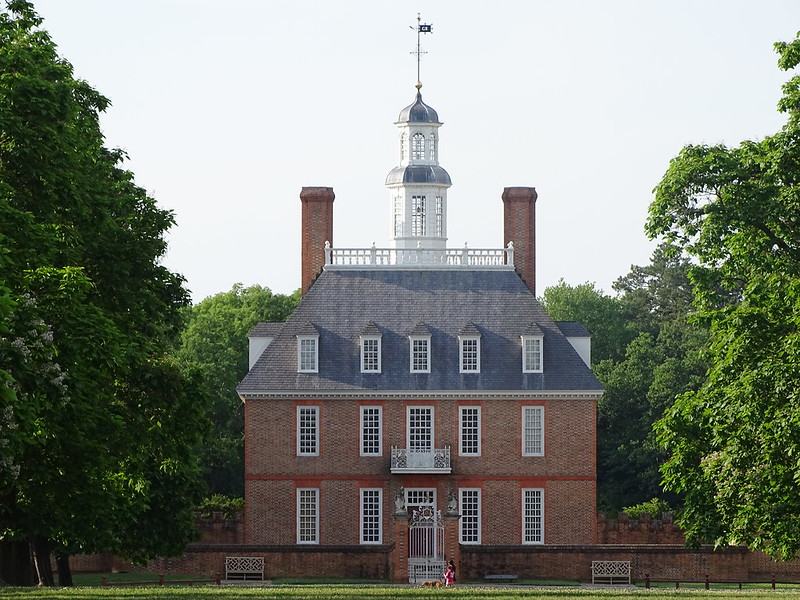
Down the Palace Green in Colonial Williamsburg stand rows of red-brick houses dating back to the 1750s, once home to powerful Virginia families. Though linked together like pieces of a puzzle, each building wears its own version of Georgian design – some plain, others dressed up.
Take the Bracken House, rising near mid-century, a glimpse into life among wealthy traders in early American cities. Built with heavy brickwork, it kept heat out during humid summers, cold at bay in winter – also signaling strength through solid masonry.
Tryon Palace
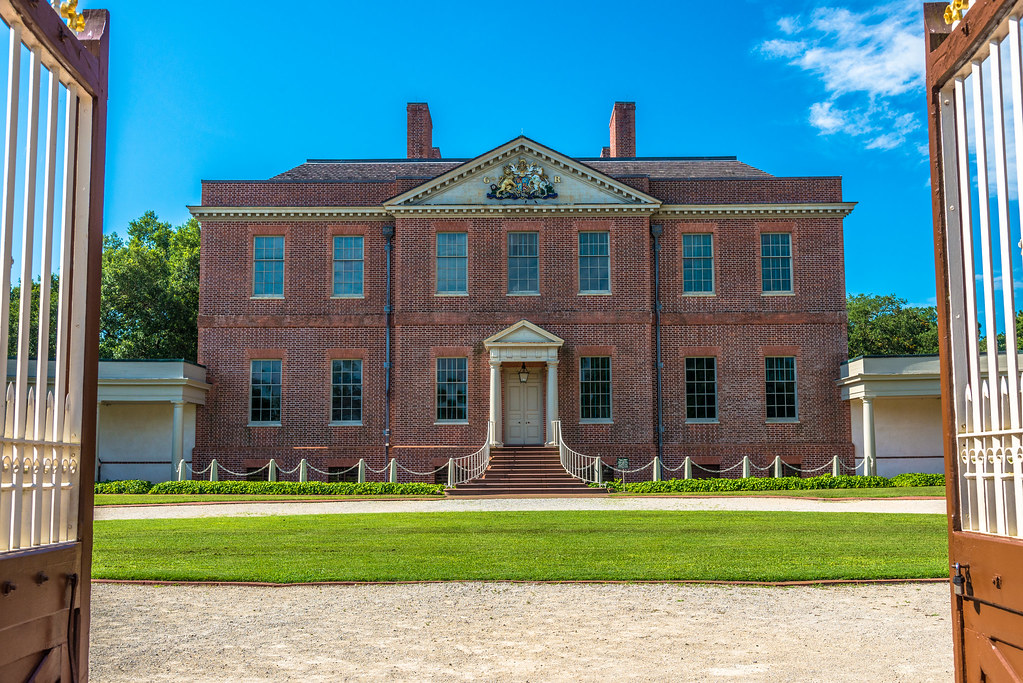
Finished in 1770, North Carolina’s royal governor William Tryon moved into an ornate brick home meant for both work and lavish living. Though built with local materials, it stood as a symbol few could afford.
By the time revolution stirred, he had already left the colony behind. A fire nearly erased everything by 1798, leaving little more than memory.
Yet decades later, careful rebuilding using old documents and dig findings revived its shape. What stands now reflects comfort rulers knew, while most people lived without.
George Wythe Birthplace
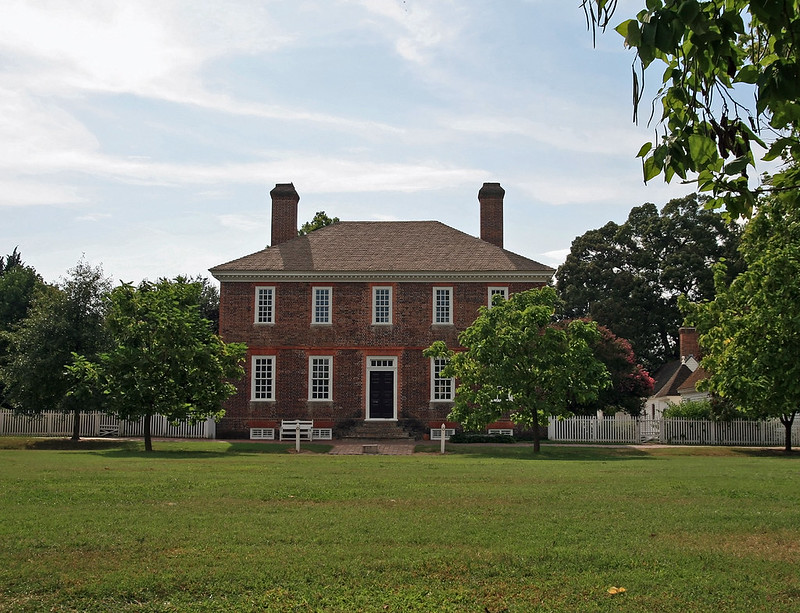
Out back of modern Hampton, Virginia sits a small brick home built for George Wythe in 1726. Though he’d later live grander in Williamsburg, this place sticks to the basic look of its time.
Inside, rooms follow an old-fashioned layout – hall on one side, parlor across – with space divided just so. A wide chimney climbs up outside, chunky and solid against the walls.
Most houses like it vanished long ago, either torn down or left to crumble. That this one still stands feels quiet, almost accidental, yet here it remains.
Kenmore Plantation
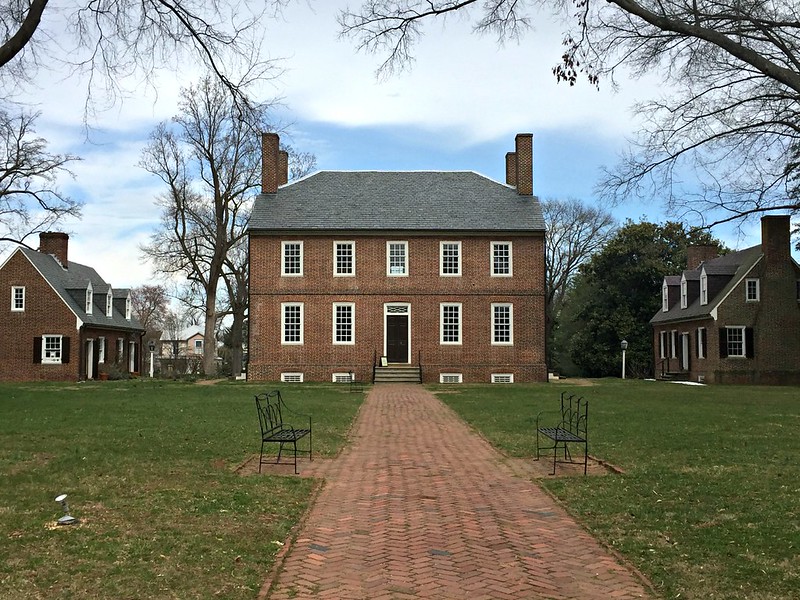
Down a quiet street in Fredericksburg, Virginia sits a home built by skilled hands long ago – finished just before the revolution stirred. Inside its red brick shell hides one of colonial America’s most stunning interiors, shaped not with paint but plaster.
Master workers pressed tools into wet surfaces, carving vines, wheat, and flowers across ceilings; centuries later, every groove still holds its shape. While George led armies, his sister Betty walked these floors, tending life within thick-walled rooms.
Beyond the main house, separate buildings stand silent – a kitchen made of fired clay bricks among them – each once buzzing with tasks that kept the place alive.
The Lindens
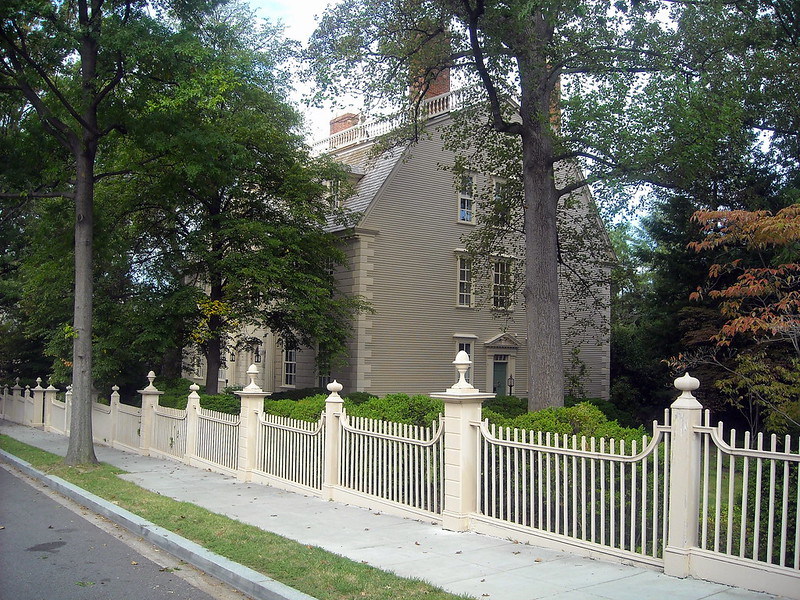
Put together in Danvers, Massachusetts about 1754, this graceful Georgian house eventually made its way to Washington D.C. by 1935. Piece by piece, every brick was labeled before taking it apart, then reconstructing it all anew.
Though shifted across long distances, the building kept its early American character through genuine parts and layout. Because people cared so deeply about old designs, they hauled whole homes great lengths just to save them.
Cliveden

That house in Philadelphia called Cliveden finished being built by 1767, then saw heavy combat when the Battle of Germantown erupted ten years later. Inside, redcoats held their ground even as American troops unleashed gunfire at the dense brick exterior.
Scars from bullets and artillery remain etched into its front wall – quiet proof of war’s touch centuries ago. Though struck hard that day, its solid bones kept it standing, not just through the fight but across two and a half centuries after.
Gunston Hall

Finished in 1759, George Mason’s plantation home stands as the place where he shaped thoughts on personal freedom. Inside, intricate wood carvings were crafted by master builder William Buckland, who afterward turned his hand to the Hammond-Harwood House.
Though its brick walls appear plain at first glance, what lies within reveals ornate detailing behind closed doors. Those beliefs about liberty, formed while living here, helped shape foundational American documents years later.
While quiet now, the rooms once echoed with revolutionary thinking.
Still Standing After All These Years
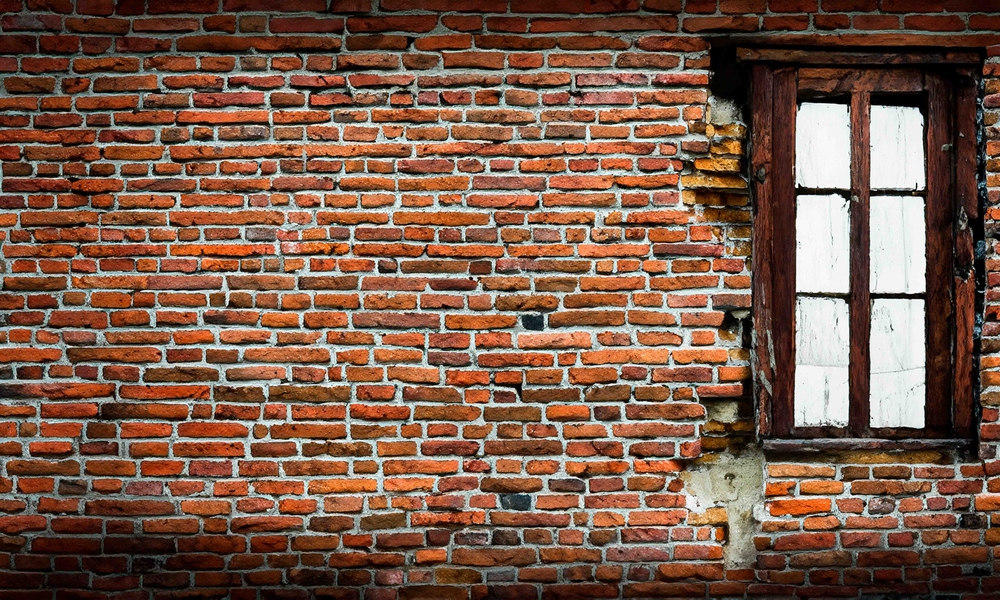
Brick by brick, these structures link today’s people to settlers long gone, hands shaping what time refused to erase. Though the makers never dreamed their labor would echo so far ahead, footsteps on cobbled entries bring them back somehow.
Touching cracked mortar pulls the past close, sudden and real. Built patiently, shaped deliberately, they stood while everything else shifted around them.
Their silence speaks volumes, if anyone pauses near enough to listen.
More from Go2Tutors!

- The Romanov Crown Jewels and Their Tragic Fate
- 13 Historical Mysteries That Science Still Can’t Solve
- Famous Hoaxes That Fooled the World for Years
- 15 Child Stars with Tragic Adult Lives
- 16 Famous Jewelry Pieces in History
Like Go2Tutors’s content? Follow us on MSN.



