15 Ancient Civilizations That Vanished Without a Clear Explanation
The ancient world holds its secrets close. Across continents and millennia, entire civilizations rose to remarkable heights, built cities that defied the limits of their time, and then simply disappeared.
Not through conquest or natural disaster — at least not obviously — but through something more mysterious. Their people scattered to the winds, their languages forgotten, their reasons for leaving lost to time.
Some left behind massive stone monuments that still puzzle archaeologists today. Others vanished so completely that only fragments of pottery and the occasional foundation stone hint at their existence.
What makes these disappearances so haunting is the absence of clear answers. No decisive battles, no obvious catastrophes, no neat explanations that tie everything together.
The Maya
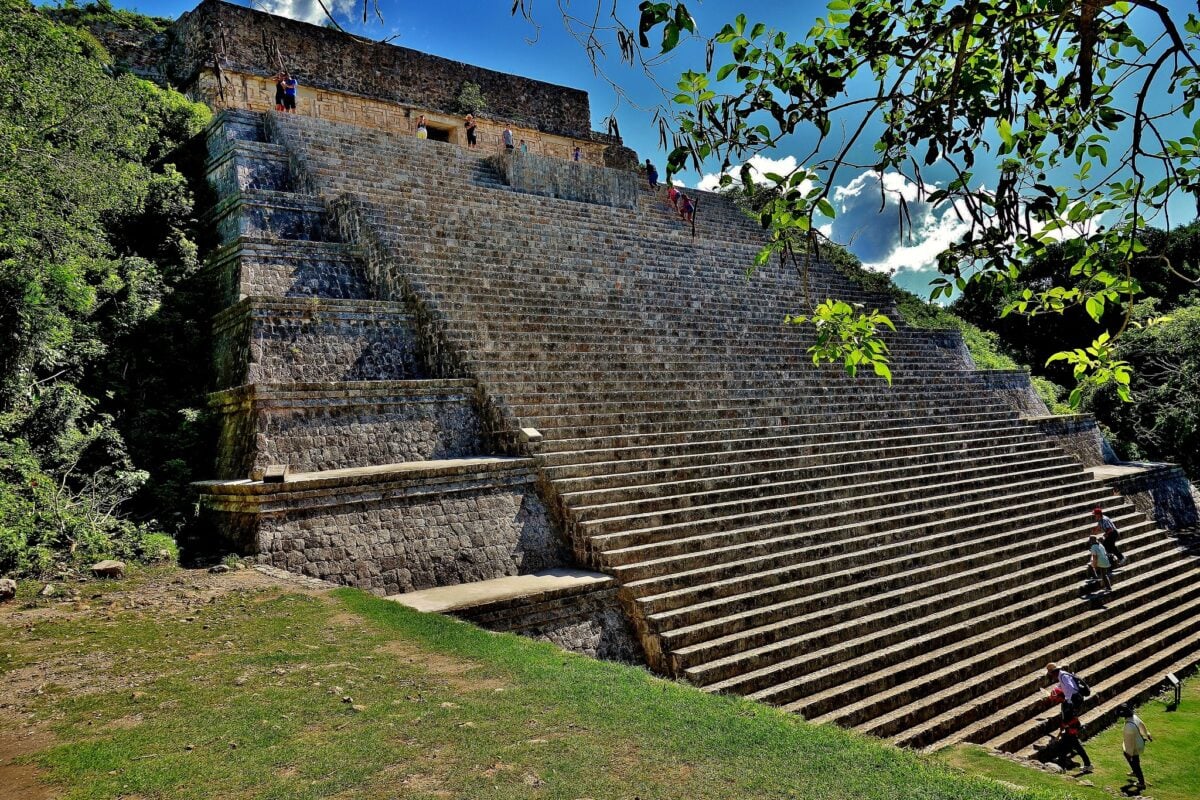
The Maya didn’t vanish entirely. But around 900 CE, something happened that scholars still can’t fully explain.
The great cities of the southern lowlands — places like Tikal and Palenque — were abandoned within a few generations. This wasn’t gradual decline (though climate change and warfare certainly played roles, the exact mechanism remains frustratingly unclear, and theories multiply faster than evidence).
The Maya had survived droughts before, weathered conflicts, adapted to changing trade routes. So what made this different? Why did a civilization that had calculated the movements of Venus to within hours suddenly walk away from cities that had stood for centuries, leaving behind courts where weeds would grow through the cracks and pyramids that would disappear under jungle canopy?
And yet the northern cities continued to thrive for centuries more. Go figure. The collapse feels like watching someone abandon a house mid-sentence, leaving dinner on the table and books open to pages they’d never finish reading.
Harappan Civilization
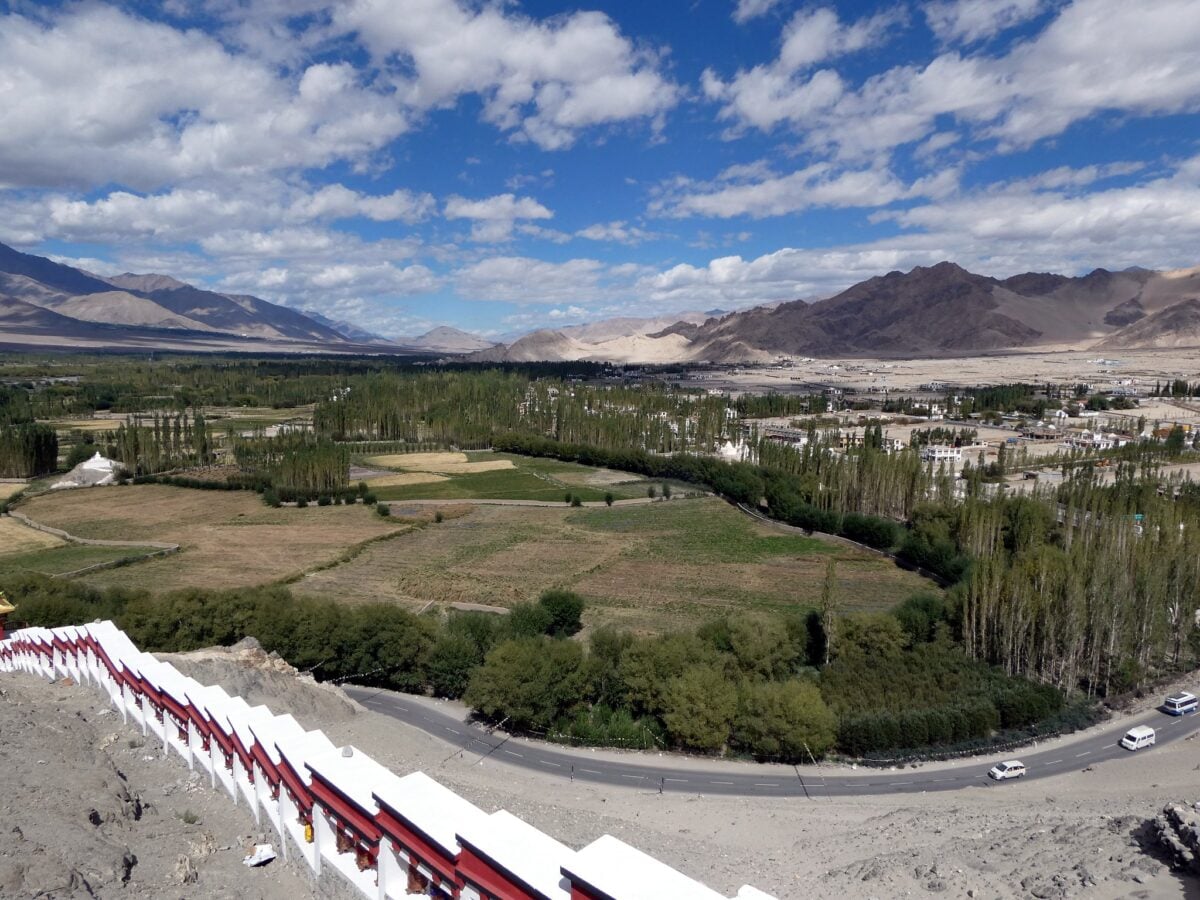
The Indus Valley people built cities better than most civilizations that came after them. Perfect grid systems, advanced drainage, standardized weights and measures across thousands of miles.
Then they vanished around 1900 BCE without leaving a single deciphered text behind. The cities weren’t destroyed by war — there’s no evidence of mass violence or sudden catastrophe. They weren’t abandoned overnight either.
The decline took centuries, but it was thorough. By the time it was over, even the memory of how to make their distinctive pottery had disappeared.
What’s maddening is how organized they were. These people clearly knew how to plan, how to maintain complex urban systems across a vast territory.
Yet they left behind no explanation, no records anyone can read, no clear reason why one of history’s most sophisticated early civilizations simply faded away. The silence is complete.
Ancestral Puebloans
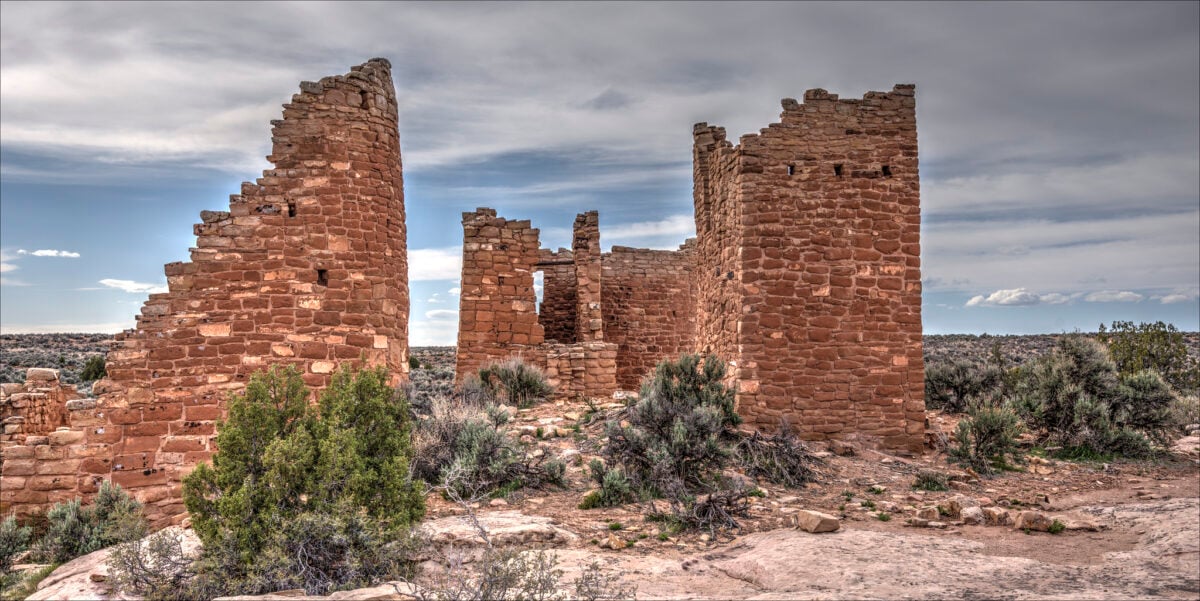
For over a thousand years, the Ancestral Puebloans built increasingly elaborate settlements across the American Southwest. Then, around 1300 CE, they abandoned their cliff dwellings and mesa-top pueblos and moved south.
The timing wasn’t random — a severe drought had gripped the region for decades. But here’s what doesn’t add up: these people had weathered droughts before.
They’d developed sophisticated water management systems, learned to store grain for lean years, built communities that could adapt to harsh conditions. The 13th-century drought was severe, but not unprecedented. So why did this one break them?
Archaeological evidence suggests the abandonment happened quickly, within a generation or two. Families packed what they could carry and walked away from homes their ancestors had occupied for centuries.
Some pottery was left behind, still sitting on shelves. Tools were abandoned mid-project.
It feels less like planned migration and more like flight, though from what remains unclear.
Mississippians
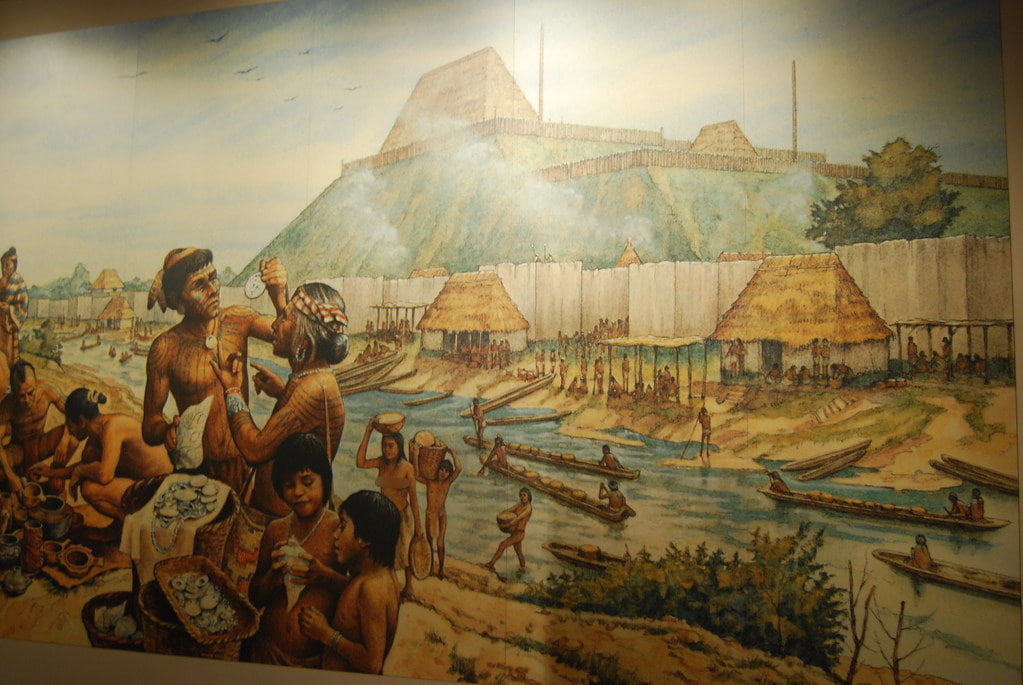
Cahokia was the largest city north of Mexico before Europeans arrived in the Americas. At its peak around 1100 CE, it housed perhaps 15,000 people in the heart of what’s now Illinois.
Massive earthen mounds dominated the landscape, and the city’s influence stretched from the Great Lakes to the Gulf Coast. By 1400, it was essentially empty.
The decline happened gradually — people didn’t flee overnight — but the abandonment was complete. No one stayed to maintain the mounds or tend the grand plaza where thousands had once gathered for ceremonies.
Climate change likely played a role. Political upheaval probably contributed. But neither explains the totality of the collapse.
Other Mississippian centers failed around the same time, suggesting something larger was happening across the entire cultural region. Whatever it was, it was thorough enough that when Europeans arrived, the massive mounds at Cahokia had already been reclaimed by prairie grass for generations.
Cucuteni-Trypillia Culture
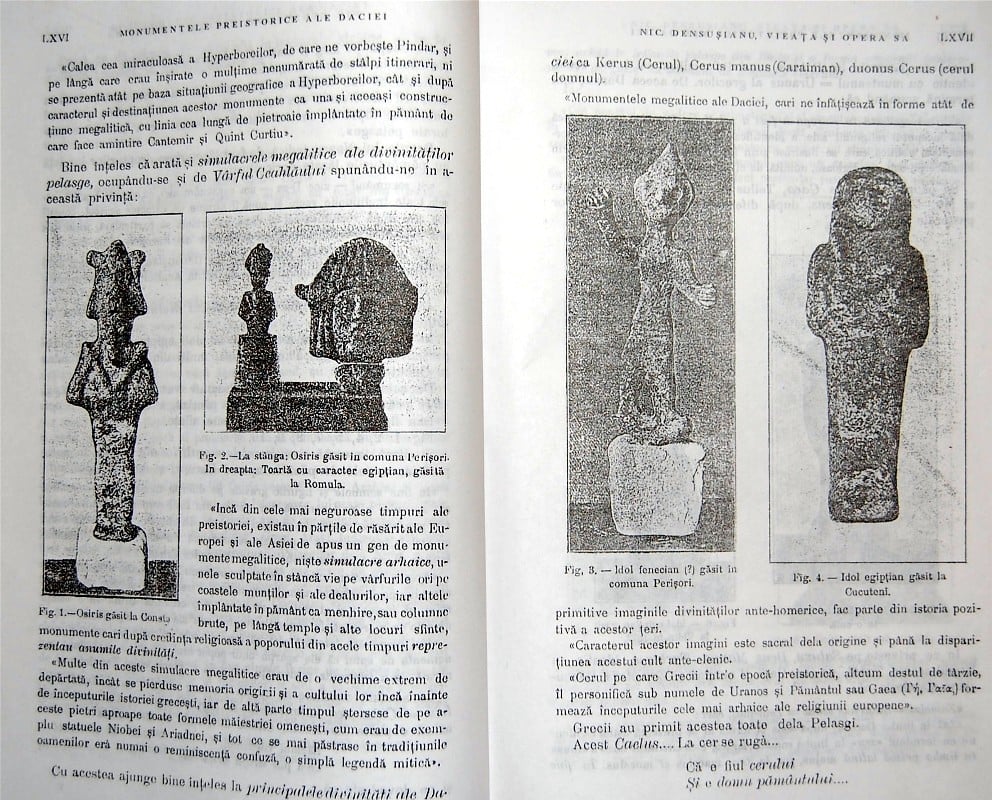
Between 5500 and 2750 BCE, the Cucuteni-Trypillia people built some of the largest settlements in Neolithic Europe, and then they did something peculiar: every few generations, they deliberately burned their entire towns to the ground and rebuilt them elsewhere (often just a few miles away, which raises the obvious question of why they bothered moving at all). This wasn’t destruction by enemies or accident — the burning was systematic, ritualized, complete.
For nearly three millennia, this cycle continued across what is now Ukraine, Moldova, and Romania. Then, around 2750 BCE, it stopped.
Not just the burning and rebuilding — the entire culture disappeared. The settlements weren’t replaced, the pottery traditions ended, the elaborate painted ceramics that had defined their artistic style for thousands of years were never made again.
So what changed? Why did a pattern that had persisted for longer than recorded history suddenly break? And why did the people who had maintained such a distinctive culture for so long leave no trace of where they went or what they became?
The archaeological record goes quiet with a completeness that suggests something more than gradual change.
Indus Valley Maritime Traders
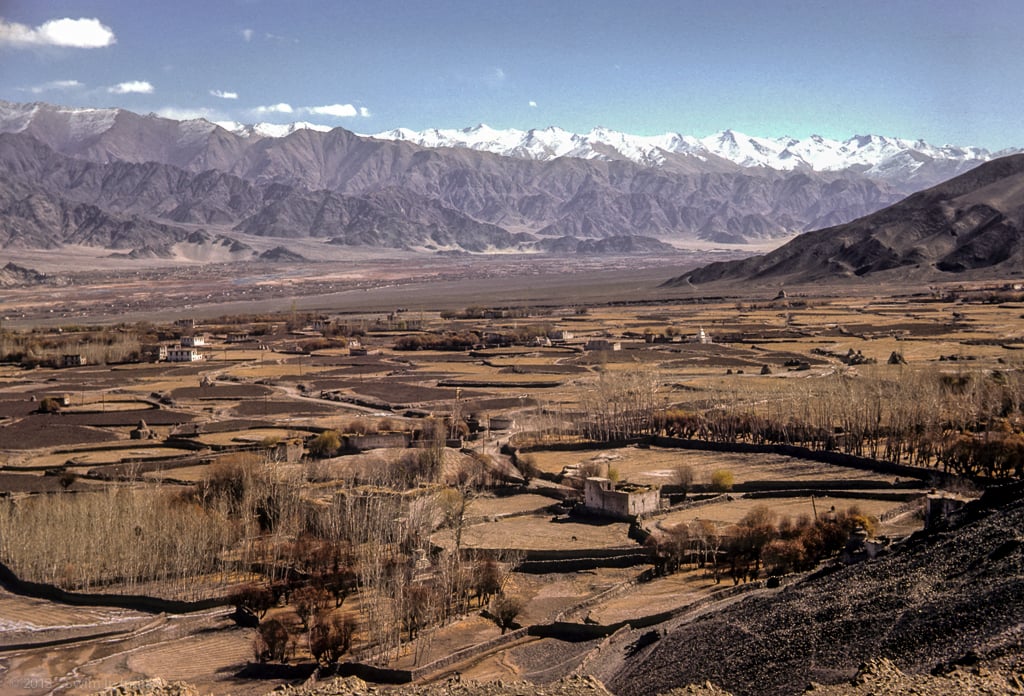
The Indus Valley civilization extended far beyond the major cities of Harappa and Mohenjo-daro. Along the coasts of what are now Pakistan and western India, maritime trading posts connected the inland cities to networks that reached Mesopotamia and the Persian Gulf.
These coastal settlements disappeared even more completely than their inland counterparts. While Harappa and Mohenjo-daro left ruins that archaeologists could study, many of the port cities vanished so thoroughly that their locations remain educated guesses.
Rising sea levels probably claimed some sites, but not all of them. The maritime network that had sustained trade for centuries simply stopped functioning.
Ships no longer arrived with goods from distant ports. The standardized weights and measures that had facilitated long-distance commerce fell out of use.
An economic system that had operated across thousands of miles of ocean and coastline dissolved as if it had never existed.
Olmec
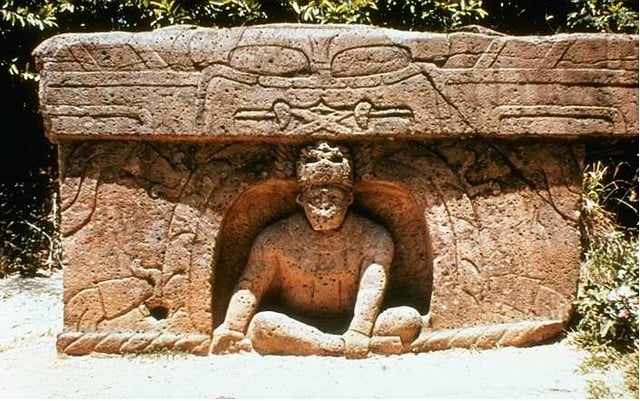
The Olmec are often called the mother culture of Mesoamerica, and with good reason. They carved colossal stone heads that weighed tons, built the first pyramids in the Americas, and developed writing and calendar systems that later civilizations would adopt and refine.
Around 400 BCE, it all ended. Not through conquest — there’s no evidence of foreign invasion or internal warfare serious enough to destroy the entire civilization.
The great ceremonial centers were abandoned, the distinctive artistic style disappeared, and the trade networks that had connected Olmec sites across hundreds of miles collapsed. What makes the Olmec disappearance particularly puzzling is how influential they were.
Their innovations didn’t vanish with them — later cultures like the Maya and Zapotec built on Olmec foundations. But the people themselves seem to have scattered, leaving behind monuments too heavy to move and mysteries too complex to solve.
The colossal heads still stare out from jungle clearings, expressions inscrutable as the civilization that created them.
Tiwanaku
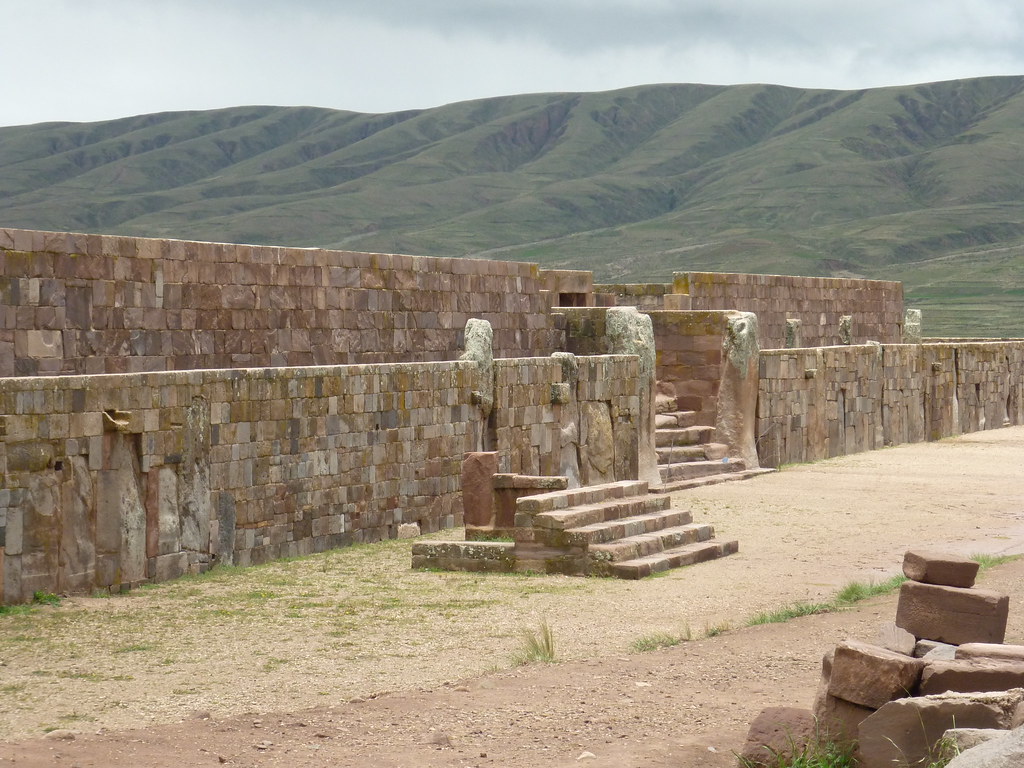
High in the Andes, near Lake Titicaca, Tiwanaku controlled trade routes and agricultural systems across much of what is now Bolivia and Peru, but the civilization that built Puma Punku (with its precisely cut stone blocks that fit together without mortar, some weighing over 100 tons) and maintained terraced fields at 12,000 feet above sea level simply faded away around 1000 CE, leaving behind architecture that modern engineers still struggle to explain. The decline wasn’t sudden — it took several centuries — but it was thorough.
Climate change likely contributed to the collapse, as lake levels dropped and agricultural productivity declined in the harsh high-altitude environment. But Tiwanaku had thrived in those same harsh conditions for over a millennium, developing sophisticated techniques for growing crops in thin air and managing water resources in one of the world’s most challenging agricultural environments.
So why did methods that had worked for centuries suddenly fail? And why did the people who had mastered the art of building with massive stone blocks at extreme altitude leave no records of where they went or why they left? Even the oral traditions of later Andean peoples contain only fragments of memories about the people who built the monuments that still dominate the landscape around Lake Titicaca.
Norte Chico
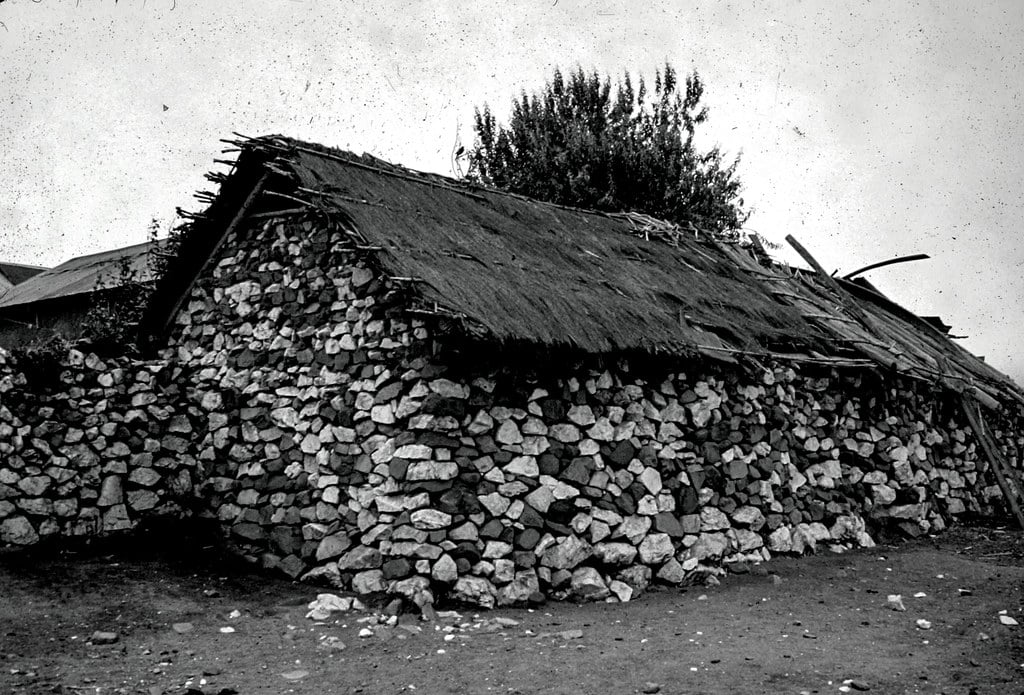
The Norte Chico civilization built monumental architecture in Peru while most of the world was still figuring out basic agriculture. Between 3500 and 1800 BCE, they constructed massive platform mounds and circular plazas along river valleys north of Lima, creating some of the oldest cities in the Americas.
Then they disappeared so completely that archaeologists didn’t realize they had existed until the 1990s. No pottery, no written records, no clear successor cultures.
The cities were abandoned and buried under centuries of sand and debris, becoming invisible bumps in the landscape. What’s remarkable about Norte Chico is how early they were.
They were building complex societies when Stonehenge was just a ditch in the ground, organizing labor for massive construction projects before the Egyptian pyramids existed. Yet they left behind no explanation for their disappearance, no obvious reason why one of the world’s earliest civilizations simply vanished into the desert silence.
Nabataeans
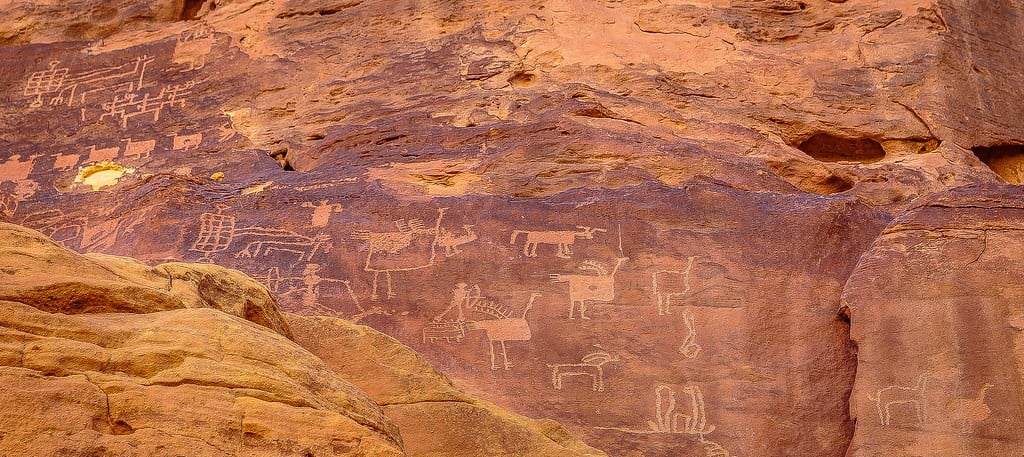
The Nabataeans turned the desert into a highway. From their capital at Petra, they controlled trade routes that connected Arabia, Egypt, and the Mediterranean, growing wealthy on frankincense, spices, and the knowledge of where to find water in seemingly impossible places.
Roman annexation in 106 CE didn’t destroy them — many Nabataean cities continued to prosper under Roman rule. But gradually, over the following centuries, their distinctive culture faded away.
The Arabic language replaced Nabataean Aramaic, traditional building techniques were forgotten, and the elaborate water management systems that had made desert cities possible fell into disrepair. By the 7th century, Petra was largely abandoned, known mainly to local Bedouin tribes who called it “Wadi Musa” — the Valley of Moses.
The people who had carved elaborate facades into rose-colored cliffs and built a trading empire from desert oases had melted back into the landscape they had once mastered, leaving behind empty cities that would remain hidden from the outside world for over a thousand years.
Minoans
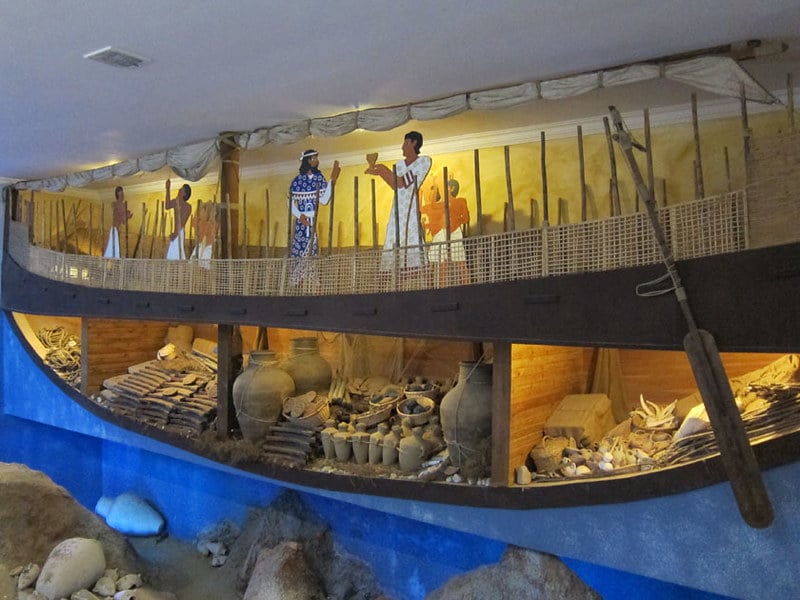
Crete’s Minoan civilization created Europe’s first advanced society. Their palaces at Knossos and Phaistos featured running water, elaborate frescoes, and storage systems that could feed thousands.
They developed writing, built a powerful navy, and established trading posts across the eastern Mediterranean. Around 1450 BCE, most of their palaces burned.
The Linear A script disappeared, never to be deciphered. The distinctive Minoan artistic style gave way to influences from mainland Greece.
What happened isn’t entirely clear — volcanic eruption at Thera, invasion by Mycenaean Greeks, internal rebellion, or some combination of factors. But the speed of the cultural transformation is striking.
Within a generation or two, a civilization that had dominated the Aegean for centuries had become something else entirely. The people didn’t vanish physically — Crete remained inhabited — but everything that made them distinctively Minoan disappeared as if it had never existed.
Moche
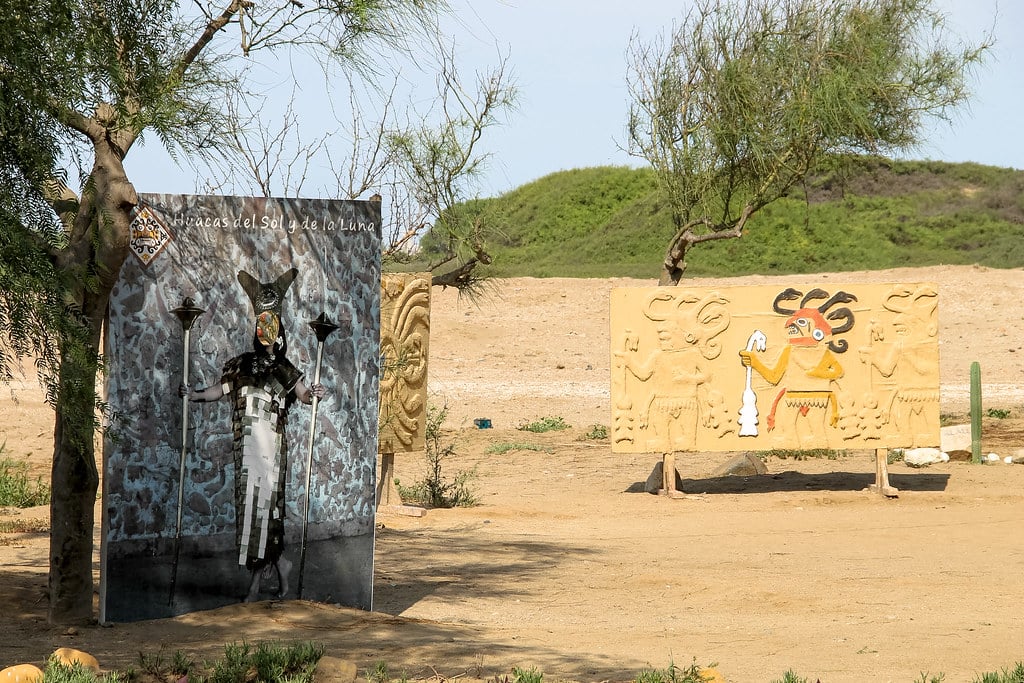
The Moche civilization flourished along Peru’s northern coast from about 100 to 700 CE, and their pottery tells stories with a vividness that makes them feel almost contemporary — scenes of daily life, elaborate ceremonies, even erotic art that would make museum curators blush (though they created these detailed ceramic narratives, they left no written language that scholars can decipher, which creates the strange situation of knowing what their world looked like while remaining largely ignorant of what they thought about it). They built massive adobe pyramids, maintained complex irrigation systems in one of the world’s driest deserts, and created art that captures human expression with startling realism.
Then climate disasters struck: a series of droughts followed by catastrophic flooding linked to El Niño events. But here’s the puzzle — El Niño wasn’t new to the region, and the Moche had dealt with climate variability before. Yet this time, instead of adapting as they had previously, they abandoned their major centers and disappeared from the archaeological record.
And the flooding was so severe that it buried some of their pyramids under layers of silt, creating artificial hills that local people would farm for centuries without realizing they were growing crops on top of ancient temples.
Rapa Nui (Easter Island)
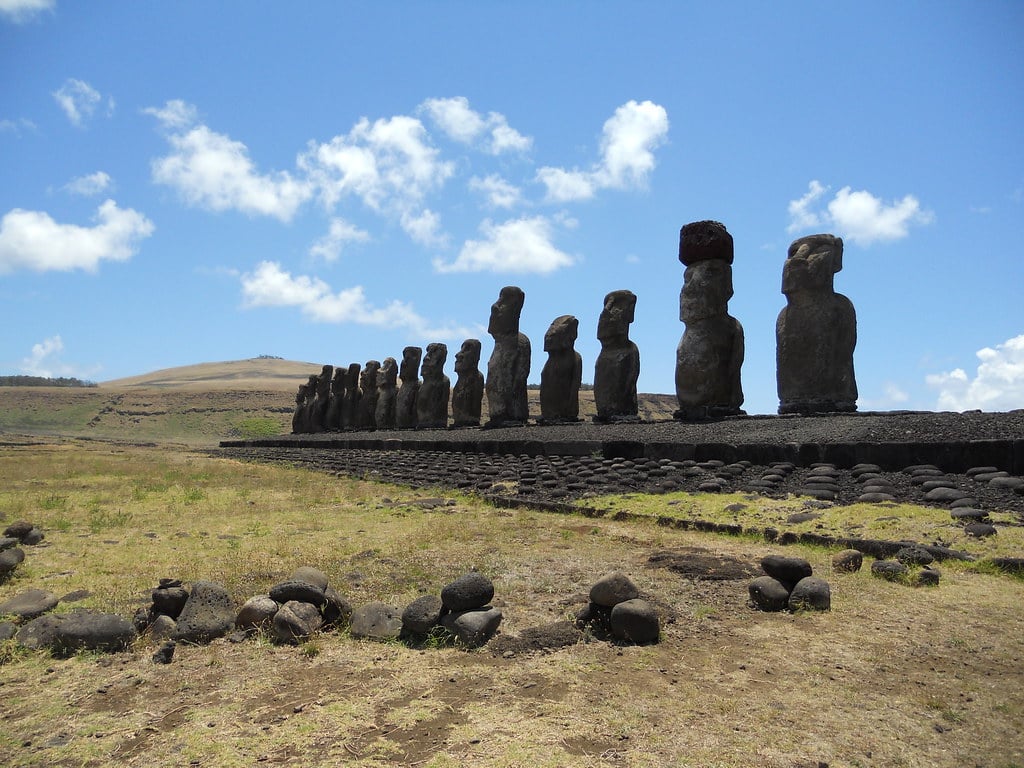
Easter Island’s story is usually told as ecological collapse — a civilization that cut down all its trees and destroyed itself through environmental mismanagement. But the real story is more complex and more mysterious. The people of Rapa Nui created nearly 900 stone statues, some weighing up to 80 tons, and somehow transported them across the island to ceremonial platforms.
They developed a unique writing system called rongorongo that no one can read today. They survived in one of the world’s most isolated locations for over a thousand years.
The collapse, when it came, was sudden. By the time Europeans arrived in 1722, the population had crashed, the statue-building had stopped, and much of the island’s cultural knowledge had been lost.
Deforestation played a role, but so did climate change, possible warfare, and eventually slave raids and disease brought by European contact. The mystery isn’t just what happened, but how a culture sophisticated enough to create the moai could disappear so completely that even basic knowledge of how the statues were carved and moved was forgotten.
Poverty Point Culture
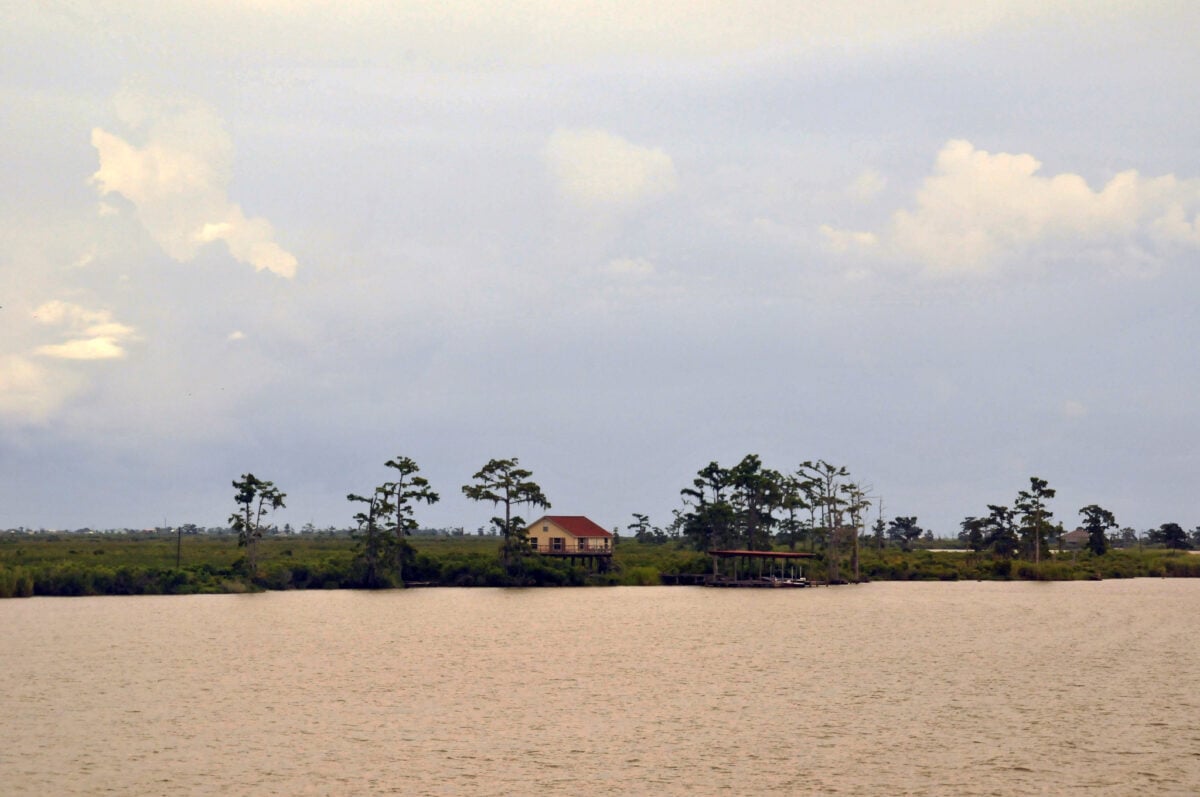
Between 1700 and 1100 BCE, the Poverty Point culture built one of North America’s most impressive prehistoric earthworks in what is now Louisiana. The main site features massive concentric ridges arranged in a precise geometric pattern, with a volume of earth moved that rivals some Egyptian pyramids.
These weren’t farmers — they were hunter-gatherers who somehow organized the labor needed to move millions of cubic feet of soil without domesticated animals or metal tools. They imported raw materials from across North America, creating trade networks that stretched from the Great Lakes to the Gulf Coast.
Then they vanished. The earthworks remained, but the culture that built them disappeared from the archaeological record.
No clear successor cultures, no gradual transition to new ways of life. The trade networks collapsed, the distinctive artifacts stopped being made, and the knowledge of how to organize such massive construction projects was lost.
The earthworks at Poverty Point stood empty for centuries, grass-covered ridges in the Louisiana landscape that later inhabitants would puzzle over without understanding what they were or who had built them.
Silla Kingdom
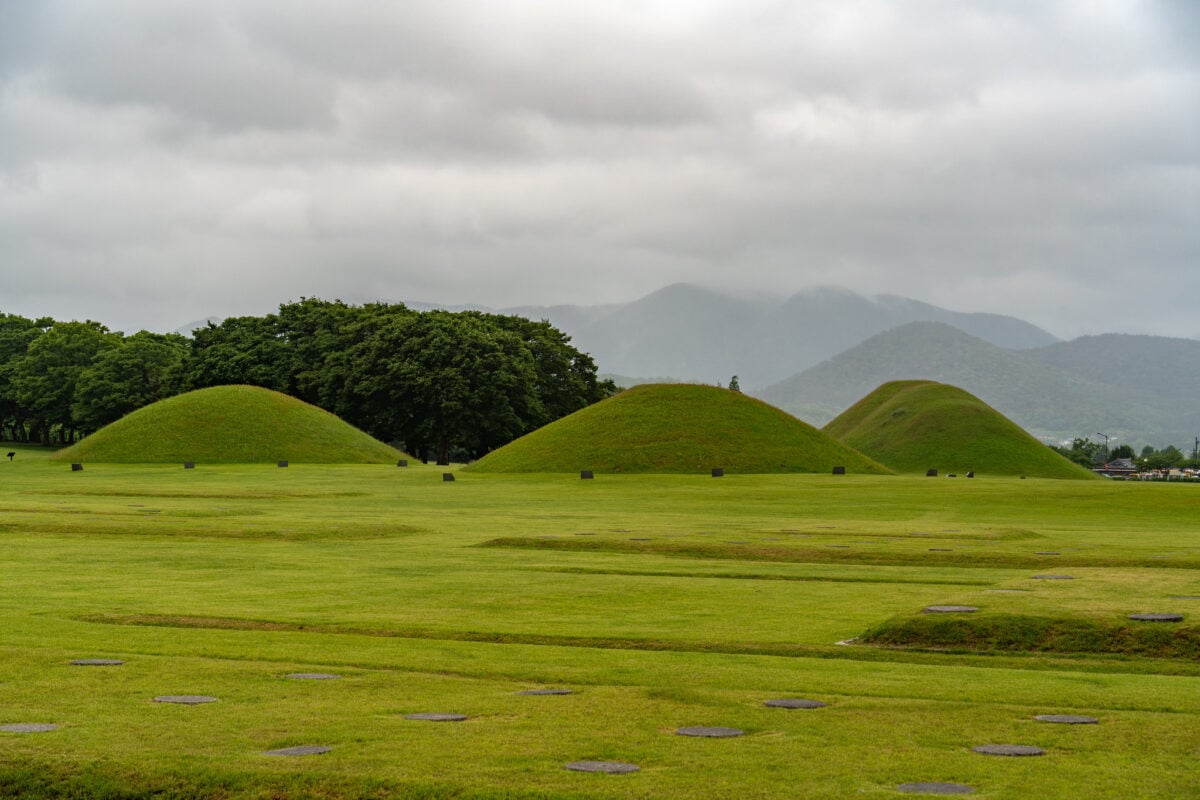
The Silla Kingdom unified Korea in 668 CE and ruled for nearly three centuries, creating a golden age of art, literature, and Buddhist scholarship. Their capital at Gyeongju was one of the world’s largest cities, their royal tombs contained treasures that rivaled anything found in contemporary China or Japan.
But by the 9th century, the kingdom was fracturing. Not through foreign invasion — Silla’s armies remained formidable — but through internal decay that historians still struggle to explain fully.
Local strongmen asserted independence, the central government lost control of distant provinces, and the unified peninsula split apart. What’s puzzling is how quickly it happened.
A kingdom that had successfully managed Korea’s complex geography and tribal divisions for centuries suddenly couldn’t maintain basic political unity. By 935 CE, the last Silla king had abdicated, and the kingdom that had once dominated East Asian politics had become a historical footnote.
The magnificent capital at Gyeongju was abandoned, its palaces falling into ruin while grass grew over the burial mounds of kings whose names were already being forgotten.
When the Trail Goes Cold
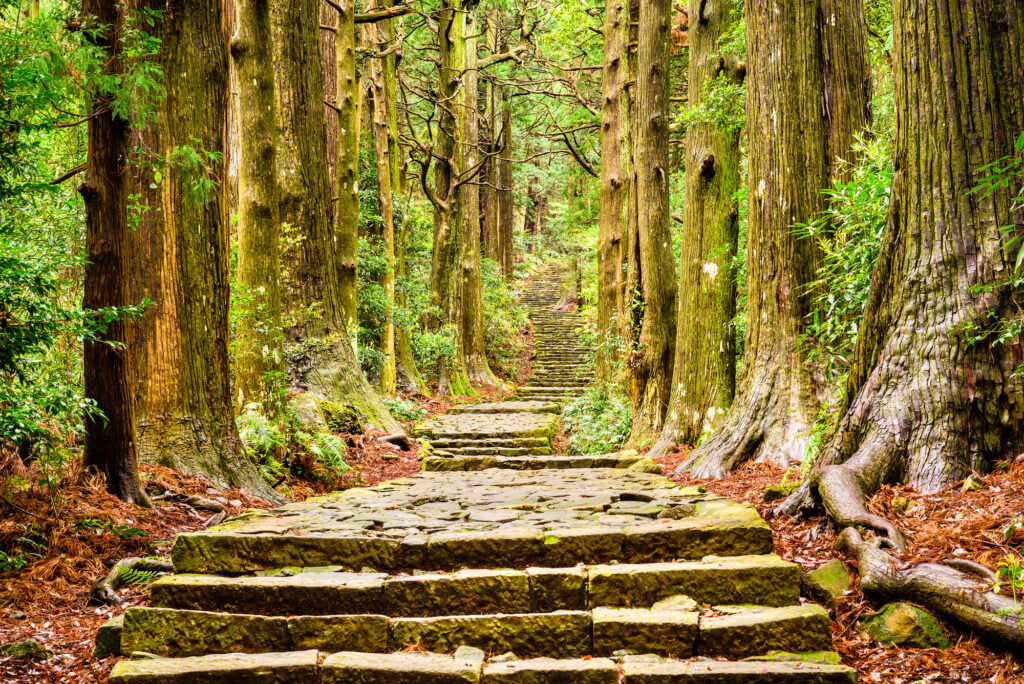
These vanished civilizations share something beyond their mysterious endings — they all reached remarkable heights before they disappeared. They weren’t primitive societies struggling with basic survival, but sophisticated cultures that had solved complex problems, built impressive monuments, and created distinctive ways of life.
Maybe that’s what makes their disappearances so unsettling. These weren’t inevitable collapses waiting to happen, but successful societies that had thrived for centuries before something — climate change, political upheaval, economic disruption, or forces we still don’t understand — brought them to an end.
Their silence reminds us that even the most impressive human achievements can vanish, leaving behind only fragments and questions that may never be answered.
More from Go2Tutors!

- The Romanov Crown Jewels and Their Tragic Fate
- 13 Historical Mysteries That Science Still Can’t Solve
- Famous Hoaxes That Fooled the World for Years
- 15 Child Stars with Tragic Adult Lives
- 16 Famous Jewelry Pieces in History
Like Go2Tutors’s content? Follow us on MSN.