16 Nostalgic Childhood Books We Still Love
Certain books possess magical staying power that transcends age and time. They create emotional connections so strong that decades later, just hearing a title can transport readers back to childhood wonder and discovery. Here are 16 nostalgic childhood books that continue capturing hearts across generations.
Where the Wild Things Are
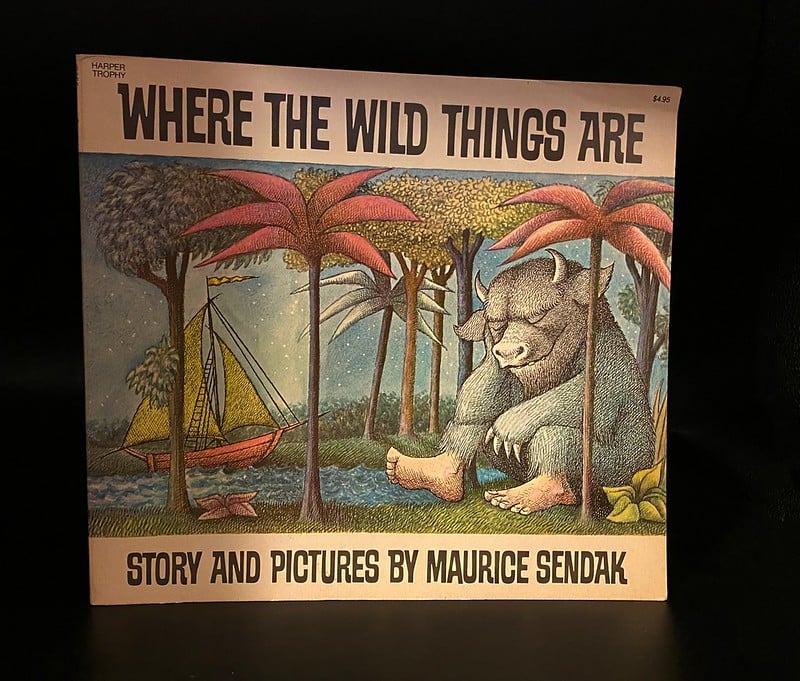
Maurice Sendak’s masterpiece turned bedtime stories into epic adventures. Max’s journey to the land of Wild Things validated every child’s need for imaginative escape and emotional processing.
The illustrations alone told complete stories. Those cross-hatched creatures with their terrible roars and gnashing teeth somehow managed to be both frightening and comforting simultaneously.
The Giving Tree
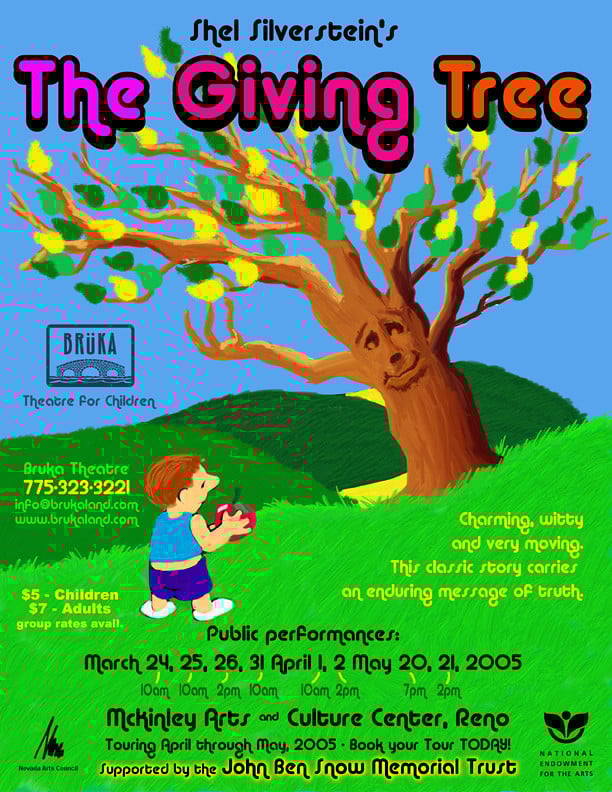
Shel Silverstein created a deceptively simple story that revealed new layers with each reading. The tree’s unconditional love sparked debates about generosity, sacrifice, and healthy relationships that continue in book clubs today.
And honestly, reading it as an adult hits differently than it did at age seven.
Charlotte’s Web
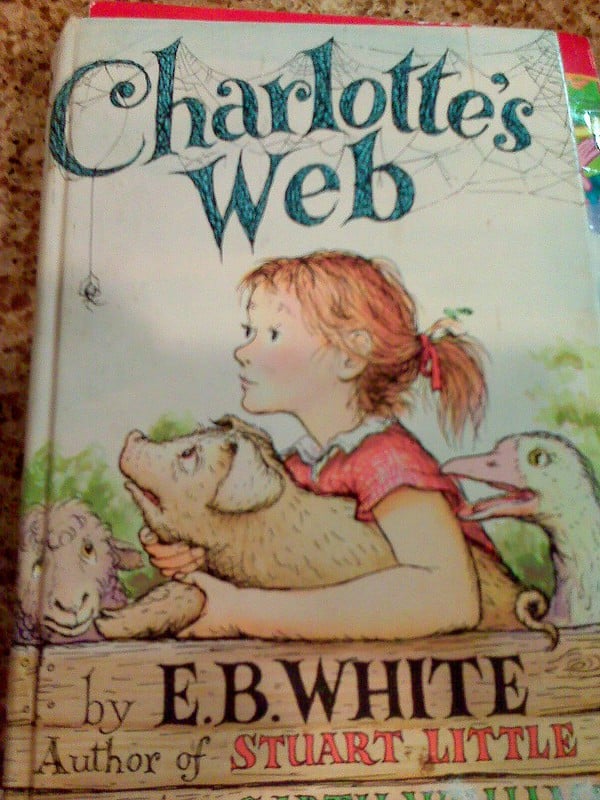
E.B. White proved that farm stories could tackle life’s biggest questions without talking down to young readers. Charlotte’s friendship with Wilbur demonstrated loyalty, intelligence, and the bittersweet nature of growing up.
The county fair scenes still smell like cotton candy and hay. White’s sensory details created lasting memories that extend far beyond the actual plot.
The Very Hungry Caterpillar
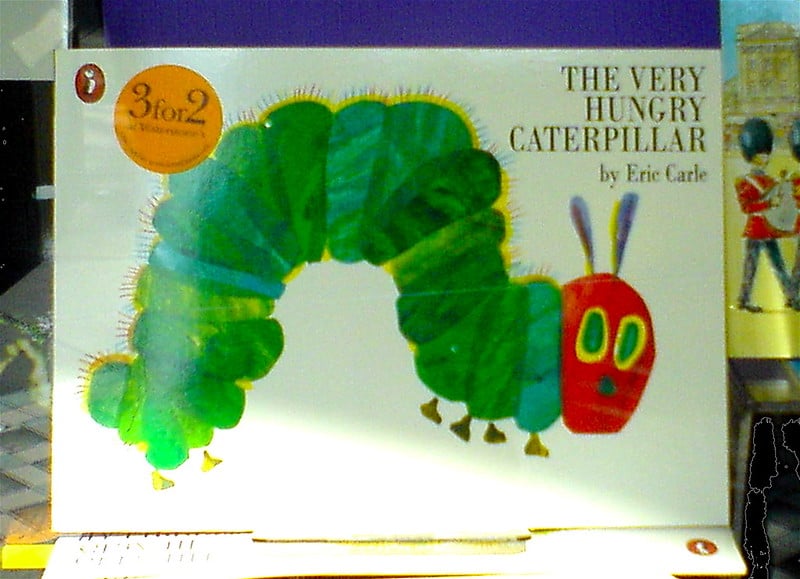
Eric Carle’s collage illustrations introduced countless children to both counting and metamorphosis. The book’s simple concept masked sophisticated lessons about growth, change, and patience.
But let’s be honest—most kids just loved poking their fingers through those perfectly placed pits.
Goodnight Moon
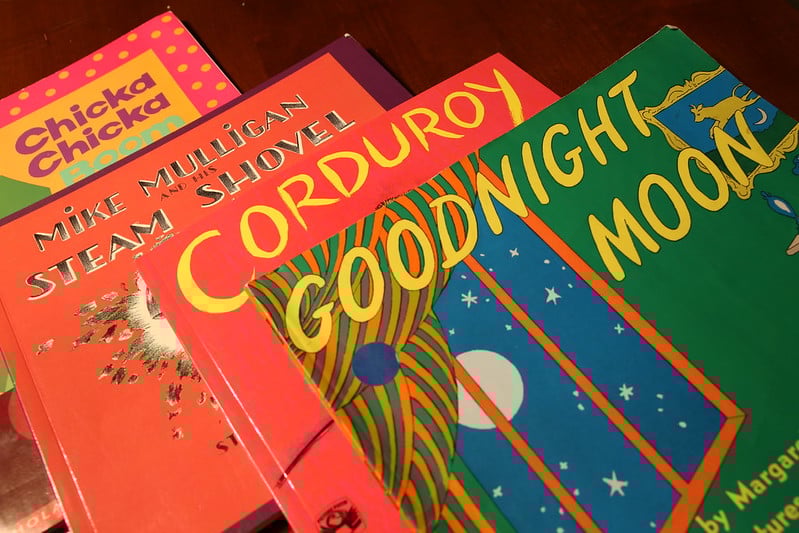
Margaret Wise Brown’s bedtime ritual became a bedtime ritual for millions of families. The quiet progression from active day to peaceful night mirrored every child’s struggle with sleep transition.
Green room, red balloon, quiet old lady whispering hush. The rhythm worked like a lullaby disguised as a story.
The Cat in the Hat
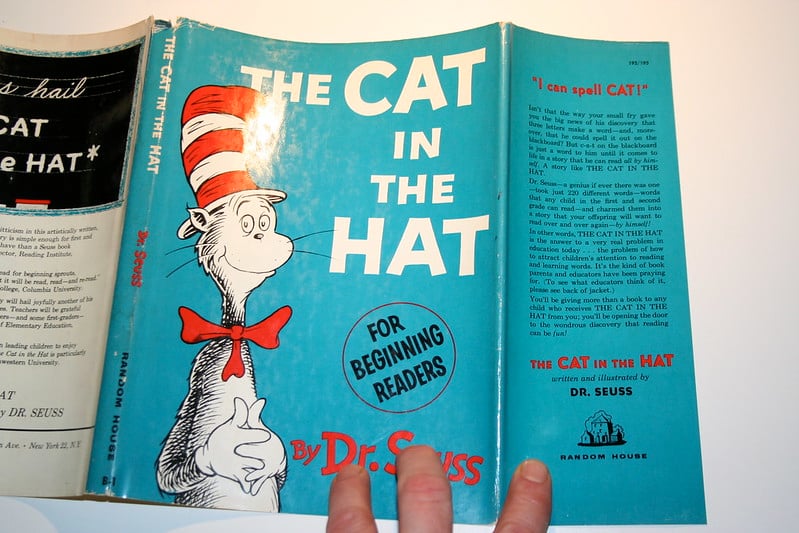
Dr. Seuss revolutionized early reading with controlled vocabulary that never felt controlled. The Cat’s chaotic visit taught lessons about:
- Responsibility and consequences
- Creative problem-solving
- Standing up to peer pressure
- Cleaning up your messes
Thing One and Thing Two represented pure id energy that every child recognized.
Bridge to Terabithia
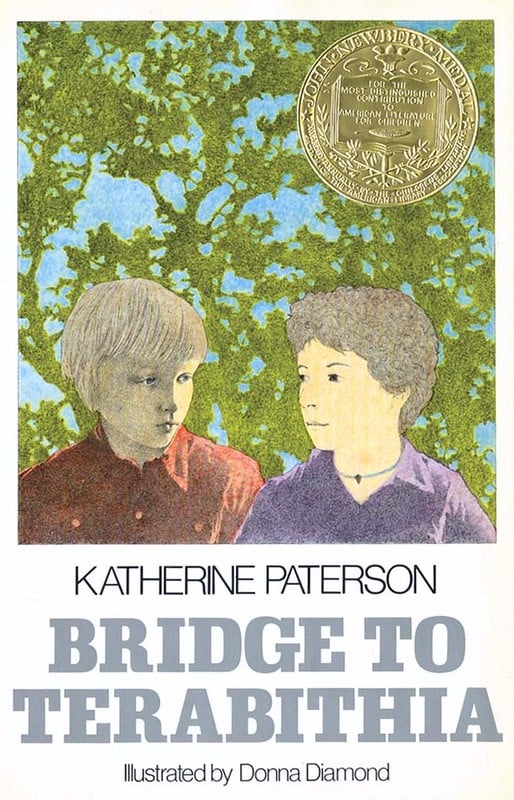
Katherine Paterson created a story that prepared children for life’s harsh realities without overwhelming them. Jesse and Leslie’s friendship transcended typical boy-girl boundaries of the era.
The ending devastated readers in ways that fiction rarely achieves. Still does.
Matilda
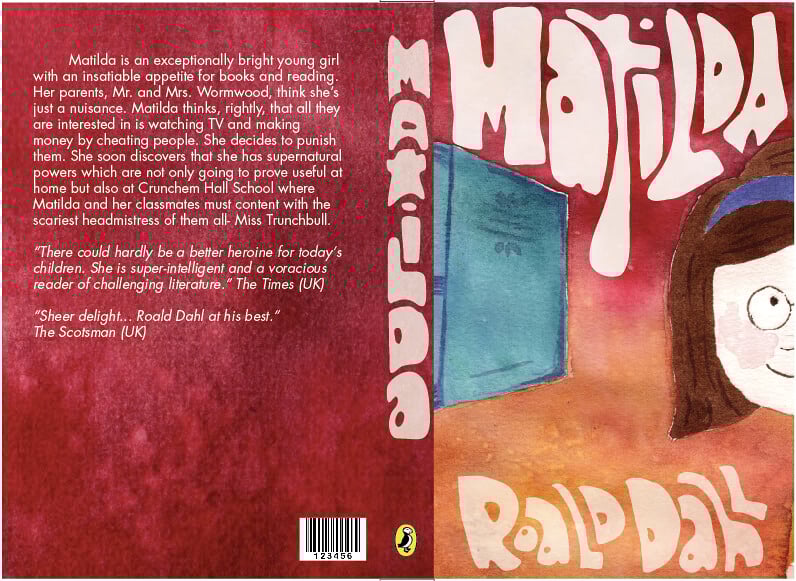
Roald Dahl championed smart, determined children who refused to accept unfair treatment from adults. Matilda’s telekinetic powers served as metaphors for the real power that knowledge and courage provide.
Miss Trunchbull remains one of literature’s most memorable villains, though her punishments seem almost quaint by modern standards.
The Secret Garden
Frances Hodgson Burnett’s tale of healing and growth resonated with children who felt isolated or misunderstood. Mary Lennox’s transformation from spoiled brat to caring friend provided hope for personal change.
The garden itself became a character, representing renewal, patience, and the rewards of nurturing care.
Are You My Mother?

P.D. Eastman’s simple story about a lost baby bird searching for his mother tackled separation anxiety with gentle humor. The repetitive text helped beginning readers build confidence.
That steam shovel moment always caught kids by surprise. Plot twists work even in the simplest stories.
The Phantom Tollbooth
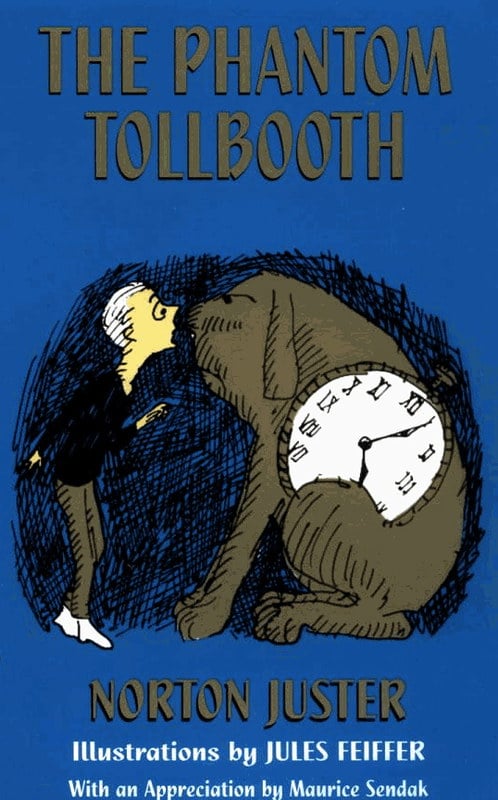
Norton Juster created a world where wordplay became adventure and mathematics turned magical. Milo’s journey through the Lands Beyond celebrated intellectual curiosity over passive entertainment.
The Doldrums represented every child’s experience with boredom, while the Word Market made language feel like treasure waiting to be discovered.
Island of the Blue Dolphins
Scott O’Dell’s survival story empowered young readers with Karana’s resourcefulness and resilience. Her eighteen years alone on San Nicolas Island demonstrated human adaptability and inner strength.
The book sparked countless childhood fantasies about wilderness survival and self-reliance that probably worried parents everywhere.
The Lion, the Witch and the Wardrobe

C.S. Lewis opened doorways to Narnia that readers never wanted to close. The Pevensie children’s discovery that ordinary furniture could lead to extraordinary adventures validated every child’s magical thinking.
Mr. Tumnus carrying parcels and an umbrella in the snowy woods created one of fantasy literature’s most welcoming first impressions.
A Wrinkle in Time
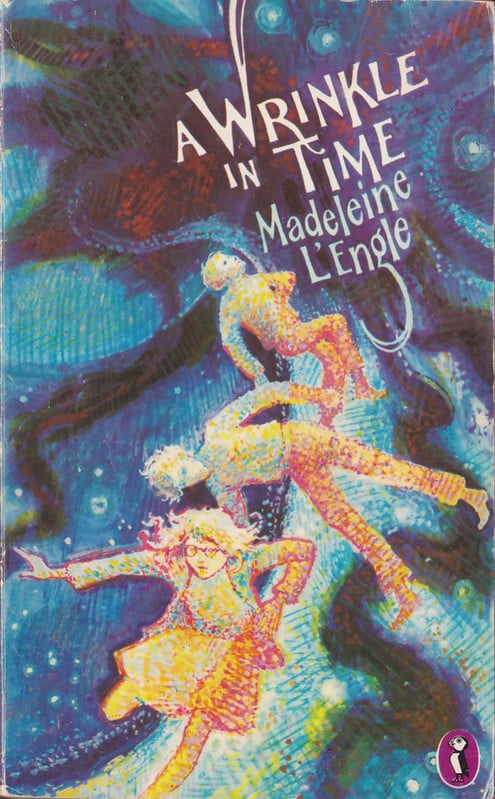
Madeleine L’Engle blended science fiction with coming-of-age themes that spoke directly to awkward, intelligent children. Meg Murry’s journey across time and space to rescue her father celebrated different kinds of strength.
The tesseract concept probably confused more kids than it enlightened, but the emotional journey remained crystal clear.
The Outsiders
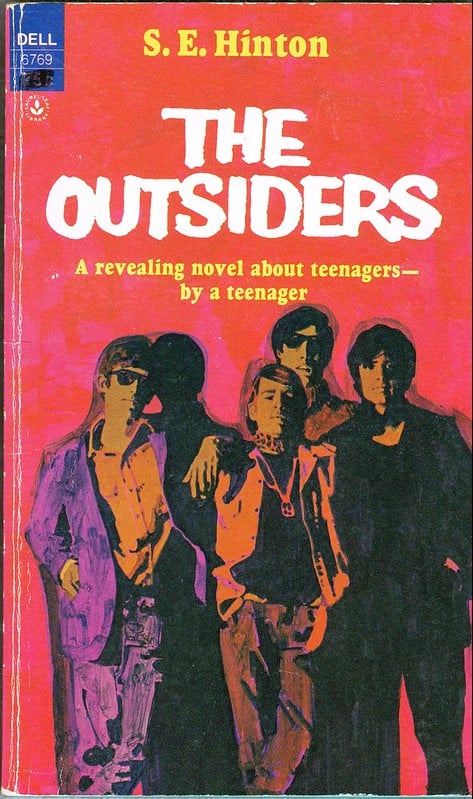
S.E. Hinton wrote about teenagers for teenagers when few authors bothered with authentic adolescent voices. The conflict between the Greasers and Socs explored class differences, family loyalty, and finding identity within groups.
Stay gold, Ponyboy. Some lines never leave you.
Harriet the Spy
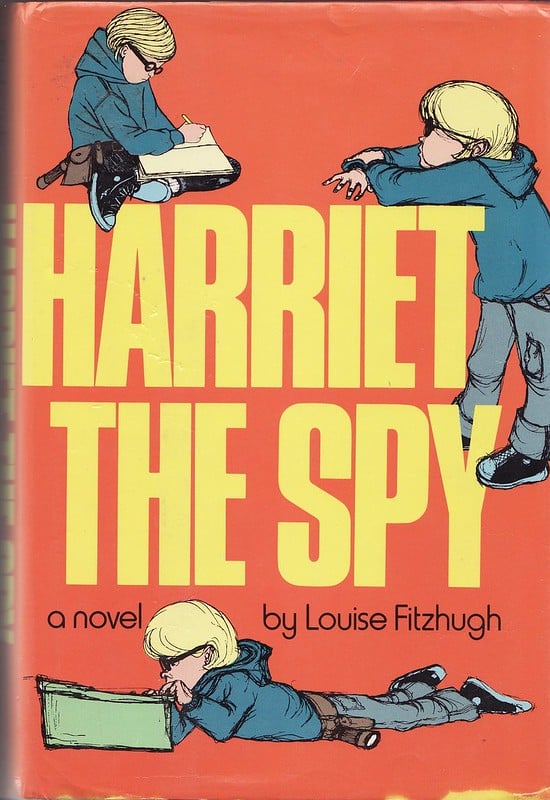
Louise Fitzhugh created a protagonist who observed the adult world with unflinching honesty. Harriet’s notebook entries revealed the gap between public behavior and private thoughts that children instinctively recognized.
Her tomato sandwich obsession seemed weird then and seems weird now. But somehow it made her more real.
Stories That Shaped Us
These books didn’t just entertain—they helped form the people readers became. They taught empathy, courage, and the power of imagination while creating shared cultural touchstones that connect strangers across generations. The best childhood books never really end; they simply wait patiently on shelves for the next reader ready to discover their magic.
More from Go2Tutors!

- The Romanov Crown Jewels and Their Tragic Fate
- 13 Historical Mysteries That Science Still Can’t Solve
- Famous Hoaxes That Fooled the World for Years
- 15 Child Stars with Tragic Adult Lives
- 16 Famous Jewelry Pieces in History
Like Go2Tutors’s content? Follow us on MSN.