15 Animals That Survive Without Water
Most of us panic when we forget our water bottle on a hot day, but some animals have figured out how to live in places where water is basically nonexistent. These creatures have developed some pretty wild tricks to survive in deserts, dry grasslands, and other harsh environments where most living things would shrivel up and die within days.
From tiny insects to surprisingly large mammals, these animals have spent millions of years perfecting the art of staying alive without ever taking a drink. Some get moisture from their food, others recycle every drop in their bodies, and a few can literally shut down and wait for better times.
Here is a list of 15 animals that have mastered the ultimate survival skill – living without water.
Kangaroo Rat
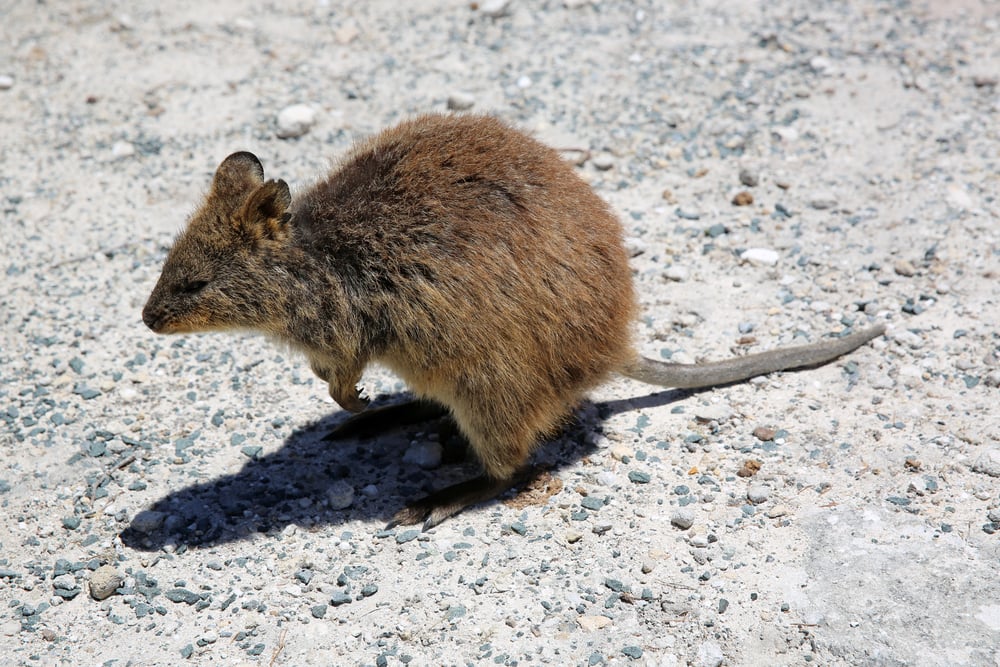
These tiny desert rodents can go their entire lives without drinking a single drop of water. They get all the moisture they need from the seeds they eat, plus their kidneys are so efficient they produce urine that’s more concentrated than seawater.
Their bodies are basically water recycling plants that waste nothing.
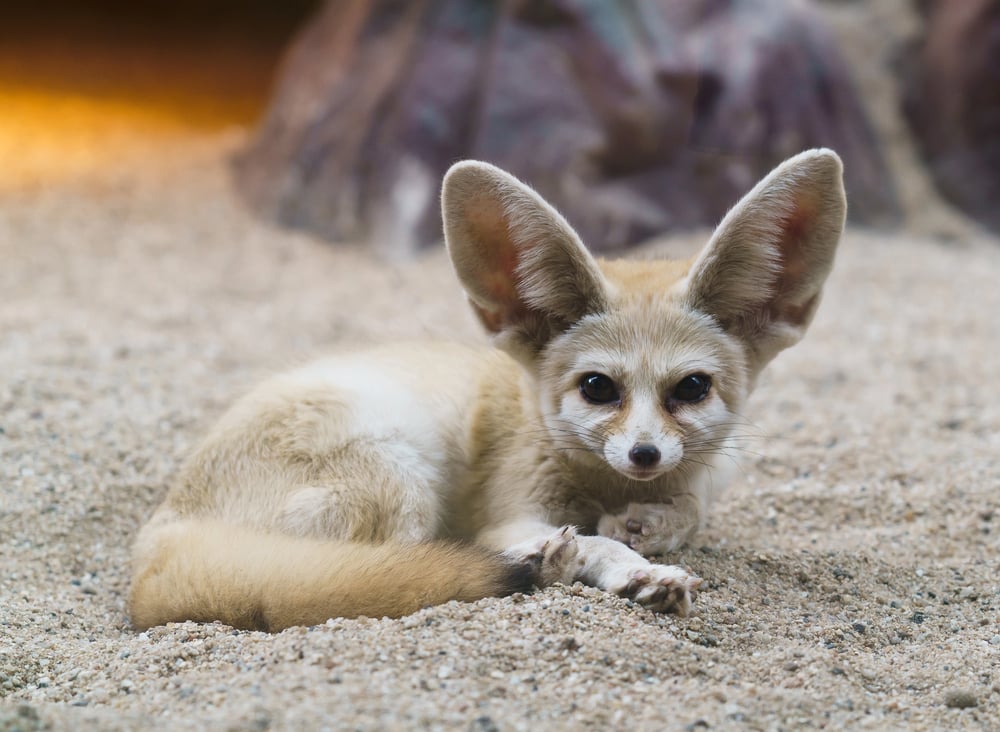
Fennec Fox
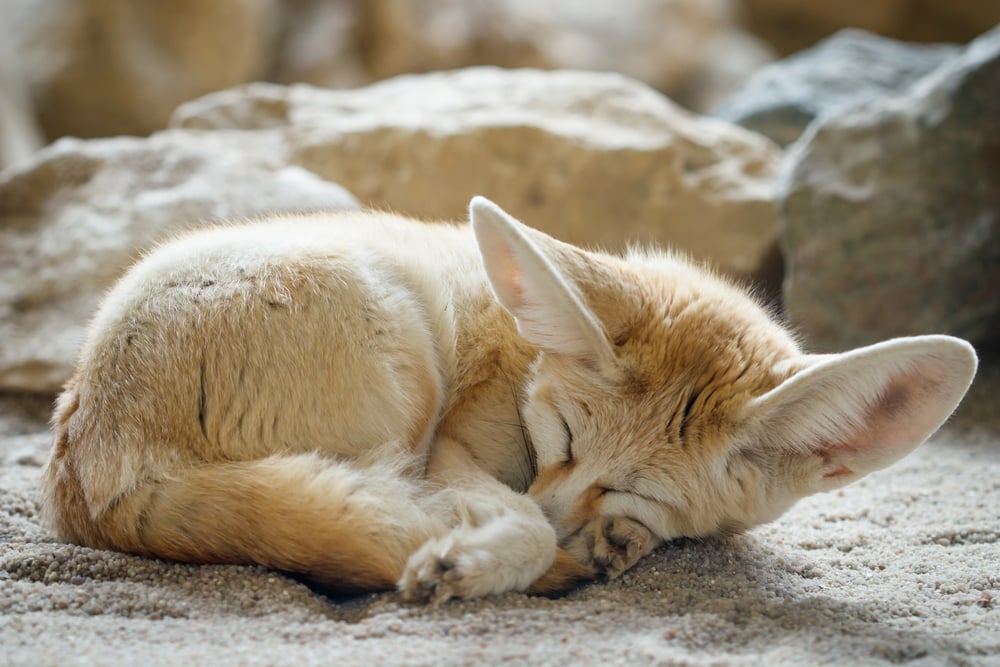
The fennec fox’s huge ears aren’t just for show – they help release heat so the fox doesn’t need to pant and lose water through its mouth. These desert dwellers get most of their water from the insects, small animals, and plants they eat.
Their kidneys work overtime to conserve every bit of moisture that enters their system.
Like Go2Tutors’s content? Follow us on MSN.
Camel
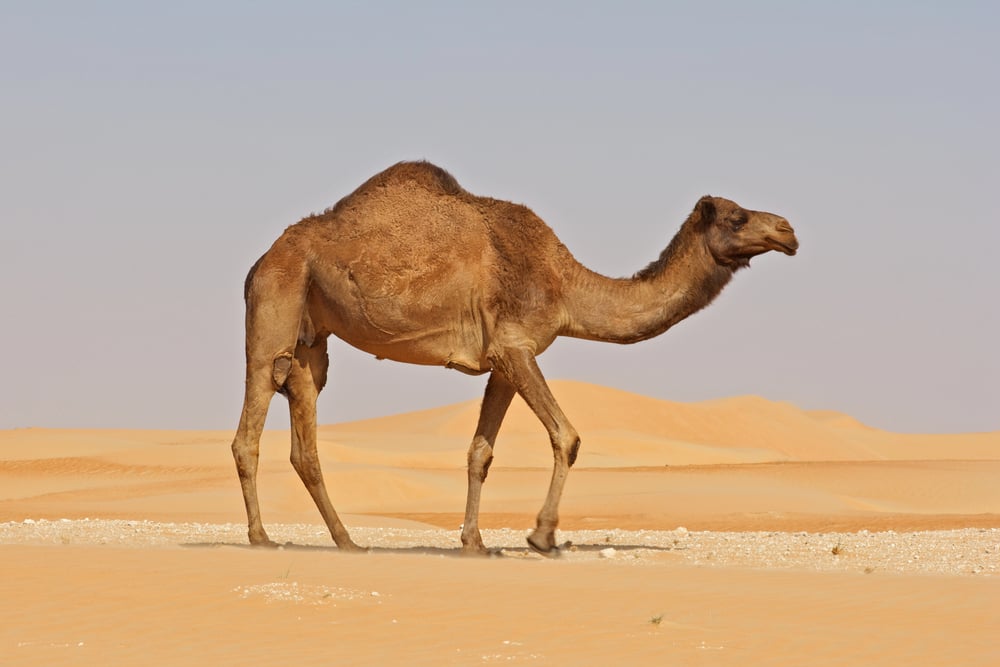
Everyone knows camels can survive without water, but they’re not actually storing water in their humps – that’s fat for energy. Instead, camels can lose up to 40% of their body weight in water and still function normally, which would kill most other animals.
When they do find water, they can drink 40 gallons in one sitting to restock their supplies.
Thorny Devil
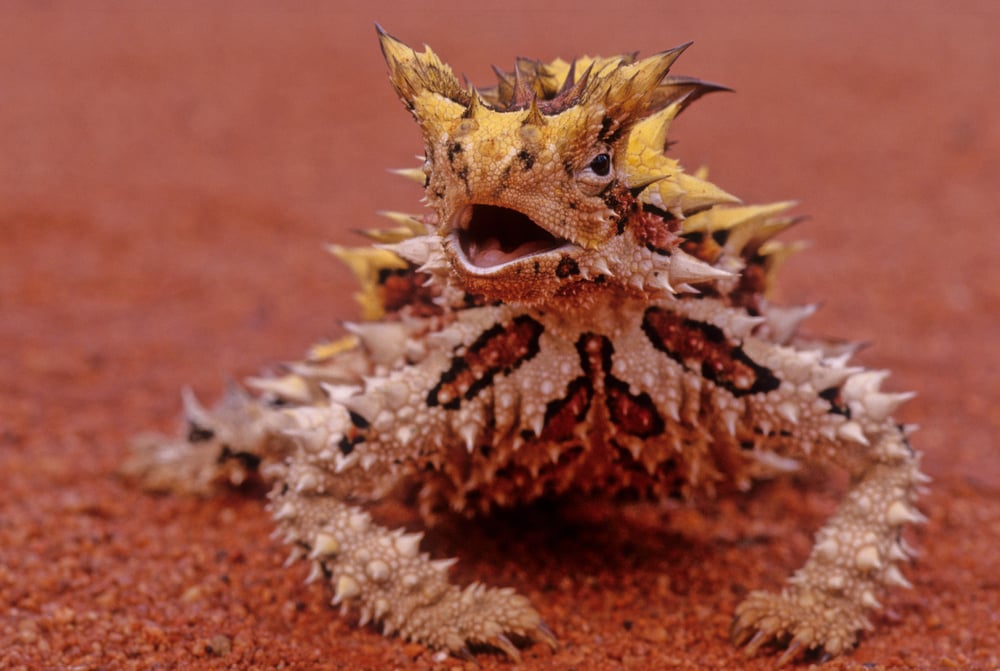
This spiky Australian lizard has grooves all over its skin that channel morning dew and rare raindrops straight into its mouth. The thorny devil can literally drink through its skin, collecting water from fog and moisture in the air.
It’s like having a built-in water collection system covering your entire body.
Desert Tortoise
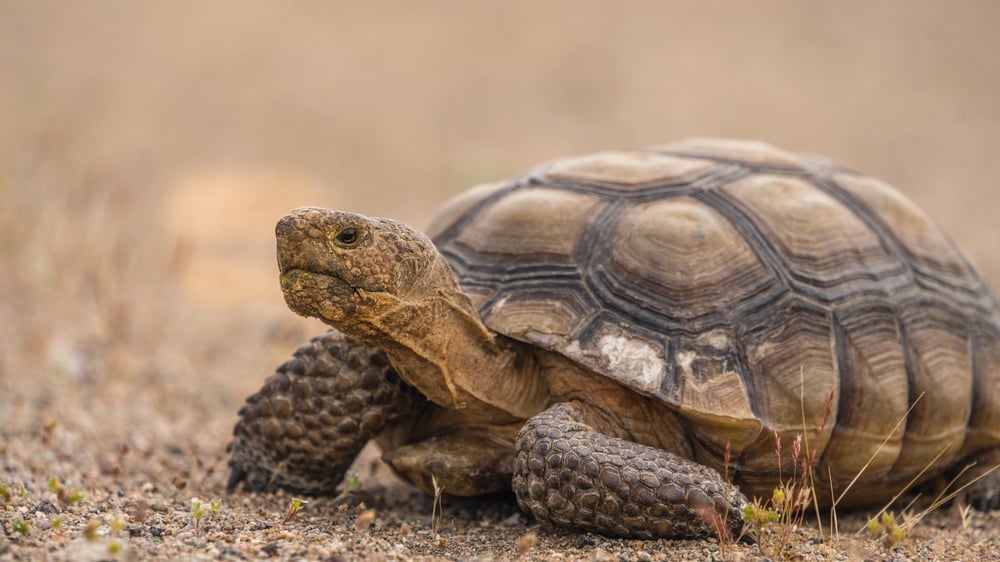
Desert tortoises store water in their bladders like living water tanks, holding up to 40% of their body weight in liquid reserves. During dry periods, they can reabsorb this stored water back into their system instead of wasting it.
These ancient reptiles basically carry their own personal water supply wherever they go.
Like Go2Tutors’s content? Follow us on MSN.
Jerboa
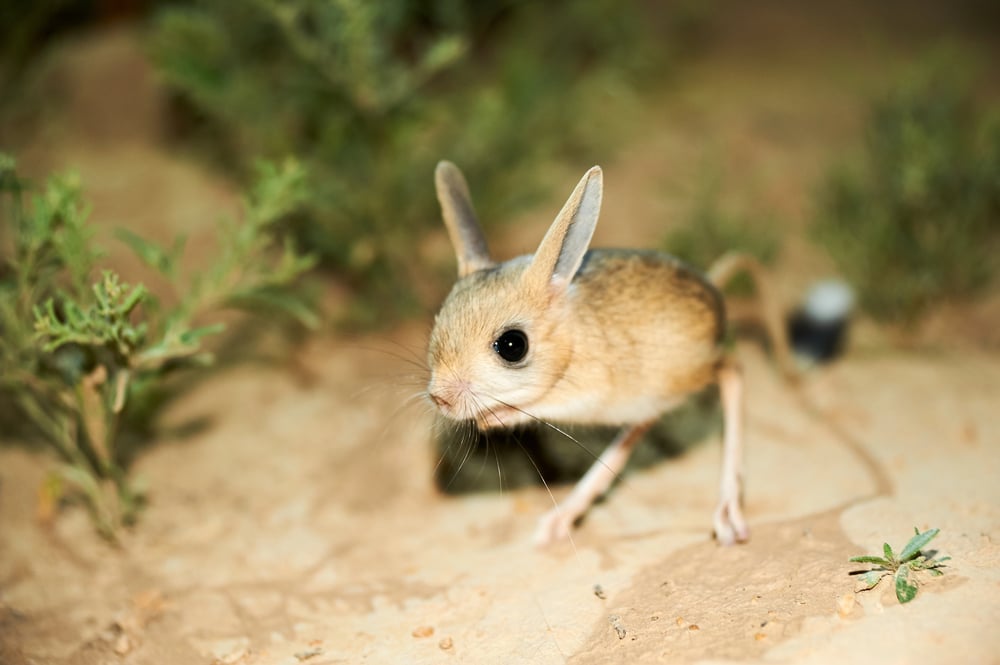
These tiny jumping rodents have kidneys so efficient they produce almost no urine at all – just thick paste that contains barely any water. Jerboas get moisture from plant matter and can survive indefinitely in bone-dry desert conditions.
Their bodies are so good at conserving water that scientists use them as models for studying water efficiency.
Sand Cat
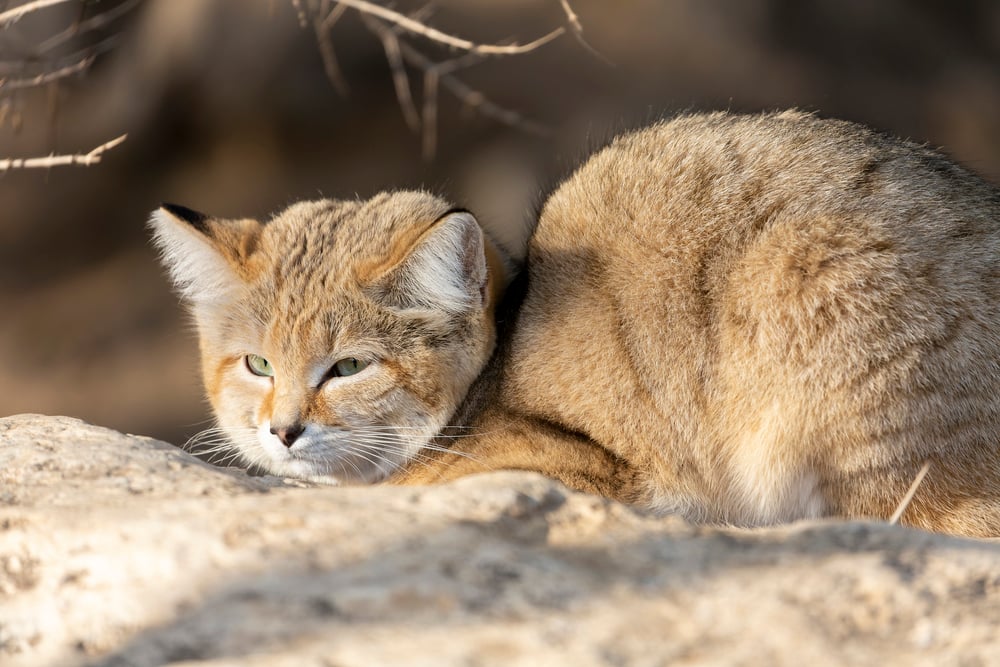
Sand cats have thick fur on their paws that lets them walk on scorching desert sand, and they get all their water from the prey they catch. These small wild cats can survive in temperatures over 120°F without breaking a sweat.
Their kidneys concentrate urine so effectively that they rarely need to urinate at all.
Addax Antelope

These pale antelopes can detect rainfall from miles away and will travel incredible distances to find fresh vegetation with moisture content. When water isn’t available, addax get everything they need from the plants they graze on.
Their light-colored coats reflect heat, reducing their need to cool down through water loss.
Like Go2Tutors’s content? Follow us on MSN.
Gerbil

Gerbils produce incredibly small amounts of urine and almost no saliva, making them champions of water conservation. They extract moisture from seeds and plant matter so efficiently that pet gerbils rarely drink from water bottles.
Their desert origins show in their ability to function normally on virtually no liquid intake.
Tardigrade
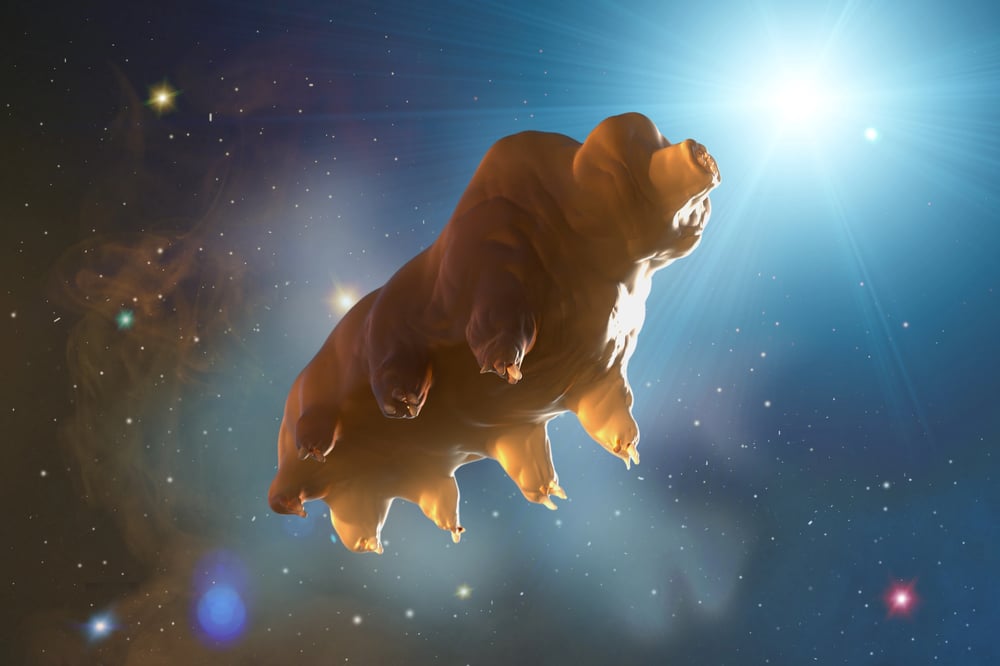
These microscopic animals can completely dry out and enter a state called cryptobiosis, where they’re essentially dead until water returns. Tardigrades can survive in this dried-out state for decades, then spring back to life when they get wet again.
They’re basically the ultimate survival artists of the animal kingdom.
Oryx
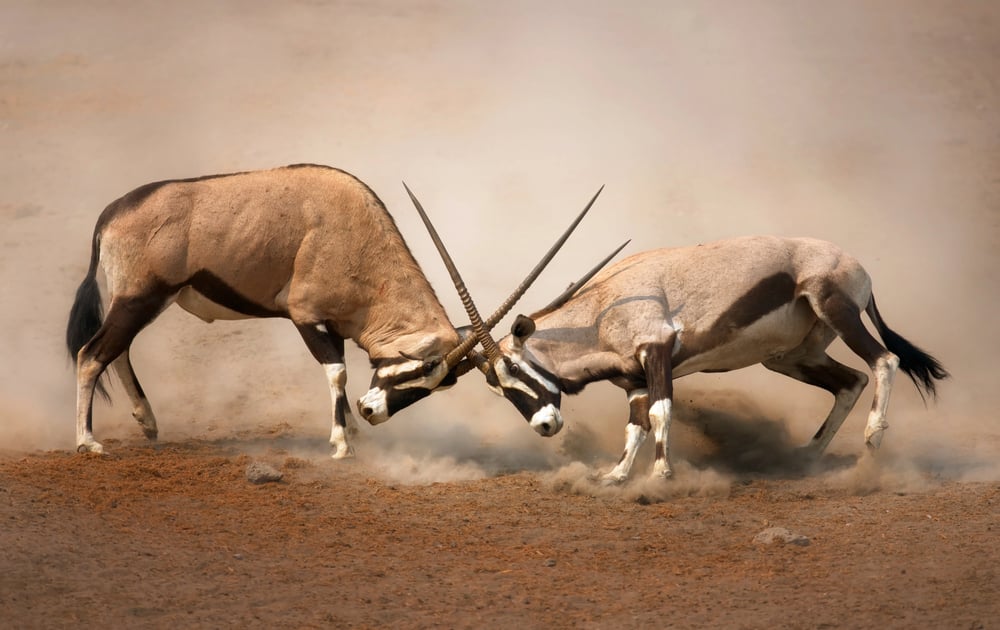
These large antelopes can go months without drinking by getting moisture from the plants they eat and by being incredibly efficient with water usage. Oryx can let their body temperature rise during the day to reduce water loss from sweating, then cool down at night.
Their bodies work like precision water-saving machines.
Like Go2Tutors’s content? Follow us on MSN.
Kangaroo
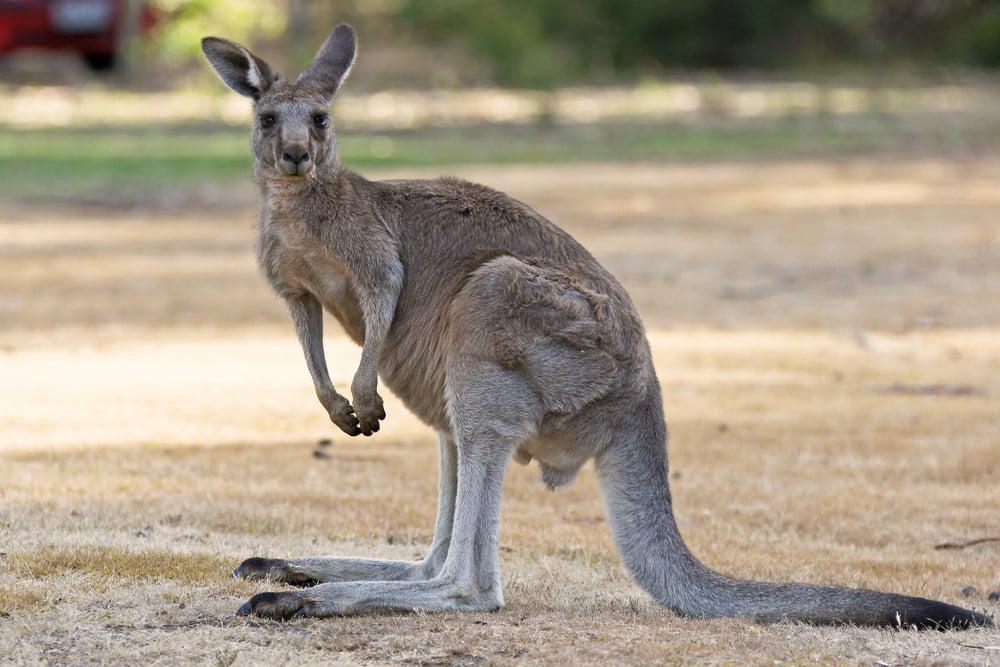
Kangaroos don’t sweat until temperatures get extremely high, and they get most of their water from the grass and leaves they eat. During droughts, they can slow down their metabolism and reduce water needs significantly.
These hopping marsupials evolved in Australia’s harsh interior where water conservation means survival.
Roadrunner
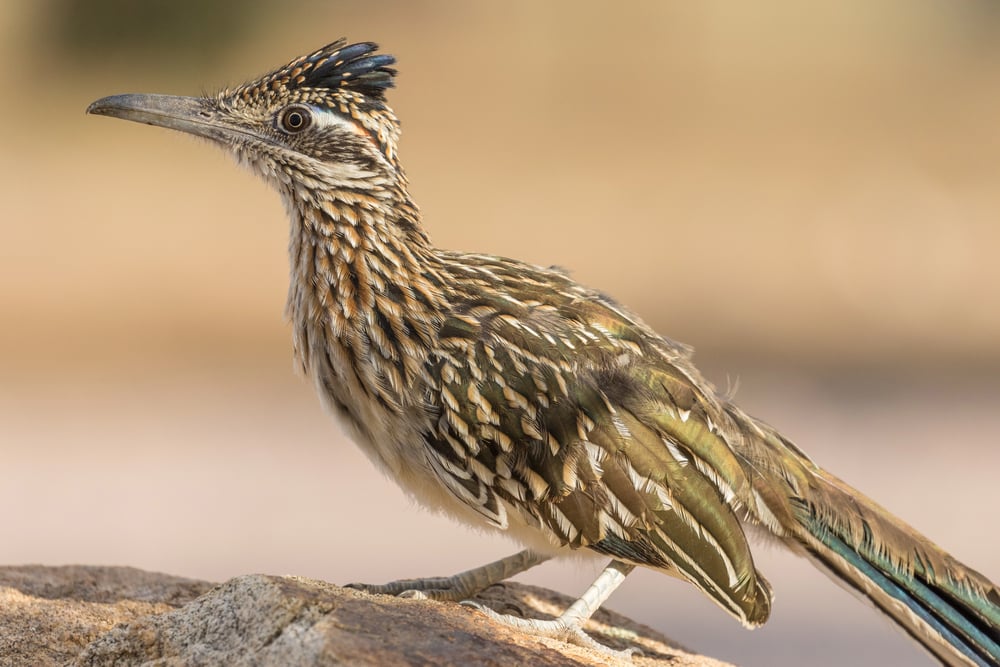
Roadrunners rarely drink water because they get moisture from lizards, insects, and small animals they catch and eat whole. They have special glands that remove salt from their system without wasting water, similar to seabirds.
These speedy desert birds can sprint across hot sand all day without getting dehydrated.
Penguin
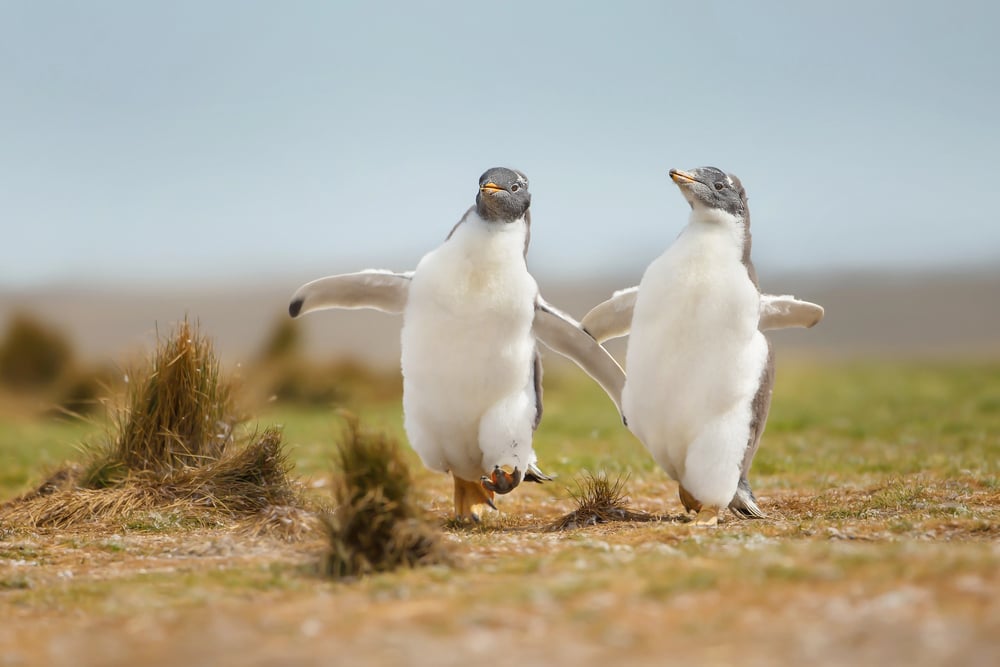
Penguins drink seawater and filter out the salt through special glands near their eyes, essentially turning ocean water into fresh water inside their bodies. They never need to find fresh water sources because they carry their own desalination plants.
Emperor penguins can go months without eating or drinking during breeding season by slowing their metabolism way down.
Like Go2Tutors’s content? Follow us on MSN.
Sandgrouse
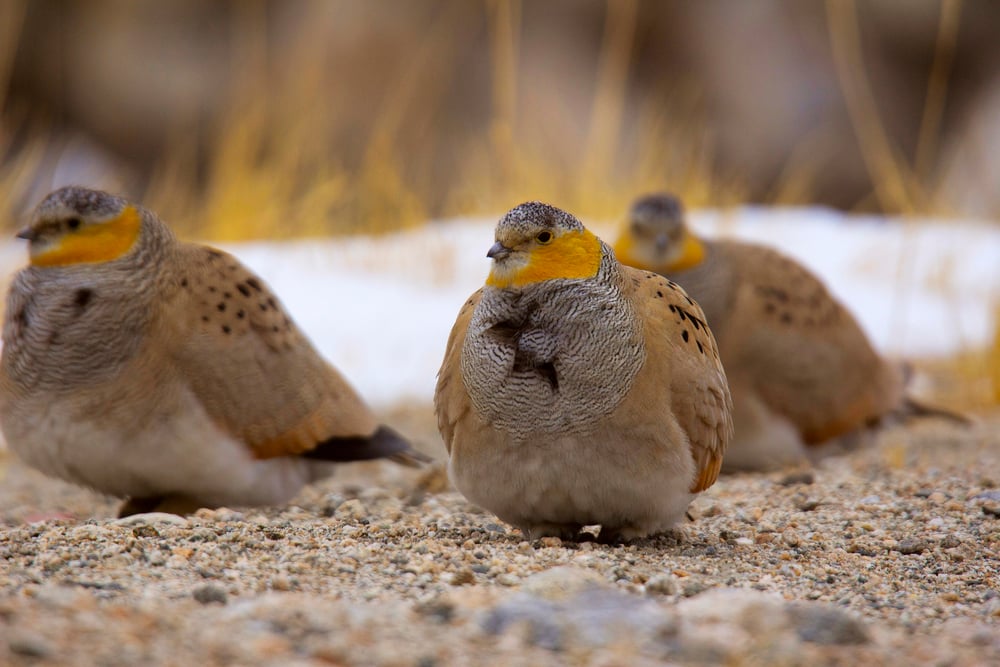
Male sandgrouse have special belly feathers that soak up water like sponges, allowing them to carry water back to their chicks over long distances. These desert birds can fly up to 50 miles to reach water sources, then transport the precious liquid back home in their feathers.
The chicks drink by nibbling on dad’s wet belly feathers like tiny water dispensers.
Nature’s Ultimate Water Savers
These remarkable animals prove that life finds a way to survive even in the harshest conditions imaginable, developing solutions that human engineers are still trying to replicate. From microscopic creatures that can essentially come back from the dead to large mammals that turn their bodies into water recycling centers, evolution has created some pretty incredible water-saving technologies.
While we’re installing smart sprinkler systems and buying expensive water filters, these animals have been perfecting zero-waste water usage for millions of years, showing us that sometimes the best innovations come from simply paying attention to what nature already figured out.
More from Go2Tutors!

- 16 Historical Figures Who Were Nothing Like You Think
- 12 Things Sold in the 80s That Are Now Illegal
- 15 VHS Tapes That Could Be Worth Thousands
- 17 Historical “What Ifs” That Would Have Changed Everything
- 18 TV Shows That Vanished Without a Finale
Like Go2Tutors’s content? Follow us on MSN.