15 Strange Animal Laws Still on the Books
The legal system has always had its quirks, but perhaps nowhere are these oddities more apparent than in the realm of animal laws. From well-intentioned protections to downright bizarre regulations, these legislative peculiarities have somehow survived decades of legal reform, remaining firmly embedded in local codes across America.
The strange animal laws we’ll explore seem like they belong in a comedy sketch rather than actual legal documents. Here is a list of 15 strange animal laws that are still technically enforceable today, ranging from the head-scratching to the downright absurd.
Moose Cocktail Ban
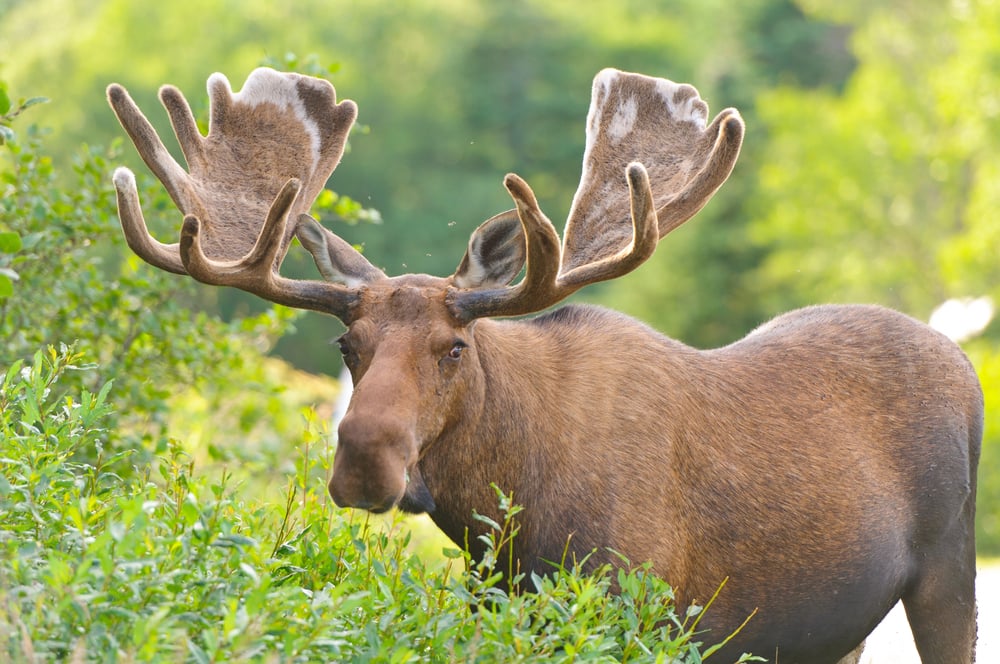
In Alaska, it’s illegal to serve alcoholic beverages to a moose. This law dates back to the early 1900s when a local tavern owner allegedly got a moose drunk as a publicity stunt.
The animal subsequently went on a rampage through town, destroying property and causing several injuries before authorities could contain the situation. The incident prompted immediate legislation that remains on the books today, despite the rarity of moose patrons in bars.
Flamingo Bathroom Companions
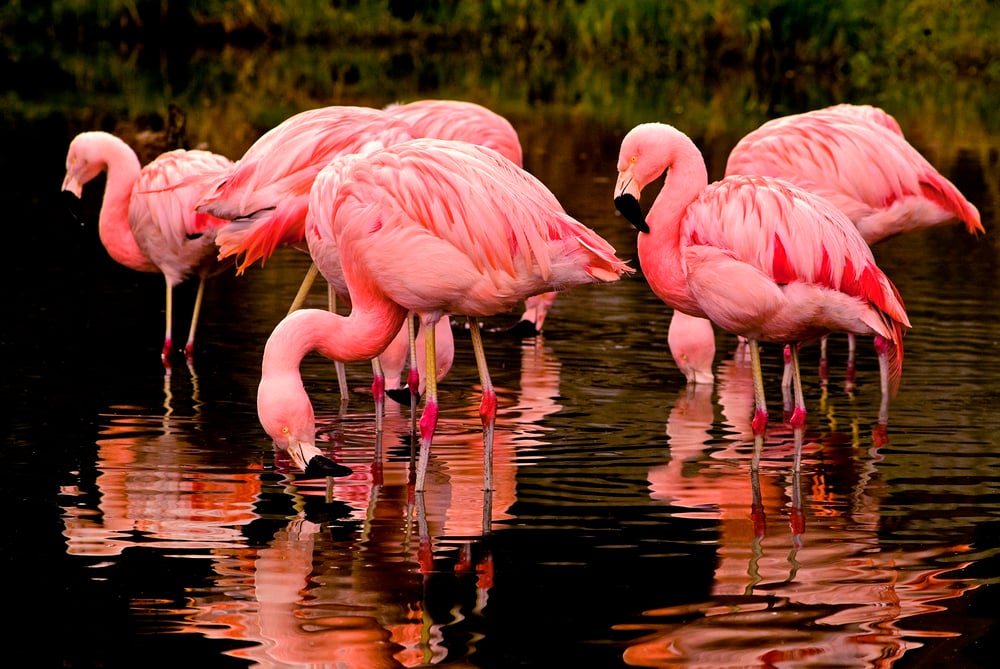
Having a flamingo in your restroom while the owner is using the facilities is illegal in St. Louis, Missouri. This odd rule is the result of a wealthy eccentric’s decision to keep a flamingo as a bathroom buddy, which caused neighbors to complain about noise because they found the bird’s squawks at these private moments to be especially upsetting.
Even for peculiar animal legislation, the statute is strangely precise because it only refers to flamingos and not other birds.
Like Go2Tutors’s content? Follow us on MSN.
No Giraffe Neck Ties
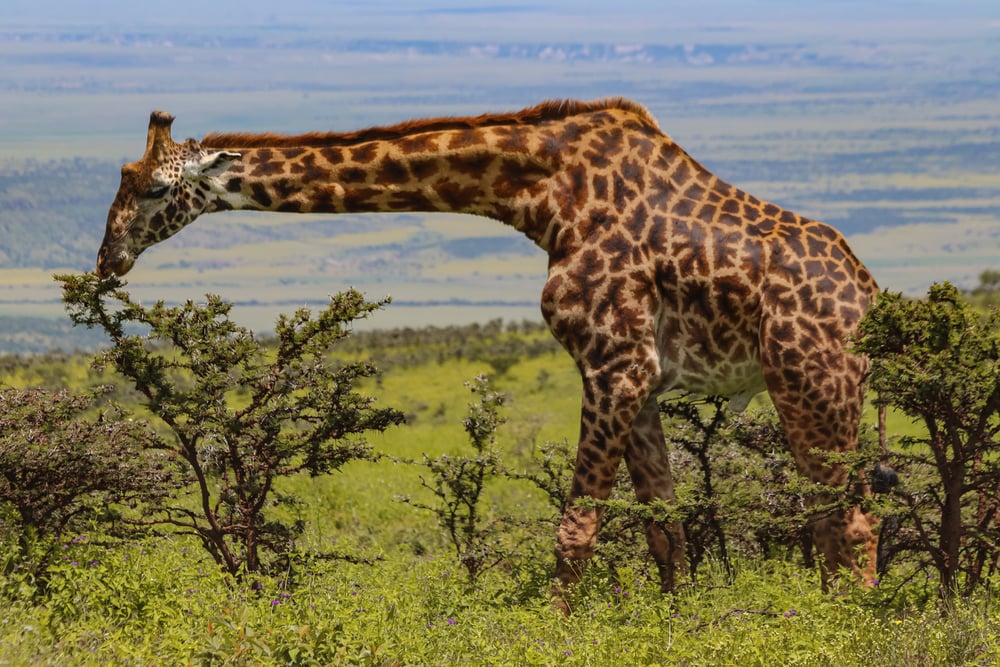
In Nevada, it’s illegal to put a necktie on a giraffe. This law was enacted in the 1930s after a traveling circus advertised a ‘well-dressed giraffe’ that ended up being choked by its costume accessory.
Animal welfare advocates pushed for the legislation to prevent similar publicity stunts. It’s one of those laws that seems ridiculous until you understand the legitimate animal welfare concerns behind it.
Whale Hunting in Oklahoma

In Oklahoma, it’s illegal to hunt whales. This might seem like common sense, considering Oklahoma is a landlocked state nearly 500 miles from the nearest ocean.
The law apparently made its way into the books as part of a package of wildlife protection measures copied from coastal states without being properly edited for geographical relevance. It stands as a perfect example of legislative oversight that nobody has bothered to correct.
Singing Frogs After 11 PM

In Los Angeles, California, it’s against local ordinances to allow your frogs to croak after 11 PM in residential areas. The law was originally designed to address noise complaints from neighbors of people who kept bullfrogs as pets or for food.
Enforcement requires proving that the frog owner hasn’t taken ‘reasonable steps’ to quiet their amphibians, which explains why prosecutions under this statute are practically non-existent.
Like Go2Tutors’s content? Follow us on MSN.
Chicken Hypnotism Ban

In Marblehead, Massachusetts, it’s illegal to hypnotize chickens. This unusual law came about in the 1920s when traveling hypnotists would use chickens in their acts, placing the birds in trances for entertainment.
Local farmers complained that their chickens weren’t laying properly after being hypnotized, leading to agricultural losses. The economic impact was deemed serious enough to warrant a specific prohibition that remains in force today.
Elephant Parking Meters

In Florida, if you tie an elephant to a parking meter, you must pay the regular parking fee just as you would for a vehicle. This bizarre regulation emerged in the 1960s when a circus came to town and secured their elephant to a meter without paying, arguing that the law only specified automobiles.
The city council quickly amended the ordinance to cover all animals, regardless of size or species.
Bear Wrestling Prohibition
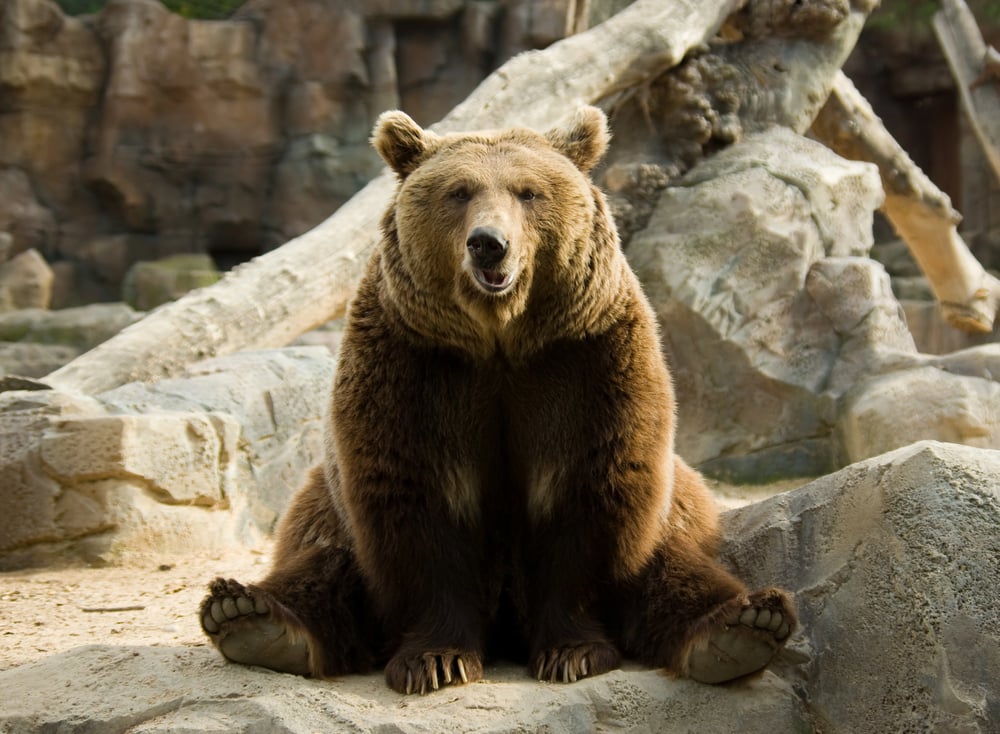
In Alabama, it’s illegal to promote, engage in, or be employed at a bear wrestling match. This law was passed in the 1990s in response to the cruel practice of drugging bears and forcing them to wrestle humans at county fairs and roadside attractions.
What makes this law strange isn’t its existence but the fact that it needed to be explicitly spelled out rather than being covered under general animal cruelty statutes.
Like Go2Tutors’s content? Follow us on MSN.
No Lion Leashes in Public
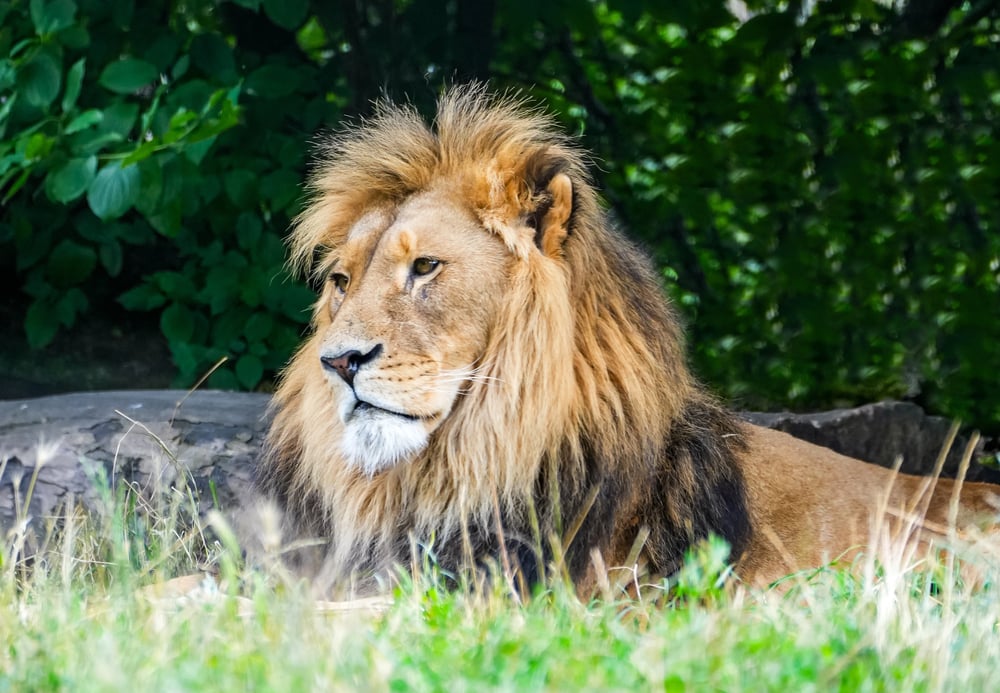
In Natchez, Mississippi, it’s illegal to walk a lion on a leash in public parks, even if the animal is properly trained. This ordinance was created after a wealthy resident regularly walked his pet lion through the town square, causing panic and disrupting daily life.
Rather than banning exotic pet ownership outright, the city opted for this peculiar restriction on where such animals could be taken.
Camel Sunday Rest

In Nevada, it’s illegal to ride a camel on public highways on Sundays. This odd law dates back to early mining days when camels were actually imported to the American West as pack animals.
The Sunday prohibition was created as a safety measure since weekend traffic was heavier and supposedly the camels were spooked by the traditional Sunday church bells.
Turtle Racing Speed Limits
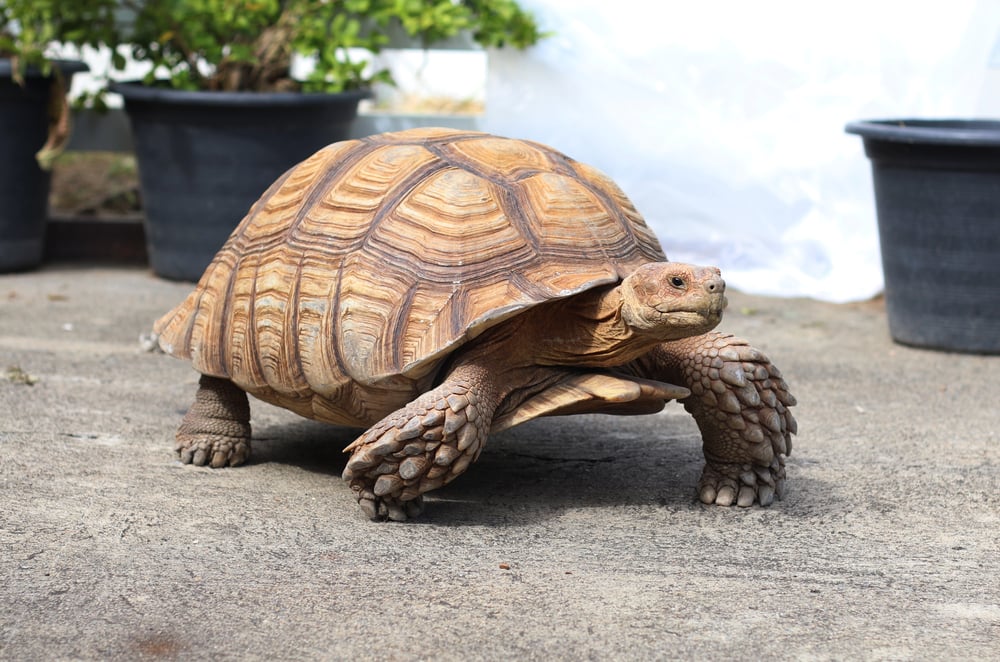
In Aspen, Colorado, there’s a law regulating how fast turtle races can be conducted. The ordinance specifies that competitive turtle events cannot be ‘unnaturally accelerated’ by heating the racing surface or using chemical stimulants on the competitors.
This regulation came about after a particularly heated turtle racing scandal in the 1980s when a local bar’s weekly turtle races were found to involve questionable practices.
Like Go2Tutors’s content? Follow us on MSN.
Illegal Duck Impersonation
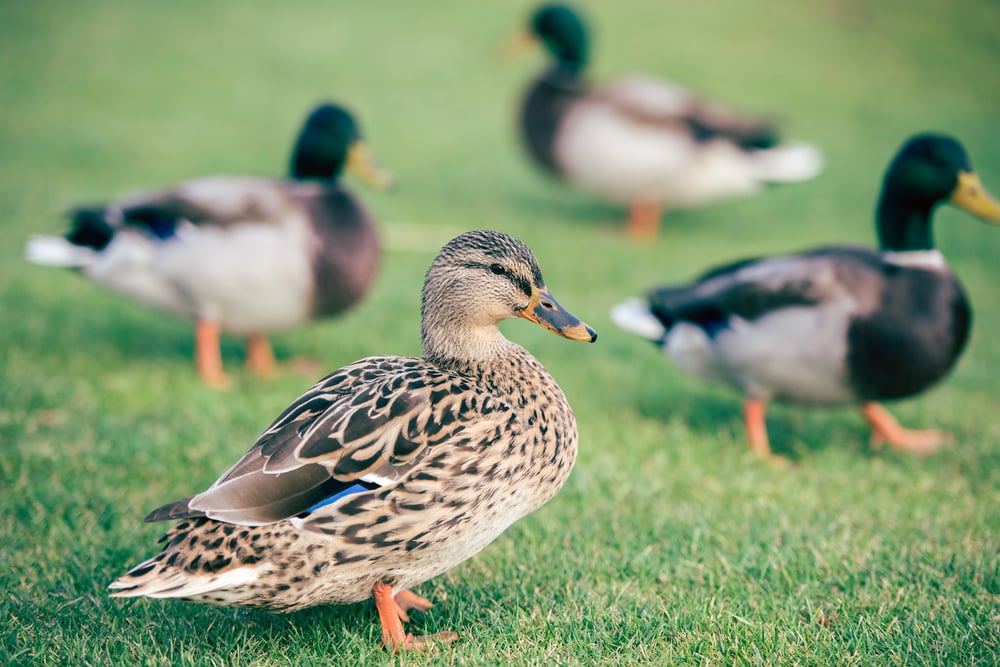
In Minnesota, it’s against the law to impersonate a bird or animal, with specific penalties for duck imitation. This strange regulation was originally part of hunting laws designed to prevent poachers from using realistic animal calls to lure game out of season or protected areas.
The law specifically mentions ducks because of their particular vulnerability to good impersonations during mating season.
Chicken Town Limits

In Quitman, Georgia, it’s illegal for chickens to cross the road within city limits. The town council passed this legislation in the 1940s in response to numerous traffic incidents involving free-ranging poultry.
What makes this law particularly amusing is that it effectively criminalizes the setup to one of the oldest jokes in existence. The law is virtually unenforceable but remains on the books as a quirky reminder of rural American life.
Fishing With Lasso Prohibition
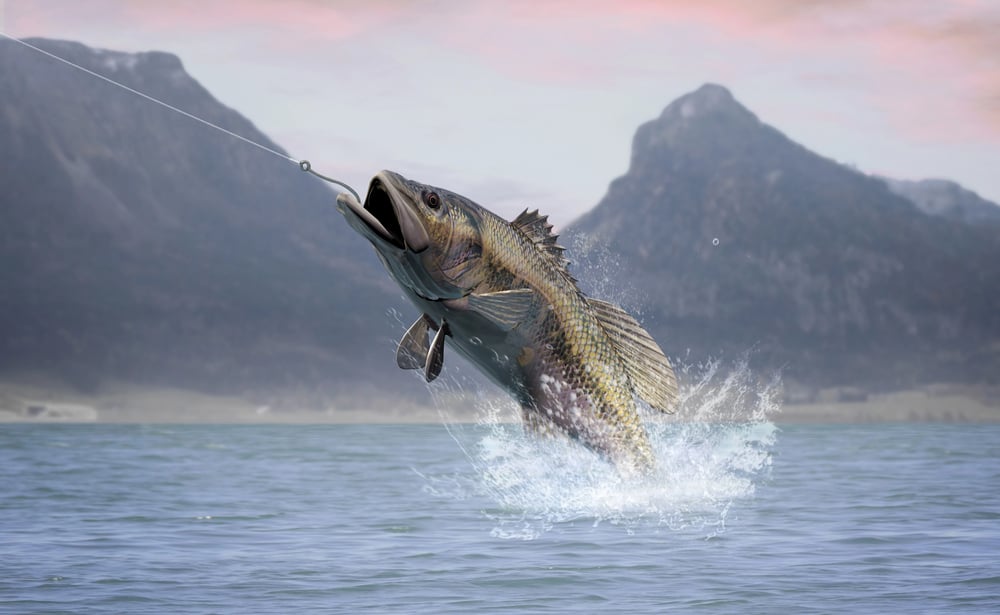
In Tennessee, it’s illegal to catch fish with a lasso. This peculiar restriction was enacted after a group of creative cowboys demonstrated their roping skills by catching fish in a local river, which authorities deemed harmful to the fish population.
The technique apparently caused injuries to the fish that were caught and released, prompting wildlife officials to explicitly prohibit the unusual fishing method.
Like Go2Tutors’s content? Follow us on MSN.
Dolphin Bathtub Ban

In Florida, it’s illegal to keep a dolphin in your bathtub. This law came into existence after a tourist actually attempted to ‘rescue’ a baby dolphin by taking it to their hotel room and placing it in a bathtub filled with water.
Marine biologists had to intervene, and legislators soon added this specific prohibition to prevent similar misguided rescue attempts that endangered the animals.
Strange Yet Sensible Traditions

These unusual animal laws might seem ridiculous at first glance, but many originated from legitimate concerns about public safety, animal welfare, or specific local incidents that prompted legislative action. While modern animal protection laws have become more comprehensive and scientifically informed, these outdated regulations persist as curious legal fossils.
They remind us that the relationship between humans and animals has always been complex enough to require regulation, even if those rules sometimes take unexpected forms. The next time you consider serving alcohol to a moose or walking your lion through a public park on a Sunday, remember that somewhere, there’s probably a law specifically telling you not to do it.
These legislative curiosities stand as a testament to the strange but true history of human-animal interactions in America.
More from Go2Tutors!

- 18 Unexpectedly Valuable Collectibles You Might Have Lying Around
- 15 Things Every Teenager in the ’70s Did That Teens Today Wouldn’t Understand
- 15 Strange Things People Have Tried to Ban (And Failed)
- 15 Inventions That Were Immediately Banned After Being Created
- 20 Actors Who Were Almost Cast in Iconic Roles
Like Go2Tutors’s content? Follow us on MSN.