15 Best Military Operation Names in American History
Operation Overlord
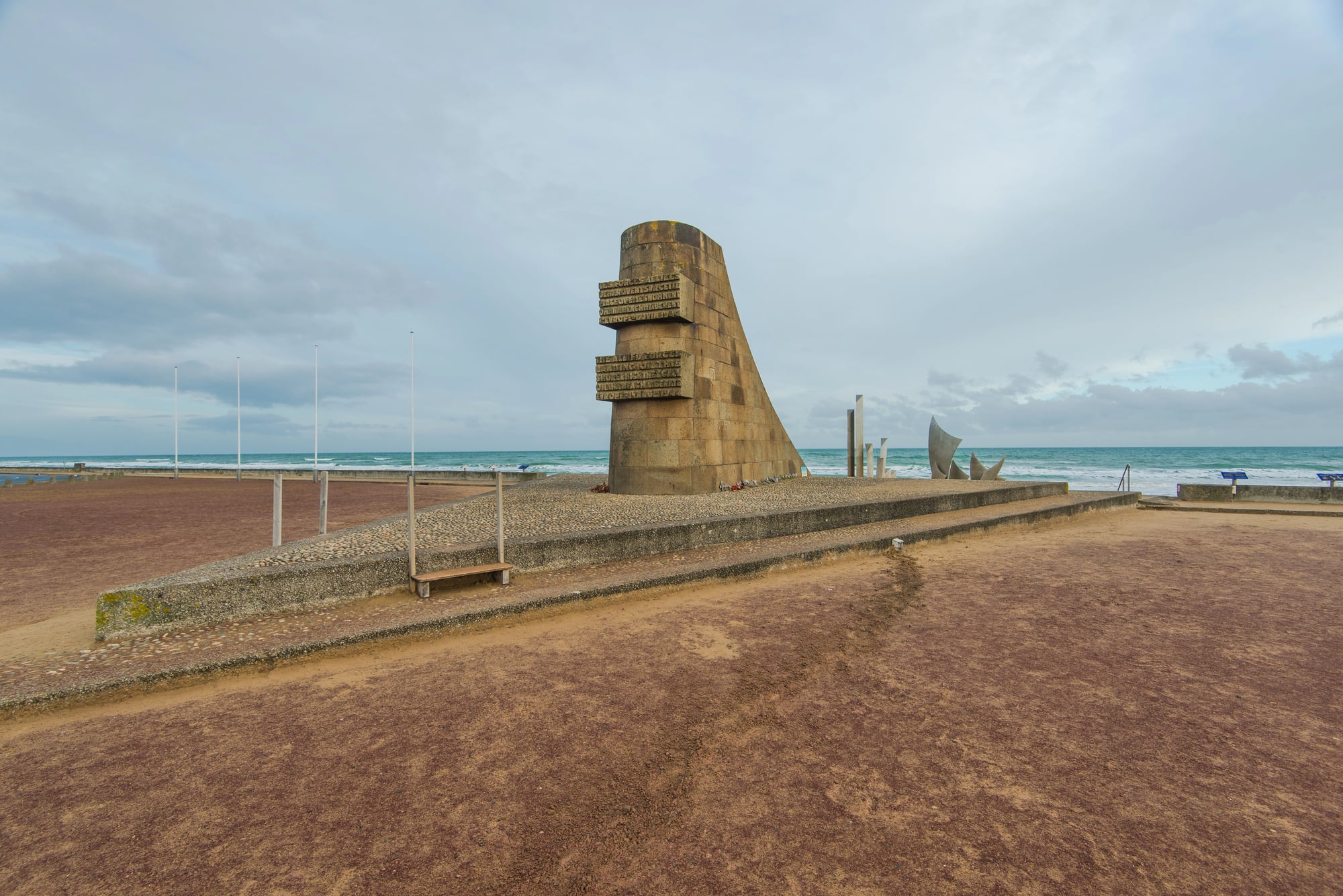
D-Day needed a name worthy of its ambition. Overlord delivered exactly that — no subtlety, no hedging, just raw dominance spelled out in two syllables.
The name carries medieval weight, suggesting not just military victory but rightful authority restored. Churchill reportedly disliked it initially, thinking it too grandiose, but that misses the point entirely.
Sometimes grandiose is exactly what the moment requires.
Operation Desert Storm
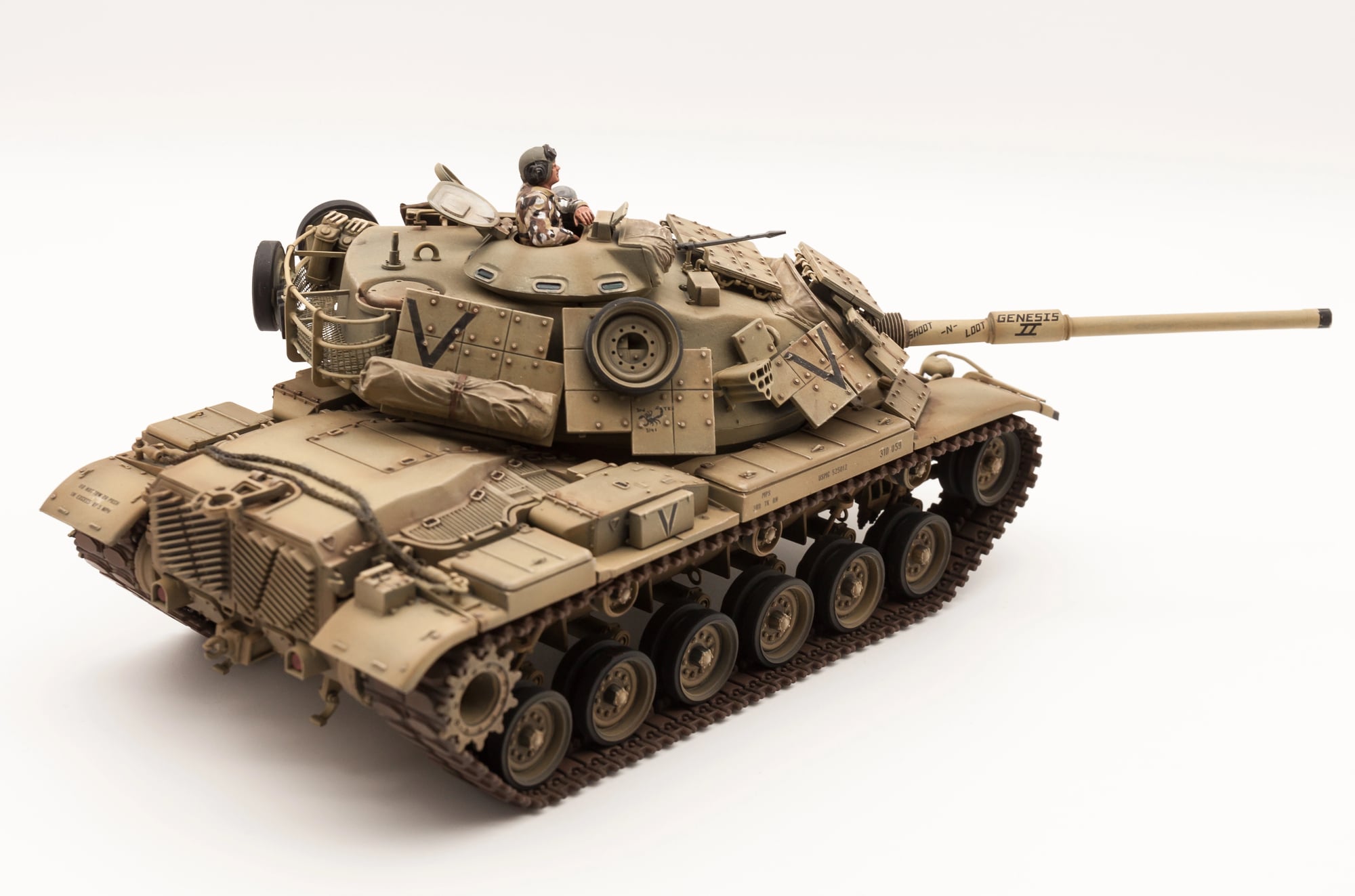
Desert Storm reads like poetry written by someone who understood both the landscape and the mission. The name captures the swift, overwhelming force that would sweep across Iraqi positions while acknowledging the harsh beauty of the terrain where it would unfold.
Weather metaphors in military operations often feel forced, but this one landed differently (and the rapid success of the ground campaign proved the name prophetic). The storm came, reshaped everything in its path, then moved on.
Sometimes the obvious choice turns out to be the perfect choice, which is saying something in military naming conventions where committee thinking usually wins.
Operation Neptune Spear
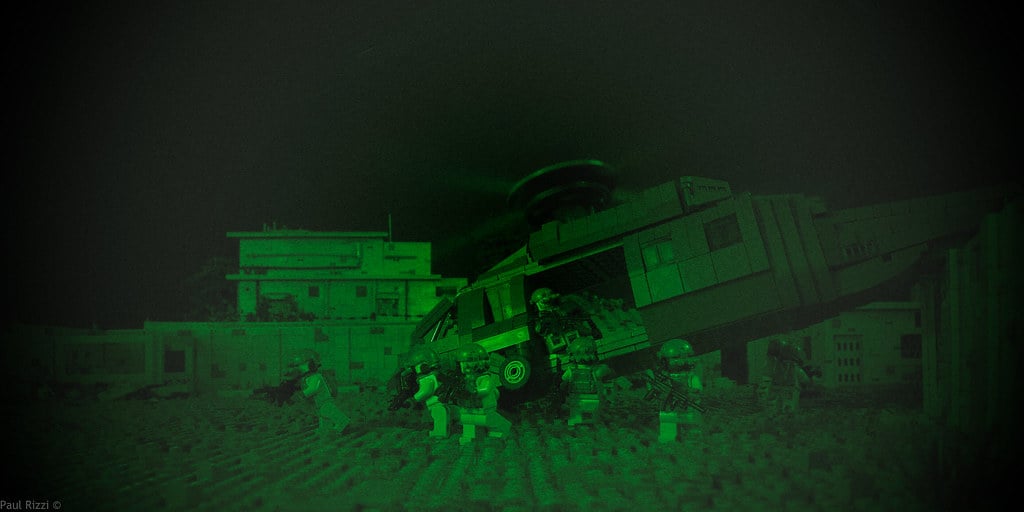
Like watching someone thread a needle in the dark, this name reflects the precision required to eliminate Osama bin Laden. Neptune’s trident — sharp, deadly, emerging from unseen depths — captures both the maritime approach and the surgical nature of the strike.
The spear imagery works on multiple levels: the weapon itself, the mythological weight, the sense of justice delivered from an unexpected angle. Most operation names try to sound intimidating.
This one just sounds inevitable.
Operation Rolling Thunder
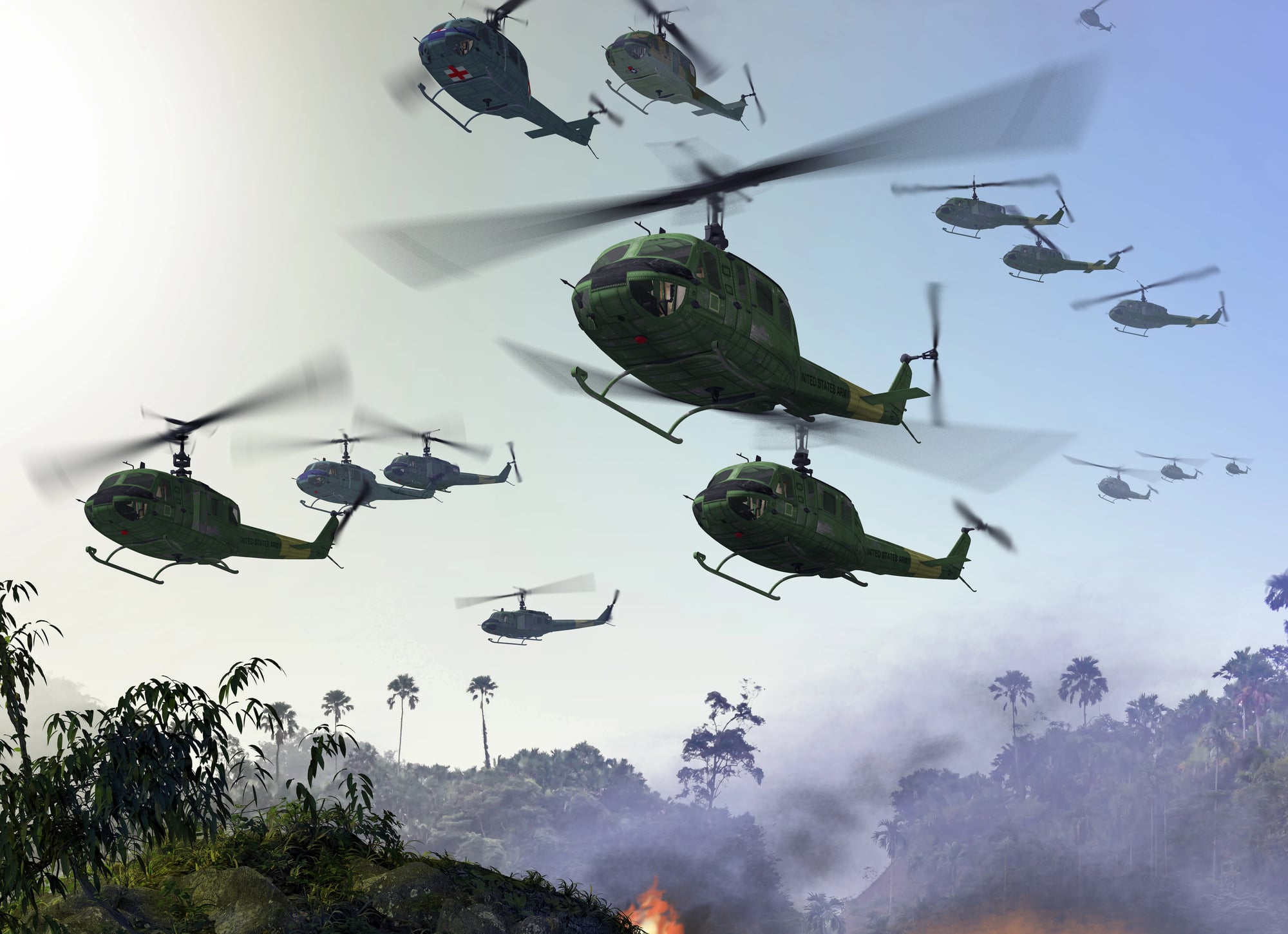
Rolling Thunder promised sustained fury, and the name itself became shorthand for America’s prolonged bombing campaign in Vietnam. The operation may have failed to achieve its strategic objectives, but the name endures as a masterclass in ominous branding.
There’s something relentlessly American about choosing a name that sounds like both a natural disaster and a rock anthem. It suggests power that builds slowly, then becomes unstoppable.
The reality proved more complicated than the name suggested, but that complexity only makes the linguistic choice more interesting in hindsight.
Operation Market Garden
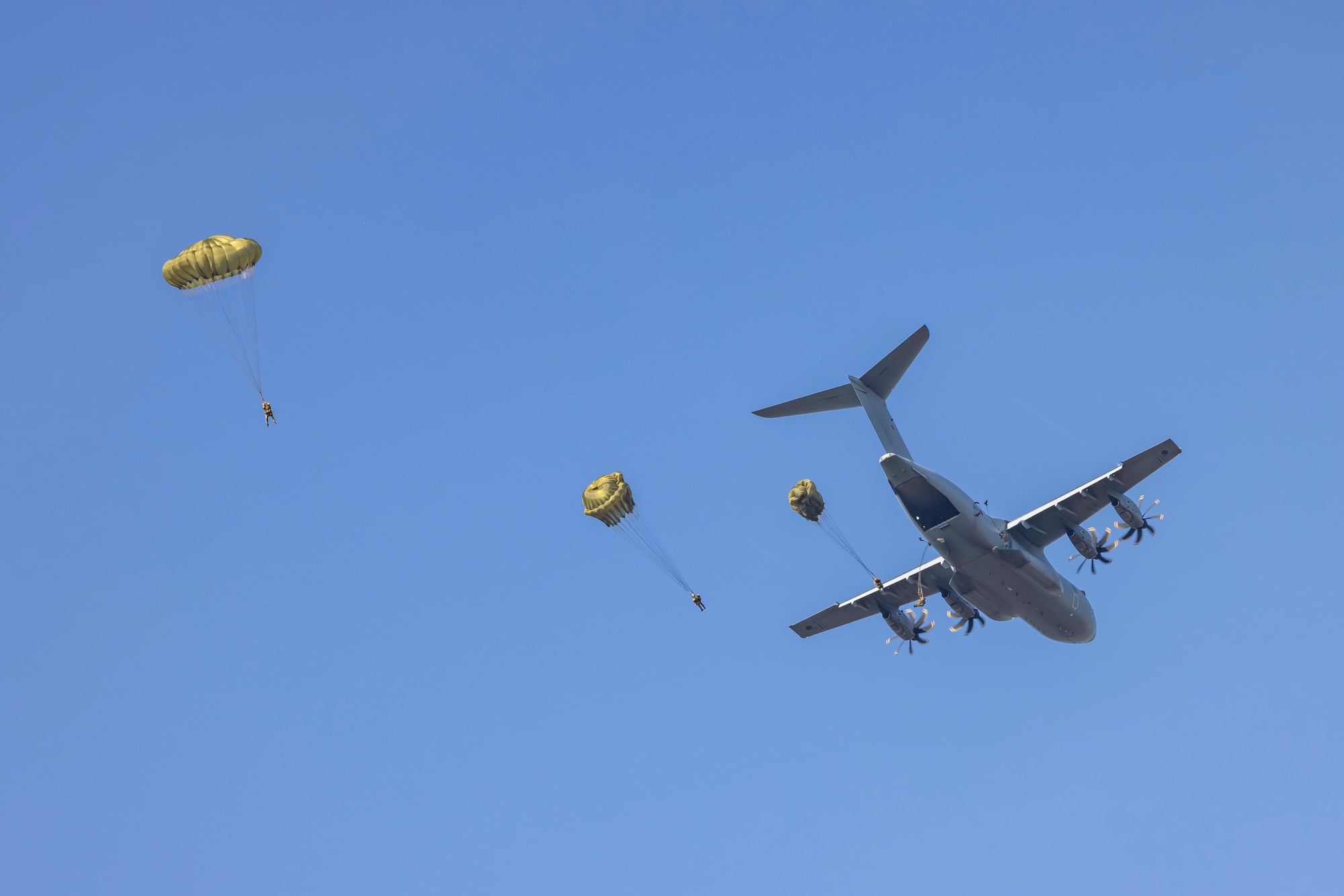
Here’s where military naming reveals its capacity for unexpected tenderness. Market Garden sounds like a place you’d buy tomatoes, not launch the largest airborne operation in military history.
Montgomery’s plan to end the war by Christmas 1944 carried a name that suggested abundance, growth, civilian life continuing somewhere beyond the fighting. The operation failed spectacularly, but the name remains quietly beautiful — a reminder that war planners sometimes reach for images of peace even while designing campaigns of unprecedented complexity and risk.
It’s the kind of name that makes you pause and consider what the planners were really hoping for.
Operation Urgent Fury
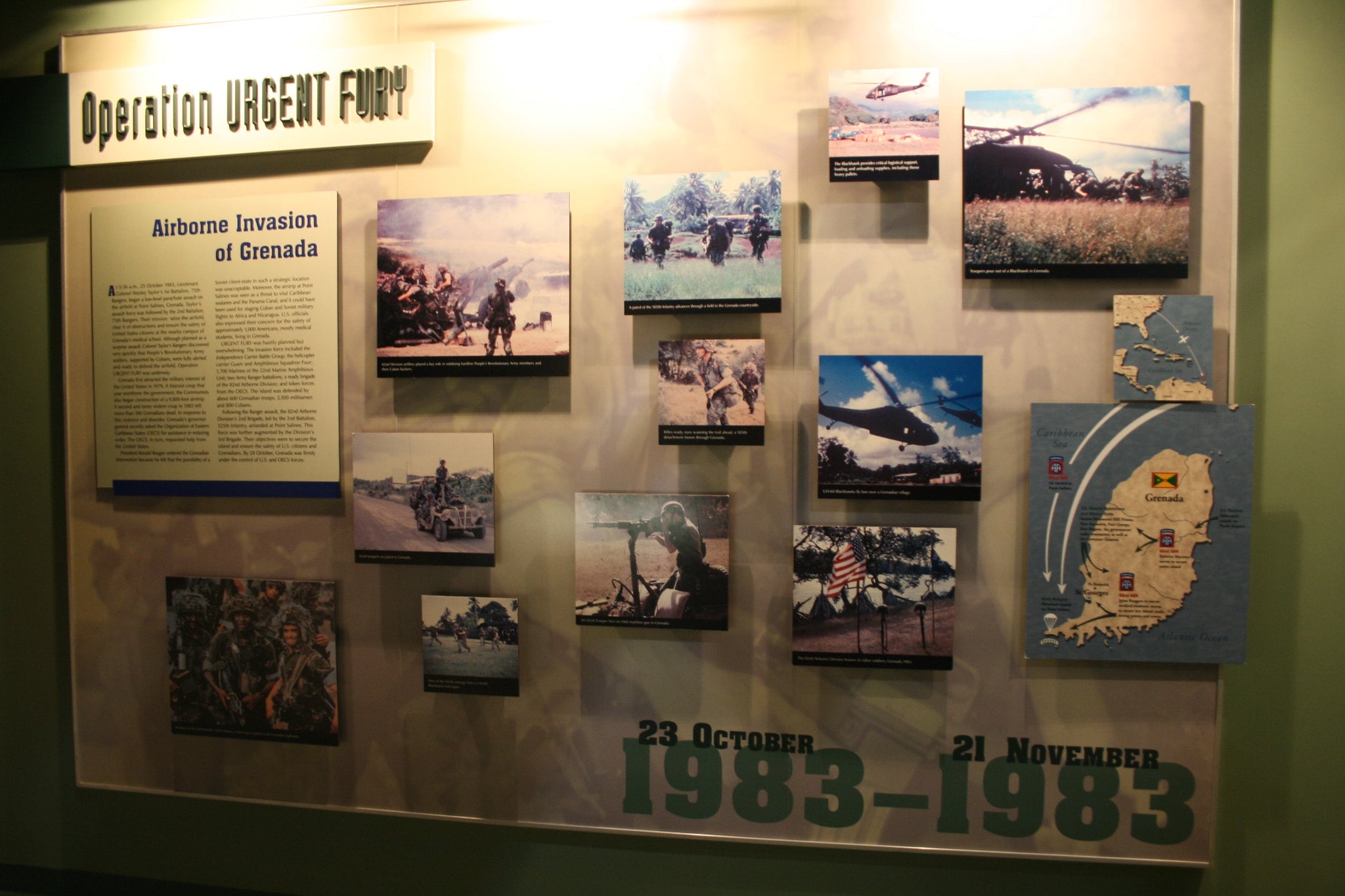
Grenada got invaded with a name that sounds like an energy drink, and somehow that makes perfect sense. Urgent Fury captures the Reagan administration’s approach to Cold War interventions — quick, decisive, unapologetically forceful.
The name works because it doesn’t pretend to be subtle. This wasn’t a gradual escalation or a measured response.
Fury, delivered urgently. Sometimes the most direct linguistic approach cuts straight to the truth of what everyone already knows is happening.
Operation Barbarossa
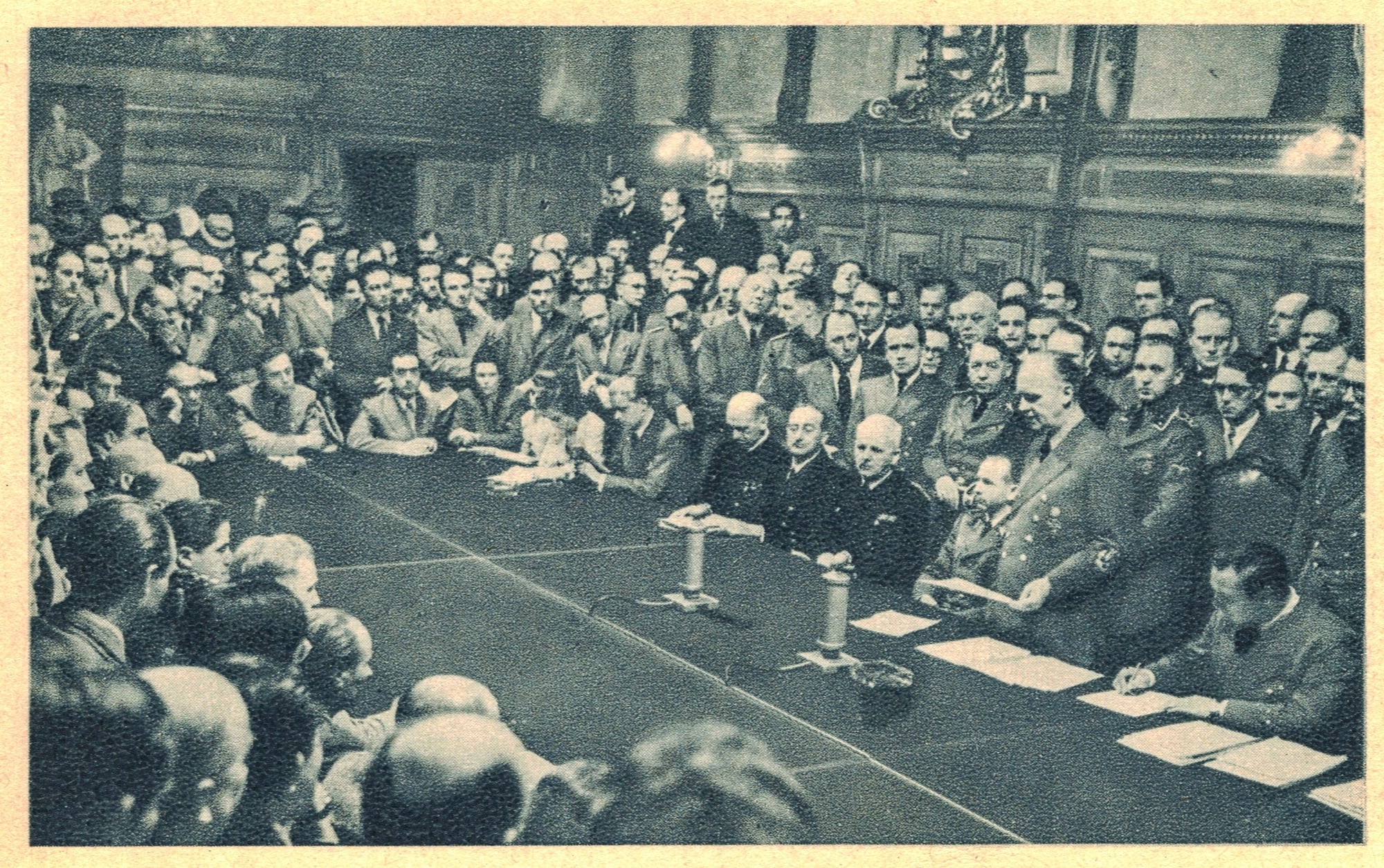
Wait — this one belongs to Germany, not America. But it appears on American military history lists often enough because studying enemy operation names teaches valuable lessons about linguistic intimidation.
Barbarossa (referencing Holy Roman Emperor Frederick I) represented Hitler’s attempt to cloak his invasion of the Soviet Union in historical legitimacy. American planners studied this naming choice carefully, learning how grandiose historical references can mask strategic overreach.
Sometimes the most important military operation names are the ones that teach you what not to do.
Operation Just Cause
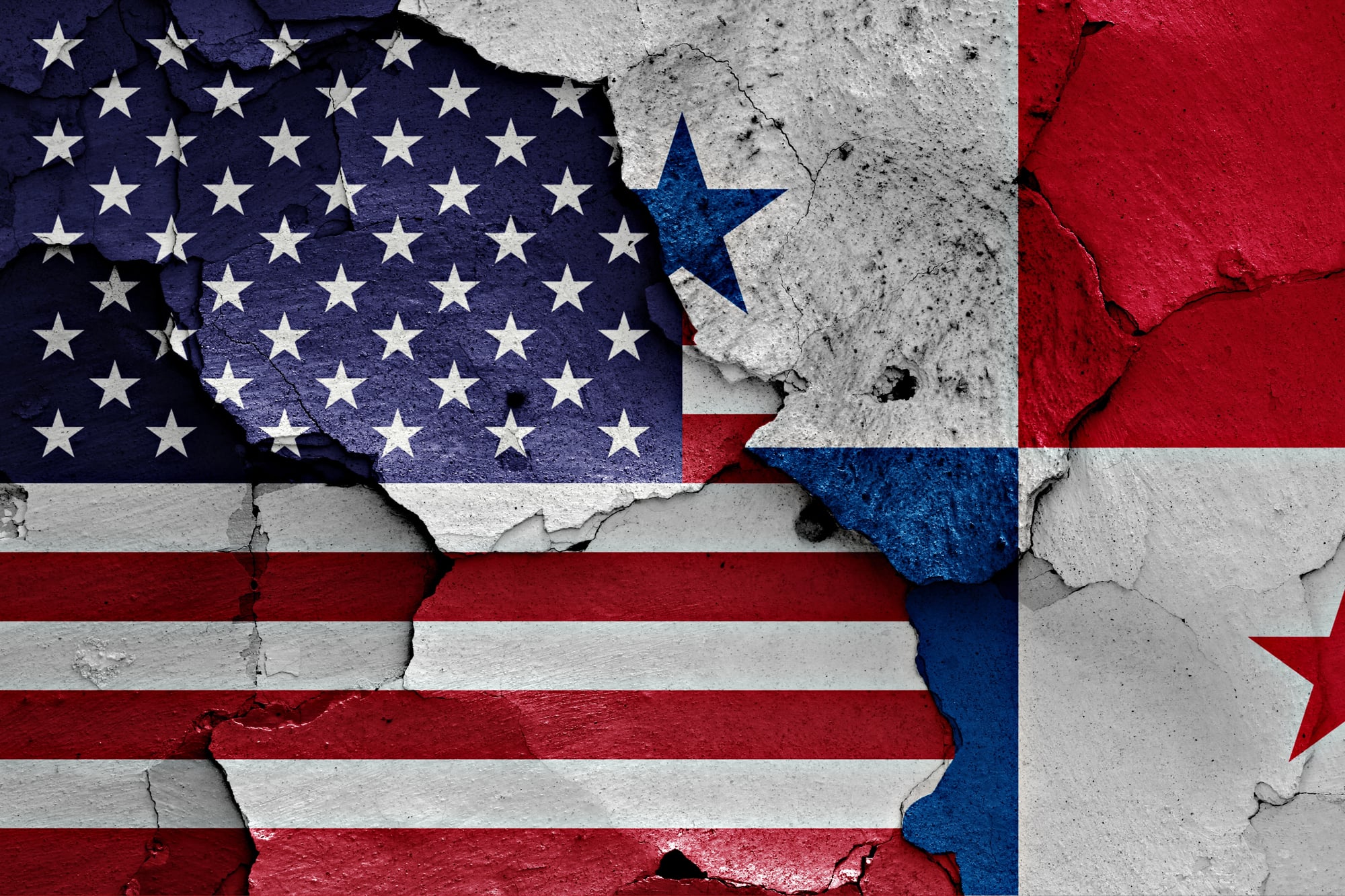
Panama’s invasion came with a name so perfectly crafted it almost seems like parody. Just Cause manages to be both a declaration of righteousness and a barely concealed pun — we have “just cause” to do this, and it’s a “just cause” worth supporting.
The dual meaning feels deliberate, which makes it either brilliant or heavy-handed depending on your perspective. But it accomplished exactly what operation names should accomplish: it framed the narrative before the first shot was fired.
Operation Torch
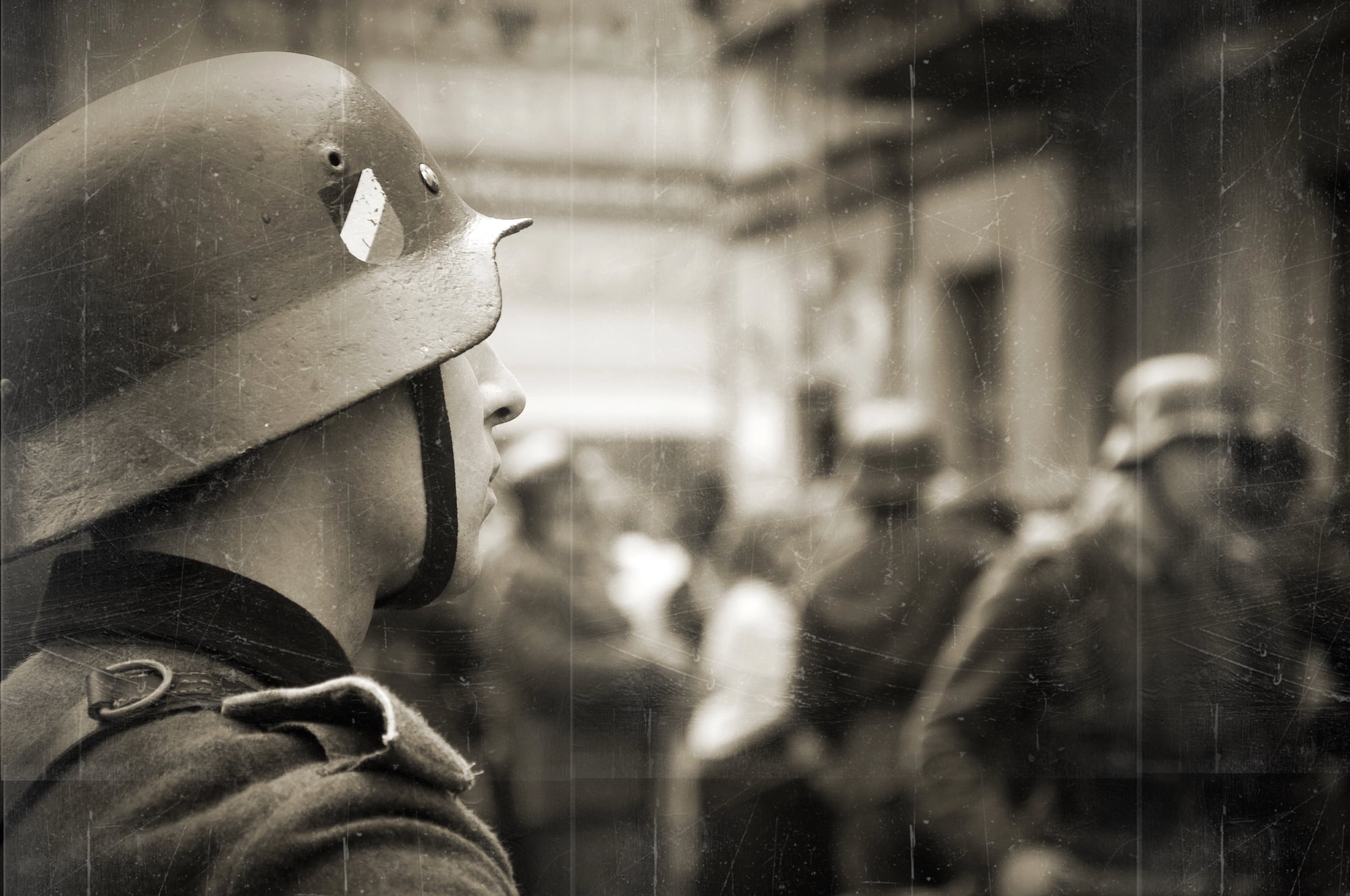
North Africa, 1942. Torch burns away complexity and points straight toward the essential truth: this operation would ignite Allied fortunes in a theater where they desperately needed momentum.
Fire metaphors in military operations usually feel overwrought, but Torch works because it suggests illumination as much as destruction. The name promises to light the way forward, not just burn everything down.
That subtle distinction makes all the difference between poetry and propaganda.
Operation Husky
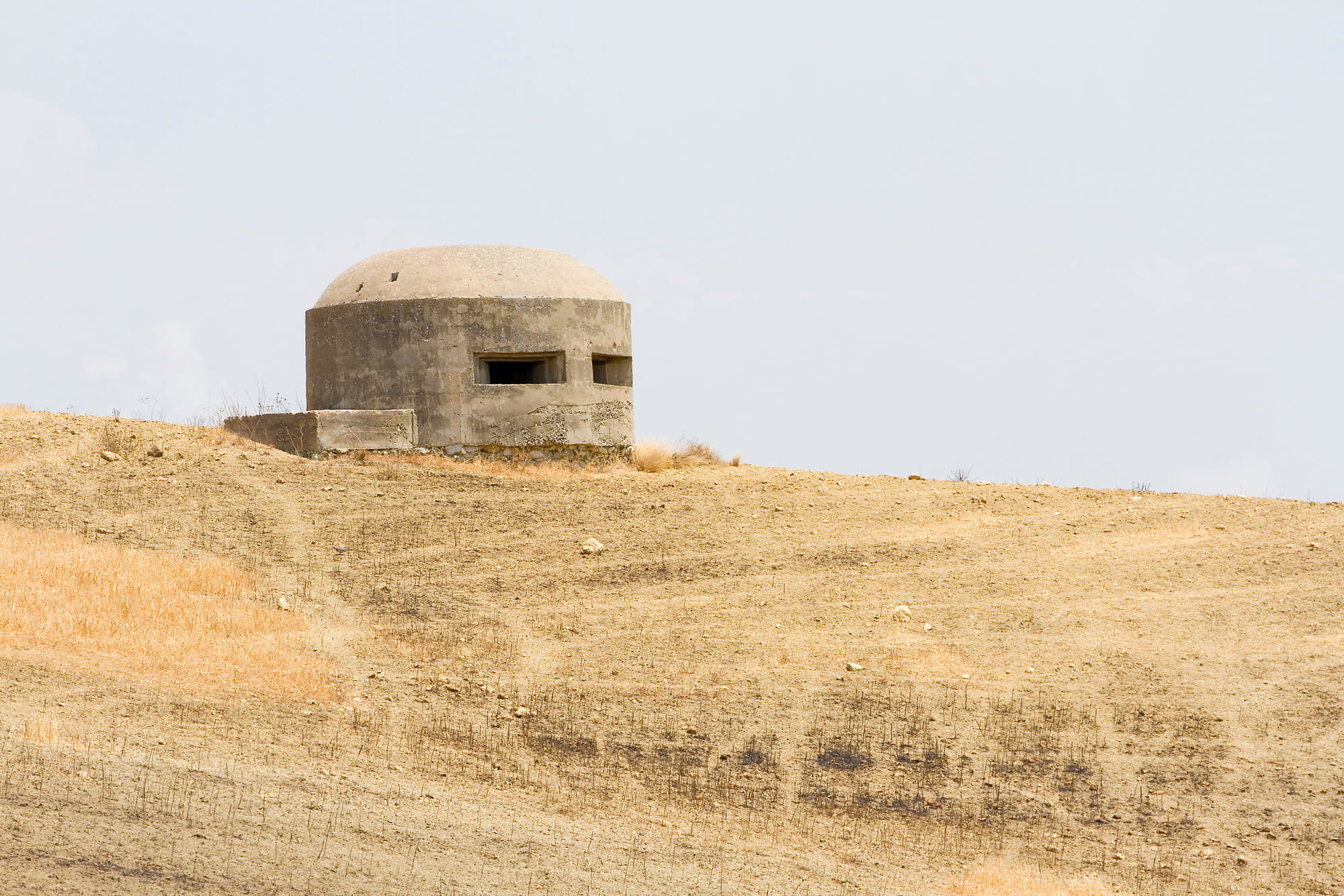
Sicily’s invasion earned a name that sounds almost affectionate — like calling a large, powerful dog by a nickname that acknowledges its strength without fear. Husky suggests something formidable but not malicious, strong enough to get the job done without unnecessary brutality.
The name aged well because the operation succeeded, but it also works linguistically because it avoids the trap of trying to sound threatening. Sometimes the most effective names are the ones that sound confident rather than angry.
Confidence, it turns out, ages better than bluster.
Operation Phantom Fury
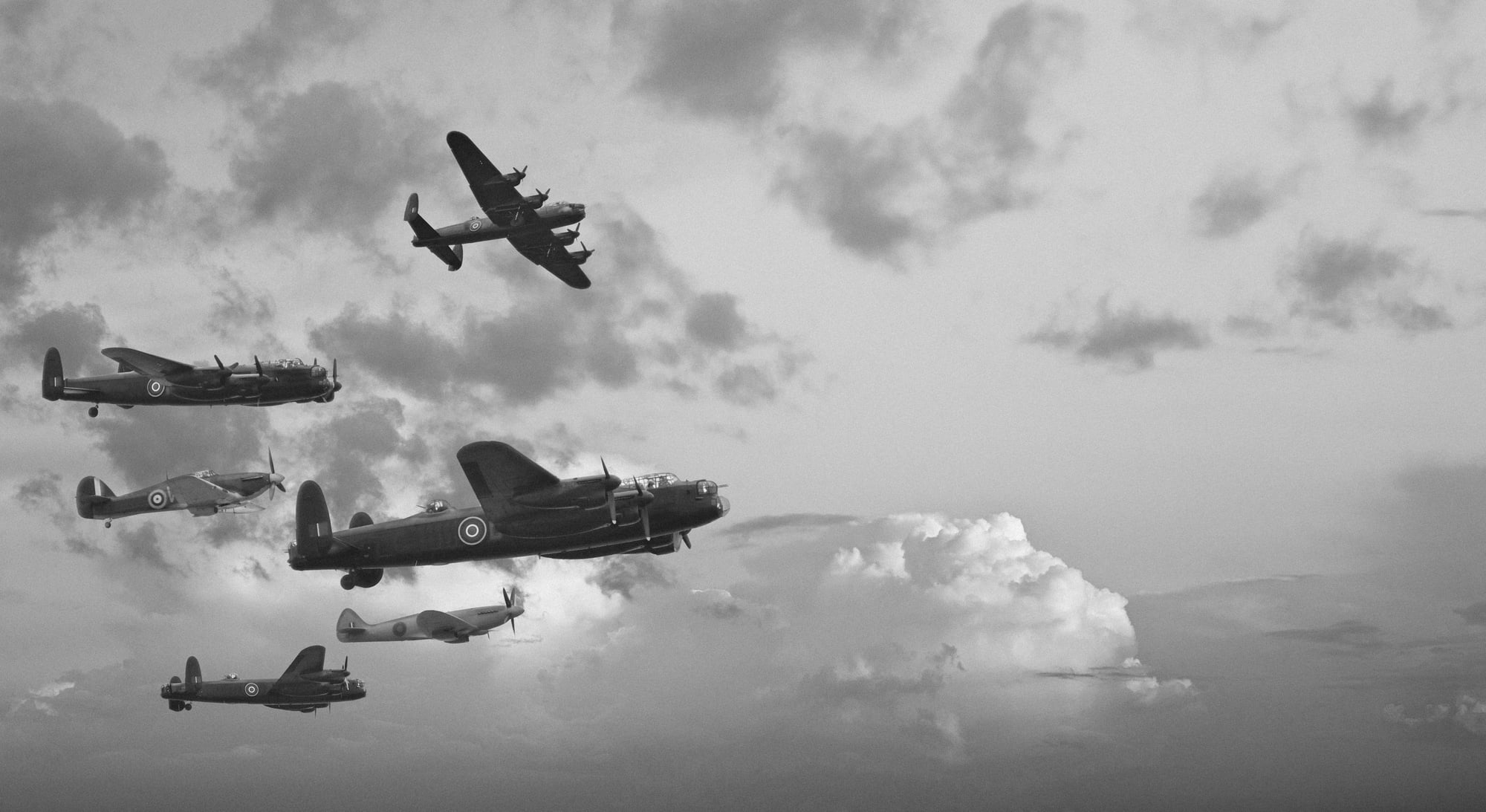
Fallujah demanded a name that acknowledged the urban warfare nightmare awaiting American forces. Phantom Fury delivers on both counts — phantom suggests an enemy that appears and disappears in civilian surroundings, while fury acknowledges the intensity required to root them out.
The name captures something essential about modern urban warfare: the enemy you’re fighting exists in the spaces between civilian life, requiring a response that’s both precise and overwhelming. Not easy to encapsulate in two words, but Phantom Fury manages it.
Operation Enduring Freedom
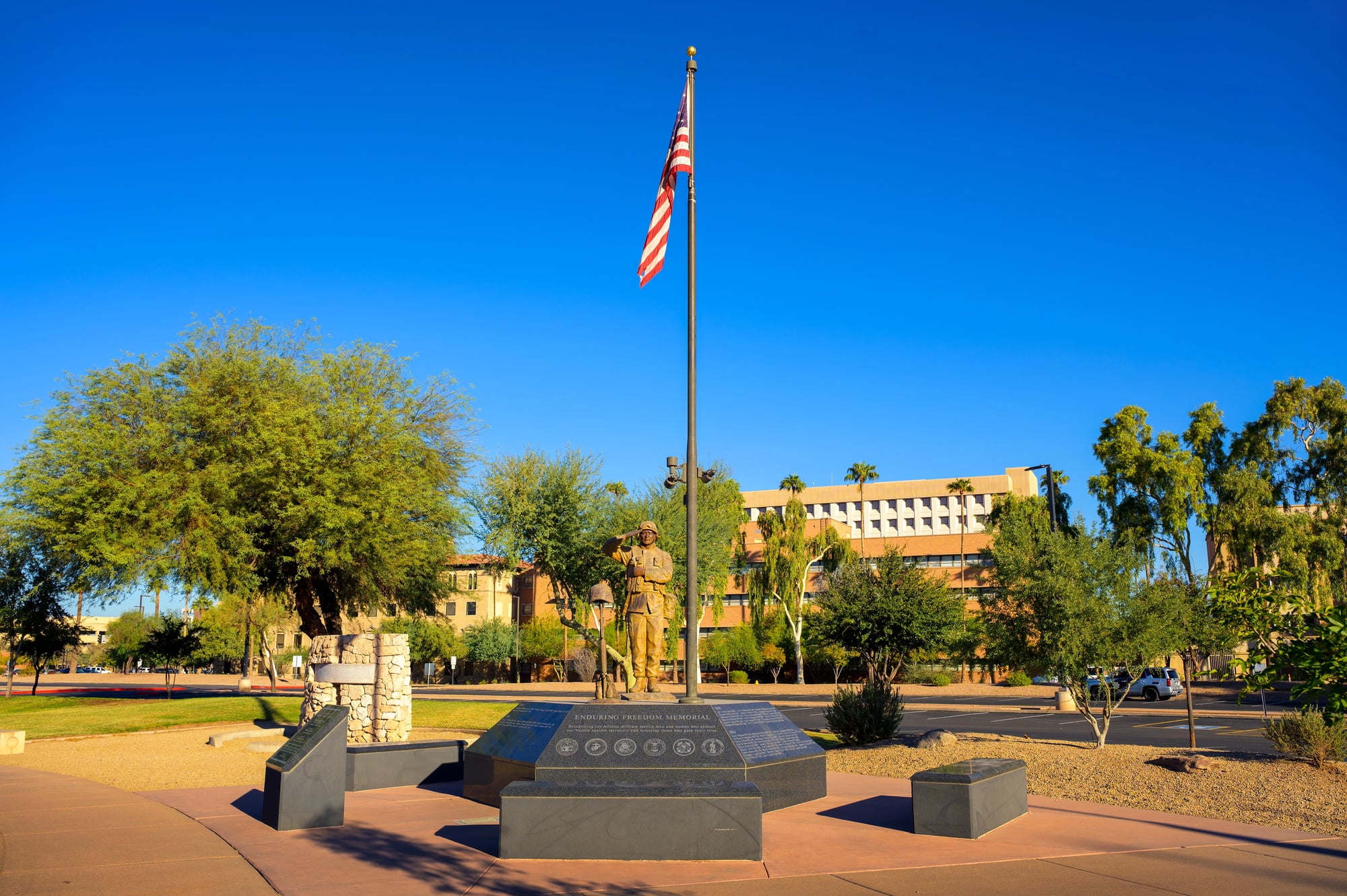
Afghanistan’s long war began with a name designed to outlast changing administrations and shifting public opinion. Enduring Freedom sounds like a commitment carved in stone — not a tactical operation, but a generational undertaking.
The name proved more prophetic than anyone intended. Twenty years later, “enduring” carried different connotations than it did in 2001.
Sometimes operation names become historical artifacts that reveal more about American assumptions than American intentions.
Operation Iraqi Freedom
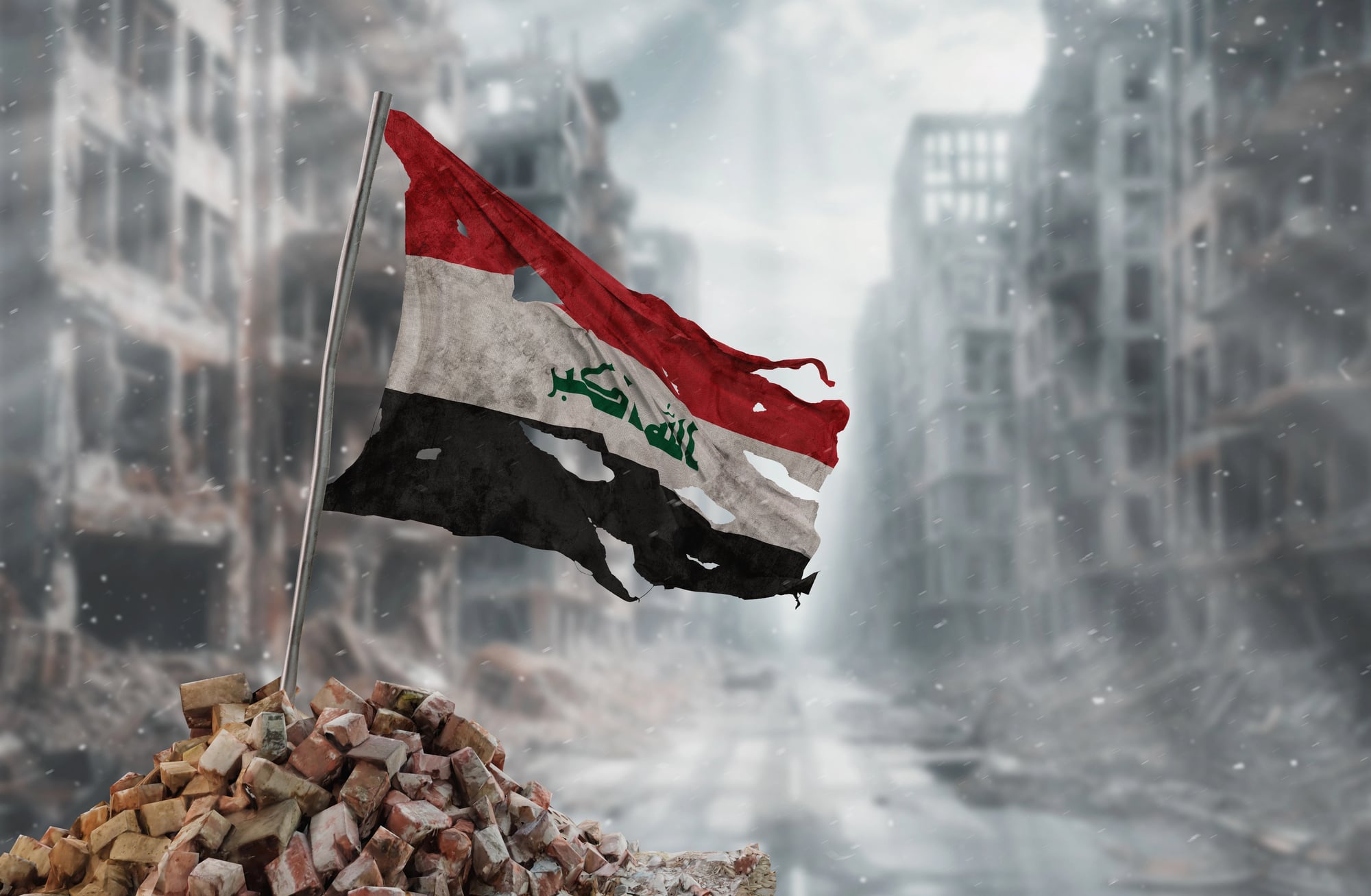
Iraq’s invasion came with a name that doubled down on the freedom-delivery theme established in Afghanistan. Iraqi Freedom makes the objective sound straightforward: remove obstacles to liberty, step back, watch democracy flourish.
The name feels like the sequel to Enduring Freedom — bigger budget, higher stakes, same basic premise. Whether that represents consistent strategic thinking or dangerous oversimplification depends largely on how the whole thing turned out, which is probably not the way operation names should be judged.
Operation Crossroads
The atomic bomb tests that would reshape global strategy earned a name that acknowledged the historical moment without celebrating it. Crossroads suggests decision points, paths diverging, consequences that can’t be undone.
The name works because it sounds appropriately somber for testing weapons that could end civilization. No fury, no freedom, no storms — just the quiet recognition that humanity had reached a place where it would have to choose its next direction very carefully.
Operation Chrome Dome
Here’s where military naming reveals its capacity for unintentional humor. Chrome Dome was the code name for Strategic Air Command’s airborne nuclear alert missions during the Cold War — B-52s loaded with nuclear weapons, flying continuous patrols along the edges of Soviet airspace.
The name sounds like a comic book villain, which makes the whole thing somehow more terrifying. Somewhere in the Pentagon, serious people decided that nuclear-armed bombers should carry a name that sounds like a superhero’s nemesis.
The disconnect between the playful name and the apocalyptic mission creates a cognitive dissonance that perfectly captures Cold War absurdity.
When Names Outlive Their Wars
Military operation names become historical artifacts long after the shooting stops. They preserve not just tactical outcomes but cultural moments — how America saw itself, what it thought it was accomplishing, which metaphors felt appropriate for which kinds of violence.
The best operation names transcend their immediate military context and become part of the language. They remind us that even in war, how you say something matters as much as what you’re actually doing.
Words have consequences that outlast the operations they describe.
More from Go2Tutors!

- The Romanov Crown Jewels and Their Tragic Fate
- 13 Historical Mysteries That Science Still Can’t Solve
- Famous Hoaxes That Fooled the World for Years
- 15 Child Stars with Tragic Adult Lives
- 16 Famous Jewelry Pieces in History
Like Go2Tutors’s content? Follow us on MSN.