15 Building Trends That Were Popular for Less Than 20 Years
Architecture and construction move in cycles, just like clothing or car styles. Some building approaches last for generations, becoming part of our cultural DNA. Others show up with big promises, get everyone excited for a few years, then vanish when reality sets in.
The construction world has always been full of experiments that didn’t quite work out as planned. Here’s a list of 15 building trends that burned bright and fast before disappearing from job sites.
Brutalist Architecture

Raw concrete buildings took over in the 1950s and 1960s, promising honest construction that would serve working people. These massive structures looked impressive from a distance but felt like prisons up close.
People called them concrete monsters, and most cities now tear them down whenever they get the chance.
Radiant Barrier Roofing
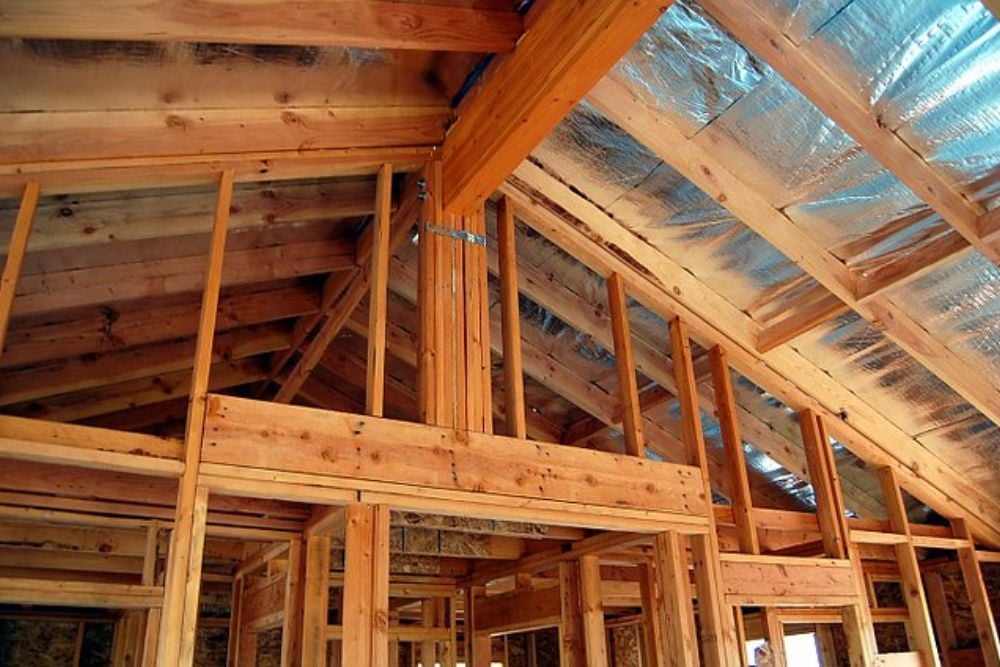
Builders in the 1980s started installing shiny foil layers in attics to bounce heat away from homes. The idea sounded smart – reflect summer heat and save on cooling costs.
Reality was different though, with complicated installation requirements and energy savings that barely showed up on utility bills.
Like Go2Tutors’s content? Follow us on MSN.
Popcorn Ceilings
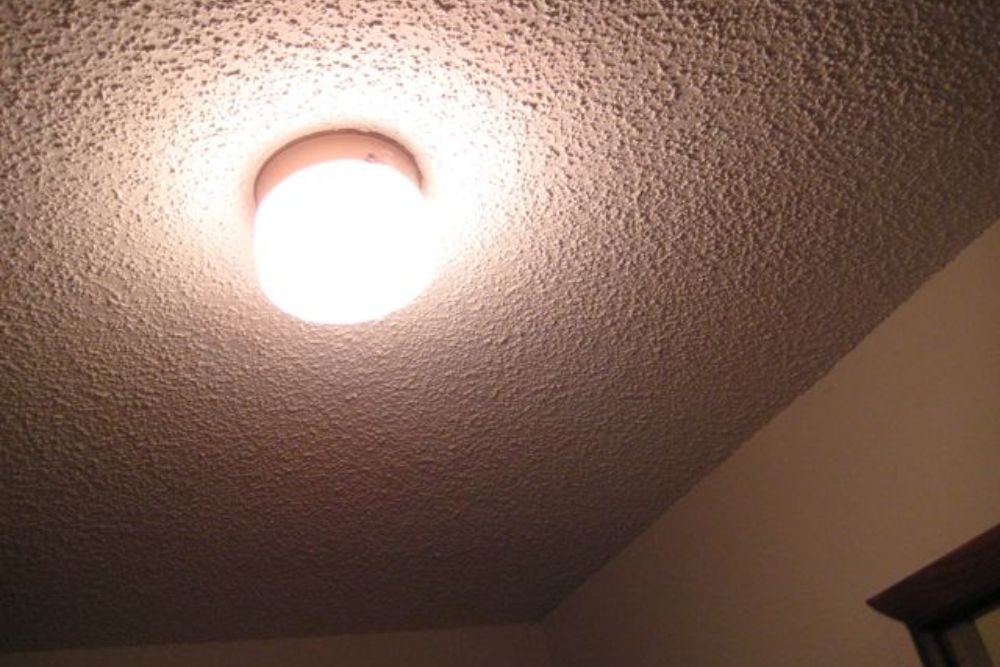
Textured ceilings became standard in American homes from the 1950s through the 1980s because they hid mistakes and went up fast. Homeowners eventually got sick of the bumpy, outdated look that collected dust and spider webs.
Finding out that many contained asbestos made removal a nightmare and killed off any remaining popularity.
Conversation Pits
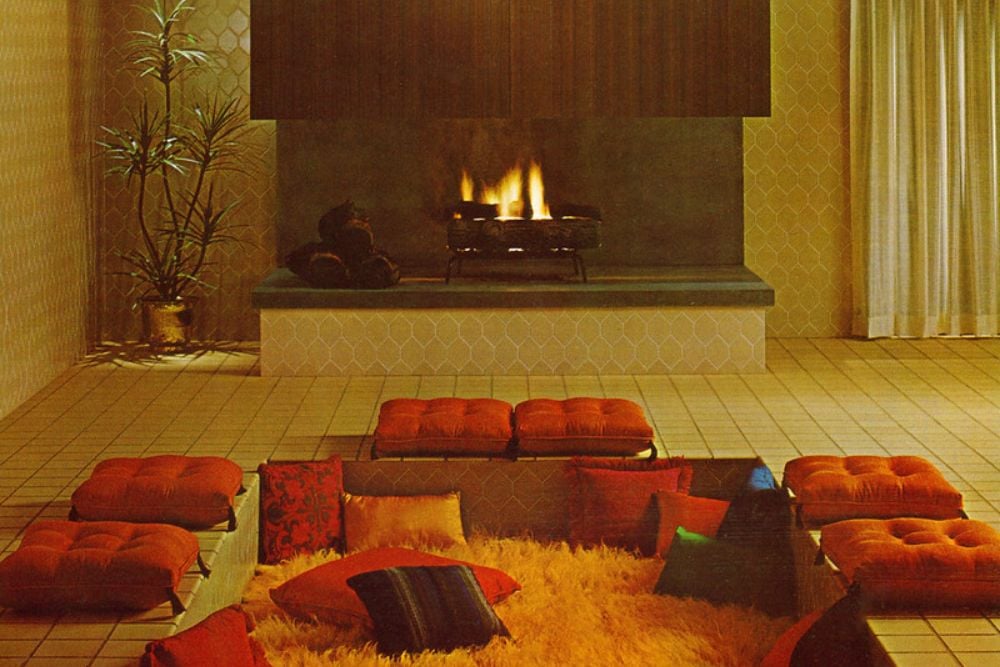
Sunken living rooms promised intimate gatherings and space-age style in the 1960s and 1970s. These recessed areas looked cool in magazine photos but created daily headaches for families.
They turned into dust collectors, made moving furniture nearly impossible, and became trip hazards that nobody wanted to deal with.
Mirrored Walls
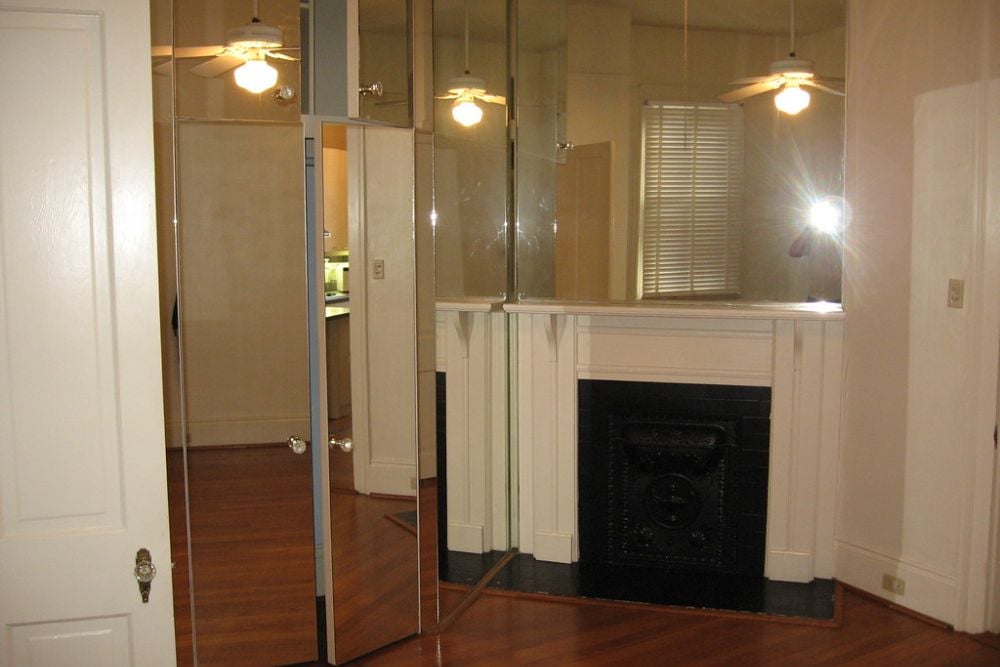
Disco fever brought wall-to-wall mirrors into homes as a way to make rooms look bigger and more glamorous. The constant reflections created a funhouse effect that got old fast.
Water spots, scratches, and the overwhelming brightness made these installations more annoying than impressive.
Like Go2Tutors’s content? Follow us on MSN.
Glass Block Windows
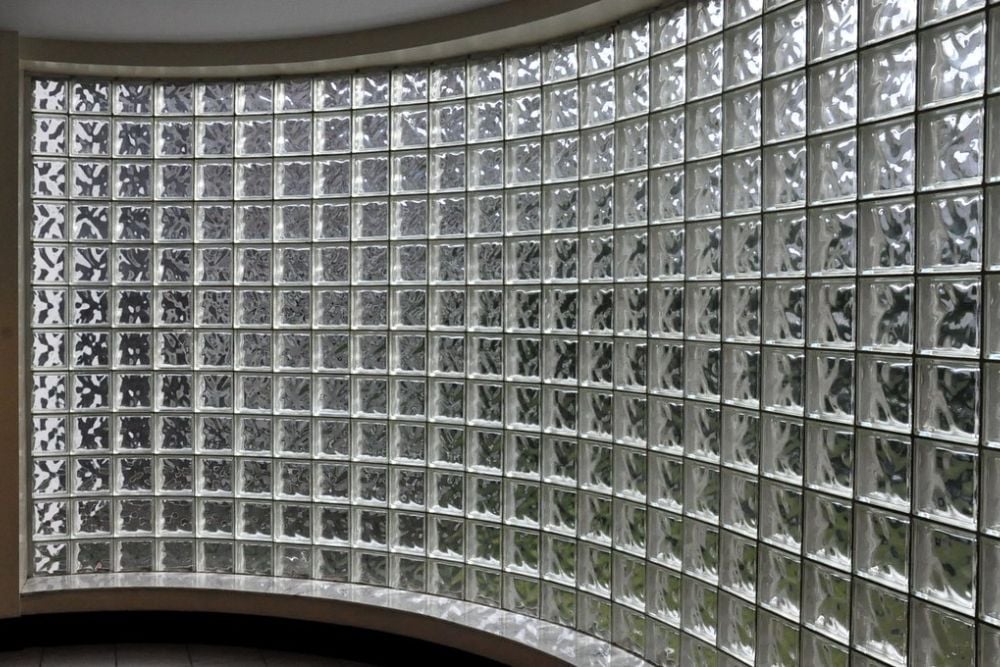
Translucent glass blocks made a comeback in the 1980s, showing up in bathrooms and exterior walls across America. They let in light while keeping out prying eyes, which sounded perfect in theory.
Poor ventilation and condensation problems made them impractical for most situations, especially in humid climates.
Barrel Tile Roofs on Non-Mediterranean Homes
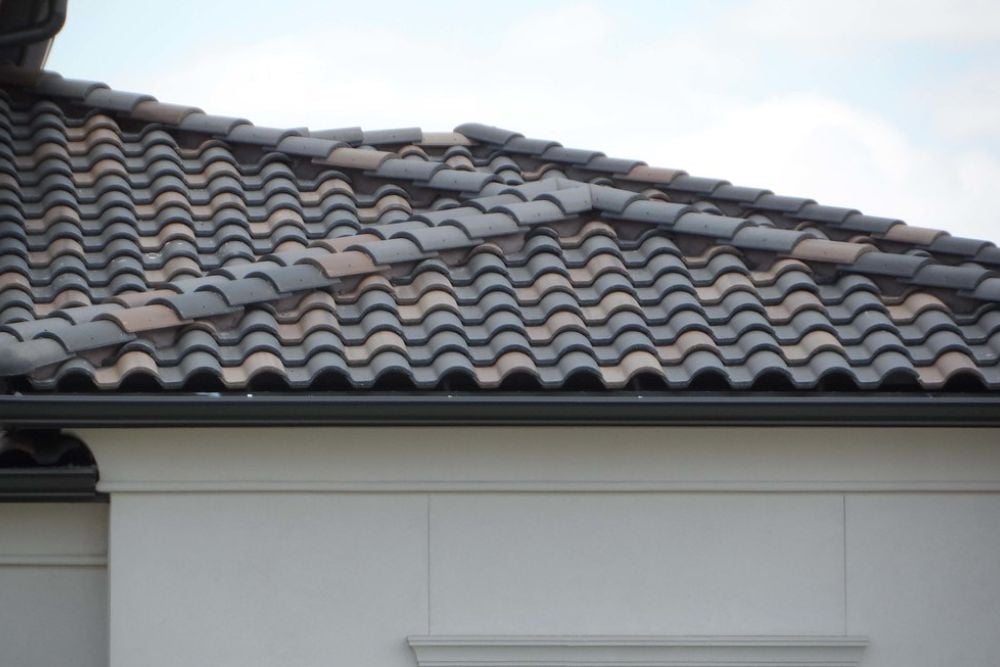
Red clay tiles started appearing on colonial and ranch houses in the 1990s, creating some seriously confused-looking buildings. Builders wanted to cash in on the southwestern style craze without thinking about whether it made sense.
The result was houses that looked like they couldn’t decide what they wanted to be when they grew up.
Fake Timber Framing
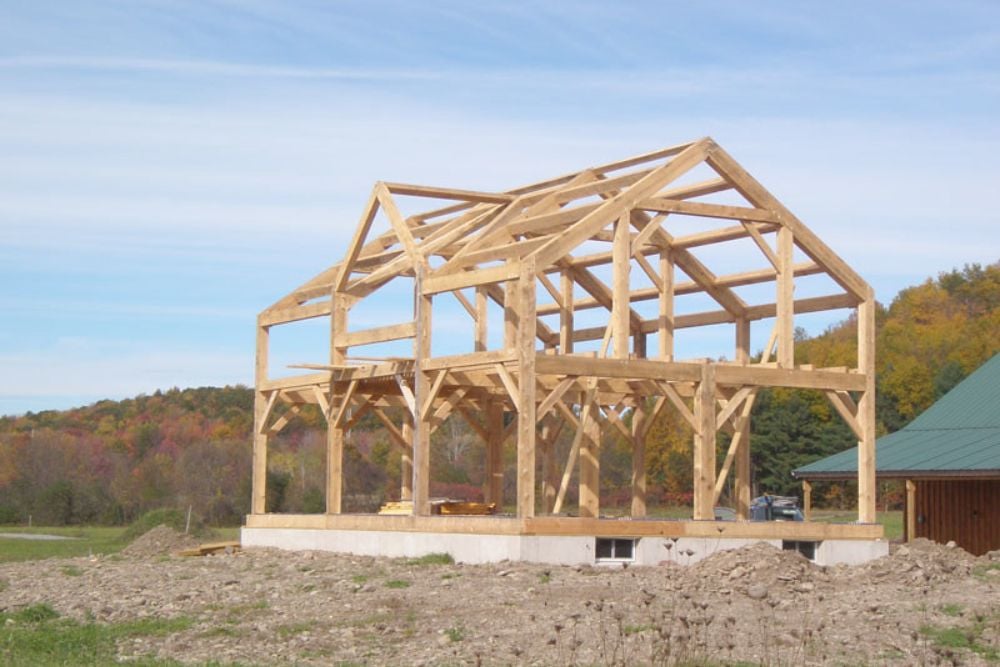
Thin wood strips glued over regular walls became popular in the 1970s and 1980s as a cheap way to get that Tudor cottage look. These decorative beams fooled absolutely nobody and often looked worse than plain walls.
Real timber framing takes skill and money, and the fake version just highlighted what was missing.
Like Go2Tutors’s content? Follow us on MSN.
Styrofoam Molding
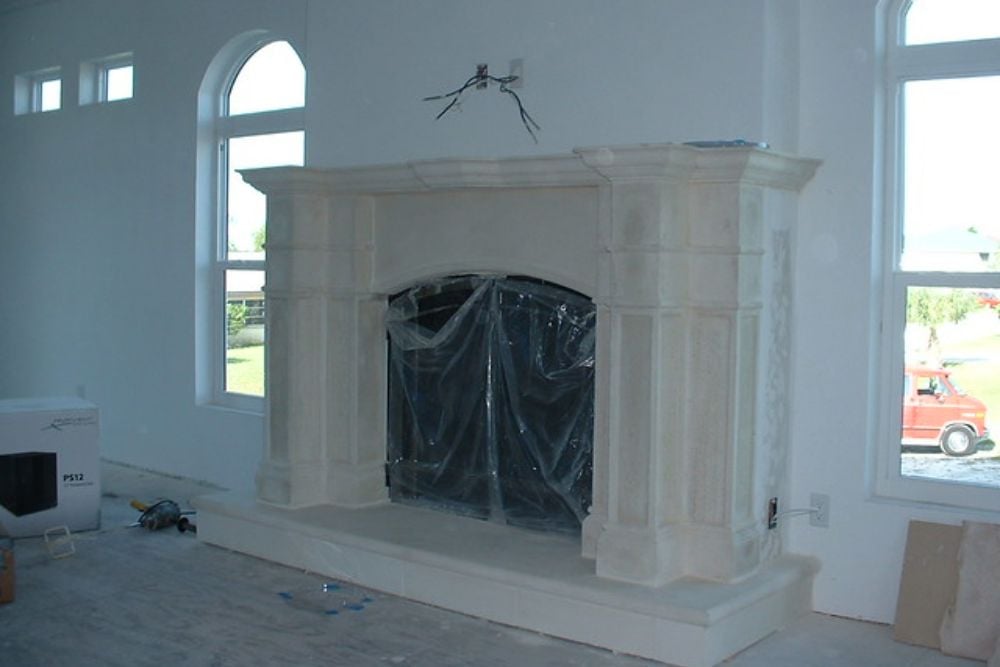
Expanded polystyrene trim offered builders fancy-looking details without the fancy price tag through the 1980s and 1990s. These lightweight pieces could be cut with a knife and painted to look like expensive plaster work.
They dented easily, looked plastic up close, and crumbled over time, making them a false economy.
Loft-Style Everything
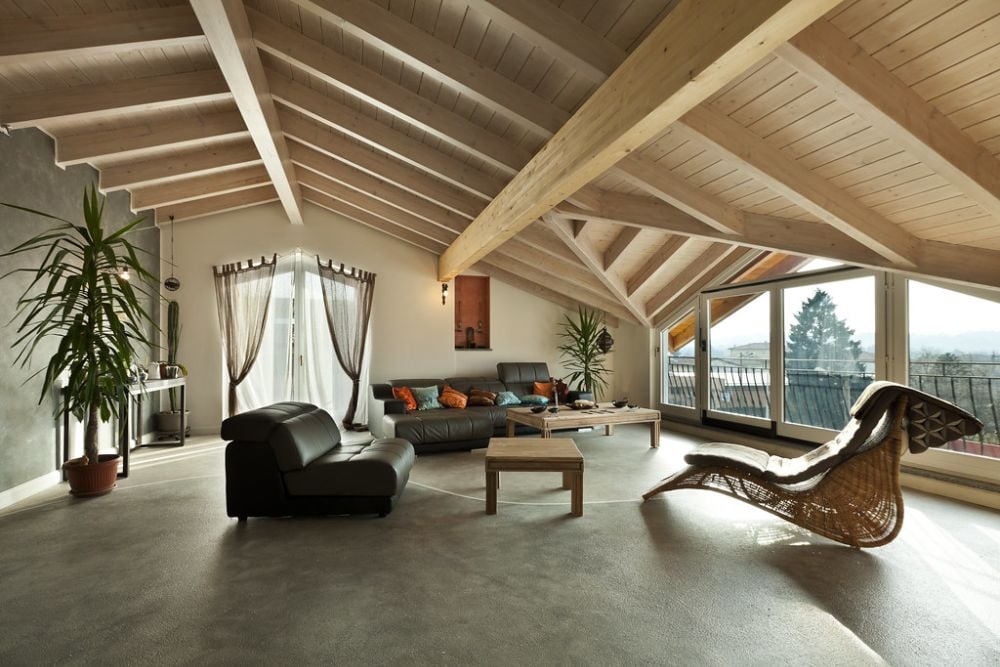
Industrial warehouse aesthetics moved into suburban apartments and condos during the 1990s and early 2000s. Builders created fake lofts with high ceilings and exposed pipes, even in strip mall developments.
The urban edge didn’t translate well to places where people actually wanted to feel at home.
Granite Countertops in Every Room
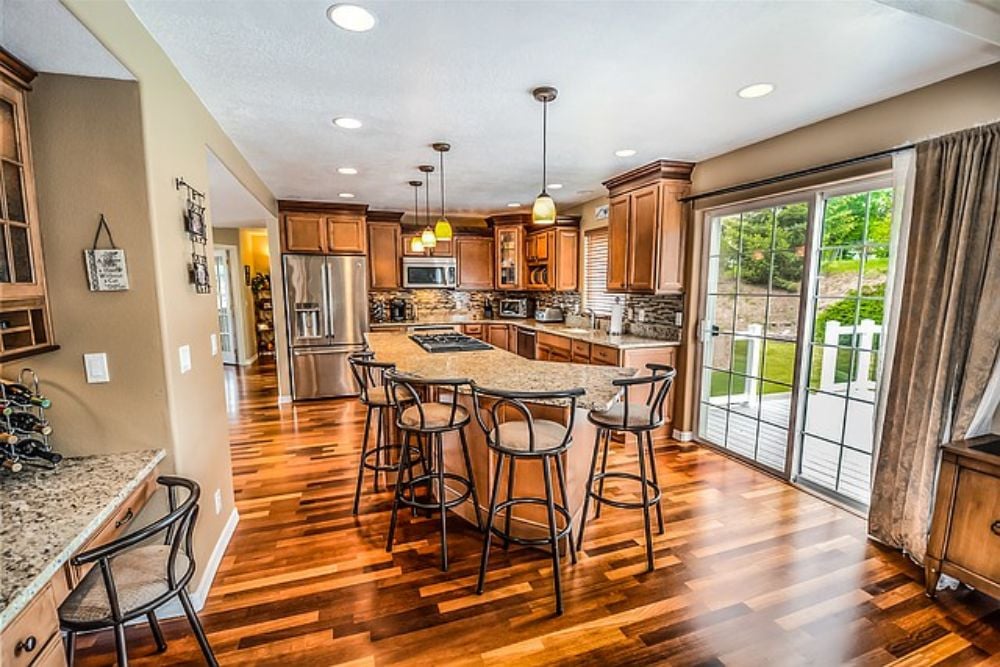
Natural stone surfaces exploded beyond kitchens in the early 2000s, showing up in bathrooms, laundry rooms, and walk-in closets. Having granite everywhere became a status symbol that builders pushed hard.
The novelty wore off when people realized they were paying premium prices for stone surfaces where laminate worked just fine.
Like Go2Tutors’s content? Follow us on MSN.
Stainless Steel Appliances Everywhere
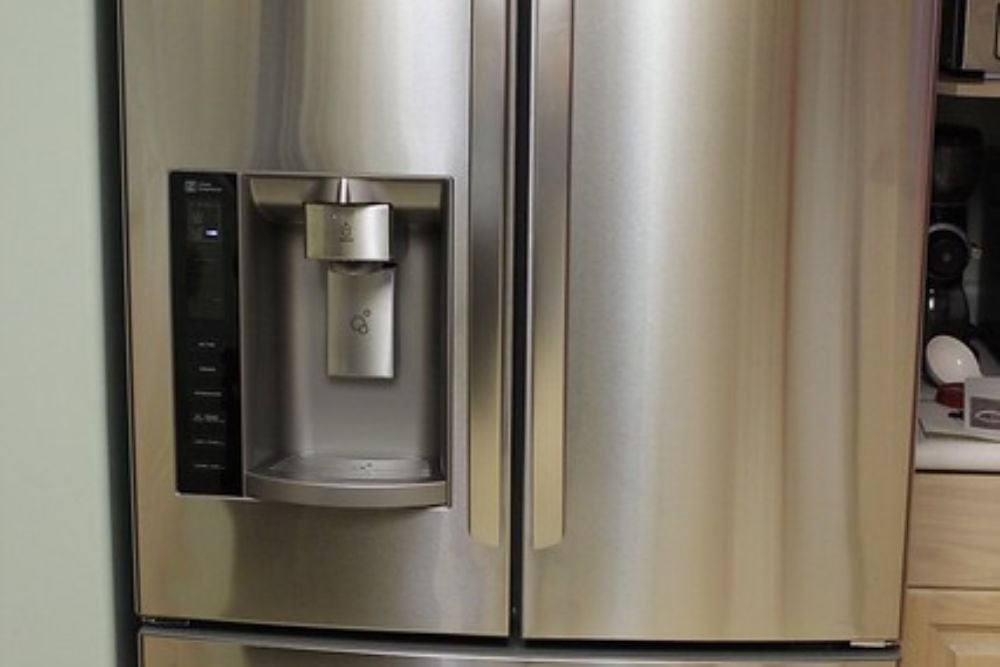
Restaurant-style equipment invaded home kitchens in the late 1990s and early 2000s, with builders installing commercial-looking pieces throughout houses. The professional appearance came with professional maintenance requirements that most families weren’t ready for.
Fingerprints, scratches, and the cold industrial vibe sent people back to warmer finishes pretty quickly.
Vaulted Ceilings in Small Rooms
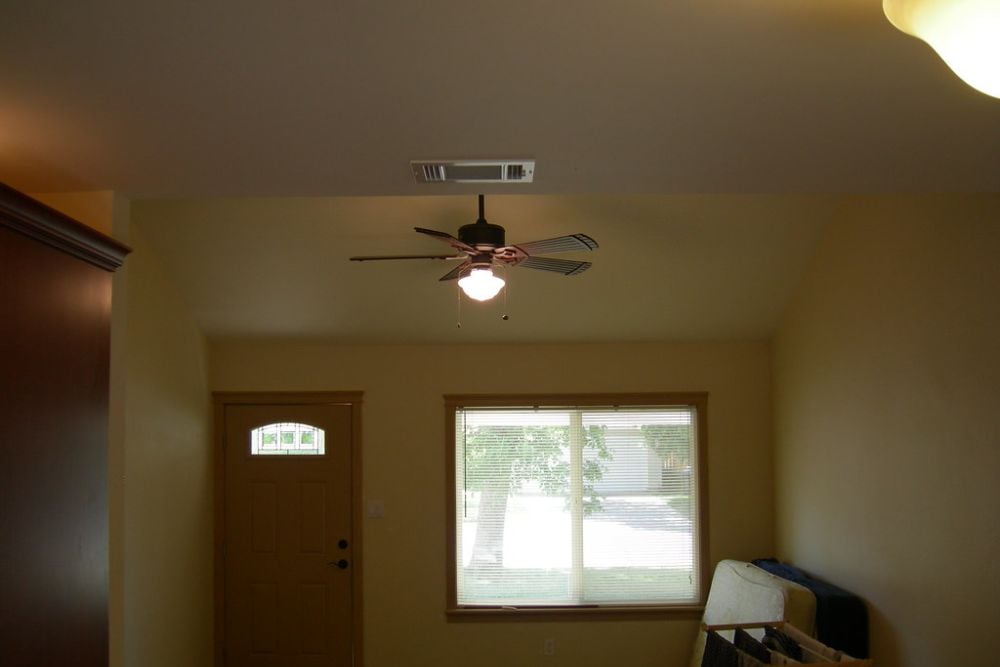
High, angled ceilings became standard in tract homes during the 1990s, showing up in bedrooms and bathrooms regardless of room size. The extra height was supposed to make spaces feel bigger but often just made them feel weird.
Heating and cooling these oddly proportioned rooms turned into expensive challenges.
Faux Finishing Everywhere
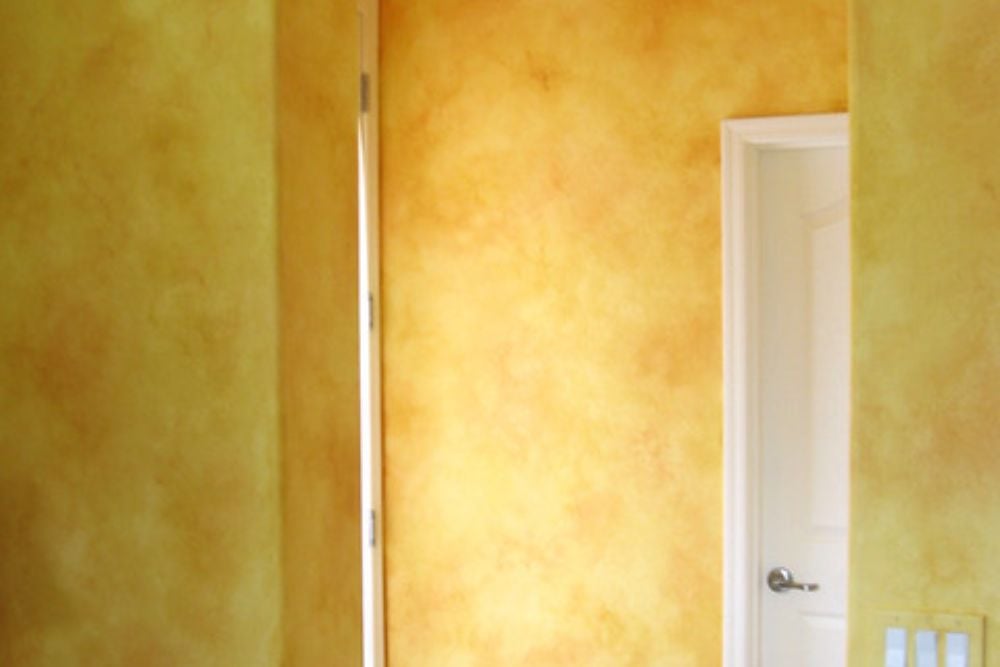
Decorative paint techniques like sponging and marbling covered interior walls throughout the 1990s and early 2000s. Professional painters and ambitious homeowners created elaborate textured surfaces that promised sophistication.
The busy patterns looked dated almost immediately and were impossible to paint over without serious prep work.
Like Go2Tutors’s content? Follow us on MSN.
McMansion Turrets
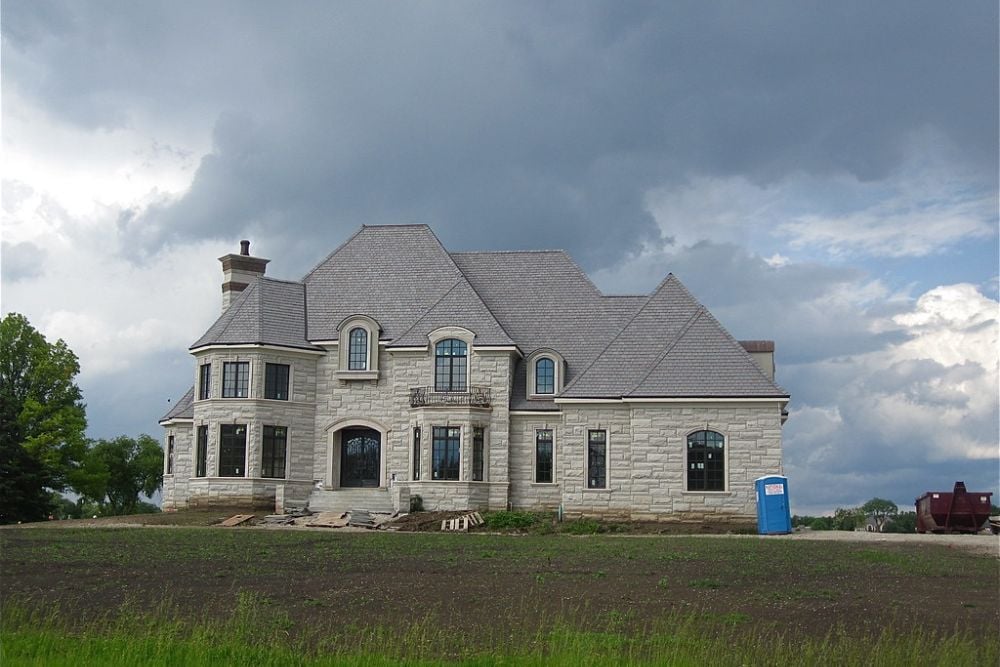
Suburban homes sprouted decorative towers and turrets in the late 1990s and early 2000s, borrowing elements from castles and Victorian mansions. These cylindrical additions were supposed to add character to otherwise ordinary houses.
Most looked like someone had glued a chess piece onto a regular home, earning mockery instead of admiration.
What Sticks Around
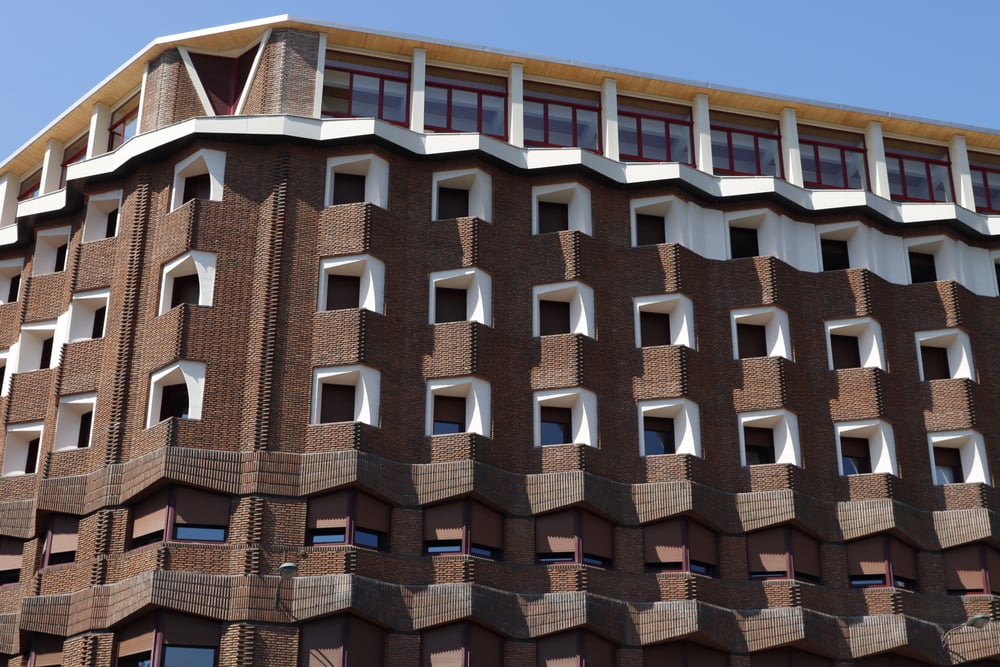
These quick-fade trends show that flashy doesn’t always mean lasting in the construction world. The best building elements work well and look good without trying too hard to impress.
Smart builders focus on materials and designs that solve real problems rather than chasing whatever’s trendy this year. Houses built with practical priorities tend to age better than those designed to make a statement, staying comfortable and attractive long after the magazines have moved on to the next big thing.
More from Go2Tutors!

- 16 Historical Figures Who Were Nothing Like You Think
- 12 Things Sold in the 80s That Are Now Illegal
- 15 VHS Tapes That Could Be Worth Thousands
- 17 Historical “What Ifs” That Would Have Changed Everything
- 18 TV Shows That Vanished Without a Finale
Like Go2Tutors’s content? Follow us on MSN.



