Albums Recorded in Unexpected Places
Musicians usually head to proper studios when they want to capture their best work. But some of the most memorable albums in history happened in places where you’d never expect anyone to set up microphones and press records.
These unusual recording locations shaped the sound and feel of the music in ways that sterile studio environments never could.
Inside a Maximum-Security Prison

Johnny Cash didn’t just perform at Folsom Prison in 1968—he recorded there, capturing one of the most raw and authentic live albums ever made. The inmates weren’t background noise.
Their reactions, their energy, their presence became part of the recording itself. When Cash sang “Folsom Prison Blues” inside those walls, you could hear the weight of the place in every note.
The acoustics were harsh, the environment unforgiving, and that’s exactly what made it work.
A Remote Wisconsin Cabin in Winter

Bon Iver’s “For Emma, Forever Ago” came from three months of isolation in a hunting cabin with no internet and minimal heat. Justin Vernon went there to heal from a breakup and a bout of illness, and he emerged with an album that sounded like winter itself.
The creaking floors, the silence between the songs, the way his voice echoed in that small space—you can hear the cabin in the recordings. He wasn’t trying to make a statement about recording locations.
He just needed to be alone, and the music that came out reflected that solitude.
An Abandoned English Mansion
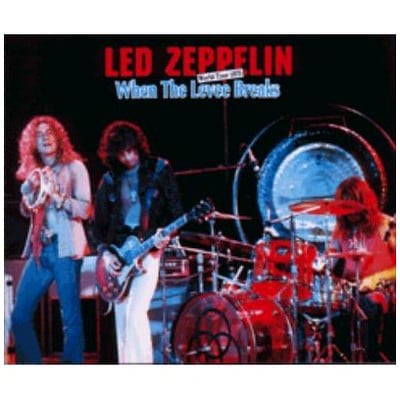
Led Zeppelin rented Headley Grange, a rundown former poorhouse in Hampshire, specifically because it wasn’t a studio. The cavernous main hall gave John Bonham’s drums a massive, natural reverb that no engineer could replicate artificially.
“When the Levee Breaks” owes its earth-shaking drum sound to that space. The band lived there while they recorded, moving equipment from room to room based on whatever sounded best.
No one was watching the clock or charging by the hour.
The House Where Manson’s Victims Died

Trent Reznor rented 10050 Cielo Drive in Los Angeles and turned it into a recording studio, not knowing its history at first. Once he learned of the house’s horrific past, he stayed and recorded Nine Inch Nails’ “The Downward Spiral” there anyway.
The darkness of that place seeped into the album. Reznor later said he felt he’d made a mistake, that some spaces carry weight you can’t shake off. The house was demolished after he left.
The album remains a testament to recording in a place that should have been left alone.
A Crumbling French Villa

The Rolling Stones rented Nellcôte, Keith Richards’ villa in the south of France, and set up recording equipment in the basement. The result was “Exile on Main St.,” a sprawling double album that sounds like it was made in exactly the kind of place where rock stars would hide from the law and record music at the same time.
The basement’s terrible acoustics actually helped create the album’s dense, murky sound. Equipment malfunctioned constantly. The heat was unbearable.
The music turned out perfect.
A Montreal Church

Arcade Fire recorded their self-titled EP in a church, and the space shaped their sound from the beginning. The natural reverb gave their already theatrical music an extra layer of grandeur.
Churches have acoustic properties that engineers spend careers trying to replicate. But when you’re actually in one, with real instruments bouncing off stone walls and wooden pews, something happens that you can’t fake later.
The band understood that from day one.
A Converted Portuguese Bordello
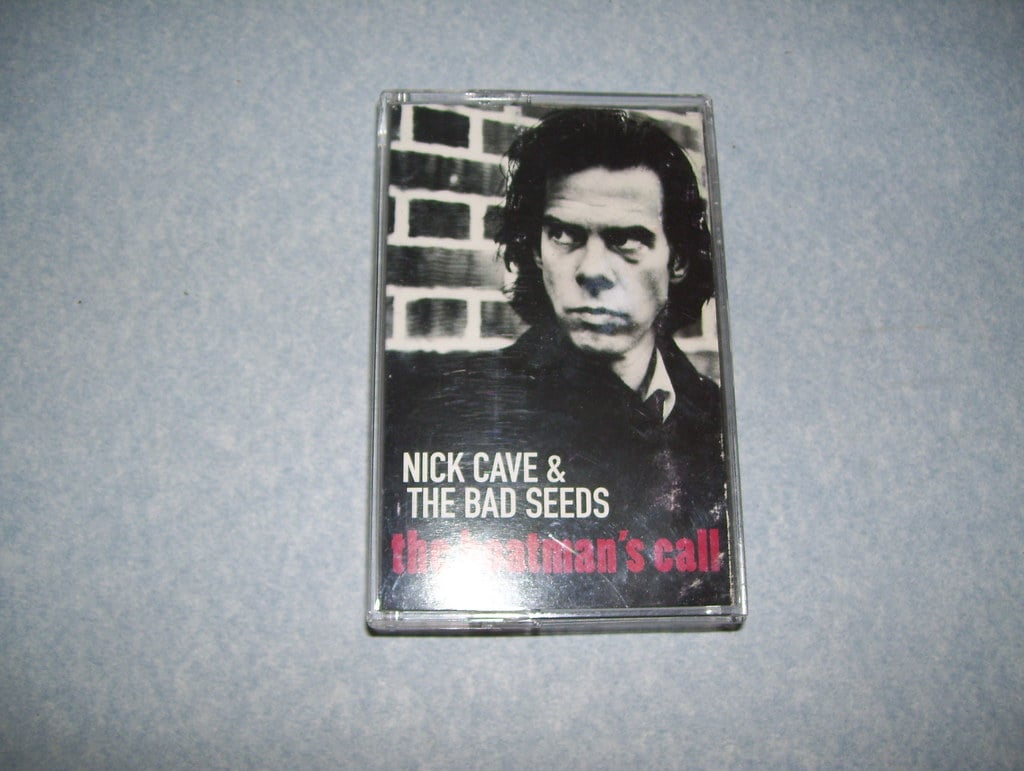
Nick Cave and the Bad Seeds chose a former bordello in Lisbon to record “The Boatman’s Call.” The building’s history and atmosphere influenced the album’s themes of redemption and darkness.
Cave has always been drawn to spaces with stories, and this place had plenty. The rooms were small and oddly shaped, which forced the band to record in ways they wouldn’t have chosen otherwise.
Those limitations became features.
A Swimming Pool in Iceland
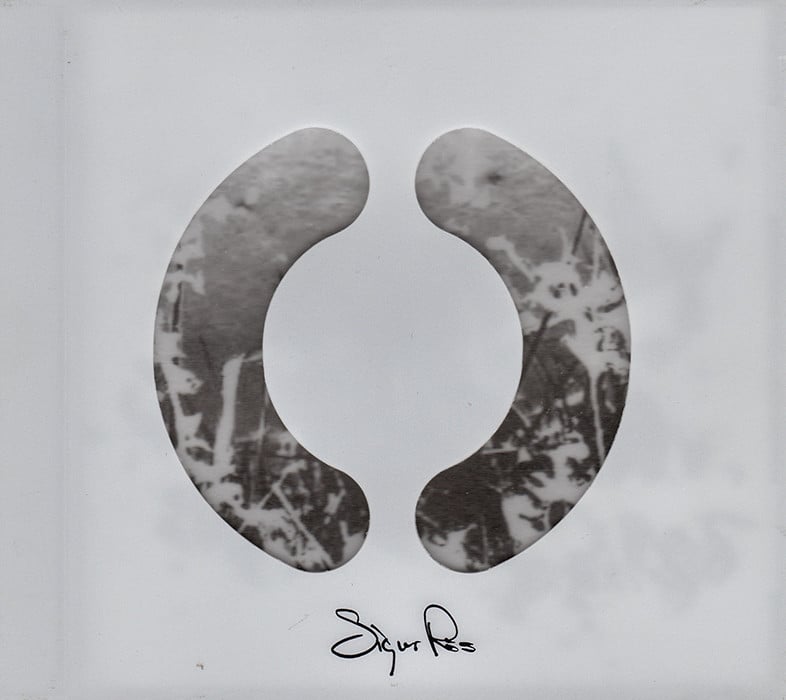
Sigur Rós literally recorded in a swimming pool for some of their work, using the natural reverb of the tiled space. Iceland’s unique geography and architecture give the band options that wouldn’t exist elsewhere.
A drained pool creates acoustic effects that you can’t program into software. The sound bounces in ways that feel both alien and organic at the same time.
A Barn in Washington State
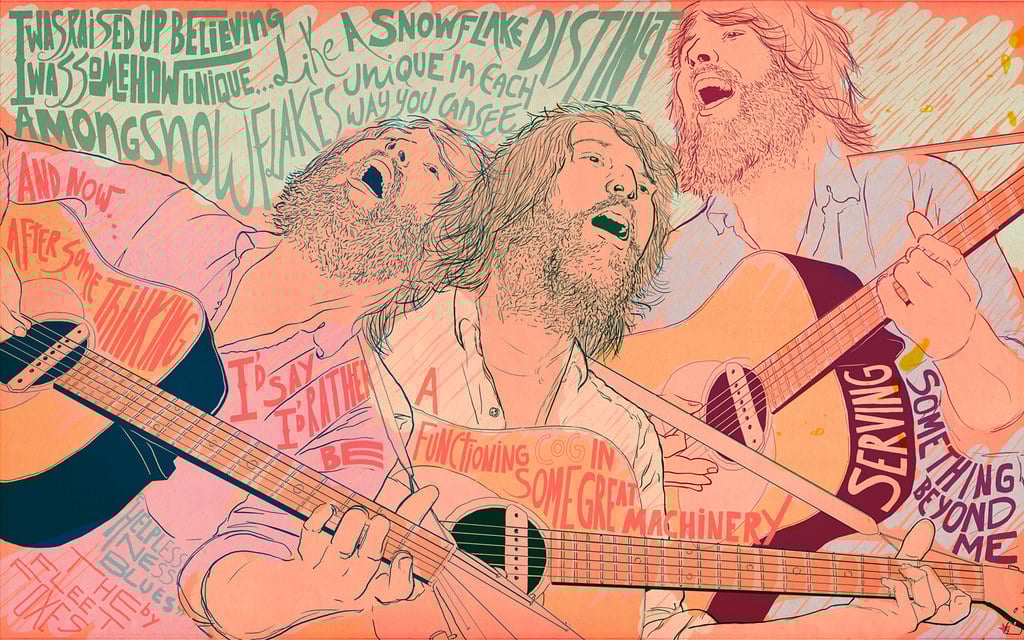
Fleet Foxes recorded parts of their debut album in a barn, taking advantage of the space’s natural acoustics and the quiet of rural Washington. Barns weren’t built for recording music, but their high ceilings and wood construction create interesting sound reflections.
The band needed isolation from city noise, and the barn gave them that plus acoustic characteristics they couldn’t have predicted.
An Indian Ashram
The Beatles traveled to Rishikesh, India, to study transcendental meditation with Maharishi Mahesh Yogi. They didn’t record there in the traditional sense, but they wrote most of the White Album during that stay.
The location influenced the music profoundly. Being away from London, away from the pressures of fame, in a completely different culture—that changed what they wrote and how they approached their craft.
A Garage in Brooklyn

The National started recording in basements and garages before they could afford real studios. Their early albums have a specific sound that comes from those cramped, imperfect spaces.
Even after they became successful, the band sometimes returned to recording in unconventional locations. They understood that the right space can matter more than expensive equipment.
A Mansion Haunted by Technology Paranoia
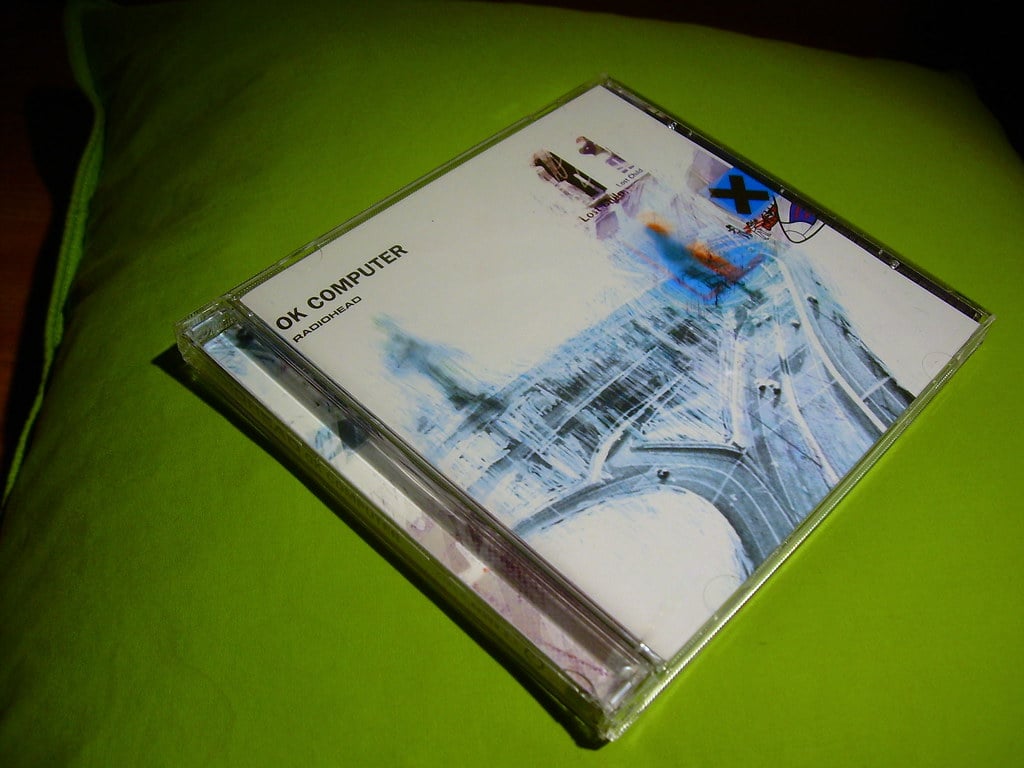
Radiohead recorded “OK Computer” at actress Jane Seymour’s mansion in Bath, along with a historic house in Oxfordshire. The band wanted to get away from conventional studios, and the mansion’s rooms gave each song different acoustic properties.
They set up in different parts of the house depending on what they were recording. The sense of space—sometimes vast, sometimes claustrophobic—became part of the album’s DNA.
An Old Hollywood Recording Studio That Felt Like Home
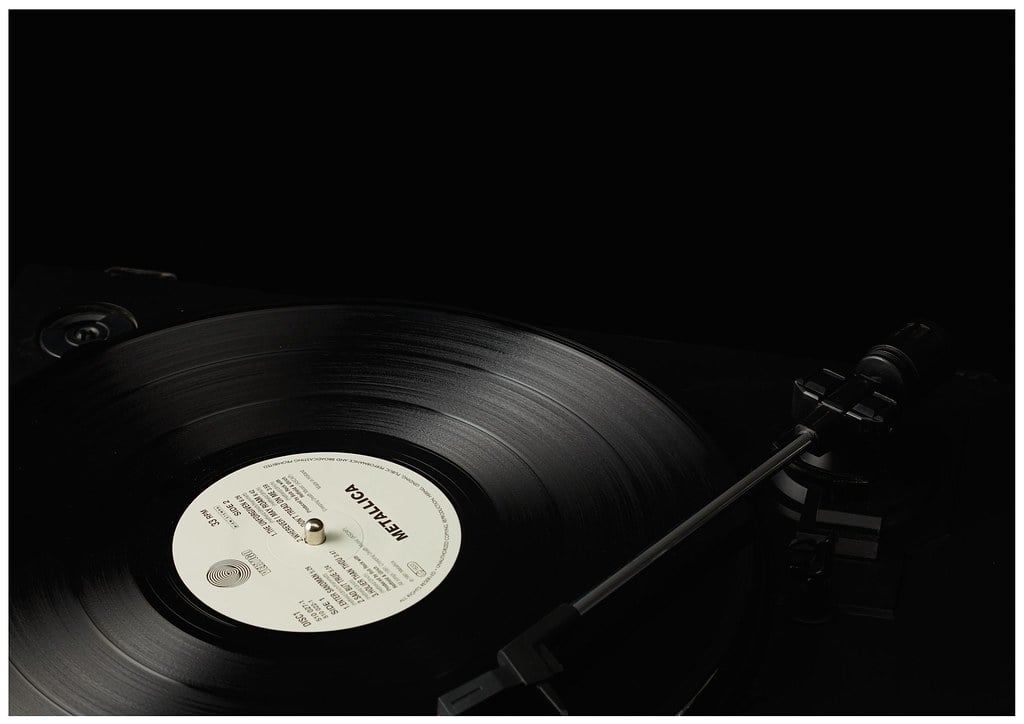
Metallica’s Black Album came from One on One Recording Studios in Los Angeles, but what made it unexpected was how the band approached the space. They brought in their own furniture, decorated it like a living room, and essentially moved in.
They wanted to feel comfortable, not like they were at work. The difference in their performance was audible.
When musicians treat a recording space like home, they play differently.
A Victorian Mansion Full of Equipment Failures
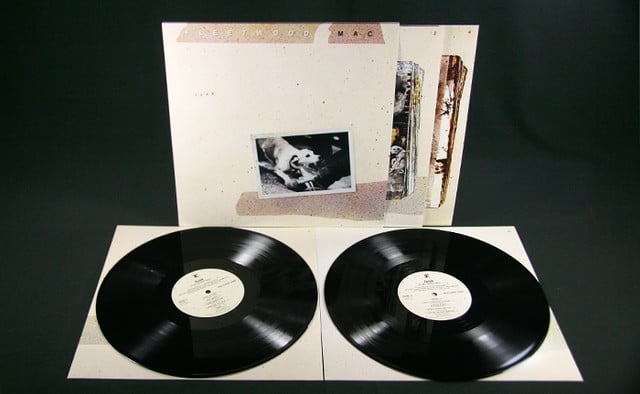
Fleetwood Mac recorded “Tusk” at Village Recorder in Los Angeles, but they also famously used unconventional spaces including a makeshift studio in Lindsey Buckingham’s home. The band spent over a year on the album, experimenting with spaces and sounds.
Buckingham wanted to break away from the polished sound of “Rumours,” so he deliberately chose locations and techniques that would make the recording feel less perfect, more raw.
Where the Microphones Still Echo

Recording locations matter more than most people realize. A great studio can make a bad album, and a terrible space can birth a masterpiece.
The albums that last are often the ones where you can hear the room breathing along with the musicians. These spaces weren’t chosen for convenience or cost savings.
They were chosen because something about them felt right—or felt so wrong that it circled back to being exactly what the music needed. The next time you listen to an album and something about it feels different, feels real in a way you can’t quite name, check where it was recorded.
You might find the answer in a prison, a cabin, or a room that no one thought would work until someone tried.
More from Go2Tutors!

- The Romanov Crown Jewels and Their Tragic Fate
- 13 Historical Mysteries That Science Still Can’t Solve
- Famous Hoaxes That Fooled the World for Years
- 15 Child Stars with Tragic Adult Lives
- 16 Famous Jewelry Pieces in History
Like Go2Tutors’s content? Follow us on MSN.



