15 Childhood Craft Kits With Collectible Original Contents
Craft kits were small promises in a box: open the lid and make something. Decades later, the boxes themselves, along with the molds, pegs, paints and instruction sheets inside, have become objects worth hunting down.
The fifteen kits below span the 1940s through the 2010s. Each one left behind a recognizable set of parts, and complete sets have found devoted collectors.
Shrinky Dinks
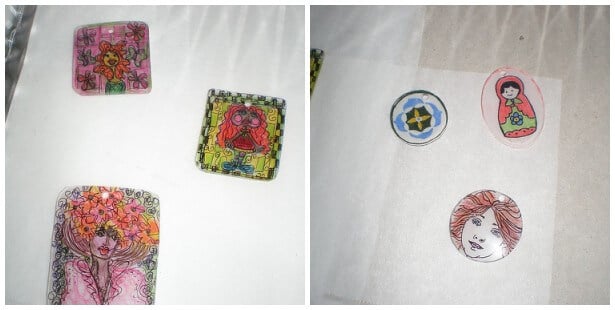
Betty Morris and Kate Bloomberg of Brookfield, Wisconsin, developed Shrinky Dinks in 1973 after a Cub Scout project. Children colored sheets of polystyrene that shrank in the oven to a thick, glossy charm.
Early sets sold for $2 at Brookfield Square, and the company later licensed the product to Colorforms.
Spirograph
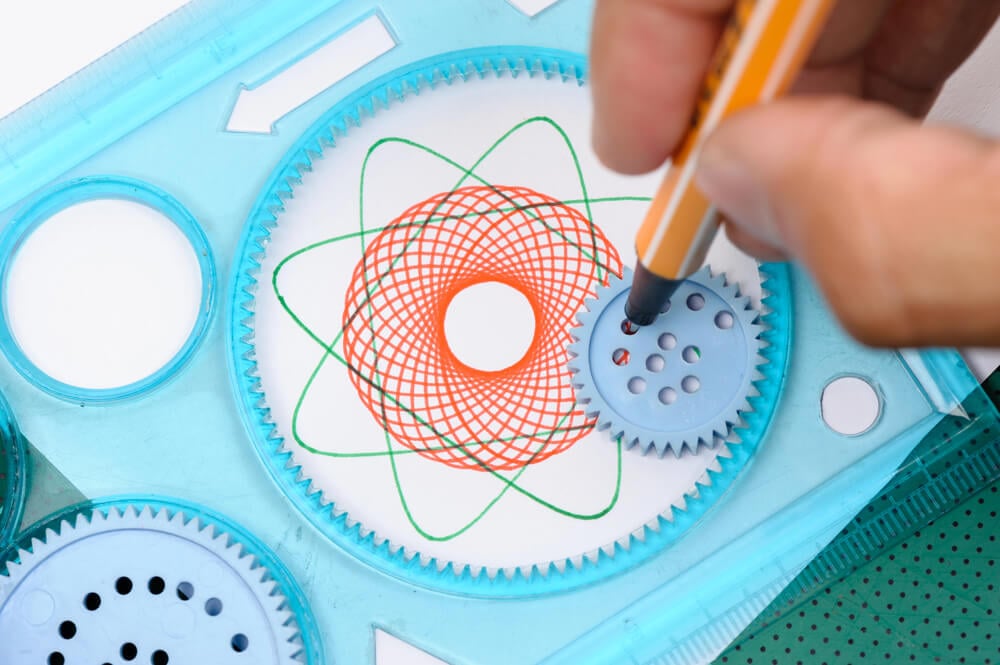
Denys Fisher showed Spirograph at the 1965 Nuremberg Toy Fair, and Kenner brought it to the United States in 1966. The toy used plastic gears and wheels with pen-sized openings to trace looping patterns.
Complete original sets include the gear rings, wheels and pens in a fitted tray.
Mattel’s Thingmaker
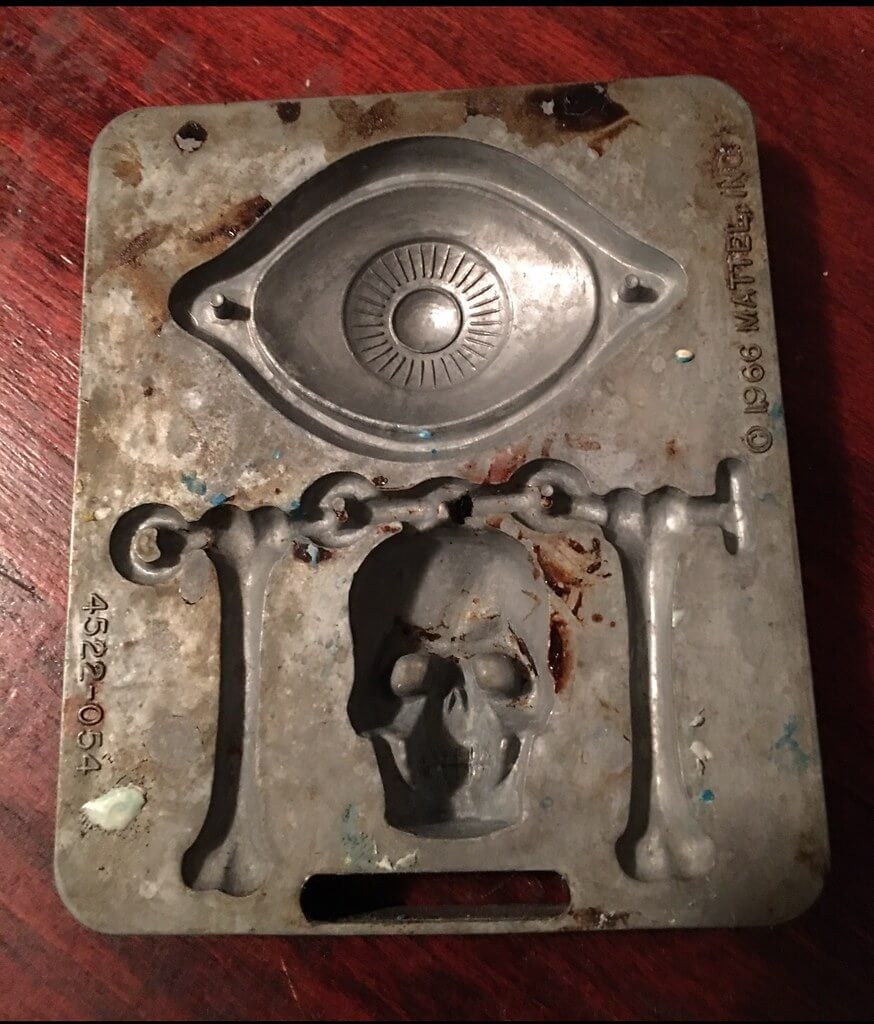
Mattel’s Thingmaker of 1964 let children cast rubbery bugs from metal molds filled with Plastigoop, a liquid that cured on a hot plate. The plate reached about 390 degrees Fahrenheit, a fact that explains its later reputation.
Mold sets, such as Creepy Crawlers, are collected, while unused bottles of goop have often dried out.
Craft Master Paint by Number
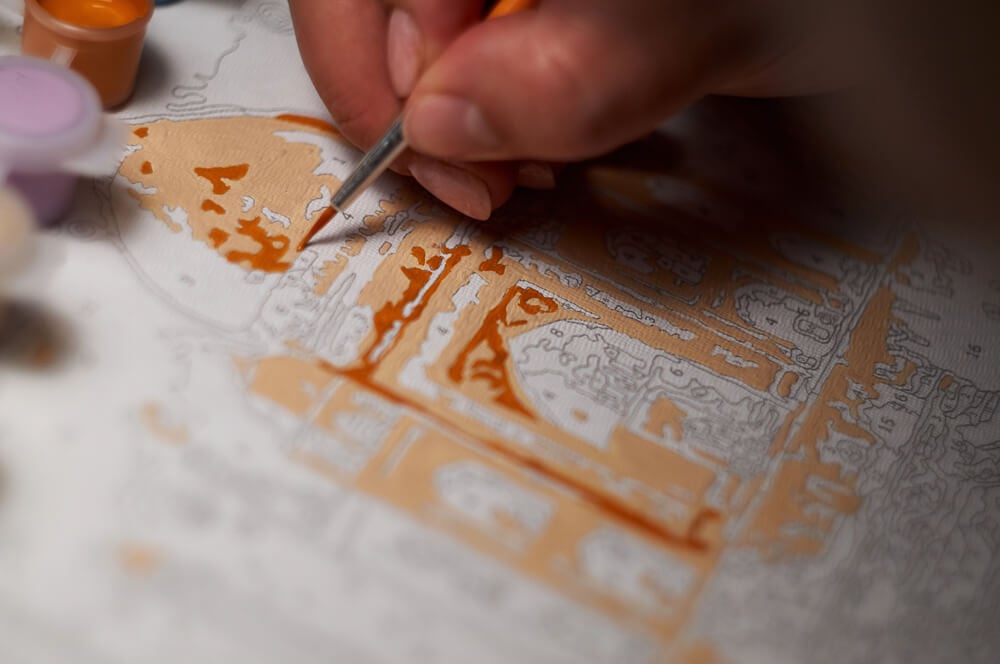
Palmer Paint Company of Detroit launched Craft Master kits in 1951, based on the ideas of Max Klein and Dan Robbins. Early kits cost $2.50 and included a numbered canvas, brushes and small paint capsules, marketed with the slogan that every man could be a Rembrandt.
About 12 million kits had sold by 1954, and sales peaked near 20 million in 1955.
Colorforms
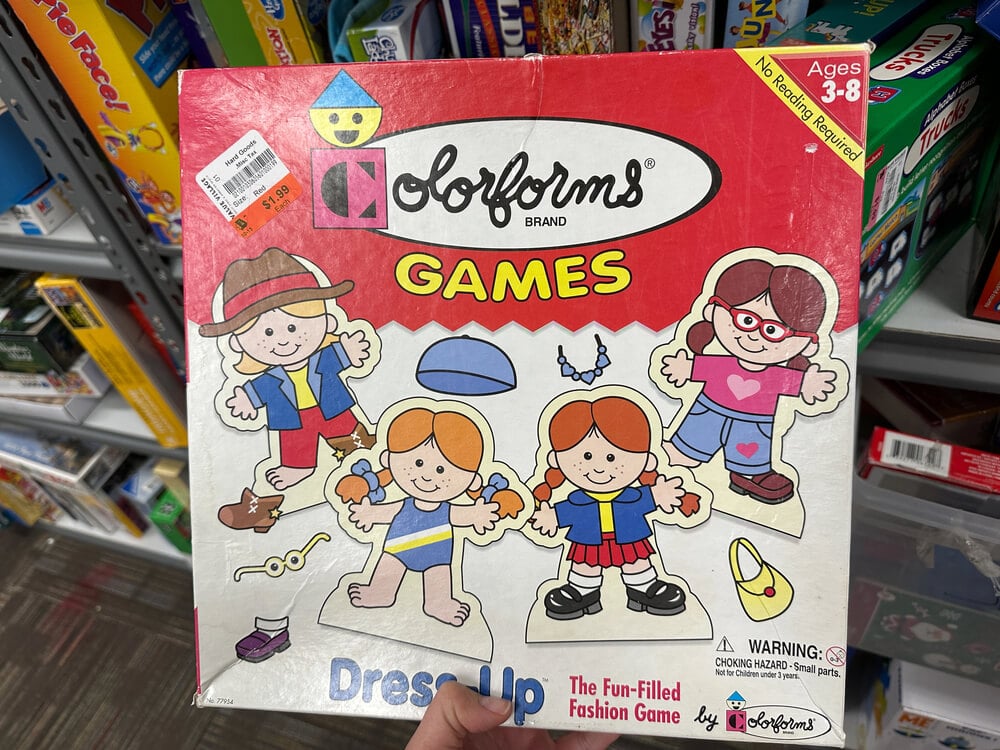
Colorforms arrived in 1951 as thin vinyl shapes that clung to a glossy black board. Children arranged them into scenes, faces and cities, then peeled them off to begin again.
Sets still sealed in their original boxes are prized, since the vinyl loses cling over time.
Lite-Brite
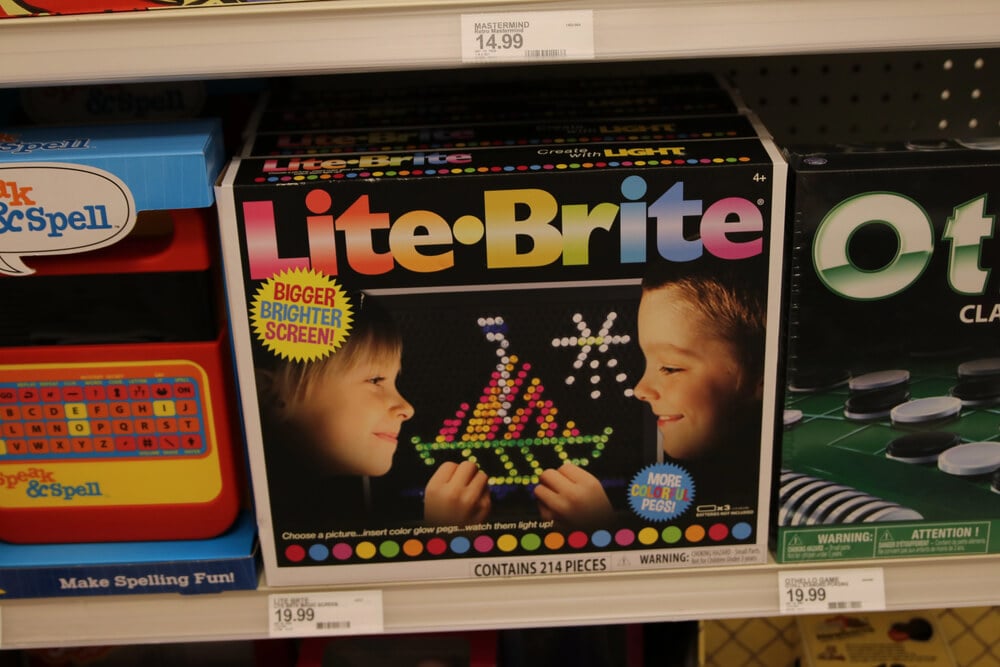
Hasbro introduced Lite-Brite in 1967. A light bulb inside the box illuminated colored plastic pegs pushed through black paper templates.
Original sets are judged by their template sheets and peg counts, since the pegs go missing first.
Sea-Monkeys
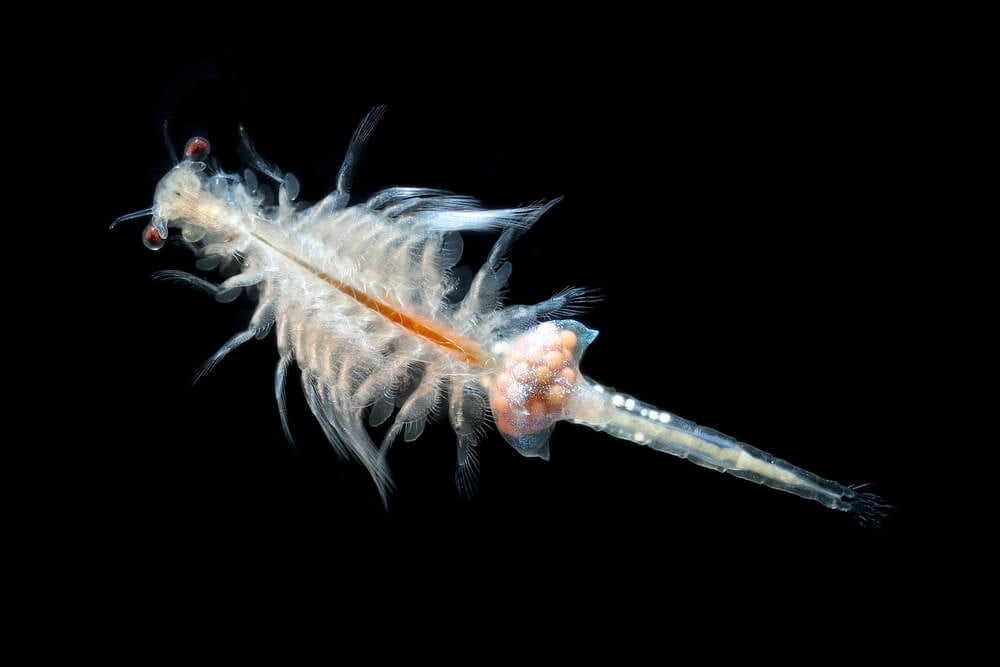
Harold von Braunhut introduced his “Instant Life” aquarium kits in 1957 and later renamed the product Sea-Monkeys. The kit contained a packet of brine shrimp eggs that hatched in treated water.
The shrimp are long gone, but the original packets and comic-book ads are collected.
Play-Doh
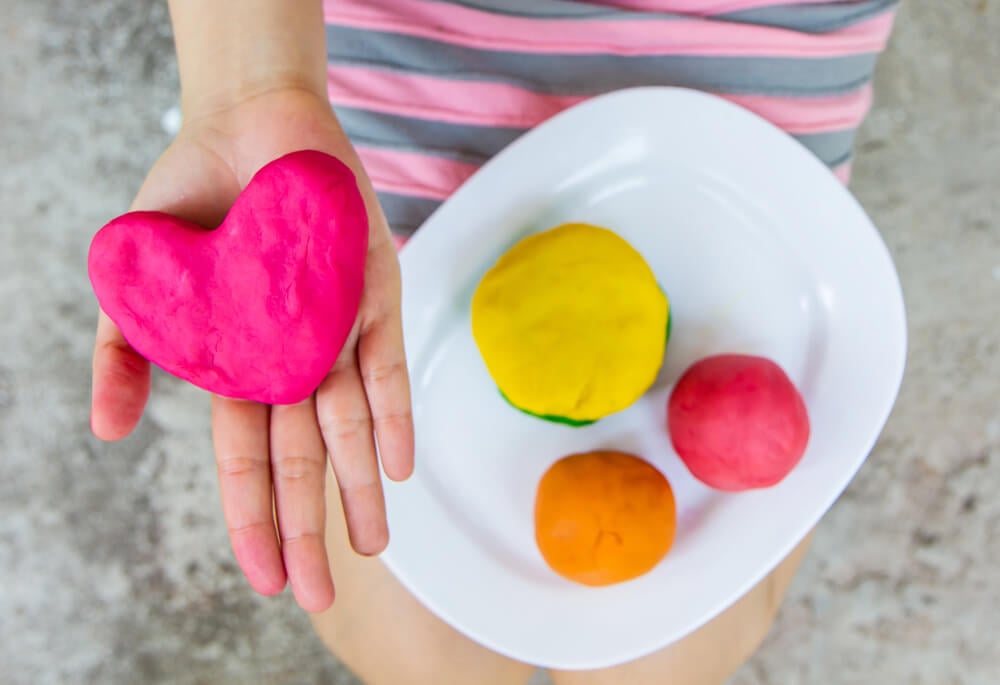
Play-Doh began as a wallpaper cleaner made by Kutol, a Cincinnati soap company, before the McVicker family sold it as a modeling compound in 1956. Early kits came with small cans in a few bright colors.
Hardened clay and rusted lids are common, so intact tins are uncommon.
The Easy-Bake Oven
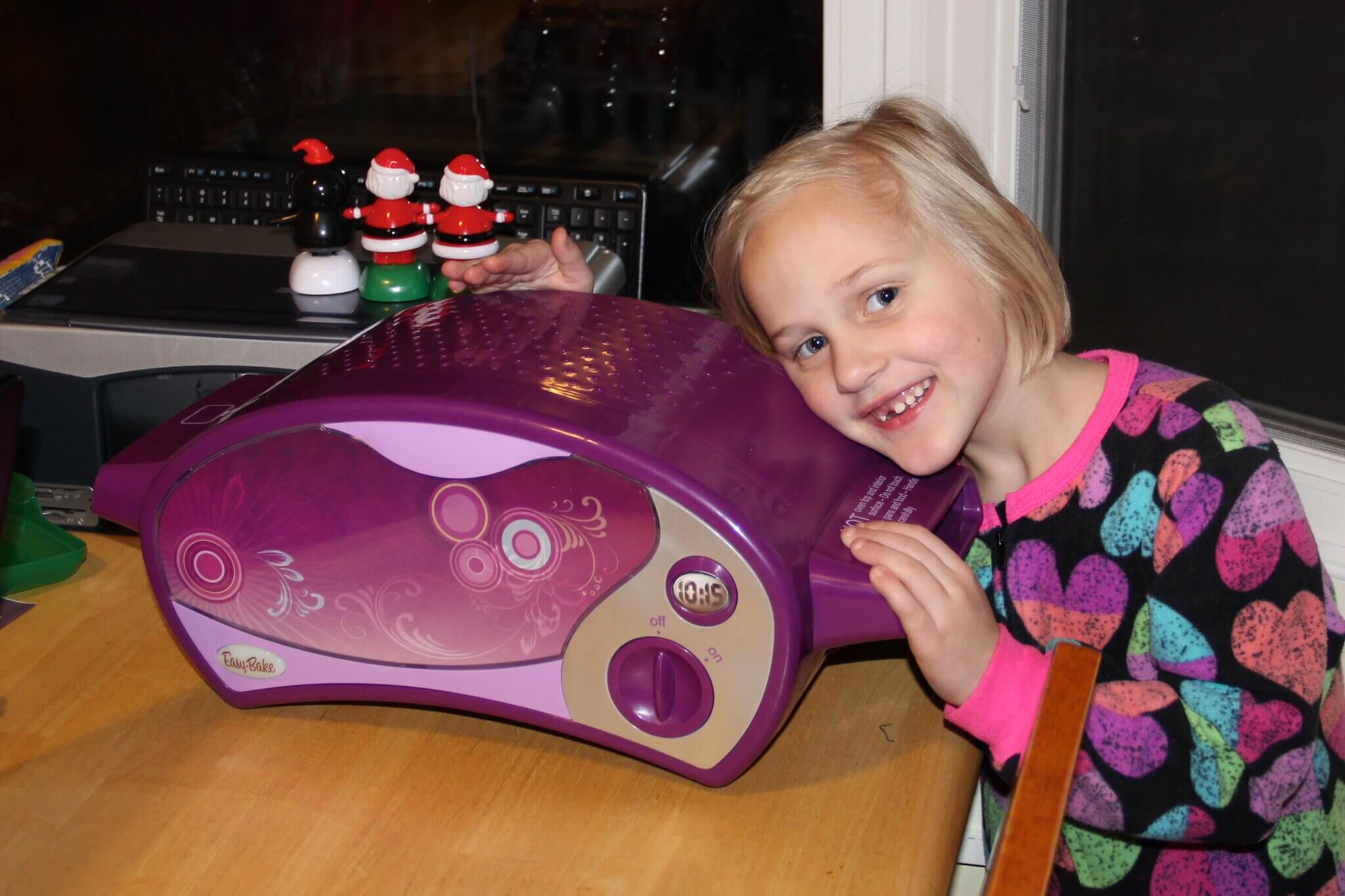
Kenner released the Easy-Bake Oven in 1963, powered by two ordinary 100-watt light bulbs. It came with small cake mixes and pans, and the toy was a cultural hit in its first year.
Vintage ovens are priced by their color, box and original pans.
The Rainbow Loom
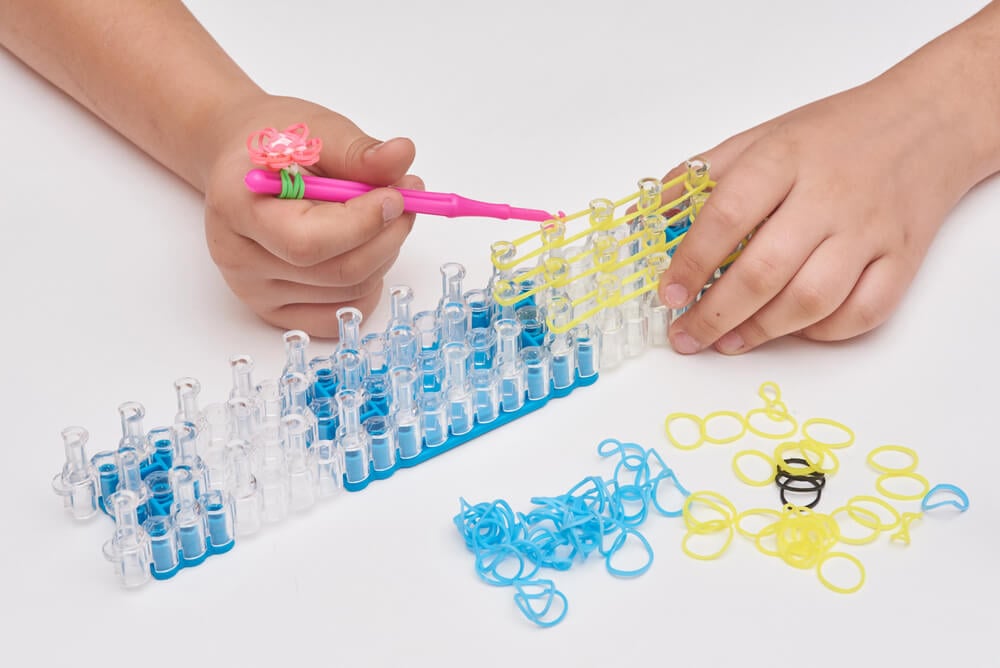
Cheong Choon Ng, a Malaysian-born inventor living near Detroit, created the Rainbow Loom around 2011. The kit used a plastic pegboard, a small hook and bags of colorful rubber bands to weave bracelets.
Sets with their original bands and metal clips are the most complete.
Revell Plastic Model Kits
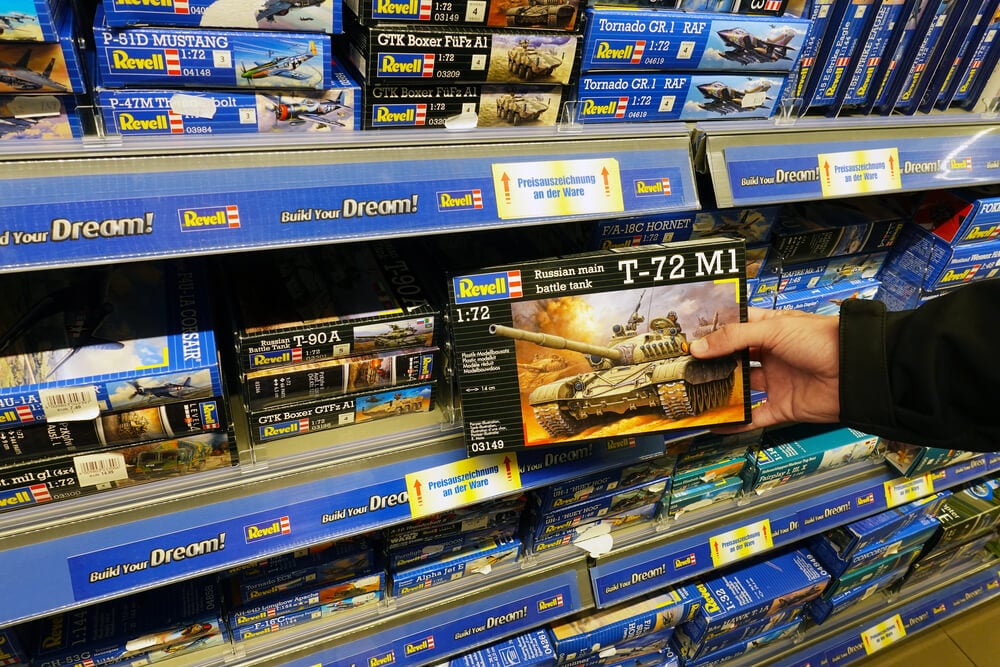
Revell was founded in 1943 by Lewis Glaser, and by the 1950s it was selling plastic model kits of ships, cars and airplanes. Each box contained parts attached to sprues, decal sheets and a folded instruction leaflet.
A kit with all its parts still on the sprue is worth much more than one that has been partly assembled.
Aurora’s Frankenstein Model
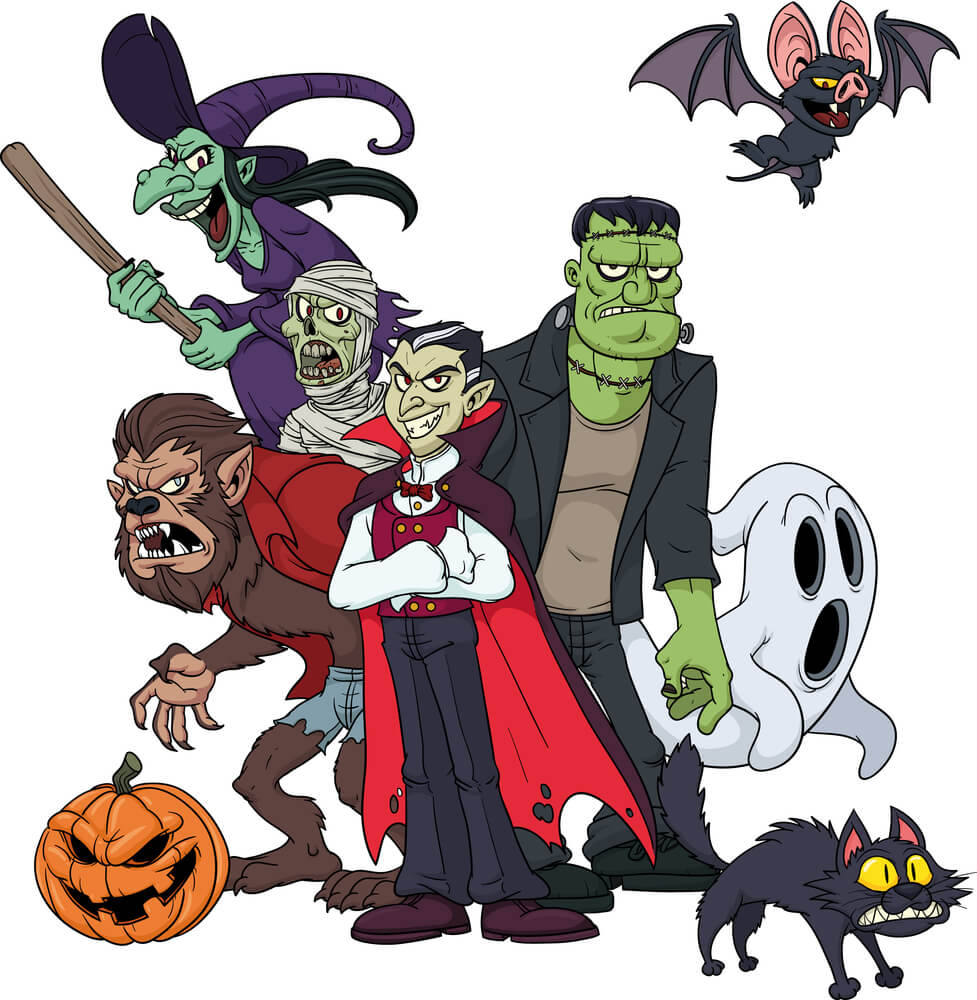
Aurora Plastics released a Frankenstein monster model kit in 1961, kicking off a line of classic movie monsters. The box art was part of the appeal, and collectors check that glow-in-the-dark parts, base pieces and the box are all present.
Built models fetch far less than sealed boxes.
Rit Dye Tie-Dye Kits
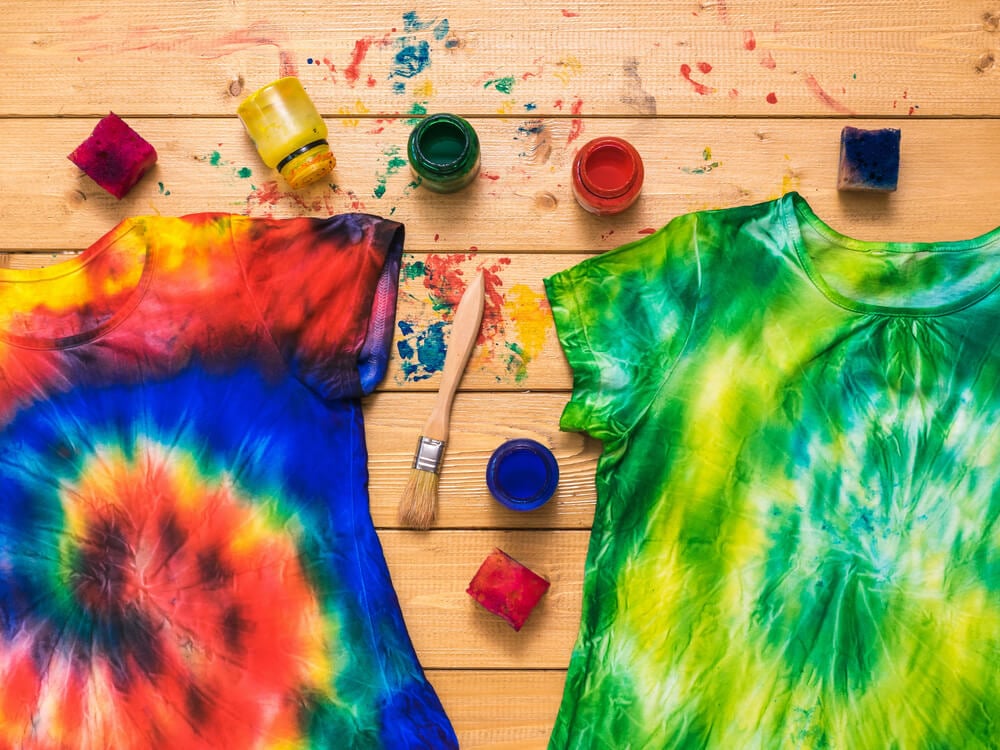
Rit dye was introduced in 1918, and by the 1960s it was the standard way to color fabric at home. Tie-dye kits bundled packets of dye with rubber bands and printed instructions.
Unopened boxes show the original graphics and are valued for them, though the dye inside has usually faded.
Latch Hook Rug Kits
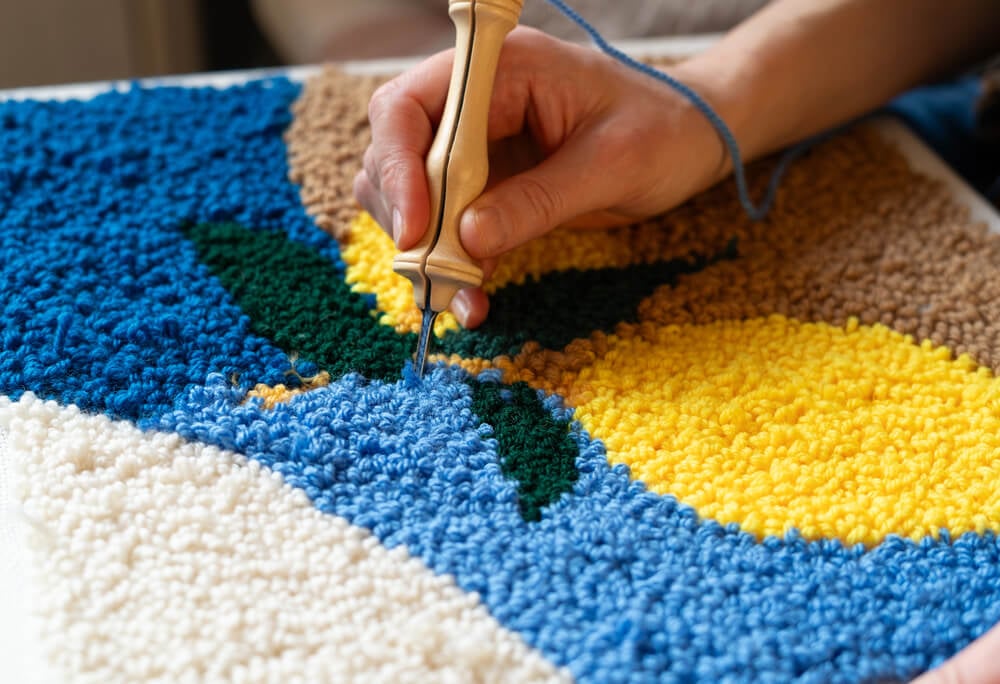
Latch hook kits became a craft staple in the 1970s. Each box held a pre-printed canvas, short pieces of yarn and a small hook tool.
A kit with all of its yarn bundles in the original package is the main prize for collectors.
Potholder Loom Sets
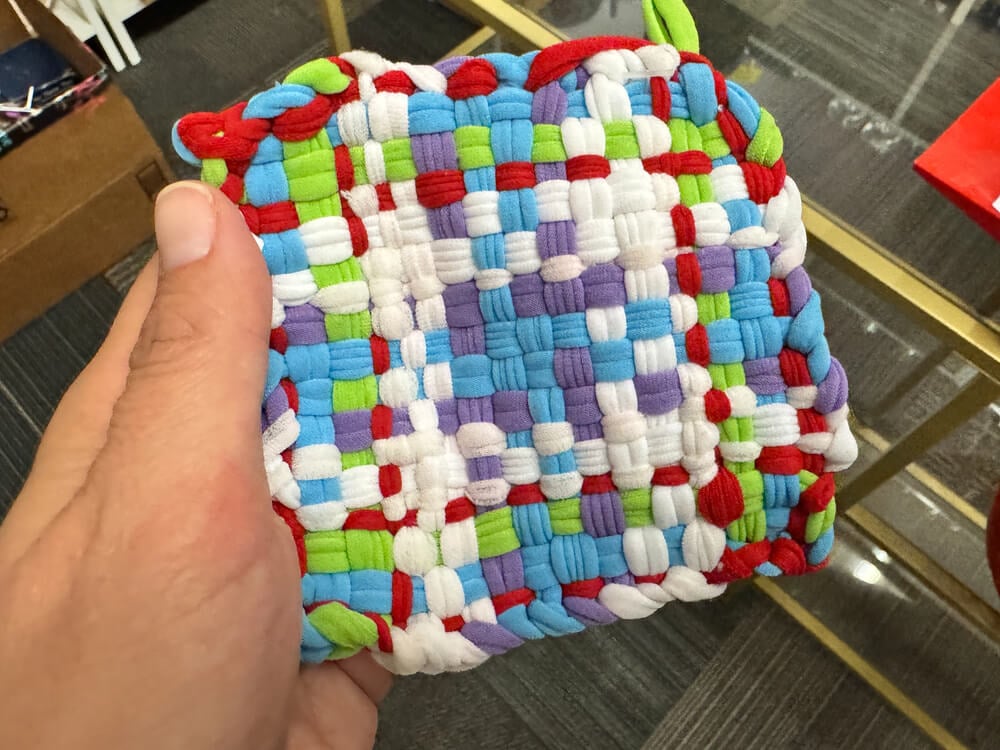
Small metal-frame looms with stretchy cotton loops let children weave their own potholders. The loops came in bags of assorted colors, and a hook tool finished the edges.
Sets with unused loops in their original packaging are the hardest to find.
The Box as Evidence
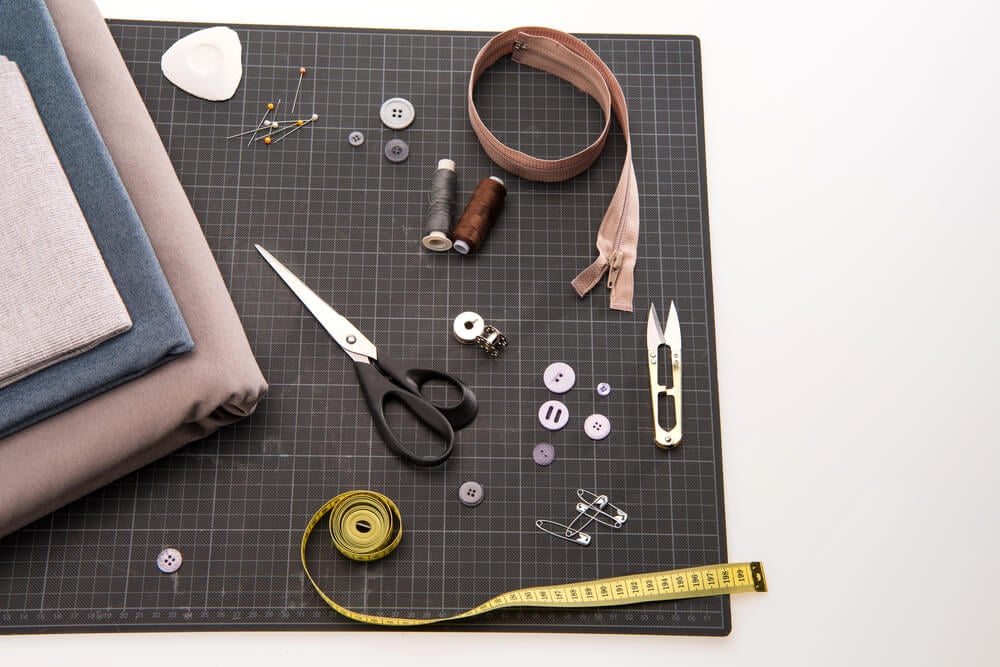
Craft kits survive in two forms: the finished object made by a child, and the unopened box with its contents untouched. Collectors tend to prefer the second, since it holds the molds, pegs, paints and papers as the maker intended.
Prices depend heavily on condition. A sealed set, a box with all parts present, or a mold still free of rust can be worth many times a loose, incomplete one, and a missing piece usually cuts the value sharply.
More from Go2Tutors!

- 27 Silver Dollars and Half Dollars Worth Keeping
- 28 Restaurant Menu Items Nobody Orders Anymore
- 17 Places Built in Seemingly Impossible Spots
- 27 Vintage Rings Worth More Than They Look
- 25 Restricted Sites Tourists Can’t Enter
Like Go2Tutors’s content? Follow us on MSN.