20 Everyday Objects Designed by Accident
Not every invention starts with a clear goal and a steady march toward it. A surprising number of objects now sitting in kitchen drawers, medicine cabinets, and toy chests around the world exist only because something went wrong — a failed adhesive, an overcooked batch, an experiment that refused to behave the way it was supposed to.
What separates these accidents from ordinary failures is that someone paying attention noticed the mistake was actually more interesting than the original goal, and had the sense to keep it.
Post-it Notes

Chemist Spencer Silver was trying to develop an extra-strong adhesive at 3M in 1968 and instead produced one that was unusually weak, sticking to surfaces but peeling away cleanly without residue. It sat without an obvious use for years until colleague Art Fry, frustrated by bookmarks falling out of his hymn book, realized the weak adhesive was perfect for a repositionable note, leading to the product’s launch in 1980.
Microwave Oven
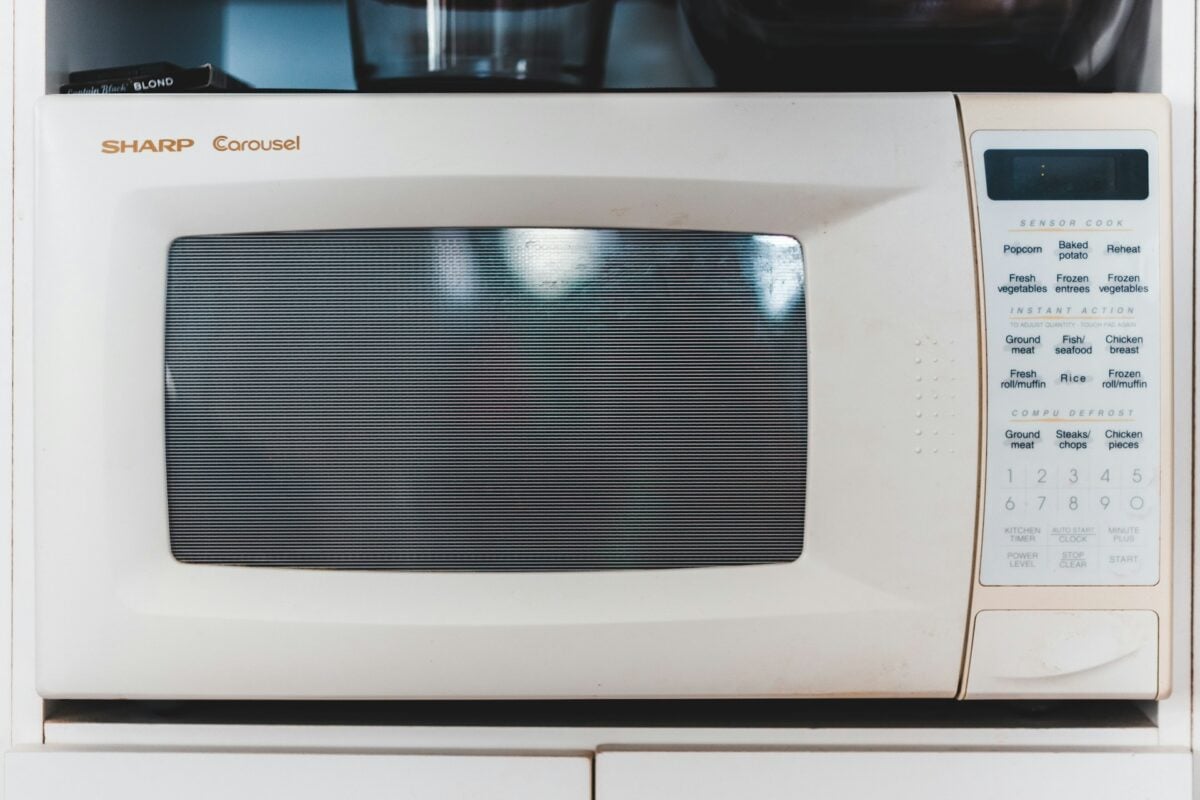
Engineer Percy Spencer was working with radar technology at Raytheon in 1945 when he noticed a chocolate bar in his pocket had melted while he stood near an active magnetron. Curious, he tested the device on popcorn kernels and then an egg, both of which cooked rapidly, leading directly to Raytheon’s development of the first commercial microwave oven within a few years.
Slinky

Naval engineer Richard James was developing springs meant to stabilize sensitive equipment on ships in 1943 when one of his prototype springs fell off a shelf and continued moving on its own, coiling end over end down to the floor. Recognizing the motion as oddly captivating, James and his wife Betty refined the design into a toy, launching it commercially in 1945.
Play-Doh
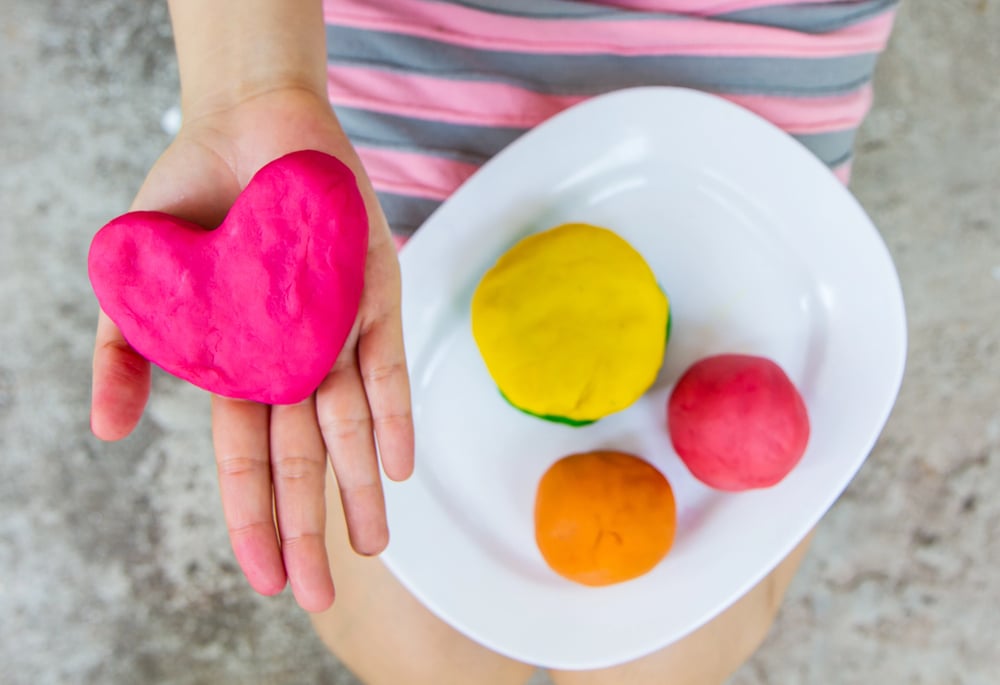
Originally formulated in the 1930s as a putty for cleaning soot off wallpaper, the product lost its main market as homes shifted away from coal heating and vinyl wallpaper became more common. A relative of the manufacturer noticed children enjoyed molding the pliable, non-toxic compound, and the company relaunched it as a children’s modeling product in 1956.
Velcro
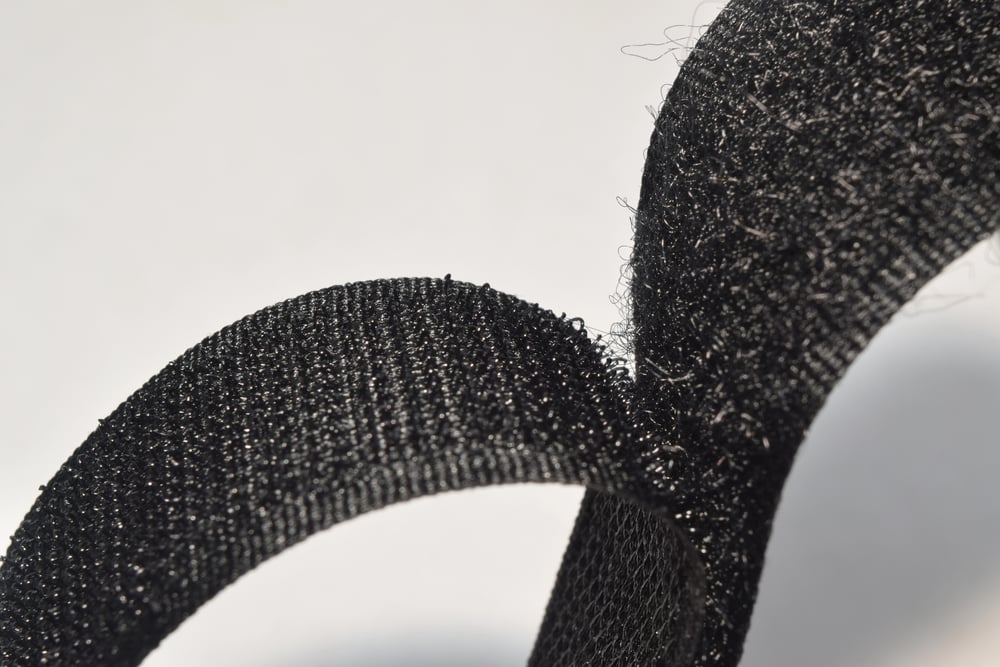
Swiss engineer George de Mestral returned from a hike in 1941 to find burrs from a plant stubbornly clinging to his clothing and his dog’s fur, and examined them under a microscope out of curiosity rather than any inventive intent. The tiny hooked structures he observed inspired the two-sided hook-and-loop fastening system he patented years later, in 1955.
Super Glue
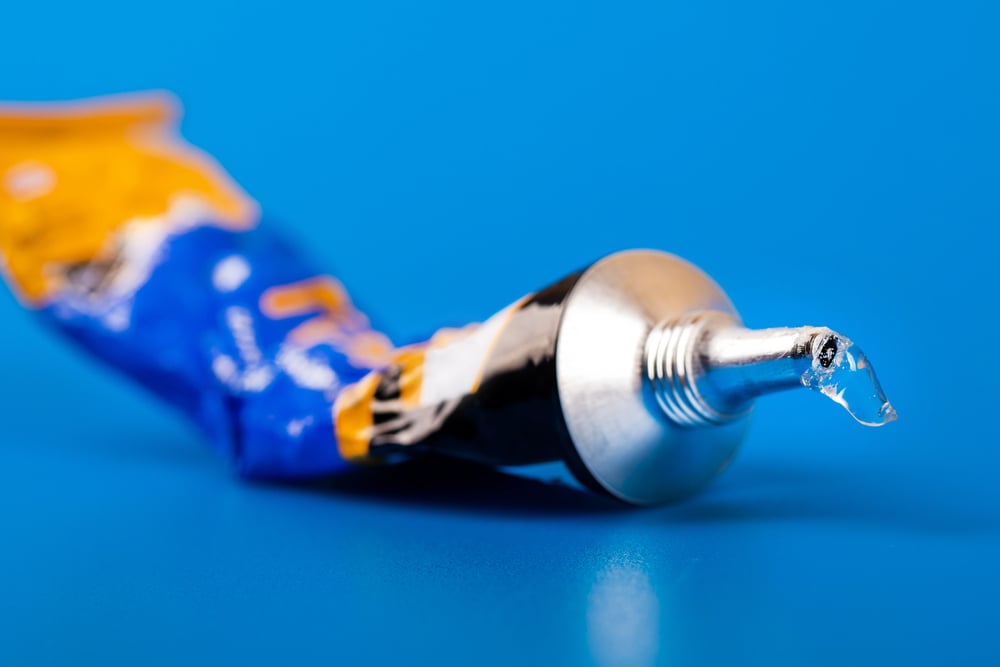
Chemist Harry Coover was attempting to develop a clear plastic for precision gun sights during the Second World War when he produced a cyanoacrylate compound that stuck to everything it touched, ruining the experiment. He initially dismissed it as a failure, only recognizing its commercial potential as a fast-bonding adhesive years later, in the mid-1950s.
Teflon
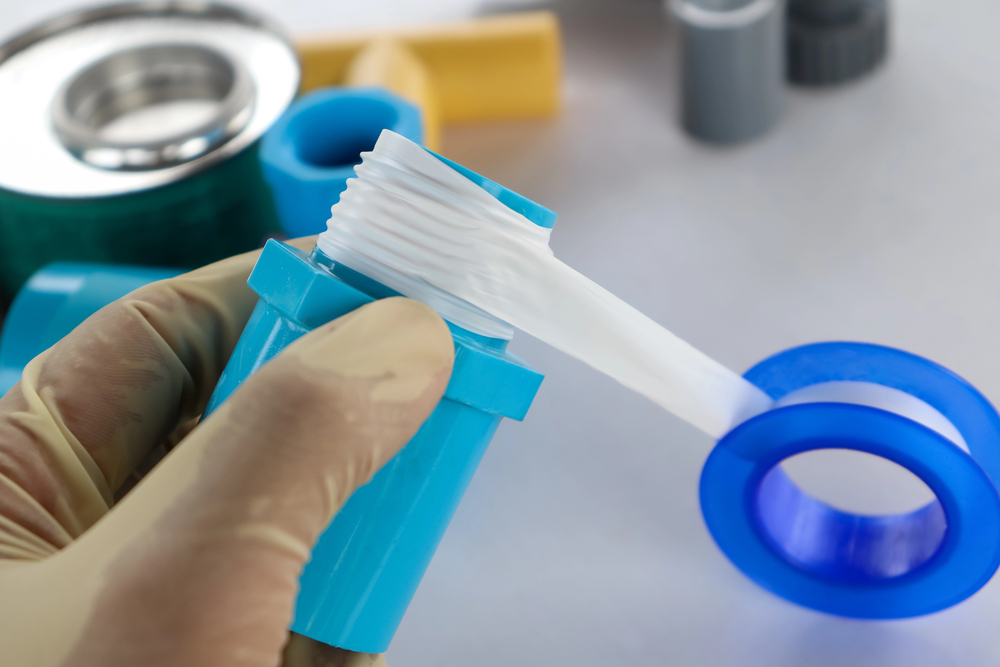
Chemist Roy Plunkett was experimenting with refrigerant gases at DuPont in 1938 when a supposedly empty storage cylinder turned out to contain a strange waxy solid that had formed unexpectedly inside it through unplanned polymerization. Testing revealed the substance was remarkably slippery and heat-resistant, eventually leading to its use in non-stick cookware coatings decades later.
Saccharin
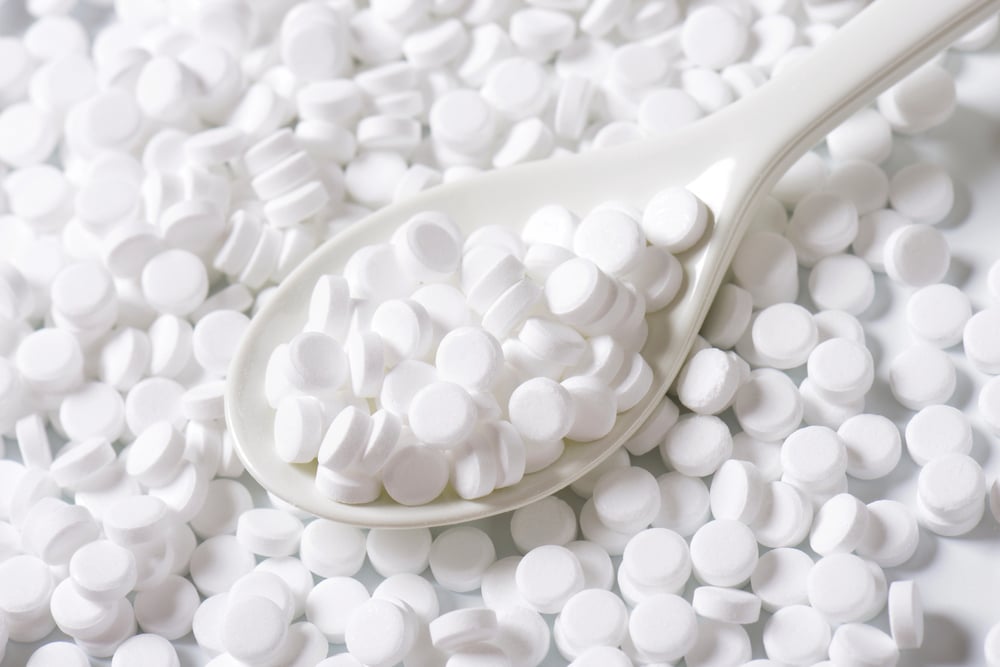
Chemist Constantin Fahlberg was researching coal tar derivatives at Johns Hopkins University in 1878 and noticed an intensely sweet taste on his hands one evening at dinner, tracing it back to a compound he had handled in the lab earlier that day without washing his hands. The discovery led to the commercial development of saccharin as one of the earliest artificial sweeteners.
Popsicle

An eleven-year-old named Frank Epperson accidentally left a cup of powdered soda mix with a stirring stick in it outside overnight in 1905, and the cold California night froze the mixture solid. He patented the frozen treat on a stick nearly two decades later, in 1923, under the name that would become a household word.
Corn Flakes

Brothers John Harvey and Will Keith Kellogg were experimenting with boiled wheat dough at their Michigan sanitarium in the 1890s when a batch was accidentally left to sit too long, going stale before they could process it as intended. Rolling the stale dough anyway produced flakes rather than the sheet they expected, and the resulting texture became the basis for their cereal business.
Potato Chips
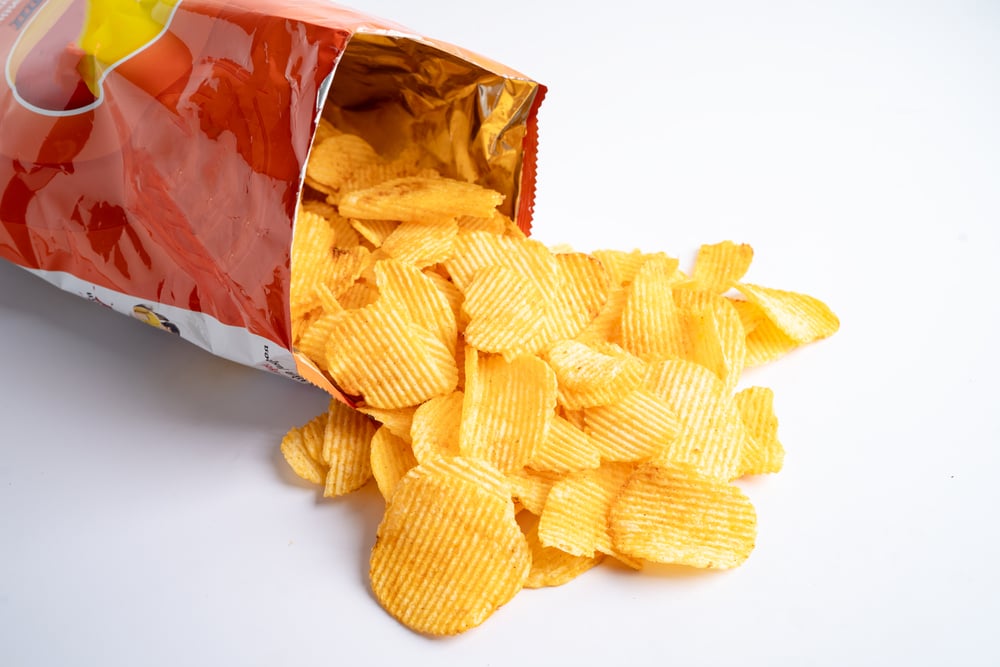
According to the most commonly told version of the story, chef George Crum, working at a resort in Saratoga Springs, New York, in 1853, sliced potatoes unusually thin and fried them crisp after a diner repeatedly sent back thicker fried potatoes as unsatisfactory. Food historians note that thin fried potato slices actually appear in print even earlier, but the Crum account remains the most widely repeated origin story for the snack.
Vulcanized Rubber
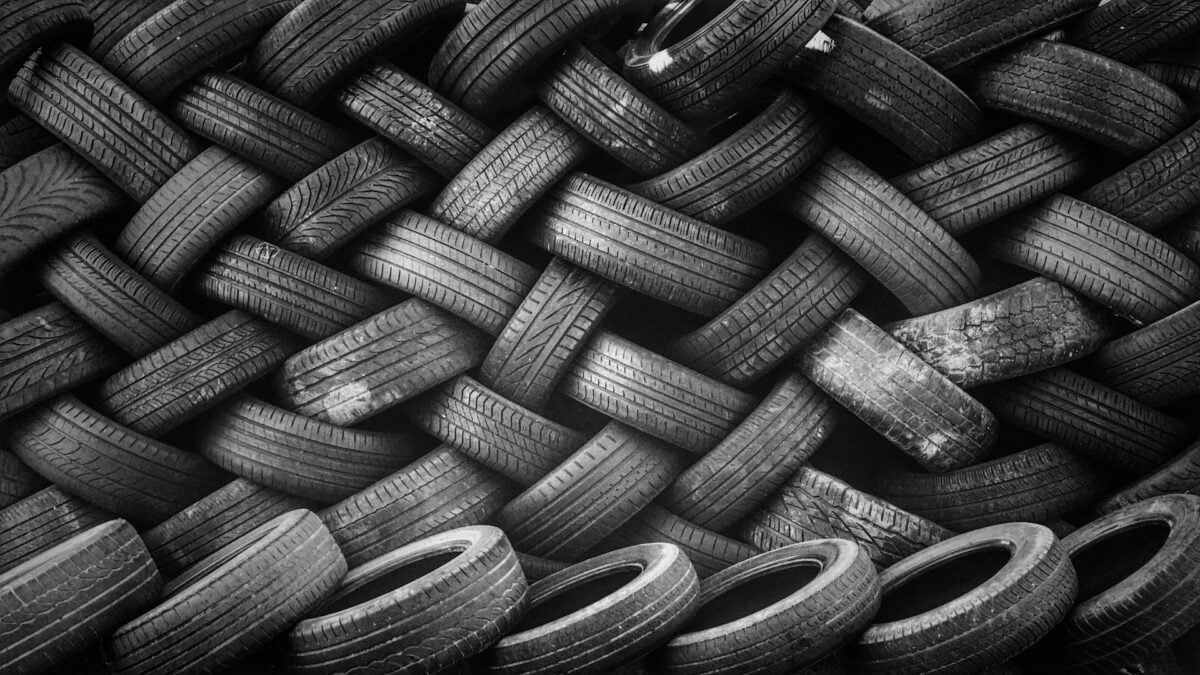
Inventor Charles Goodyear had spent years unsuccessfully trying to make rubber more durable when, in 1839, he accidentally dropped a rubber and sulfur mixture onto a hot stove. Rather than melting further, the mixture charred into a material that remained flexible and strong even in extreme temperatures, giving him the vulcanization process that made rubber commercially practical.
Matches
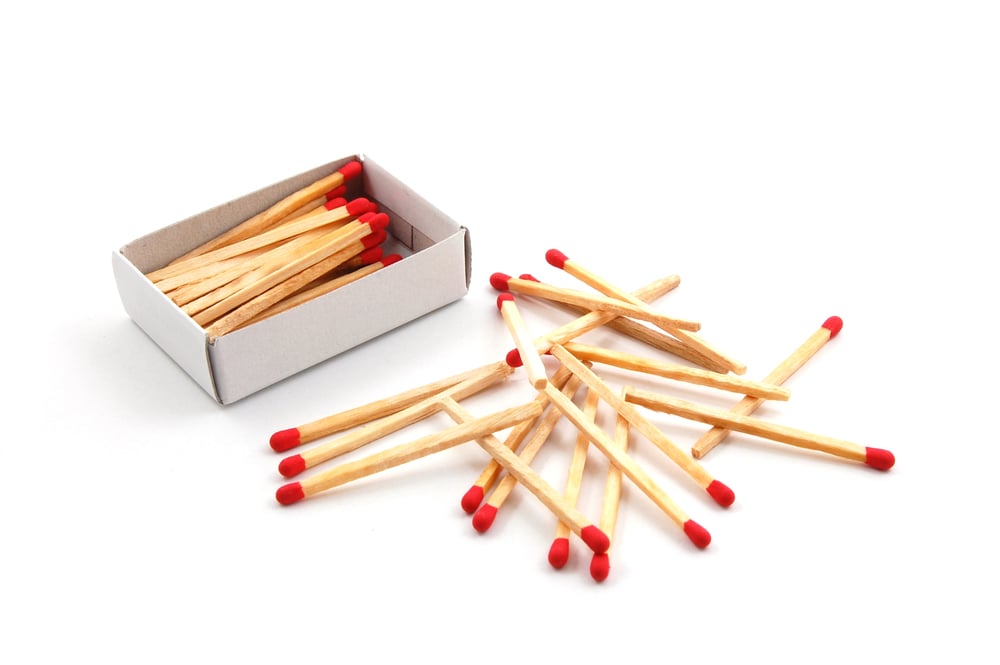
Chemist John Walker was stirring a mixture of chemicals with a stick in his shop in 1826 when the dried residue on the tip ignited from friction as he scraped it against the floor to clean it off. Recognizing the potential, he began selling friction matches shortly afterward, though he never patented the invention.
Coca-Cola
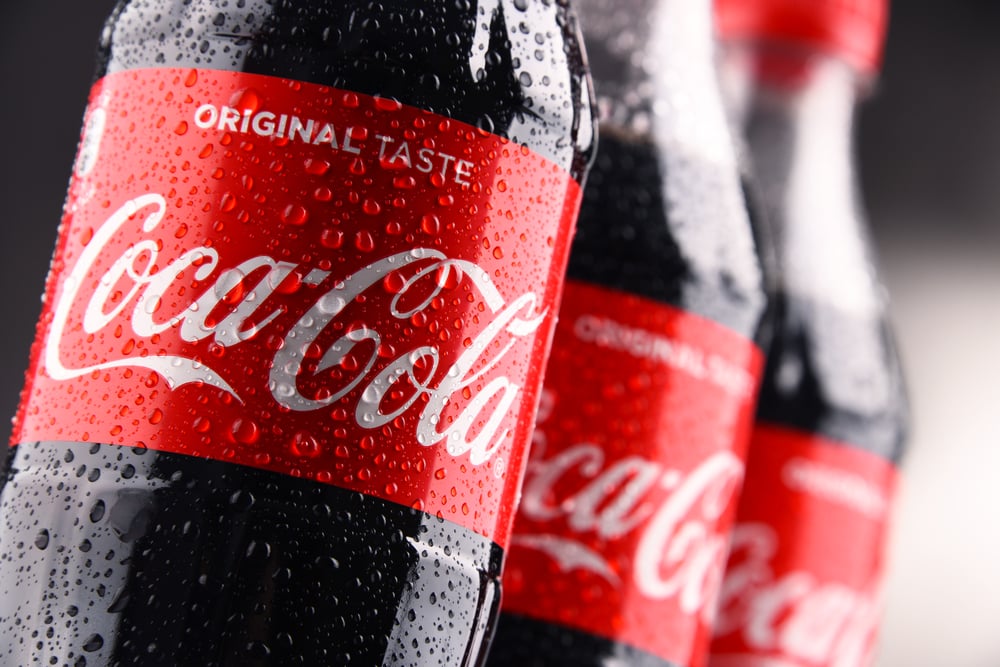
Pharmacist John Pemberton was attempting to create a medicinal tonic in 1886 when a batch was accidentally mixed with carbonated water instead of still water at a soda fountain, and the fizzy version proved far more popular with customers than the flat original recipe. That accidental carbonation became a defining characteristic of the drink from its earliest days.
Silly Putty
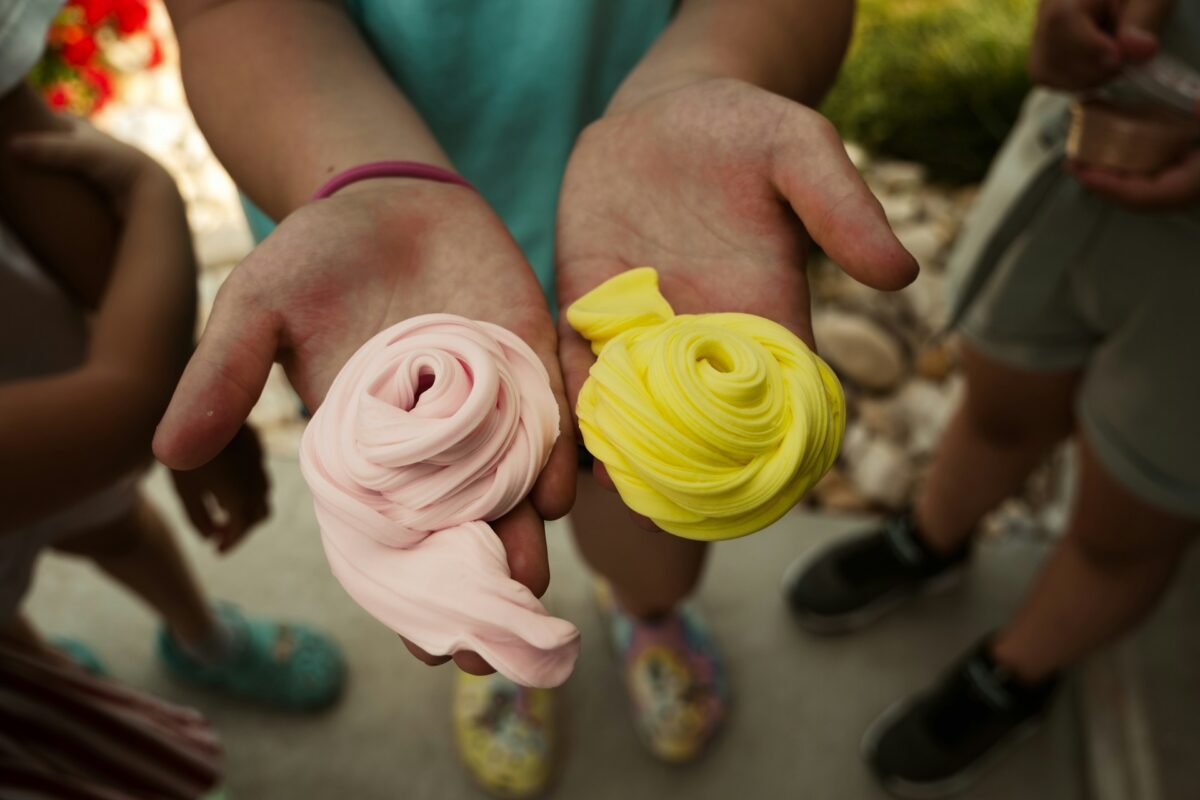
Engineer James Wright was attempting to develop a synthetic rubber substitute for the US military during the Second World War when a mixture of boric acid and silicone oil produced a bouncy, stretchy substance with no useful industrial application. It sat as a curiosity for years until a toy store owner recognized its appeal as a novelty, leading to its commercial launch in 1950.
Bubble Wrap
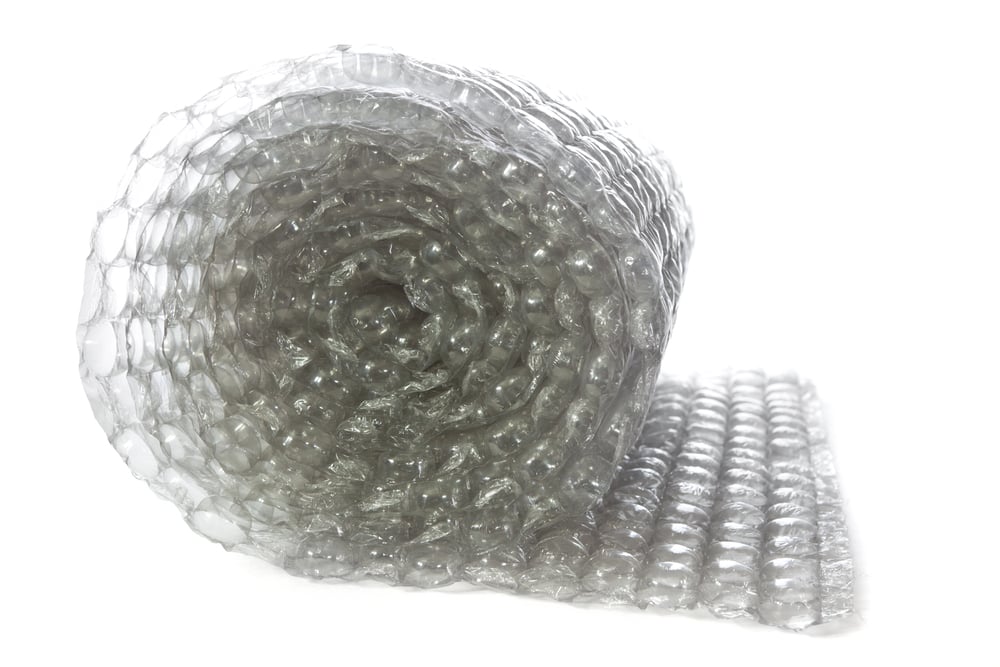
Engineers Alfred Fielding and Marc Chavannes were trying to create a textured plastic wallpaper in 1957 by sealing two shower curtains together with trapped air pockets, but the product failed as a wallpaper concept entirely. They eventually repurposed the material as protective packaging, and it was marketed successfully in that role starting in the early 1960s.
Ivory Soap

A factory worker at Procter & Gamble in 1879 accidentally left a soap mixing machine running longer than intended, whipping excess air into the batch. Rather than discarding the batch, the company shipped it anyway, and customers began requesting more of the soap that floated in water, prompting the company to intentionally replicate the aeration process going forward.
Chocolate Chip Cookies
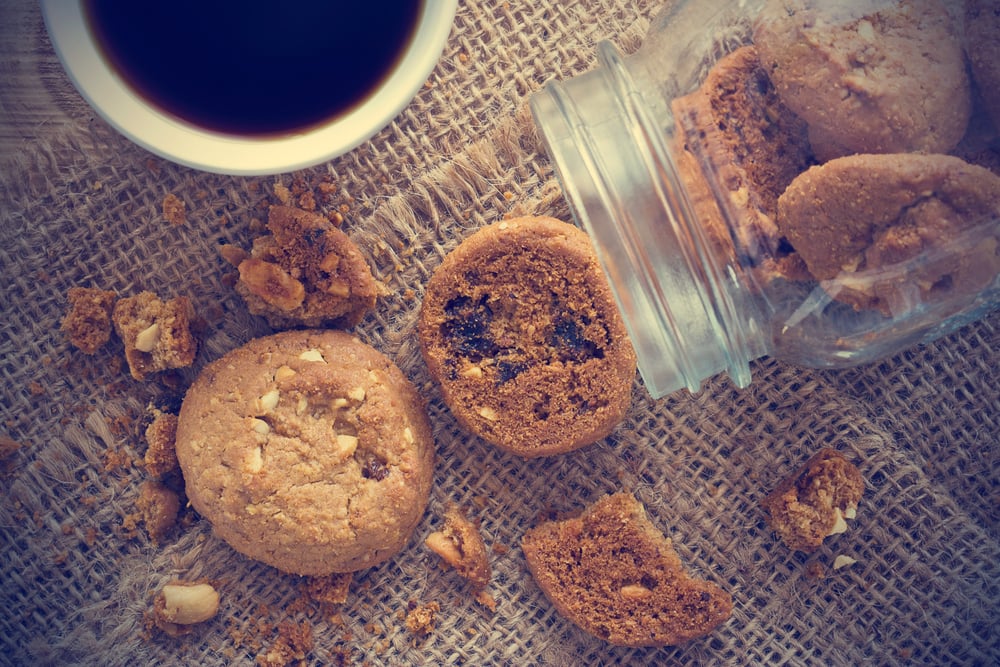
Innkeeper Ruth Wakefield was making cookies at her Massachusetts inn in 1938 and substituted chopped chocolate for baker’s chocolate, expecting it to melt evenly into the dough as she baked. Instead, the chocolate largely held its shape, creating distinct pockets throughout the cookie, a texture that proved more popular than the smooth chocolate cookie she had originally intended to make.
Safety Glass
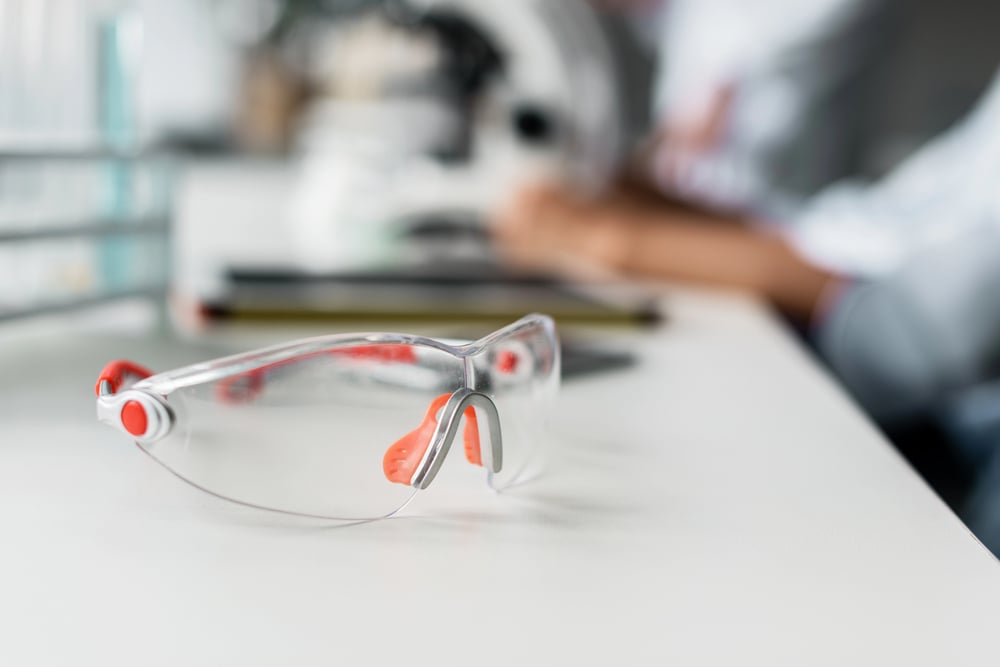
French chemist Édouard Bénédictus accidentally knocked a glass flask off a shelf in his laboratory in 1903 and noticed that, although the glass cracked, it held together in roughly its original shape rather than shattering into fragments. He traced the effect to a plastic film coating that had dried inside the flask from an earlier experiment, a discovery that led directly to the development of laminated safety glass.
Vaseline
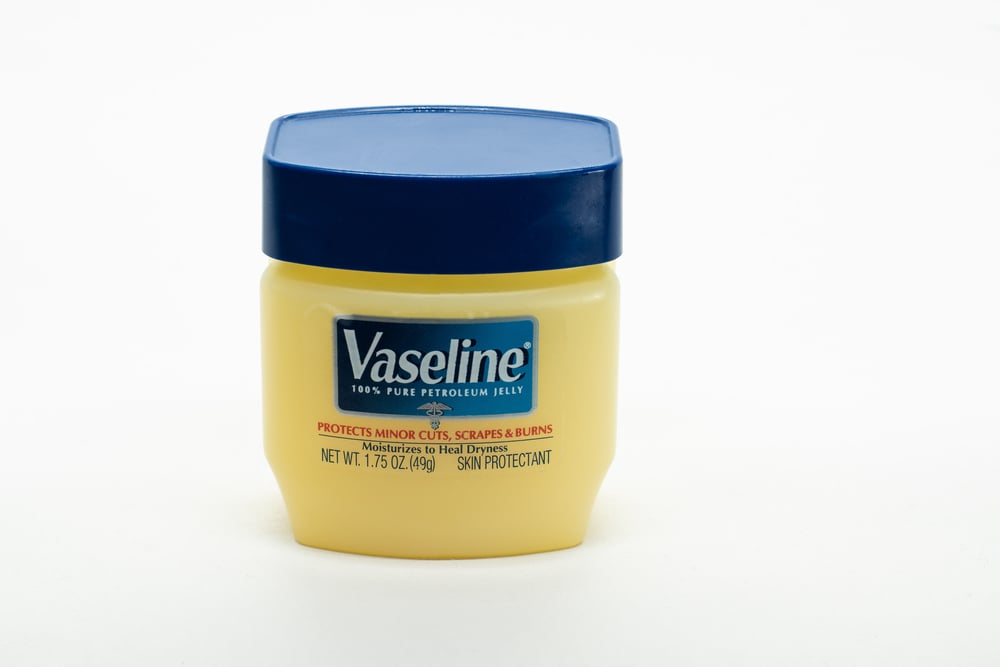
Chemist Robert Chesebrough visited Pennsylvania oil fields in the 1850s and observed rig workers using a waxy paraffin-like residue that built up on drilling equipment to treat cuts and burns, despite it being considered an unwanted byproduct of the drilling process. He spent years refining the substance into a purified petroleum jelly, patenting and marketing it commercially as Vaseline starting in 1872.
The Mistakes That Stuck Around

What links a melted chocolate bar and a dropped rubber compound is not luck exactly, but attention. Every accident on this list happened to someone whose job put them in a position to recognize when a failure was actually a discovery wearing an unfamiliar shape, and who was curious enough to follow the mistake rather than simply clean it up and start over.
Most of these objects also took years, sometimes decades, between the original accident and the moment someone figured out what to actually do with it. The soap that floated sat as an oddity before anyone thought to sell it as a feature.
The bouncing putty spent years as a desk curiosity before a toy store owner saw the opportunity. The lag is the real lesson: noticing an accident is only half the discovery. Someone still has to decide it is worth keeping.
More from Go2Tutors!

- The Romanov Crown Jewels and Their Tragic Fate
- 13 Historical Mysteries That Science Still Can’t Solve
- Famous Hoaxes That Fooled the World for Years
- 15 Child Stars with Tragic Adult Lives
- 16 Famous Jewelry Pieces in History
Like Go2Tutors’s content? Follow us on MSN.



